9 Fruits That Are Perfect For 5-Gallon Bucket Gardening In Georgia
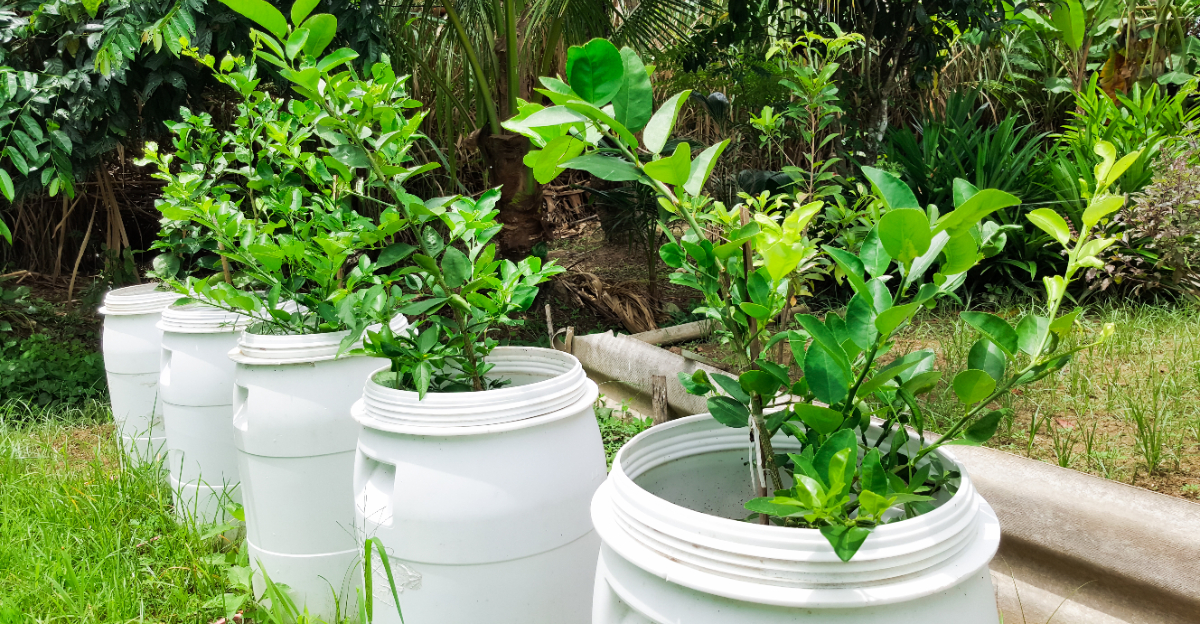
The bucket looked like a simple fix at first, sitting in a sunny corner and filling in fast with strong green growth in a Georgia yard. It felt like an easy way to grow more without needing extra beds or space.
Then something started to shift. One plant kept pushing, while another stalled out, and the difference became harder to ignore.
It shows up slowly. Leaves stay smaller than expected, fruit takes longer to form, and the plant never quite reaches the same strength as others nearby.
Watering feels right, the setup seems fine, but the results fall short in a way that is hard to explain.
This is where the choice of fruit matters more than the setup itself. Some plants handle bucket growing far better than others, especially once heat builds, and picking the right ones can change how productive that single container becomes.
1. Strawberries Grow Well And Produce In 5-Gallon Buckets
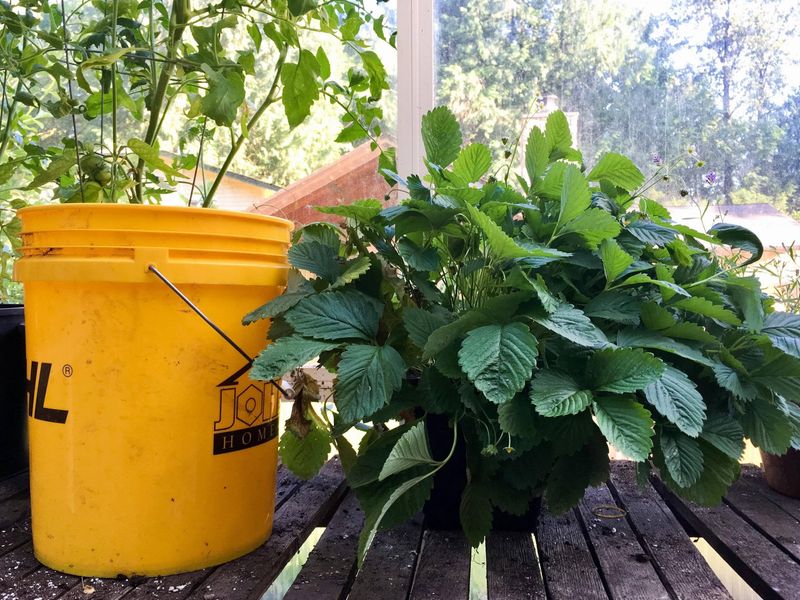
Few things beat pulling a ripe strawberry off a plant you grew yourself on a Georgia porch.
Everbearing varieties like Seascape or Albion are solid choices for buckets because they keep producing across a longer stretch of the season instead of dumping all their fruit at once.
Fill your bucket with a well-draining potting mix and make sure you have at least four to six drainage holes punched in the bottom. Strawberry roots do not like sitting in wet soil, and Georgia summers can bring heavy rain that builds up fast in containers without proper drainage.
Place your bucket somewhere it gets six or more hours of direct sun each day. Water consistently but check the soil first since the top inch drying out is your cue to water again.
Fertilize every two to three weeks with a balanced liquid fertilizer during the growing season. Runners will trail over the sides of the bucket, which looks great on a patio but you can trim them to keep energy focused on fruit production.
Expect a modest harvest per plant, not a grocery store haul, but the flavor makes it worth the effort.
2. Blueberries Thrive In Buckets With Acidic Soil
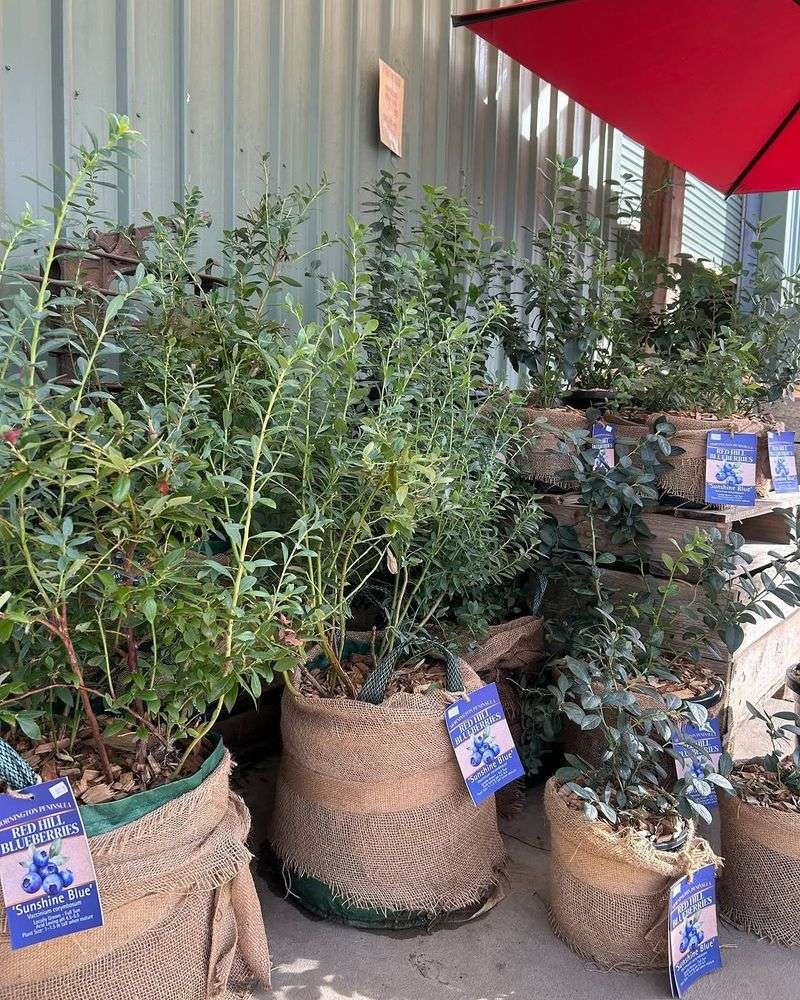
Blueberries are surprisingly picky about soil, and that pickiness is actually easier to manage in a container than in the ground. Georgia’s native soil tends to run closer to neutral, but in a 5-gallon bucket you control exactly what goes in.
Dwarf varieties like Top Hat or Jelly Bean stay compact and are well suited for container life. Mix in a good amount of peat moss or an acidic potting blend designed for blueberries and azaleas to get that pH down between 4.5 and 5.5.
Testing your soil pH with an inexpensive kit from any garden center is worth doing before you plant.
Blueberries benefit from cross-pollination, so placing two different varieties near each other can improve your fruit set noticeably.
Water regularly with consistent moisture since these plants do not handle drought stress well during fruiting.
In Georgia, summers get intense, so buckets may need watering more than once a day during heat waves. Avoid letting the roots dry out completely.
Your Georgia Garden Changes Every Week. Your Plan Should Too.
Gardening in Georgia changes quickly throughout the season. Every Friday you’ll receive a simple weekly plan showing exactly what to plant, prune, fertilize, harvest, and protect so you never miss the right timing.
Fertilize with an acid-forming fertilizer formulated for blueberries in early spring and again mid-season. Fruit production on young plants is usually modest the first year or two but tends to improve as the plant matures.
3. Dwarf Citrus Trees Can Grow And Fruit In Large Buckets
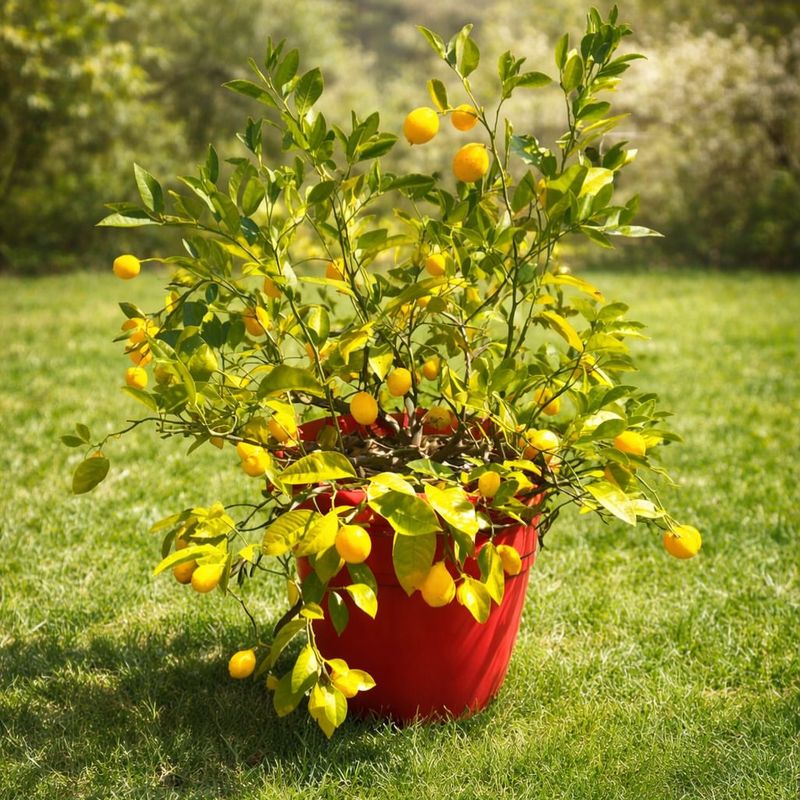
A Meyer lemon tree sitting on a Georgia patio covered in small yellow fruit is not as far-fetched as it sounds.
Dwarf citrus varieties, especially Meyer lemons and Calamondin oranges, adapt reasonably well to container growing when their basic needs are met consistently.
Full sun is non-negotiable. Aim for at least eight hours of direct light daily and position your bucket against a south or west-facing wall if possible to capture reflected heat.
Georgia winters can dip below freezing, so plan to move your citrus indoors or into a protected space when temperatures drop below 28 to 30 degrees Fahrenheit.
Use a well-draining citrus or cactus potting mix and make sure your bucket has solid drainage. Overwatering is a common issue with citrus in containers and can cause root problems quickly.
Water deeply, then let the top two inches of soil dry before watering again. Feed with a citrus-specific fertilizer that includes micronutrients like iron and magnesium since container-grown trees can show deficiencies over time.
Fruit production varies depending on the size of the tree and growing conditions, but a healthy dwarf citrus in a bucket can realistically produce a small crop each year with consistent care.
4. Figs Grow Well In Buckets With Regular Pruning
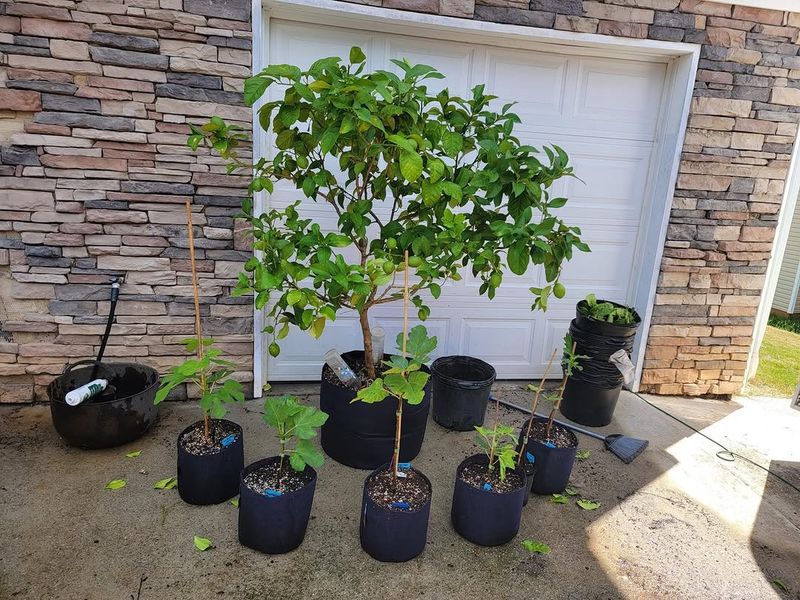
Figs have been growing in Georgia yards for generations, and they actually respond well to being contained in a bucket as long as you stay on top of pruning. Left alone, a fig wants to become a large shrub or small tree, but regular trimming keeps it manageable and redirects energy toward fruit.
Petite Negra and Little Miss Figgy are two dwarf varieties that work well in containers without requiring constant cutbacks. Plant in a rich, well-draining potting mix and set the bucket in full sun.
Figs are fairly tolerant of Georgia’s summer heat, which is one reason they have always done well across the state.
Watering is where most container fig growers run into trouble. During hot Georgia summers, a bucket can dry out within a day or two.
Check the soil regularly and water deeply when the top inch or two feels dry. Figs do not need heavy fertilizing, but a light application of balanced fertilizer in early spring gives them a reasonable start to the season.
You may get a small crop in the first year, though production often improves in year two and beyond as the root system settles in. Bring the bucket into a garage or shed if a hard freeze is forecast.
5. Ground Cherries Stay Compact And Produce In Containers
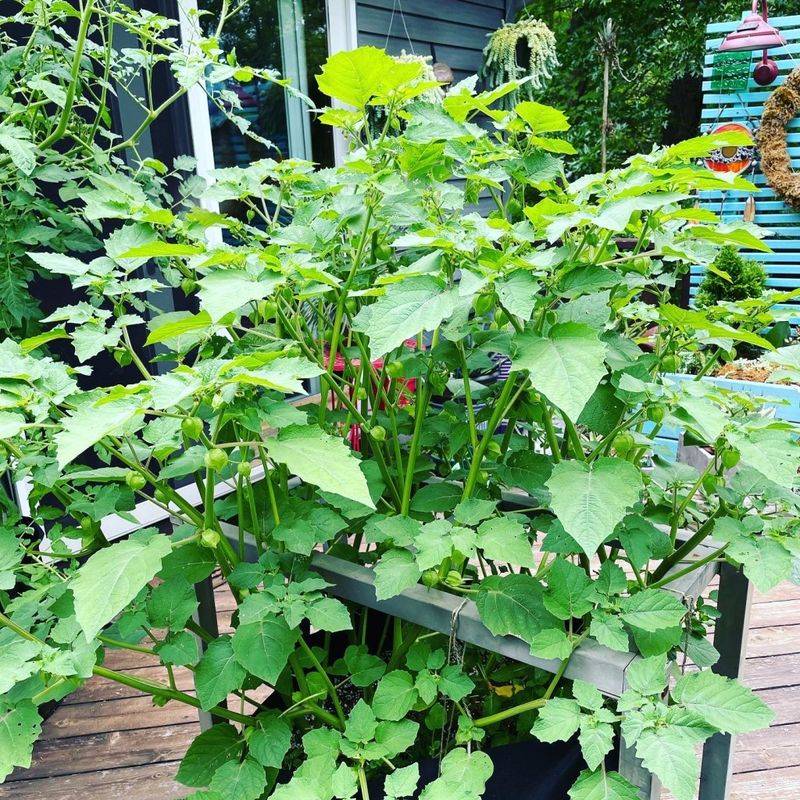
Not everyone knows about ground cherries, but anyone who has grown them in Georgia tends to become a fan quickly. Wrapped in a papery husk and tasting somewhere between a tomato and a pineapple, ground cherries are genuinely fun to grow and they fit nicely into a 5-gallon bucket.
Plants stay relatively compact compared to full-sized tomatoes, which makes them a natural fit for container gardening.
Start seeds indoors about six to eight weeks before your last frost date, then transplant into your bucket once nighttime temperatures stay consistently above 50 degrees Fahrenheit.
Georgia’s spring and summer growing window gives you plenty of time to get a solid harvest.
Use a quality potting mix with good drainage and place your bucket in a spot with full sun. Water when the top inch or two of soil dries out and feed with a balanced fertilizer every couple of weeks once the plant starts flowering.
Ground cherries are fairly productive for their size, and the fruit drops to the ground inside its husk when ripe, which is actually a handy signal to harvest. One plant per 5-gallon bucket works well.
Expect a steady trickle of fruit through summer and into early fall in most Georgia growing zones.
6. Dwarf Mulberries Can Grow In Buckets With Care
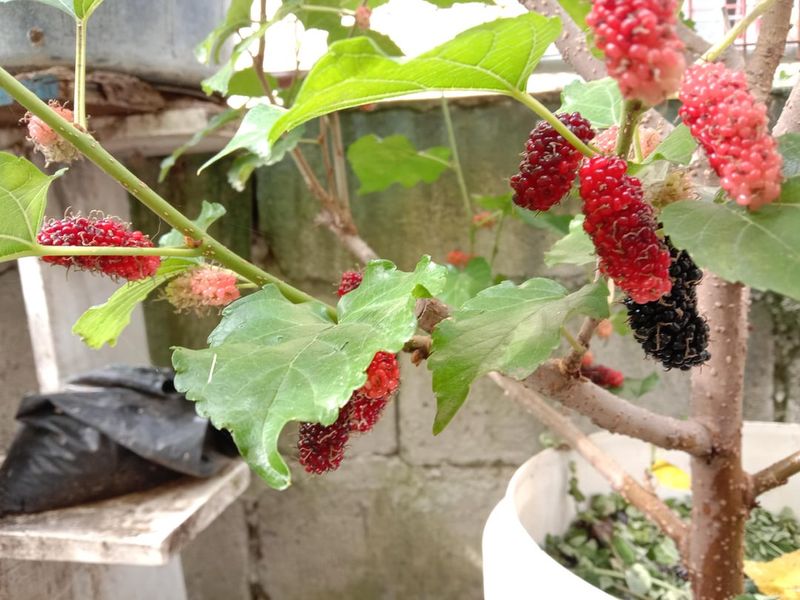
Mulberries are not usually the first fruit people think of for container gardening, but dwarf varieties have made it genuinely possible.
Illinois Everbearing and Dwarf Everbearing are two varieties that can be kept in check with regular pruning and do reasonably well in large containers in Georgia.
Root restriction from the bucket naturally slows the tree’s growth, which works in your favor here. Plant in a rich potting mix and place the bucket in full sun.
Mulberries are vigorous growers even in containers, so expect to trim back new growth a couple of times during the season to keep the plant at a manageable size.
Watering needs are moderate to high during Georgia’s summer heat. Check soil moisture every day or two and water deeply when needed.
Fertilize lightly in spring with a balanced granular fertilizer and avoid overdoing it with nitrogen since that tends to push leafy growth at the expense of fruit. Fruit production in a bucket will be smaller than what a yard-planted tree produces, so keep expectations realistic.
Berries ripen over several weeks rather than all at once, which makes harvesting fairly easy. Birds are attracted to mulberries, so a loose netting over the bucket can help protect your crop.
7. Dwarf Pomegranates Grow Well In Buckets In Warm Conditions
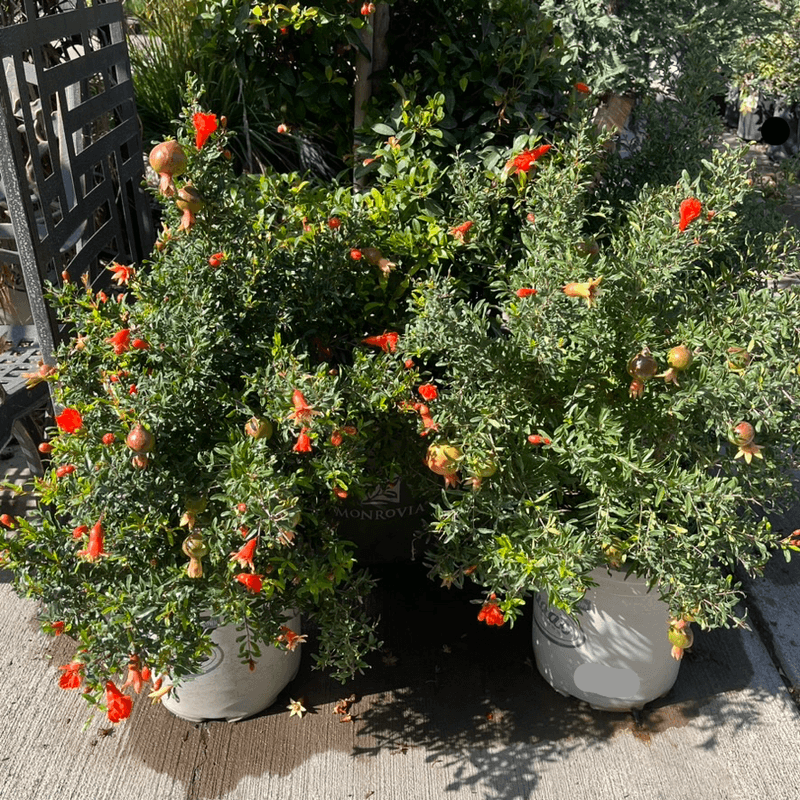
Pomegranates and Georgia summers are a natural match. The heat that makes people want to stay inside is exactly what pomegranate plants thrive in, and the dwarf varieties handle container growing better than most fruit trees their size.
Wonderful Dwarf and State Fair are compact varieties that stay under four feet tall with minimal pruning. Set your bucket in the hottest, sunniest spot you have available.
A south-facing patio or driveway edge where heat reflects off concrete actually suits pomegranates well.
They are more drought-tolerant than many container fruits, but consistent watering during the fruiting period helps prevent the skin cracking that sometimes happens when moisture is uneven.
Use a well-draining potting mix and fertilize lightly in spring with a balanced fertilizer. Pomegranates in containers do not need heavy feeding and can actually produce less fruit if given too much nitrogen.
Fruit typically develops in late summer through fall in Georgia, which aligns well with the state’s warm season. Young plants may produce a few fruits in their first or second year, but do not expect a full crop right away.
Move the bucket to a protected spot if temperatures drop below 15 degrees Fahrenheit. With reasonable care, a dwarf pomegranate in a bucket can be a productive and visually appealing patio plant.
8. Blackberries Grow Well In Buckets With Support
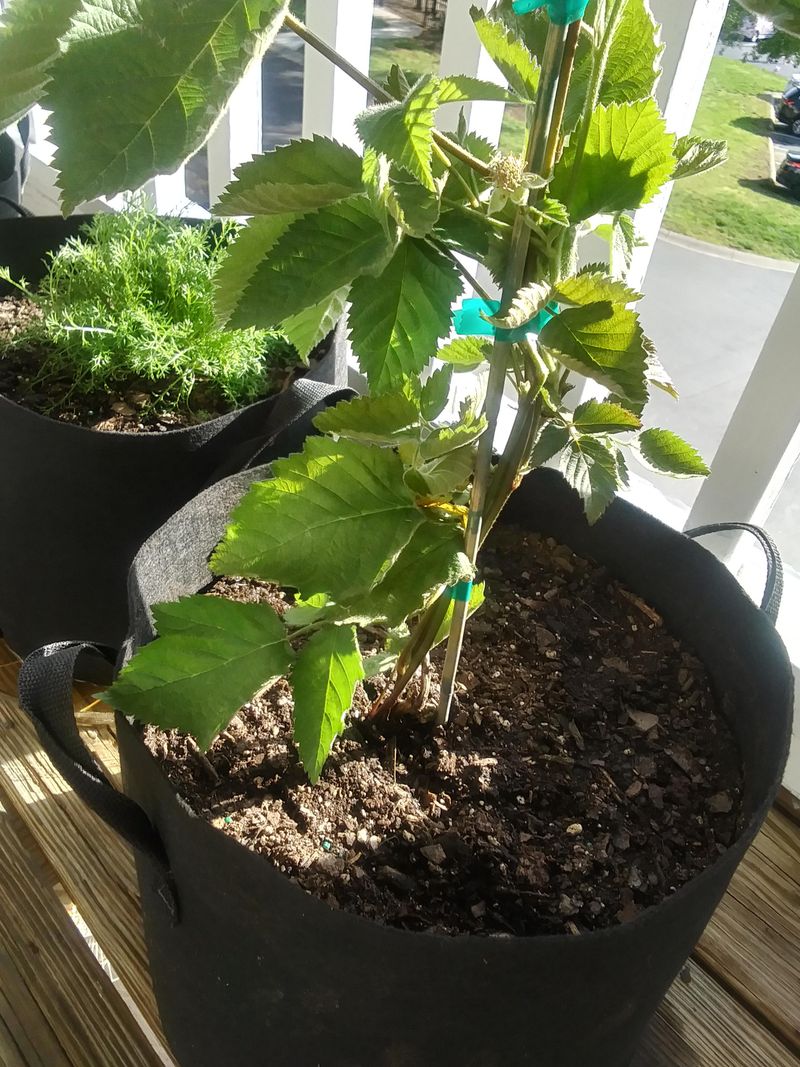
Blackberries grow wild along roadsides all over Georgia, so it should come as no surprise that they can handle container life reasonably well when given a little structure.
The key is choosing a compact or thornless variety and giving the canes something to lean on.
Baby Cakes and Bushel and Berry are two compact varieties bred with container growing in mind. They stay smaller than wild or standard blackberries and produce decent fruit without taking over your patio.
A simple bamboo stake or small tomato cage pushed into the bucket works fine for support. Place the bucket in full sun since blackberries need good light to produce well.
Water consistently during the growing season and especially while fruit is developing. Dry spells during fruiting can reduce berry size and overall yield.
Fertilize in early spring with a balanced fertilizer and again after the first harvest flush. Canes that produced fruit in the current season will not fruit again, so trimming them back after harvest keeps the plant tidy and encourages new growth for next year.
In Georgia, blackberries typically ripen in late spring to early summer, which is earlier than many other fruits. Expect a modest yield per plant in a container, but the flavor of homegrown blackberries fresh off the cane is hard to beat.
9. Raspberries Can Produce In Buckets With Proper Care
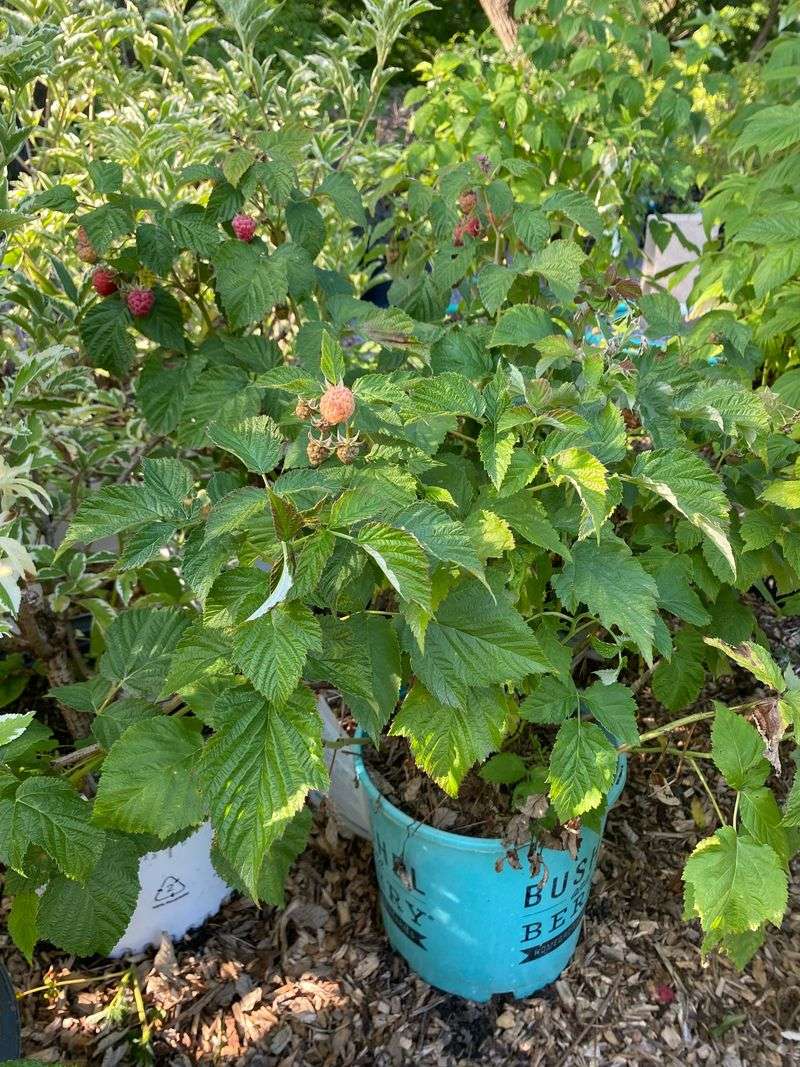
Raspberries have a reputation for being finicky, and in Georgia’s heat that reputation is not entirely undeserved. That said, the right variety in the right spot can produce a respectable harvest from a 5-gallon bucket without a lot of drama.
Raspberry Shortcake is probably the best variety for Georgia container growers. It is thornless, compact, and handles heat better than standard raspberry types.
Plant in a high-quality potting mix that drains well and position the bucket where it gets morning sun but some afternoon shade during the hottest months. Full afternoon sun in a Georgia July can stress raspberry plants more than other fruits on this list.
Keep the soil consistently moist since raspberries do not handle drought well and will drop fruit if they dry out during ripening. A layer of mulch on top of the potting mix helps slow moisture loss in the bucket.
Fertilize with a balanced fertilizer in early spring and again mid-season, but avoid overfertilizing since that tends to produce leafy plants with less fruit.
Raspberries in Georgia typically fruit in late spring and sometimes again in early fall with everbearing types.
Container yields will be smaller than in-ground plants, but growing raspberries on a Georgia patio is entirely doable with consistent attention to watering and light placement.