What To Do With Your Georgia Rose Bushes Before Peak Bloom Season
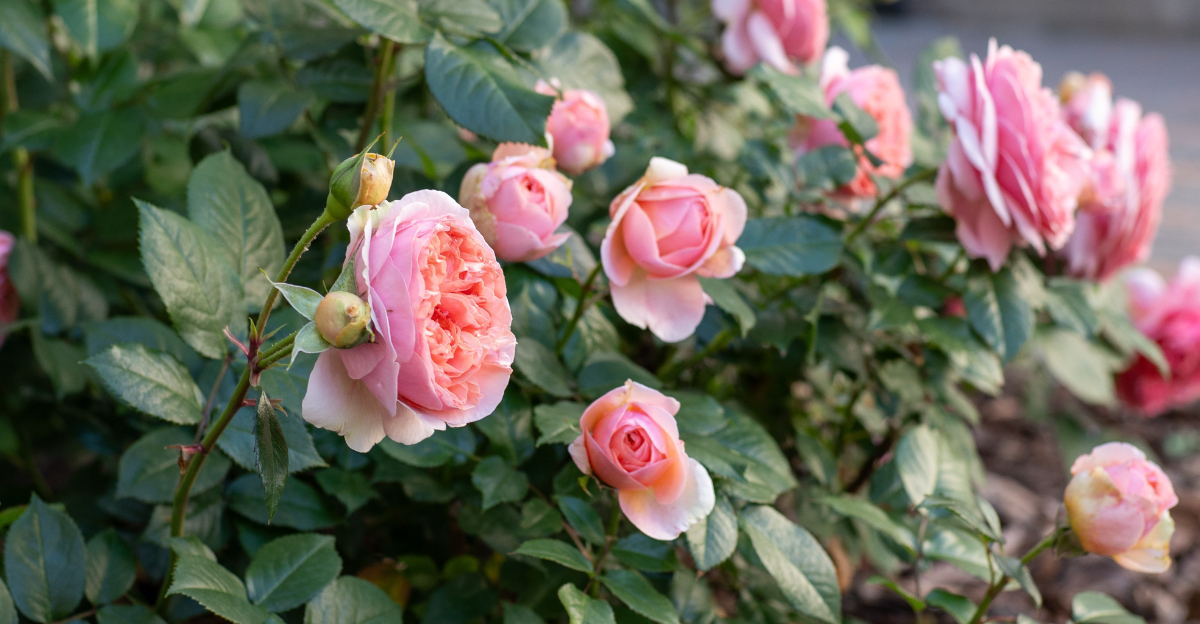
Rose bushes in Georgia can look strong early on, then suddenly lose momentum right when bloom season should hit its peak. Buds stall, flowers come out smaller, or the whole plant just looks tired without a clear reason why.
That shift usually starts before the biggest blooms ever show up, which is why timing matters more than most expect. Small changes made at the right moment can completely change how those roses perform over the next stretch.
Heat, humidity, and fast spring growth all play a role, and once everything speeds up, there is not much room to fix mistakes. Getting ahead of that window is what keeps blooms full, color strong, and plants from falling off too early.
A few simple steps make the difference between a short, underwhelming bloom period and a rose bush that keeps going strong right when it matters most.
1. Light Pruning Removes Weak And Damaged Canes
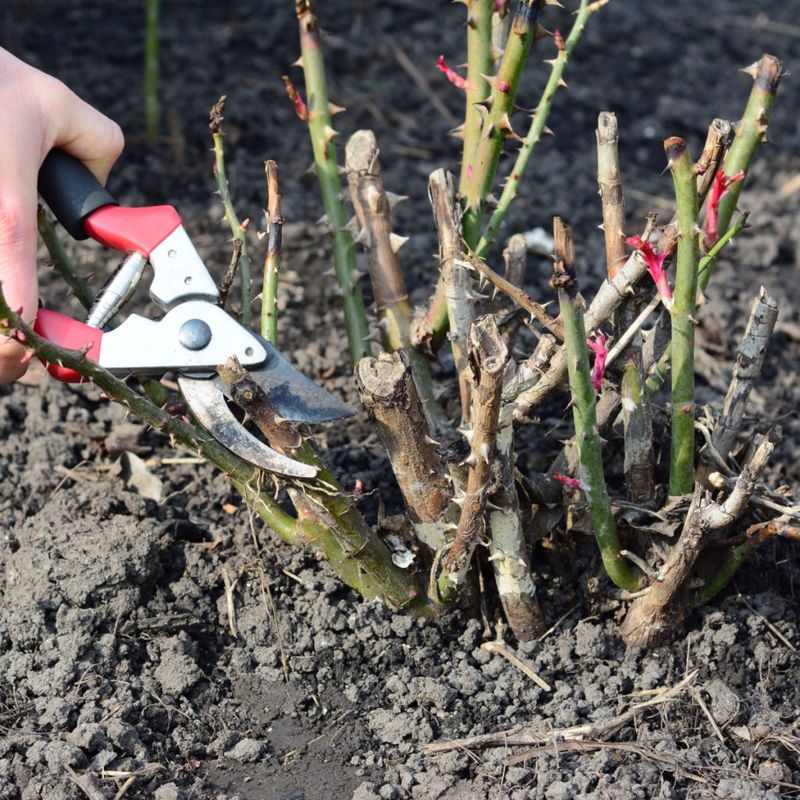
Grab your pruners, because late February through early March is the window you have been waiting for in Georgia.
Cutting back before new growth pushes out gives the plant a real chance to redirect energy into strong, healthy canes rather than wasting resources on wood that is not going to perform.
Start by looking for canes that appear gray, shriveled, or hollow inside when cut. Any wood that crosses through the center of the plant should come out too.
Crowded stems rub against each other and create small wounds that can invite fungal issues, which are already a concern in Georgia’s humid springs.
Sharp, clean tools matter more than most people realize. Dull blades crush plant tissue instead of cutting cleanly, and that slows healing.
Wipe your pruner blades with rubbing alcohol between cuts if you spot any signs of disease on the canes you are removing.
Aim for an open, bowl-shaped structure when you step back and look at the plant. You do not need to remove a huge amount of growth.
Removing about one-third of the overall height, along with any clearly weak or damaged wood, is usually enough to get things moving in the right direction.
Cut at a slight angle just above an outward-facing bud.
2. Balanced Feeding Supports Bud Development Early
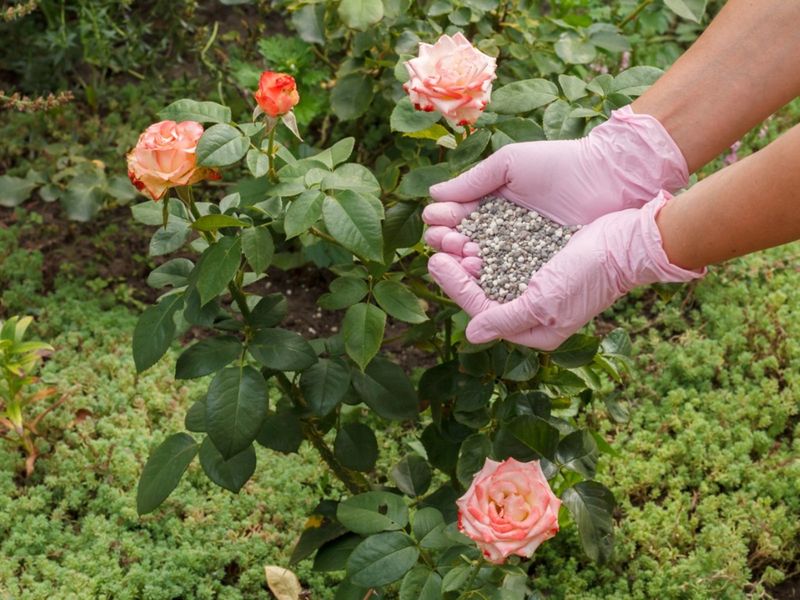
Feeding your roses at the right moment can noticeably improve how many buds form and how strong the stems grow heading into peak bloom.
In Georgia, early March is generally when you want to get that first application of fertilizer down, right as the plant starts pushing out new leaf growth.
A balanced, slow-release fertilizer works well for most established rose bushes. Look for something with roughly equal nitrogen, phosphorus, and potassium numbers on the label.
Nitrogen pushes leafy growth, phosphorus supports root and flower development, and potassium helps the plant handle stress from heat and pests.
Scatter granular fertilizer evenly around the drip line of the bush, not right up against the base of the canes. Water it in thoroughly after applying.
Dry fertilizer sitting on dry soil does very little, so make sure the ground gets a good soak to help move nutrients down toward the root zone.
Your Georgia Garden Changes Every Week. Your Plan Should Too.
Gardening in Georgia changes quickly throughout the season. Every Friday you’ll receive a simple weekly plan showing exactly what to plant, prune, fertilize, harvest, and protect so you never miss the right timing.
Avoid going heavy on high-nitrogen products early in the season. Too much nitrogen pushes soft, leafy growth that aphids and other pests find very attractive.
Keeping the feeding balanced gives you steady, sturdy growth rather than a flush of tender shoots that struggle later.
3. Deep Watering Builds Strong Roots Before Heat
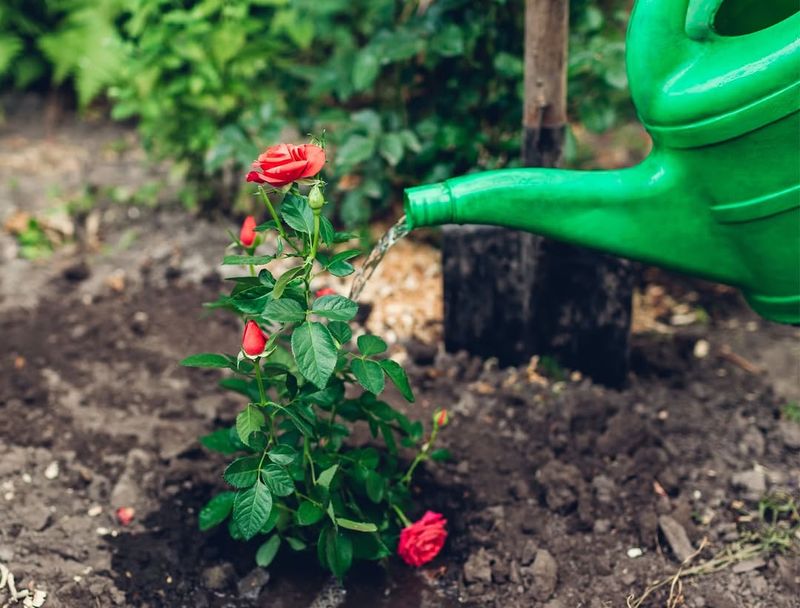
Shallow watering is one of the most common mistakes rose growers make before the heat of a Georgia summer arrives.
When water only wets the top inch or two of soil, roots stay near the surface, and surface soil dries out fast once temperatures climb into the 80s and 90s.
Watering deeply and less frequently encourages roots to follow moisture downward. Aiming for about one inch of water per week, delivered slowly enough to penetrate five to six inches into the soil, gives roots a reason to grow deeper.
Deeper roots hold up far better when dry spells hit mid-summer.
Morning is the best time to water roses in Georgia. Foliage that gets wet in the evening stays damp overnight, which creates conditions where black spot and other fungal problems spread more easily.
Watering in the morning gives leaves time to dry off before temperatures drop again at night.
Soaker hoses and drip irrigation are worth considering if you are not already using them. Both methods deliver water directly to the root zone without splashing soil up onto the leaves.
Soil splash is actually one of the main ways black spot spores move from the ground onto lower leaves.
4. Mulch Locks In Moisture And Protects Soil
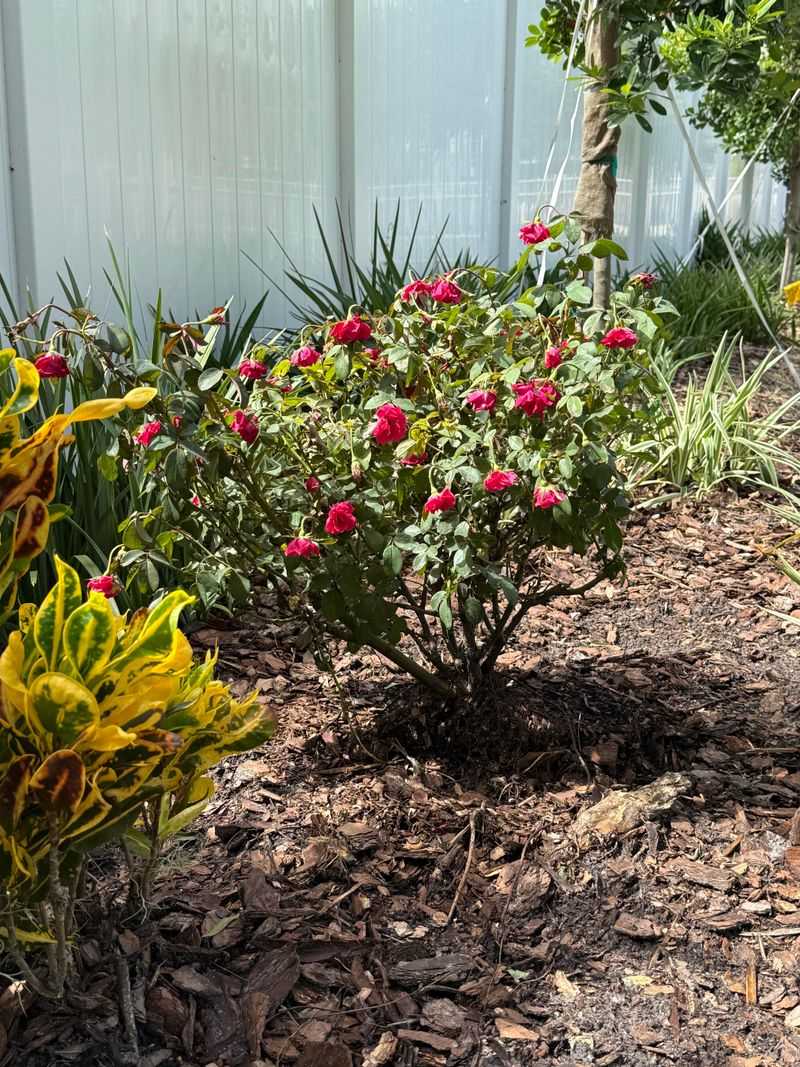
Pine bark mulch has been a go-to in Georgia gardens for a long time, and for good reason. It breaks down slowly, keeps soil temperatures more stable, and fits naturally into the look of most Southern garden beds.
Spreading a fresh layer before peak bloom season is one of the simplest things you can do for your roses.
A two to three inch layer is the sweet spot. Too thin and it dries out quickly without offering much protection.
Too thick and moisture can get trapped right against the base of the canes, which creates problems over time. Keep the mulch pulled back an inch or two from the crown of the plant.
Beyond moisture retention, mulch does a solid job suppressing weeds that would otherwise compete with your roses for water and nutrients.
Pulling weeds out of a rose bed is not exactly a fun task, so anything that reduces how often you need to do it is worth the effort.
Soil temperature regulation matters more than most gardeners think about. Georgia springs can swing from cool nights to warm afternoons within the same week.
A consistent layer of mulch buffers those swings and keeps the root zone from stressing out during sudden temperature changes.
Organic mulches also break down gradually and add organic matter back into the soil over time.
5. Check For Aphids And Other Early Pests
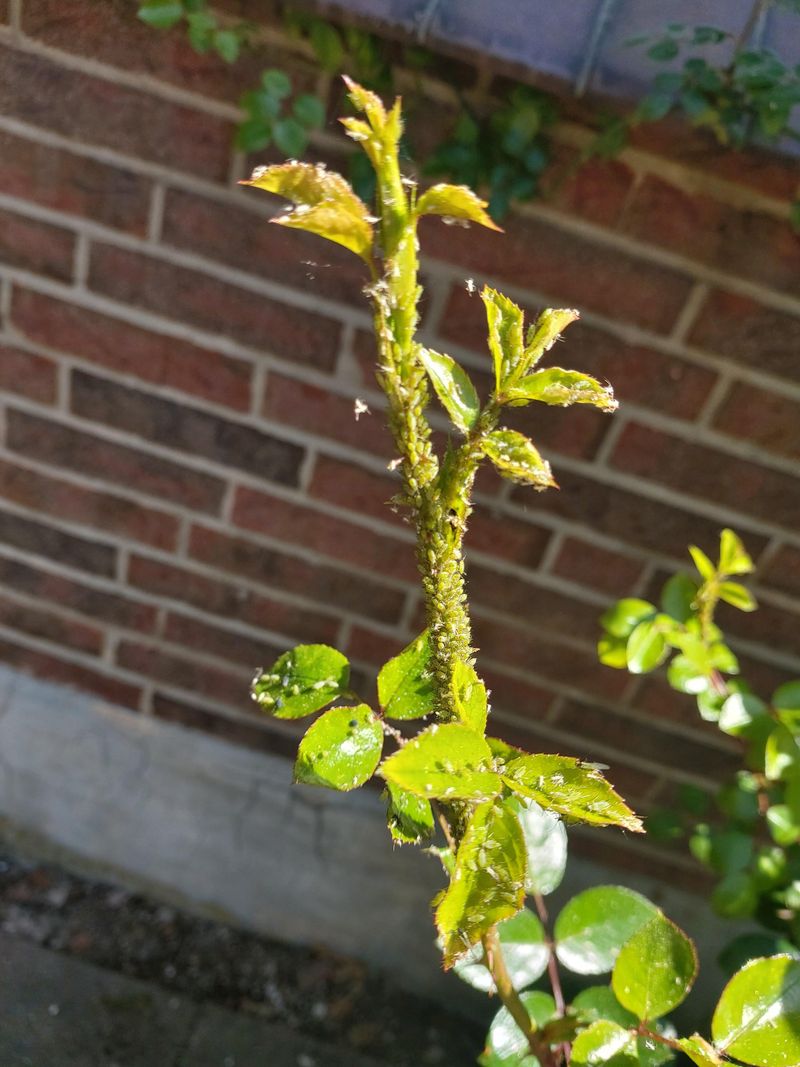
Aphids show up early in Georgia, often before gardeners are even thinking about pest season.
A cluster of soft, tiny insects on new rose growth might seem harmless at first glance, but they multiply fast and can stress a plant right when it is putting energy into bud development.
Check the undersides of new leaves and along tender stems every few days during early spring. Aphids tend to gather in those spots where plant tissue is soft and easy to pierce.
You might also notice a sticky residue on leaves below where the insects are feeding, which is a sign that a colony has been there long enough to leave a mark.
A strong spray of water from a hose knocks aphids off effectively and does not require any chemicals. For heavier infestations, insecticidal soap works well and breaks down quickly without leaving a long residue on the plant.
Follow label directions and apply in the early morning or evening to avoid stressing the plant during the hottest part of the day.
Japanese beetles are another pest that Georgia rose growers deal with, usually showing up a bit later in the season. Keeping an eye out for the first adults in late spring gives you a head start before populations build up.
Hand-picking them into soapy water is a reliable low-effort method when numbers are still manageable.
6. Improve Airflow To Limit Disease Problems
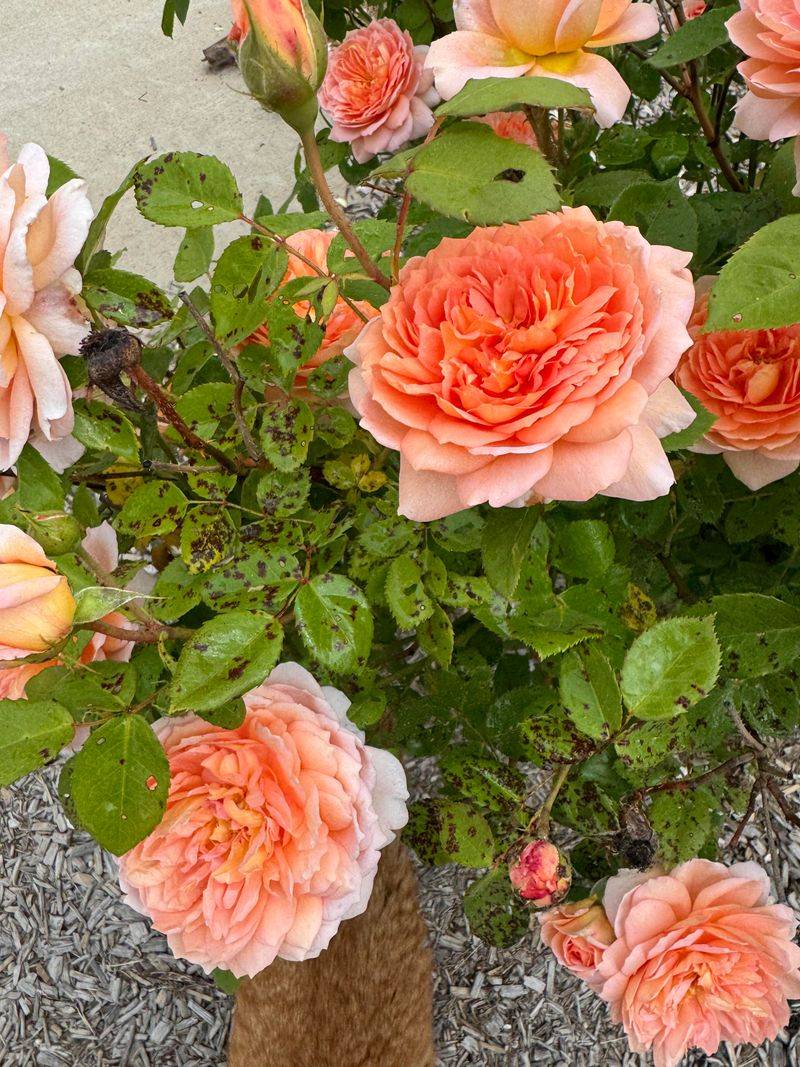
Black spot is practically a rite of passage for Georgia rose growers. The humid, warm conditions that make this state such a productive place to garden also create a perfect environment for fungal diseases to spread.
Improving airflow through and around your rose bushes is one of the most practical defenses you have.
After your initial pruning, take another look at the center of each plant. If stems are still crowded and crossing, removing a few more interior canes can open things up considerably.
Air movement through the plant helps foliage dry faster after rain or morning dew, which reduces the window for fungal spores to take hold.
Spacing matters when it comes to airflow between plants. Roses planted too close together create a humid microclimate that fungal diseases love.
If your plants are crowded and you have the option to relocate one, doing that before peak bloom season is far better than trying to move an actively blooming plant in summer heat.
Avoid overhead watering whenever possible, and skip wetting the foliage during evening hours. Wet leaves overnight in Georgia’s warm spring temperatures are almost a guaranteed invitation for black spot to spread.
Drip irrigation or soaker hoses keep water off the leaves entirely.
7. Remove Faded Blooms To Push New Flowers
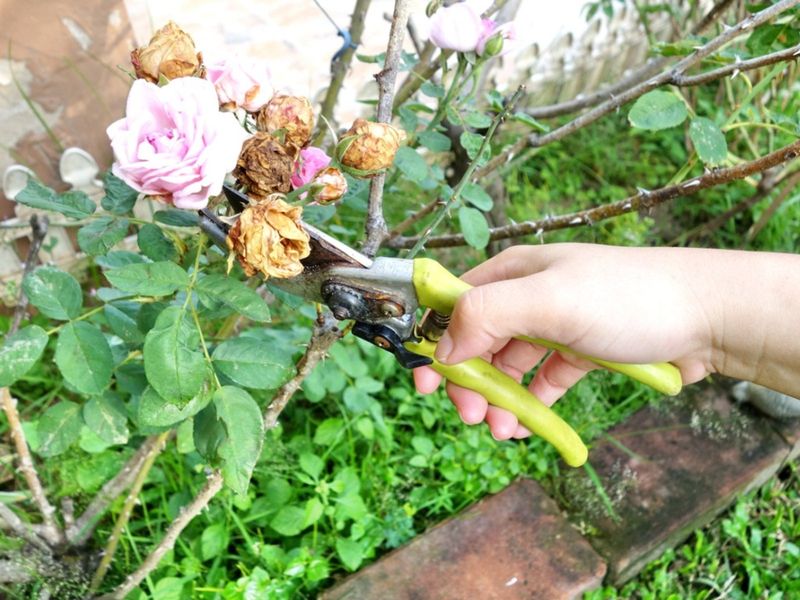
Spent blooms left on the plant are not just an eyesore. A rose that is allowed to develop rose hips after flowering shifts its energy toward seed production, which pulls resources away from producing the next round of flowers.
Removing faded blooms consistently keeps the plant focused on what you actually want from it.
Cut just above the first set of five leaflets below the spent bloom. That is where the plant has the best chance of pushing out a new flowering stem.
Cuts made too high, above a set of three leaflets, often result in weak, spindly new growth that does not support a strong bloom.
Deadheading works best when done regularly rather than in one big session every few weeks.
Getting out into the garden every few days and snipping off blooms as they fade keeps things tidy and encourages a more continuous flush of new buds throughout the season.
It does not take long once you build it into a routine.
Georgia summers can be demanding on roses, and by mid-summer some plants naturally slow down. Deadheading during that slower period still helps, but do not expect the same rapid turnaround you see in the cooler days of spring.
The plant responds to heat by slowing its overall pace, which is completely normal behavior.