The Best Fragrant Flowers For Pots That Thrive In Pennsylvania Summer
A pot of flowers can make a porch or patio look nice, but a fragrant one changes the whole experience. You do not just see the color when you walk by.
You catch that soft, sweet scent in the air, and suddenly the space feels warmer, calmer, and a lot more inviting.
That is a big part of the charm, especially in a Pennsylvania summer when people are spending more time outside and want their outdoor spaces to feel a little special.
The good news is that you do not need a huge garden bed to enjoy that kind of beauty. Plenty of flowers do wonderfully in pots, and some bring the bonus of fragrance along with their blooms.
They can brighten up steps, decks, balconies, and small seating areas while adding that extra detail many plants simply do not offer.
Of course, summer in Pennsylvania can bring heat, humidity, sudden rain, and stretches of strong sun, so not every flower is up for the job. The best picks are the ones that can handle container life, keep blooming, and still smell amazing through the season.
1. Petunias (Petunia Spp.)
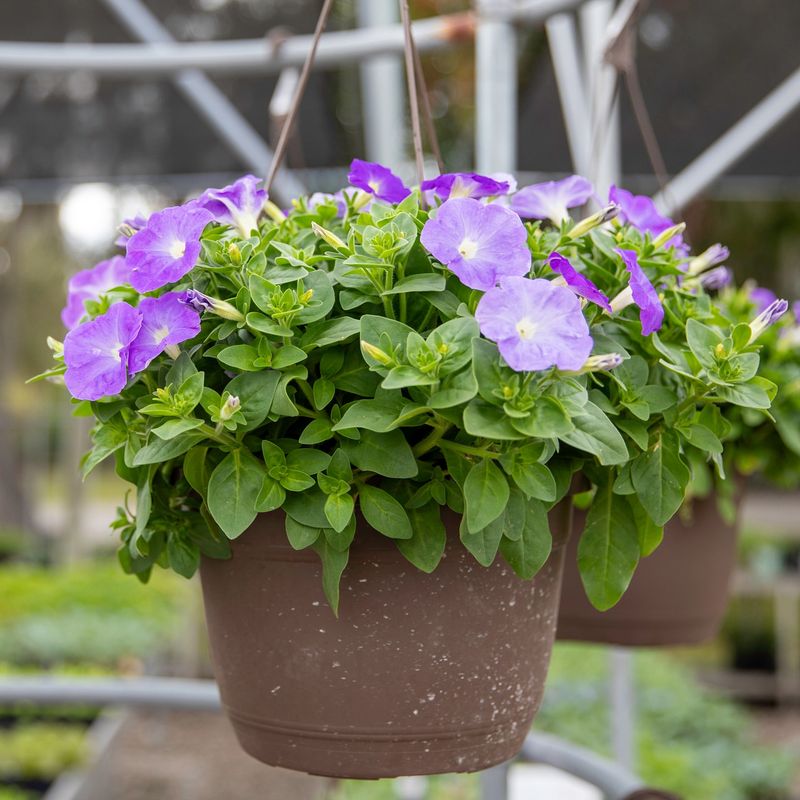
Walk past a pot of petunias on a warm Pennsylvania evening and you might be surprised by the sweet, almost sugary scent drifting through the air.
Most people think of petunias as just a pretty face, but many varieties carry a soft, pleasant fragrance that gets stronger as the sun goes down. They are one of the most popular container flowers for good reason.
Pennsylvania summers can be hot and sticky, and petunias handle that humidity like pros. They bloom continuously from late spring all the way through the first cool days of fall.
That means you get months of color and fragrance without having to replant. Wave and Supertunia varieties are especially reliable in the heat.
For the best results, plant petunias in a pot that gets at least six hours of direct sunlight each day. Use a well-draining potting mix and water them when the top inch of soil feels dry. Overwatering is the most common mistake, so check the soil before reaching for the hose.
Feed your petunias with a balanced liquid fertilizer every two weeks to keep the blooms coming. If the plants start to look leggy or tired mid-summer, trim them back by about one-third.
They will bounce back quickly and reward you with a fresh flush of flowers. Hanging baskets work especially well for petunias because their trailing stems spill beautifully over the sides, creating a full and lush display on any Pennsylvania porch or patio.
2. Sweet Alyssum (Lobularia Maritima)
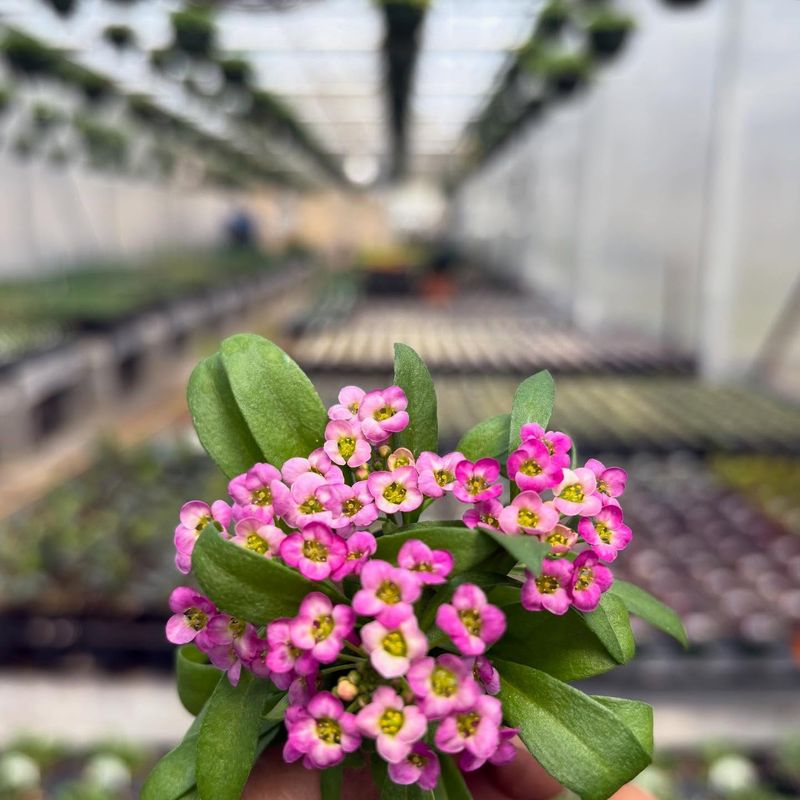
Imagine a flower so fragrant that even a small pot of it can perfume an entire porch. Sweet alyssum is exactly that kind of plant.
Its tiny clusters of white, pink, or purple blossoms release a rich, honey-like scent that is hard to believe comes from such a petite plant. Gardeners across Pennsylvania have been tucking it into containers for generations.
One of the best things about sweet alyssum is how it behaves in a pot. The stems trail softly over the edges, creating a cascading, cloud-like effect that looks beautiful on steps, railings, or tabletops.
Your Pennsylvania Garden Changes Every Week. Your Plan Should Too.
Gardening in Pennsylvania changes quickly throughout the season. Every Friday you’ll receive a simple weekly plan showing exactly what to plant, prune, fertilize, harvest, and protect so you never miss the right timing.
It pairs well with taller plants like petunias or nicotiana, filling in the lower portions of a mixed container with both color and fragrance.
Sweet alyssum blooms best during the cooler parts of Pennsylvania summer, meaning early June and again in late August when temperatures dip a bit. During the hottest weeks of July, it may slow down slightly, but a light trim and consistent watering will encourage it to bounce back.
It is surprisingly tough for such a delicate-looking plant. Plant sweet alyssum in a spot that gets morning sun and some afternoon shade during peak summer heat. Water regularly but never let the pot sit in standing water.
A light feeding every two to three weeks keeps it blooming steadily. The fragrance is strongest in the morning and evening, so place your pot near a seating area where you can truly enjoy every sweet, honeyed breath it offers.
3. Dianthus (Dianthus Spp.)
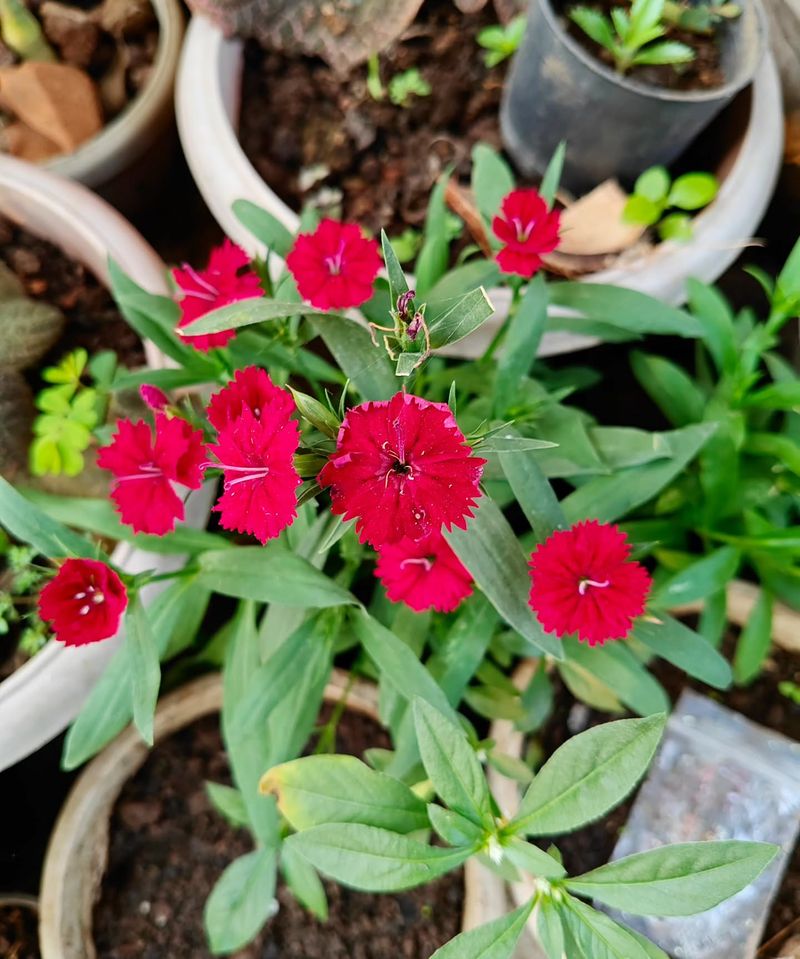
There is something wonderfully old-fashioned about dianthus. Also called garden pinks or carnations, these flowers have been beloved by gardeners for centuries, and their spicy, clove-like fragrance is unlike anything else in the garden.
One sniff and you might feel like you are standing in a cottage garden from another era. That charm translates beautifully to container growing in Pennsylvania.
Dianthus plants stay compact and tidy, making them ideal for pots of all sizes. They do not sprawl or take over, which means you can pair them with other flowers without worrying about competition.
The blooms come in shades of red, pink, white, and bicolor, often with beautifully fringed or ruffled petals that add a decorative touch to any arrangement.
Pennsylvania nights tend to cool down nicely even during summer, and dianthus absolutely loves that. Cooler overnight temperatures encourage more robust blooming and keep the fragrance strong.
Place your pot in a location that receives full sun for most of the day, and make sure the potting mix drains well. Soggy roots are the one thing dianthus cannot tolerate.
Deadhead spent blooms regularly to encourage new flowers to form. Dianthus blooms in waves throughout the season, so a little maintenance goes a long way.
Water at the base of the plant rather than overhead to keep the foliage dry and healthy. With the right care, a single pot of dianthus will reward you with multiple rounds of fragrant, colorful blooms from late spring through early fall across Pennsylvania.
4. Lavender (Lavandula Spp.)
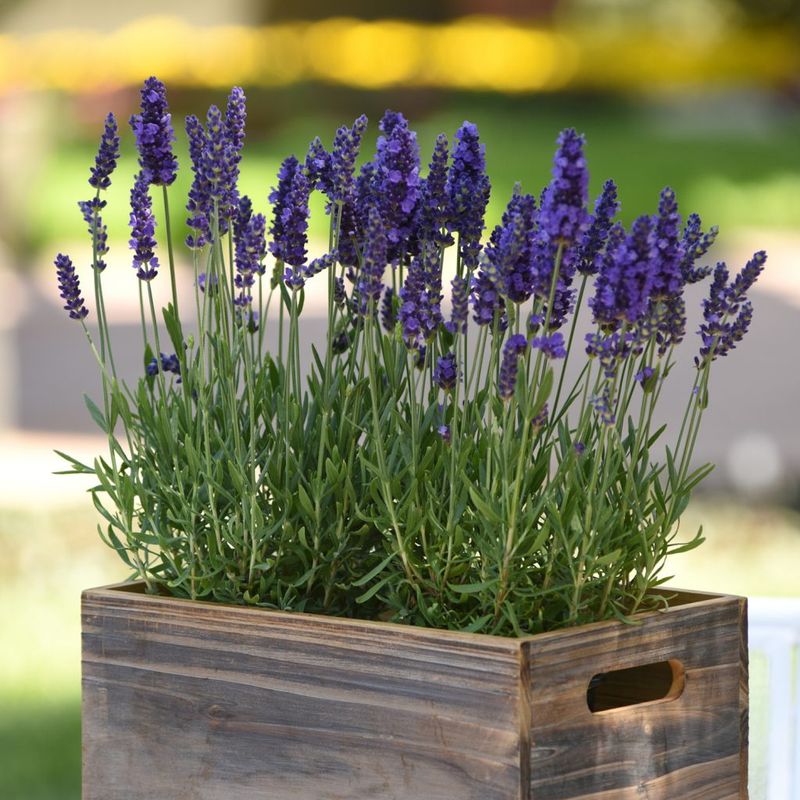
Few scents in the world are as instantly recognizable as lavender. That calm, clean, herbal fragrance has a way of slowing everything down and making a warm Pennsylvania afternoon feel peaceful.
Growing lavender in a pot is one of the smartest moves a container gardener can make because it gives you full control over the drainage conditions this plant needs to thrive.
Lavender loves full sun, and Pennsylvania summers deliver plenty of it. Compact varieties like Munstead and Hidcote are perfect for pots because they stay smaller than their field-grown cousins while still producing an impressive number of fragrant flower spikes.
Place your pot in the sunniest spot you have, ideally somewhere it gets six to eight hours of direct light every day.
Good drainage is the single most important factor in keeping lavender happy. Use a sandy or gritty potting mix and choose a pot with large drainage holes.
Never let lavender sit in water. In Pennsylvania, summer rain can be heavy, so elevating the pot slightly on pot feet helps excess water escape quickly and keeps the roots healthy.
Water lavender deeply but infrequently. Let the soil dry out between waterings rather than keeping it consistently moist.
Skip heavy fertilizing since lavender actually prefers lean soil. After the first flush of blooms fades, trim the flower stems back to encourage a second round of flowering.
Harvest some of the blooms and dry them indoors. Dried Pennsylvania lavender keeps its fragrance for months and makes a wonderful natural air freshener around the home.
5. Heliotrope (Heliotropium Arborescens)
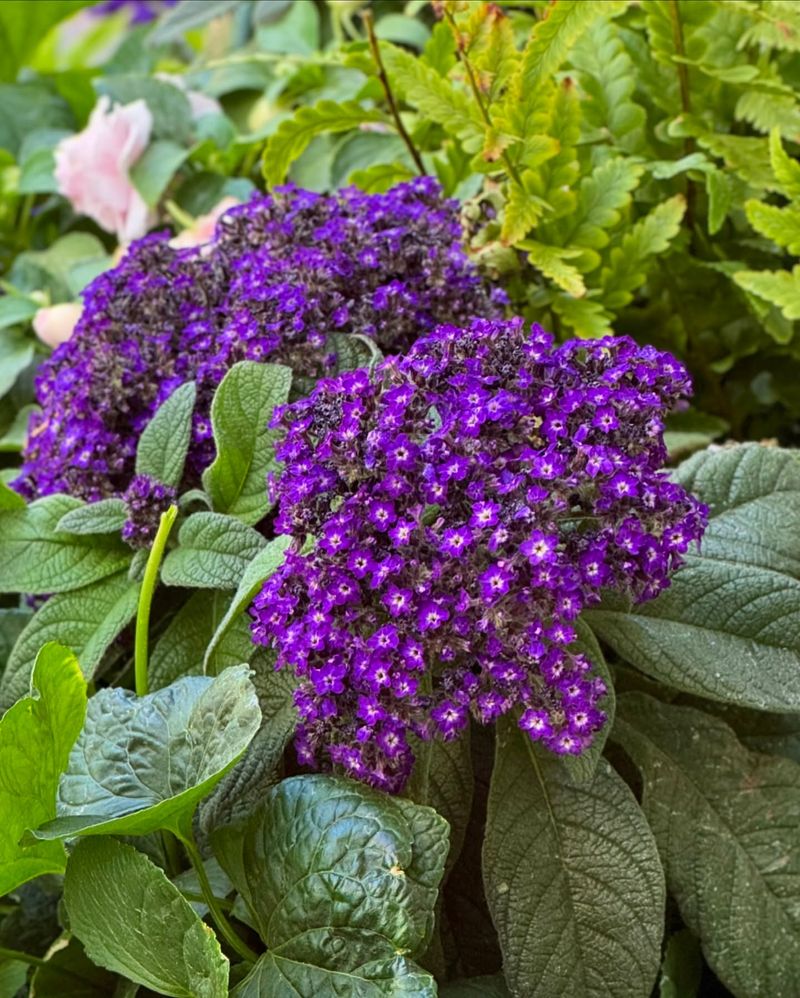
Not everyone knows about heliotrope, but those who do tend to become lifelong fans. The fragrance is rich and warm, somewhere between vanilla and cherry with a hint of something almost powdery underneath.
On a hot Pennsylvania afternoon, a single pot of heliotrope in bloom can perfume the air for several feet in every direction. It is genuinely one of the most intoxicating scents in the summer garden.
Heliotrope grows in a tidy, rounded mound covered in clusters of tiny deep purple or lavender flowers. The dark, deeply veined foliage makes the blooms stand out even more.
Because the plant stays compact, it fits comfortably in pots of almost any size. It works beautifully as a centerpiece in a mixed container surrounded by trailing plants like sweet alyssum or creeping Jenny.
In Pennsylvania, heliotrope thrives when given a warm, sheltered spot in full sun. It loves heat, so the humid Pennsylvania summer actually works in its favor.
The fragrance intensifies on warm days, meaning the hottest weeks of July and August are often when heliotrope smells the most incredible. Regular liquid feeding every two weeks keeps the blooms coming steadily.
Water consistently but allow the soil to dry slightly between waterings. Heliotrope does not like to sit in soggy soil, so good drainage in the pot is essential.
Pinching off spent flower clusters encourages the plant to keep producing new buds. If you have never grown heliotrope before, this summer is a great time to discover why Pennsylvania gardeners who try it once almost always grow it again the following year.
6. Nicotiana (Nicotiana Alata)
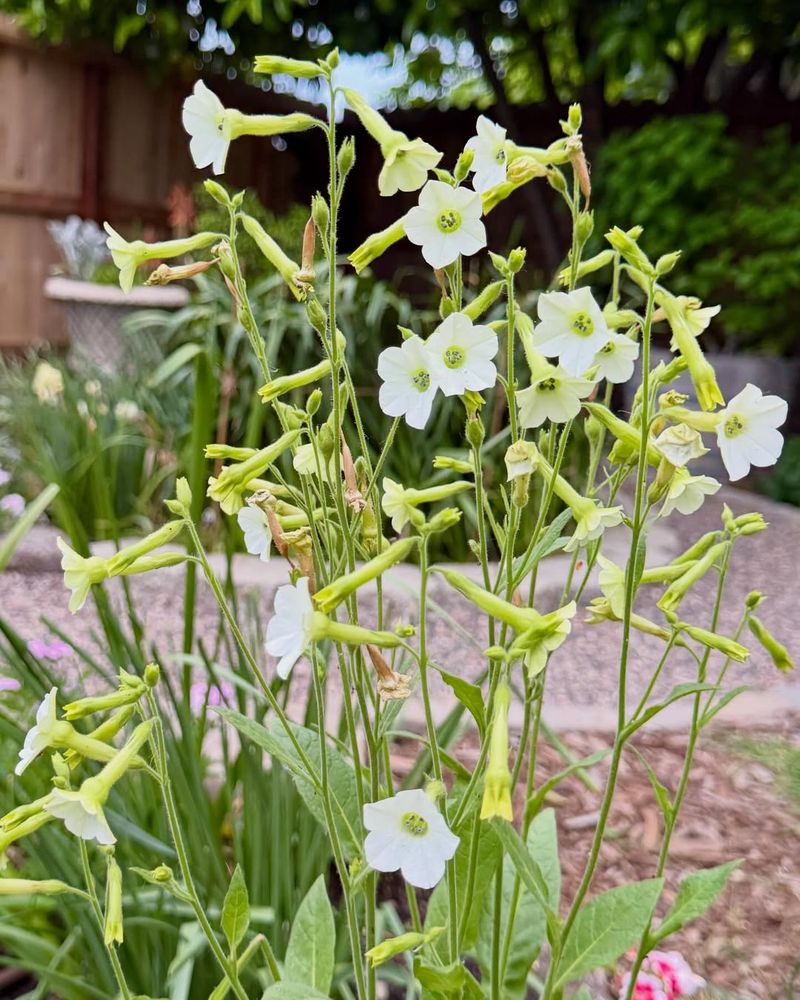
As the sun sets over Pennsylvania and the evening air cools just a little, nicotiana comes alive. This evening-fragrant flower holds its sweet, jasmine-like scent back during the day and releases it in full force once dusk arrives.
If you love sitting outside after dinner, a pot of nicotiana nearby will make those evenings feel genuinely magical. It is one of the most underused fragrant flowers in container gardening.
Nicotiana, also called flowering tobacco, grows tall and airy, which gives it a completely different look from most compact container plants. The long stems and star-shaped flowers add vertical interest and a soft, cottage-garden feel to any patio or porch.
It works well in larger pots or as the tall centerpiece in a mixed planting surrounded by lower-growing companions.
Pennsylvania summers suit nicotiana well because the plant handles humidity without complaint. It prefers full sun to part shade and appreciates consistent moisture in the pot.
Because it grows taller than many container flowers, choose a heavy pot to prevent tipping in wind. A pot at least twelve inches deep gives the roots enough room to anchor properly and grow strong.
Deadhead spent blooms to keep the plant tidy and encourage continuous flowering from early summer through fall. Nicotiana self-sows readily, so if you leave a few pods to mature, you may find seedlings sprouting in nearby pots the following spring.
Feed with a balanced fertilizer every two weeks for the best performance. Once you experience a Pennsylvania summer evening surrounded by nicotiana in full fragrant bloom, you will wonder why you waited so long to try it.
7. Garden Phlox (Phlox Paniculata)
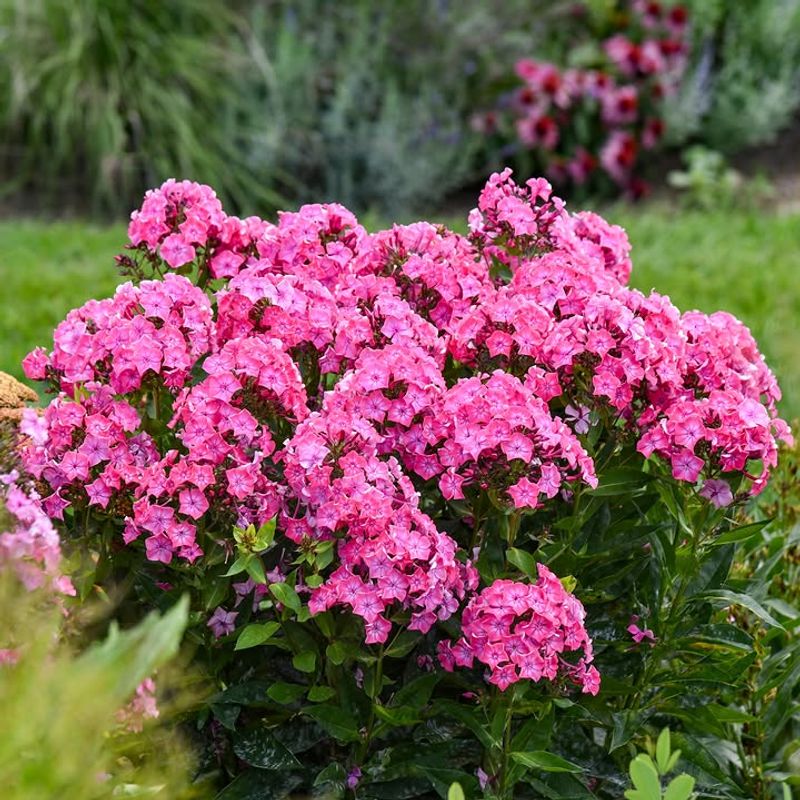
Garden phlox is practically a Pennsylvania tradition. Drive through any older neighborhood in the state during July and August and you will spot those big, rounded flower heads in shades of pink, purple, white, and red standing tall in garden beds and on porches.
The sweet, slightly spicy fragrance carries on the breeze and signals that summer is in full swing. Growing dwarf or compact varieties in pots brings that classic experience right to your doorstep.
Compact phlox varieties like Opening Act or Fashionably Early series are bred specifically for container growing. They stay shorter than traditional garden phlox while still producing full-sized, heavily fragrant flower clusters.
Pollinators absolutely love them, so expect regular visits from butterflies and bees throughout the season. Placing a phlox pot near a garden bench makes for a lively and fragrant outdoor retreat.
Pennsylvania weather suits garden phlox very well. The plant enjoys warm summers but appreciates the cooler nights that Pennsylvania naturally provides.
Good air circulation around the plant helps prevent powdery mildew, which can be an issue in humid conditions. Avoid overhead watering and space plants with room to breathe inside the container for the healthiest results.
Use a large pot, at least fourteen inches wide, to give the root system adequate space. Water regularly and feed with a balanced fertilizer every two weeks during the blooming season.
Deadhead faded flower clusters to encourage fresh buds to form. With a little attention, a container of garden phlox will deliver weeks of vibrant color and sweet fragrance throughout the Pennsylvania summer, making it a truly rewarding addition to any patio or porch display.