Native North Carolina Vines That Cover Fences Faster Than Wisteria Without The Problems
Staring at a bare fence in North Carolina can feel like looking at a blank, boring canvas. You probably want a lush, leafy screen as fast as possible, which is why so many people get tempted by the siren song of wisteria.
Sure, those purple blooms are pretty, but that vine is basically a garden villain in disguise! It grows with such a vengeance that it might actually try to eat your house if you look away for a weekend.
The good news is that our beautiful state is packed with native vines that provide incredible coverage without the constant drama.
These local rockstars offer stunning color and privacy while playing nice with your trellis.
Your specific results will depend on your local soil and how much sun hits your yard, but these options are far more manageable than the invasive alternatives.
1. Crossvine Brings Fast Fence Coverage
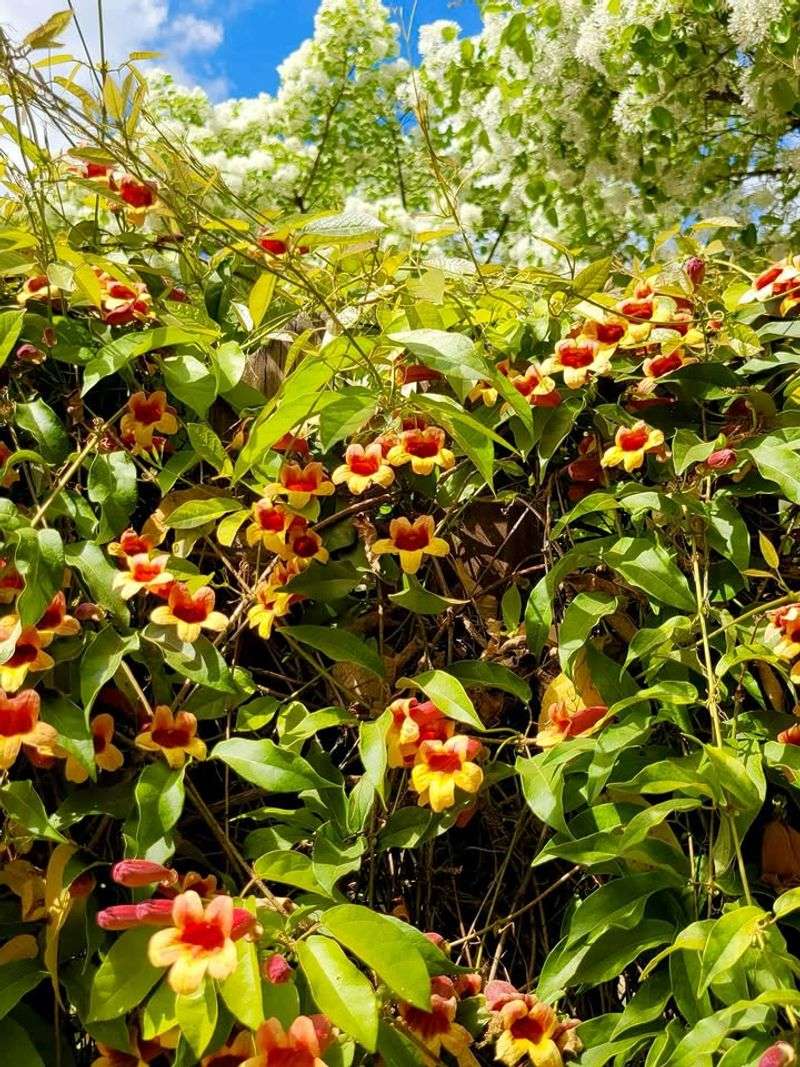
Few native climbers match the visual punch of crossvine when it throws open its bold, trumpet-shaped flowers in early spring.
Native across much of North Carolina, this semi-evergreen vine can attach itself to fences, trellises, and arbors using sticky adhesive pads, meaning it does not need much help getting started once it finds its surface.
The flowers typically appear in shades of orange, red, and yellow, making it one of the most eye-catching options for a fence line.
Crossvine earns its reputation as a vigorous grower, often reaching lengths of thirty feet or more under favorable conditions.
In North Carolina landscapes, it tends to hold its foliage through mild winters, giving fences a degree of year-round coverage that many other natives cannot match.
Gardeners who want both speed and seasonal interest often find crossvine to be a reliable choice.
The vine does best in full sun to partial shade and tolerates a range of soil types, which makes it adaptable across different North Carolina regions.
It attracts hummingbirds and certain native bees, adding pollinator value to its already strong fence coverage credentials.
Pruning after the spring bloom can help keep it tidy without sacrificing next season’s flower show. For homeowners wanting a native alternative to wisteria with strong climbing ability, crossvine is a very solid starting point.
2. Carolina Jessamine Adds Bright Spring Color
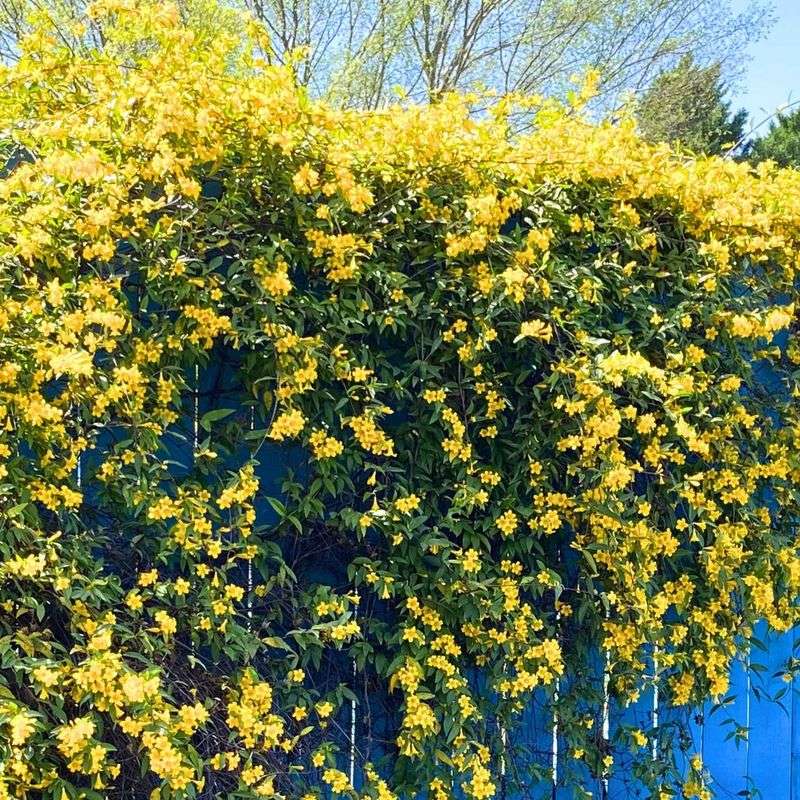
Bright yellow blooms cascading over a fence in late winter or early spring are a signature look for Carolina jessamine, and it is a sight that many North Carolina gardeners genuinely look forward to each year.
As the state wildflower of South Carolina and a beloved native across the Southeast, this vine brings cheerful color to fences and trellises right when the landscape is waking up from winter.
The fragrant flowers are an added bonus that wisteria often gets credit for, but Carolina jessamine delivers it with a much more manageable plant.
Carolina jessamine is a twining vine that climbs by wrapping its stems around wire fences, lattice, and other supports.
It is semi-evergreen in much of North Carolina, meaning the glossy leaves often stay on through mild winters and provide decent coverage even when the vine is not in bloom.
Your North Carolina Garden Changes Every Week. Your Plan Should Too.
Gardening in North Carolina changes quickly throughout the season. Every Friday you’ll receive a simple weekly plan showing exactly what to plant, prune, fertilize, harvest, and protect so you never miss the right timing.
Growth is steady rather than explosive, but over a few seasons it can build up a full, attractive covering on a fence.
This vine performs well in full sun to partial shade, and it handles the varied soils found across North Carolina reasonably well. Hummingbirds and early spring butterflies are drawn to the flowers, making it a nice pollinator plant as well.
One thing to note is that all parts of the plant are toxic if eaten, so it is worth keeping that in mind for households with young children or pets. Pruning lightly after bloom helps maintain a neat shape.
3. Virginia Creeper Creates Lush Native Cover
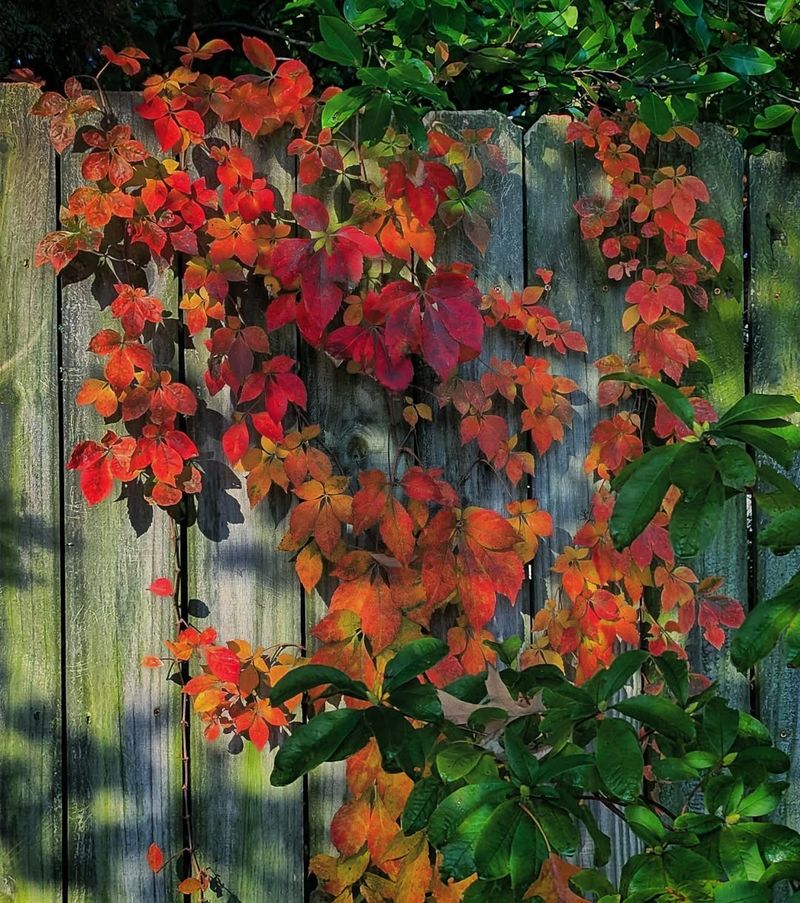
When sheer leafy coverage is the goal, Virginia creeper is hard to beat among native vines suited to North Carolina landscapes.
Climbing by adhesive tendrils, this fast-growing native can blanket a fence, wall, or trellis with dense, five-leaflet foliage that turns a brilliant red in autumn, giving gardeners two seasons of strong visual interest from one plant.
The fall color alone makes it worth planting even if quick coverage were not part of the appeal.
Virginia creeper is one of the more adaptable native vines in the region, tolerating full sun, partial shade, and even fairly deep shade better than many other climbers.
It handles a range of soil conditions and moisture levels, which makes it a practical choice for North Carolina yards where growing conditions are not always ideal.
Under good conditions, it can grow quite vigorously, covering a fence section in a single growing season.
The vine produces small dark berries in late summer that many native birds, including mockingbirds and woodpeckers, find very appealing.
This wildlife value makes Virginia creeper a strong choice for gardeners interested in supporting local ecosystems while also getting the fence coverage they want.
Occasional pruning keeps it from spreading beyond its intended area, and that is a much simpler task compared to managing aggressive nonnative wisteria.
For dense, reliable, season-long coverage on a North Carolina fence, Virginia creeper is a genuinely practical native option.
4. Trumpet Honeysuckle Brings Bright Pollinator Appeal
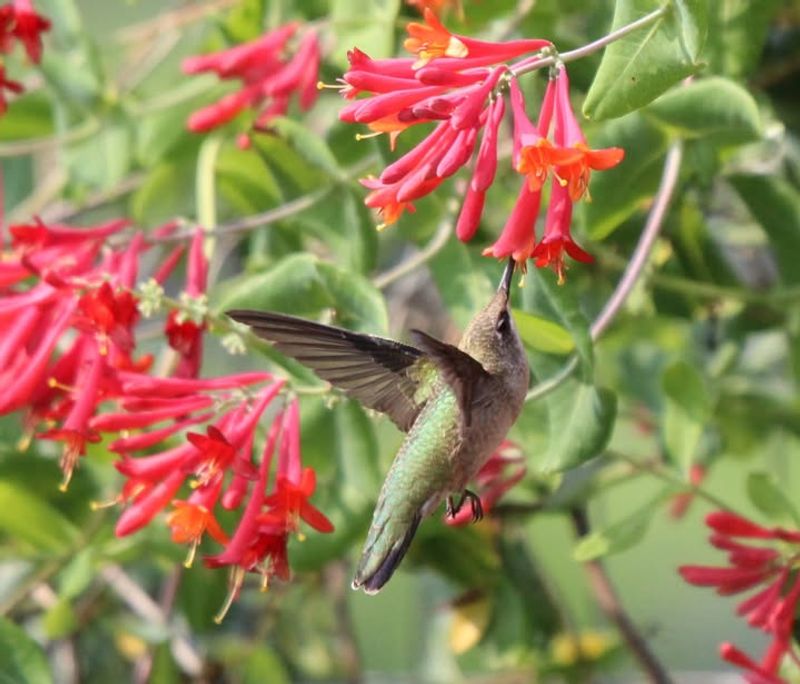
Hummingbirds seem to find trumpet honeysuckle before gardeners even finish planting it, which says a lot about how attractive this native vine is to pollinators.
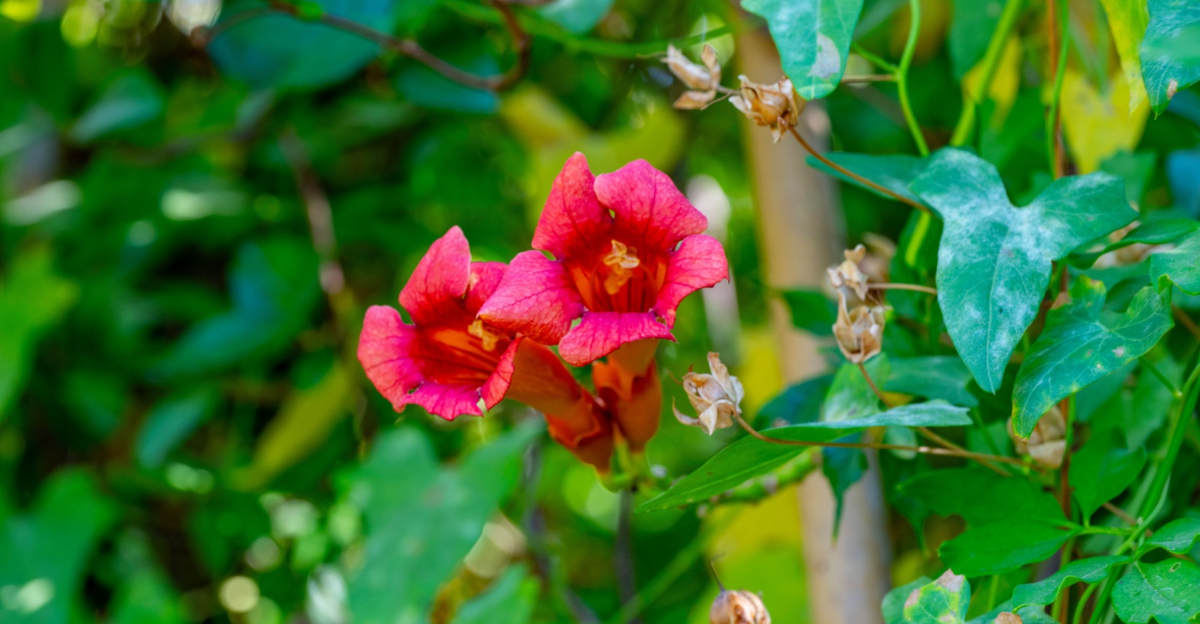
Unlike the invasive Japanese honeysuckle that many North Carolina gardeners know from roadsides and overgrown fence lines, trumpet honeysuckle is a true native that climbs with energy but does not run out of control.
The tubular flowers appear in shades of red, orange, and coral and can bloom from spring through summer under good conditions.
Trumpet honeysuckle twines around fences, wires, and trellises and can reach lengths of ten to twenty feet, making it a reasonable option for covering sections of fence where both color and coverage matter.
It grows best in full sun to light shade and adapts to a variety of North Carolina soil types.
While it may not cover a fence as densely as Virginia creeper, it more than makes up for that with its long bloom season and wildlife value.
Native bees and butterflies also visit the flowers, and birds eat the small red berries that follow the blooms in late summer. This makes trumpet honeysuckle a vine that earns its space in a North Carolina garden on multiple levels.
Pruning in late winter or early spring keeps the plant tidy and encourages fresh growth.
For gardeners specifically looking for flowering fence coverage that supports local wildlife, trumpet honeysuckle is a very appealing native choice.
5. Pale Yellow Honeysuckle Offers Soft Native Color
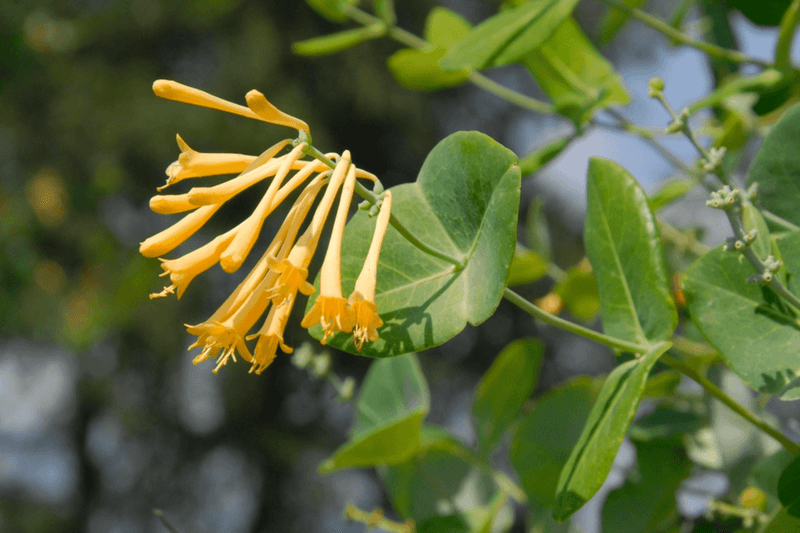
Gardeners who want something a little softer and more understated than the bold reds of trumpet honeysuckle might find pale yellow honeysuckle to be a welcome surprise.
Native to parts of the eastern United States including North Carolina, this honeysuckle species produces delicate, creamy yellow flowers that have a quiet elegance many gardeners appreciate.
It tends to suit cottage-style gardens, naturalistic landscapes, and wooded fence lines where a softer color palette fits the setting.
Pale yellow honeysuckle climbs by twining and works well on wire fences, wooden trellises, and garden arbors.
Growth is generally moderate, and while it may not race across a fence the way some more aggressive vines do, it builds up coverage steadily over time.
The flowers attract hummingbirds and native bees, and like other native honeysuckles, it produces berries that birds find useful in late summer and fall.
This vine performs well in partial shade to full sun and tends to appreciate slightly moist, well-drained soils, which are conditions found in many North Carolina woodland garden settings.
It pairs nicely with other native plants and does not tend to crowd out neighbors the way nonnative honeysuckle species are known to do.
Pruning after bloom helps maintain a manageable shape. For North Carolina gardeners wanting a native honeysuckle with a gentle, airy feel, pale yellow honeysuckle is a thoughtful and attractive option for fence lines and informal trellises.
6. Hairy Honeysuckle Adds Gentle Woodland Charm
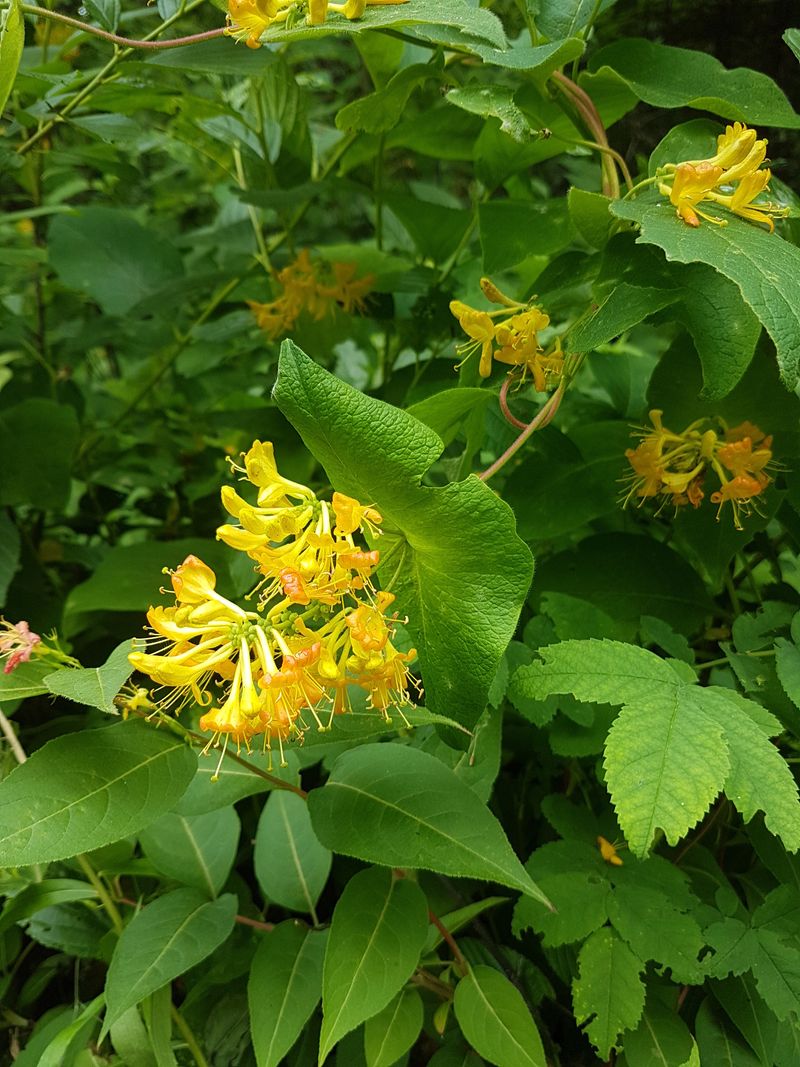
Not every fence sits in full blazing sun, and hairy honeysuckle is one native vine that actually does well in shadier spots where other climbers might struggle.
Named for the slightly fuzzy texture of its leaves and stems, this native honeysuckle has a soft, woodland quality that suits naturalistic garden settings in North Carolina particularly well.
It is a less commonly discussed native vine, but that relative obscurity has not stopped it from being a genuinely useful plant for the right fence or garden edge.
Hairy honeysuckle produces tubular flowers that attract hummingbirds and native bees, continuing the strong pollinator tradition shared by other native honeysuckles in the region.
The vine twines its way up supports and can cover a modest fence section over a few growing seasons.
It is not the fastest climber in the native vine lineup, but in a shaded or partly shaded North Carolina yard, it fills a niche that few other flowering vines can match.
Soil adaptability is one of hairy honeysuckle’s quiet strengths, as it tends to handle the varied and sometimes challenging soils found in North Carolina woodland gardens.
Gardeners looking for a flowering native vine for a fence that runs along a tree line or shaded boundary may find it very useful.
Light pruning after the bloom period helps keep the plant from becoming too tangled. For a woodland fence with soft color and genuine native credentials, hairy honeysuckle brings understated but reliable charm.
7. Dutchman’s Pipe Brings Dense Leafy Coverage
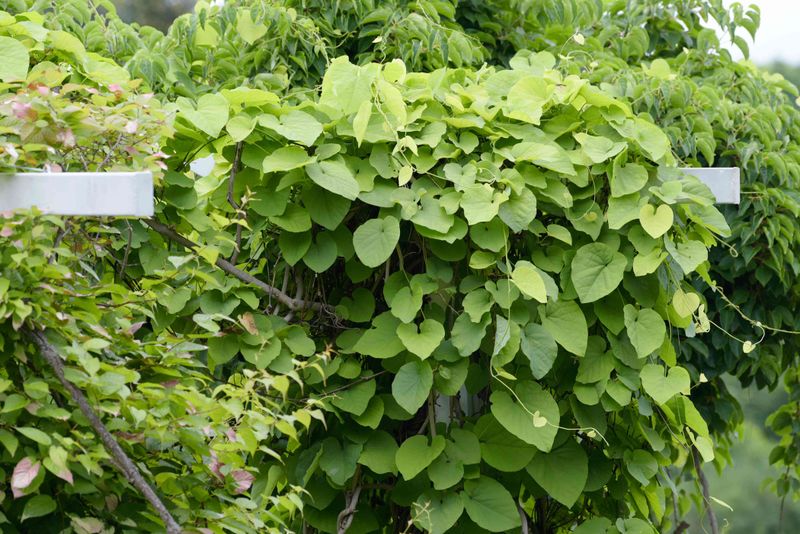
Large, overlapping heart-shaped leaves are what make Dutchman’s pipe one of the most effective screening vines available to North Carolina gardeners.
The leaves can grow quite big, creating a layered, almost tropical-looking coverage that blocks sightlines along a fence very effectively.
For homeowners who want privacy more than flowers, Dutchman’s pipe delivers in a way that few other native vines can match.
Native to the eastern United States, Dutchman’s pipe climbs by twining and can reach impressive lengths under good growing conditions.
It tends to prefer partial shade to full sun and does well in the rich, moist soils found in many North Carolina woodland edges and backyard settings.
The vine’s growth can be quite vigorous once established, which means it can cover a substantial section of fence in a growing season or two.
The flowers are unusual and interesting, shaped like a curved pipe or saxophone, but they are often hidden beneath the large leaves and easy to miss unless you look closely.
More importantly for North Carolina gardeners, Dutchman’s pipe is the host plant for the pipevine swallowtail butterfly, meaning that planting it actively supports one of the region’s most striking native butterfly species.
That ecological connection makes it much more than just a screening vine. Pruning in late winter helps manage size and keeps the plant from becoming too heavy on its support structure.
For dense, leafy fence coverage with real wildlife value, Dutchman’s pipe is a standout native option.
8. Woolly Pipevine Creates Strong Native Screening
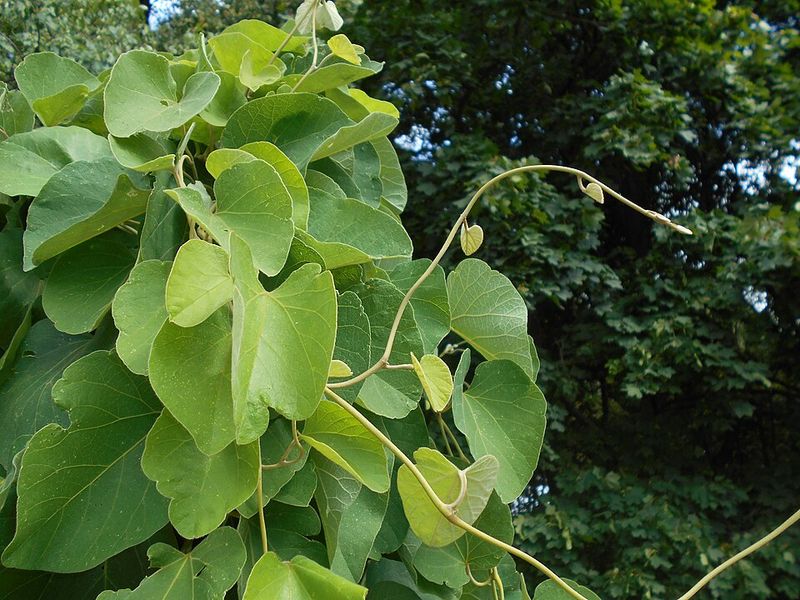
Woolly pipevine shares the Aristolochia family with Dutchman’s pipe, but it brings its own distinctive character to North Carolina gardens, including leaves with a soft, velvety texture that gives the plant a noticeably different look and feel.
Native to the southeastern United States, woolly pipevine is particularly well suited to the warmer regions of North Carolina, where it can take full advantage of long growing seasons to build up dense fence coverage over time.
Like its relative, woolly pipevine serves as a host plant for the pipevine swallowtail butterfly, and planting it can meaningfully support local butterfly populations.
The curved, pipe-shaped flowers appear in late spring and are fascinating to look at up close, though the real visual impact of this vine comes from its lush, layered foliage.
For gardeners prioritizing screening value, the large leaves stack up nicely along a fence to create a solid green barrier.
Woolly pipevine climbs by twining and benefits from a sturdy support structure, especially as the plant matures and the stems become heavier.
It performs well in partial shade to full sun and appreciates moderately moist soil, which is common in many North Carolina garden settings.
Pruning in late winter or early spring helps manage the plant’s spread and keeps it looking tidy on the fence.
For North Carolina gardeners who want strong native screening with genuine ecological benefits, woolly pipevine is a very rewarding and underappreciated choice.