Deer-Proof Plants Michigan Homeowners Are Using To Finally Win The Garden Battle
For many Michigan homeowners, gardening can feel like a constant fight against hungry deer that treat fresh plantings like an open buffet. Just when flowers start looking full and healthy, they get nibbled down almost overnight.
That is why more people are turning to plants deer tend to avoid, choosing options that can still bring color, texture, and beauty without becoming a favorite snack.
The best part is these plants are not plain or boring. Many offer bright blooms, bold foliage, long season interest, and strong performance in Michigan’s changing weather.
Some thrive in sunny borders, while others handle shade or tough spots with ease. A smart mix of deer resistant plants can help a garden look full and inviting from spring through fall.
If you are tired of replanting the same spots, these tougher choices may finally help tip the balance back in your favor.
1. Catmint (Nepeta x faassenii)
Walk past a patch of catmint on a warm Michigan morning and you will immediately understand why deer want nothing to do with it.
The strong, minty aroma that humans find pleasant is actually a powerful deterrent for browsing deer.
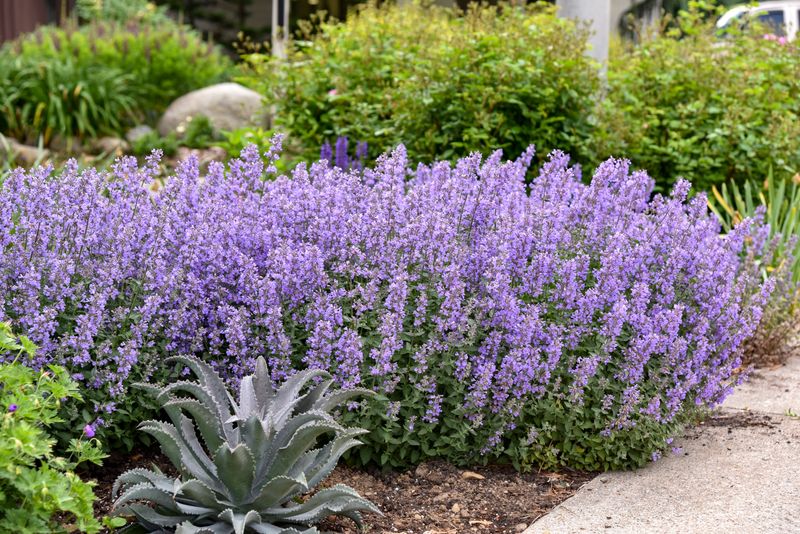
It blooms in waves of soft lavender-blue from late spring well into summer, giving your garden color for months on end.
Catmint grows into tidy, rounded mounds that look polished along walkways, borders, and garden edges.
It handles drought like a champ once established, which makes it a practical choice for Michigan summers when rainfall can be unpredictable.
Cutting it back halfway after the first bloom encourages a fresh flush of flowers that can last into early fall.
Beyond keeping deer away, catmint pulls in bees, butterflies, and other beneficial pollinators that your garden needs.
It pairs beautifully with ornamental grasses and Russian sage for a layered, low-maintenance look.
Michigan State University Extension recommends aromatic plants like this as a frontline strategy against deer browsing, and catmint absolutely delivers on that promise.
Plant it in full sun with well-drained soil and watch it thrive season after season with almost zero fuss from you.
2. Lavender (Lavandula angustifolia)
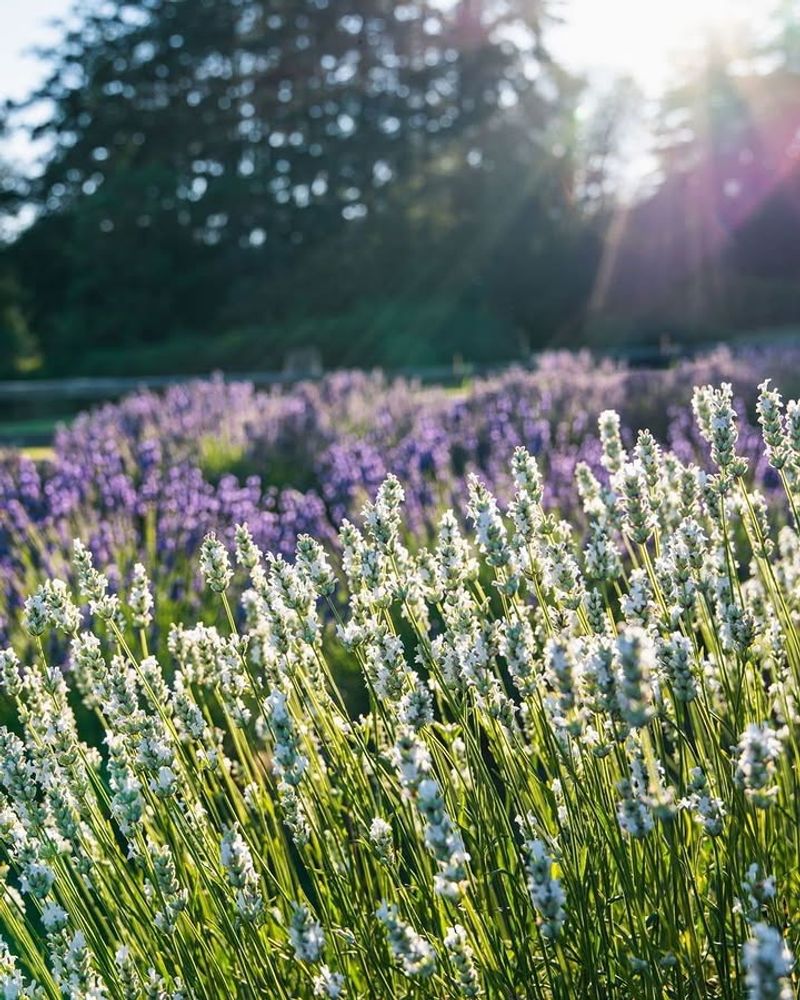
Few plants carry as much beauty and function as lavender, and Michigan gardeners are finally using it to their full advantage.
Deer consistently avoid it because of the intense fragrance that comes from the essential oils packed into every leaf and stem.
Plant it in full sun with well-drained, slightly sandy soil and it will reward you with stunning purple blooms from early to midsummer.
Lavender does best in protected spots across Michigan, especially in the Lower Peninsula where winters are a little less harsh.
A layer of mulch around the base before the cold season helps insulate the roots and keeps plants coming back strong year after year.
Raised beds and sloped garden areas with excellent drainage are ideal since lavender absolutely cannot sit in soggy soil.
Beyond its deer-deterring power, lavender attracts an impressive parade of bees, butterflies, and even hummingbirds throughout the blooming season.
The dried flowers are useful in sachets, cooking, and homemade products, making this plant genuinely multi-purpose.
Your Michigan Garden Changes Every Week. Your Plan Should Too.
Gardening in Michigan changes quickly throughout the season. Every Friday you’ll receive a simple weekly plan showing exactly what to plant, prune, fertilize, harvest, and protect so you never miss the right timing.
Many Michigan homeowners line their front walkways with lavender as a first line of defense against deer, creating an aromatic barrier that looks gorgeous from the street.
It is one of those rare plants that earns its spot in the garden on style and practicality at the same time.
3. Russian Sage (Salvia yangii)
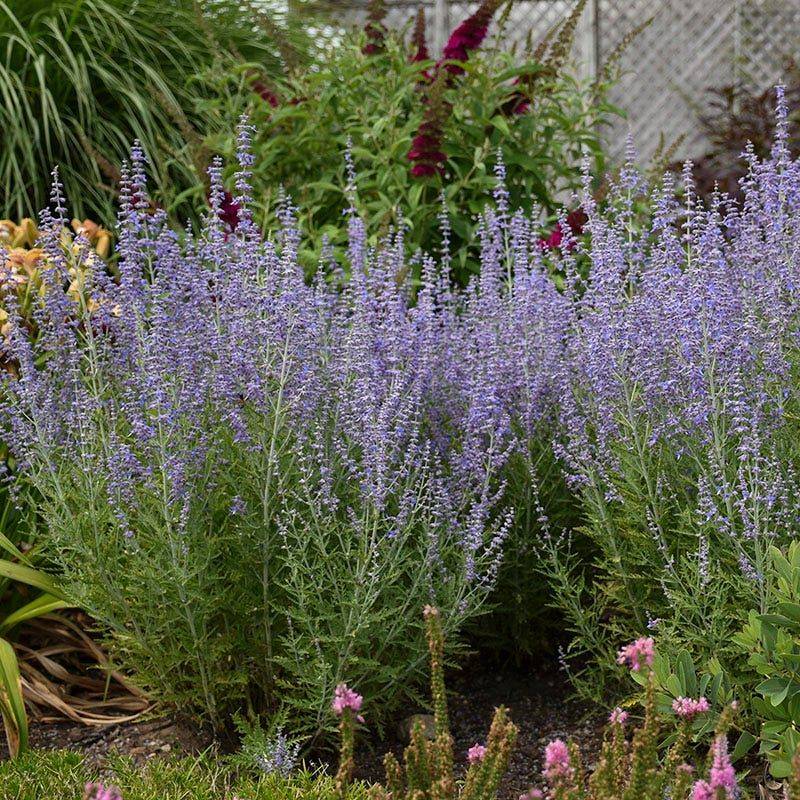
Russian sage has a way of making every Michigan garden look like it belongs on a magazine cover. The tall, wispy silver stems and hazy blue-purple flowers create a soft, dreamy texture that is nearly impossible to replicate with any other plant.
Deer strongly dislike both the coarse texture and the pungent, sage-like smell of this perennial, which means it stays intact while other plants around it get browsed.
It thrives in hot, sunny spots with dry to average soil, which makes it a natural fit for many Michigan landscapes, particularly along driveways, slopes, and open sunny borders.
Once established, Russian sage is remarkably drought-tolerant and rarely needs supplemental watering.
It blooms from midsummer through fall, giving your yard color and structure well past the point when many other perennials have faded.
Cutting stems back to about six inches in early spring keeps the plant tidy and encourages vigorous new growth.
Russian sage works especially well when planted in large drifts or combined with ornamental grasses and coneflowers for a naturalistic, meadow-style look that deer consistently walk right past.
Michigan gardeners in sunny, exposed areas will find this plant to be one of the most reliable deer-resistant options available. It is bold, beautiful, and surprisingly tough for something that looks so delicate.
4. Hellebores (Helleborus x hybridus)
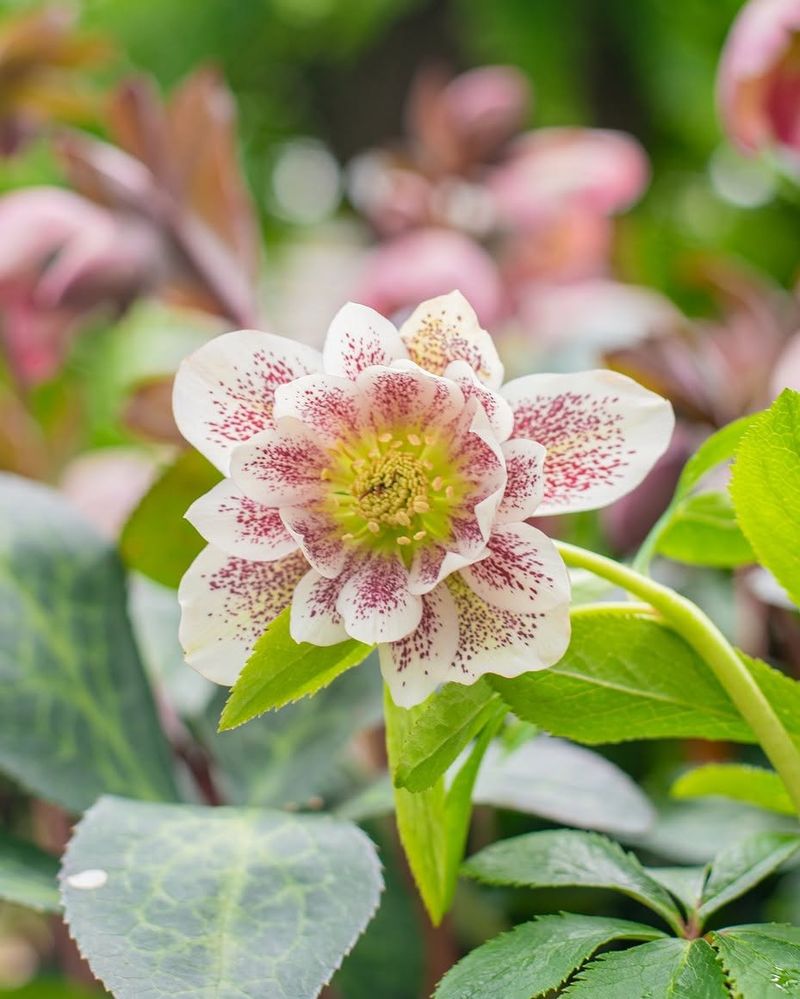
There is something almost magical about stepping into a shaded Michigan garden in early spring and finding hellebores already in bloom while patches of snow still linger nearby.
These tough perennials are among the earliest flowers to appear each season, and deer consistently leave them alone because of their naturally bitter, toxic compounds.
That combination of early color and reliable deer resistance makes hellebores genuinely special.
Hellebores thrive in shade and part shade, which fills a real gap in Michigan gardens where mature trees block sunlight from large sections of the yard.
The deep green, leathery foliage stays attractive through most of the year, providing structure and coverage even when nothing else is growing.
Nodding flowers in shades of white, pink, plum, and near-black add quiet elegance to woodland-style plantings.
Plant hellebores in rich, well-drained soil amended with compost, and give them a few seasons to fully establish before expecting peak performance. Once settled, they spread slowly and can live for decades with minimal attention.
Removing the old foliage in late winter just before new growth emerges keeps plants looking fresh and helps prevent disease.
Michigan homeowners with heavily shaded lots often struggle to find deer-resistant options that actually look good, and hellebores solve that problem beautifully. They are a true standout in any shaded corner of a Michigan yard.
5. Boxwood (Buxus spp.)
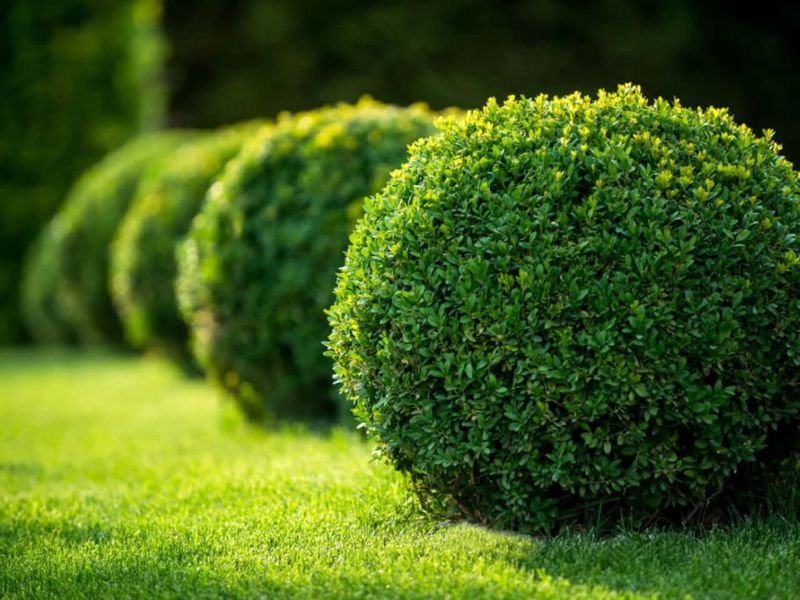
Boxwood is the backbone of countless well-designed Michigan landscapes, and for good reason. Its dense, evergreen foliage holds its shape through all four seasons, giving yards a polished, structured look even in the middle of a gray Michigan winter.
Deer typically avoid it because of the bitter taste and strong odor the foliage produces, making it one of the most dependable deer-resistant shrubs available.
Whether you need a formal clipped hedge, a low border along a foundation, or a backdrop for flowering perennials, boxwood does the job with minimal fuss.
It grows well in full sun to partial shade, which gives Michigan homeowners plenty of flexibility when planning their layouts.
Regular light pruning in late spring keeps plants tidy and encourages the thick, dense growth that makes boxwood such an effective visual barrier.
One thing to keep in mind for Michigan growers is boxwood blight, a fungal disease that has become more common in recent years.
Choosing resistant varieties like Green Mountain or Buxus microphylla cultivars and ensuring good air circulation around plants can significantly reduce the risk. Avoid overhead watering and clean up any fallen leaves promptly to keep plants healthy.
Despite this consideration, boxwood remains one of the most widely planted deer-resistant shrubs across Michigan neighborhoods, and its year-round appeal makes it easy to understand why so many homeowners keep reaching for it.
6. Inkberry Holly (Ilex glabra)
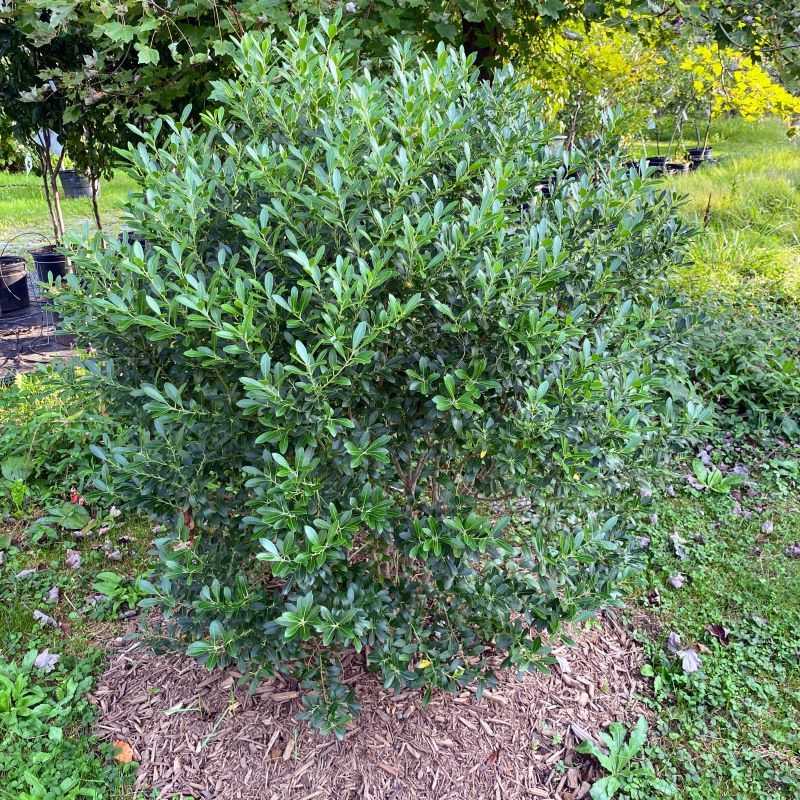
Not everyone knows about inkberry holly, but Michigan gardeners who have discovered it tend to become instant fans.
It is a native evergreen shrub that deer generally avoid, and it handles the challenging soil conditions found across much of Michigan with impressive ease.
Wet, acidic soils that would stress out most shrubs are exactly where inkberry holly thrives, making it a standout choice for low-lying or poorly drained areas of the yard.
The glossy, dark green foliage stays attractive through the entire year, and small black berries appear in fall and persist through winter.
Those berries are a fantastic food source for birds, including robins and cedar waxwings, which makes the shrub a genuine wildlife asset beyond just its deer resistance.
It grows to about four to six feet tall and wide, forming a dense, rounded shape that works well as a natural hedge or mass planting.
Inkberry holly is also a smart choice for Michigan homeowners who want to support native plant ecosystems. As a true Michigan native, it supports local insects and birds in ways that non-native shrubs simply cannot.
Plant it in groups for the most visual impact, and choose a spot with consistent moisture for the best results. Pruning is rarely needed, and the plant largely takes care of itself once established.
For low-effort, high-impact deer resistance, inkberry holly belongs in far more Michigan yards than it currently occupies.
7. Common Juniper (Juniperus communis)
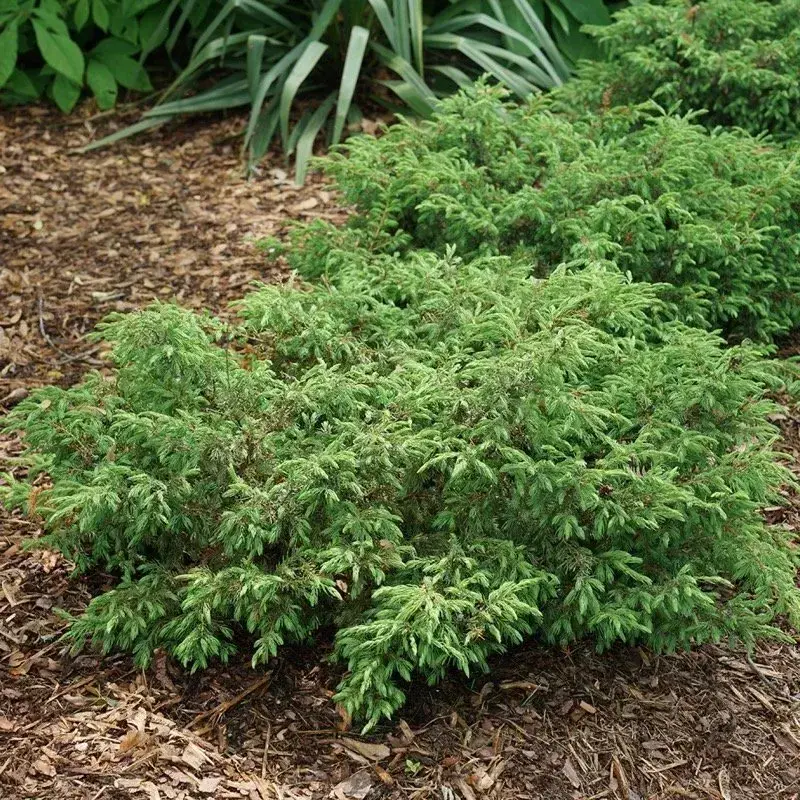
Sharp needles and a resinous scent are two things deer want absolutely nothing to do with, and common juniper has both in abundance.
This native evergreen shrub is one of the toughest plants you can put in a Michigan landscape, thriving in poor, rocky, sandy soils where most other shrubs would struggle badly.
It handles wind, drought, and cold with the kind of resilience that only a true Michigan native can manage.
Common juniper grows in a spreading, low mound that works beautifully along driveways, slopes, and exposed hillsides where erosion control is also a priority.
The blue-green needle foliage has a silvery cast that catches light beautifully through every season, and small blue-gray berries add extra visual interest in fall and winter.
Those berries also attract birds, which is a nice bonus for anyone who enjoys wildlife in their yard.
One of the underrated benefits of common juniper is how little maintenance it actually requires once it gets established. No regular pruning, no special fertilizing, and no fussing over soil conditions.
Michigan homeowners with challenging, exposed sites often struggle to find anything that looks good and survives the winters, and common juniper solves both problems at once.
It may not be the flashiest plant on this list, but its reliability and native credentials make it one of the most genuinely useful deer-resistant options available to Michigan gardeners today.
8. Sweetfern (Comptonia peregrina)
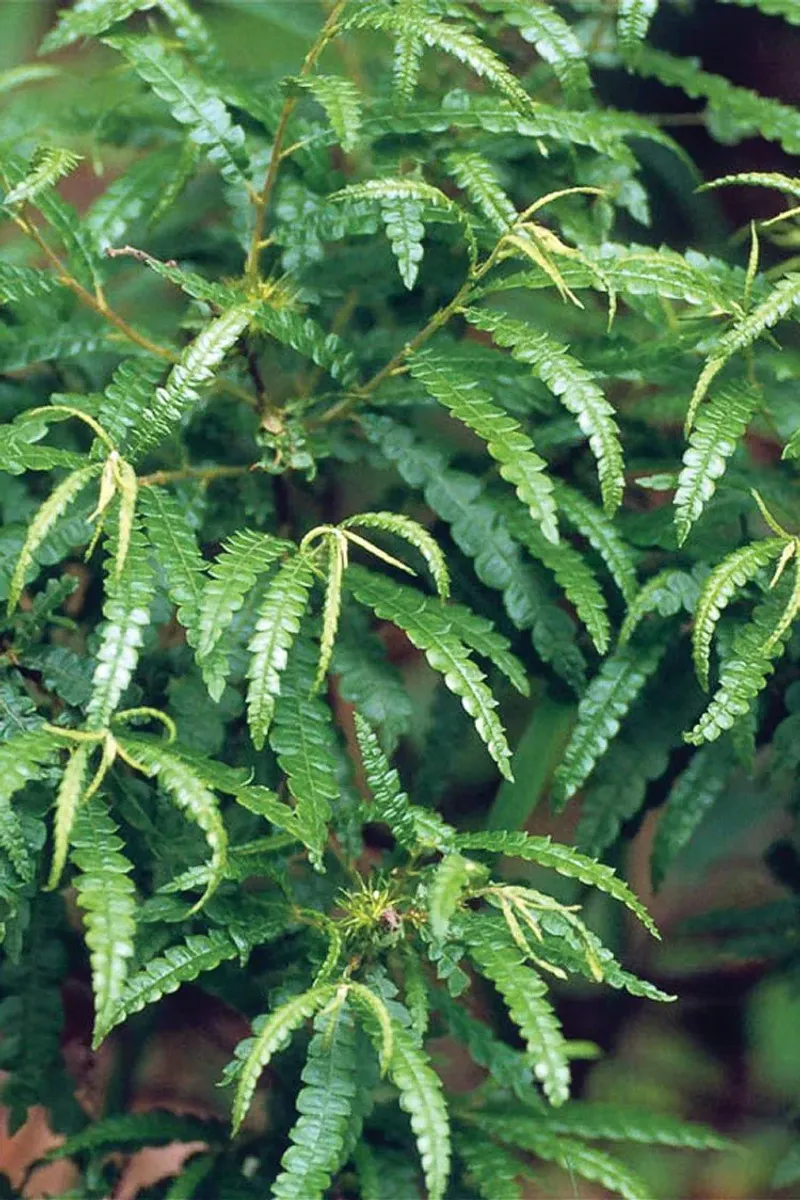
Sweetfern might just be the most underappreciated native shrub growing across Michigan right now.
Despite its delicate, fern-like appearance, this tough little plant thrives in dry, sandy soils and handles drought conditions that would stress out far more pampered garden plants.
Deer consistently avoid it because of the strong, spicy-sweet fragrance that rises from the foliage when you brush against it on a warm afternoon.
It grows naturally across sandy plains, pine barrens, and open woodlands throughout Michigan, which tells you everything you need to know about its adaptability.
Sweetfern spreads by underground runners to form loose colonies over time, making it an excellent ground cover for large, difficult areas where traditional lawn grass refuses to grow well.
The fine-textured foliage has a refreshing, aromatic quality that makes it genuinely pleasant to have near a patio or garden path.
Beyond deer resistance, sweetfern is a nitrogen-fixing plant, meaning it actually improves the soil it grows in over time. That is a rare and valuable quality in a landscape shrub.
Michigan homeowners dealing with poor, nutrient-depleted soils will find sweetfern to be a quiet but powerful ally in building a healthier garden over the long term.
It rarely needs pruning, never needs fertilizing, and rewards patience with steady, reliable spread.
For naturalistic Michigan landscapes that celebrate native plants, sweetfern is absolutely worth seeking out and planting in generous quantities.
9. Yarrow (Achillea millefolium)
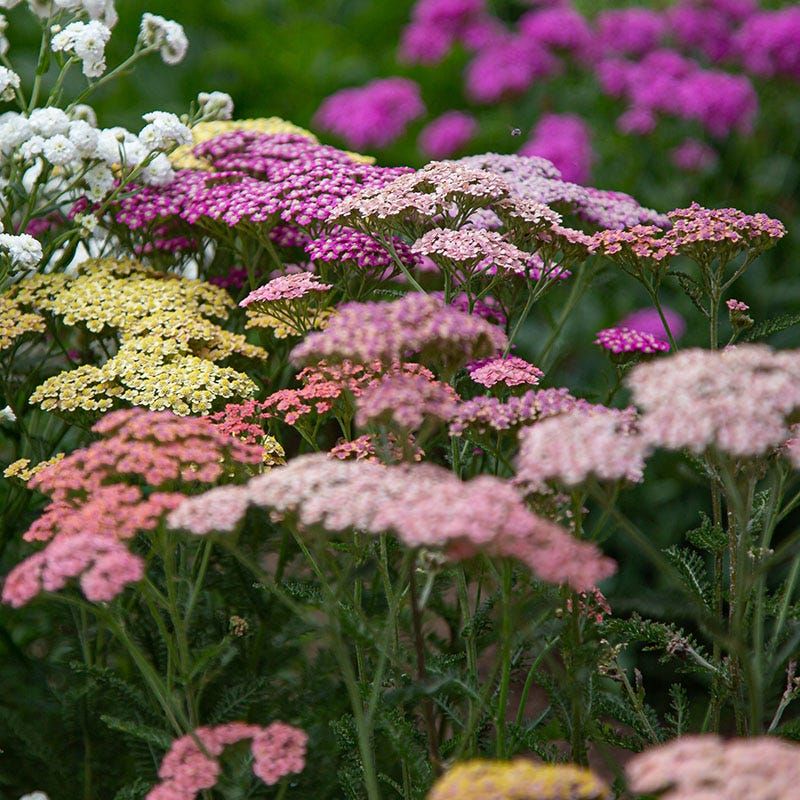
Yarrow has been growing wild across Michigan roadsides and meadows for generations, and its stubborn, cheerful nature translates perfectly into the home garden.
Deer avoid it because of the strongly aromatic, feathery foliage that releases a sharp, herbal scent when touched.
Flat-topped flower clusters in shades of yellow, white, pink, and red bloom from early summer through early fall, giving your garden a long, reliable season of color.
It grows best in full sun with average to dry, well-drained soil, which makes it a natural fit for many sunny Michigan borders and slopes.
Yarrow actually performs better in lean soil than in rich, over-amended beds, where it can become floppy and overly aggressive.
Dividing clumps every few years keeps plants vigorous and prevents them from spreading beyond their intended space.
One genuinely fun fact about yarrow: it has been used medicinally for thousands of years across many cultures, and its scientific name Achillea references the Greek hero Achilles, who was said to have used it to treat his soldiers’ wounds.
That long history speaks to just how tough and useful this plant truly is.
Michigan gardeners who want a low-maintenance, drought-tolerant perennial that pollinators love and deer ignore will find yarrow to be one of the most satisfying plants in the entire garden.
It is simple, honest, and incredibly effective at doing exactly what it promises.
10. Bee Balm (Monarda fistulosa)
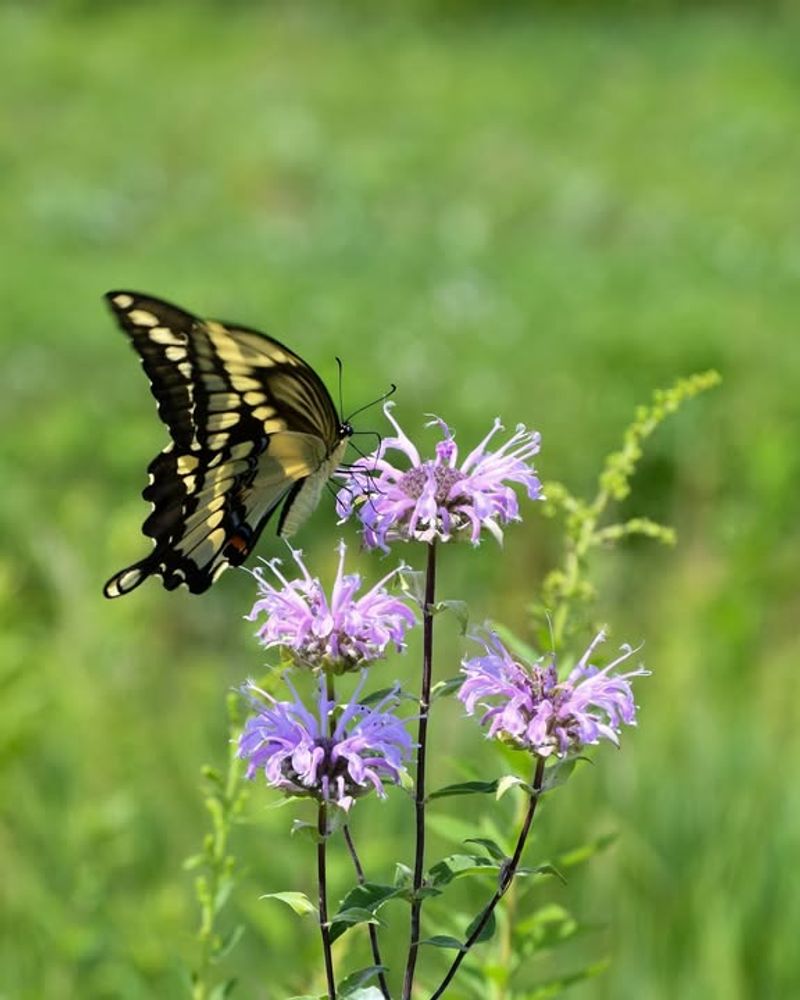
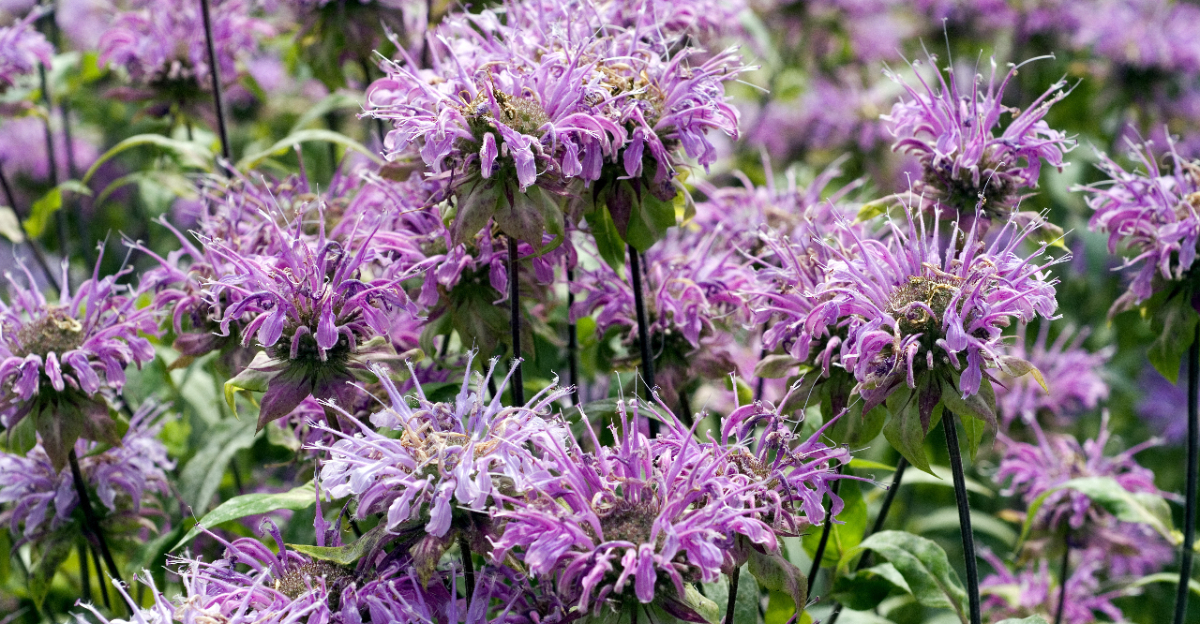
Wild bergamot bee balm is one of those plants that makes a Michigan garden feel alive in the very best way.
The shaggy, lavender-pink flower heads attract bees, butterflies, and hummingbirds in numbers that can be genuinely breathtaking on a midsummer afternoon.
Deer tend to browse it far less frequently than many other perennials because the foliage carries a strong oregano-like scent that simply does not appeal to them.
Monarda fistulosa is native to Michigan and grows naturally in prairies, open woodlands, and roadsides across the state, which means it is perfectly adapted to local conditions.
It handles average to dry soils well and blooms from July into August, bridging the gap between the earlier summer perennials and the fall bloomers.
Full sun to light shade both work well, giving Michigan homeowners some flexibility in placement.
Good air circulation around bee balm plants is important because powdery mildew can be a recurring issue in humid Michigan summers.
Spacing plants at least eighteen to twenty-four inches apart and avoiding overhead watering helps keep foliage clean and healthy through the season.
Cutting plants back by about a third after the first bloom can encourage a second flush of flowers later in summer.
For Michigan gardeners who want a native plant that supports pollinators, resists deer, and delivers genuine visual drama, wild bergamot bee balm is one of the most rewarding choices you can make for your yard.
11. Ninebark (Physocarpus opulifolius)
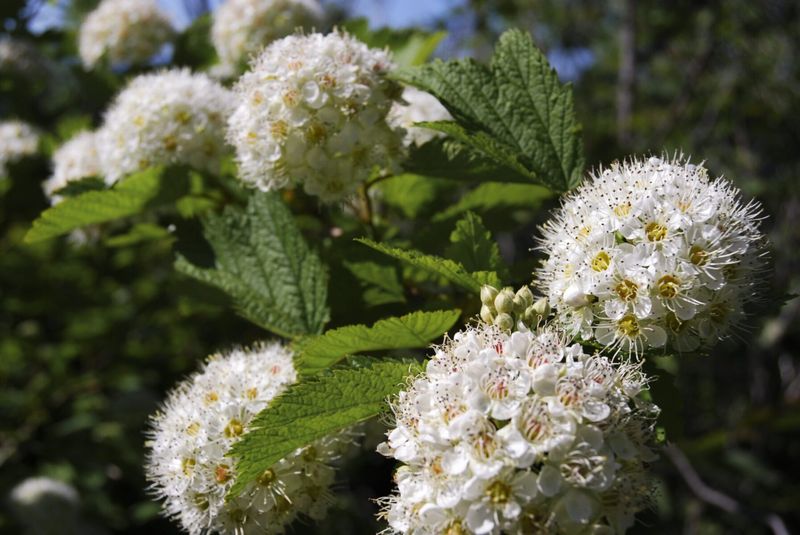
Ninebark is one of those shrubs that earns its spot in a Michigan garden across every single season of the year.
Clusters of small white or pink flowers open in late spring and attract pollinators by the dozens.
By summer, the foliage in popular varieties like Diablo and Coppertina turns deep burgundy or rich copper-orange, creating a bold, dramatic focal point that very few other shrubs can match.
Deer generally leave it alone, which makes the visual reward even more satisfying. The peeling, exfoliating bark reveals warm cinnamon and tan tones beneath, adding genuine winter interest when the leaves are gone and most of the garden looks quiet.
Ninebark is native to Michigan and thrives in a wide range of soil types, from moist stream banks to average garden beds.
It tolerates part shade but puts on its best foliage color in full sun, so give it as much light as your yard allows.
Pruning ninebark right after flowering keeps the shape tidy and encourages vigorous new growth for the following season.
It can grow quite large, so give it enough room to spread naturally rather than fighting it with constant heavy cutting.
Michigan homeowners who want a multi-season, native, deer-resistant shrub that looks genuinely impressive from spring through winter will find ninebark to be one of the most satisfying investments they can make in their landscape. It truly does it all.
12. Ornamental Grasses: Switchgrass (Panicum virgatum)
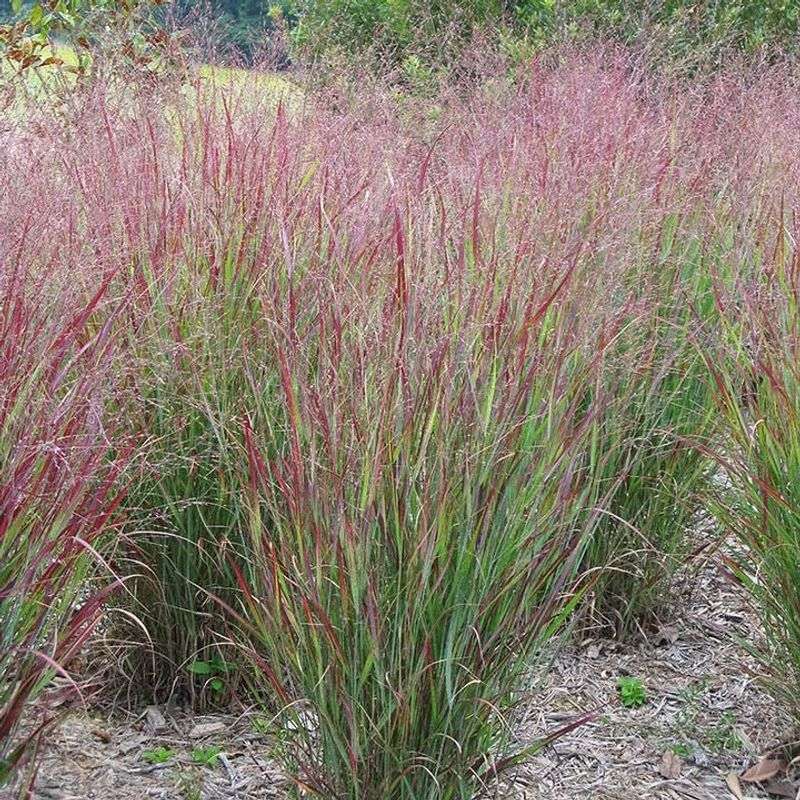
Switchgrass has a quiet, effortless beauty that makes any Michigan garden feel more grounded and natural.
Deer rarely bother ornamental grasses, and switchgrass in particular is one of the most reliable choices you can plant across the state.
The upright, airy blades move gracefully in the breeze, and the plant shifts through a stunning range of colors as the seasons change, from blue-green in summer to golden and rust-red in fall.
As a true Michigan native, switchgrass grows naturally in prairies, wetlands, and open fields across the state, which means it is completely at home in local conditions.
It handles everything from moist, low-lying areas to dry, sandy soils, making it one of the most adaptable plants on this entire list.
Full sun brings out the best color and the most upright growth habit, though it tolerates a bit of shade reasonably well.
Popular cultivars like Shenandoah, Heavy Metal, and Northwind each offer slightly different colors and growth forms, so Michigan homeowners can choose the one that best fits their garden style.
Switchgrass also provides excellent winter structure, with the dried seed heads catching snow and frost in ways that look genuinely beautiful against a gray Michigan sky. Cut plants back to about four to six inches in late winter before new growth emerges.
For a low-maintenance, deer-resistant grass that looks spectacular through every season, switchgrass is simply one of the best options available to Michigan gardeners anywhere.