These Are The First Flowers Michigan Gardeners See Every Spring And How To Get More Of Them
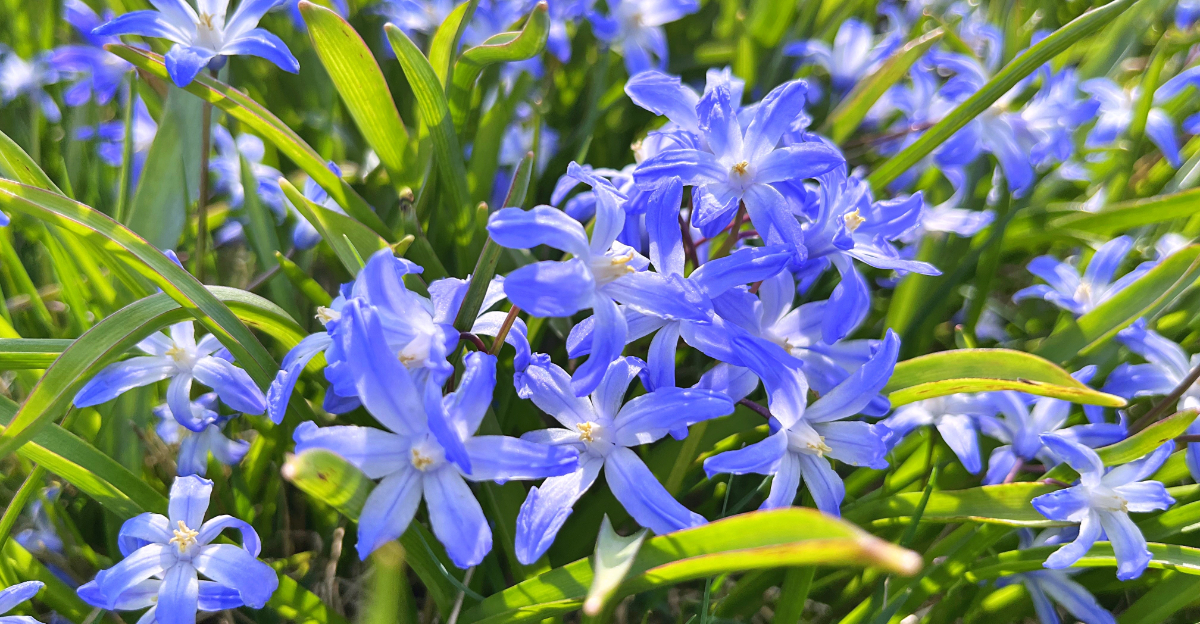
Each spring in Michigan, certain flowers are the first to push through the soil and bring color back to the landscape. After months of cold and gray, these early blooms feel like a clear sign that the season is finally changing.
They appear when temperatures are still cool, often blooming before trees fully leaf out, which makes them stand out even more. Many of these flowers return year after year and slowly spread if they are happy where they are planted.
That means with the right care, you can enjoy even more of them over time. Michigan’s climate gives these early bloomers a unique role in the garden, helping kick off the season with bright color and fresh energy.
If you want a stronger spring display, understanding how to encourage these flowers can make a noticeable difference in your yard.
1. Crocus (Crocus spp.)
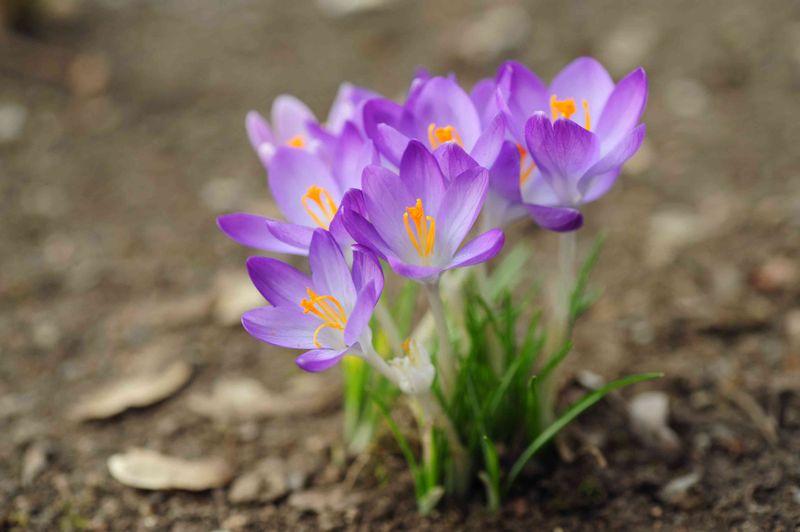
Few things in Michigan gardening feel quite as rewarding as spotting a crocus pushing right through a thin layer of late March snow.
These tough little flowers come in purple, yellow, white, and striped varieties, and they can bloom even when temperatures are still hovering near freezing.
Gardeners across Michigan have come to count on them as the unofficial announcement that spring has arrived for real.
Planting crocuses is simple and very forgiving. In the fall, tuck the corms about three inches deep in a sunny or lightly shaded spot with soil that drains well.
Grouping them in clusters of ten or more gives you a much bigger visual impact when they all open together in early spring.
To get more crocuses each year, resist the urge to cut or braid the foliage after blooming ends. The leaves need several weeks to gather energy back into the corm for next year.
Squirrels love to dig them up, so planting them under a light layer of wire mesh can save your whole display. Over several years, established crocuses will naturally multiply and spread, filling in bare patches of lawn or garden beds with cheerful color.
2. Snowdrops (Galanthus nivalis)
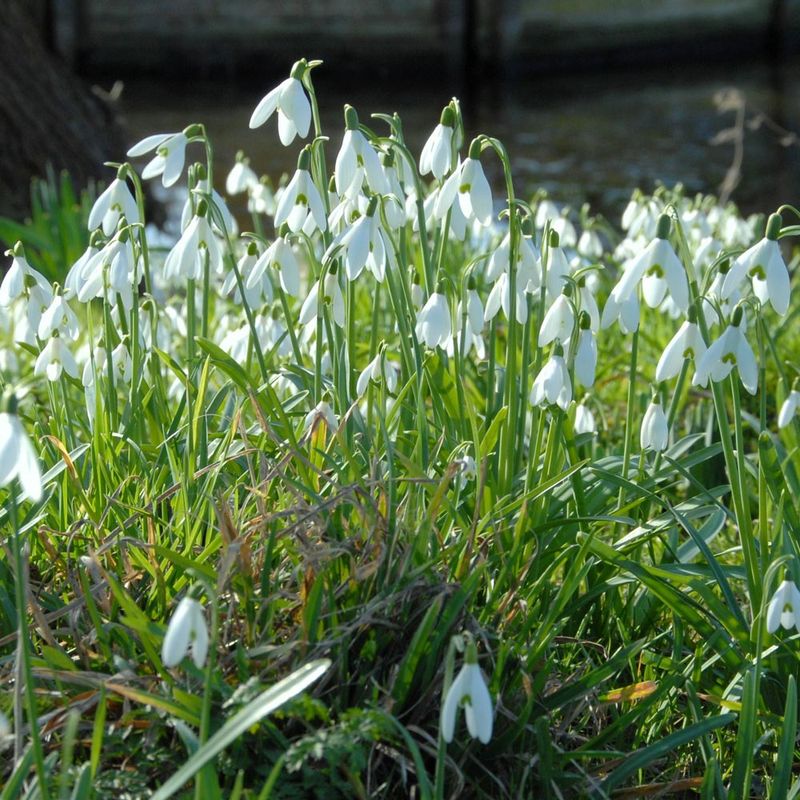
Snowdrops are the quiet overachievers of the Michigan spring garden. These tiny white flowers sometimes appear as early as February, poking up before almost anything else has even thought about waking up.
Their nodding white blooms look delicate, but snowdrops are surprisingly cold-hardy and can handle frost without missing a beat.
Getting more snowdrops starts with planting bulbs in the fall, about three inches deep, in a spot with partial shade and moist but well-drained soil. They tend to thrive near the edges of trees or shrubs where the soil stays a little more evenly moist.
One of the best things about snowdrops is that once they settle in, they naturalize on their own without much help from you.
For the fastest spread, divide established clumps right after they finish blooming, while the foliage is still green. This is called transplanting them “in the green,” and it works much better than moving dry bulbs in fall.
Your Michigan Garden Changes Every Week. Your Plan Should Too.
Gardening in Michigan changes quickly throughout the season. Every Friday you’ll receive a simple weekly plan showing exactly what to plant, prune, fertilize, harvest, and protect so you never miss the right timing.
Replant the divided clumps just a few inches apart in the same style of spot, and water them in well.
Within a few seasons, those small divisions will grow into full, lush patches that return reliably every late winter, giving Michigan yards a welcome burst of life when everything else still looks bare and cold.
3. Winter Aconite (Eranthis hyemalis)
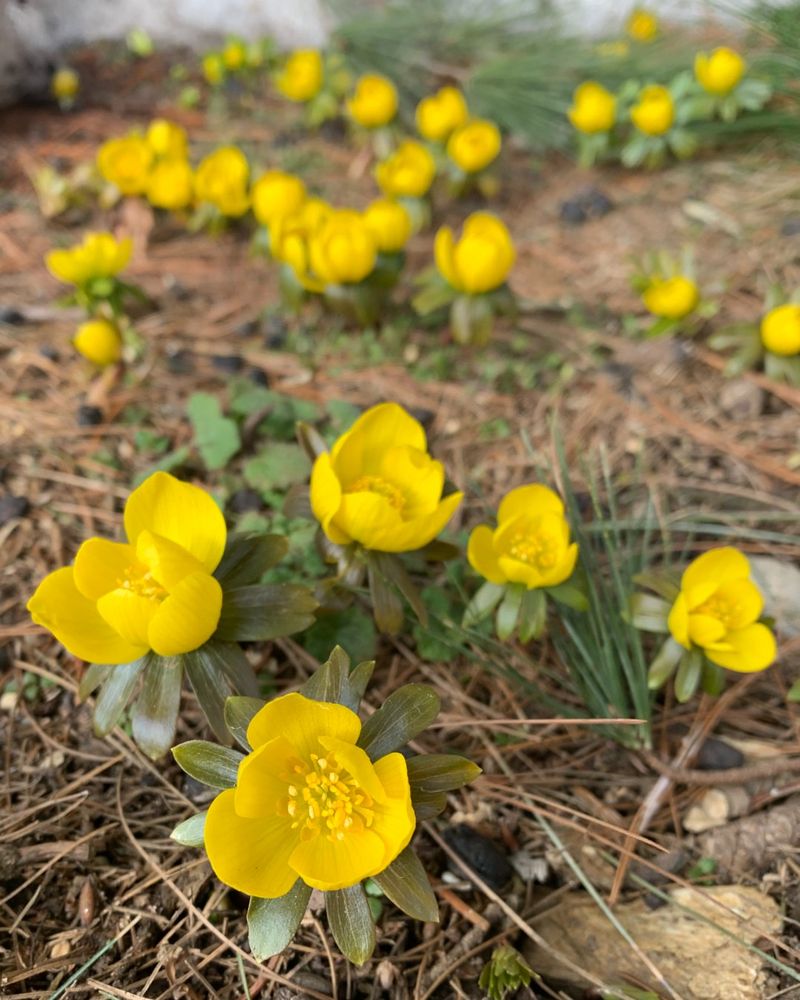
Imagine walking outside on a cold February morning in Michigan and finding a carpet of bright golden yellow flowers glowing against the bare ground. That is exactly what winter aconite delivers, and it does it reliably year after year once it gets established.
These cheerful little blooms often appear even before crocuses, making them one of the very first signs of life in the entire garden.
Winter aconite grows from small, knobby tubers that you plant in fall, about two inches deep, in a spot with partial shade and rich, moist soil. They do especially well under deciduous trees where they get plenty of light in early spring before the leaves fill in overhead.
One helpful tip is to soak the dry tubers in water for a few hours before planting, since this helps them rehydrate and get established more quickly.
Over time, winter aconite spreads naturally by self-seeding, gradually filling in the ground beneath trees with a golden glow each spring. To encourage even more spreading, simply leave the seed heads in place after the flowers fade rather than cleaning them up.
Michigan gardeners who are patient with this plant are always rewarded. Give winter aconite a few seasons to settle in, and it will eventually form wide, glowing patches that stop neighbors in their tracks every February and March.
4. Daffodils (Narcissus spp.)
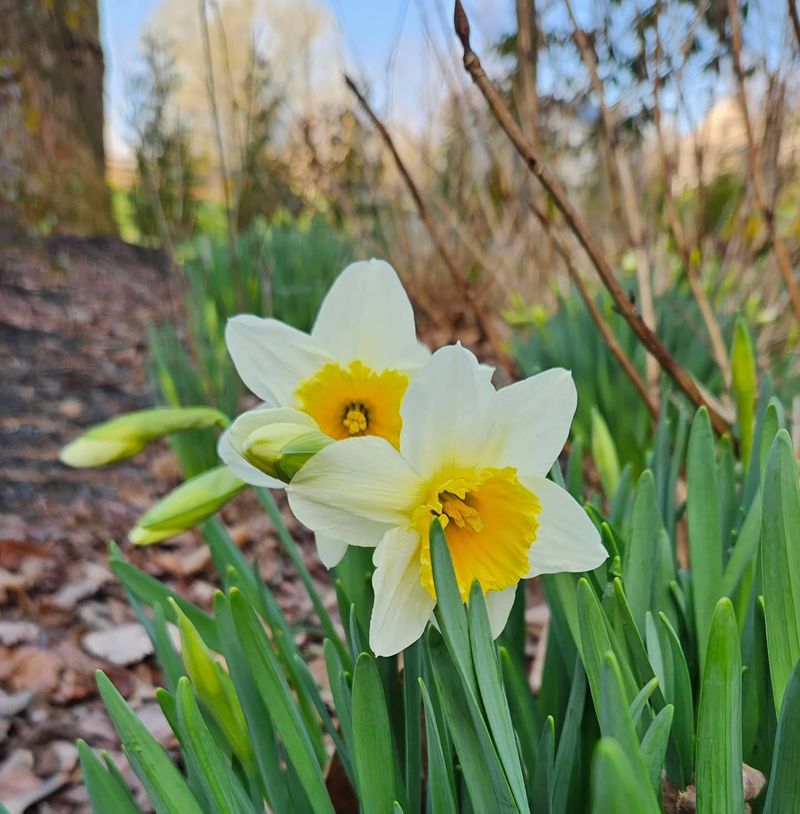
Daffodils are one of the most beloved spring flowers across Michigan, and for good reason. Their bold yellow trumpets are impossible to miss, and they bring a warmth to the garden that feels like a genuine celebration after a long winter.
Unlike many spring bulbs, daffodils are naturally resistant to deer and squirrels, which makes them a very smart choice for Michigan yards where wildlife pressure is high.
Plant daffodil bulbs in fall, about six inches deep, in a spot with full sun to partial shade. They are not too picky about soil as long as it drains well and does not stay soggy.
Planting them in large drifts rather than single rows gives your yard a more natural, lush appearance when they all bloom together in April.
The secret to getting more daffodils every year is patience with the foliage after blooming. The leaves may look messy for several weeks, but they are busy feeding energy back into the bulb underground.
Cutting them too early weakens the bulb and reduces next year’s blooms significantly. After about six weeks, the foliage will naturally yellow and flop over on its own.
Over the years, daffodil clumps gradually multiply underground, and a patch that started with ten bulbs can easily grow into fifty or more, making your Michigan spring garden more spectacular every single season.
5. Glory Of The Snow (Chionodoxa forbesii)
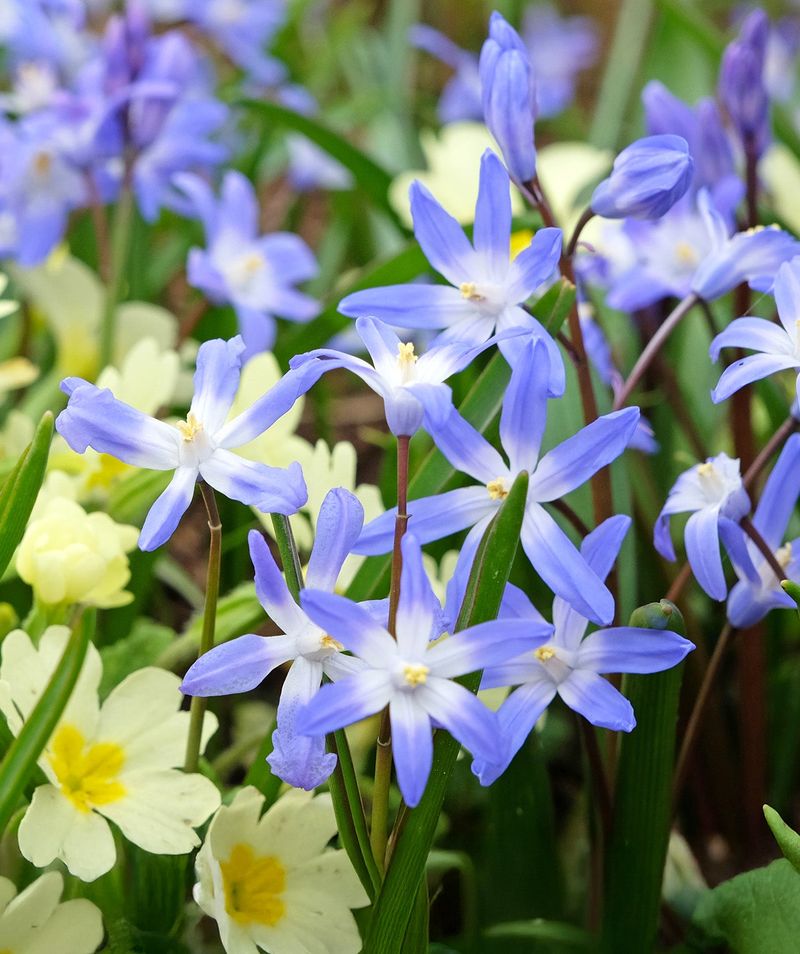
Glory of the snow earns its poetic name every spring in Michigan. These small, star-shaped flowers bloom in a striking shade of sky blue with a white center, and they appear so early that snow is often still on the ground nearby when they open.
Entire lawns can turn blue with these flowers when they naturalize fully, creating a scene that looks almost too beautiful to be real.
Plant the small bulbs in fall, about three inches deep, scattered through lawn areas, garden beds, or beneath trees.
They work beautifully when mixed with other early bulbs like snowdrops or winter aconite, creating a layered wave of color from late February through early April in many parts of Michigan. The bulbs are inexpensive and easy to find at garden centers each fall.
To get more glory of the snow, simply leave the plants completely alone after blooming. They self-seed freely and also multiply through bulb offsets underground, spreading further each year without any effort on your part.
Mowing the lawn too early in spring will cut off this process, so hold off on the first mow until the foliage has fully yellowed and flopped.
Michigan gardeners who give this little plant room to roam are always amazed by how quickly it fills in, turning ordinary patches of lawn into a shimmering blue sea each spring.
6. Siberian Squill (Scilla siberica)
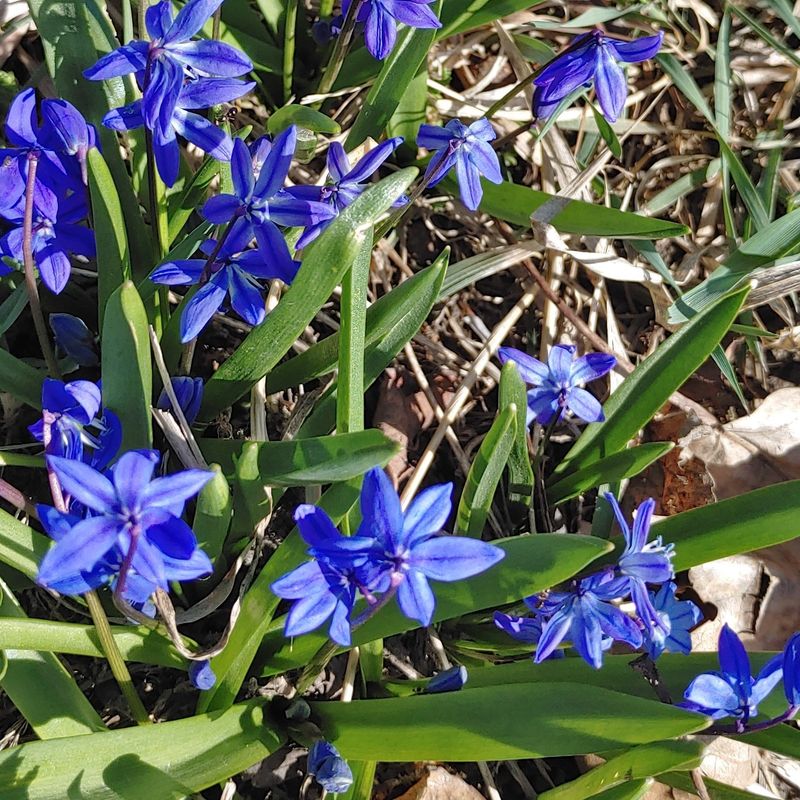
There is something almost electric about the color of Siberian squill. The blooms are an intense, vivid blue that stands out sharply against the pale colors of early spring, and when this plant naturalizes in large numbers, the effect is genuinely breathtaking.
Michigan gardeners who plant even a small patch often find themselves completely hooked after the first spring bloom.
Plant the small bulbs in fall, three inches deep and about three inches apart, in garden beds, beneath trees, or scattered throughout lawn areas.
Siberian squill is extremely cold-hardy and perfectly suited to Michigan winters, often blooming in late March or early April without any protection at all.
It grows best in full sun to partial shade and is not fussy about soil type as long as drainage is reasonable.
Once established, Siberian squill spreads aggressively through both self-seeding and bulb offsets, forming dense blue carpets that grow thicker and wider every year.
Some Michigan gardeners find it spreads faster than expected, so plant it in areas where you are happy for it to roam freely. Under large trees where grass struggles to grow is one of the best spots.
Delaying the spring lawn mow by a few weeks each year allows the foliage to complete its cycle and store energy for the following season, keeping your blue carpet looking full and vibrant year after year.
7. Hellebores (Helleborus x hybridus)
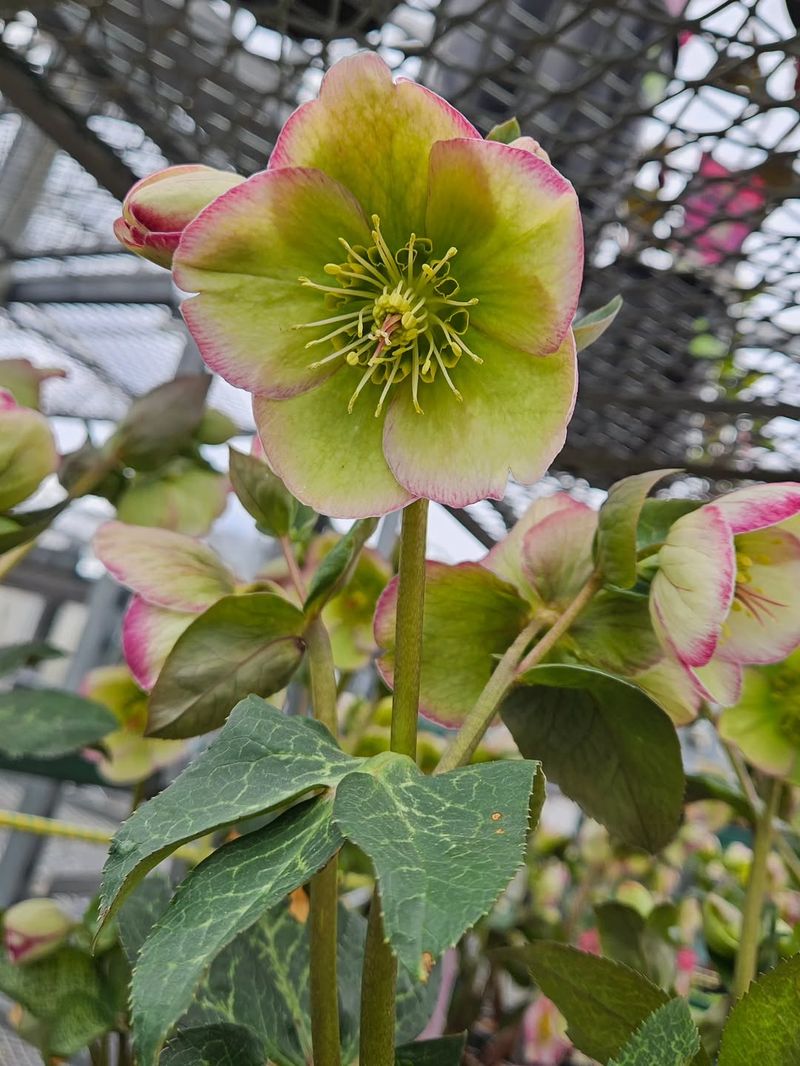
Hellebores have a quiet elegance that sets them apart from almost every other early spring flower in Michigan.
Their nodding blooms in shades of cream, dusty rose, deep plum, and soft purple appear while the garden still looks mostly bare, sometimes as early as late February or early March in sheltered spots.
Unlike most early bloomers, hellebores are perennials that grow into larger, more impressive clumps with each passing year.
Plant hellebores in a shaded or partially shaded spot with rich, moist, well-drained soil. They are excellent choices for the north side of a house or beneath deciduous trees where summer shade keeps the soil cool and moist.
Once planted, they genuinely thrive on being left alone, requiring very little maintenance beyond an occasional topdressing of compost each fall.
Getting more hellebores is a long-term game, but a rewarding one. Established plants self-seed around the base over time, producing small seedlings that you can carefully transplant to new spots once they are a year or two old.
Dividing mature clumps in early fall is another way to increase your numbers, though hellebores do not love being moved and may take a season to bounce back fully.
Michigan gardeners who invest patience in hellebores end up with stunning, long-lived shade garden anchors that bloom reliably every late winter for decades without needing much attention at all.
8. Virginia Bluebells (Mertensia virginica)
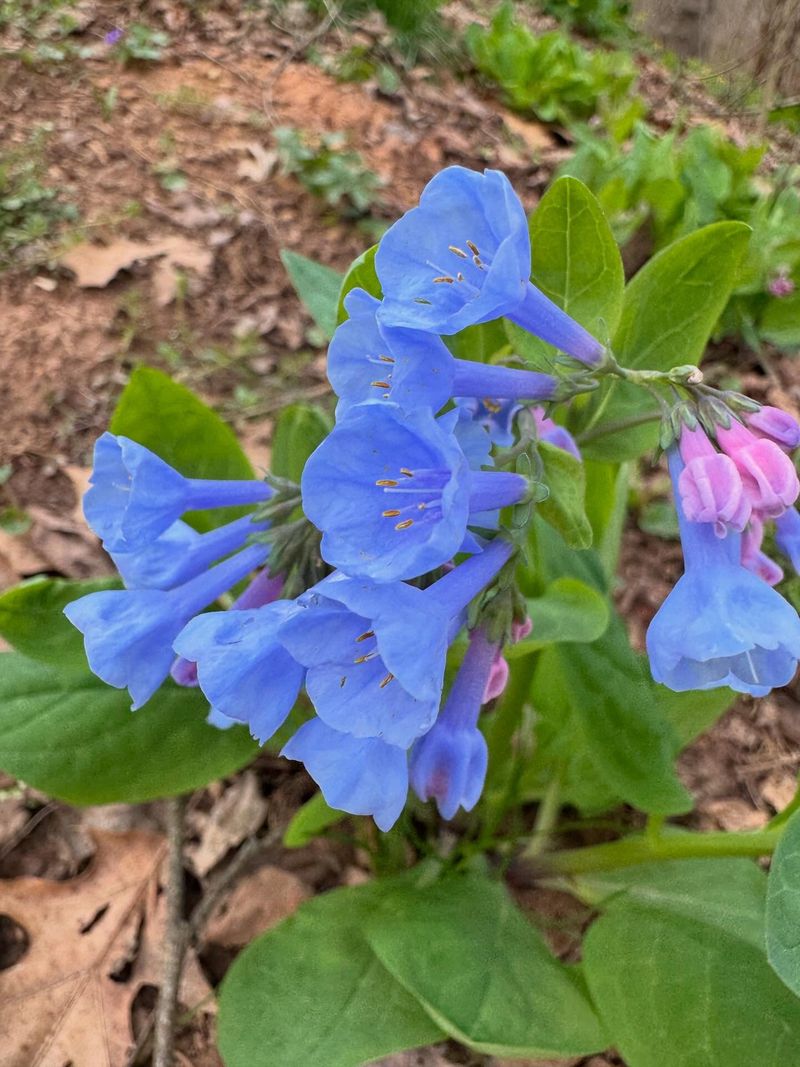
Virginia bluebells are one of Michigan’s most enchanting native wildflowers, and seeing them in full bloom is a genuine springtime highlight.
Their clusters of soft, sky-blue bell-shaped flowers appear on arching stems in April, often alongside trout lilies and trilliums in woodland settings.
The color is a gentle, dreamy blue that looks perfectly at home in a naturalistic Michigan shade garden.
Plant Virginia bluebells in a spot with partial to full shade and rich, consistently moist soil. They are spring ephemerals, meaning the entire plant emerges, blooms, and disappears back underground by early summer.
Because of this, it helps to plant them alongside other shade perennials like hostas or ferns that will fill in the space after the bluebells go dormant in June.
To get more Virginia bluebells, allow the seed pods to mature and drop naturally before doing any cleanup in that area of the garden. Seeds germinate the following spring, and new plants take a couple of years to reach blooming size.
Established plants also spread slowly by underground rhizomes, gradually forming larger and larger colonies in suitable spots.
Michigan gardeners with a moist, shaded area near a stream or low-lying spot in the yard will find that Virginia bluebells thrive with almost no intervention once established, rewarding them with a stunning native display that pollinators absolutely love every April.
9. Pasque Flower (Pulsatilla patens)
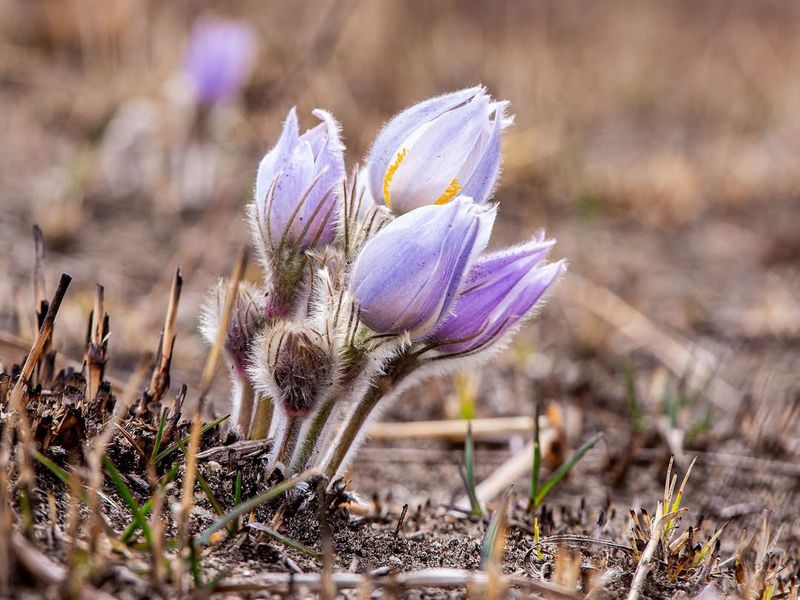
Pasque flower is one of the most underrated early spring bloomers in Michigan, and gardeners who discover it tend to become instant fans.
The soft purple blooms sit atop fuzzy, silvery stems and open wide in the warm spring sun, giving the plant a wild, almost otherworldly beauty.
What makes it even more remarkable is that it blooms so early, often in late March or early April when most of the garden is still completely bare.
This native prairie plant thrives in well-drained, even sandy or gravelly soil and loves a spot in full sun. It actually struggles in heavy clay or overly moist soil, so raised beds or slopes with good drainage are ideal Michigan growing spots.
Once planted, pasque flower is quite drought-tolerant and requires very little care beyond keeping the area free of competing weeds in the early years.
Pasque flower increases slowly compared to some of the other early bloomers on this list, but each plant grows into a fuller, more impressive clump over time.
Allowing the seed heads to mature and scatter naturally is the best way to gradually grow more plants in your Michigan garden.
The feathery seed heads are also beautiful in their own right, adding interest to the garden long after the flowers fade. Start with several plants grouped together, and enjoy watching the colony slowly expand season by season.
10. Trout Lily (Erythronium americanum)
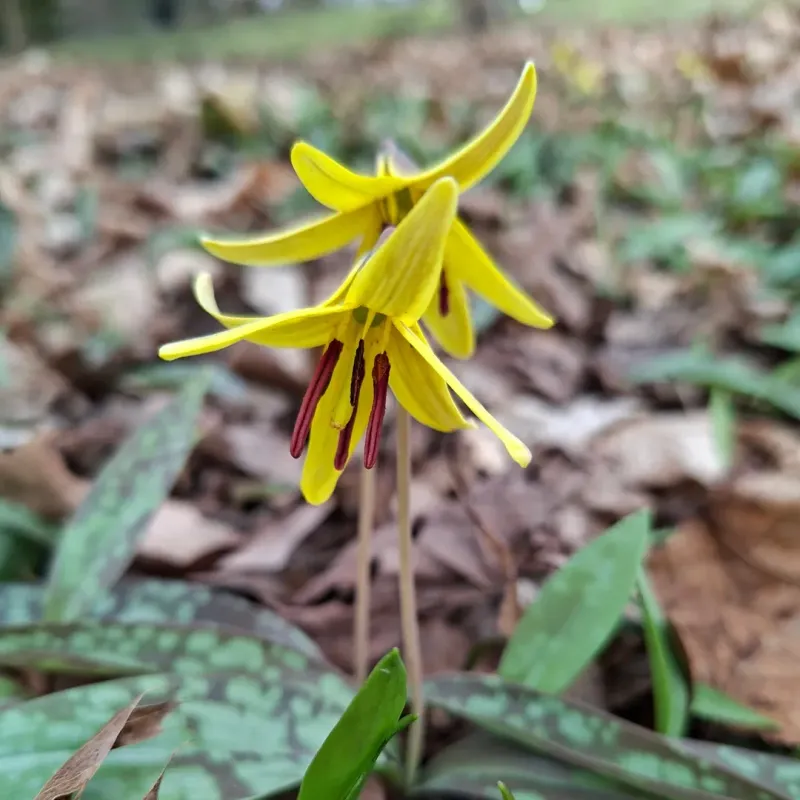
Trout lily is a true gem of the Michigan woodland floor, and spotting its mottled, speckled leaves pushing up through the leaf litter in early April feels like finding something special.
The nodding yellow flowers are small but elegant, and they bloom for only a short window each spring before the whole plant disappears back underground for the rest of the year.
The spotted leaves, which resemble the markings on a brook trout, are part of what makes this plant so visually interesting even before the flowers open.
Trout lily grows naturally in rich, moist woodland soil with plenty of organic matter and dappled shade from overhead trees.
It is a native Michigan wildflower, which means it is perfectly adapted to local conditions and supports native pollinators like early bumblebees and mining bees that emerge at the same time each spring.
Planting it in a woodland garden or a shaded area with undisturbed, leaf-rich soil gives it the best chance of thriving.
Patience is essential with trout lily, because it spreads slowly through underground stolons and takes several years to form a visible colony.
Buying nursery-grown plants from a reputable native plant source is always the right move, since wild-collected plants rarely transplant successfully.
Over time, an undisturbed Michigan woodland planting will gradually fill in with these charming spring beauties, creating a naturalistic forest floor display that feels genuinely wild and wonderful every April.