How To Encourage More Moss In Your Oregon Yard
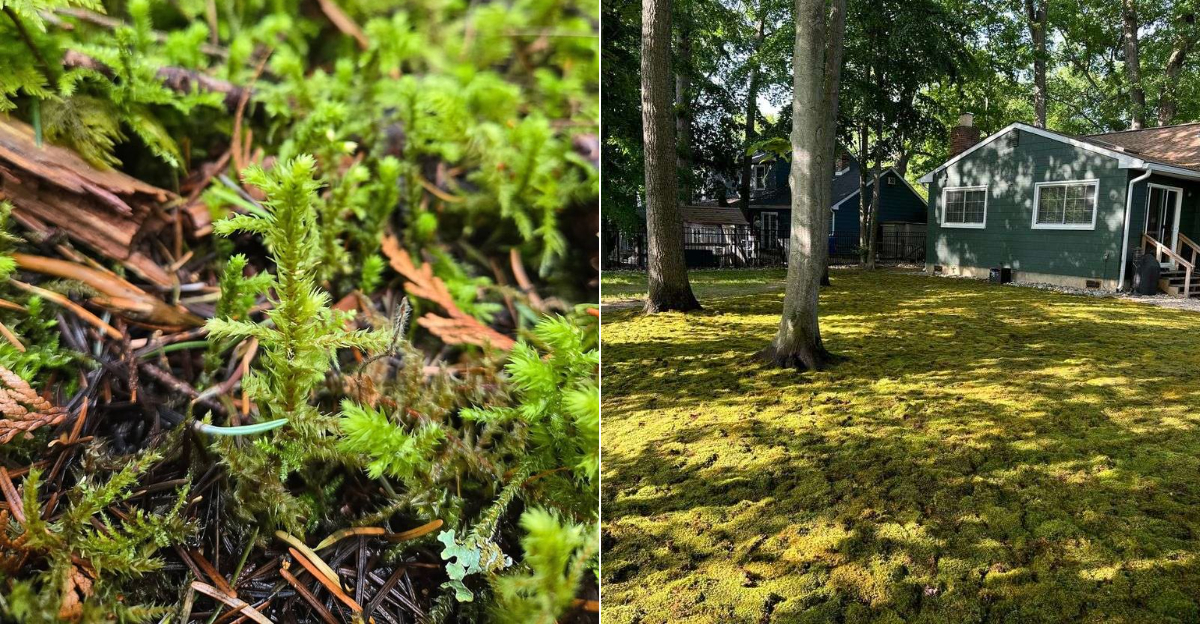
Grass does not always win in Oregon, and honestly, moss can be the better move. In the right yard, it creates a soft, green carpet that looks lush, stays low, and asks for far less mowing, watering, and complaining.
Oregon already gives moss a strong head start with its cool, damp conditions, but that does not mean it appears perfectly on cue. Moss thrives when the light, moisture, and soil conditions line up, and a few small changes can make your yard much more inviting for it.
Less fighting nature, more letting the yard do what it clearly wants to do. That is where the magic happens.
Encourage moss the right way, and bare patches, shady corners, and stubborn problem spots can start looking rich and intentional instead of messy or forgotten. It is low-key, a little moody, and surprisingly beautiful. Very Oregon, really.
1. Pick The Right Spot
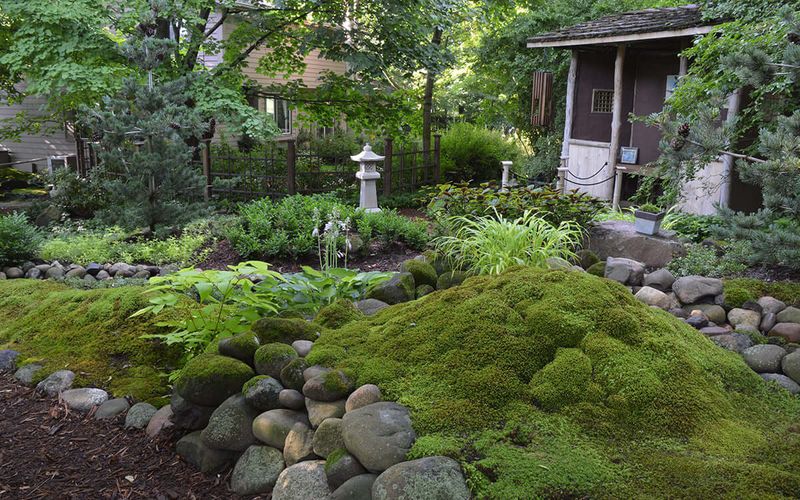
Moss does not grow just anywhere, so the first step is finding the right location in your Oregon yard. Look for spots that stay shady most of the day and feel damp even when it has not rained recently.
North-facing areas, spots under large trees, and sections beside fences or walls tend to work best.
Moss loves surfaces that hold a little moisture without becoming waterlogged. Rocky areas, old logs, and compacted bare soil are all great starting points.
If you already see a tiny bit of moss growing somewhere in your yard, that is a strong sign the conditions there are just right.
Avoid sunny, open areas with dry soil. Moss struggles in direct sunlight and will not establish itself well in those conditions.
In Oregon, shaded spots are easy to find, especially if you have mature trees nearby. Take a walk around your yard on a dry day and notice where the ground stays darker and cooler.
Those are your best candidates. Starting in the right spot saves you a lot of trouble later and gives your moss the best possible chance to spread and grow into a beautiful ground cover.
2. Give It More Shade
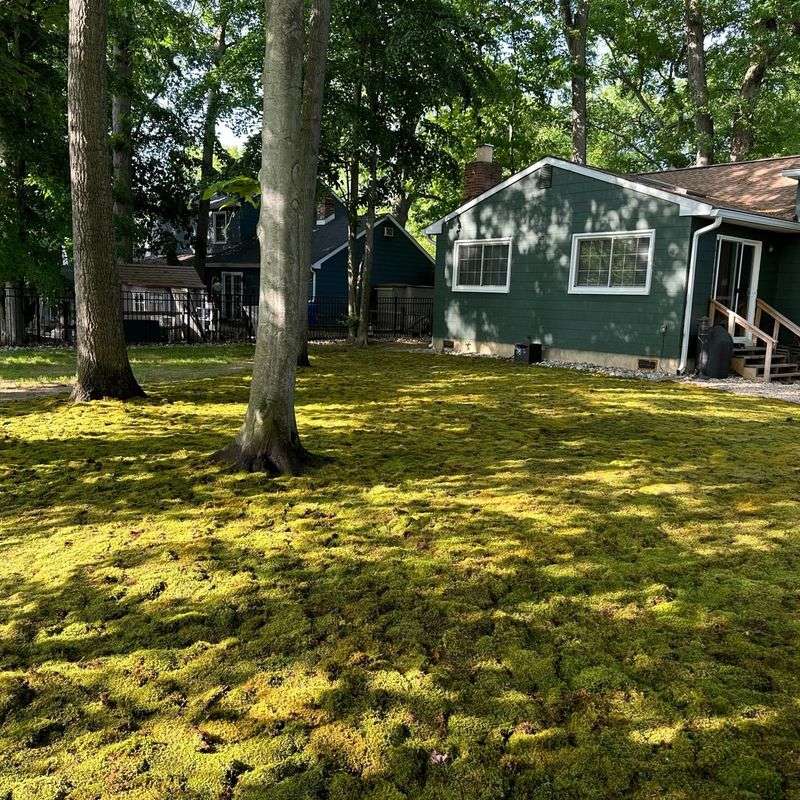
Sunlight is one of the biggest reasons moss struggles in certain yards. Most moss species prefer low-light conditions, and Oregon’s cloudy skies already help with that.
But if your yard gets too much direct sun, the moss will dry out and stop spreading. Adding more shade can completely change the game.
Planting native shrubs, small trees, or installing a garden shade cloth are all effective ways to reduce sunlight in target areas. Ferns and rhododendrons are popular choices in Oregon because they grow well in the same moist, shaded conditions that moss loves.
You can also use garden structures like pergolas or wooden trellises to block harsh afternoon sun.
Even trimming back grass and weeds around a shaded area helps moss get the foothold it needs. The more you reduce direct light hitting the soil, the more inviting that space becomes for moss to move in.
Over time, as trees and shrubs grow taller, the shade deepens and moss spreads more easily. Think of creating shade as building a home for your moss.
Your Oregon Garden Changes Every Week. Your Plan Should Too.
Gardening in Oregon changes quickly throughout the season. Every Friday you’ll receive a simple weekly plan showing exactly what to plant, prune, fertilize, harvest, and protect so you never miss the right timing.
Oregon’s natural landscape already leans toward shade in many areas, so working with that natural tendency makes the whole process feel effortless.
3. Keep The Soil Moist
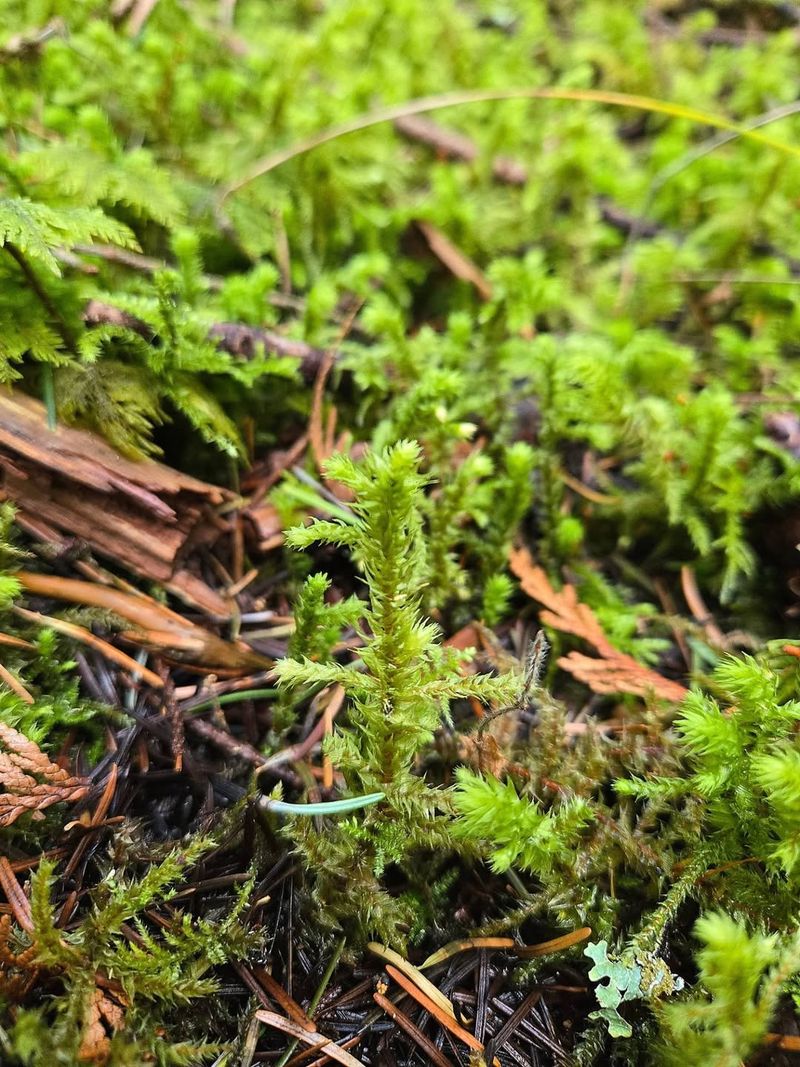
Moisture is the lifeblood of moss. Without consistent dampness, moss cannot attach to the soil, spread its spores, or stay healthy.
Oregon’s rainy season helps a lot, but during drier summer months, you may need to step in and water your moss areas manually.
A gentle spray from a garden hose or a light sprinkler works well. You do not want to flood the area because that can wash moss away or compact the soil too much.
Instead, aim for a light, even misting that keeps the surface damp without creating puddles. Early morning watering is ideal because it gives the moss time to absorb moisture before the day warms up.
You can also help retain moisture by adding a thin layer of leaf litter or organic mulch around the edges of your moss patch. This slows evaporation and keeps the ground cooler.
In Oregon, fall and winter usually take care of watering naturally, but checking on your moss during dry spells is a smart habit. Consistent moisture is what separates moss that thrives from moss that barely survives.
Keep it damp and your Oregon yard will reward you with a gorgeous green carpet that grows thicker every season.
4. Cut Back On Raking
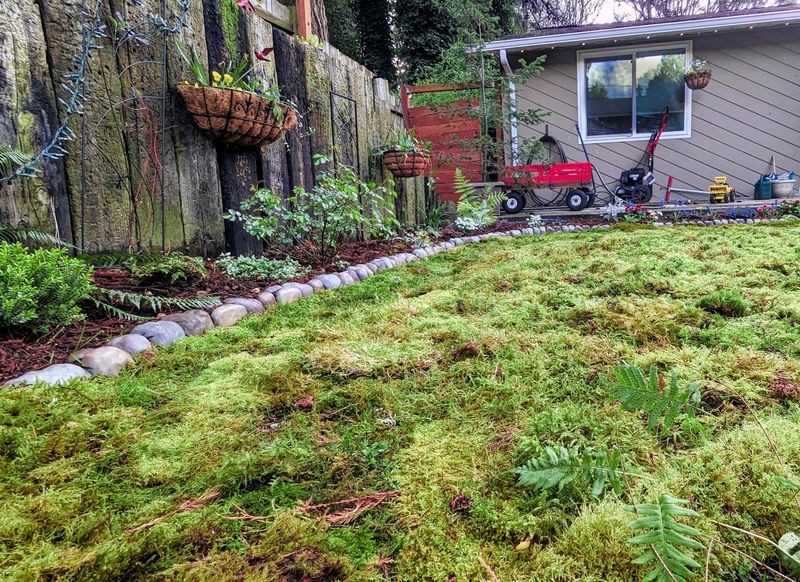
Raking might seem like good yard care, but when it comes to growing moss, it can actually work against you. Raking removes fallen leaves, debris, and organic matter that help keep the soil moist and slightly acidic.
Both of those things are exactly what moss needs to grow well in Oregon.
Leaves that fall from trees break down slowly and create a natural mulch layer. This layer holds moisture in the soil, feeds beneficial microbes, and gradually lowers the soil’s pH, making it more acidic over time.
Moss absolutely loves acidic conditions, so leaving some leaf litter in place is a simple and free way to improve your yard for moss growth.
You do not have to stop raking everywhere. Focus on keeping leaves in the specific areas where you want moss to grow.
Let them break down naturally and watch the soil conditions improve on their own. In Oregon, leaves fall in huge quantities every autumn, giving you plenty of natural material to work with.
Cutting back on raking in targeted spots is one of the easiest changes you can make. It saves you work and helps the moss at the same time, which feels like a win all around.
5. Skip The Heavy Foot Traffic
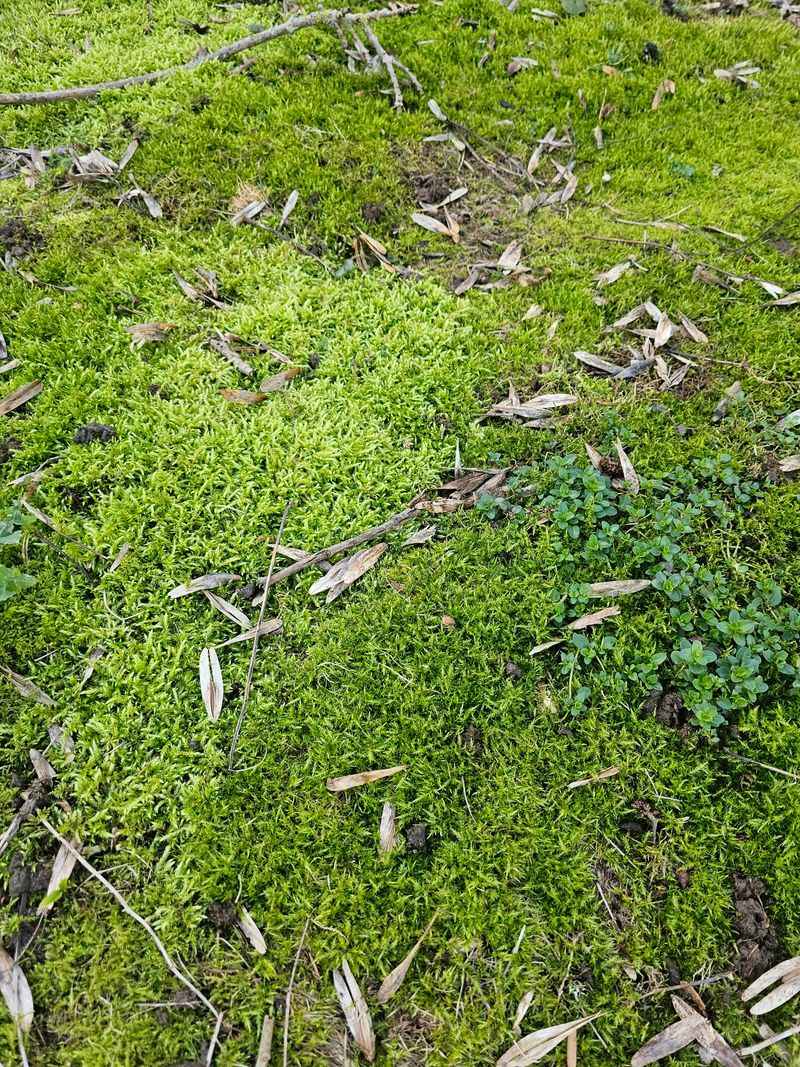
Moss is tougher than it looks, but heavy foot traffic is one thing it really cannot handle well. When people or pets walk across moss repeatedly, it gets crushed and torn away from the soil.
Once that bond breaks, moss has a hard time reattaching and growing back in the same spot.
If you want moss to thrive in your Oregon yard, protect it from constant walking. One great solution is adding stepping stones or a small garden path through or around your moss area.
This gives people a clear route to walk on while the moss grows safely on either side. It also adds a really charming, natural look to the yard that fits the Pacific Northwest vibe perfectly.
For areas where pets run around, consider using low fencing or garden borders to redirect their movement. Even a small barrier can make a big difference in protecting young moss patches.
Once moss is fully established and thick, it can handle light occasional foot traffic a little better. But during the early stages, protecting it from being stepped on is really important.
Think of your moss like a new garden bed. You would not walk through fresh seedlings, and the same care applies here in your Oregon yard.
6. Clear Out Competing Grass
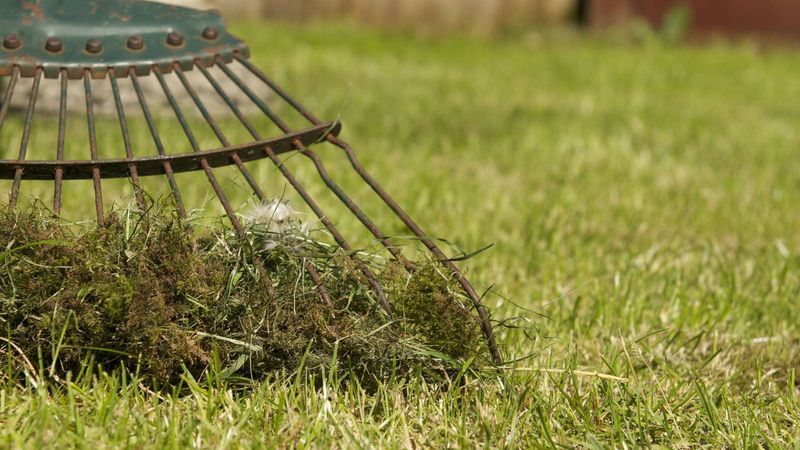
Grass and moss do not make great neighbors. Grass is aggressive, spreads quickly, and takes up moisture and nutrients that moss needs to get established.
If you want moss to take over an area, you first need to remove the grass and weeds that are already there.
You can pull grass out by hand, use a flat-edged garden spade to lift clumps, or smother it with cardboard or newspaper covered with a thin layer of soil. Avoid using chemical weed killers near where you want moss to grow because those products can linger in the soil and harm moss too.
Physical removal is the safest approach in Oregon’s sensitive ecosystem.
Once the grass is gone, do not replant it. Leave the bare soil exposed and let moss move in naturally, or transplant small pieces of moss from elsewhere in your yard.
Press the moss firmly onto the soil and keep it moist. Without grass competing for the same space, moss has a much better chance of spreading and filling in the area.
Clearing out the competition is one of the most direct steps you can take. It gives moss the open space it needs and sends a clear invitation for it to settle in your Oregon yard for good.
7. Let The Acidity Work
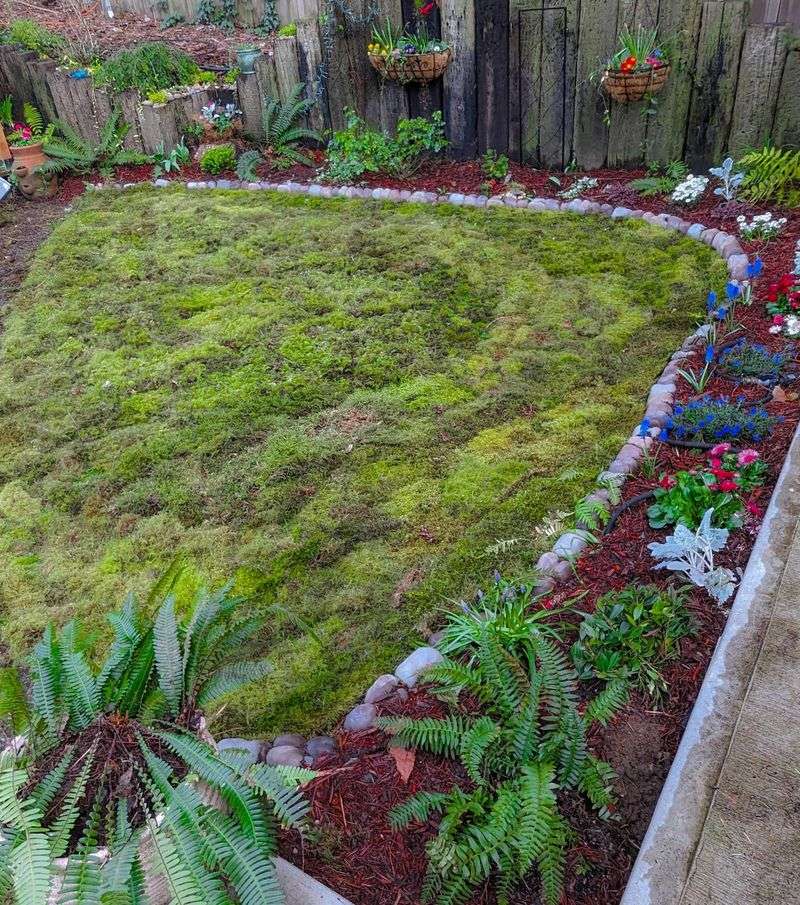
Moss thrives in acidic soil, and Oregon naturally has a lot of it. The region’s rainfall, conifer trees, and organic matter all contribute to lower soil pH levels, which moss absolutely loves.
Understanding and working with your soil’s acidity can make a huge difference in how well moss grows.
If you want to give moss an extra boost, you can lower your soil’s pH even more by adding materials like pine needles, coffee grounds, or peat moss. These are all slightly acidic and break down over time, feeding the soil and making it more moss-friendly.
Spreading a thin layer of these materials around your target area is a simple and affordable trick.
It helps to test your soil pH before making big changes. A basic soil test kit from a garden store will tell you where your pH stands.
Moss generally prefers a pH between 5.0 and 6.0. If your soil is already in that range, great.
If it is higher, adding acidic organic material can bring it down naturally over time. Oregon’s climate already does a lot of the heavy lifting here, so you may not need to do much at all.
Working with the natural acidity of your yard is one of the smartest and most effortless moss strategies available.
8. Stop Over-Cleaning The Yard
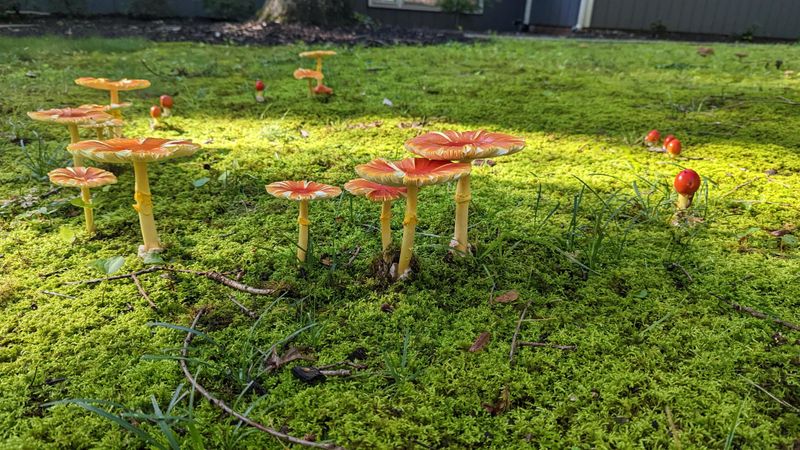
A spotless yard might look tidy, but it is actually a tough environment for moss. When you remove every fallen branch, clear every rock, and blow away every leaf, you strip away the natural materials that help moss get started.
Oregon’s wild, woodland feel is part of what makes it such a great place for moss to grow.
Old logs, rocks, stumps, and clusters of leaves are all natural surfaces where moss loves to attach and spread. Leaving some of these features in your yard creates little ecosystems where moisture stays longer and conditions stay just right.
A mossy log or stone adds a beautiful, natural touch to any Oregon garden without any extra effort.
Letting your yard be a little less perfect is actually a form of smart gardening. Instead of fighting nature, you are working with it.
Reduce how often you blow leaves, skip pressure washing mossy surfaces, and leave natural debris in low-traffic corners. Over time, moss will creep across those surfaces and turn your yard into something that looks like it belongs in the Oregon wilderness.
Less cleaning means more moss, more character, and a yard that practically takes care of itself. Sometimes the best thing you can do is simply step back and let nature do its thing.