Easy Fill In Plants For Bare Oregon Garden Spots This Spring
Bare spots have a way of standing out more than anything else in the yard. One empty patch can make the whole garden feel unfinished, even when everything else is growing well.
In Oregon, spring is the best window to deal with that. The soil is workable, the moisture is there, and plants have time to settle in before the dry stretch hits later on.
That combination makes it much easier to get good coverage without constant watering.
The right fill-in plants don’t just cover space, they blend in naturally and start pulling the whole area together. Some spread gently, others stay compact, and a few handle tricky spots better than expected.
Knowing which ones fit where can change how the entire bed looks by early summer.
1. Sword Fern That Fills Space Fast
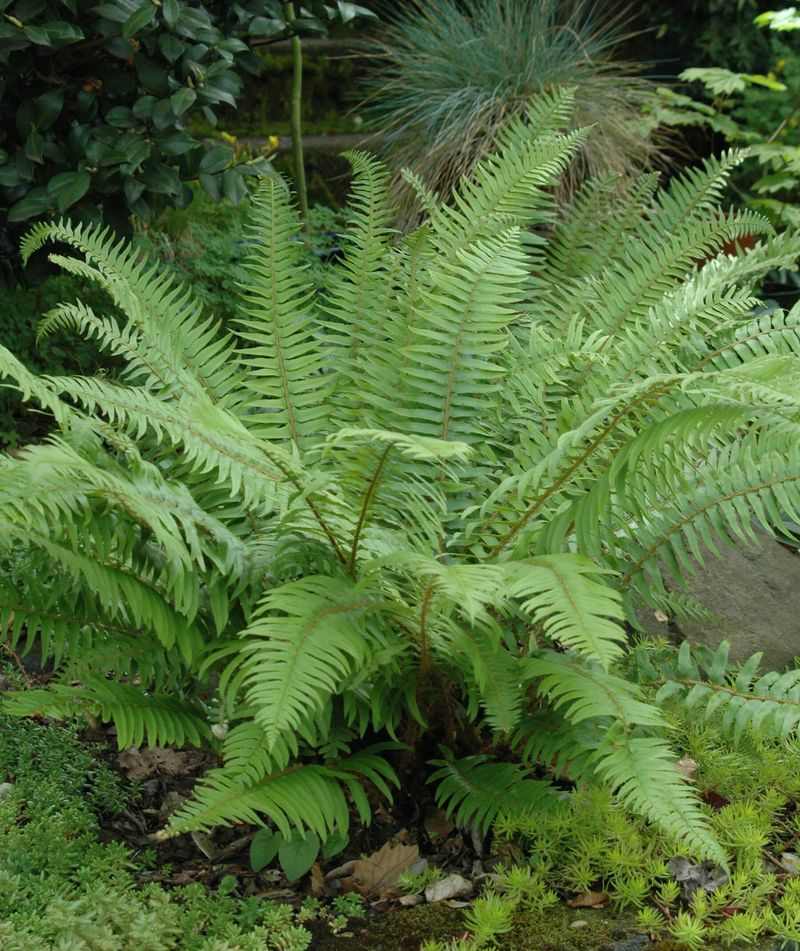
Spend a little time in a typical western Oregon woodland setting and you will notice the bold, arching fronds of sword fern growing happily beneath towering Douglas firs and red cedars. This tough, evergreen native is one of the easiest plants you can add to a bare, shady garden spot.
It stays green all year long, which means even in the middle of a gray Oregon winter, your garden still has structure and life. It also blends beautifully with other shade-loving natives, creating a calm, layered look.
Sword ferns grow in clumps that slowly spread over time, filling gaps naturally without becoming invasive. They can handle poor soil, deep shade, and even dry conditions once they get established.
Plant them in groups for a lush, layered look that feels right at home in a Pacific Northwest garden setting.
Young plants should be watered regularly during their first summer, but after that, they are remarkably self-sufficient. Trim back any old or yellowing fronds in late winter to make room for fresh new growth.
Whether you are filling a narrow side yard or a large shaded bed, sword ferns bring texture, reliability, and that unmistakable Oregon woodland charm to any space.
2. Pacific Bleeding Heart That Softens Shady Corners
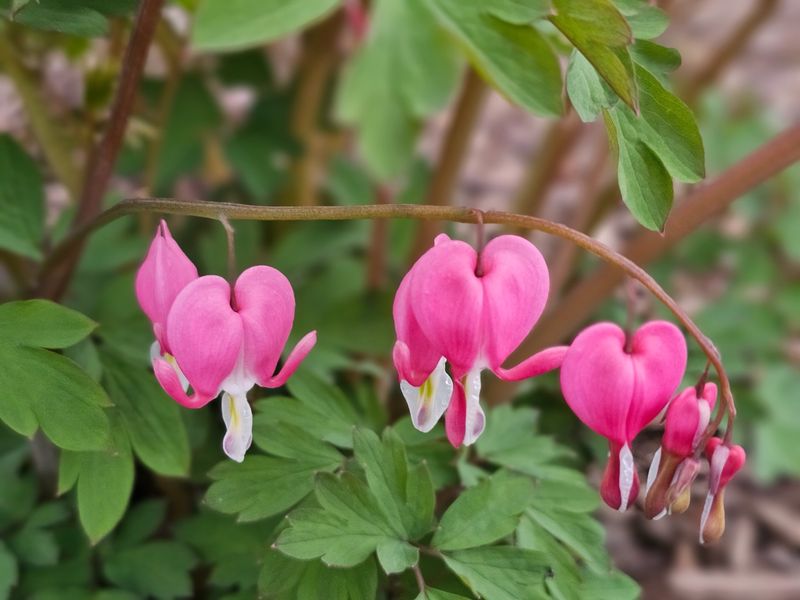
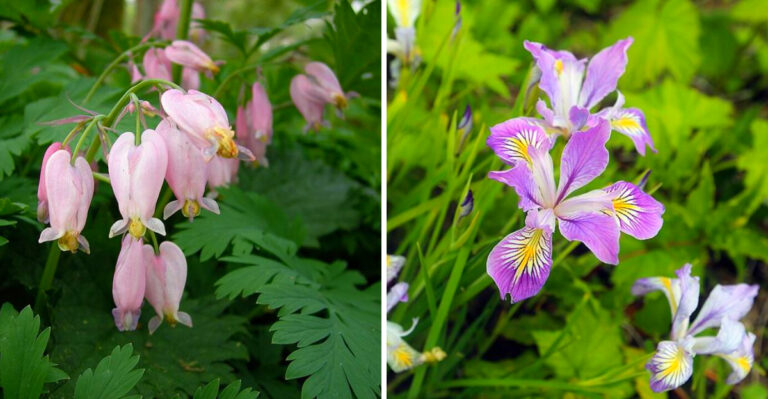
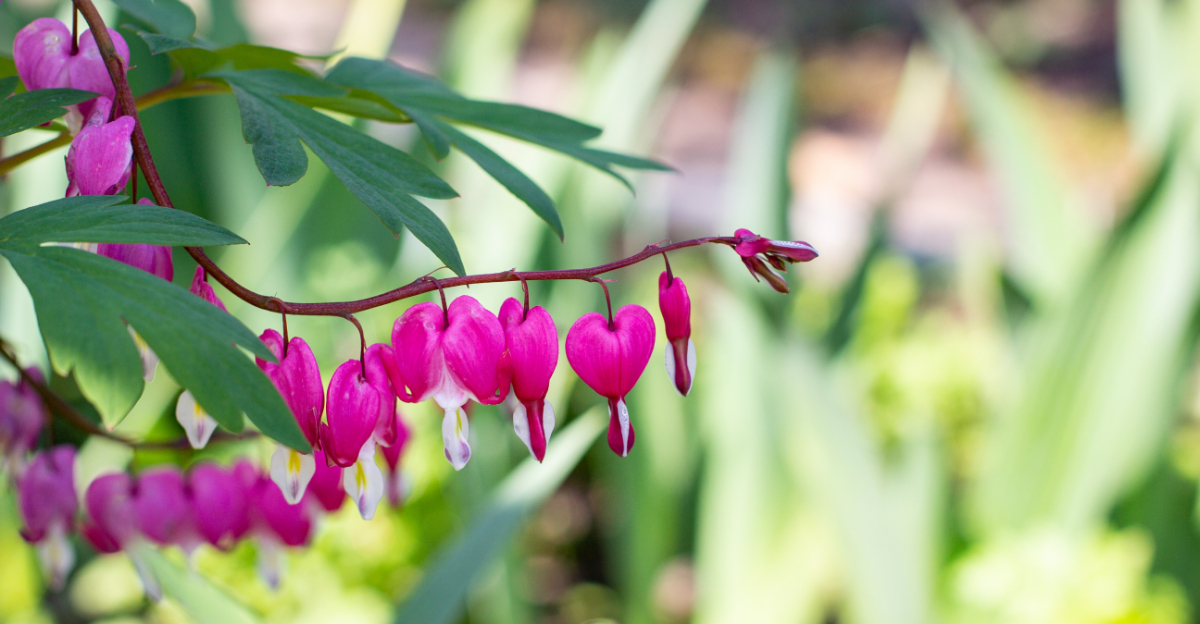
Few plants carry as much personality as Pacific Bleeding Heart, with its clusters of dangling, rosy-pink heart-shaped blooms swaying gently above feathery blue-green foliage. Native to moist woodlands throughout the Pacific Northwest, this charming perennial feels completely at home in an Oregon garden.
It typically blooms from early spring well into summer, filling shady corners with soft color when many other plants are just waking up.
One of the best things about Pacific Bleeding Heart is how quickly it spreads. It fills bare spots through both underground rhizomes and self-seeding, which means one small plant can become a beautiful, weed-suppressing patch within just a couple of seasons.
It thrives in moist, well-drained soil and prefers partial to full shade, making it ideal for spots under trees or along north-facing fences.
Pairing it with sword ferns or native violets creates a layered woodland look that feels lush and intentional. If the foliage starts to look tired in late summer, simply cut it back and wait for fresh growth in fall or the following spring.
Your Oregon Garden Changes Every Week. Your Plan Should Too.
Gardening in Oregon changes quickly throughout the season. Every Friday you’ll receive a simple weekly plan showing exactly what to plant, prune, fertilize, harvest, and protect so you never miss the right timing.
Gardeners across Oregon love this plant for its reliable beauty and almost zero-fuss attitude.
3. Native Violet That Spreads With Ease
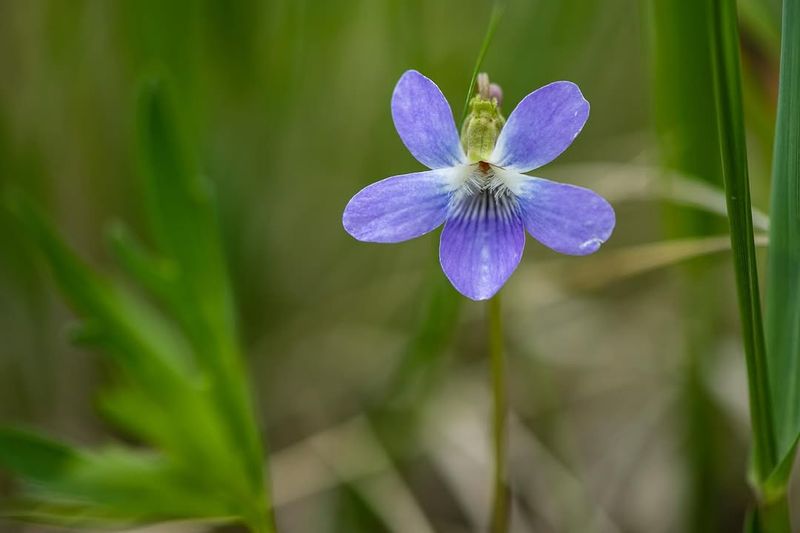
There is something wonderfully nostalgic about spotting tiny violet blooms tucked along a garden path or spreading quietly beneath taller plants. Oregon is home to several native violet species, including the yellow wood violet and the stream violet, both of which are outstanding ground-level fillers for bare garden spots.
These low-growing plants hug the soil, form dense mats, and bloom in early spring with cheerful little flowers in shades of purple, yellow, and white.
Native violets are incredibly adaptable. They grow well in both sunny and partially shaded spots, handle Oregon’s wet winters without complaint, and ask for very little in return.
Once established, they spread steadily through underground runners and self-seeding, gradually covering bare patches without smothering neighboring plants.
Pollinators absolutely love them, especially native bees that emerge early in the season when food sources are still limited. Planting native violets near vegetable beds or fruit trees can actually support better pollination across your whole garden.
They also make a lovely edging plant along walkways or borders. For anyone in Oregon looking for a small but mighty plant that delivers big seasonal rewards, native violets are hard to beat and even harder to overlook.
4. Wood Sorrel That Brightens Low Spots
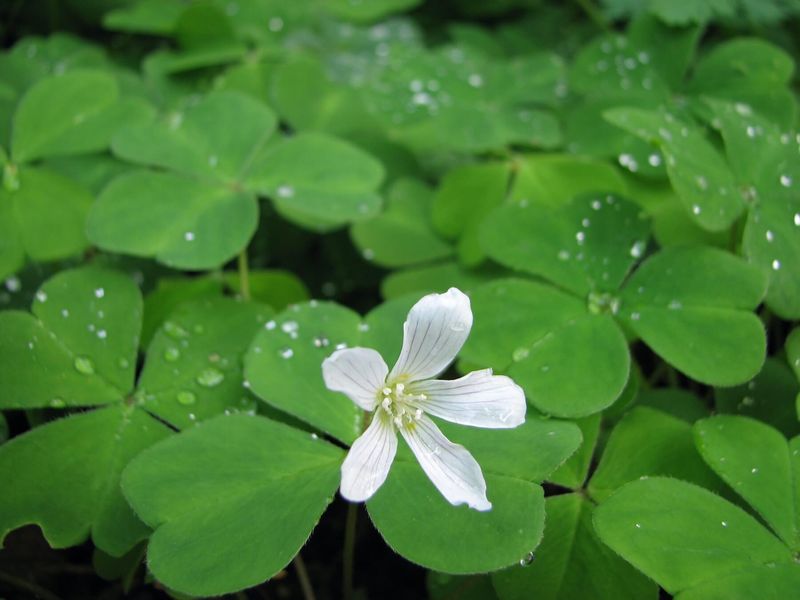
Wood sorrel is one of those plants that sneaks up on you with its quiet beauty. At first glance, its clover-like leaves might seem ordinary, but look closer and you will find delicate five-petaled flowers in white, yellow, or pale pink blooming from early spring through summer.
Oregon wood sorrel, or Oxalis oregana, is a native species that thrives in the moist, shaded understory conditions so common throughout western Oregon.
As a ground cover, it is practically unbeatable for filling in the dim, bare patches beneath large shrubs or trees where many other plants simply refuse to grow. It spreads steadily through rhizomes to form a soft, lush carpet that suppresses weeds and retains soil moisture.
The leaves even fold up at night or in bright sunlight, giving the plant an almost playful, living quality that garden visitors often notice and enjoy.
Wood sorrel pairs well with ferns, bleeding heart, and native violets to create a layered woodland garden floor. It is not fussy about soil quality and handles Oregon’s rainy season without any problems.
Keep in mind that it can spread assertively in ideal conditions, so giving it a defined space will help keep your garden looking tidy and intentional.
5. Wild Strawberry That Creeps In Nicely
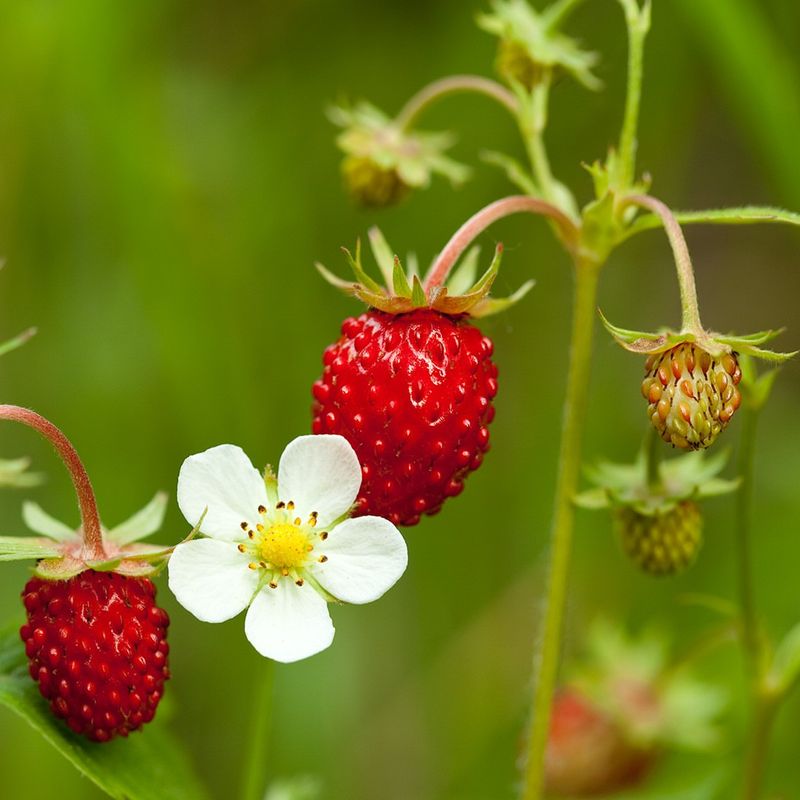
Imagine a ground cover that not only fills bare spots but also produces tiny, sweet, edible berries in summer. Wild strawberry does exactly that, and it is one of the most rewarding native plants you can add to an Oregon garden.
Fragaria vesca and Fragaria virginiana both grow naturally across the Pacific Northwest, forming low, spreading mats of bright green leaves topped with cheerful white flowers in spring.
Beyond the obvious appeal of snackable fruit, wild strawberry is a powerhouse ground cover. It spreads through runners, quickly colonizing bare soil and crowding out weeds in the process.
It handles a wide range of conditions, from full sun to partial shade, and grows well in both sandy and clay-heavy soils common throughout different parts of Oregon.
Birds, bees, and other wildlife are drawn to wild strawberry plants, making your garden a more vibrant, living ecosystem. The foliage often turns a beautiful reddish-orange in fall, adding seasonal interest well beyond the spring bloom.
Plant it along garden edges, between stepping stones, or in open sunny patches that need coverage. For a plant that earns its keep in multiple ways, wild strawberry is one of the smartest choices an Oregon gardener can make this spring.
6. Bearberry That Covers Ground Neatly
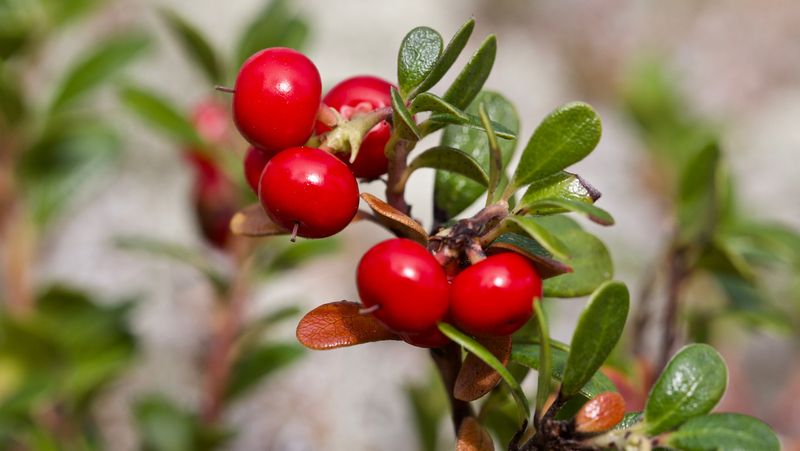
Tough, trailing, and absolutely stunning in the right setting, bearberry is the kind of plant that makes a rocky slope or dry sunny bank look completely intentional. Also known by its scientific name Arctostaphylos uva-ursi, this native evergreen ground cover grows naturally across higher elevations and coastal areas of Oregon.
Its small, glossy leaves stay green year-round, and in spring it produces tiny, bell-shaped pink flowers that give way to bright red berries by late summer.
Bearberry is built for challenging conditions. It thrives in poor, well-drained soils, handles drought once established, and actually prefers spots where richer plants might struggle.
That makes it a fantastic solution for those frustrating bare patches on slopes, near driveways, or in gravelly areas where erosion is a concern. Once it gets going, its dense, spreading mat helps hold soil in place while helping reduce weed growth.
Wildlife enthusiasts will love that bears, birds, and deer all feed on the berries, giving the plant its memorable common name. In an Oregon garden setting, bearberry works especially well as a living mulch under open-canopy trees or along the edges of paths.
It is slow to establish but rewards patience with decades of reliable, low-maintenance beauty.
7. Native Iris That Adds Structure And Color
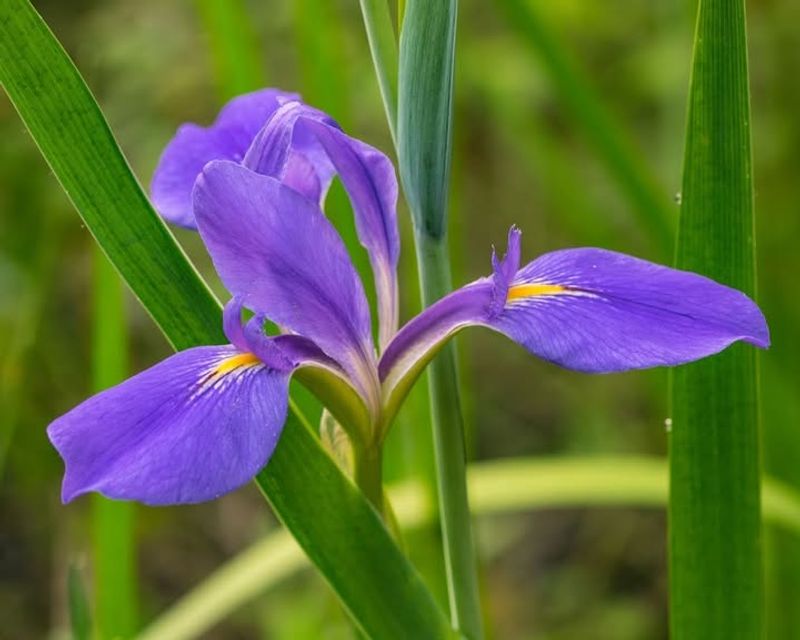
Bold, elegant, and unmistakably Pacific Northwest, the native Oregon iris is a spring showstopper that belongs in far more gardens than it currently occupies. Iris tenax, commonly called the tough-leaved iris, is native to western Oregon and produces stunning purple, lavender, or cream flowers in mid-spring.
Despite its refined appearance, this iris is surprisingly rugged and easy to grow.
It adapts well to a variety of garden conditions, thriving in both sunny and partially shaded spots with well-drained soil. Unlike many ornamental irises that require careful division and fussy maintenance, the native Oregon iris is content to grow in clumps and slowly expand on its own.
It handles Oregon’s wet winters without rotting and bounces back reliably each spring with minimal intervention from the gardener.
Planting native iris in groups of three or five creates a dramatic, eye-catching display that bridges the gap between ornamental gardening and ecological planting. Pollinators, especially native bumblebees, are frequent visitors to the flowers.
After blooming, the narrow, grass-like foliage adds fine texture to the garden through summer and fall. For bare spots in a sunny Oregon border or meadow-style garden, native iris brings seasonal drama and a genuine sense of place that no imported variety can quite replicate.
8. Blue-Eyed Grass That Stays Light And Airy
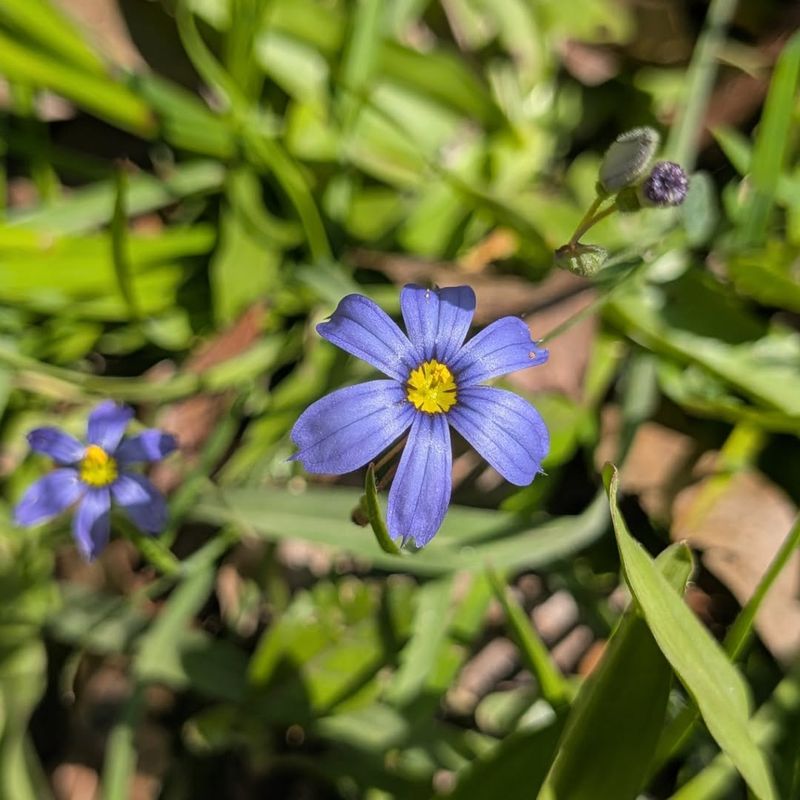
Do not let the name fool you. Blue-eyed grass is not actually a grass at all.
It belongs to the iris family and produces the most charming little star-shaped blue-violet flowers with bright yellow centers from spring into early summer. Native to meadows and open woodlands across the Pacific Northwest, this clump-forming perennial is tailor-made for filling small bare spots in Oregon gardens with color and delicate texture.
Growing only six to twelve inches tall, blue-eyed grass fits neatly into spots where larger plants would feel overwhelming. It does best in full sun to light shade with reasonably well-drained soil, making it a natural fit for sunny borders, rock gardens, or the edges of garden paths.
Once established, it self-seeds modestly and gradually forms small colonies that look effortlessly natural.
Pairing blue-eyed grass with native iris or Oregon sunshine creates a layered, meadow-inspired planting that feels cohesive and ecologically meaningful. Bees and other small pollinators are regular visitors to its blooms, which is always a welcome bonus.
For gardeners across Oregon who want color without commitment, this petite native delivers consistently. It rarely needs dividing, requires no staking, and asks for very little beyond a spot in the sun to call its own.
9. Douglas Aster That Finishes The Season Strong
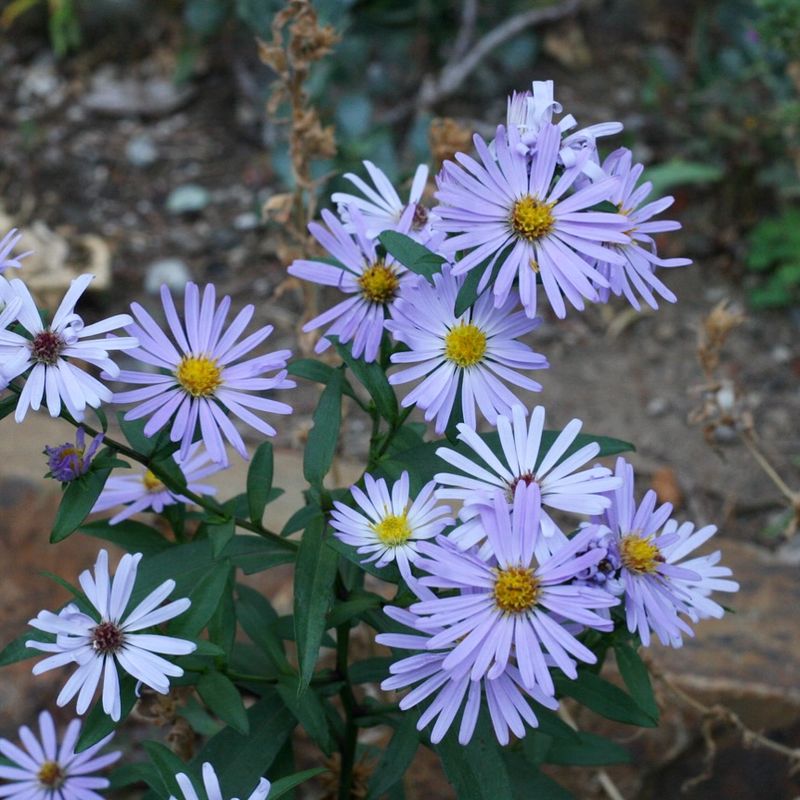
Most spring-planted perennials peak early and fade quietly by midsummer, but Douglas aster is playing a completely different game. This native Oregon wildflower waits until late summer and fall to burst into bloom, covering itself in cheerful lavender-purple daisy-like flowers with bright yellow centers just when the rest of the garden is starting to wind down.
That alone makes it one of the most strategically valuable plants you can add to a bare Oregon garden spot this spring.
Symphyotrichum subspicatum, as it is formally known, grows naturally along streambanks, meadow edges, and forest margins throughout western Oregon. In garden settings, it adapts to a wide range of conditions, from full sun to partial shade, and handles both moist and moderately dry soils without complaint.
It spreads through rhizomes to form gradually expanding clumps that fill space reliably over time.
Monarch butterflies, native bees, and migrating pollinators depend heavily on late-season bloomers like Douglas aster for fuel during their fall journeys. Planting it alongside Oregon sunshine or native iris creates a garden that offers color from spring all the way through October.
For anyone in Oregon who wants a low-effort, high-impact filler plant with serious ecological value, Douglas aster is a standout choice worth every bit of garden space it occupies.