Crape Myrtles That Can Bloom From Spring Into Fall In Florida
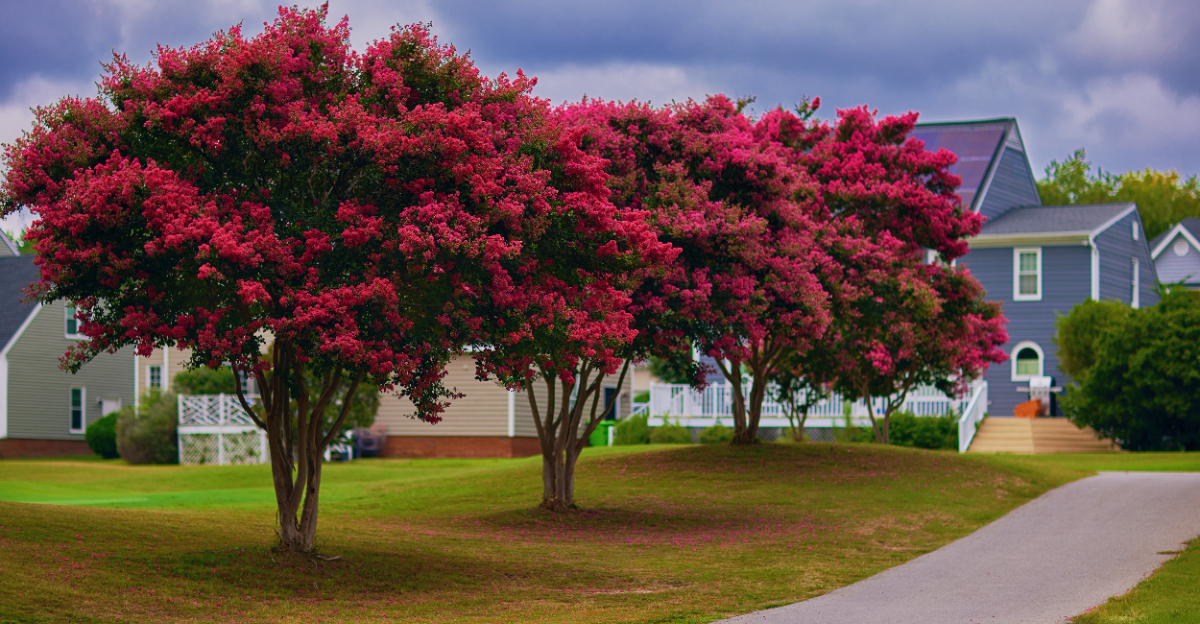
Crape myrtles are one of those plants that either shine for months or fizzle out way too fast. You’ve probably seen both.
One yard is packed with color all summer, while another looks done before July even hits. So what’s the trick?
It usually comes down to picking the right variety from the start.
Florida’s heat, humidity, and long growing season give crape myrtles huge potential, but not every type handles it the same way. Some kick off early, some keep going longer, and a few will surprise you with repeat color when everything else slows down.
Choose wisely and you get a steady show of blooms that carries your yard through the hottest months. Get it wrong and you’re left wondering why the flowers disappeared so quickly.
1. Start With Early Blooming Varieties
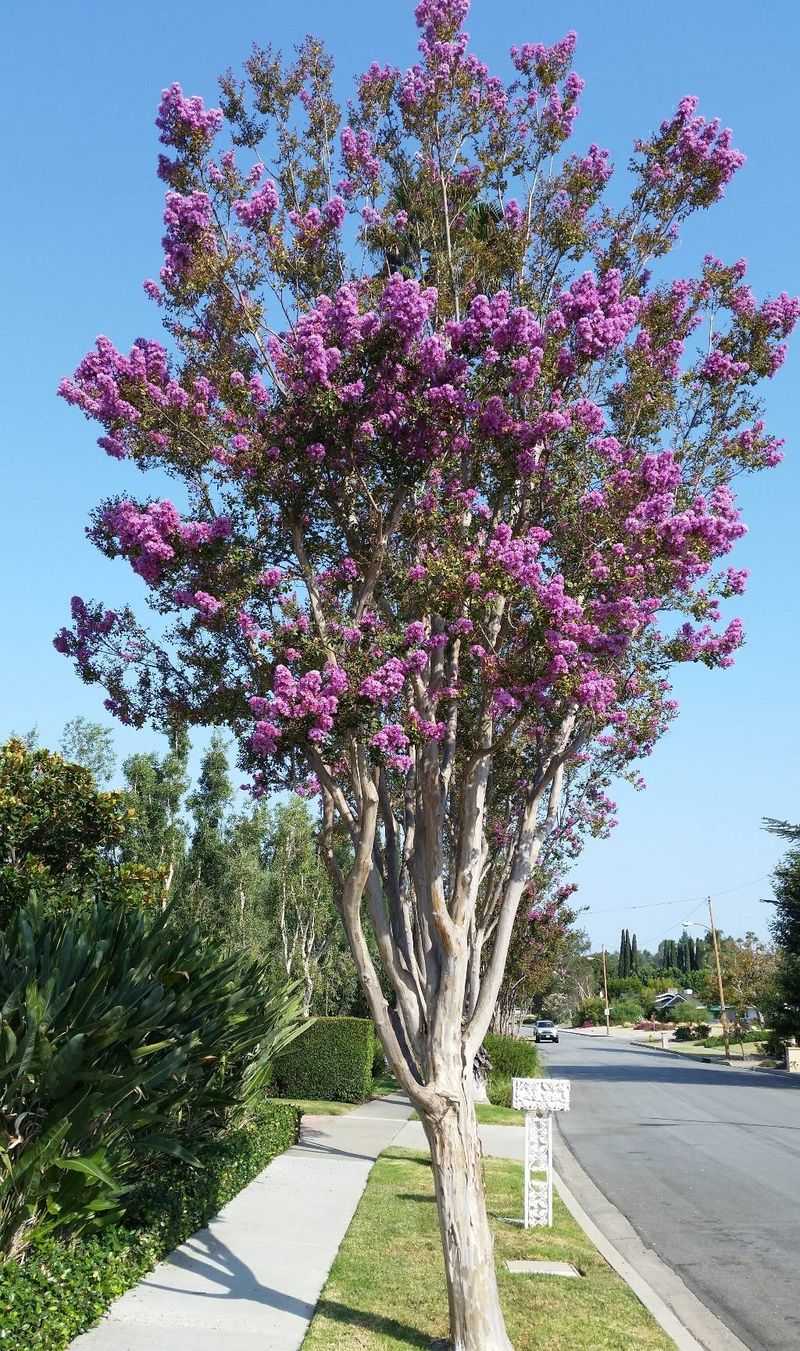
One of the smartest ways to stretch bloom season in Florida is starting with cultivars that tend to flower sooner once warm weather settles in.
UF and regional extension guidance often emphasizes full sun and good air movement, and those two basics help early performers show color faster.
In South Florida, that can mean bloom beginning in late April, while Central and North Florida usually follow a bit later.
Tonto is a favorite because its rich magenta-red flowers arrive on a compact plant that fits many home landscapes. Acoma is another strong pick, especially if you want a softer white display and a slightly weeping form that looks elegant near patios or walkways.
Zuni is also worth considering for lavender flowers and a smaller mature size.
To get the earliest show, plant in a site with at least six hours of direct sun and avoid heavy shade from oaks or buildings.
Use mulch lightly around the root zone, keep irrigation steady during establishment, and avoid overfeeding with high nitrogen fertilizer because that pushes leafy growth over flowers.
If you remove spent flower clusters after the first flush, you often encourage another round before summer peaks.
2. Choose Heat Loving Cultivars That Thrive All Summer
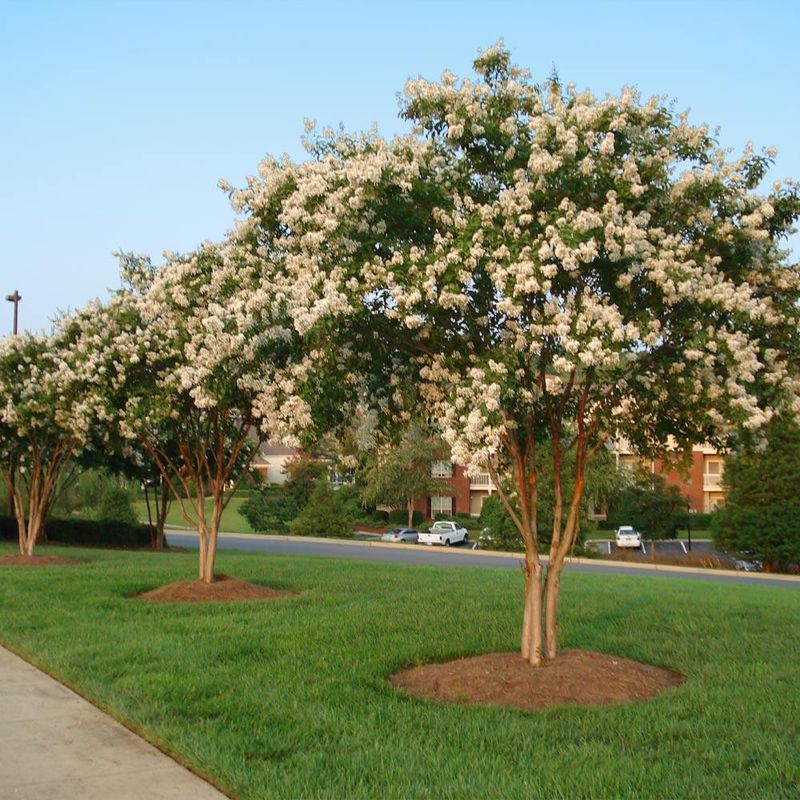
When summer settles into Florida with blazing sun, sticky humidity, and long stretches of heat, some crape myrtles simply perform better than others. That is where proven cultivars like Natchez, Muskogee, and Miami earn their reputation.
These selections are widely grown across the Southeast because they keep flowering well when lesser varieties slow down.
Natchez is especially valuable if you want a tall, vigorous tree form with clean white flowers and handsome exfoliating bark. Muskogee brings soft lavender blooms on a large canopy and has long been a reliable choice for Central and North Florida landscapes.
Miami adds bright pink flowers and strong summer presence, making it useful where you want cheerful color against palms, turf, or evergreen shrubs.
For best summer performance, give these heat lovers open exposure, decent spacing, and soil that drains after heavy rain. Florida gardeners often run into trouble by planting too close to houses or crowding several trees together, which reduces airflow and increases leaf issues.
Your Florida Garden Changes Every Week. Your Plan Should Too.
Gardening in Florida changes quickly throughout the season. Every Friday you’ll receive a simple weekly plan showing exactly what to plant, prune, fertilize, harvest, and protect so you never miss the right timing.
I also like to remind people that established crape myrtles need less watering than many expect, so deep, occasional irrigation works better than frequent shallow sprinkling and helps support stronger flowering through the hottest months.
3. Look For Long Blooming Hybrid Types
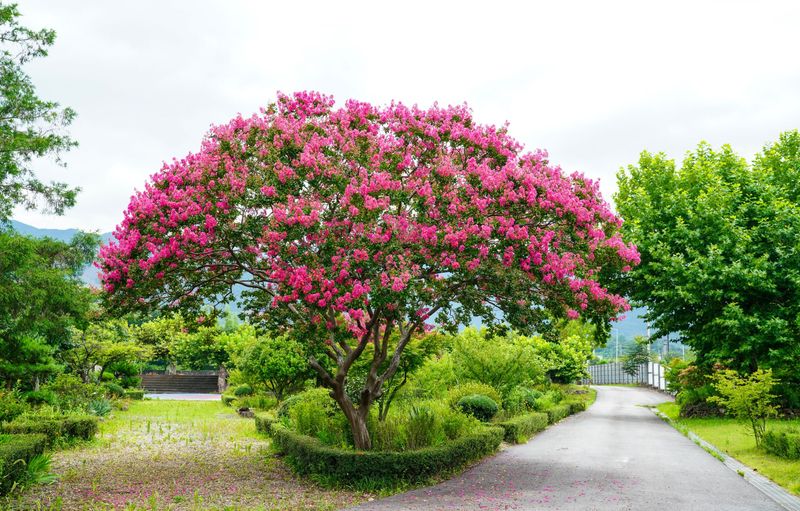
If your main goal is a longer flower season rather than a single dramatic burst, hybrid crape myrtles from the U.S. National Arboretum deserve a close look.
Many were bred specifically for better disease resistance, strong summer performance, and extended bloom. In Florida, that breeding work matters because heat and humidity can quickly separate average plants from truly dependable ones.
Sioux is one of the standouts, producing medium pink blooms over an extended period on an upright tree with attractive cinnamon-toned bark.
Tuscarora offers coral-pink flowers that feel especially bright in Florida light, and it often keeps the show going deep into the warm season.
Comanche is another long bloomer worth planting if you like clear pink flowers and a strong landscape presence without the heaviest canopy.
To make the most of these hybrids, avoid aggressive winter topping, which removes natural branch structure and can delay the next season’s best form. Light shaping after flowering, plus removal of spent clusters during summer, usually supports cleaner rebloom.
I suggest pairing long-blooming hybrids with lower evergreen shrubs or perennials so when one flush slows, the garden still feels full, and when the next round starts, your yard looks like it planned the whole season that way.
4. Pick Compact Varieties For Smaller Spaces
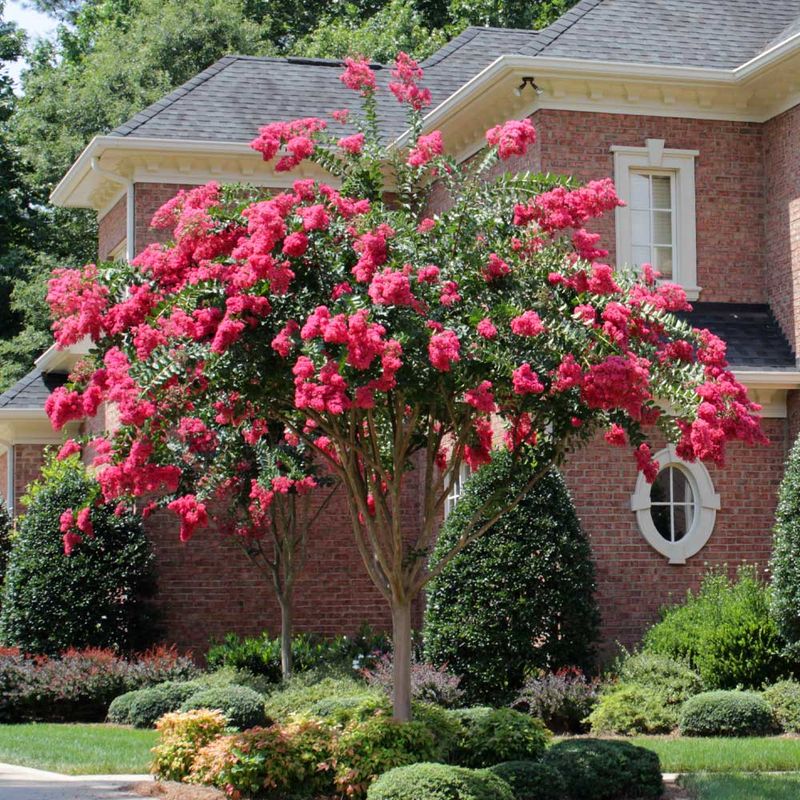
Not every Florida yard has room for a tall shade tree, and that is exactly why compact crape myrtles can be such a useful choice. Smaller selections bring the same long flowering appeal without overwhelming a front bed, townhouse lot, or pool area.
They also make maintenance easier because you can enjoy the plant’s natural shape without constant cutting.
Tonto remains one of the best compact options because it stays relatively manageable while still producing bold red-magenta flower clusters. Cheyenne works well if you want another smaller-scale cultivar with strong summer color and a tidy habit.
The Petite series can also fit very tight spaces, containers, or low accent beds, though proper sun exposure is still essential if you want steady flowering in Florida conditions.
Before planting, check the mature height and width rather than the nursery pot label alone, since even compact varieties need space for air movement.
I like placing smaller crape myrtles where you can appreciate bloom up close, such as near a mailbox, entry walk, or patio corner, instead of burying them in crowded shrub borders.
Use pine bark or similar mulch, keep it off the trunk, and prune sparingly so the plant keeps a graceful framework and flowers without stress.
5. Go Big With Classic Tall Bloomers
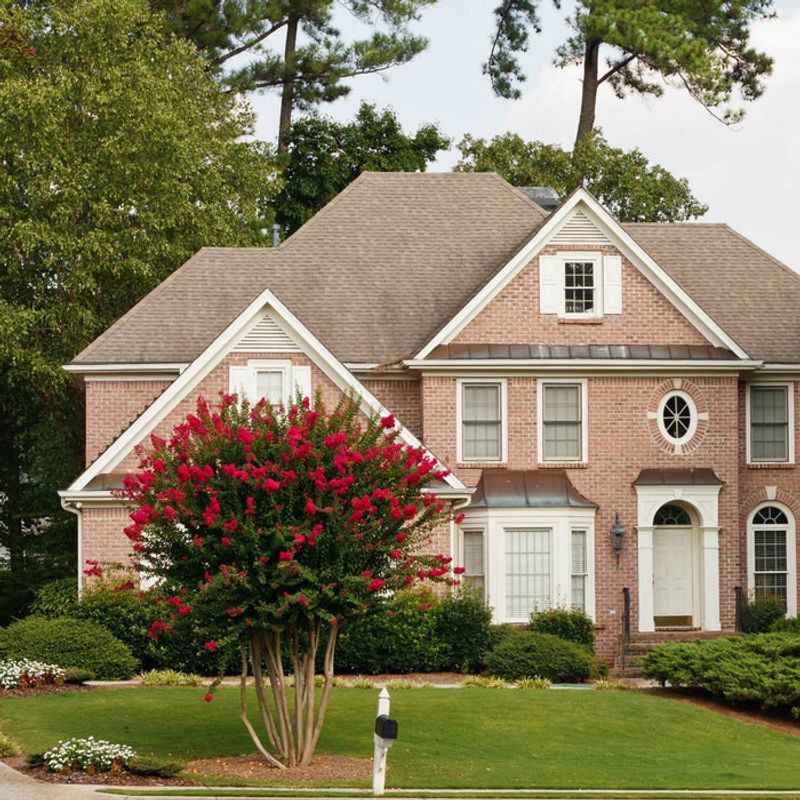
Sometimes the best answer is going tall and giving your landscape a real focal point that carries color for months. Large crape myrtles can provide flower power, filtered shade, and striking bark all at once when they are matched to a site with enough room.
In Florida, these bigger forms work especially well along driveways, property edges, and sunny lawns.
Natchez is a classic for good reason, combining vigorous growth, white blooms, and smooth cinnamon-brown bark that stays attractive after flowering ends.
Red Rocket and Arapaho can be good red-flowering choices where available, but check mature size and local performance before planting.
The key with tall bloomers is resisting the urge to force them into a smaller shape through severe topping. UF/IFAS guidance has long discouraged that practice because it creates weak shoots and ruins the plant’s natural architecture.
Instead, choose a location with overhead clearance, remove only crossing or crowded branches, and let the tree form develop naturally, because that approach gives you stronger branching, better bark display, and a more graceful canopy that still flowers generously from late spring through summer, with some rebloom into fall.
6. Select Mildew Resistant Options For Humid Weather
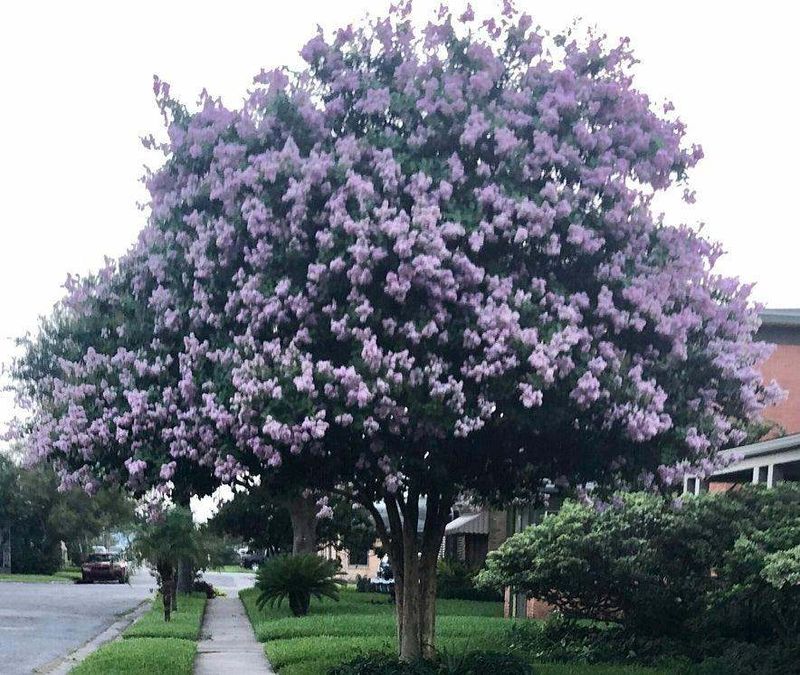
Florida humidity can be rough on many ornamentals, so choosing cultivars with good mildew resistance is one of the easiest ways to get a cleaner, longer-lasting display.
This matters even more in rainy summers or tight neighborhood plantings where airflow is limited.
Disease-resistant selections are more likely to stay attractive longer, hold foliage better, and usually need less intervention from the gardener.
Sioux is a strong example, combining extended bloom with reliable resistance traits that help it stay presentable in muggy weather.
Apalachee is another excellent hybrid, known for lavender flowers, handsome bark, and improved resistance compared with many older indica types.
Arapaho also deserves attention because it brings deep red blooms with better tolerance of the humid conditions that often challenge less improved varieties.
Even resistant crape myrtles still need the right setup to perform their best.
Plant them where morning sun dries foliage quickly, avoid overhead irrigation late in the day, and give each tree enough space that branches are not rubbing into nearby shrubs.
I always think of resistance as insurance rather than a free pass, because the combination of a good cultivar, full sun, and thoughtful spacing is what really keeps Florida landscapes looking polished through the long wet season.
7. Use Repeat Bloomers For More Color Later In The Season
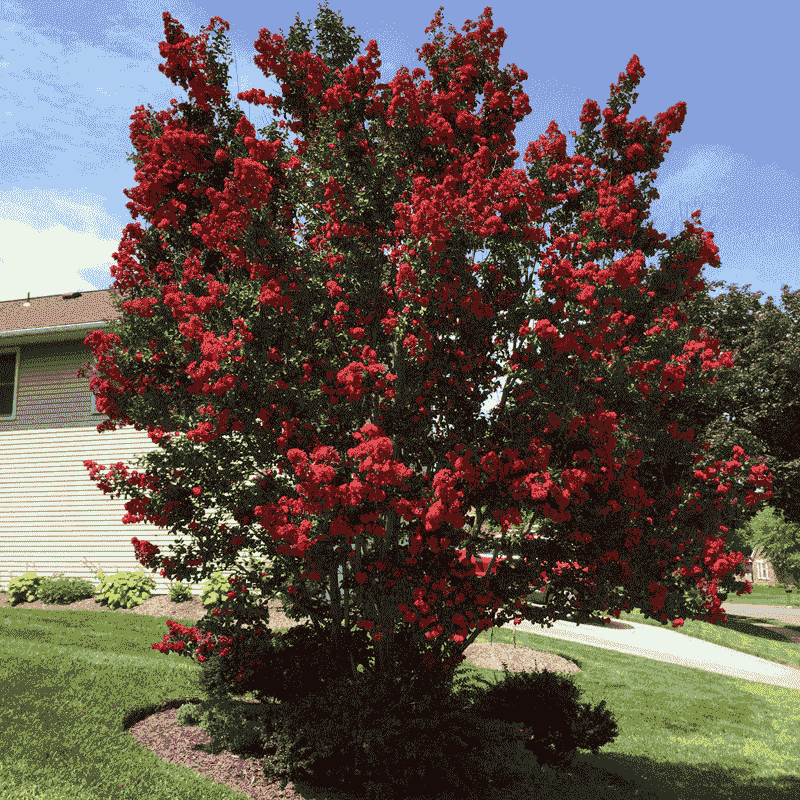
For gardeners who want color that keeps coming back, repeat-blooming crape myrtles are some of the most satisfying plants to grow. Florida’s long warm season gives them time to produce multiple flushes if they are healthy and planted well.
That means your yard can move from spring flowers into summer and still have plenty of interest later on.
Dynamite is popular for vivid red blooms and can provide strong summer color in sunny sites. Tonto can also return with fresh flowers after the first main display, and its smaller size makes cleanup simple.
Tuscarora is another dependable choice for repeat color, offering coral-pink clusters that stand out beautifully in bright Florida light.
If you want the strongest rebloom, remove spent flower heads soon after the first flush fades rather than waiting for seed set.
Keep irrigation even during prolonged dry spells, especially for newer plantings, and avoid heavy summer fertilizer because too much lush growth can reduce flower production.
I find that a quick walkthrough every week or two during peak season makes a huge difference, since a little deadheading, a little observation, and a little patience often turn a good crape myrtle into one that looks colorful for much longer than most people expect.
8. Match Flower Color To Your Landscape Style
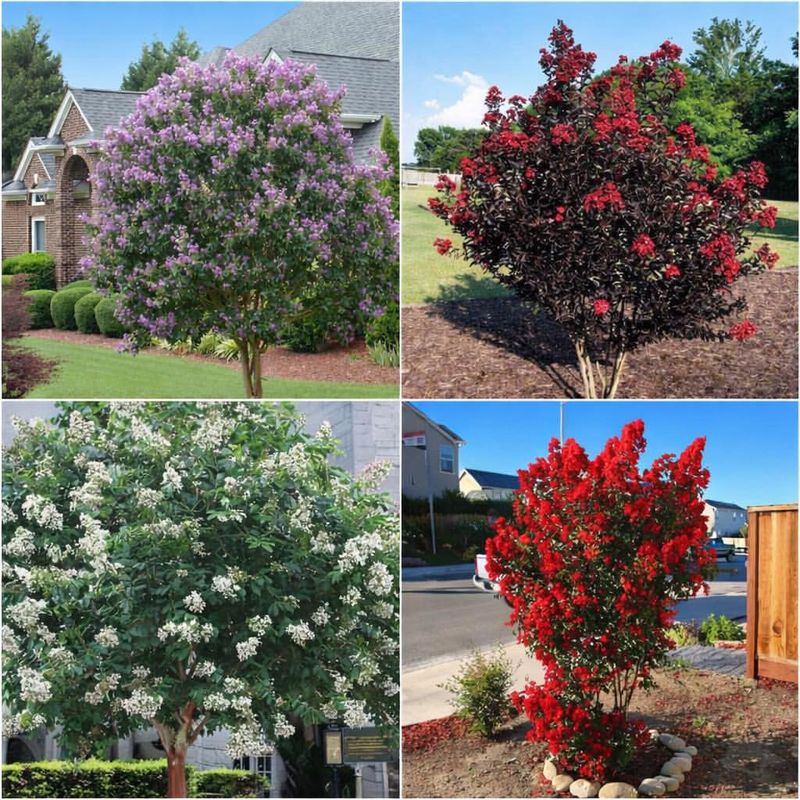
Color choice can make a crape myrtle feel perfectly placed rather than randomly added, and Florida light tends to intensify flower tones. That is why it helps to choose cultivars not only for bloom season and size, but also for the mood you want in the landscape.
A thoughtful color plan makes the whole yard look more intentional from spring through fall.
Natchez is ideal if you want a crisp, bright white that reads clean and classic against dark mulch, brick, or deep green foliage.
Muskogee gives you a softer lavender effect that blends beautifully with silver foliage plants, blue-toned containers, and coastal style gardens.
Dynamite brings bold red energy for high-contrast designs, while Catawba offers deep purple-magenta flowers that suit cottage gardens, richer color palettes, and dramatic focal points.
I usually suggest repeating one flower color in two or three places across the yard so the design feels connected rather than scattered. Warm colors like red and coral stand out best at a distance, while white and lavender often feel calmer near patios or entry paths.
If you also pay attention to bark color, fall foliage, and mature size, you can choose a crape myrtle that fits your style all year instead of one that looks good only during peak bloom.
9. Prioritize Low Maintenance Performers
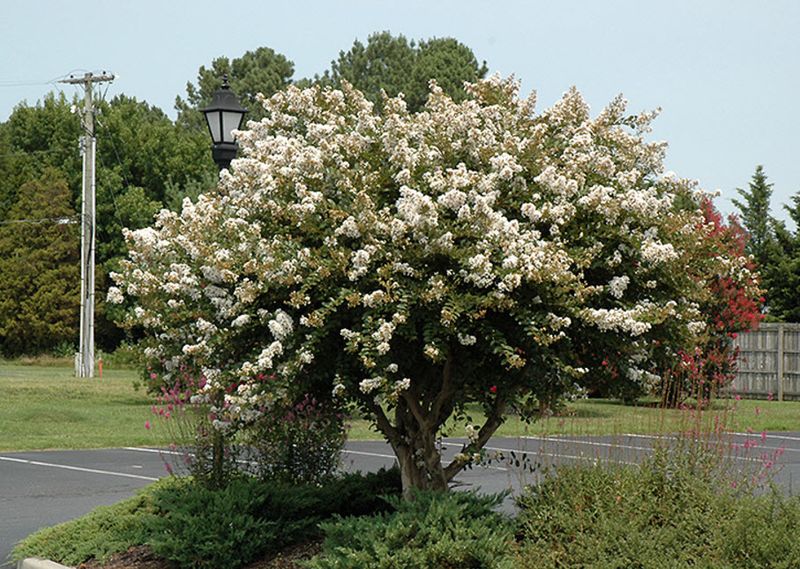
If you would rather spend more time enjoying flowers than constantly managing plants, low maintenance crape myrtles are the way to go.
Florida gardeners often get the best results by choosing proven cultivars that naturally fit the space and resist common problems.
When the right variety meets the right site, care becomes refreshingly simple.
Natchez continues to be one of the easiest tall options because it combines strong bloom, attractive bark, and good resistance in many Florida settings. Sioux is another smart choice thanks to its long flowering season, solid disease resistance, and balanced growth habit.
Acoma works beautifully in smaller areas where you want graceful white flowers and dependable performance without heavy pruning or fuss.
The practical formula is straightforward: plant in full sun, water regularly until established, mulch lightly, and prune with restraint. Skip severe topping, avoid crowding roots with turf or dense shrubs, and remember that mature size should guide placement from the beginning.
If you follow those basics and choose cultivars like Natchez, Sioux, and Acoma, you can build a Florida landscape that stays colorful from late spring through fall with less effort, more reliability, and the kind of satisfying results that make you feel ready to plant the next one.