These Florida Palms Benefit From April Feeding For Greener Summer Growth
If your palms looked a little pale after winter, April is a great time to get ahead of summer stress in Florida.
This is when soils begin warming, roots become more active, and a well-timed feeding can make a big difference in color, vigor, and overall appearance.
Florida palms also grow in sandy ground that loses nutrients fast, especially potassium and magnesium, so waiting too long often means yellowing fronds and weaker growth by midsummer.
With the right slow-release palm fertilizer, applied the right way and repeated through the growing season, you can help the most common landscape palms stay fuller, greener, and better prepared for heat, humidity, and heavy rain.
1. Queen Palms Benefit From April Feeding For Richer Green Fronds
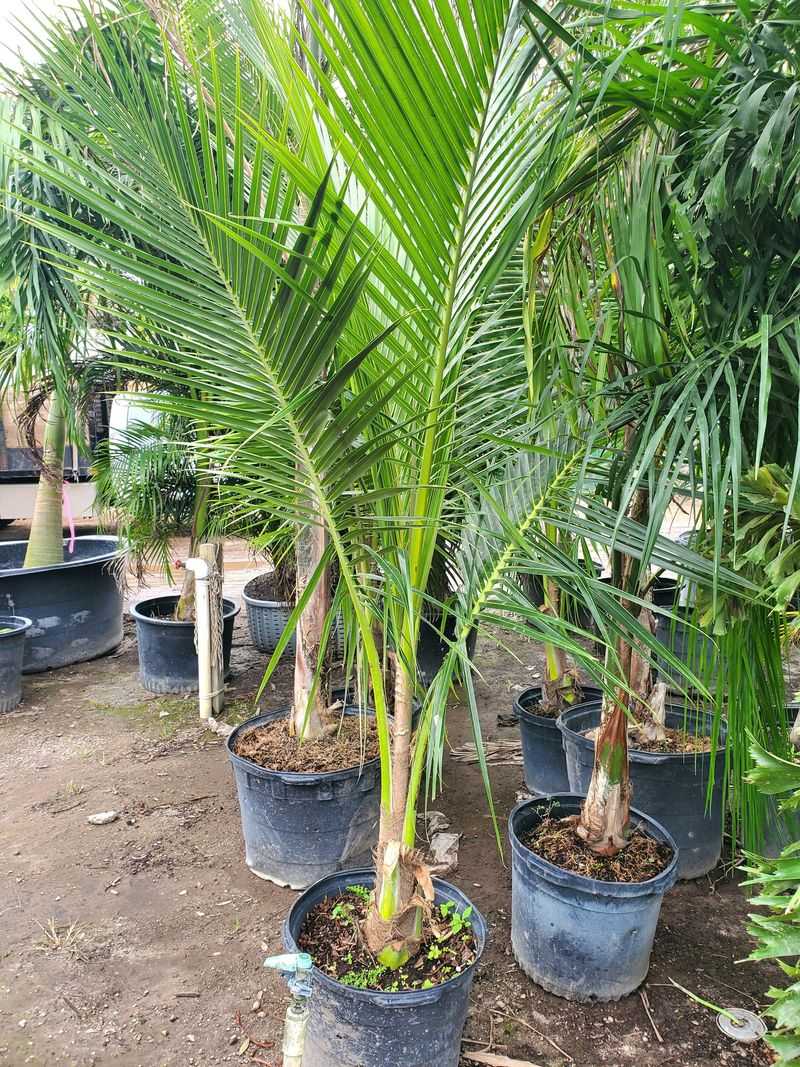
By April, queen palms often benefit from a nutrient boost, and in Florida they usually need it more than homeowners expect.
This palm is a heavy feeder, and UF IFAS guidance lines up with what many gardeners see firsthand: queen palms often show potassium shortages in sandy soils long before summer peaks.
When older fronds start looking yellowed, thin, or a little frizzled at the tips, that is often a warning sign worth taking seriously.
A slow-release palm fertilizer with an 8-2-12-4Mg analysis, plus micronutrients such as manganese and iron, is the best fit for supporting steady color and stronger growth.
I like to spread it evenly over the root zone, not against the trunk, and extend the application under the canopy toward the drip line.
Watering it in after feeding helps move nutrients into the soil, which matters a lot before Florida’s rainy pattern starts washing mobile nutrients away.
For queen palms, April can be the first feeding in a three to four times yearly schedule.
That routine supports greener summer fronds, helps reduce recurring deficiency symptoms, and gives this demanding palm a much better shot at looking full and polished through the hottest months.
2. Foxtail Palms Benefit From Spring Nutrient Support
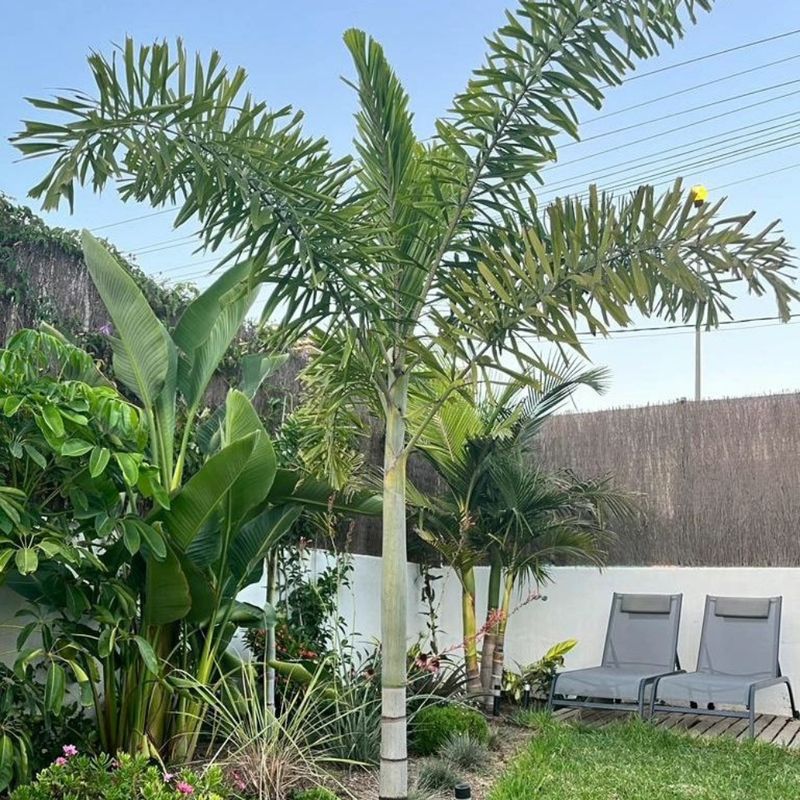
Once spring warmth settles in, foxtail palms start pushing fresh growth quickly, and that fast pace means they appreciate dependable nutrition.
In Florida landscapes, they often look great one month and then fade a bit the next if nutrients are uneven, especially in porous soil that does not hold fertilizer for long.
The best approach is balanced feeding with a slow-release palm product made for Florida conditions, ideally one with 8-2-12-4Mg and added micronutrients.
That blend supports leaf color, root activity, and overall vigor without forcing soft, overly lush growth that can become harder to maintain through summer weather swings.
Rather than giving a large dose all at once, I prefer the UF IFAS style schedule of repeated applications through the growing season, starting in April.
Spread the granules under the canopy, keep them several inches away from the trunk, and water afterward so nutrients begin moving into the active root zone.
Foxtail palms usually reward that consistency with brighter foliage and a fuller crown.
If your palm sits near a lawn, try not to rely on turf fertilizer alone, because palms need different nutrient ratios, especially more potassium and magnesium than typical lawn products provide.
Your Florida Garden Changes Every Week. Your Plan Should Too.
Gardening in Florida changes quickly throughout the season. Every Friday you’ll receive a simple weekly plan showing exactly what to plant, prune, fertilize, harvest, and protect so you never miss the right timing.
3. Pygmy Date Palms Benefit From Balanced Feeding Before Summer
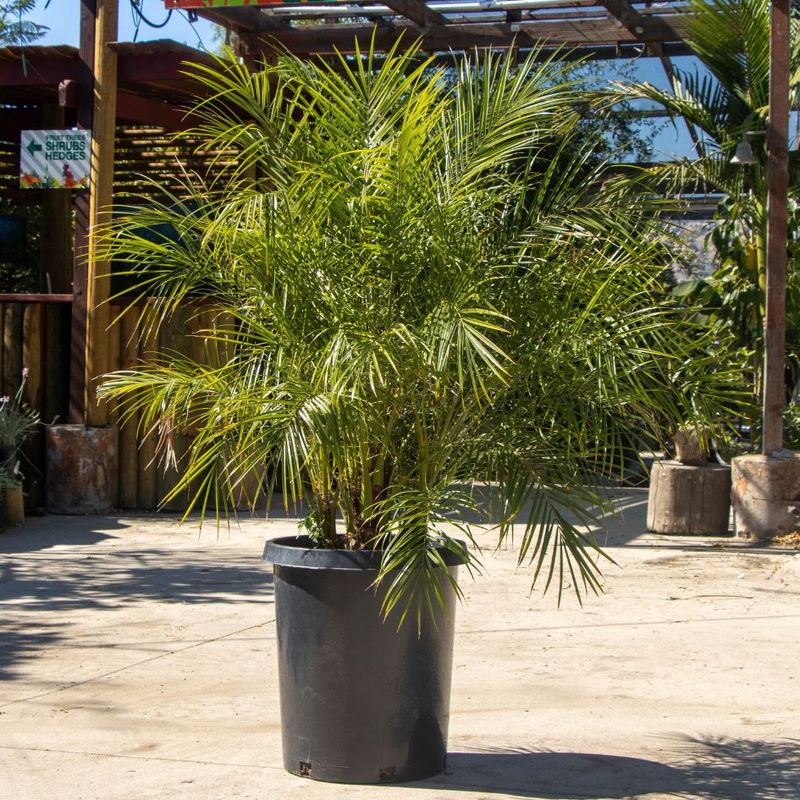
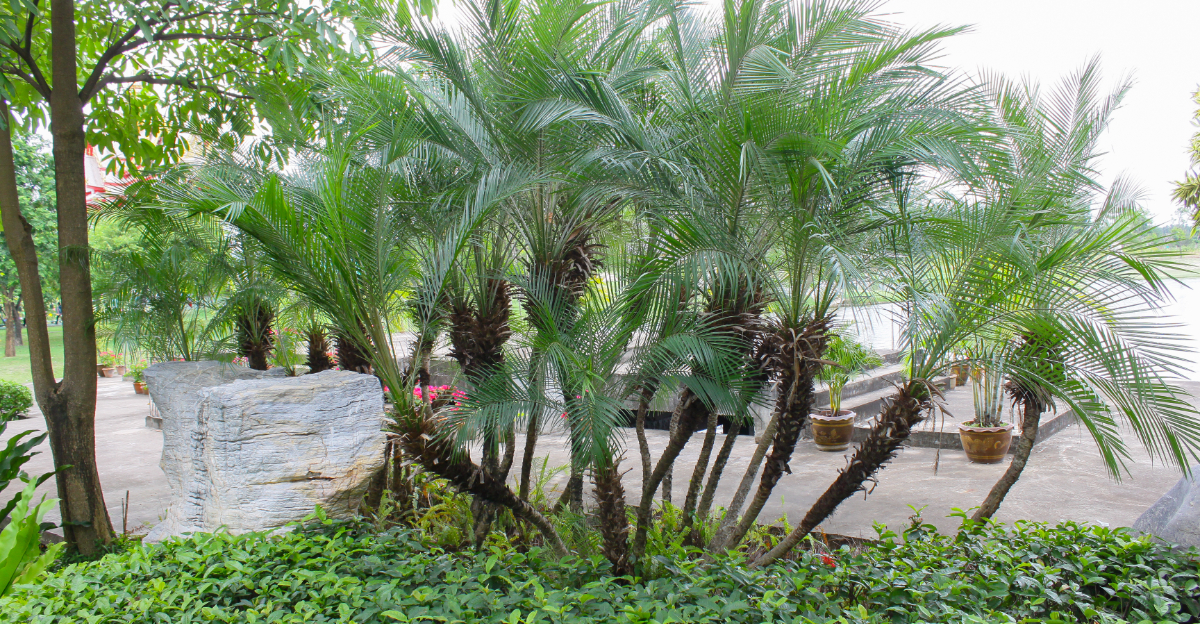
In smaller spaces, pygmy date palms are easy to love because they stay compact and add texture without overwhelming the yard.
That smaller size does not mean they should be heavily fertilized, though, and April is a good time to feed them carefully instead of pushing extra growth they do not need.
A measured application of slow-release palm fertilizer works best, especially in Florida’s sandy soils where nutrients can leach quickly after rain.
Using a palm-specific formula with proper potassium, magnesium, and micronutrients helps maintain even color while avoiding the feast or famine pattern that follows quick-release products.
What helps most is control. Apply only the label rate for the palm’s size, spread it across the root area rather than piling it near the trunk, and water it in well so the nutrients settle into the soil before hotter weather arrives.
If these palms are planted close to patios, entryways, or pools, overfeeding can make maintenance less pleasant by encouraging overly vigorous flushes and extra cleanup.
Starting in April and continuing on a moderate three to four times yearly schedule gives pygmy date palms the steady support they need for tidy, healthy growth through Florida’s long, humid summer season.
4. Sabal Palms Respond Best To Slow Release Nutrients
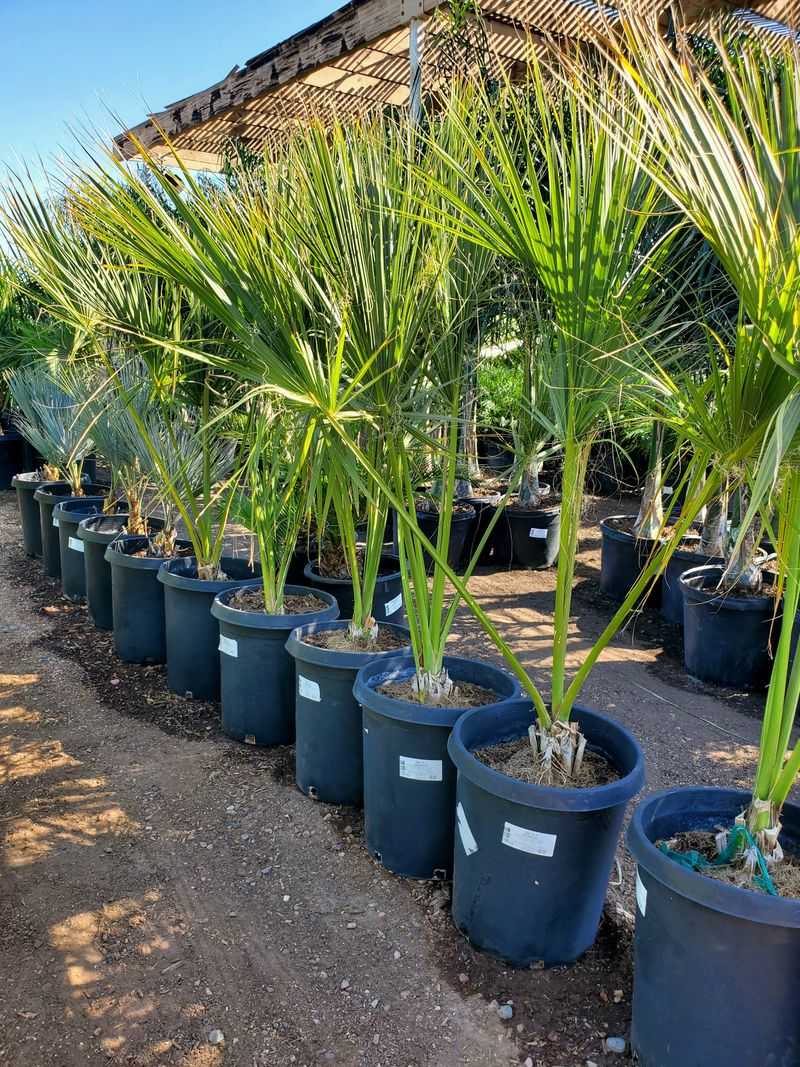
Even though sabal palms are native and famously tough, they still respond well to smart feeding when spring arrives.
Florida gardeners sometimes assume a sabal can thrive on neglect alone, but a spring application can improve color and support steady growth, especially in landscapes with poor sand.
Because this palm is naturally adapted to Florida conditions, it usually does not need the same level of attention as a queen or foxtail palm.
Still, UF IFAS recommendations about palm nutrition apply here too: use a slow-release, palm-specific fertilizer with strong potassium and magnesium levels instead of a general landscape blend.
The goal is not to force rapid growth. It is to provide a slow, even nutrient supply that matches the palm’s needs and stands up better to frequent rain, warm temperatures, and long summer growing periods.
I would treat sabals as low-maintenance, not no-maintenance.
Feed in April, spread fertilizer evenly beneath the canopy and outward where roots actually grow, keep it off the trunk, then repeat during the growing season if needed based on site conditions, frond color, and overall vigor.
That simple routine helps native sabals stay greener and more resilient without overdoing it.
5. Areca Palms Benefit From Spring Feeding For Fuller Growth
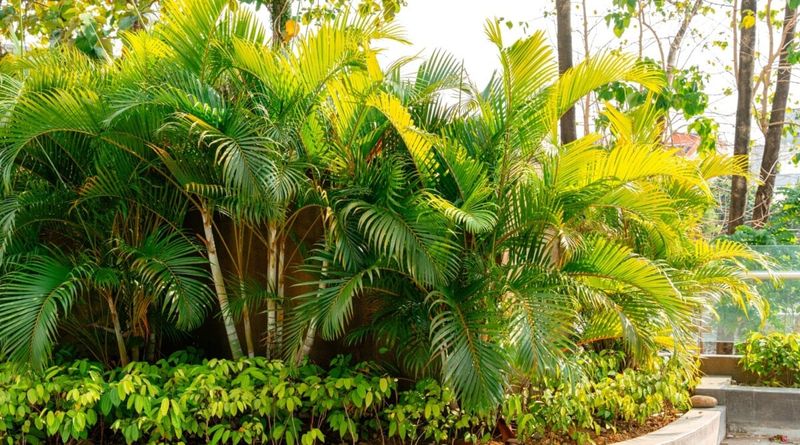
For a privacy screen that looks soft and tropical, areca palms are hard to beat, but they can lose that full look if nutrients run short.
April is a smart time to feed them in Florida because warmer temperatures are waking up active growth just before summer rain begins washing nutrients through sandy ground.
These palms make dense clumps, whether planted outdoors or kept in large containers, so they benefit from a consistent nutrient supply rather than occasional heavy feeding.
A slow-release palm fertilizer with an 8-2-12-4Mg type ratio helps support green leaflets, stronger canes, and the fuller shape most people want from an areca hedge.
One practical tip is to fertilize across the whole bed, not just in a tight ring around visible stems. Their roots spread through the planting area, and even coverage followed by watering gives much better results than dropping fertilizer close to the base.
If your areca palms sit under eaves or in a spot that stays drier than the rest of the yard, pay attention after application and water deeply enough to move nutrients into the root zone.
Repeating feedings through the growing season usually keeps these palms thicker, greener, and more attractive when summer heat and humidity settle in.
6. Christmas Palms Benefit From Nutrients Before Summer Heat
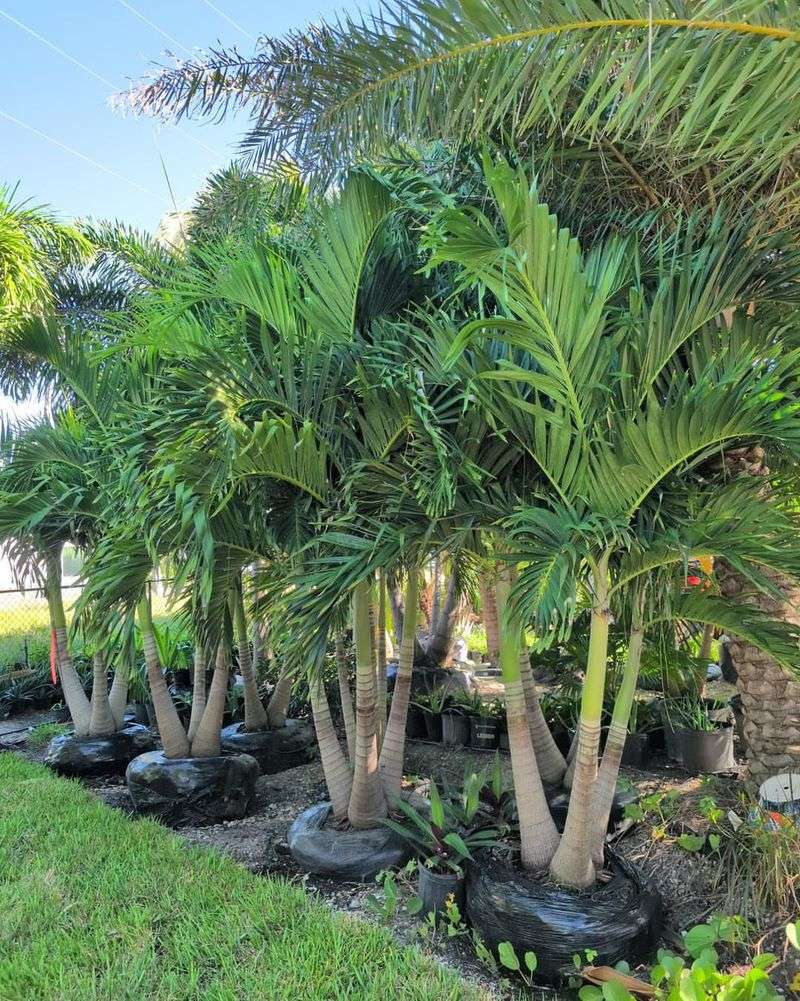
Right before Florida’s summer heat ramps up, christmas palms benefit from a steady nutritional foundation that supports both appearance and seasonal performance.
They are not the heaviest feeders in the landscape, but they often look noticeably better when April fertilizing happens on time with the right palm formula.
A slow-release product designed for palms is important because Florida soils lose nutrients quickly, especially after repeated rains.
Potassium and magnesium are especially useful here, and added micronutrients help reduce the pale, uneven color that can show up when these palms are growing in alkaline fill or very sandy sites.
Because christmas palms are prized for their neat canopy and ornamental fruit display, spring feeding should focus on consistency, not excess.
Apply fertilizer evenly beneath the canopy, avoid contact with the trunk, and water it in well so roots can access nutrients before the strongest heat and humidity arrive.
This palm tends to perform best when feeding is part of a regular growing-season schedule rather than a single annual treatment. Starting in April gives it support for flowering and fruiting cycles while also helping fronds stay greener through stressful weather.
If foliage has looked washed out in past summers, this is one of the easiest improvements you can make.
7. Royal Palms Benefit From Potassium And Magnesium
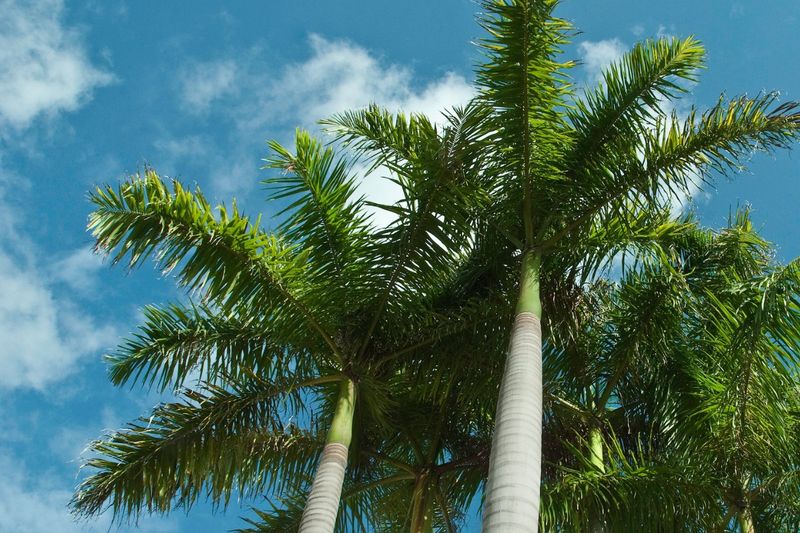
If you want a royal palm to keep that bold, stately look through summer, April feeding matters more than many people realize.
In Florida, sandy soils and heavy rainfall often leave this palm short on potassium and magnesium, two nutrients strongly tied to leaf color and overall palm appearance.
Yellowing or washed-out older fronds can be an early clue that nutrition needs attention, especially if the palm has been relying on lawn fertilizer.
UF IFAS has long emphasized that palms need a specialized, slow-release formula, ideally 8-2-12-4Mg with essential micronutrients, because common turf products usually do not supply the right balance.
For royal palms, placement is just as important as product choice.
Spread the fertilizer broadly under the canopy where roots are active, keep it away from the trunk, and water deeply enough to help nutrients move into the upper soil profile without washing them away.
I also like to remind gardeners that one spring application is only the starting point. Florida palms generally do best with three or four feedings during the growing season, and that schedule is especially helpful for nutrient-hungry species in high-rainfall areas.
When potassium and magnesium stay available, royal palms usually hold greener fronds and a cleaner, more impressive canopy.
8. European Fan Palms Benefit From Light April Feeding
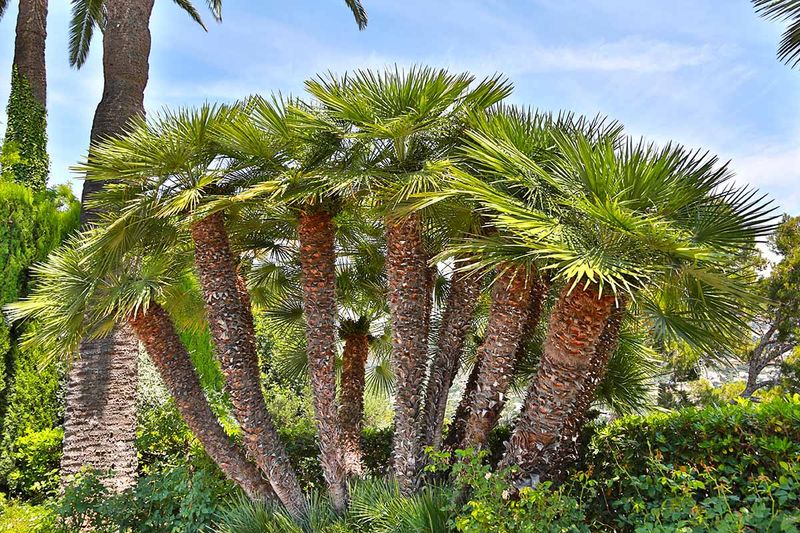
Compared with faster, thirstier palms, european fan palms are more restrained growers, so their April feeding should stay light and deliberate.
They handle dry spells well once established, but in Florida’s sandy soils they still appreciate a modest nutrient boost that supports steady color without pushing unnecessary growth.
This is a good place to resist the urge to overdo it.
A palm-specific slow-release fertilizer, applied at the proper label rate for size, gives these fans what they need while avoiding excess salts and lush growth that can look awkward on a naturally compact, architectural plant.
Because this species is often used near entries, pool decks, and mixed shrub borders, I like to keep the feeding zone broad but light.
Scatter fertilizer over the root area under and slightly beyond the canopy, keep granules off the trunk, and water after application so nutrients begin releasing evenly.
European fan palms are also more drought tolerant than many tropical-looking palms, which makes them useful in lower-input Florida landscapes. Even so, spring nutrition still helps them hold a cleaner green tone through hot weather.
Starting with a light April feeding, then watching leaf color before repeating later in the season, is usually the safest and smartest approach for long-term landscape performance.