What North Carolina Camellias Need In May Before Summer Humidity Arrives
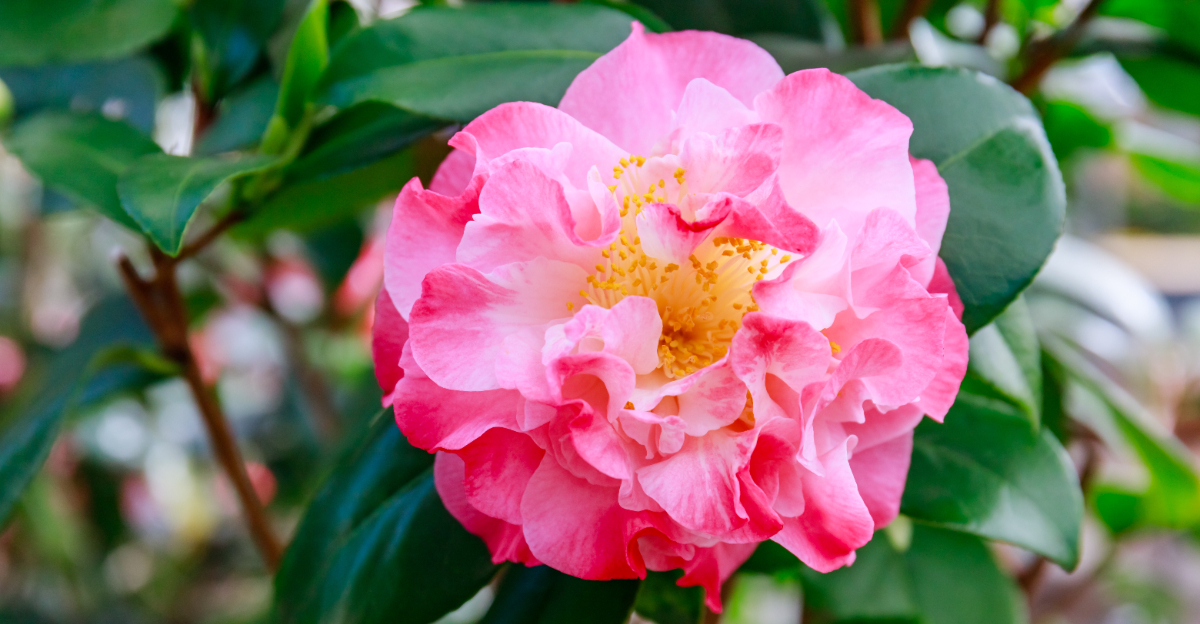
May is an important month for camellias in North Carolina, as they shift from spring growth into preparing for the warmer, more humid months ahead. After blooming season ends, these shrubs begin focusing on new leaves and setting the stage for future buds.
What you do during this time can influence how healthy and full your camellias stay through summer. North Carolina’s rising temperatures and increasing humidity can create stress if plants are not properly cared for early on.
Simple steps like checking soil conditions, adjusting watering, and making sure plants have the right amount of light can go a long way. This is also a good time to spot any early issues before they become harder to manage.
With a little attention in May, your camellias can stay strong, balanced, and ready to handle the season ahead.
1. Prune Immediately After Bloom
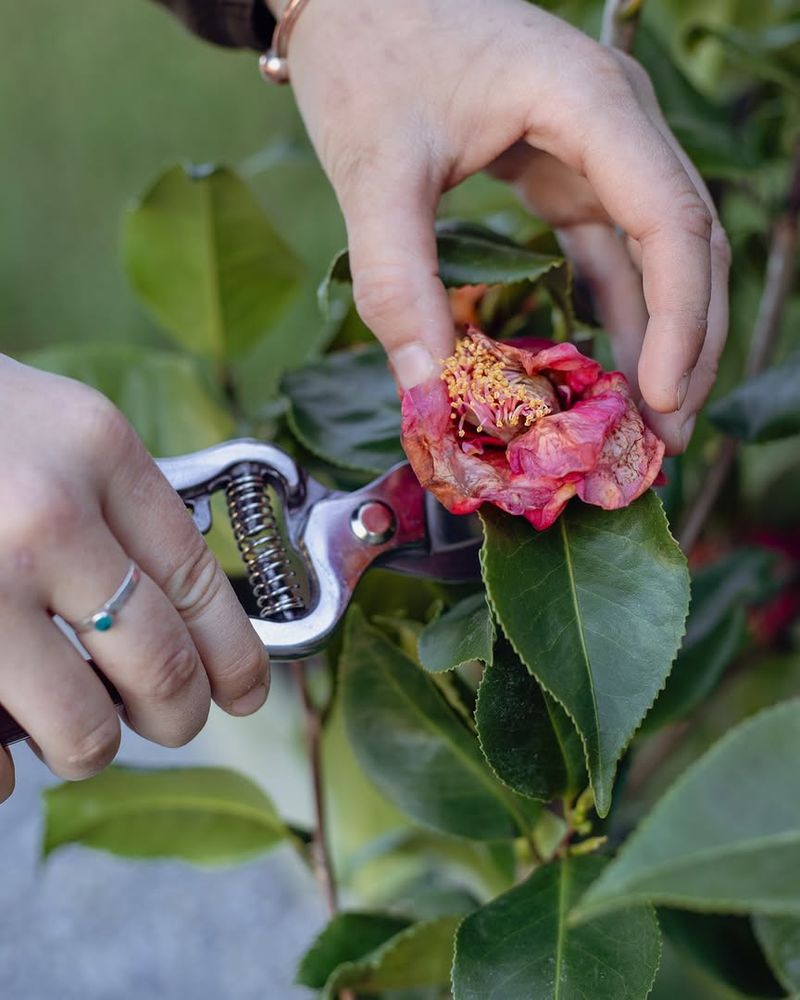
Right after the last flowers fade, grab your pruning shears because timing is everything for camellias in North Carolina. Most spring-blooming varieties, including Camellia japonica and popular hybrids, finish flowering by early May.
That small window between the final bloom and the start of new bud formation is your best and only chance to shape the plant without sacrificing next year’s flowers.
Pruning at this stage encourages stronger, more compact growth and improves the overall structure of the shrub. Focus on removing any crossing branches, weak or spindly stems, and anything growing inward toward the center of the plant.
You are not trying to dramatically change the size, just clean things up so the plant can breathe and grow more efficiently heading into summer.
North Carolina summers bring serious heat and humidity, and a crowded camellia is far more vulnerable to fungal issues when airflow is limited. A quick, thoughtful prune now sets the plant up for better health all season long.
Sharp, clean tools matter too, so wipe your blades with rubbing alcohol between cuts to avoid spreading any lingering issues from plant to plant. Think of May pruning as your annual reset button for the whole shrub.
2. Clean Up Old Flowers And Debris
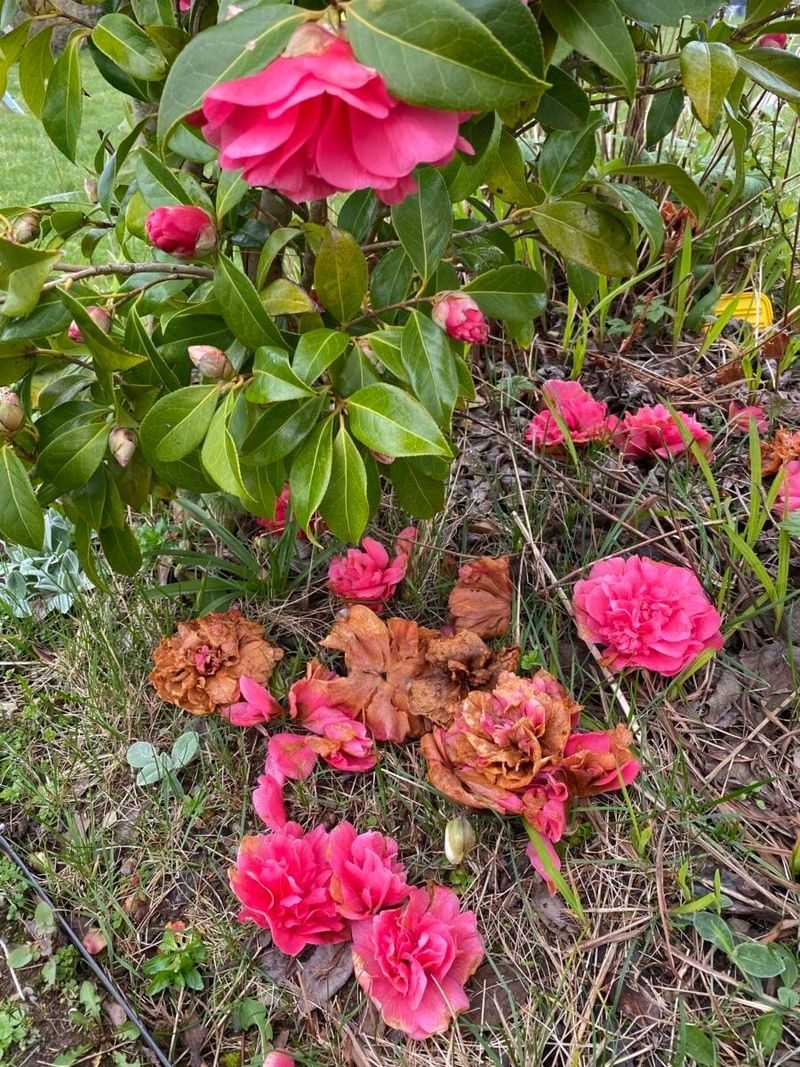
Spent camellia blooms have a way of piling up quietly beneath the shrub, and most gardeners do not realize how much trouble those old petals can cause.
In North Carolina, where spring humidity starts creeping in well before summer officially arrives, decaying plant material creates the perfect environment for fungal spores to thrive and multiply fast.
Botrytis blight is one of the most common fungal issues linked to fallen camellia flowers. It spreads through moisture and organic debris, so clearing away old blooms in May removes one of its biggest food sources.
Get down low and check under the mulch layer too, since petals sometimes get buried and continue to rot out of sight. A gloved hand and a small rake make this job quick and easy.
Beyond fungal concerns, cleaning up debris also discourages pests from setting up home around the base of your camellia. Insects love hiding in damp, decomposing material, and a tidy garden bed gives them far fewer places to shelter.
Your North Carolina Garden Changes Every Week. Your Plan Should Too.
Gardening in North Carolina changes quickly throughout the season. Every Friday you’ll receive a simple weekly plan showing exactly what to plant, prune, fertilize, harvest, and protect so you never miss the right timing.
Once you have cleared everything out, bag the old material and toss it rather than composting it, especially if you noticed any signs of disease.
Keeping the ground around your North Carolina camellias clean in May is one of the simplest and most effective things you can do all year.
3. Apply Fresh Mulch Around The Roots
Camellias have surprisingly shallow root systems, and that makes them more sensitive to soil temperature swings than most people expect.
In North Carolina, May temperatures can jump quickly, and without proper insulation around those roots, your camellia can start to struggle before the real heat even kicks in.
Fresh mulch is one of the easiest fixes you can apply right now. Pine bark or pine straw works beautifully for camellias because both materials break down slowly and help maintain the slightly acidic soil conditions these plants love.
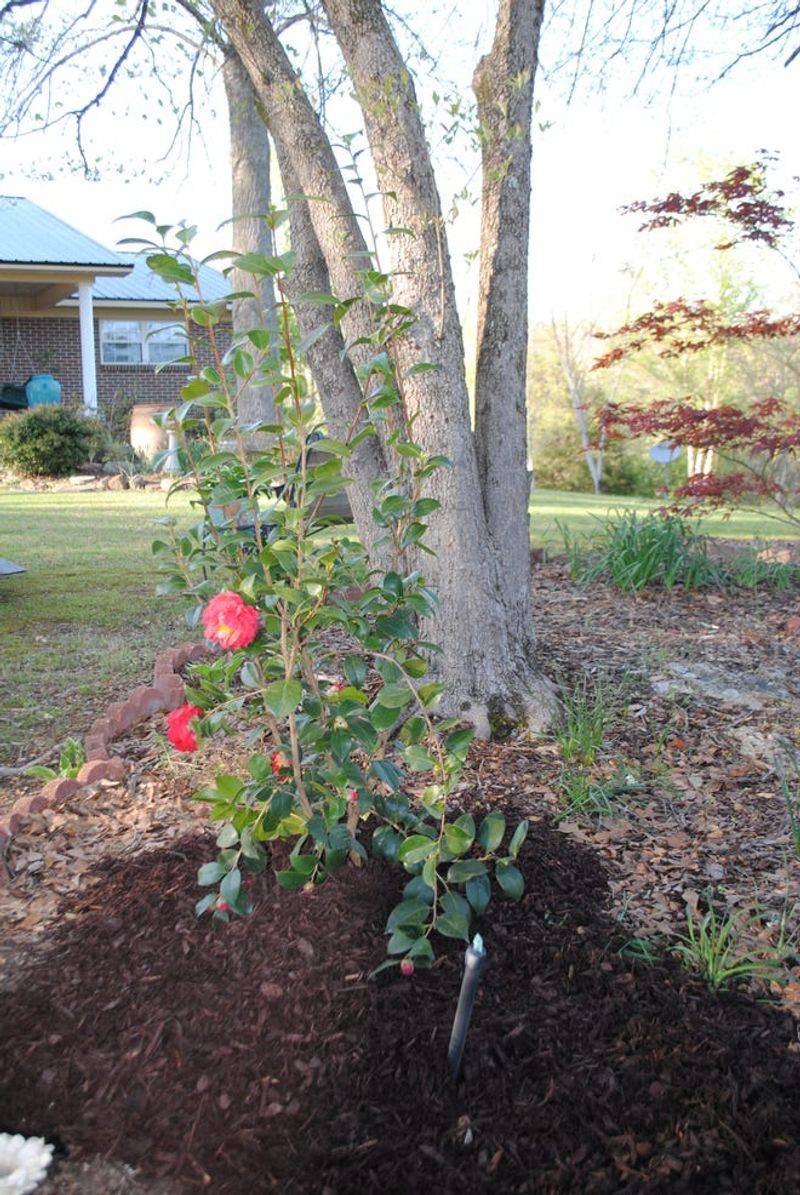
Spread a two to three inch layer around the base of the shrub, keeping the mulch pulled back a few inches from the main stem to prevent moisture buildup against the bark. A clean mulch ring also just looks great in a well-kept Southern yard.
Beyond temperature regulation, mulch does something really valuable during dry stretches in late spring. It locks moisture into the soil so your camellia roots stay hydrated even when rainfall is inconsistent.
North Carolina springs can be unpredictable, with stretches of dry warmth that stress shallow-rooted plants quickly. Mulching now means you are building a buffer against both heat and drought before summer officially arrives.
Refresh your mulch every spring and your camellias will reward you with stronger, more vibrant growth year after year.
4. Check And Adjust Soil Acidity
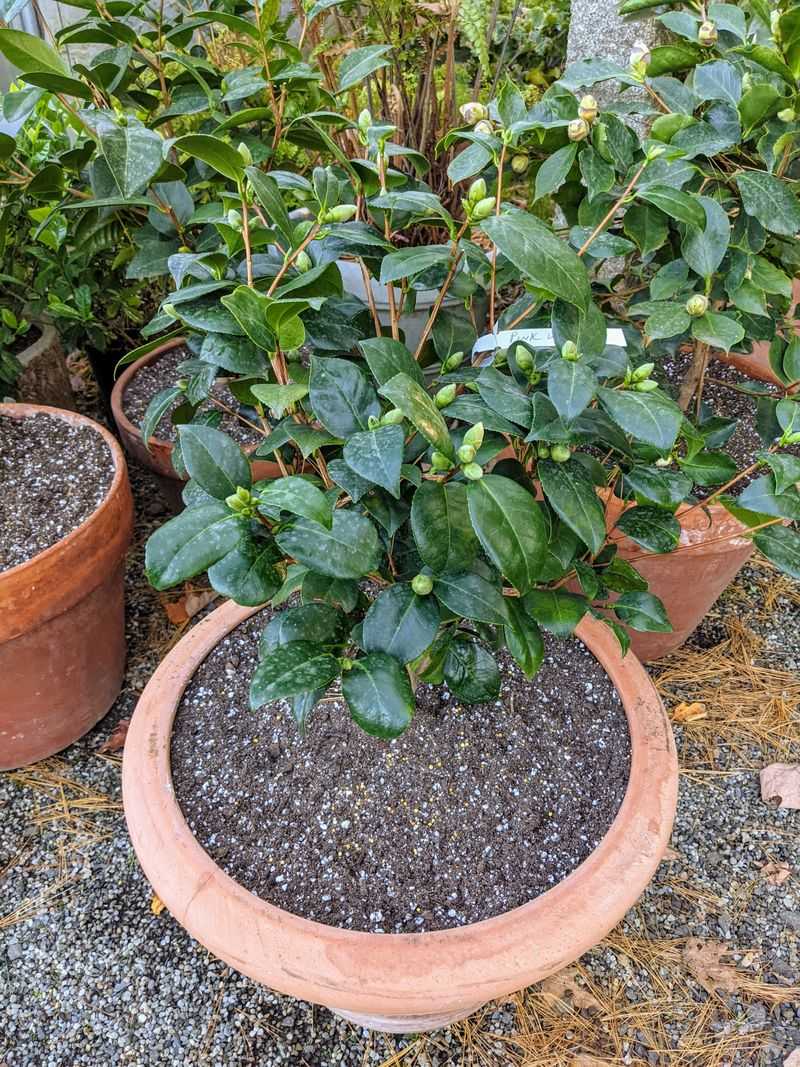
Camellias are picky about their soil, and they will show their unhappiness in ways that can be easy to misread. Yellowing leaves, slow growth, and poor flowering are often blamed on pests or watering problems, but the real culprit is frequently soil pH that is too high.
North Carolina soils vary widely depending on your county and region, so testing is the only way to know for sure where you stand.
The sweet spot for camellias falls between a pH of 5.0 and 6.0, with many growers targeting around 5.5 as the ideal range. You can pick up an affordable soil test kit at most garden centers, or send a sample to the NC State Extension service for a more detailed analysis.
If your pH is too high, adding elemental sulfur to the soil is a reliable way to bring it down gradually over several weeks.
May is a smart time to test because any amendments you add now have time to work into the soil before summer growth really ramps up. Adjusting pH in hot weather is less effective and harder on the plant, so acting in spring gives you a real advantage.
North Carolina gardeners who test regularly tend to have healthier, more consistent camellias season after season. Healthy soil pH means better nutrient absorption, stronger roots, and far more resilient plants heading into humid summer months.
5. Build A Consistent Watering Routine
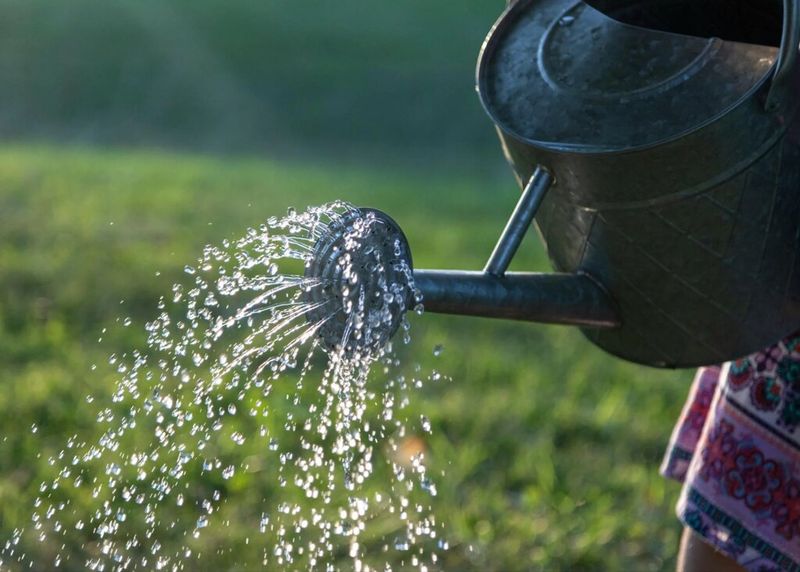
Water is everything once North Carolina temperatures start climbing in May, and camellias are no exception to that rule.
New growth is pushing out, next season’s buds are beginning to form deep inside the plant, and all of that biological activity requires steady, reliable moisture at the root level.
Sporadic watering creates stress that can weaken the plant right when it needs to be building strength.
Aim for deep, thorough watering once or twice a week rather than light sprinkles every day. Deep watering encourages roots to grow downward, making the plant more drought-tolerant over time.
Shallow, frequent watering keeps roots near the surface where they are far more vulnerable to heat and dry spells. A slow trickle from a soaker hose for thirty to forty minutes works wonderfully for established camellias in a North Carolina yard.
Morning watering is always the better choice because it gives foliage time to dry before evening, which cuts down on fungal issues significantly. Wet leaves sitting through a warm, humid North Carolina night are an open invitation for disease.
If you are using overhead sprinklers, try to shift your schedule so plants dry off well before sunset. Consistency matters more than volume here.
A camellia that gets reliable water throughout May goes into summer with a much stronger root system and far better odds of sailing through the heat with ease.
6. Feed Lightly With Acid-Forming Fertilizer
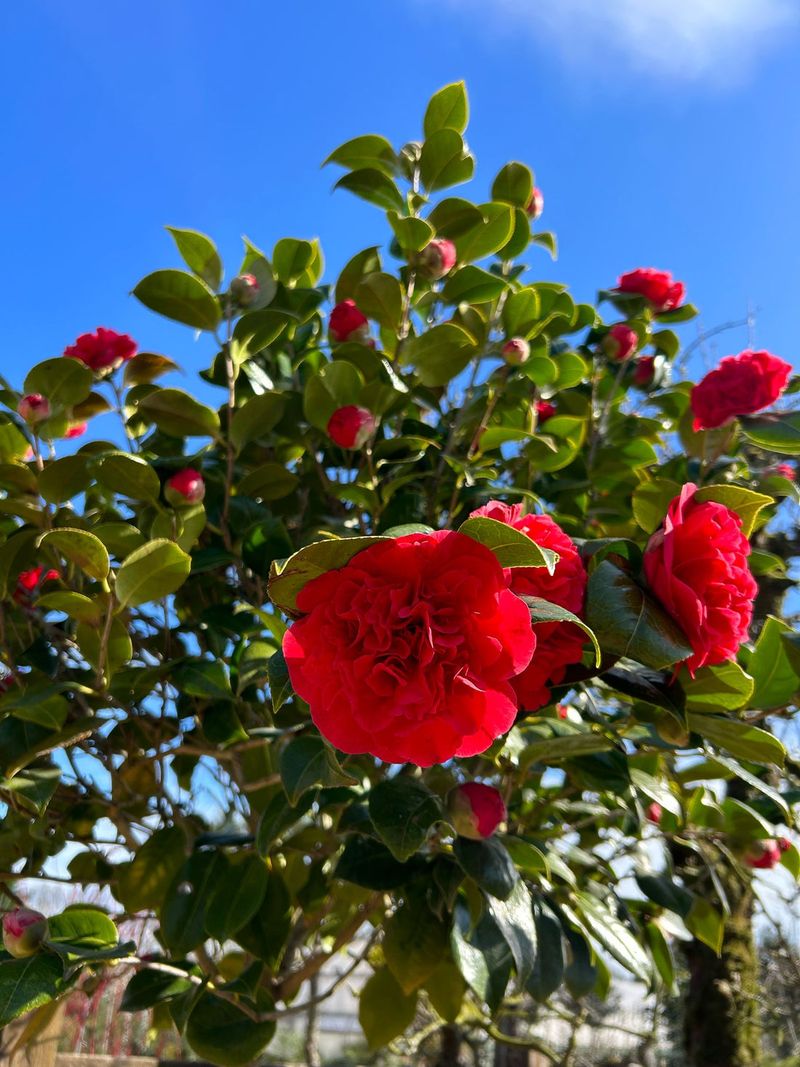
Fertilizing camellias in May feels a little counterintuitive because the flowers are gone and the plant looks quiet, but this is actually when feeding matters most.
New growth is pushing out rapidly, and the plant is working hard underground to establish the buds that will become next year’s blooms.
Giving it the right nutrients now supports all of that behind-the-scenes effort in a meaningful way.
Choose a fertilizer formulated specifically for acid-loving plants, such as an azalea and camellia blend with a balanced NPK ratio.
Slow-release granular formulas work especially well because they feed steadily over several weeks rather than delivering a sudden nutrient spike.
Too much nitrogen at once pushes soft, lush new growth that is more vulnerable to pests and fungal issues, which is exactly what you want to avoid heading into a humid North Carolina summer.
Apply according to the package directions and water the area well afterward to move nutrients down toward the root zone. Do not fertilize after late June because encouraging new growth too close to summer can leave tender shoots exposed to heat stress.
One well-timed application in May, possibly followed by a light second feeding in early June, is all most established camellias in North Carolina really need. Feeding smart beats feeding heavy every single time, and your plants will look noticeably better for it through the whole growing season.
7. Inspect Leaves For Scale And Tea Scale
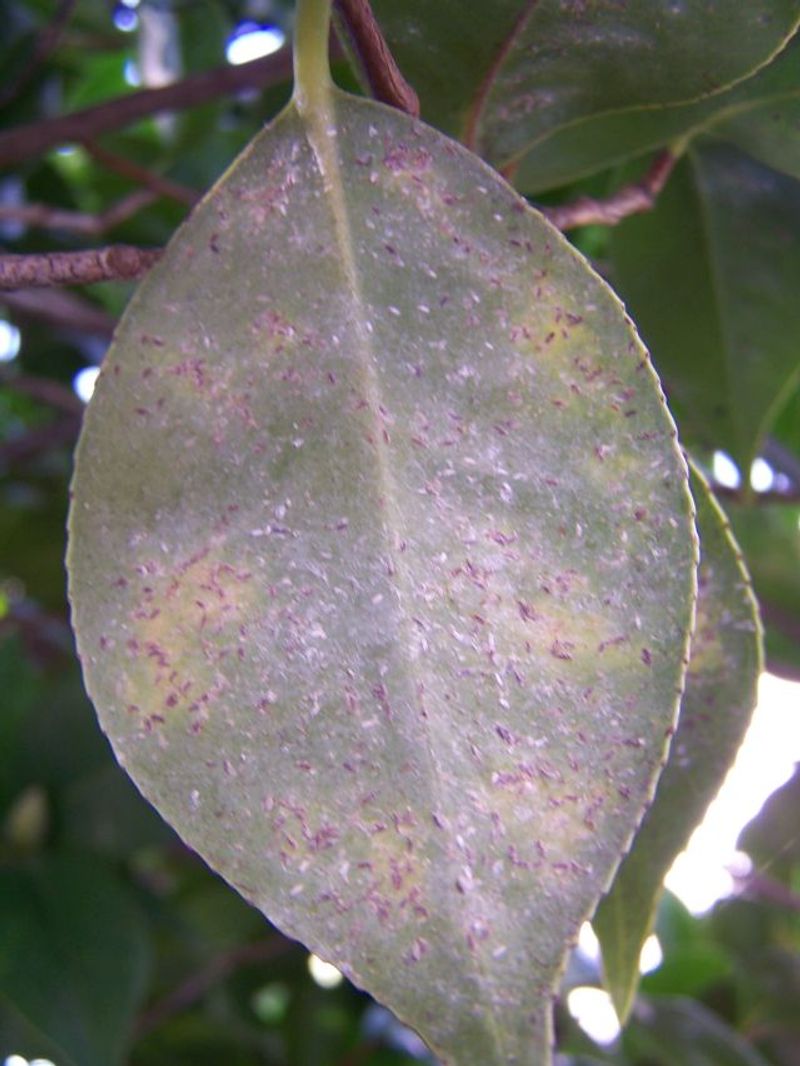
Tea scale is one of the most frustrating pests that North Carolina camellia growers deal with, and May is exactly when you need to start paying close attention.
These tiny insects attach themselves to the undersides of leaves and feed on plant sap, leaving behind a yellowish or dirty white coating that is easy to miss if you are not actively looking for it.
By the time the damage becomes obvious on the top side of the leaf, the infestation is often already well established.
Flip a few leaves over and look closely at the surface. Healthy camellia leaves should be smooth and dark green on the underside.
If you spot a crusty, powdery coating or tiny brown bumps, tea scale is likely the culprit. Populations explode in warm, humid conditions, which means catching them in May before North Carolina summer humidity fully arrives gives you a serious advantage in getting things under control.
Horticultural oil spray applied to the undersides of leaves smothers scale insects effectively without harsh chemicals. Follow label directions carefully and avoid spraying during the hottest part of the day to prevent leaf scorch.
For severe cases, a systemic insecticide labeled for scale on ornamentals may be needed. Checking every few weeks through summer keeps populations manageable and protects your camellias from the cumulative damage that heavy infestations cause over time.
8. Improve Airflow Around The Plant
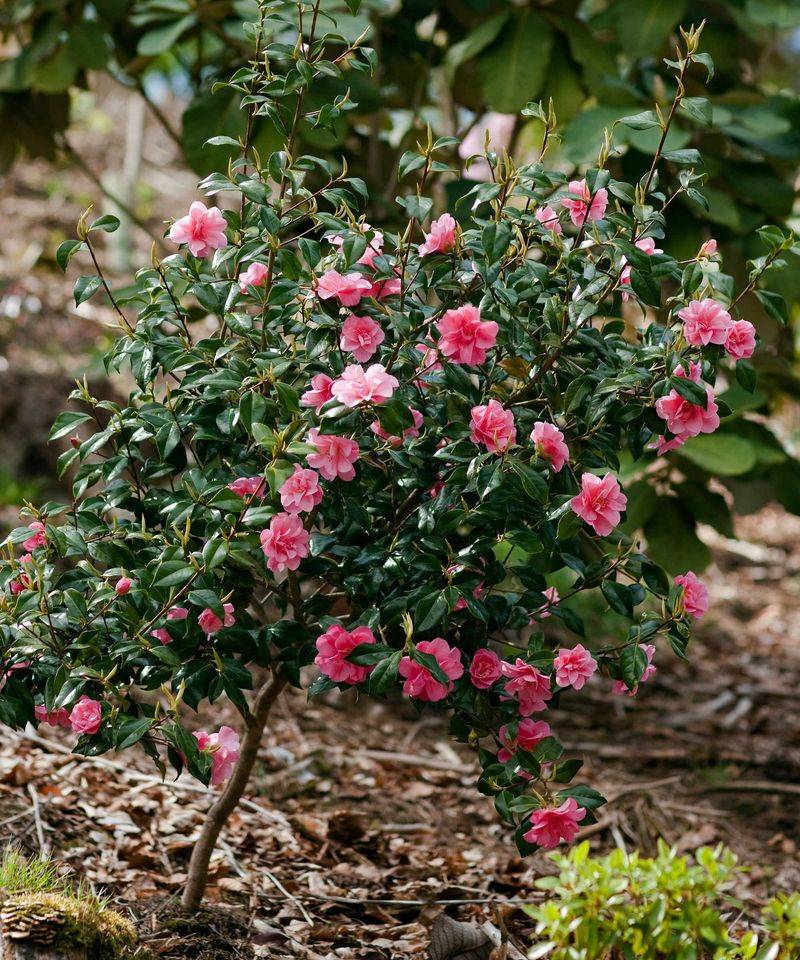
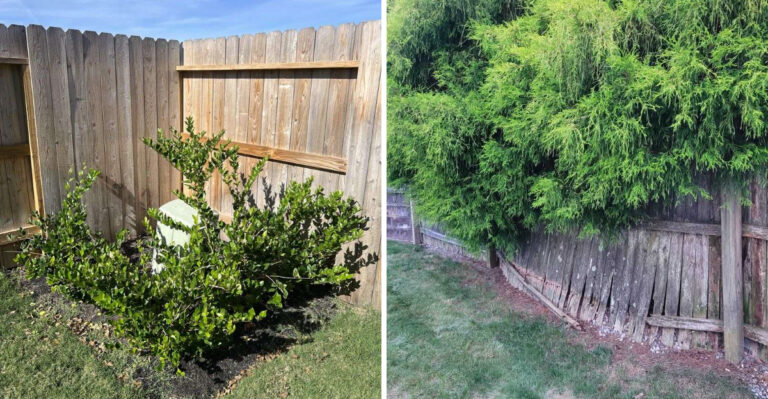
Humidity and poor airflow are a bad combination for camellias, and North Carolina summers bring plenty of both. When shrubs are crowded by neighboring plants, fences, or overgrown hedges, air cannot move freely through and around the canopy.
That trapped moisture on leaves and stems creates ideal conditions for fungal diseases like Phytophthora root rot and Cercospora leaf spot to take hold.
Walk around your camellia in May and honestly assess its surroundings. Are other shrubs pressing in close? Is it planted up against a wall or fence with no room for air to circulate?
Even small adjustments, like cutting back a nearby overgrown shrub or removing a few low-hanging branches from a neighboring tree, can make a noticeable difference in how the air moves around the plant through summer.
Inside the camellia itself, thinning out a few crossing or densely packed interior branches during your May pruning session also helps. You are not trying to dramatically change the shape of the plant, just opening up the center so air and light can filter through more easily.
North Carolina gardeners who pay attention to airflow tend to see far fewer fungal problems throughout the humid summer months.
Good air movement is essentially free disease prevention, and it costs nothing more than a little time and a pair of sharp pruning shears on a pleasant May morning.
9. Protect From Harsh Afternoon Sun
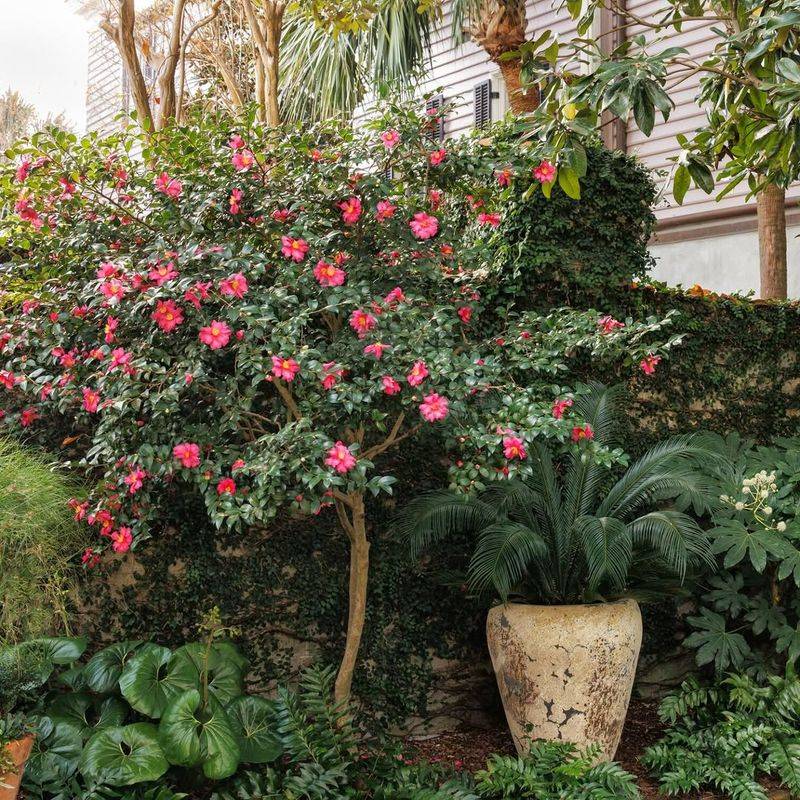
Camellias have a complicated relationship with sunlight. They need enough light to bloom well and grow strong, but too much direct afternoon sun, especially in May when intensity is already building, can scorch leaves and stress the plant heading into summer.
North Carolina sits far enough south that afternoon sun in late spring carries real heat, and camellias planted in full western exposure often show the effects by midsummer.
Leaf scorch shows up as brown, papery patches on the edges or tips of leaves, and once it happens there is no reversing the damage on those individual leaves. The good news is that smart placement and a little shade management can prevent it entirely.
Camellias naturally grow as understory plants in the wild, thriving beneath taller trees where dappled light filters through the canopy throughout the day.
If your camellia is already planted in a tough spot, consider adding a shade structure nearby or planting a fast-growing small tree to provide afternoon cover over the next season or two.
Reflective surfaces like white walls, fences, and light-colored pavement can amplify heat and light intensity around the plant, so keep that in mind when evaluating your garden layout.
North Carolina gardeners who give their camellias that gentle afternoon shade buffer tend to see more consistent leaf health and better overall performance right through the hottest months of the year.
10. Watch For Early Signs Of Leaf Spot Or Fungal Issues
Warm temperatures and rising humidity in May create the exact conditions that fungal diseases need to get started on camellias in North Carolina.
Catching early signs of trouble this month means you have options and time to act before the problem grows into something harder to manage.
Waiting until summer to investigate usually means the disease has already spread much further than it looks from the outside.
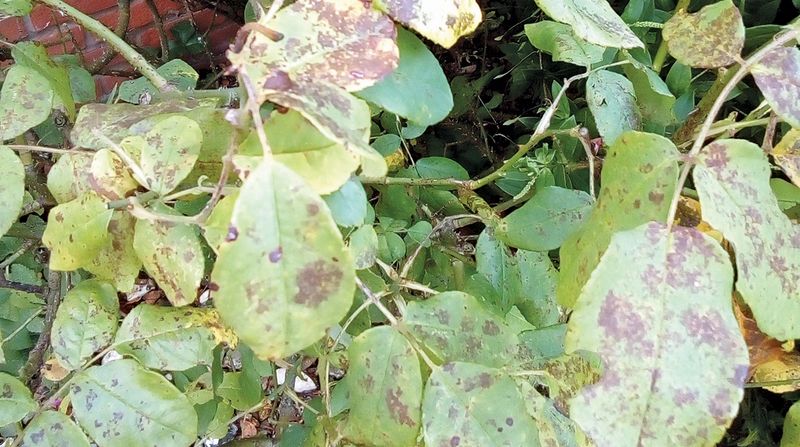
Cercospora leaf spot is one of the most common fungal problems affecting camellias in the Southeast. It typically shows up as small, circular spots with grayish centers and darker borders scattered across the leaf surface.
Phytophthora blight is another concern, especially in areas with heavy clay soil or poor drainage where moisture lingers around the roots. Both spread quickly once summer humidity fully arrives, so May is your window to get ahead of them.
Remove any affected leaves promptly and dispose of them away from the garden rather than leaving them on the ground.
A copper-based fungicide applied in May as a preventative measure can significantly reduce the chances of infection spreading through the summer.
Water management matters here too, since overhead irrigation that wets foliage regularly encourages fungal growth.
North Carolina camellias that get a careful inspection in May, followed by quick action on anything suspicious, almost always come through summer in far better shape than those left unchecked until problems become impossible to ignore.