The April Fruit Tree Care Mistakes Florida Gardeners Keep Making
April in Florida feels like everything in the yard is finally waking up at once. Fruit trees push out fresh growth, blossoms turn into tiny developing fruit, and the promise of a strong summer harvest starts to take shape.
It is an exciting stretch of the season, but it is also one of the easiest times to get things slightly wrong without realizing it. The challenge comes from how quickly conditions shift.
Warm days, fast growth, sandy soils, and sudden rain can all change how your trees respond to care.
Advice that works in other states often does not match what happens in Florida yards, where timing and restraint matter just as much as effort.
Small habits that seem helpful in the moment can quietly reduce flowering, stress roots, or interfere with fruit development later on. If a tree has ever looked full and healthy in spring but delivered a disappointing harvest, the cause often traces back to decisions made right now.
The good news is that most of these mistakes are easy to fix once you know what to watch for.
A few simple adjustments in April can help your trees stay balanced, protect developing fruit, and carry that early momentum all the way into a more productive summer.
1. Skip Heavy Pruning At The Wrong Time
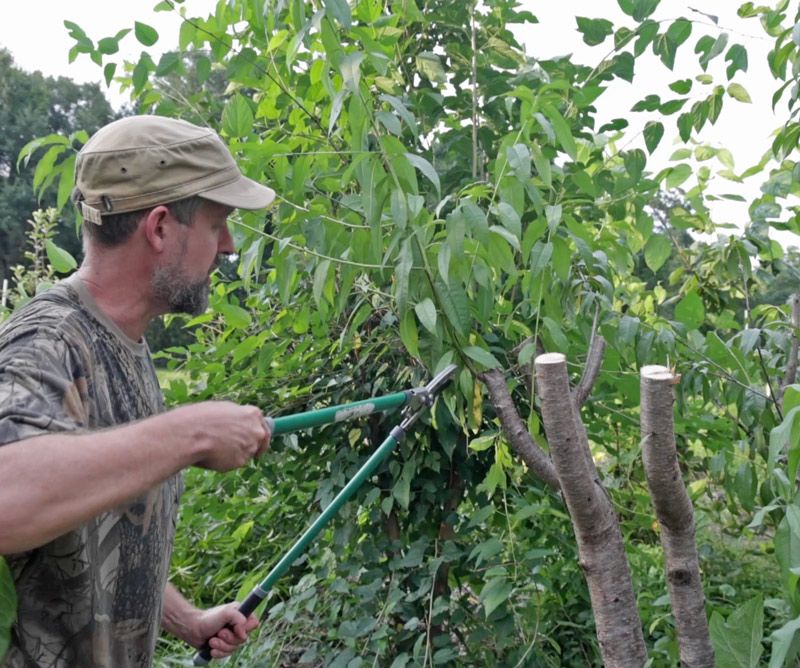
It is easy to look at a fruit tree in April and want to tidy it up, especially after a burst of spring growth. In Florida, that urge often leads to one of the biggest crop reducing mistakes of the season.
Many fruit trees are flowering, setting fruit, or building the wood that supports this year’s harvest, so heavy pruning can remove blossoms, young fruit, and productive shoots all at once.
UF IFAS guidance generally supports major structural pruning during the proper dormant or postharvest period, depending on the fruit type, instead of during active spring bloom and early fruit set.
Peaches, plums, and some deciduous fruits are typically shaped during dormancy or pruned after harvest, which in Florida may occur in late spring depending on the variety, while mango and avocado are usually pruned after harvest or with only light cleanup in spring.
Citrus is another good example because strong spring pruning can expose bark to sun injury, reduce flowering wood, and lower yields in proportion to the foliage removed.
If you are standing there with pruners in April, think light and selective. Remove broken twigs, rubbing branches, weak water sprouts, and any damaged growth from winter weather, but stop before reshaping the whole canopy.
A few careful cuts are usually enough to improve air movement without sacrificing fruiting sites.
The main exception is a safety issue or a branch that is diseased, split, or clearly interfering with structures. Even then, clean cuts matter, and overthinning invites stress in Florida heat.
When you wait for the right pruning window, your tree keeps more energy focused on flowering, fruit set, and steady spring recovery.
2. Avoid Overwatering As Temperatures Rise
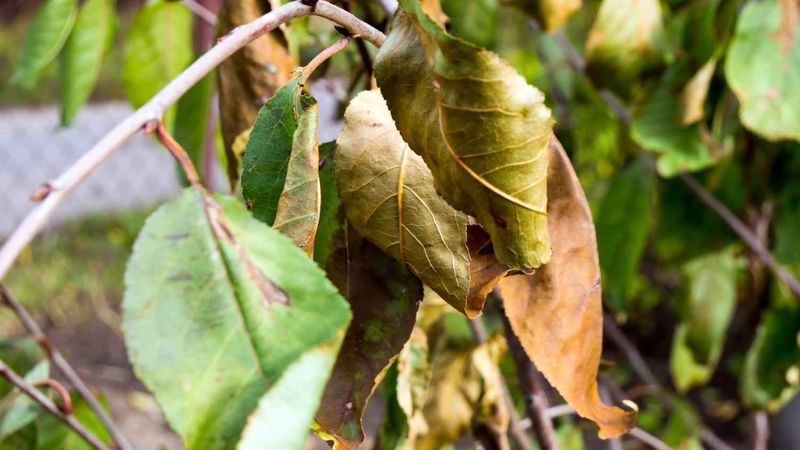
Warm afternoons in April make many Florida gardeners reach for the hose more often, but extra water is not always a favor.
Your Florida Garden Changes Every Week. Your Plan Should Too.
Gardening in Florida changes quickly throughout the season. Every Friday you’ll receive a simple weekly plan showing exactly what to plant, prune, fertilize, harvest, and protect so you never miss the right timing.
Spring weather can swing between breezy dry spells and sudden downpours, which means the root zone may still be moist even when the surface looks dusty.
Fruit trees suffer when roots stay saturated too long, especially in flat yards or heavy spots where water lingers after rain.
One of the clearest signs of overwatering is a tree that looks stressed even though the soil is wet. Leaves may yellow, new growth can appear weak, and the ground may smell stale or stay soggy several inches down.
In Florida’s sandy soils, water also moves quickly, so frequent shallow watering can train roots to stay near the surface instead of growing deeper and stronger.
A better routine is to check moisture before turning irrigation on. Push your finger into the soil or use a simple moisture meter and water deeply only when the upper couple of inches have dried, adjusting for tree age, rainfall, and soil type.
Young trees need more frequent attention than established ones, but both benefit from slow soaking rather than daily sprinkles.
Mulch helps more than many people realize. Keep a two to four inch layer over the root zone, but pull it a few inches back from the trunk so moisture does not stay trapped against the bark.
That simple change steadies soil moisture, reduces runoff, and helps your tree handle Florida’s increasing spring heat.
3. Do Not Fertilize Too Much Or Before Heavy Rain
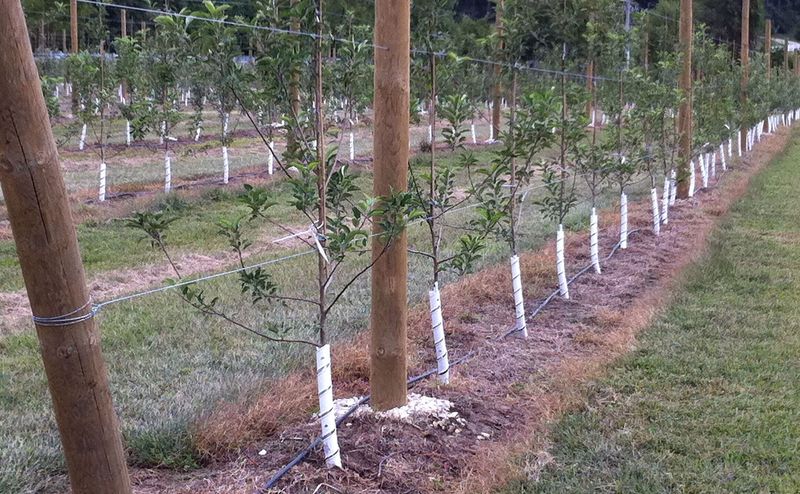
April can feel like the perfect month to feed every fruit tree in sight, especially when new leaves start pushing hard. Still, more fertilizer and earlier fertilizer are not the same thing as better growth in Florida yards.
Applied too heavily or just before heavy rain, nutrients can wash through sandy soil, burn tender roots, or push a leafy flush that does not translate into strong fruit production.
In many cases, April falls within an active feeding period for certain fruit trees, but timing and amounts still need to match the specific crop.
UF IFAS recommendations vary by fruit type, tree age, and region, which is exactly why blanket feeding schedules cause problems.
Citrus, mango, avocado, and deciduous fruits all have different nutrient needs, and young trees should not be handled like mature bearing trees.
Fertilizing before active growth ramps up or just ahead of heavy rain can lead to significant nutrient loss.
The safer move is to use a Florida specific schedule and rate for the exact tree you are growing.
Look for a fertilizer with the right balance of nutrients and any needed micronutrients, then divide annual amounts into smaller applications instead of dumping everything in one spring dose.
Spreading fertilizer evenly under the canopy, but not against the trunk, also reduces stress.
If you have not done a soil test in a while, April is a good reminder to stop guessing. Pale leaves are not always a signal for more fertilizer because poor drainage, root stress, or pH problems can create similar symptoms.
A measured approach protects roots, saves money, and gives fruit trees steadier growth through Florida’s long warm season.
4. Protect New Growth From Late Cold Snaps
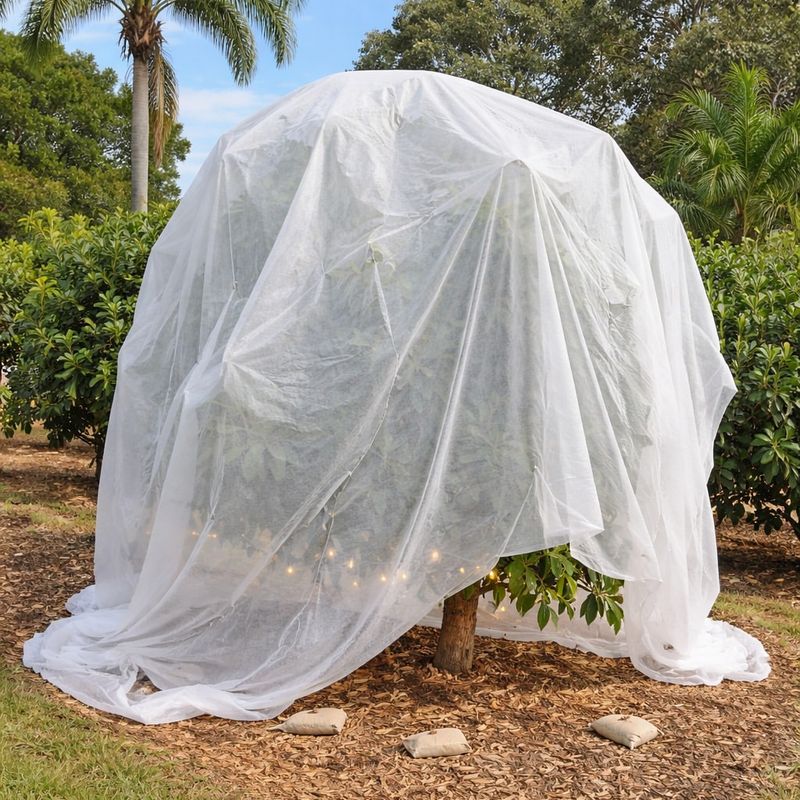
By April, most Florida gardeners are ready to stop thinking about cold weather, yet occasional late cool snaps can still cause trouble, especially in North and Central Florida.
Tender new growth, blossoms, and tiny fruit are especially vulnerable after a warm spell pushes trees into active growth.
Even a brief dip can scar flowers, reduce fruit set, or slow the tree just when it should be building momentum.
This matters most in North and Central Florida, though inland cold pockets can occasionally affect other areas. Trees planted near low spots, open lawns, or exposed corners tend to feel the cold more than those protected by structures or canopy.
According to Florida extension guidance, bloom stage often matters as much as the actual low temperature, because open flowers are more sensitive than tight buds.
If a cool night is predicted, the best protection is planning ahead. Water the soil earlier in the day if it is dry, move potted fruit trees to shelter, and cover small in ground trees with frost cloth, sheets, or blankets that reach the ground to hold in stored heat.
Avoid plastic touching leaves overnight because it can transfer cold directly to tender tissue.
Just as important, do not rush to prune damaged tips the next morning. Wait until new growth resumes so you can clearly see what recovered and what did not.
That patience helps you avoid removing living wood and gives the tree a better chance to rebound naturally once warmer April weather settles in again.
5. Watch For Early Pest Activity
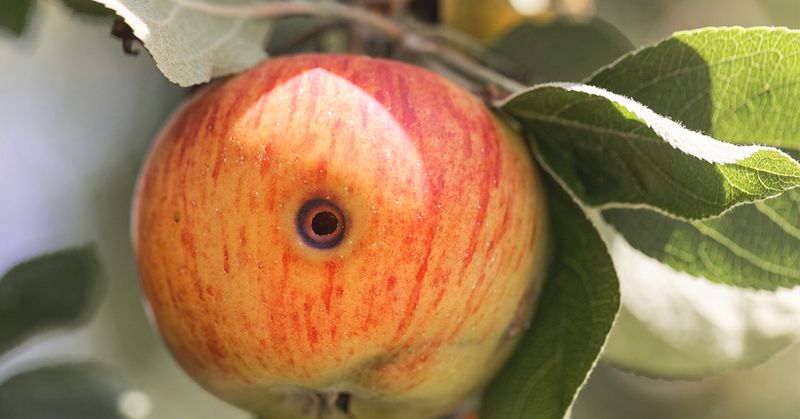
Once spring growth starts, pest populations begin building quickly in Florida’s spring warmth. April is often when early populations start building on tender shoots, flower clusters, and the undersides of leaves, and they are easier to manage when noticed early.
Aphids, scale insects, whiteflies, mites, leafminers, and caterpillars can all show up depending on the fruit tree and your part of the state.
The mistake many gardeners make is treating only after damage becomes obvious from across the yard. By then, curled leaves, sticky honeydew, sooty mold, or distorted new growth can already be affecting vigor and fruit set.
Regular inspection is far more useful than routine spraying, and UF IFAS often emphasizes proper identification before any control step because different pests need different responses.
Take a slow walk around each tree once or twice a week in April. Check fresh growth, flower stems, leaf undersides, and developing fruit, and note whether beneficial insects such as lady beetles or lacewings are present.
Sometimes a strong spray of water, removal of heavily infested shoots, or simply preserving natural predators can keep a small problem from turning into a season long headache.
If treatment is needed, choose the least disruptive option that matches the pest and the crop, and follow label directions closely. Horticultural oils and insecticidal soaps can help in some cases, but timing and temperature matter in warm Florida weather.
Good sanitation, airflow, and careful monitoring usually do more for long term tree health than reacting late with a harsh spray.
6. Do Not Ignore Soil Health And Drainage
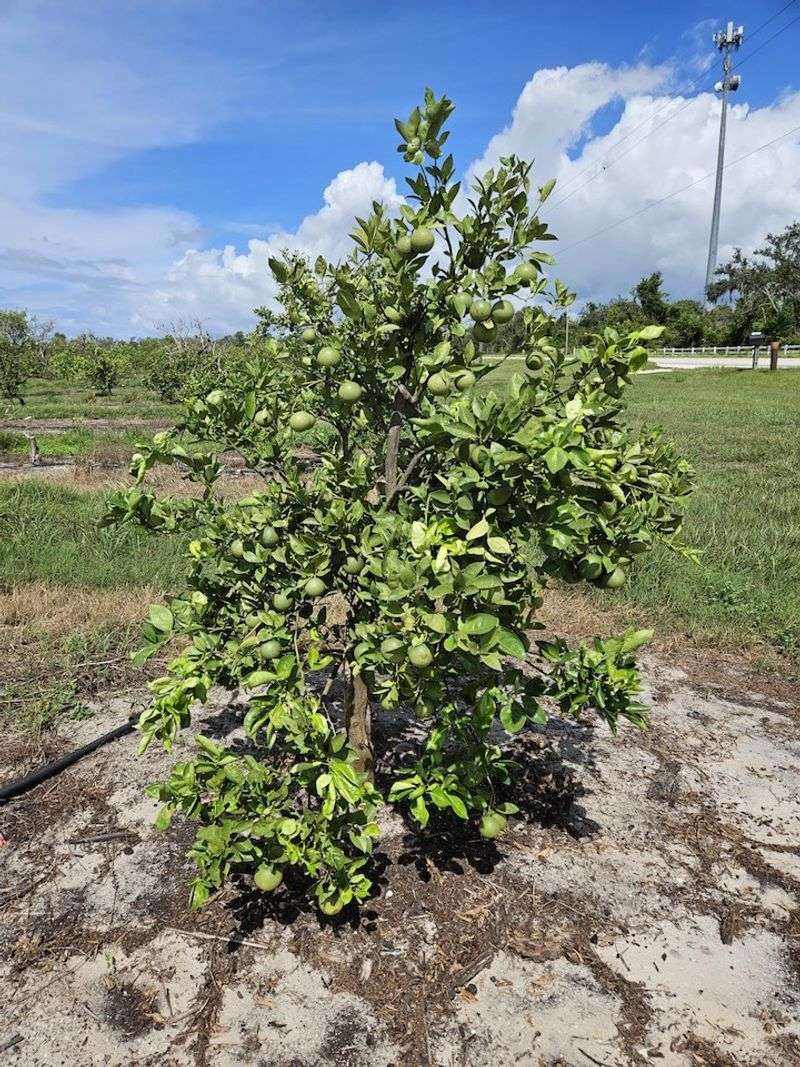
Florida gardeners often focus on what is happening above ground in April, but the root zone tells the real story.
Fruit trees can only perform as well as the soil beneath them, and many problems that look like nutrient deficiency or weak growth are actually tied to poor drainage, low organic matter, or planting depth issues.
In sandy soils, water and nutrients move fast, while in compacted areas they can linger around roots and limit oxygen.
That combination creates confusion because two nearby trees may struggle for opposite reasons. One may dry out quickly on a sandy ridge, while another in a low area stays wet after every storm.
UF IFAS repeatedly stresses matching the tree to the site and avoiding poorly drained locations for many fruit crops, since roots need both moisture and oxygen to stay healthy.
April is a smart time to observe how your yard behaves after rain and irrigation. Watch where puddles collect, where runoff moves, and whether mulch is helping or trapping too much moisture against the trunk.
If drainage is poor, planting on a mound or raised area can make a major difference for trees such as avocado and many stone fruits.
Improving soil health does not mean piling compost into the planting hole and hoping for a miracle. A broad mulch ring, light topdressing with compost, and keeping turf away from the root zone are more practical long term steps.
When you improve drainage and build better soil structure gradually, fruit trees respond with steadier growth, stronger roots, and fewer stress signals during Florida’s fast warming spring.
7. Thin Fruit Early For Better Harvests
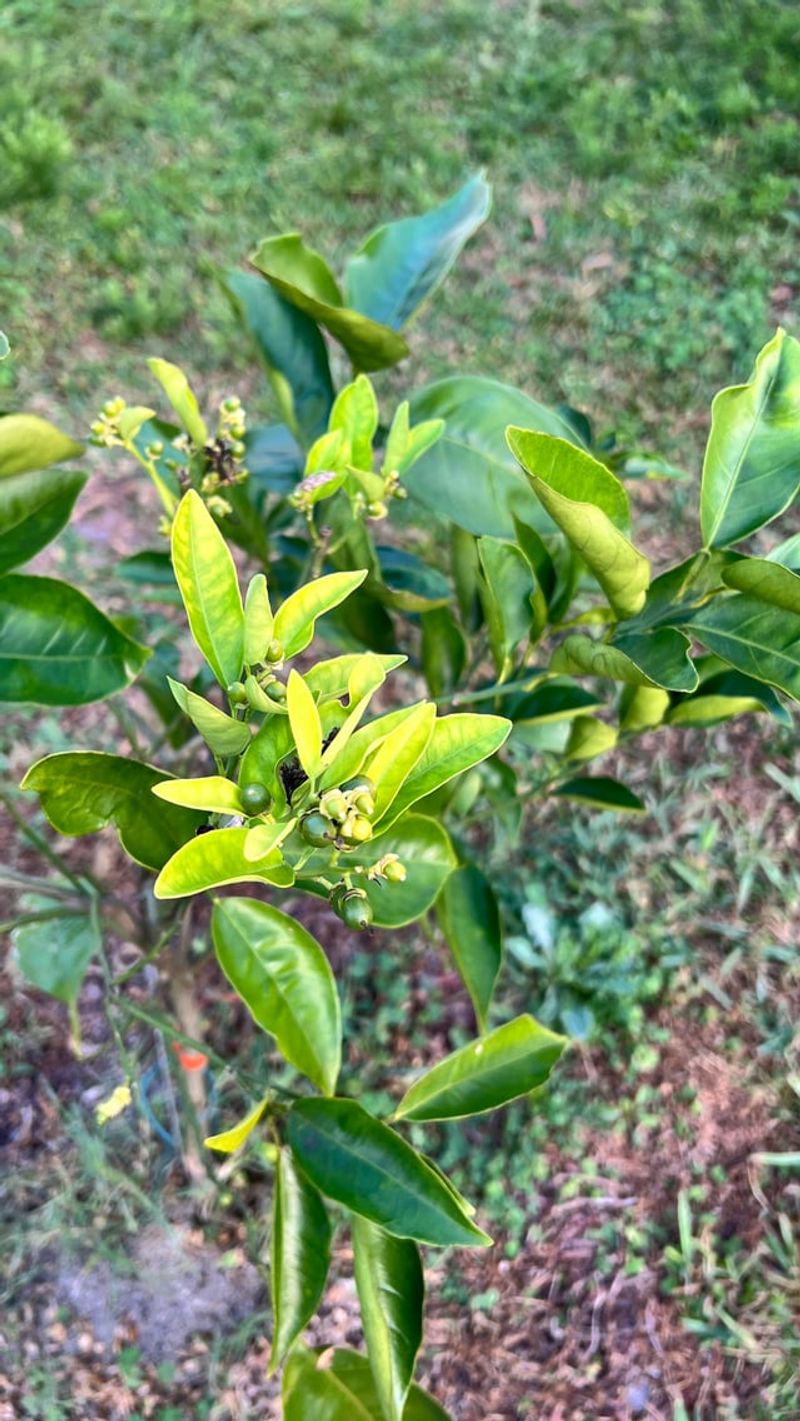
Seeing a tree loaded with tiny fruit in April feels like a win, so many gardeners leave every last one in place.
In reality, an overloaded tree often produces smaller fruit, strained limbs, and inconsistent ripening, especially with peaches, apples in suitable areas, and other heavy-setting fruits.
Thinning is one of those chores that looks counterintuitive until you see the difference at harvest. This step mainly applies to heavy-setting fruits such as peaches and some deciduous varieties and is not typically needed for trees like citrus, mango, or avocado.
Florida conditions make early thinning especially helpful because trees are already managing heat, humidity, pests, and rapid spring growth.
When too many fruit remain, the tree must divide water and carbohydrates among all of them, which reduces size and quality.
Crowded clusters also rub together, hold moisture, and increase breakage risk on flexible young branches as fruit gains weight.
The best time to thin is while fruit are still small, before the tree spends too much energy on them. Remove damaged, misshapen, or crowded fruit first, then space the remaining fruit according to the species and branch strength.
Hand thinning may feel tedious, but it gives you control and lets you inspect the tree closely for insects, twig issues, and branch stress at the same time.
If a branch already looks bowed in April, do not assume it will be fine later. Support it temporarily or reduce the load before strong winds and heavier fruit make the problem worse.
A tree with fewer, better spaced fruit usually rewards you with improved size, more even coloring, cleaner structure, and less chance of branches splitting during the busiest part of the growing season.
8. Do Not Crowd Trees Or Block Airflow
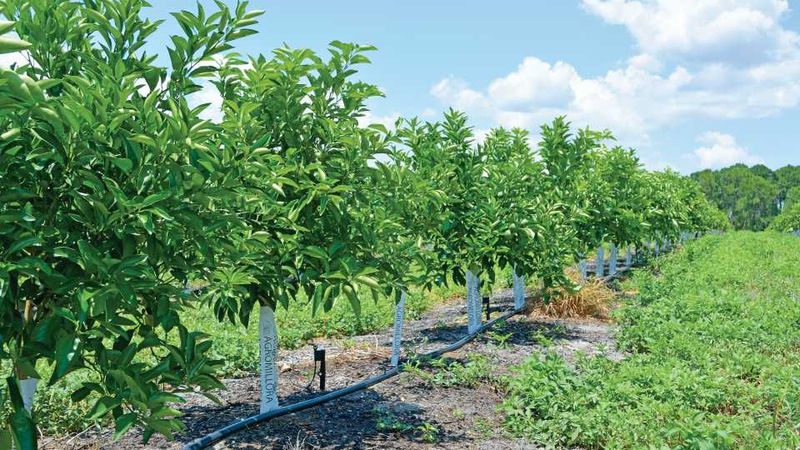
In April, everything in a Florida yard seems to grow at once, and fruit trees can quickly become boxed in by shrubs, vines, fences, or neighboring canopies.
That crowding often goes unnoticed at first, but poor airflow creates a friendlier environment for fungal issues, lingering moisture, and pest pressure.
It also reduces light penetration, which affects flowering, fruit quality, and the drying time of leaves after rain or irrigation.
Humidity is the reason this mistake matters so much in Florida. A tree that stays damp for hours after sunrise is more likely to struggle with leaf spots, mildew, and other disease problems than one that gets good morning light and steady air movement.
UF IFAS guidance often emphasizes proper spacing at planting, but existing landscapes also need spring checkups because nearby plants can fill in surprisingly fast.
Take a wide look at each tree instead of focusing only on the canopy itself. Are hedges pressing against lower limbs, are volunteer vines climbing into the center, or is another tree casting dense shade across the fruiting wood.
Clearing that congestion does not require aggressive pruning of the fruit tree if the real issue is the growth around it.
Give the canopy room to breathe by trimming back encroaching ornamentals, removing weeds and brush from the base, and maintaining an open structure where possible.
Keep mulch neat and avoid stacking potted plants under the tree where humidity can remain trapped.
Better airflow helps leaves dry faster, improves spray coverage when treatment is needed, and supports a cleaner, healthier crop through Florida’s long humid season.