The Best Herb Pairings To Grow Together In Pots In North Carolina
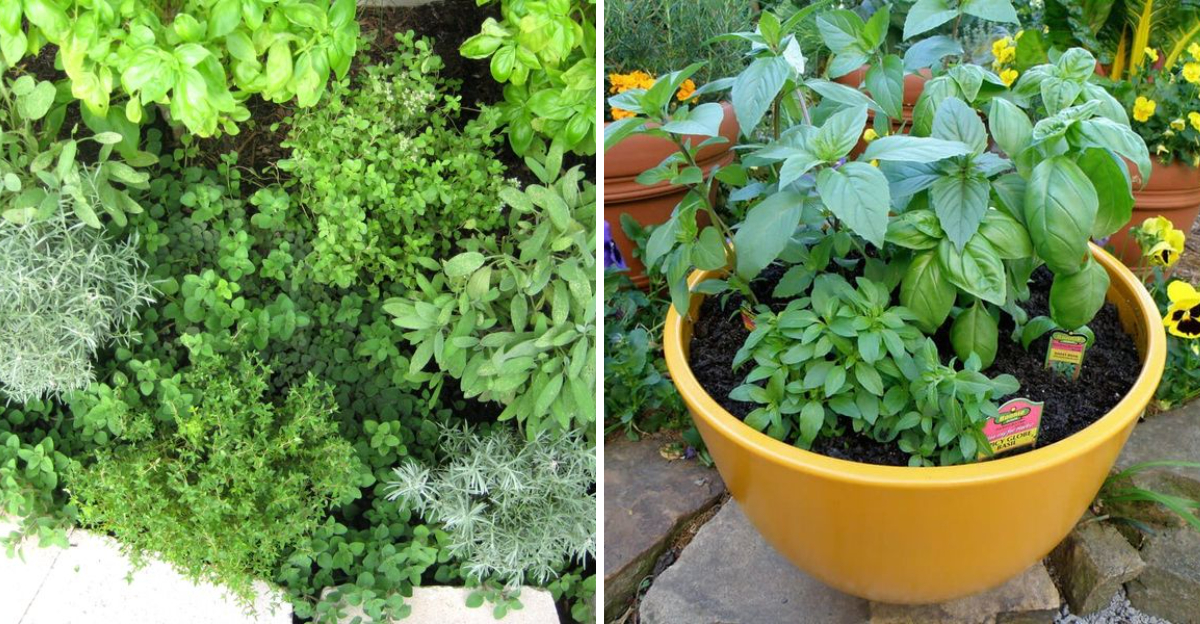
Growing herbs in pots is a great way for North Carolina gardeners to keep fresh flavor close at hand, but pairing the right herbs together can make a big difference in how well they grow.
Some herbs thrive in similar conditions, while others compete for space, water, or sunlight if placed in the same container.
With North Carolina’s warm weather and fast growing season, choosing good combinations helps plants stay healthy and productive instead of becoming crowded or stressed.
The right pairings can also make watering and care much easier, since all the plants in one pot will have similar needs.
Whether you are working with a small patio or a sunny porch, thoughtful herb combinations can turn a simple container into a thriving mini garden. With a little planning, you can enjoy fresh herbs that grow well together and look great all season long.
1. Basil And Parsley
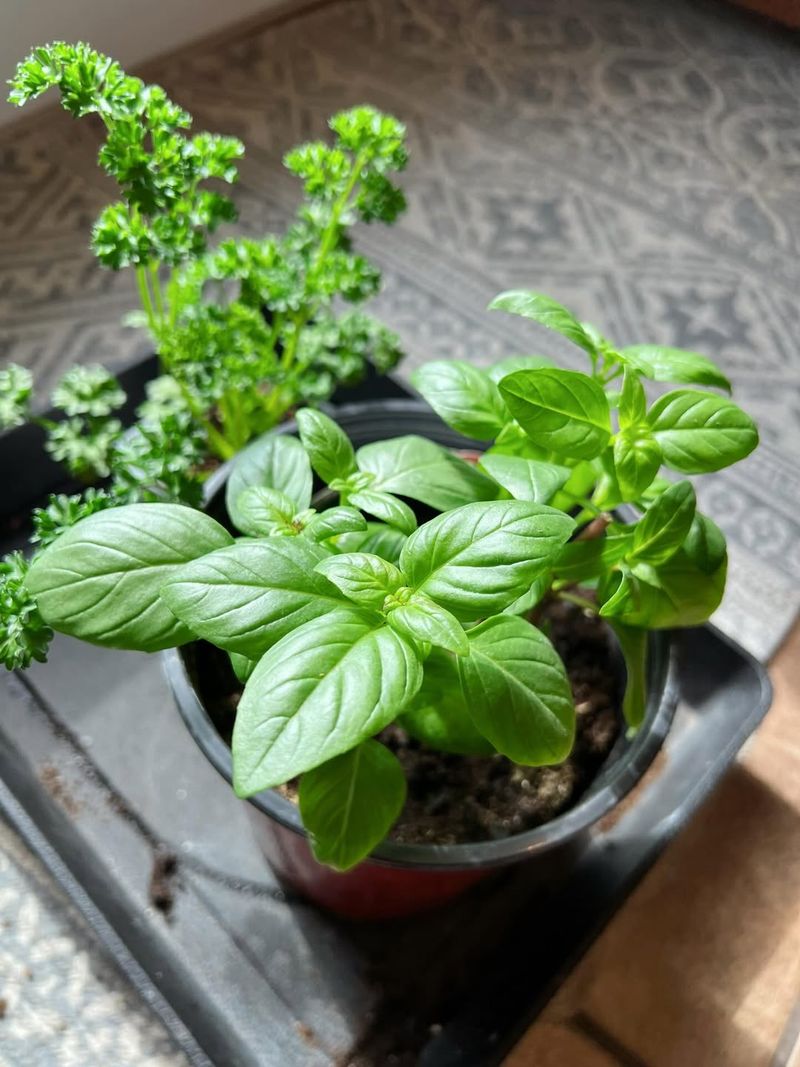
Bright green and full of flavor, basil and parsley make one of the easiest herb pairings for pots in North Carolina. Both like rich potting mix, steady moisture, and plenty of sunshine, so they settle into the same container without much drama.
If you want a reliable starter combo, this one feels simple and rewarding from the first harvest.
In central and eastern North Carolina, give this pot six to eight hours of sun and water when the top inch feels dry. Parsley handles a little light shade, but basil really shines with strong summer light and warm afternoons.
A container at least 12 inches wide gives each plant enough room to fill out nicely.
For the best results, pinch basil often to keep it bushy and cut outer parsley stems near the base. I like using a compost-rich potting mix because both herbs respond fast with soft, flavorful growth.
Feed lightly every few weeks, especially after repeated harvesting during peak growing season.
In the kitchen, you get two workhorses in one spot. Basil lifts pasta, tomatoes, and sandwiches, while parsley freshens soups, sauces, and grilled vegetables.
That kind of everyday usefulness makes this pairing especially smart for North Carolina gardeners who want one productive pot close to the door.
2. Thyme And Rosemary
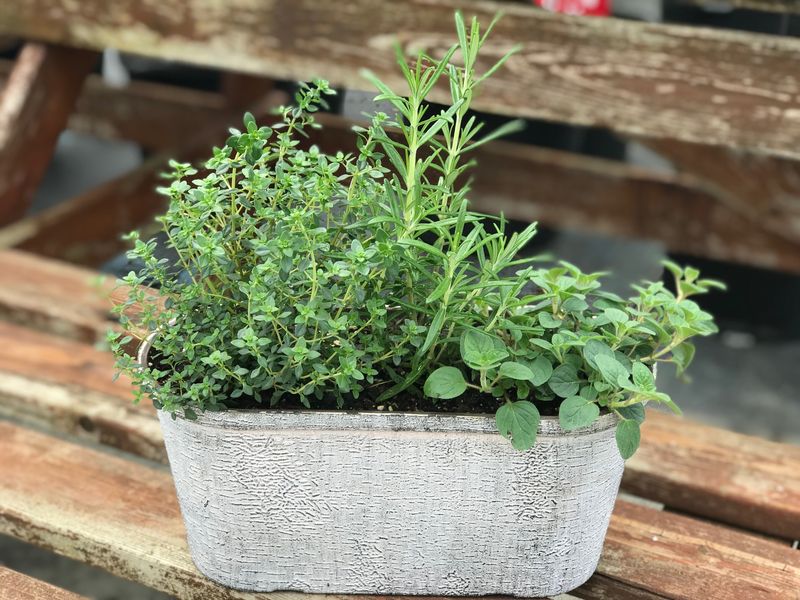
Warm, sunny patios in North Carolina are perfect for thyme and rosemary, especially if you tend to water with a light hand. These Mediterranean herbs like leaner, well-drained soil and do not enjoy staying wet for long.
Paired in a clay pot, they look beautiful and usually stay happy through the hottest stretch of summer.
The key is drainage. Use a gritty potting mix, choose a container with good holes, and skip saucers that hold water after rain.
In humid North Carolina weather, that extra airflow around the roots matters more than many gardeners expect.
Rosemary grows upright and woody, while thyme spreads lower and softens the rim of the pot. That contrast gives you a container that feels full without becoming crowded too quickly.
Place it where it gets at least six hours of direct sun, and more is even better. When you harvest, take small amounts often rather than cutting too much at once. I find that regular snipping keeps thyme dense and rosemary nicely shaped.
Your North Carolina Garden Changes Every Week. Your Plan Should Too.
Gardening in North Carolina changes quickly throughout the season. Every Friday you’ll receive a simple weekly plan showing exactly what to plant, prune, fertilize, harvest, and protect so you never miss the right timing.
For cooks in North Carolina, this pairing is a winner because both herbs bring bold flavor to roasted vegetables, chicken, bread, and potatoes while asking for very similar care from spring through fall.
3. Cilantro And Dill
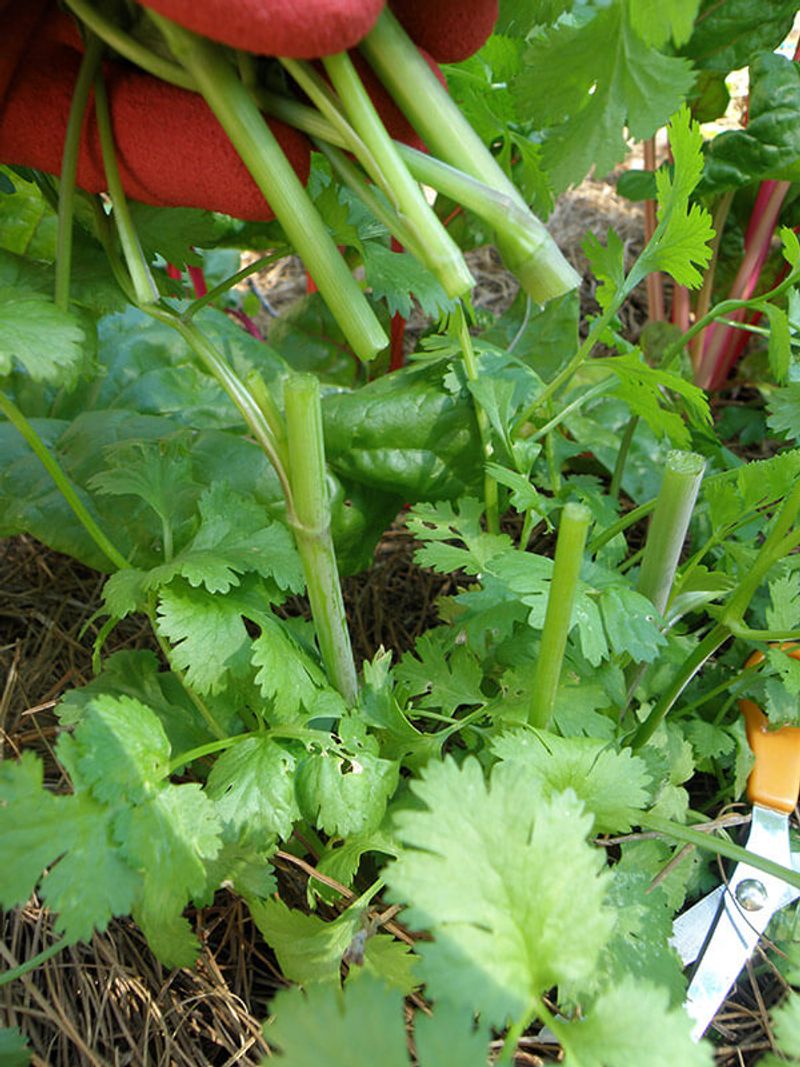
Cooler weather brings out the best in cilantro and dill, which makes this pairing a smart choice for North Carolina spring and fall. Both herbs prefer mild temperatures, evenly moist soil, and bright light that is not too intense all day.
When summer heat arrives, they usually fade faster, so timing matters more than anything.
Start them early in spring or sow again as nights cool down in early fall. In western North Carolina, you may enjoy a slightly longer window, while warmer parts of the state often need earlier planting.
A pot around 10 to 12 inches deep works well because dill develops a longer taproot.
Keep the soil lightly moist and harvest gently once plants are established. Cilantro gives you leafy growth first, then stems and seeds if temperatures climb.
Dill grows airy and upright, adding height and texture that makes the container look lively even before you start snipping.
Flavor is where this duo really earns its space. Cilantro wakes up tacos, rice bowls, and salsas, while dill brightens fish, potatoes, yogurt sauces, and pickles.
If you want a fresh, cool-season herb pot that suits North Carolina weather patterns, this pairing offers quick rewards and plenty of kitchen inspiration with very little complication.
4. Oregano And Marjoram
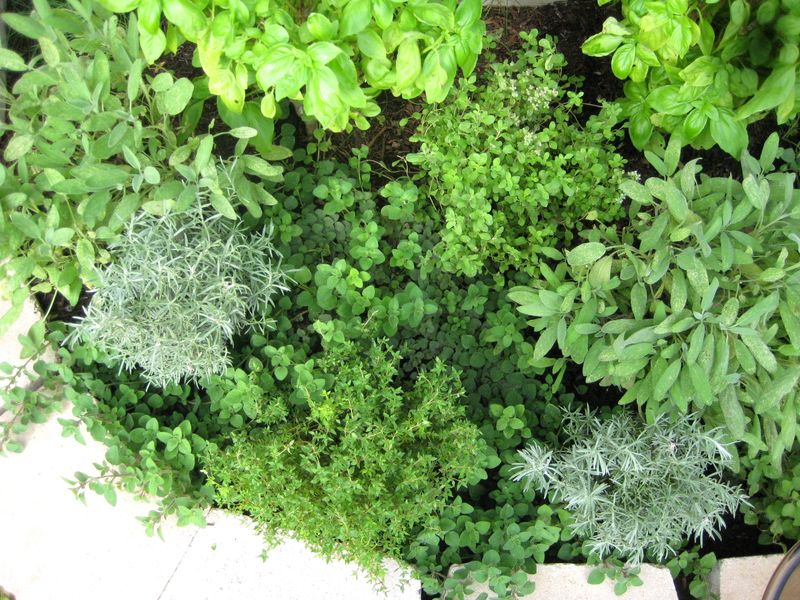
Oregano and marjoram feel like close cousins in a pot, and that family resemblance makes them easy partners in North Carolina. Both prefer full sun, well-drained soil, and moderate watering, so you do not have to juggle different care routines.
If you want a tidy, fragrant container with loads of cooking value, this pairing is a strong choice.
Use a pot that drains quickly, and avoid heavy mixes that stay soggy after summer thunderstorms. In North Carolina humidity, keeping the roots a little drier helps both herbs stay compact and flavorful.
Terracotta works especially well because it releases extra moisture faster than plastic.
Marjoram usually stays softer and slightly sweeter, while oregano grows with a bolder habit and stronger taste. Together, they fill a container nicely without creating the moisture conflict you get with thirstier herbs.
Place the pot in a sunny spot near the kitchen, and you will be more likely to harvest often.
Frequent snipping improves the shape of both plants and gives you tender stems for cooking. I like trimming just above leaf sets so new shoots branch quickly and keep the pot full.
For North Carolina gardeners who love pasta sauce, roasted vegetables, or homemade pizza, this duo brings steady harvests, rich scent, and very manageable care through the growing season.
5. Chives And Tarragon
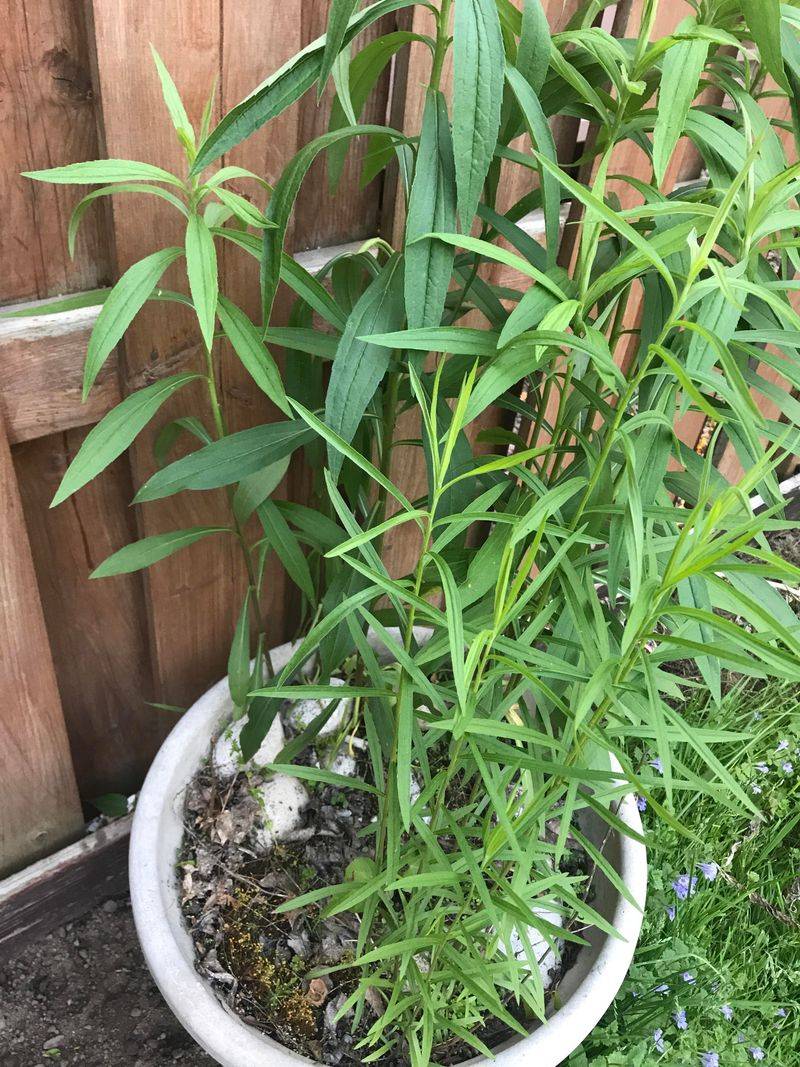
Chives and tarragon make an interesting pot because their textures contrast beautifully while their care needs stay fairly close.
Both appreciate good drainage, moderate watering, and plenty of sun, though a little afternoon shade can help during hotter North Carolina summers. If you want a container that looks graceful and cooks beautifully, this one is worth trying.
Chives grow in upright clumps and stay neat, which helps anchor the pot visually. Tarragon has slender leaves and a softer shape, so the whole container feels airy instead of crowded.
A 12-inch pot with quality potting mix gives both herbs enough root room for a productive season.
Keep the soil evenly moist but never soggy, especially after heavy rain. Chives bounce back quickly after cutting, and regular trimming encourages fresh, tender growth.
Tarragon grows best when you avoid overfeeding, since too much fertilizer can soften flavor and make growth less sturdy.
In the kitchen, this pairing offers more range than many gardeners expect. Chives add a clean onion note to eggs, dips, and baked potatoes, while tarragon brings a gentle anise flavor that fits chicken, fish, and creamy dressings.
For North Carolina container gardening, they work well together because they stay manageable, attractive, and useful without demanding constant attention.
6. Sage And Lavender
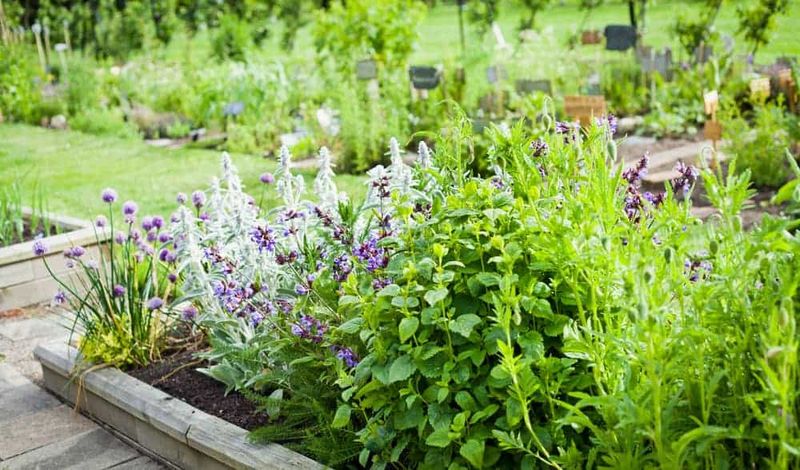
Silvery leaves, soft color, and a dry-soil preference make sage and lavender one of the prettiest herb pairings for North Carolina pots. They both enjoy full sun, excellent drainage, and careful watering, so they fit naturally in the same container.
When you want something useful and ornamental at the same time, this pairing really stands out.
The biggest mistake is giving them too much water. In North Carolina, summer humidity already adds stress, so a fast-draining mix and a sunny, breezy location make a huge difference.
Choose terracotta if possible, and wait until the top layer of soil dries before watering again.
Sage grows with broad, textured leaves, while lavender adds narrow foliage and seasonal blooms that attract pollinators. The contrast looks polished on a porch or patio, especially near seating where you can enjoy the scent.
A deeper pot helps keep roots comfortable and improves stability once the plants size up.
Harvest sage regularly, but trim lavender more lightly unless you are shaping it after bloom. I like keeping this pot near the door because brushing past it releases such a clean, calming fragrance.
For North Carolina gardeners who want drought-friendly herbs with strong culinary and decorative appeal, sage and lavender are a smart, elegant match.
7. Mint Alone
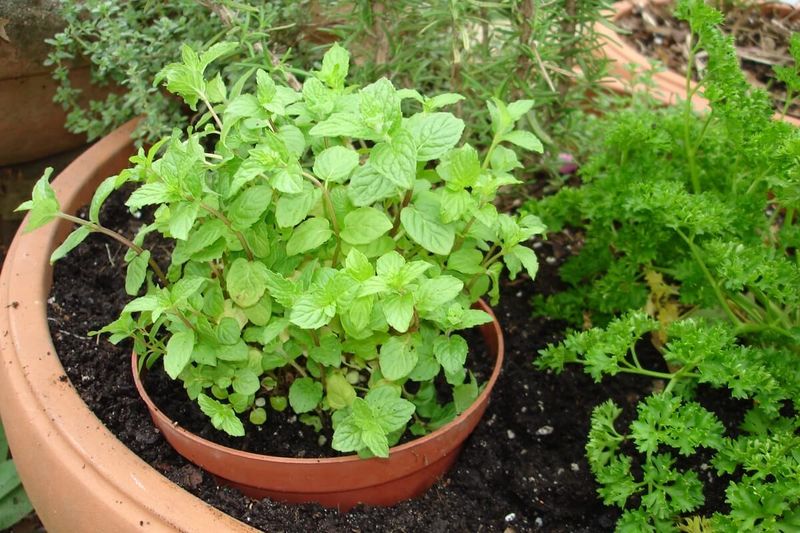
Mint is the important exception on this list because it should usually grow alone in its own pot. In North Carolina, it grows fast, fills containers quickly, and can easily crowd gentler herbs that share its space.
If you love fresh tea, cocktails, fruit salads, or quick garnishes, giving mint a solo container is the smartest move.
Mint likes evenly moist soil and can handle part sun, which makes it useful for patios that get morning light and afternoon shade. During hot North Carolina summers, that slight break from intense late-day sun often keeps leaves looking fresher.
Use a wide pot, since mint spreads outward fast and creates a lush, full look.
Regular trimming keeps stems tender and prevents the plant from becoming messy or overly long. Cut often, pinch tips, and water whenever the surface starts drying out.
A monthly feeding with a light balanced fertilizer can help support steady new growth during the warm season.
Even though mint grows best alone, you can still place its pot beside other moisture-loving herbs for a coordinated container display. I like setting it near seating areas where the scent rises every time the leaves are brushed.
For North Carolina gardeners, a dedicated mint pot gives you abundant harvests, easy control, and far less frustration than mixed planting.
8. Basil And Chives
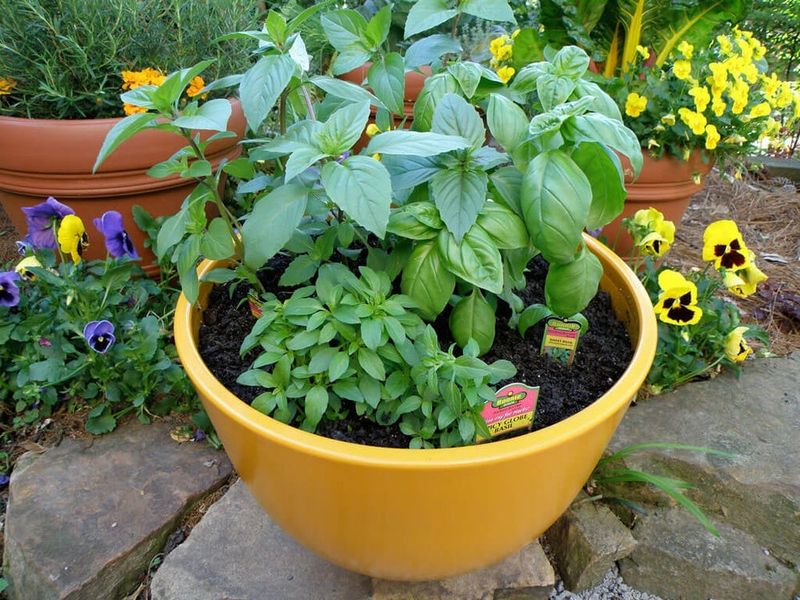
Basil and chives make a cheerful, practical combo for North Carolina containers because both enjoy sun and steady moisture. Their growth habits also balance nicely, with basil forming leafy mounds while chives stay upright and grassy around the edges.
If you want one pot that looks fresh and earns its keep in the kitchen, this pairing delivers.
Use a rich potting mix and a container at least 12 inches wide so roots have enough room. Basil appreciates warm weather, which makes it a natural fit for North Carolina summers, while chives stay productive with regular watering and trimming.
Place the pot where it gets strong morning through afternoon sun for best growth.
One reason gardeners love this pairing is convenience. Both herbs respond well to frequent harvesting, and cutting them often actually improves their shape.
Snip chives down in handfuls when they get long, and pinch basil above leaf nodes to encourage branching and more tender shoots.
The flavor combination works with far more meals than people expect. Basil brightens tomato dishes, pasta, and sandwiches, while chives add a mild onion lift to eggs, salads, and creamy dips.
For North Carolina gardeners who want a dependable summer pot with easy care, attractive contrast, and daily usefulness, basil and chives are an easy yes from planting time onward.
9. Parsley And Chives
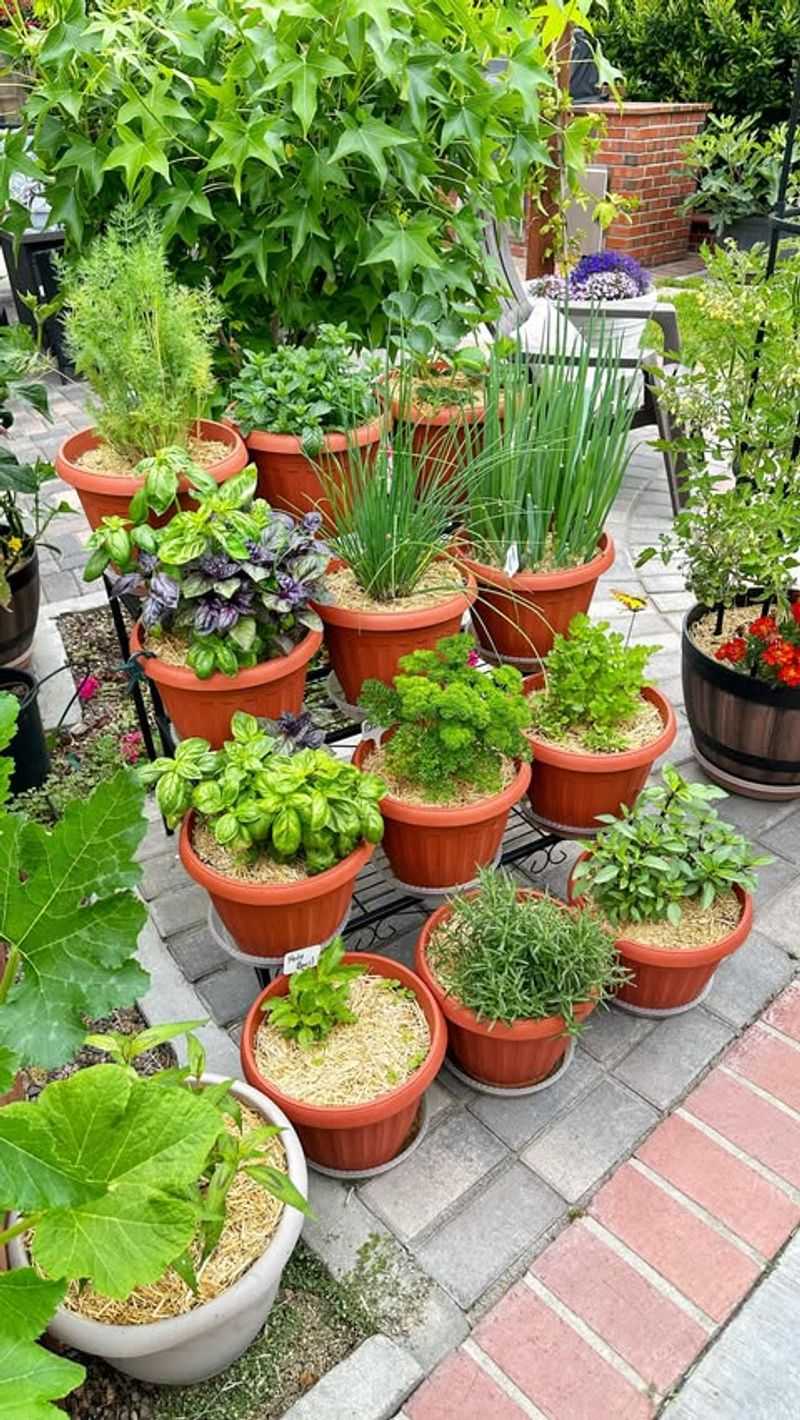
Parsley and chives are one of the most dependable herb pairings you can grow in pots across North Carolina. They stay fairly compact, enjoy similar moisture levels, and handle partial to full sun with very little fuss.
If you want a reliable everyday container, this one checks almost every box for beginners and busy gardeners.
Start with a pot at least 8 inches deep and use a rich, well-draining mix. Parsley likes consistent moisture and rewards you with full leafy growth, while chives bring tidy vertical texture that keeps the planting from looking flat.
In hot North Carolina weather, a little afternoon shade can help parsley stay tender longer.
Harvest from the outside of the parsley plant so new stems keep forming in the center. With chives, cut leaves low and allow fresh blades to regrow between harvests.
I find that this pot stays attractive for a long stretch because neither herb becomes unruly too quickly.
Both herbs earn their place in the kitchen every single week. Parsley freshens soups, grain bowls, dressings, and roasted vegetables, and chives slip easily into omelets, cream cheese, and potato dishes.
For North Carolina container gardens, this pairing makes a lot of sense because it is forgiving, productive, and easy to keep close at hand for quick snips before dinner.
10. Lemongrass Alone Or With Basil
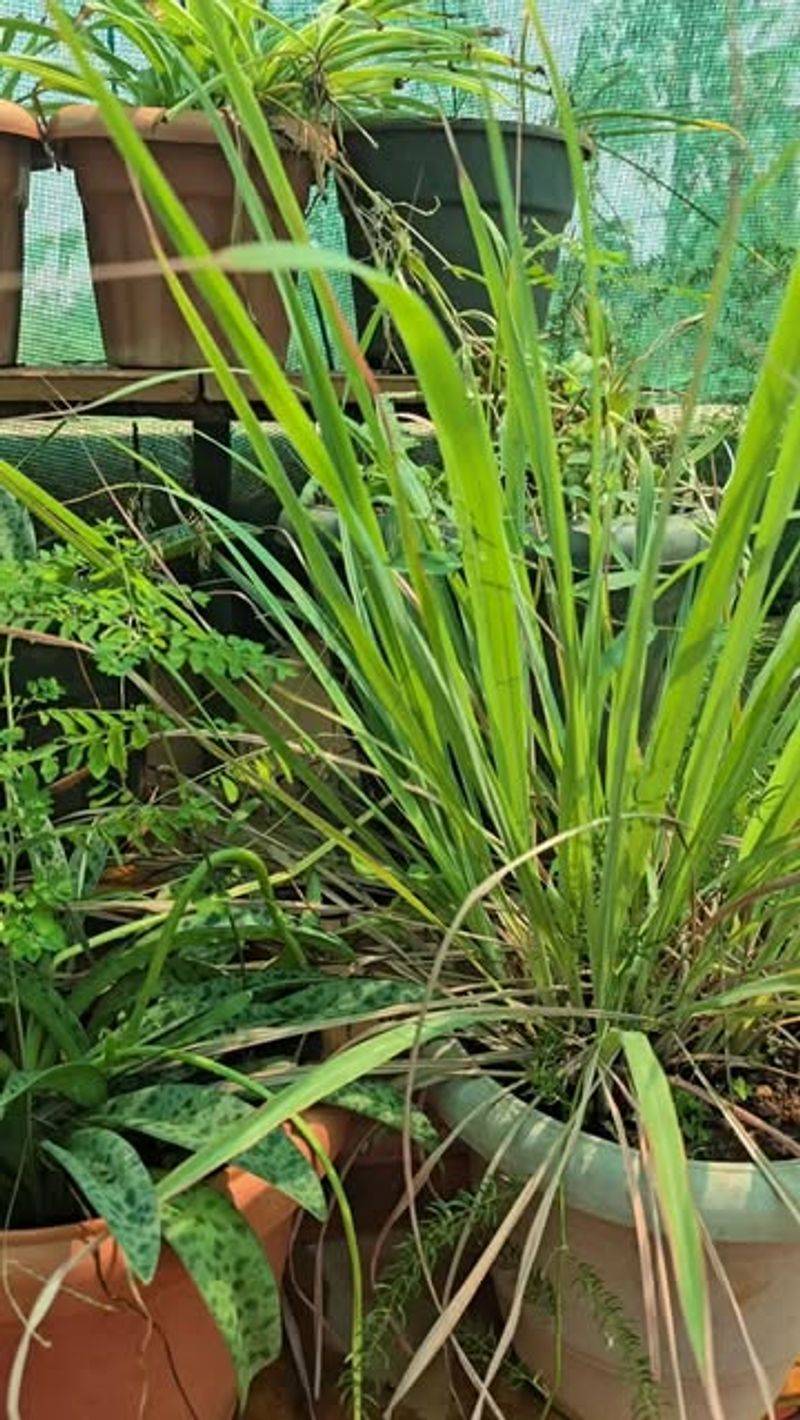
Lemongrass brings height, movement, and a fresh citrus scent to container gardens, and in North Carolina it thrives during warm weather. Because it grows large and likes consistent moisture, it works best either alone or with basil in a roomy pot.
If you choose the shared option, the container needs enough space for both plants to stay comfortable.
A large pot is essential here, ideally 14 inches wide or more with rich, well-draining mix. Lemongrass forms a substantial clump, while basil fills in lower space and enjoys the same steady watering routine.
In sunny parts of North Carolina, both plants appreciate heat and perform well from late spring into early fall.
Keep the soil evenly moist and feed lightly through the growing season to support strong leafy growth. Cut outer lemongrass stalks as needed, and pinch basil often so it stays bushy rather than tall and sparse.
If the pot starts feeling crowded, move basil to its own container before growth slows.
Flavor is the big reward with this pairing. Lemongrass adds bright citrus notes to soups, marinades, and tea, while basil softens and sweetens sauces, salads, and summer dishes.
For North Carolina gardeners who want a bold, productive container with a tropical feel, lemongrass alone or paired with basil offers beauty, fragrance, and excellent harvest potential.