The 8 Oregon Flowers That Grow Better Once The Soil Warms Up
Cold soil can slow a flower down fast, and some Oregon bloomers really do better once the ground finally warms up. Plant them too early, and they may sulk, stall, or sit there doing absolutely nothing while you wonder what went wrong.
That is why timing matters so much in Oregon gardens. Spring can look inviting above ground while the soil underneath is still too chilly for certain flowers to root in well and take off.
Give these heat-loving or warmth-preferring plants a little patience, and they reward you with stronger growth, better blooms, and far less early-season drama.
The payoff is worth the wait. Once the soil warms, these flowers settle in faster, grow with more confidence, and put on a much better show through the season.
Less struggling, less second-guessing, and a garden that actually starts moving when conditions are right. Sometimes the smartest thing you can do is let the soil catch up first.
1. Marigolds
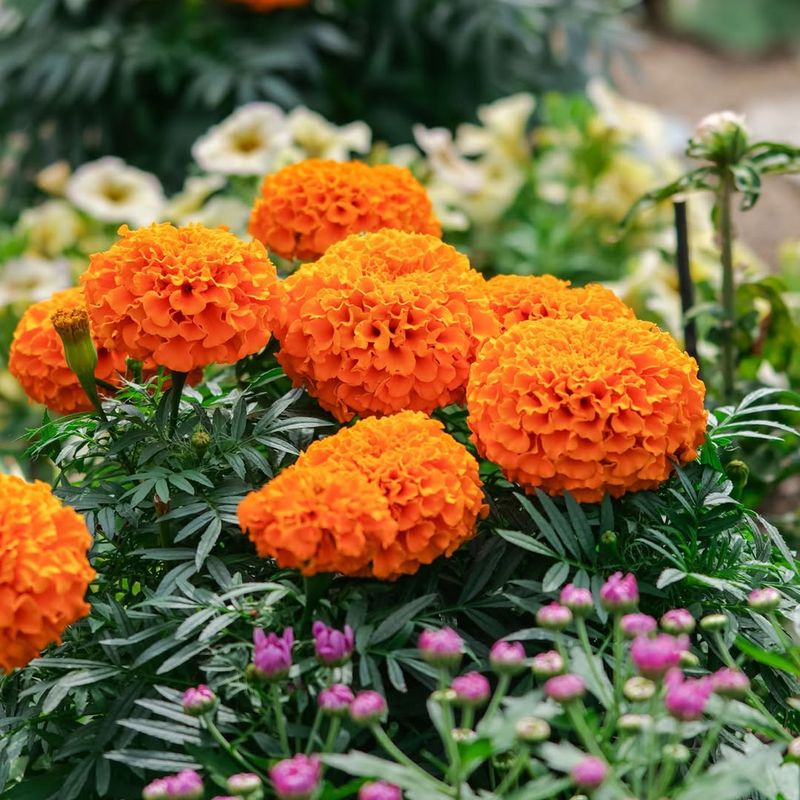
Once Oregon soil finally warms, marigolds stop sulking and start growing with real energy.
You will usually notice faster branching, deeper color, and sturdier stems when they go into the garden after cool spring conditions settle down.That extra patience often saves you from slow, uneven plants.
In many parts of Oregon, marigolds prefer a spot with full sun and soil that drains well.They are dependable choices for borders, vegetable beds, and containers because they bloom hard without asking for much beyond light watering and occasional deadheading.If your yard gets afternoon heat, they handle it better than many spring planted annuals.
Another reason I like them here is their flexibility. You can grow compact French marigolds along a path or choose taller African types for bold patches of color around patios and fences. Both look better when nighttime temperatures are mild and the ground no longer feels cold to the touch.
For the best display, wait until frost risk has passed in Oregon, then plant into loosened soil mixed with compost.
Water regularly for the first couple of weeks, then let the top layer dry slightly between soakings.You will get brighter blooms, tidier plants, and a garden that feels instantly more cheerful.
2. Sunflowers
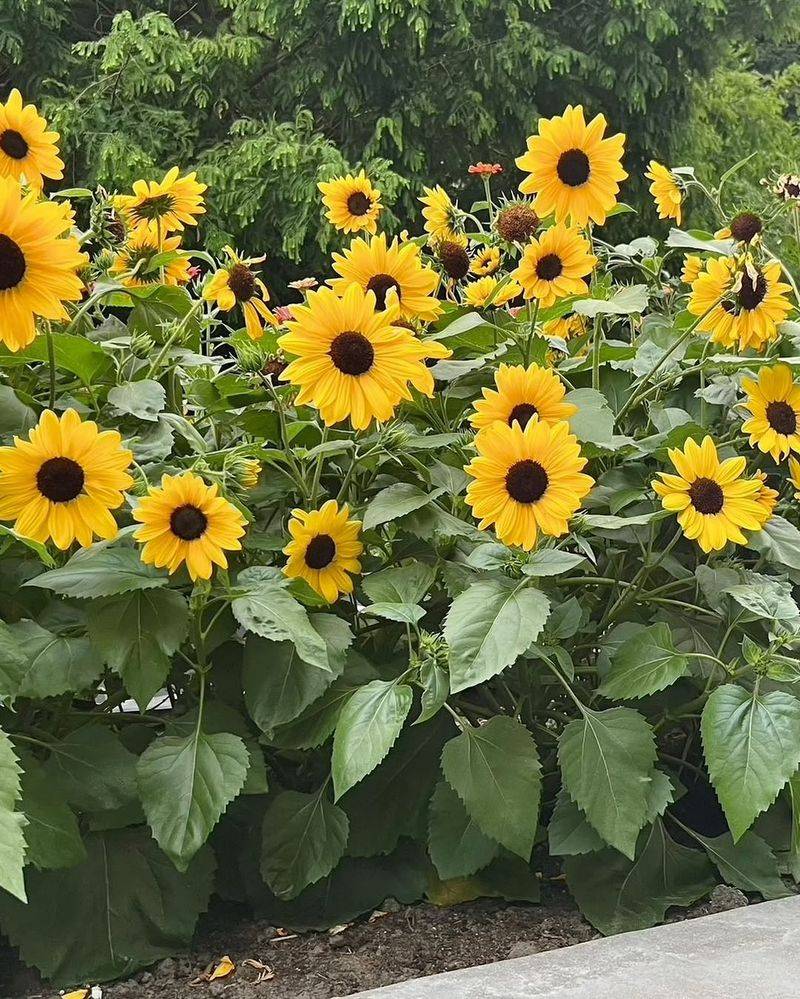
Few flowers make warm ground feel more rewarding than sunflowers.In Oregon, they often germinate better and grow more evenly when the soil has warmed enough to support quick root development.That means fewer patchy rows and a much better chance of strong, upright plants.
If you have ever planted them too early, you probably saw sluggish sprouts or seeds that just sat there waiting.
Sunflowers like sunshine above ground, but they also want comfortable soil below it.Once both are in place, they move fast and often seem to change by the day.
They are useful in Oregon gardens beyond just their cheerful look.Shorter varieties fit nicely in containers and small beds, while giant types bring drama to fences, sheds, and veggie plots.
Pollinators appreciate them, and birds often visit later in the season, which adds even more life to the yard.
Your Oregon Garden Changes Every Week. Your Plan Should Too.
Gardening in Oregon changes quickly throughout the season. Every Friday you’ll receive a simple weekly plan showing exactly what to plant, prune, fertilize, harvest, and protect so you never miss the right timing.
Choose a full sun location with loose soil and decent drainage, then sow seeds directly after the ground has warmed.
Water consistently until seedlings establish, and give tall kinds a little shelter from strong wind if your Oregon garden is exposed.With the right timing, you get sturdier stems, quicker growth, and those classic bright faces that instantly lift the whole space.
3. Morning Glories
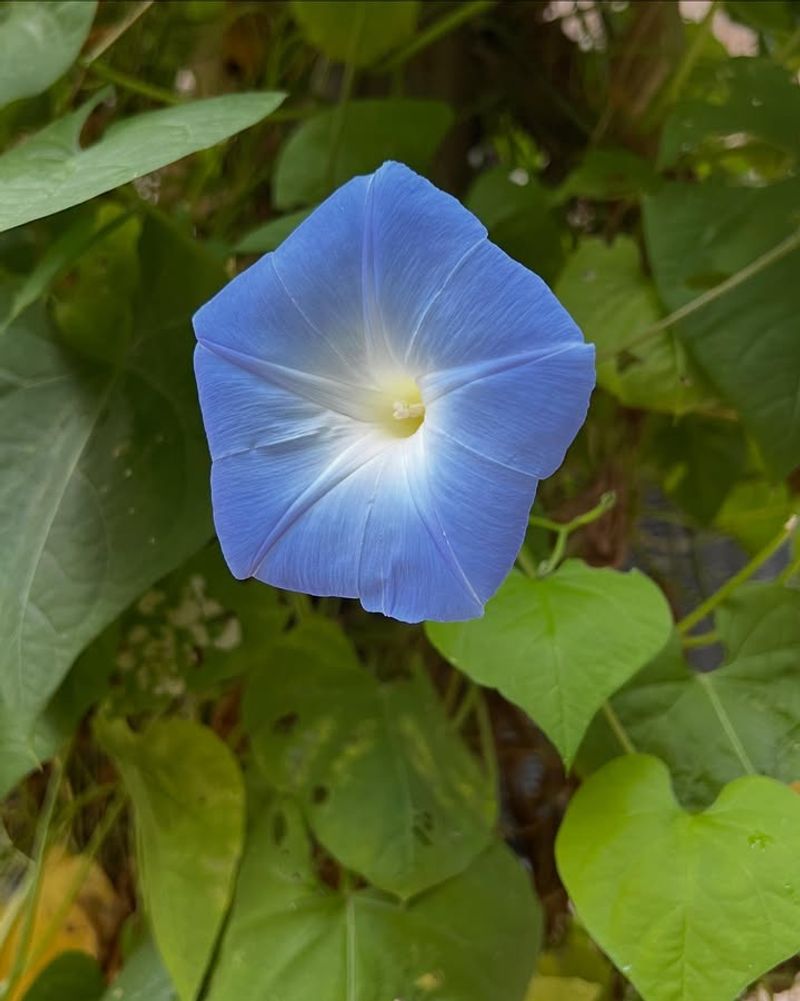
When Oregon finally shifts from chilly spring to gentle warmth, morning glories become much easier to grow.
The seeds sprout more reliably in warm soil, and young vines gain speed once cool nights stop slowing them down. That stronger start matters if you want fast coverage on a trellis or fence.
These climbers are great for adding height without taking up much ground space. You can train them over an arbor, mailbox post, or simple string support, and they will quickly soften a plain corner of the yard.
In many Oregon gardens, they perform best where they get full sun and a bit of protection from strong coastal wind.
Because the seeds have a tough outer coat, many gardeners soak or lightly nick them before planting.
That small step can help them wake up faster, especially once the soil is warm enough to encourage steady growth. After that, they usually need little more than regular water while roots establish.
Try not to overfeed them with rich fertilizer, since too much can encourage leaves over flowers.
A moderately fertile site is often enough for a strong display through summer in Oregon. With patient timing and a simple support, you get lush vines, bright trumpet blooms, and a vertical burst of color that feels almost effortless.
4. Celosia
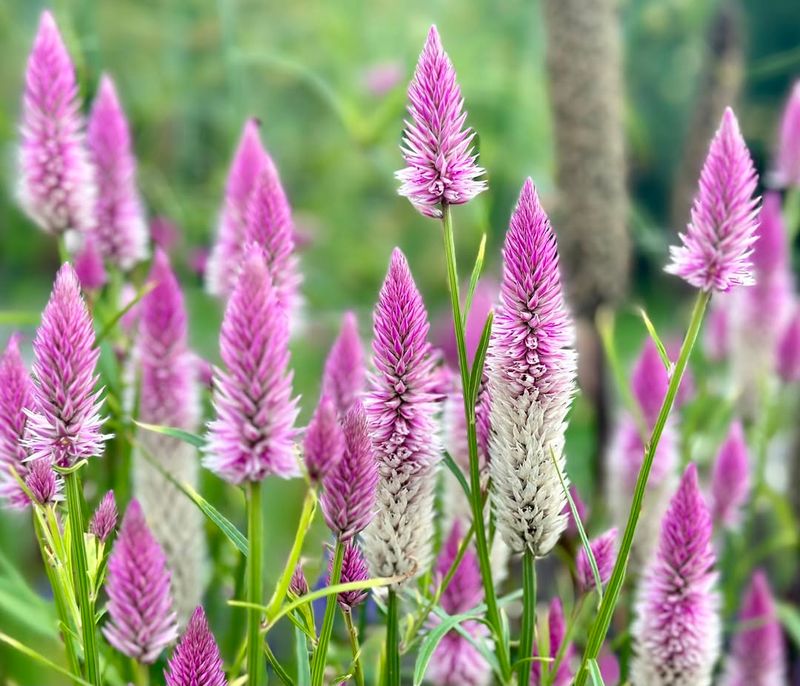
If you want something with unusual texture, celosia is a standout once Oregon soil warms up properly.
It really prefers heat, so planting too early often leads to slow progress and smaller plants that never quite catch up.Waiting for warm conditions gives you fuller growth and much richer color.
Celosia comes in feathery plumes, crested forms, and upright spikes, which makes it easy to use in different garden styles.
You can tuck it into mixed beds, line a sunny walkway, or grow it in containers near a porch where the color feels extra vivid.In Oregon, the brightest blooms usually come from a site with all day sun.
Good drainage is important, especially in areas where spring moisture tends to linger.
Amending the soil with compost helps roots settle in without staying soggy for too long.Once established, celosia handles warm, dry stretches better than many people expect, though regular watering still keeps it looking fresh.
One of the best things about celosia is how long it holds its bold appearance through summer.
It also works nicely in cut arrangements and can even be dried for indoor display around Oregon homes.Plant after the ground warms, avoid crowding, and you will get a striking patch of color that looks playful, polished, and easy to maintain.
5. Portulaca (Moss Rose)
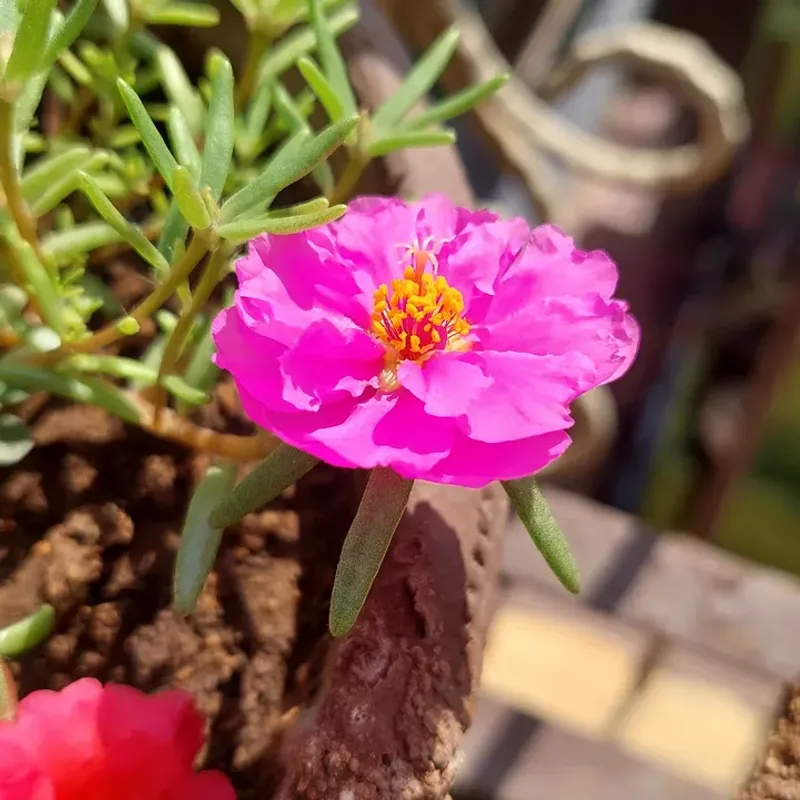
For hot spots that bake in the sun, portulaca can be one of the smartest choices in Oregon once the soil warms.
This flower loves heat and bright light, so it usually performs far better in late spring and summer than it does in cool, damp conditions. That warm start helps it spread quickly and bloom with much less hesitation.
You will recognize portulaca by its low habit, succulent leaves, and bright rose like flowers.
It is perfect for edging, rock gardens, containers, and those dry corners where fussier flowers often struggle. In many inland Oregon gardens, it becomes a reliable color source during the warmest part of the season.
Because it dislikes soggy roots, drainage matters more than rich soil. A sandy or gritty mix is often ideal, and raised beds can help if your native soil holds moisture too long.
Once established, it usually needs less water than many annuals, which makes it helpful for lower maintenance planting plans.
The blooms open best in strong sun, so choose the brightest location you have in Oregon.
Avoid crowding, and let the plants trail a bit over edges for a softer look.If you wait for warm ground before planting, portulaca rewards you with nonstop color, tidy growth, and a cheerful carpet of flowers that handles summer beautifully.
6. Verbena
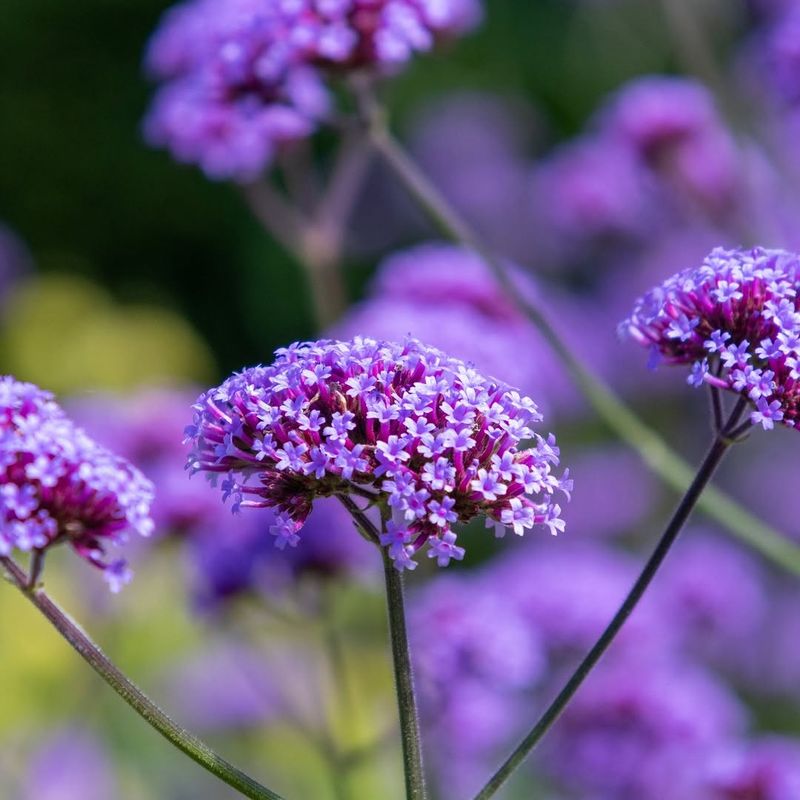
A lot of gardeners in Oregon overlook verbena at first, but it really shines when planted after the soil has warmed.
The roots establish faster in those milder conditions, and the plant puts more energy into flowering instead of simply coping with cold ground. That can mean longer bloom time and a much fuller shape.
Verbena is especially useful if you want steady color without a heavy maintenance routine.
Its clusters of flowers fit well in hanging baskets, containers, borders, and pollinator friendly beds, and many varieties spill nicely over edges. Butterflies love it, which gives your Oregon garden extra movement and charm through summer.
Full sun is the key to the best flowering, and decent air circulation helps keep the plants looking tidy.
Avoid overwatering once they are established, because verbena generally prefers soil that drains well and dries slightly between deep drinks. Light trimming during the season can encourage fresh branching and another wave of blooms.
In cooler parts of Oregon, warm soil gives verbena the stronger launch it needs to look its best all season.
You do not need rich, pampered conditions, just sunshine, smart timing, and a little occasional cleanup.
Planting later rather than earlier often leads to healthier growth, brighter flower clusters, and a garden that stays colorful well into the warm months.
7. Gazania
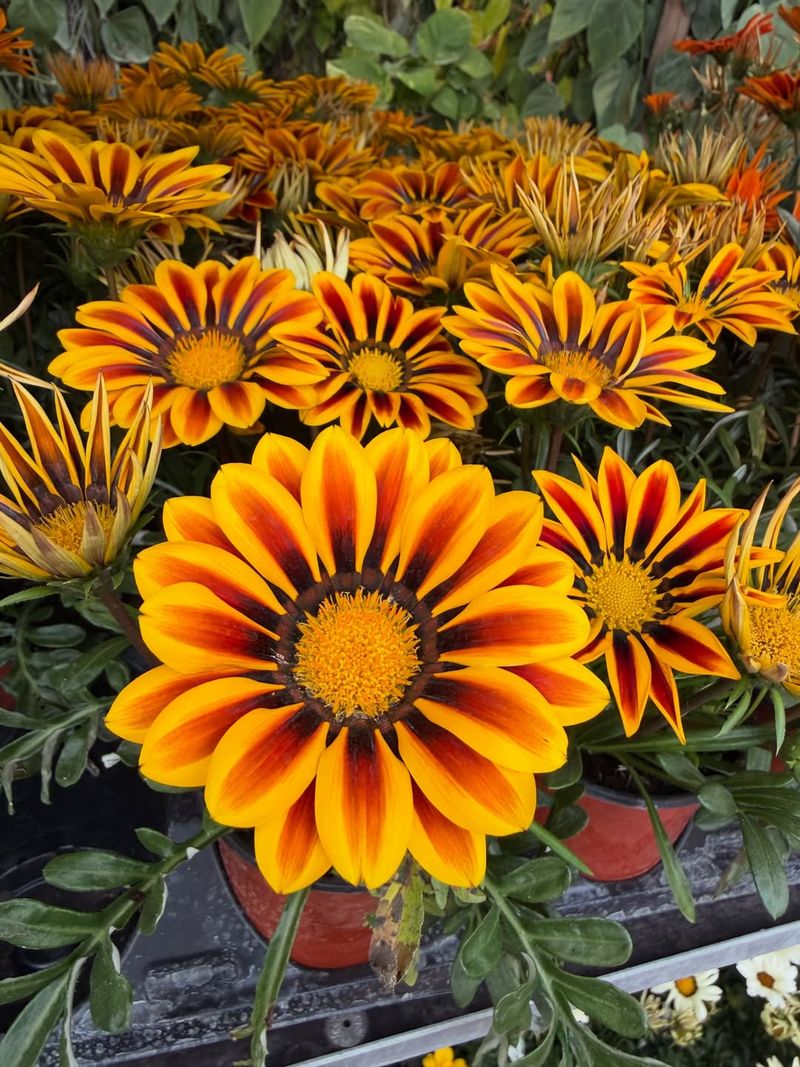
Bright, bold, and built for sunshine, gazania is a great fit for Oregon gardens once the ground has warmed enough. These flowers prefer heat and light, so planting into chilly spring soil often slows them down more than people expect.
Give them warm conditions, and they respond with stronger growth and cleaner, brighter blooms.
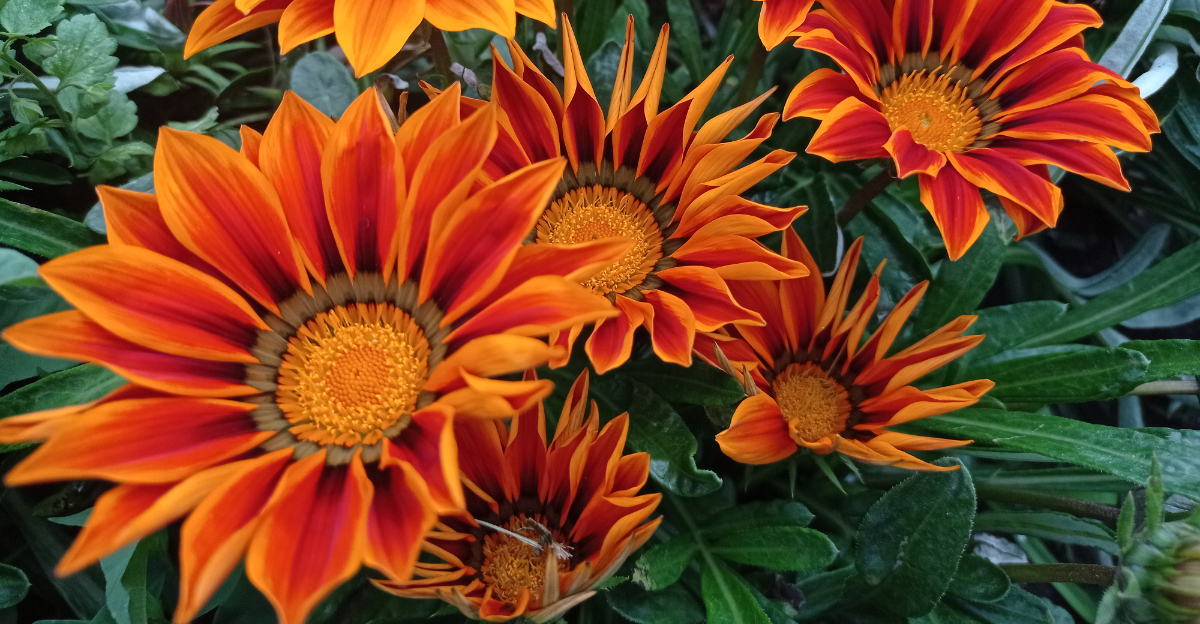
Gazania flowers look almost painted, with vivid stripes and glowing centers that stand out from a distance.
They work especially well in borders, patio containers, gravel gardens, and low beds near walkways where you can enjoy the details up close.In drier parts of Oregon, they can be a practical choice for colorful, lower water planting.
A sunny location is essential because the blooms open best in strong daylight.Soil should drain freely, and overly rich conditions are not necessary for good performance. In fact, gazanias often stay tidier and bloom better when they are not pushed too hard with fertilizer.
Remove spent flowers now and then if you want to keep the display looking fresh, though many plants continue blooming with little extra help.
For Oregon gardeners dealing with summer heat, wind, or reflected sun, that resilience can be very useful. Wait until the soil feels warm, plant them where light is abundant, and you will get cheerful color that holds up well when the season turns bright and dry.
8. Nasturtiums
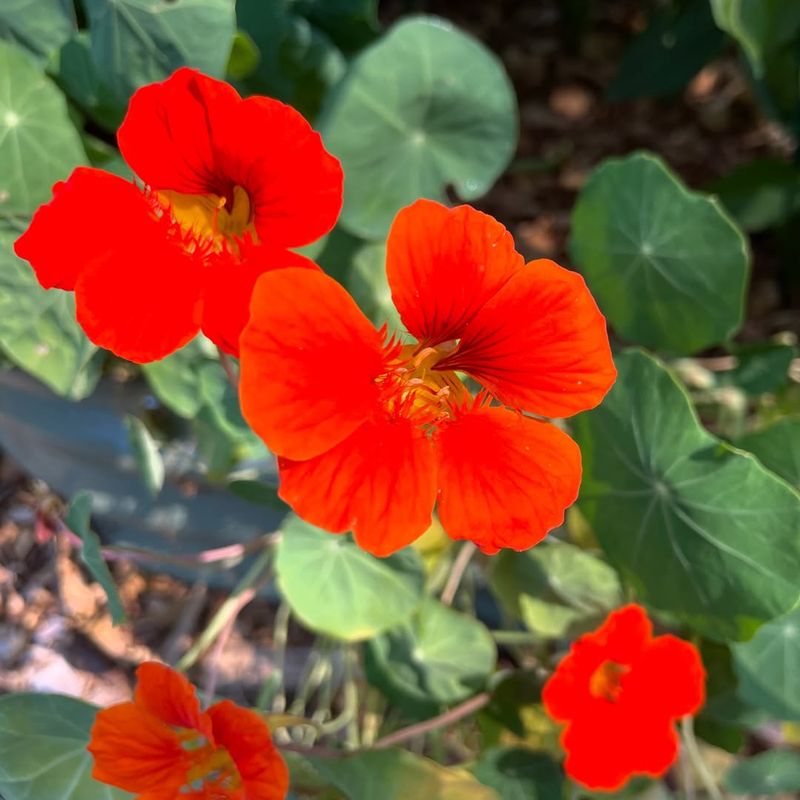
Even though nasturtiums are easygoing, they still appreciate Oregon soil that has warmed beyond the early spring chill. Seeds usually sprout more evenly then, and young plants settle in without that stalled look cool weather can cause. If you want quick color and lush trailing growth, warmer timing helps a lot.
These flowers bring more than just beauty to the garden. The round leaves and bright blooms have a loose, cheerful look, and both are popular in kitchen gardens because they are edible. Nasturtiums fit beautifully in Oregon raised beds, window boxes, hanging baskets, and around vegetables where they soften hard edges.
One surprise for many gardeners is that they do better in average soil than in very rich ground. Too much fertility can lead to lots of leaves and fewer flowers, so keep conditions fairly simple. Full sun works best in cooler Oregon areas, while a little afternoon shade can help in hotter inland spots.
Soak seeds overnight if you want to encourage faster germination, then plant after the soil has warmed and frost danger has passed.
Water regularly while seedlings are young, but do not keep the ground overly wet. With smart timing, nasturtiums reward you with bright flowers, trailing stems, and a relaxed cottage garden feel that suits many Oregon landscapes.