Why Michigan Deer Destroy Arborvitae In Winter And The Plants They Always Skip
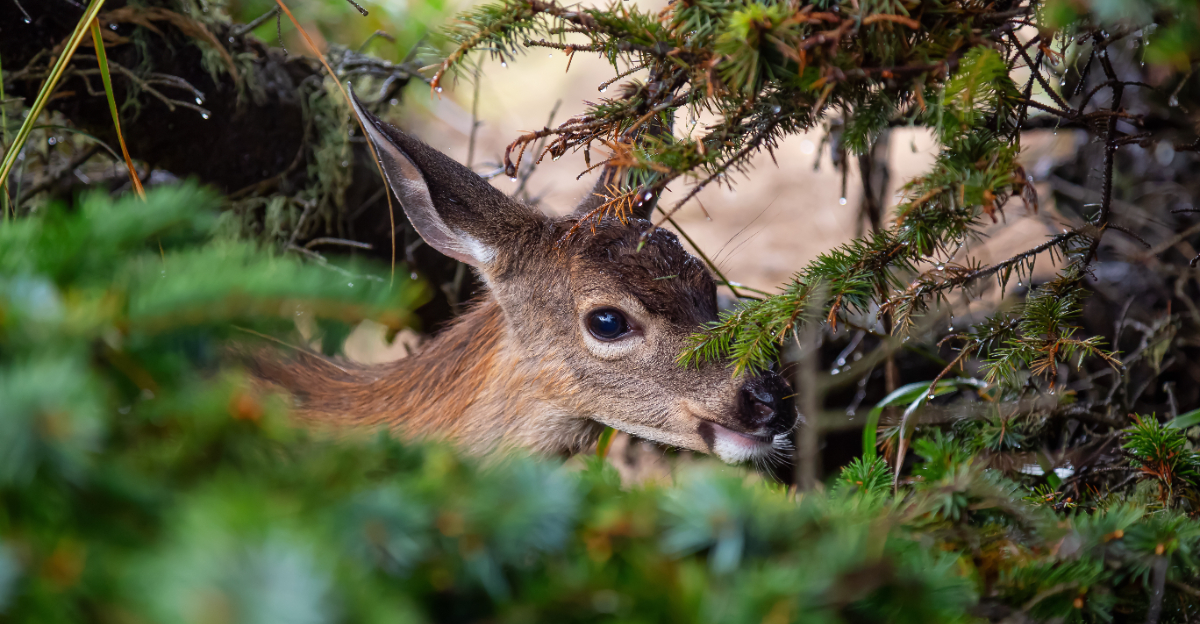
Arborvitae may look tough, but Michigan winters turn them into one of the most tempting food sources for deer. When snow covers the ground and other plants are harder to reach, deer rely on whatever stays green and accessible.
Arborvitae fit that need perfectly, with soft foliage that is easy to eat and available all season long. In areas with high deer pressure, these shrubs can be browsed repeatedly, leaving them thin, uneven, or struggling to recover by spring.
This pattern frustrates many homeowners who expect arborvitae to provide reliable privacy year round. The good news is not all plants attract the same attention.
Some are naturally less appealing to deer and can hold up much better through winter. Understanding why arborvitae get targeted can help you choose smarter alternatives and create a landscape that stays full and intact even when food is limited.
1. Arborvitae Is One Of Deer’s Preferred Winter Foods
Arborvitae sits near the top of the winter menu for deer in Michigan, and that surprises many homeowners at first. The foliage stays green, soft, and easy to nibble when lawns, perennials, and woodland plants disappear under snow.
Because Thuja occidentalis is common in neighborhoods across the state, deer learn quickly where dependable food waits.
What makes arborvitae so vulnerable is its texture. The branch tips are tender compared with many other evergreens, and deer can reach them without much effort.
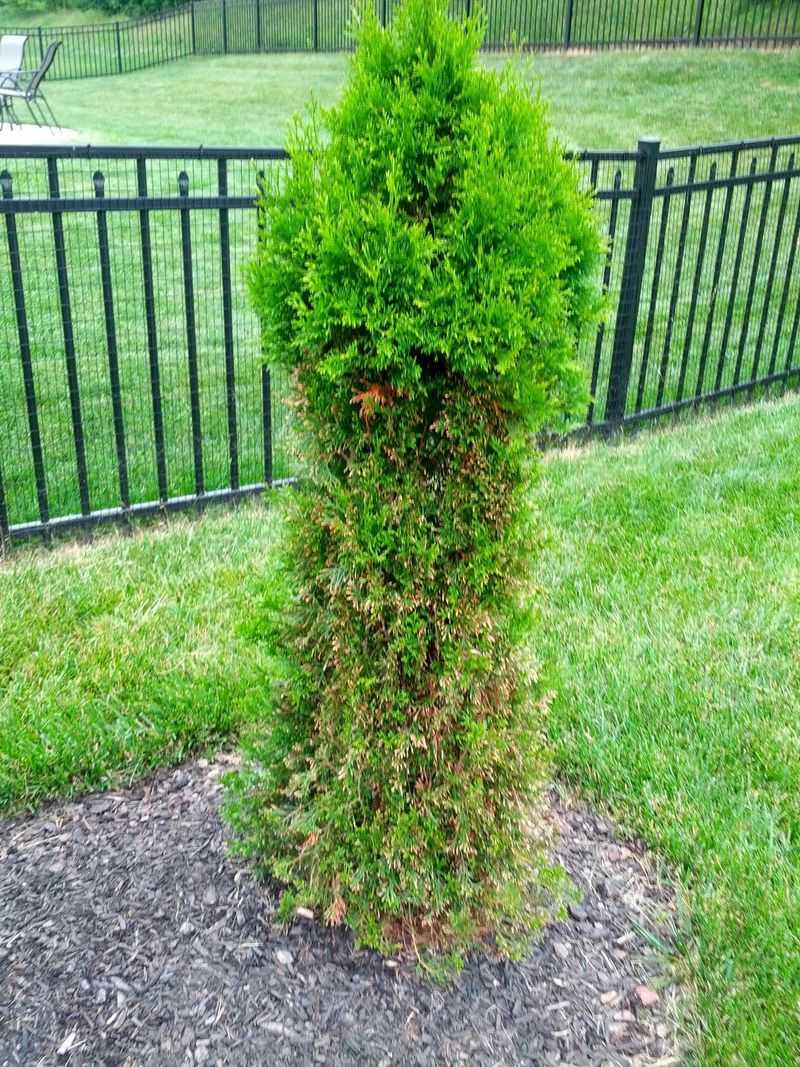
In a Michigan yard with regular deer traffic, a hedge can look full in fall and noticeably thinned by late winter.
You can often spot the pattern right away. Lower branches get stripped first, while taller green growth remains above browsing height, creating that familiar bare-bottom look.
If you live near woods, farmland, or a greenbelt, the pressure usually rises even more because deer move through those areas daily.
Knowing arborvitae is a favorite helps you plan smarter. If you want to keep it, protect it early with netting, burlap wraps, or a sturdy barrier before deep winter settles in.
In Michigan, waiting until damage appears usually means deer already marked your hedge as a reliable food stop.
2. Winter Food Scarcity Forces Heavy Browsing
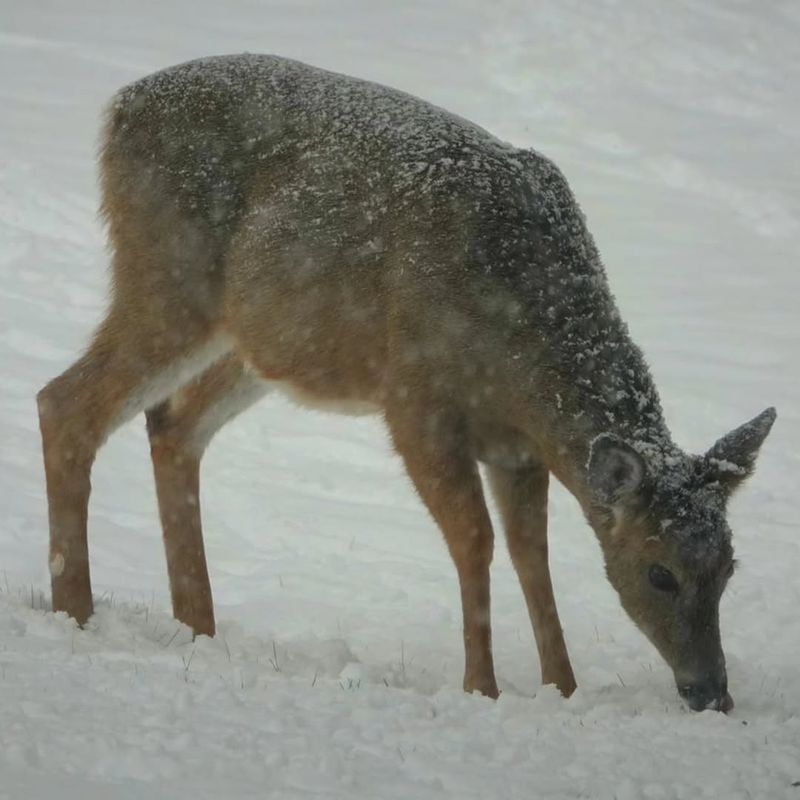
Once winter tightens its grip in Michigan, deer face a much smaller buffet than they enjoy in spring and summer. Snow covers low plants, ice seals in tender growth, and many natural food sources become hard to reach.
That pressure pushes deer toward whatever stays exposed, green, and easy to eat.
Arborvitae checks every box. It stands above the snow, keeps its foliage through winter, and often grows in neat rows right beside driveways, sidewalks, and patios.
From a deer’s point of view, a suburban Michigan hedge can be easier to browse than many native plants hidden in the woods.
Cold weather also increases the problem because deer keep conserving energy. They choose food that takes little effort to find and little effort to reach, which makes accessible shrubs especially attractive.
If several deer visit the same property, they can remove a surprising amount of foliage in a short stretch of harsh weather.
Your Michigan Garden Changes Every Week. Your Plan Should Too.
Gardening in Michigan changes quickly throughout the season. Every Friday you’ll receive a simple weekly plan showing exactly what to plant, prune, fertilize, harvest, and protect so you never miss the right timing.
You may notice heavier browsing after prolonged snow cover or during especially cold spells. That does not mean your yard is unusual.
It means your arborvitae became one of the most convenient winter food sources nearby. In Michigan landscapes, the simplest way to reduce that pressure is to combine barriers, repellents, and better plant choices before food scarcity peaks.
3. Repeated Browsing Prevents Recovery
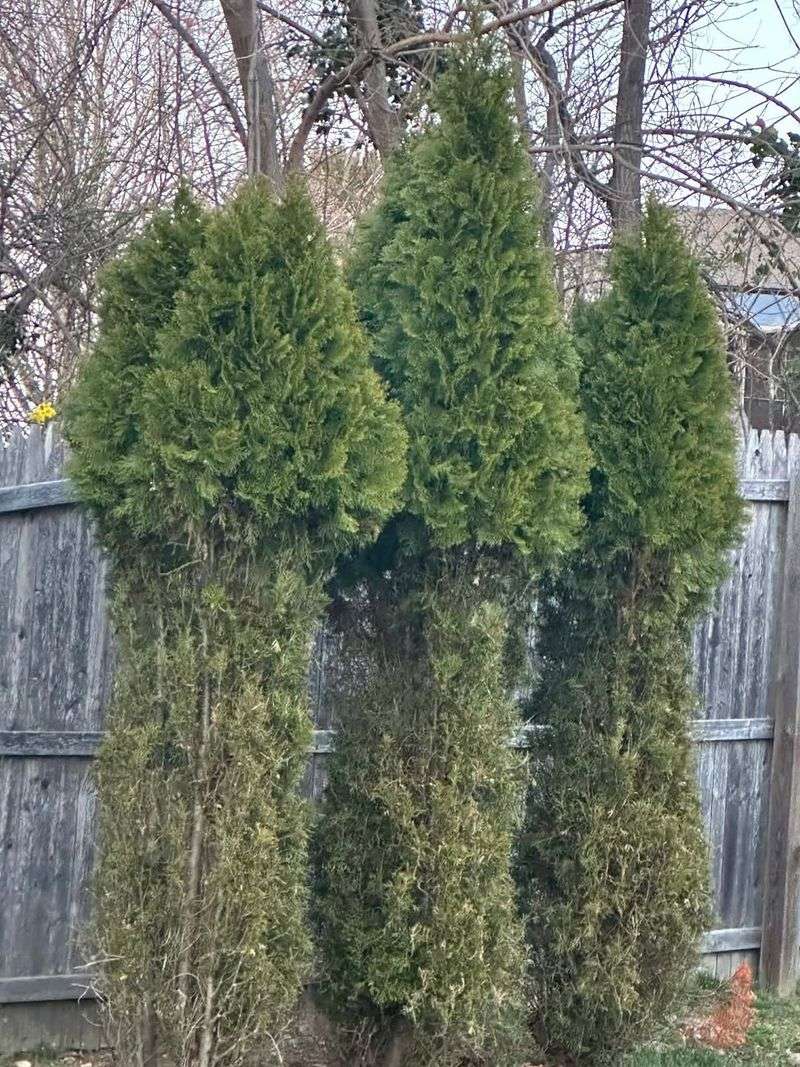
The first round of browsing is frustrating, but the real trouble starts when deer return to the same arborvitae again and again. In Michigan, that repeat feeding is common because deer remember reliable food locations through the season.
A hedge near a travel path can become part of their regular routine all winter long.
Arborvitae does not bounce back well from constant removal of outer growth. Those green branch tips hold the foliage that captures light and keeps the plant looking dense.
When deer keep clipping new shoots, the shrub loses its full shape, and bare areas often stay visible for a very long time.
Another issue is timing. Winter browsing happens when plants are already under stress from cold, wind, and frozen soil, so recovery starts slowly in spring.
If the same hedge gets hit year after year in Michigan, gaps widen, lower sections thin out, and the screen you planted for privacy becomes uneven.
You can improve the odds by acting before deer establish the habit. Strong fencing, temporary cages, or wrapping individual shrubs can interrupt that pattern and give plants a chance to hold new growth.
If your arborvitae already show severe thinning, replacing the worst plants with more deer-resistant choices may save you time, money, and a lot of future frustration.
4. Common Juniper Is Usually Left Alone
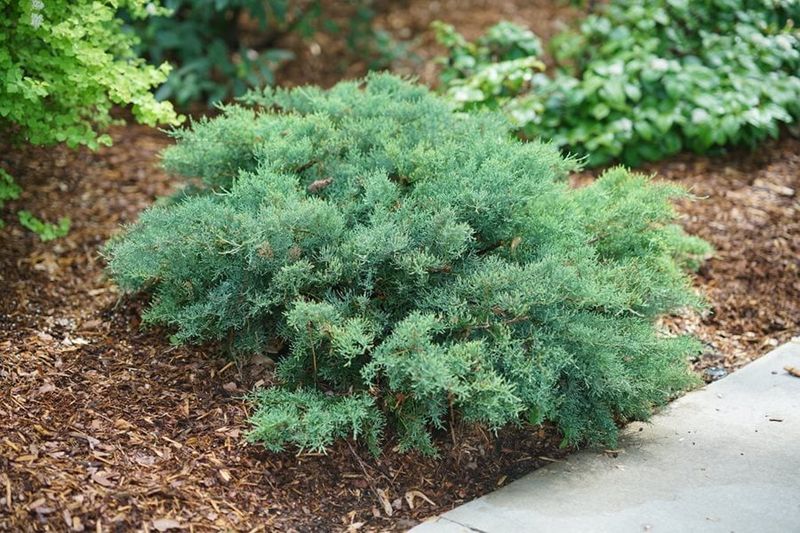
If you want an evergreen that usually gets far less attention from deer in Michigan, common juniper is a smart place to start. Juniperus communis has a rougher texture and a stronger scent than arborvitae, and both traits make it less appealing to browsing animals.
That difference matters most in winter, when deer test many plants but still show clear preferences.
The sharp needles are the big advantage. Deer generally avoid chewing through prickly foliage when softer options grow nearby, especially in residential landscapes with arborvitae, yew, or other tender shrubs.
In Michigan gardens, junipers often hold their shape much better through winter because they simply are not as comfortable to browse.
Common juniper also gives you flexibility. Some forms stay low and spreading, while others grow more upright, so you can use them on slopes, in foundation beds, or as part of a mixed evergreen border.
They also handle poorer soils better than many homeowners expect, provided drainage is good.
No plant is completely deer proof when food is extremely limited, and that is worth remembering. Still, juniper is widely considered one of the more dependable choices for Michigan yards with regular deer pressure.
If you need winter structure without the constant worry that comes with arborvitae, this shrub usually brings much more peace of mind.
5. Boxwood Holds Its Shape Better
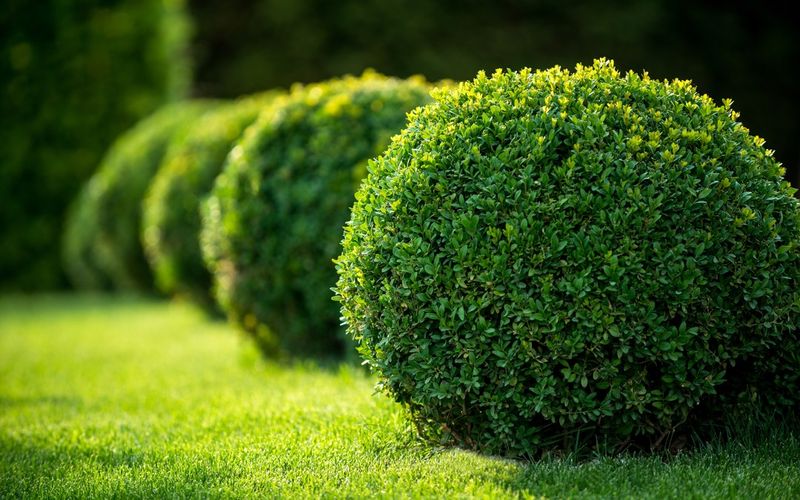
Boxwood is not perfect in every Michigan site, but it is often a better bet than arborvitae when deer roam the neighborhood. Many gardeners choose it because deer usually find it less attractive than soft, scale-leaved evergreens.
That lower preference can make a huge difference when winter browsing turns other foundation shrubs ragged.
The foliage feels denser and offers a different taste and scent profile than arborvitae, which helps explain why deer tend to pass it by. In many suburban Michigan landscapes, boxwood keeps its tidy form while nearby arborvitae show obvious browsing.
That contrast is one reason boxwood remains popular for low hedges, entry plantings, and year-round structure.
Cold exposure matters, though. Some boxwoods perform best in sheltered spots where they avoid harsh winter wind and intense late winter sun.
If you place them thoughtfully, mulch the roots, and water before the ground freezes, they usually come through the season looking much better than more heavily browsed evergreens.
You still want to match the variety to your location. Hardier selections are the safest choice in Michigan, especially in colder inland areas.
When you need clean lines, evergreen color, and a shrub deer usually skip, boxwood offers a practical middle ground between appearance and resilience without demanding the constant winter defense arborvitae often needs.
6. Inkberry Holly Offers A Native Option
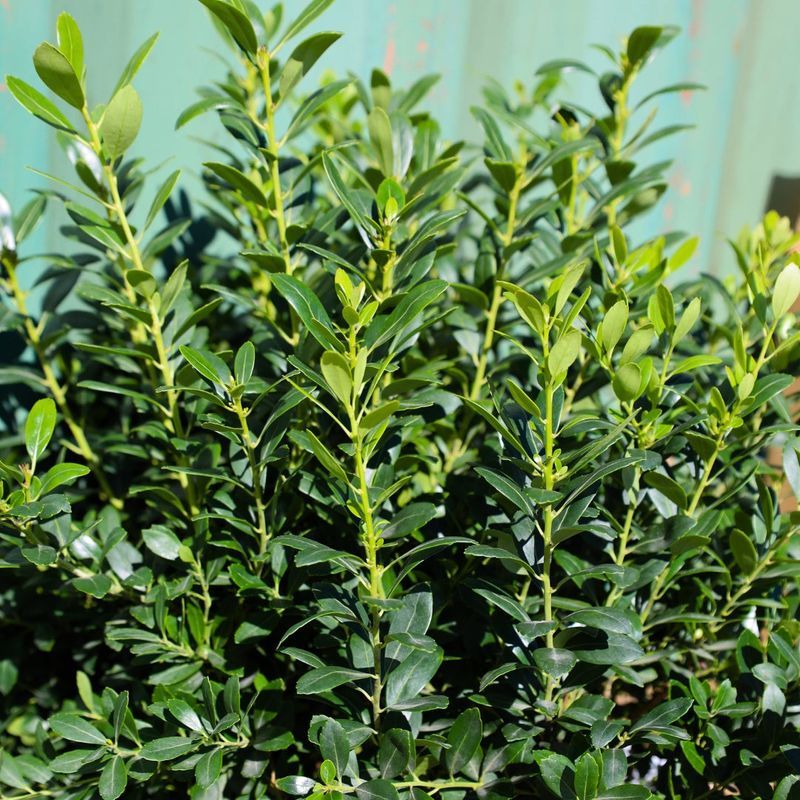
Inkberry holly deserves more attention from Michigan gardeners who want evergreen structure without inviting heavy deer browsing. Ilex glabra is native to eastern North America, and deer usually show less interest in it than they do in arborvitae.
That makes it a useful option for homeowners who want a softer look without giving up winter greenery.
The leaves are small, dark green, and attractive through the cold months, creating a neat, understated presence in the landscape.
Inkberry works especially well in foundation beds, mixed borders, and naturalistic plantings where you want a broadleaf evergreen that does not look stiff.
In the right Michigan setting, it can provide reliable year-round form with much less winter stress.
Site choice matters more here than with some tougher evergreens. Inkberry prefers acidic soil and consistent moisture, so it performs best where the ground does not swing too dry.
If your soil is alkaline or very sandy, you may need to amend it or choose another deer-resistant plant that better fits local conditions.
Even with those needs, inkberry can be a great fit in parts of Michigan, especially where soil and moisture already support acid-loving shrubs.
If deer regularly damage your arborvitae, replacing a few problem spots with inkberry can diversify the planting and reduce the all-you-can-eat feel that a row of tender evergreens often creates.
7. Spruce Is One Of The Most Reliable Choices
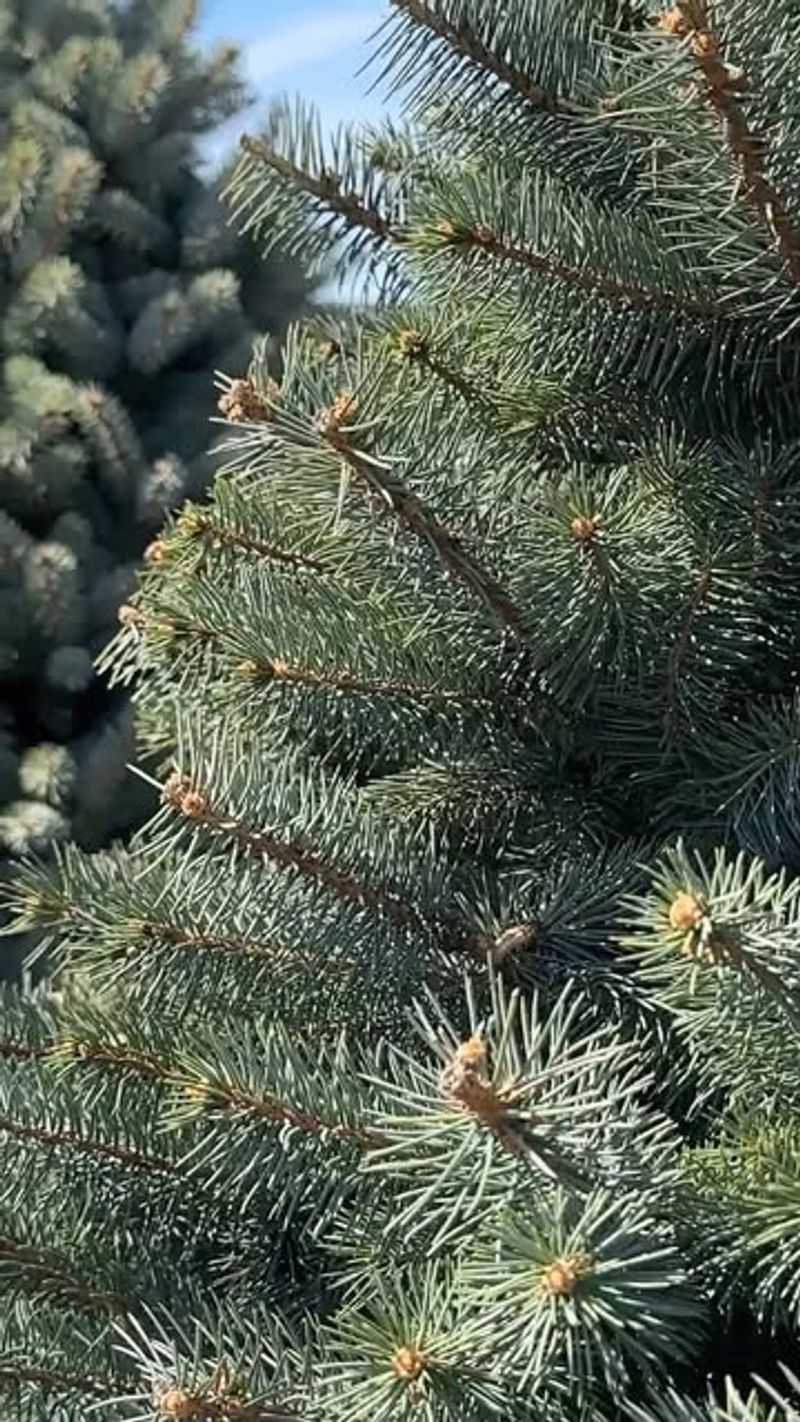
For many Michigan homeowners, spruce is the dependable answer when deer pressure makes softer evergreens hard to keep attractive.
Whether you choose blue spruce, white spruce, or another suitable type, these trees are usually far less appealing to deer than arborvitae. Their stiff, sharp needles create a natural defense that browsing animals prefer to avoid.
That resistance gives spruce a big advantage in winter landscapes. While deer may sample many plants during food shortages, they often move past spruce in favor of something easier to chew.
In Michigan neighborhoods with regular deer activity, that means spruce often keeps its shape, color, and screening value much better over time.
Spruce also works in several design roles. You can use larger forms for privacy, wind protection, and year-round structure, or choose dwarf cultivars for smaller foundation beds.
The blue-green or rich green needle color adds strong winter interest, especially when snow highlights the branching pattern.
Space is the main thing to plan carefully. Many spruce varieties need more room than arborvitae, so you want to match mature size to the site before planting.
If you have enough space in your Michigan yard, few evergreens offer a better mix of beauty, durability, and reliable deer resistance. For long-term screening with fewer winter headaches, spruce is hard to beat.