Best Vegetables To Grow In Michigan Garden Beds This Spring
Spring gardening in Michigan comes with its own unique set of rewards and challenges.
The soil often stays cool well into April, and temperatures can swing wildly from sunny afternoons to frosty nights, making the early growing window feel short but full of potential.
Michigan gardeners know that choosing the right vegetables from the start is the secret to a productive bed rather than a wasted effort.
Cool-season crops that can handle this unpredictable spring weather are the smartest pick for anyone eager to get growing before the summer heat arrives.
Whether you have a small raised bed or a large garden plot, these nine vegetables are reliable, rewarding, and perfectly suited to Michigan’s spring conditions.
1. Lettuce Grows Fast In Cool Michigan Beds
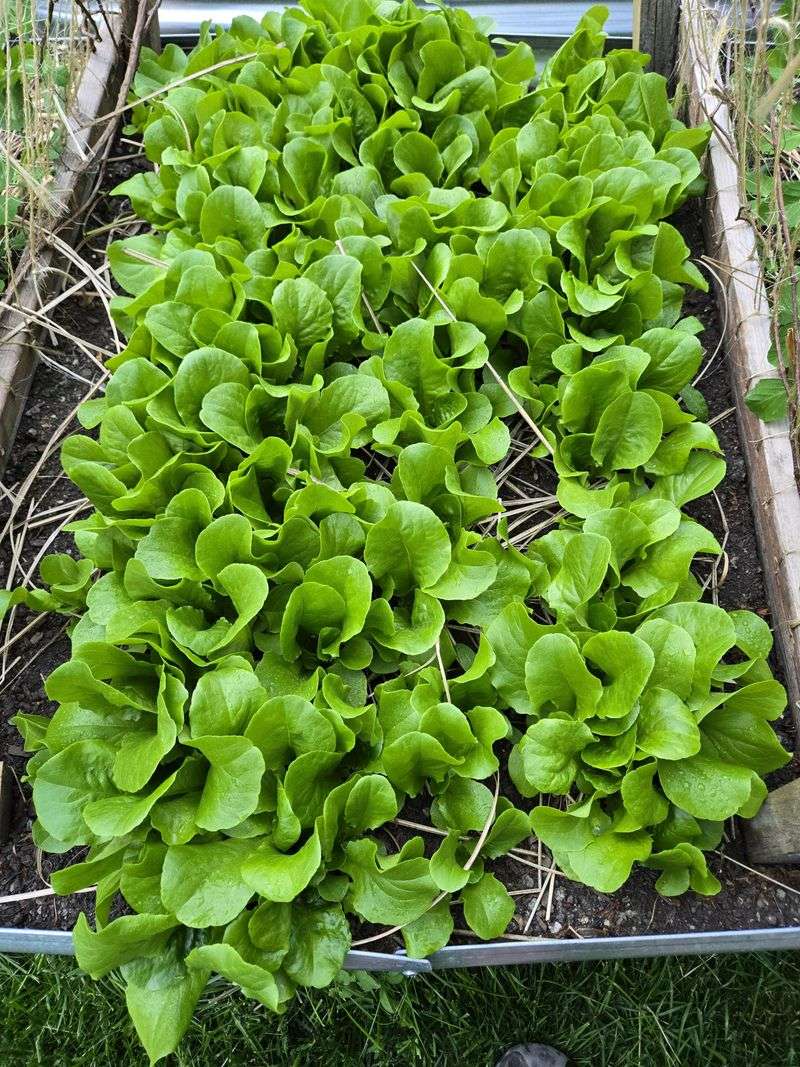
Cool soil temperatures that make other crops struggle are actually what lettuce loves most.
In Michigan, early spring beds often sit right in the sweet spot for lettuce growth, with soil temperatures between 40 and 65 degrees Fahrenheit supporting quick, healthy germination.
You can start sowing seeds directly into garden beds as soon as the soil can be worked, which in many parts of Michigan means late March or early April.
Lettuce grows surprisingly fast under these conditions. Many loose-leaf varieties are ready to harvest in about 45 to 60 days, and you can begin snipping outer leaves even earlier for a continuous cut-and-come-again harvest.
Planting short rows every two weeks keeps fresh lettuce coming throughout the spring season without flooding your kitchen all at once.
Spacing matters with lettuce. Aim for about six to eight inches between plants to allow enough airflow and prevent crowding, which can lead to disease in wet Michigan springs.
Lettuce prefers full sun but handles light shade well, which is actually helpful as the season warms.
Once temperatures climb consistently above 75 degrees, lettuce tends to bolt and turn bitter, so enjoy it early.
Michigan’s cool, drawn-out springs give lettuce a long and productive window that gardeners in warmer states simply do not get.
2. Spinach Thrives In Early Spring Soil
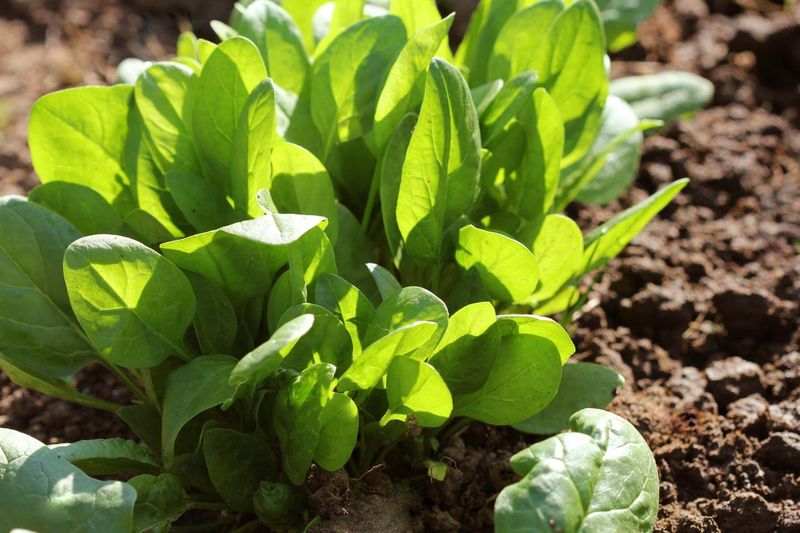
Few vegetables embrace a cold Michigan morning quite like spinach. It can germinate in soil as cool as 35 degrees Fahrenheit, which means Michigan gardeners can sow it outdoors weeks before many other crops are even considered.
Getting spinach into the ground in late March gives it a strong head start and takes full advantage of Michigan’s slow soil warm-up in early spring.
Spinach grows best with consistent moisture and at least six hours of sunlight each day, though it can manage with a bit less during the shorter early-spring days.
The leaves develop a slightly sweeter flavor when grown in cool conditions, which many people find far more appealing than spinach grown in summer heat.
Sowing seeds about half an inch deep and thinning seedlings to about three to four inches apart helps each plant develop full, healthy leaves.
One of the most practical things about growing spinach in Michigan is how well it handles light frosts. A brief dip below freezing will not harm established plants, and a light frost can even enhance the flavor slightly.
Your Michigan Garden Changes Every Week. Your Plan Should Too.
Gardening in Michigan changes quickly throughout the season. Every Friday you’ll receive a simple weekly plan showing exactly what to plant, prune, fertilize, harvest, and protect so you never miss the right timing.
Succession planting every two weeks from late March through early May keeps harvests steady.
As spring shifts toward summer and soil warms past 75 degrees, spinach may begin to bolt, so harvesting leaves regularly and planting early helps you get the most from this reliable cool-season crop.
3. Radishes Offer Quick Spring Harvests
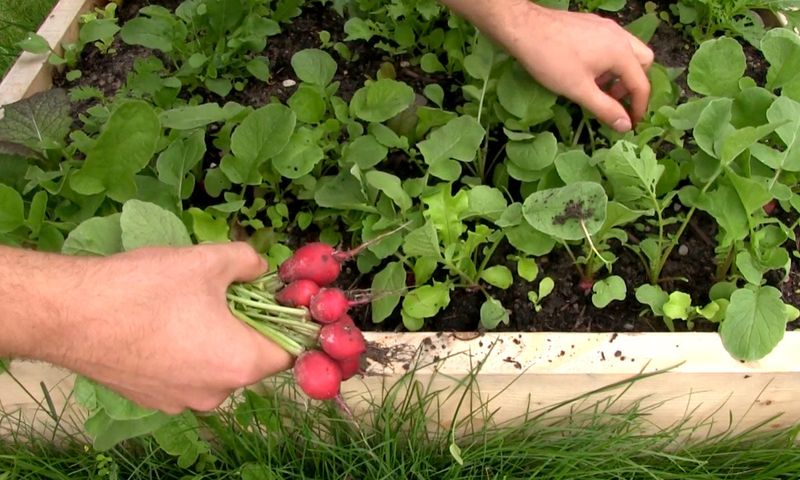
If patience is not your strongest gardening virtue, radishes might become your favorite spring crop.
Some varieties go from seed to harvest in as little as 22 to 28 days, making them one of the fastest-producing vegetables you can grow in Michigan spring beds.
That quick turnaround is especially satisfying when you are eager to see results after a long Michigan winter.
Radishes do best when sown directly into garden beds rather than transplanted, and they prefer loose, well-draining soil that is not compacted. Michigan’s spring soil, once thawed and lightly worked, suits them well.
Sow seeds about half an inch deep and one inch apart, then thin seedlings to about two inches once they sprout. Overcrowding can cause roots to stay small or develop oddly, so thinning early pays off.
Succession planting is the key to keeping radishes productive all spring long. Sowing a short row every seven to ten days from early April through mid-May gives you a steady supply without ending up with a pile of radishes all at once.
They prefer full sun and consistent watering to develop smooth, crisp roots. Hot, dry conditions cause radishes to become pithy and sharp-tasting, but Michigan’s cool spring weather tends to keep them mild and crunchy right through harvest.
Radishes also work well as row markers alongside slower-germinating crops like carrots.
4. Carrots Grow Well In Loose Cool Soil
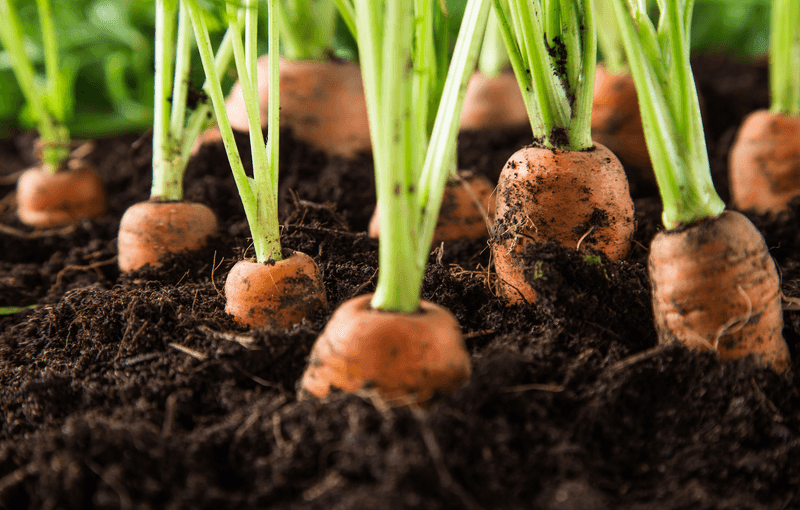
Getting carrots right in a Michigan spring garden comes down to one thing above almost everything else: soil preparation. Carrots need loose, deep, stone-free soil to develop long, straight roots without forking or stunting.
In Michigan, where clay-heavy soils are common in many regions, working in compost or planting in raised beds with lighter growing mix makes a noticeable difference in root quality and overall yield.
Carrots can be direct-sown into Michigan garden beds starting in early to mid-April when soil temperatures reach at least 45 degrees Fahrenheit.
Germination can take ten to twenty days in cool soil, so do not be discouraged if seedlings are slow to appear.
Keeping the soil surface consistently moist during germination is important because carrot seeds dry out easily and may not sprout if the top layer of soil bakes between waterings.
Thin seedlings to about two to three inches apart once they reach an inch or two tall. Crowded carrots compete for space and tend to produce small or misshapen roots.
Most standard varieties mature in 70 to 80 days, though some shorter or Danvers-type varieties work especially well in heavier Michigan soils. Carrots are frost-tolerant once established, which makes them a solid choice for early spring planting.
A light frost can actually increase the sugar content in the roots, giving Michigan spring carrots a noticeably sweeter flavor at harvest time.
5. Peas Climb Early And Produce Sweet Pods
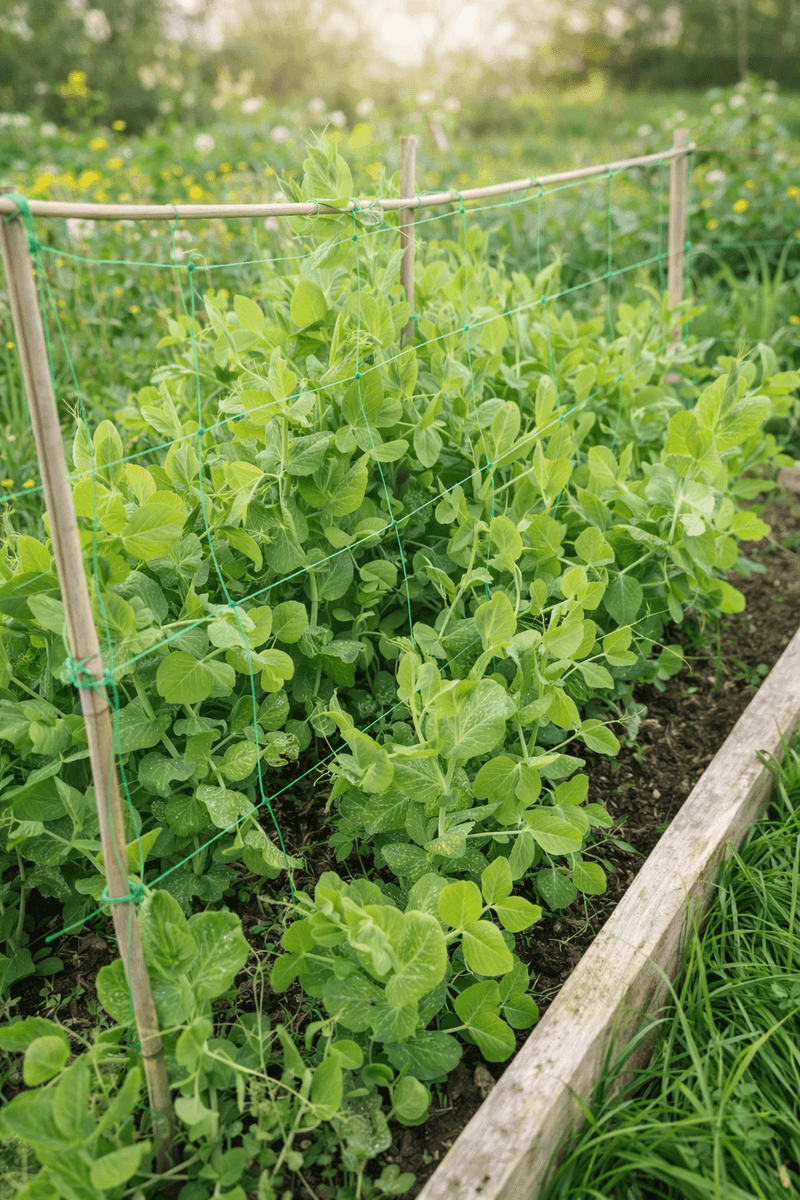
There is something genuinely exciting about watching pea vines climb a trellis in early spring while most of the garden is still bare.
Peas are one of the earliest crops Michigan gardeners can put in the ground, often as soon as mid-March to early April depending on the region.
They prefer soil temperatures between 45 and 65 degrees Fahrenheit and can handle light frosts without much trouble once they are a few inches tall.
Sow pea seeds about one inch deep and two to three inches apart directly into the garden bed. Peas do not transplant well, so direct seeding is the standard approach.
Setting up a trellis, fence, or even a few stakes with twine before planting saves time and protects the young vines from flopping over as they grow.
Most climbing varieties reach two to six feet tall, depending on the type, and they cling naturally with small tendrils.
Michigan’s cool, moist spring weather is genuinely well-suited to pea production. The plants tend to slow down and struggle once temperatures consistently reach the upper 70s, so harvesting regularly throughout June helps extend the season.
Sugar snap and snow pea varieties offer edible pods, while shelling peas require a bit more patience but reward you with tender, sweet peas that taste far better than anything from a can.
Fresh-picked spring peas from a Michigan garden bed are hard to beat.
6. Kale Handles Cool And Unsteady Weather Well
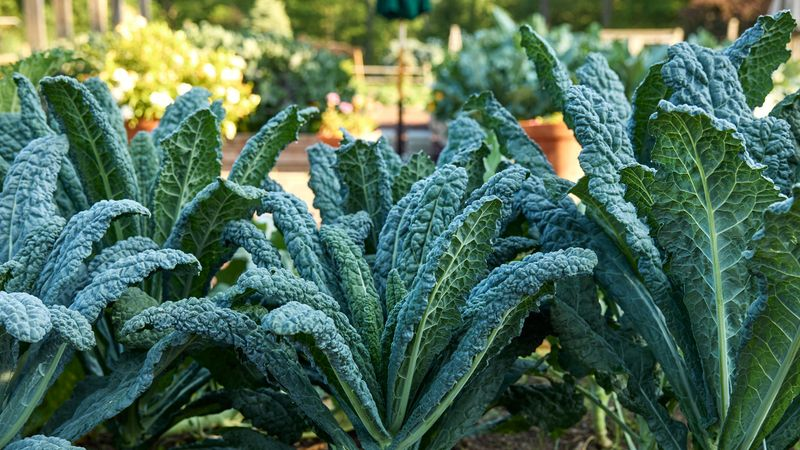
Michigan spring weather has a way of surprising even experienced gardeners, with warm sunny days followed by cold snaps that catch tender plants off guard. Kale, however, takes that kind of unpredictability in stride.
It is one of the most cold-hardy leafy greens available, tolerating temperatures down into the mid-20s Fahrenheit once it has had a chance to establish itself in the garden bed.
You can start kale indoors four to six weeks before your last frost date and transplant seedlings into Michigan garden beds in early spring, or direct-sow seeds outdoors as soon as the soil is workable. Either approach works well.
Transplants give you a slight head start on harvest, while direct-sown seeds often catch up quickly in the cool spring soil that kale prefers. Space plants about twelve to eighteen inches apart to allow good airflow and full leaf development.
Kale grows best in full sun but tolerates partial shade, which can actually help extend its productivity as Michigan’s spring moves toward warmer summer temperatures.
Harvest outer leaves regularly to encourage the plant to keep producing from the center.
Young leaves are tender and mild, while mature leaves have a heartier texture that holds up well in cooking.
Varieties like Lacinato, Red Russian, and Winterbor all perform reliably in Michigan spring beds, and each offers slightly different flavor and texture for home cooks to explore.
7. Swiss Chard Provides Colorful Steady Growth
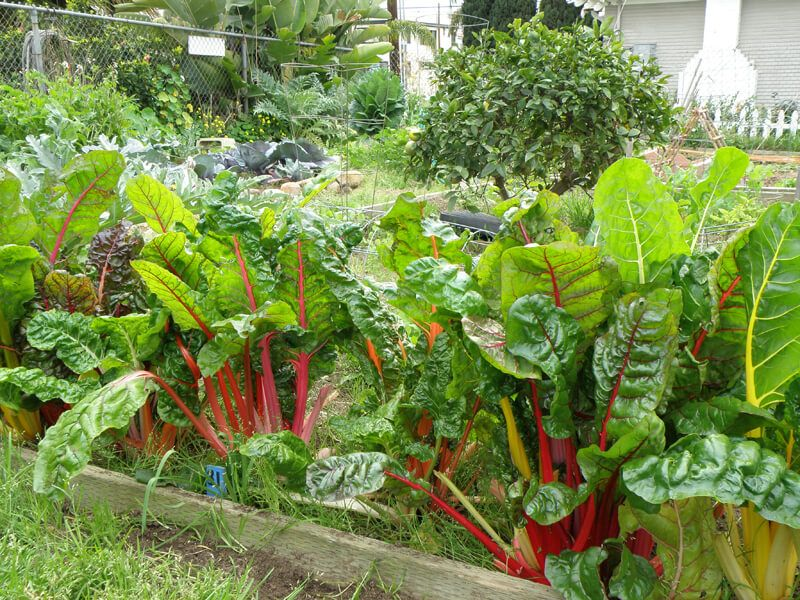
Walk past a bed of Swiss chard in spring and it is hard not to stop and look twice. The stems come in shades of red, orange, yellow, and white, making it one of the most visually striking crops you can grow in a Michigan garden bed.
Beyond its good looks, Swiss chard is a dependable producer that handles the unpredictable temperature swings of a Michigan spring better than many other leafy greens.
Swiss chard can be direct-sown into garden beds from mid-April onward, once soil temperatures reach around 50 degrees Fahrenheit. Each chard seed is actually a cluster of seeds, so thinning is important once seedlings emerge.
Space plants about six to twelve inches apart to give each one enough room to develop its signature broad leaves and thick, colorful stems. Full sun produces the most vigorous growth, though chard tolerates light shade reasonably well.
One of the most practical things about Swiss chard is its cut-and-come-again nature.
Harvest outer leaves regularly and the plant keeps pushing out new growth from the center, giving you a steady supply of greens across much of the spring and into summer.
Unlike spinach or lettuce, chard handles warmer temperatures better, which means it bridges the gap between cool-season spring crops and the summer garden.
Young leaves work well in salads, while larger leaves hold up nicely when sauteed or added to soups and egg dishes.
8. Green Onions Fit Easily In Small Spaces
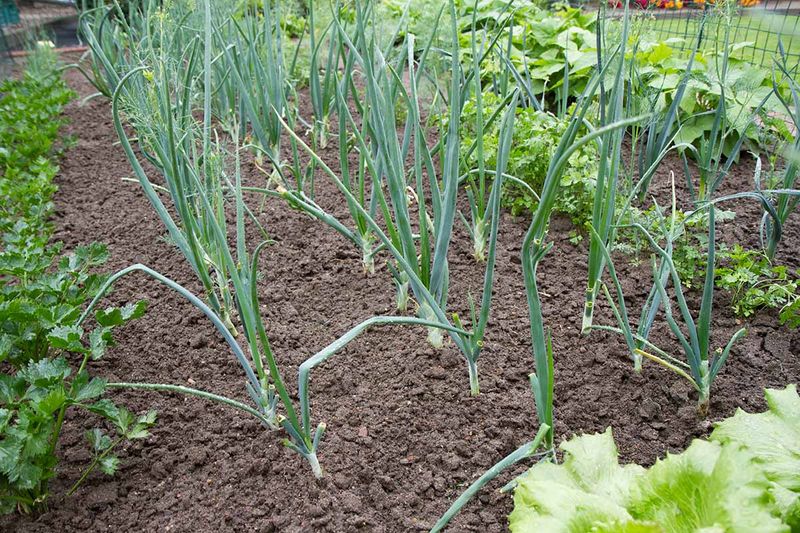
Not every Michigan gardener has unlimited space, and green onions understand that completely.
They grow in tight clusters, take up minimal horizontal room, and can be tucked into the edges of beds alongside larger crops without competing aggressively for resources.
That makes them one of the most practical choices for gardeners working with small raised beds or limited garden space in Michigan backyards.
Green onions, sometimes called scallions, can be started from seeds or from sets, which are small bulbs that establish faster and give you a quicker harvest.
Direct-sow seeds or plant sets about half an inch deep and one to two inches apart as soon as Michigan soil can be worked in early spring.
They tolerate light frosts well and germinate in soil temperatures as low as 35 degrees Fahrenheit, putting them among the earliest crops you can get into the ground.
Consistent moisture helps green onions develop straight, tender stalks rather than becoming tough or hollow. They prefer full sun but manage reasonably well in spots that get four to five hours of direct light daily.
Harvest begins when stalks reach six to eight inches tall, and you can pull entire plants or snip tops and allow regrowth depending on your preference. Green onions mature in about 60 to 80 days from seed, though sets shorten that window noticeably.
Their mild flavor and versatility in the kitchen make them a genuinely useful spring crop for Michigan home gardeners of any experience level.
9. Beets Grow Roots And Edible Greens In Spring
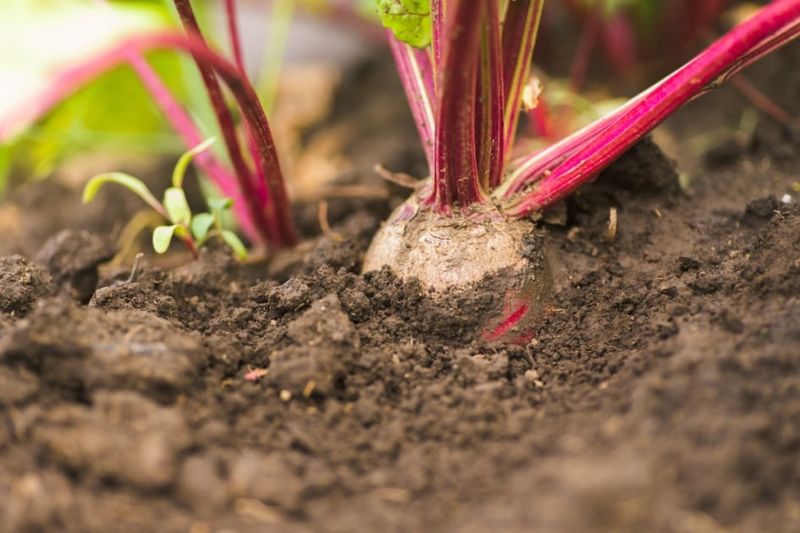
Growing beets in a Michigan spring garden is like getting two harvests for the effort of one. The roots develop into sweet, earthy bulbs ready for roasting or pickling, while the leafy tops are tender and nutritious enough to use just like Swiss chard in the kitchen.
That dual-purpose quality makes beets an efficient choice for gardeners who want to get the most out of every square foot of bed space.
Beet seeds can be sown directly into Michigan garden beds starting in early April when soil temperatures reach at least 40 degrees Fahrenheit.
Each beet seed is actually a small cluster of seeds, so thinning seedlings to about three to four inches apart is important for proper root development.
Skipping the thinning step often leads to small, crowded roots that do not size up well. Beets prefer loose, well-drained soil with a slightly neutral pH, and adding compost before planting improves both drainage and nutrient availability.
Most beet varieties mature in 55 to 70 days, which fits comfortably within Michigan’s spring growing window before summer heat sets in. They tolerate light frosts without much trouble, making them a reliable early-season crop.
Full sun produces the best root development, though beets manage reasonably well in partial sun conditions. Harvesting roots when they reach one to three inches in diameter gives you the sweetest, most tender results.
Leaving them in the ground too long can lead to tough, woody texture that reduces eating quality significantly.