Cold Hardy Vegetables Michigan Gardeners Can Direct Sow In May
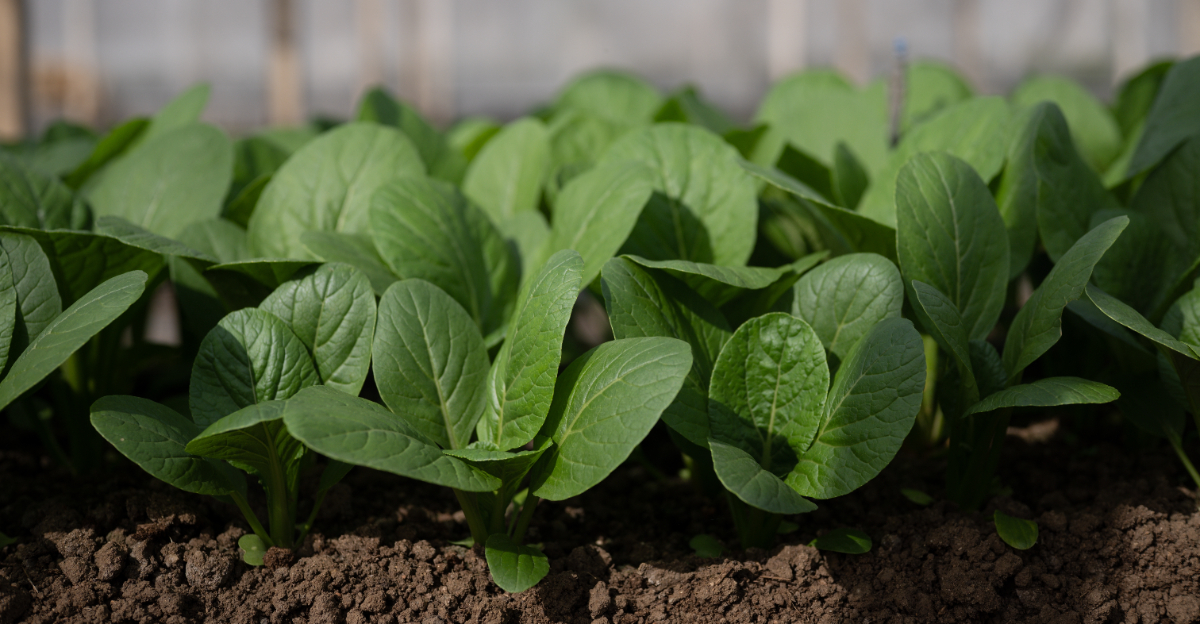
May is when Michigan gardeners can finally start planting more confidently outdoors, especially with vegetables that can handle cooler temperatures.
Even though warmer days are arriving, nights can still be a bit chilly, which makes cold hardy crops a smart choice for direct sowing.
These vegetables are built to handle temperature swings and often grow better when planted early rather than waiting for full summer heat. Getting them in the ground now gives them a strong head start and can lead to earlier harvests.
Michigan’s spring conditions are ideal for these types of crops, with cool soil and steady moisture helping seeds sprout and establish quickly. For gardeners eager to get growing, this is one of the most rewarding times of the season.
Choosing the right vegetables to direct sow in May can set the stage for a productive and steady harvest.
1. Carrots (Daucus Carota Subsp. Sativus)
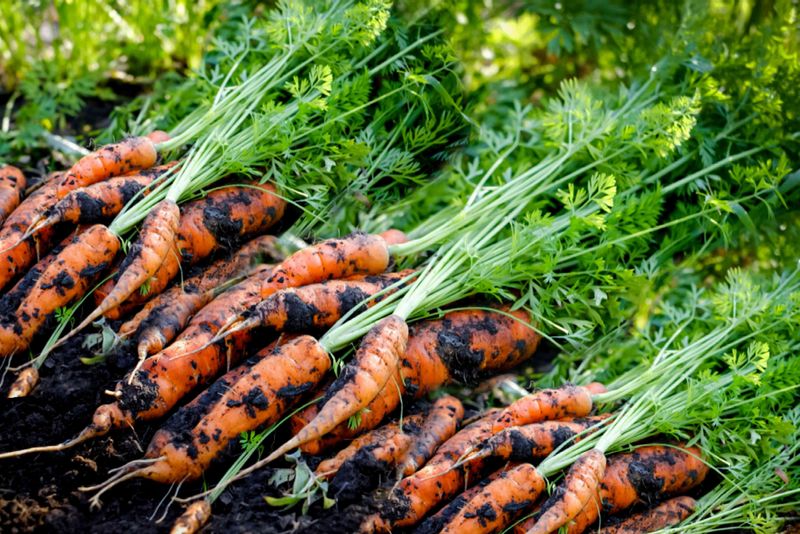
Carrots are one of the smartest seeds you can plant in Michigan during May. Cool soil helps them sprout steadily, and light frost usually does not bother young seedlings.
When your garden bed crumbles easily in your hand, you can sow with confidence and expect a strong start.
Good carrot roots begin with loose, stone-free soil that lets them grow straight and smooth. I always suggest raking deeply, removing clumps, and skipping fresh manure, which can cause forked roots.
Sow seeds shallowly in rows, keep the surface evenly moist, and thin early so crowded plants never have to compete.
Patience matters here because carrot seed can take one to three weeks to germinate in cool Michigan weather. A light board or row cover can help hold moisture until seedlings appear, especially during windy spring days.
Once tops reach a few inches tall, regular watering keeps growth even and improves flavor.
Many Michigan gardeners like shorter varieties for heavier soils, while longer types shine in raised beds. You can also sow a second round later for a longer harvest window through summer and into fall.
Fresh carrots from a May planting taste sweet, crisp, and worth every bit of careful early tending.
2. Beets (Beta Vulgaris)
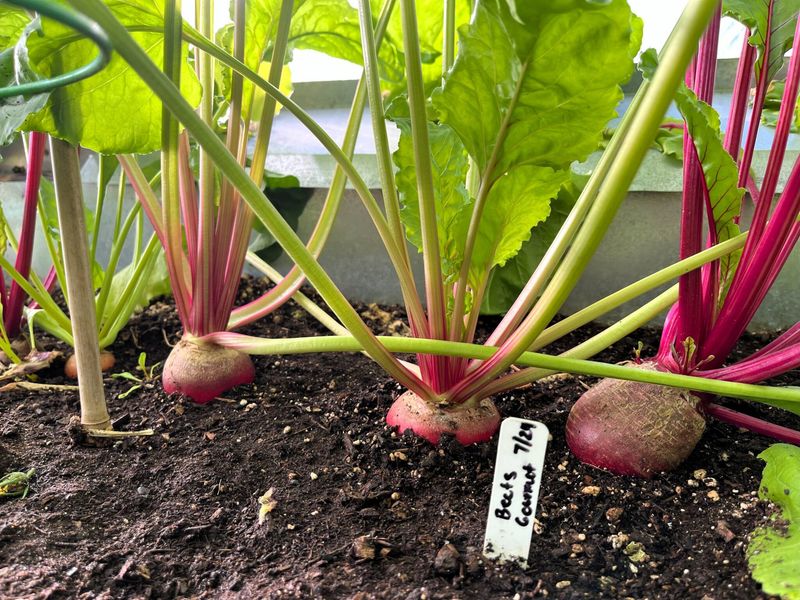
Beets fit Michigan spring weather so well that they almost seem made for a May garden. They germinate in cool soil, handle chilly nights, and give you both tender greens and colorful roots.
If you want a crop that feels generous from the start, beets are an easy choice.
Each beet seed is actually a cluster, so several seedlings often pop up from one spot. That means thinning is part of the job, but those tiny greens can go straight into salads.
Plant seeds about a half inch deep, keep rows moist, and expect sprouts within days when conditions stay steady.
Rich soil helps, but beets are not overly fussy as long as drainage is decent. In many Michigan gardens, they grow best when you avoid excess nitrogen and focus on balanced fertility.
Mulch lightly after seedlings establish, and water evenly to encourage smooth roots without woody texture.
Your Michigan Garden Changes Every Week. Your Plan Should Too.
Gardening in Michigan changes quickly throughout the season. Every Friday you’ll receive a simple weekly plan showing exactly what to plant, prune, fertilize, harvest, and protect so you never miss the right timing.
May sowing usually brings a nice harvest before the hottest part of summer arrives. You can also plant another round later for fall, which often produces especially sweet roots in Michigan.
Whether you roast them, pickle them, or slice the greens for dinner, beets make spring garden space work hard.
3. Lettuce (Lactuca Sativa)
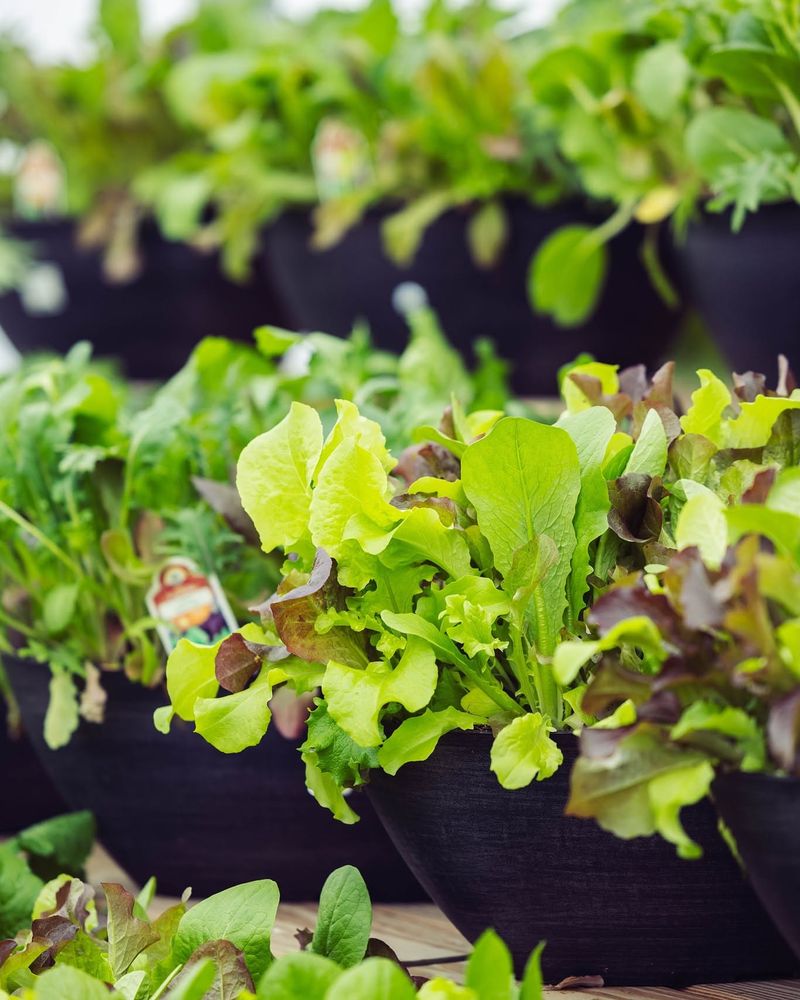
Lettuce is one of the fastest ways to make a Michigan garden look full and inviting in May. Seeds sprout quickly in cool soil, and the plants love the mild temperatures that spring usually brings.
If you want early salads without much fuss, direct sowing lettuce is hard to beat.
Loose-leaf types are especially forgiving because you can harvest outer leaves and let the center keep growing. Sow thinly, cover very lightly, and press seeds gently so they stay in contact with moist soil.
A little afternoon shade can help later in the month if temperatures start rising fast.
Steady moisture makes the biggest difference between tender leaves and bitter ones. In Michigan, windy spring days can dry the top layer of soil faster than expected, so check beds often.
I like short rows every week or two because small repeat sowings keep harvests fresh and manageable.
Romaine and butterhead also perform well, though they need a touch more room as they size up. Keep the bed weeded early, since young lettuce does not enjoy competition from aggressive spring growth.
With just a little planning, a May sowing can keep your kitchen stocked with crisp, homegrown greens for weeks.
4. Spinach (Spinacia Oleracea)
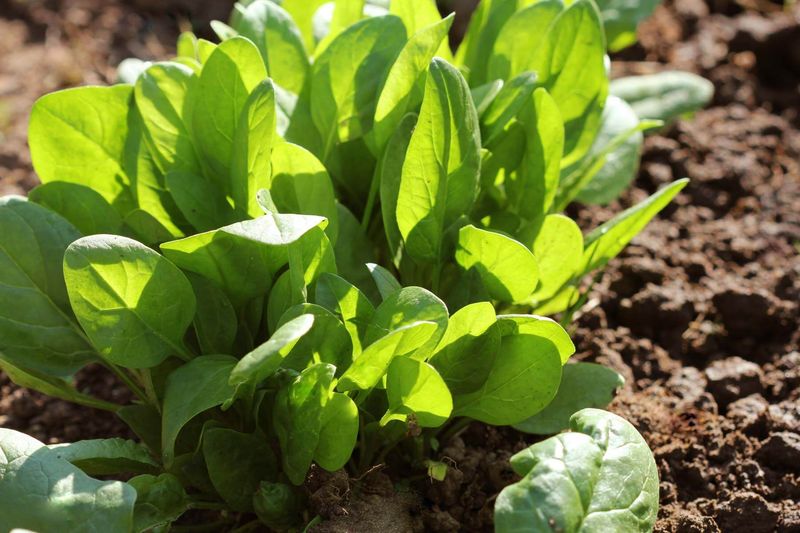
Spinach thrives in the kind of weather that makes many other vegetables hesitate, which is great news for Michigan gardens in May. It germinates in cool soil and grows best before summer warmth speeds up flowering.
For early greens with serious kitchen value, spinach earns its place every single year.
Start with soil that drains well and has plenty of organic matter worked into the top few inches. Spinach likes even moisture, so I always tell gardeners not to let the seed row dry out during germination.
Plant seeds shallowly, thin seedlings for airflow, and you will set up a much cleaner, healthier bed.
One challenge in Michigan is warming weather later in spring, especially in sunny spots. A little mulch and regular watering can stretch the harvest, but spinach still prefers the cooler side of the season.
That is why May direct sowing works best early in the month or in areas with some afternoon protection.
Baby leaves are ready quickly, and larger leaves add body to soups, pasta, and egg dishes. If you pick carefully, many plants keep producing for a while instead of finishing all at once.
Spinach may look simple in the garden, but it delivers rich flavor and reliable performance when Michigan spring cooperates.
5. Radishes (Raphanus Sativus)
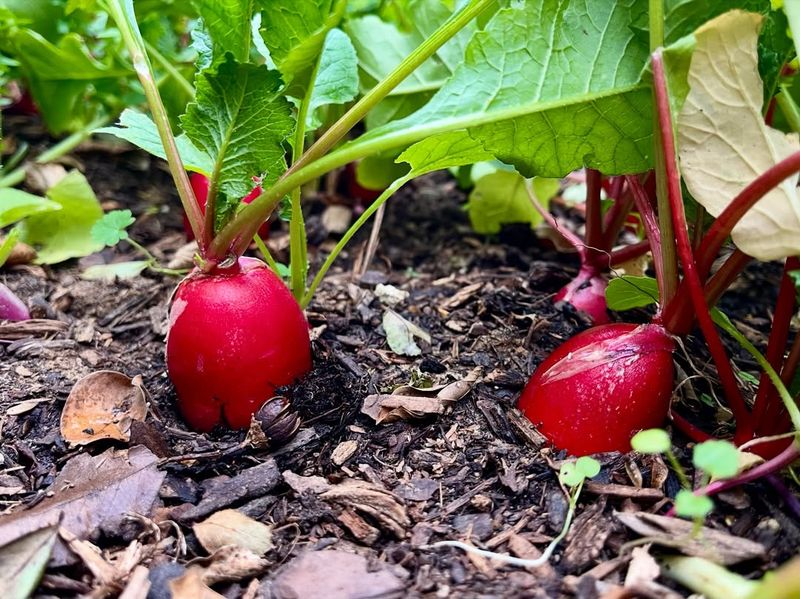
Radishes bring fast results, and that speed feels especially satisfying during a cool Michigan May. They germinate quickly, tolerate chilly weather, and often go from seed to harvest in about a month.
When you want visible progress in the garden, few crops respond with more enthusiasm.
Because they grow so quickly, radishes need a bed that is ready before the seeds go in. Smooth the soil well, sow thinly, and keep moisture consistent so roots develop evenly instead of turning pithy.
If seedlings crowd together, thin them early because tight spacing leads to more leaves than roots.
Michigan gardeners often use radishes as a marker crop between slower vegetables like carrots. That trick works beautifully since radishes pop up first and help define the row while you wait.
They also fit nicely into small beds, containers, and raised gardens where every inch matters.
Flavor depends a lot on timing, and cool spring weather usually gives the crispest, mildest bite. Pick them while they are still young and firm, then sow another short row if you want a second harvest.
May is prime radish season in Michigan, and those bright roots can make your spring meals feel fresh and cheerful.
6. Peas (Pisum Sativum)
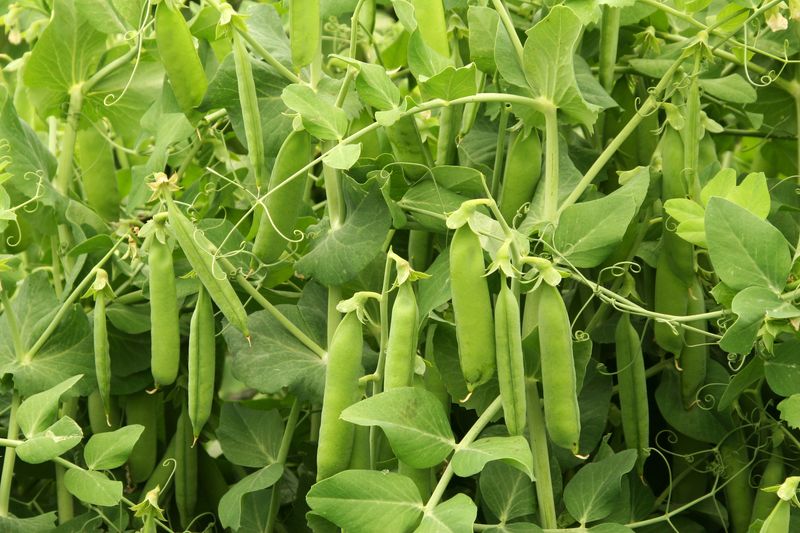
Peas love cool air, and Michigan gardens usually give them exactly what they want in early May. If you missed planting in April, you still may have time for a useful sowing, especially in northern or cooler parts of the state.
Their fresh flavor and climbing habit bring energy to the whole spring garden.
Direct sow pea seeds about an inch deep in well-drained soil and water them in thoroughly. Most varieties appreciate a trellis right away, since adding support later can disturb roots and turn the row messy.
Bush types need less structure, but they still benefit from neat spacing and good airflow.
Warm spells can shorten the season, so timing matters more with peas than with many other hardy vegetables. In Michigan, an early May sowing often works best when the bed gets full sun but not intense reflected heat.
Mulch helps hold moisture, cool the roots, and keep plants growing smoothly as spring moves along.
Snow peas, snap peas, and shelling peas all perform well if you match them to your kitchen habits. Pick often once pods form because regular harvesting encourages more production and keeps quality high.
Few things taste more like a Michigan spring garden than sweet peas eaten right off the vine.
7. Swiss Chard (Beta Vulgaris Subsp. Cicla)
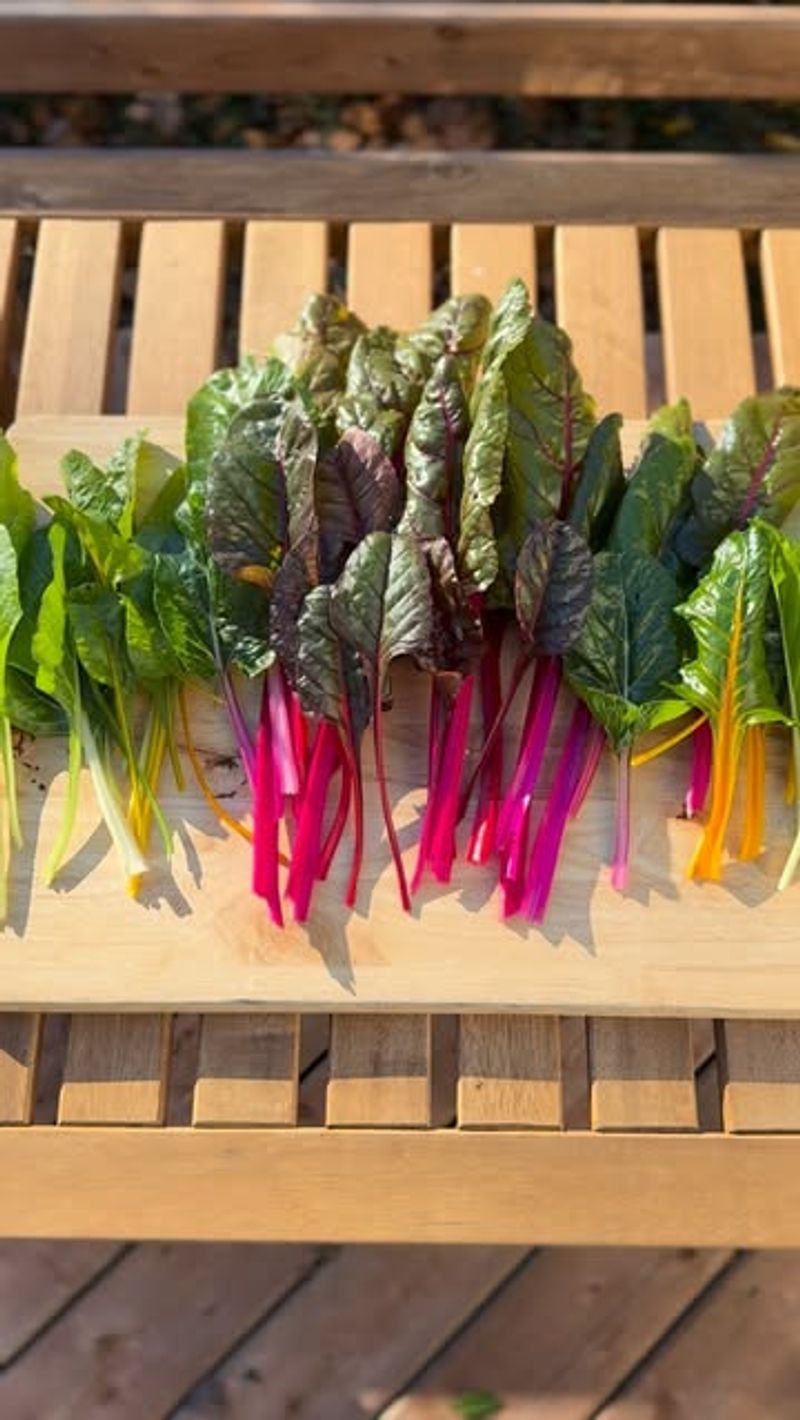
Swiss chard handles Michigan spring with surprising ease, making it a dependable seed choice for May beds. It tolerates cool temperatures, sprouts well in workable soil, and keeps producing after many spring greens slow down.
If you want one crop that bridges spring and summer, chard is a strong contender.
The seeds are fairly easy to handle, which makes sowing simpler than with tiny greens like lettuce. Plant them about a half inch deep, thin the clusters after sprouting, and give each plant enough room to broaden.
Young leaves stay tender for salads, while bigger leaves hold up nicely in sautés and soups.
One reason I like Swiss chard for Michigan gardens is its steady nature once established. Sudden cool nights rarely faze it, and warmer afternoons usually push it into stronger growth instead of causing stress.
A little compost at planting time and consistent watering keep leaves full, glossy, and mild tasting.
Color is part of the appeal too, especially if you choose a mix with red, yellow, or orange stems. That brightness makes a vegetable bed look lively even before summer flowers begin to shine.
For gardeners who want beauty, resilience, and repeated harvests from one May sowing, Swiss chard checks every box.
8. Kale (Brassica Oleracea Var. Sabellica)
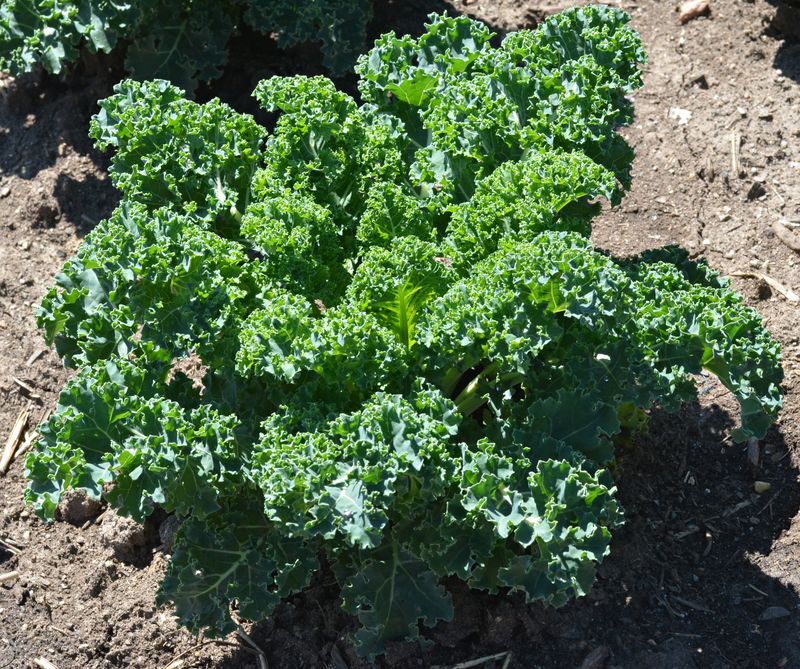
Kale is one of the toughest leafy vegetables you can sow in a Michigan garden during May. It handles cool temperatures with ease, grows steadily through spring, and often tastes even better in mild weather.
If you want a hardy crop that does not ask for much drama, kale delivers.
Direct sowing works well because the seedlings establish quickly once soil temperatures rise a little from early spring. Sow seeds shallowly, thin them while small, and save the baby leaves for salads or sandwiches.
Giving each plant enough room pays off later when the leaves broaden and the stems strengthen.
Michigan gardeners can choose curly kale, lacinato kale, or compact varieties for smaller raised beds. All need steady moisture and decent fertility, though they are generally more forgiving than delicate greens.
A floating row cover may help protect young plants from common spring pests while still letting rain and light through.
Harvesting from the outside in keeps plants productive and attractive for a long stretch. The leaves work in salads, smoothies, soups, and quick skillet meals, so a short row goes farther than many people expect.
In a Michigan May garden, kale stands out for reliability, nutrition, and that satisfying look of strong green growth.
9. Arugula (Eruca Vesicaria)
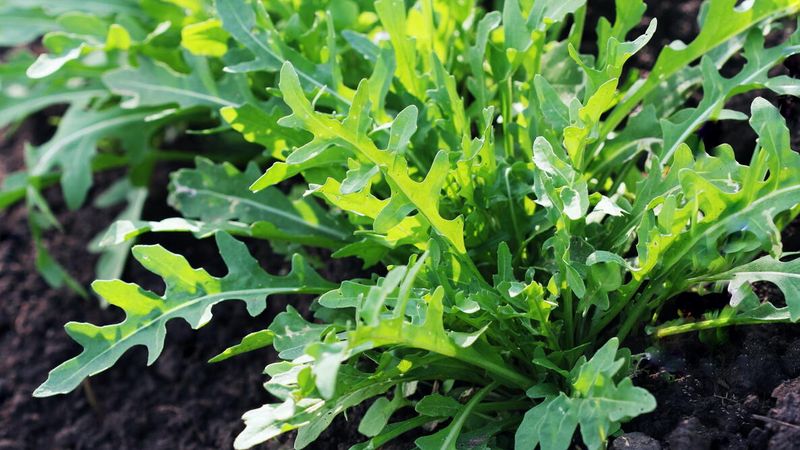
Arugula is a great choice when you want quick greens with bold flavor and almost instant garden reward. In Michigan, May weather often gives it the cool conditions it prefers for tender, peppery leaves.
A short row can turn bare soil into something lively and useful in very little time.
The seeds germinate fast, so you will usually see action within a week when moisture stays even. Sow lightly, cover with a thin layer of soil, and thin seedlings enough to keep air moving.
Because the leaves grow quickly, succession planting every week or two keeps your harvest from peaking all at once.
Arugula grows best before real heat arrives, which makes Michigan spring especially valuable for this crop. If the month turns warmer than usual, a little afternoon shade can improve leaf quality and slow bolting.
Young leaves taste milder, while larger ones bring a stronger bite that works well with rich foods.
I like arugula because it adds personality to salads without needing much space or attention. It also works beautifully in sandwiches, pasta, and homemade pizza right from the garden.
For Michigan gardeners who want speed, flavor, and reliable cool-season performance, arugula makes May planting feel almost effortless.
10. Turnips (Brassica Rapa Subsp. Rapa)
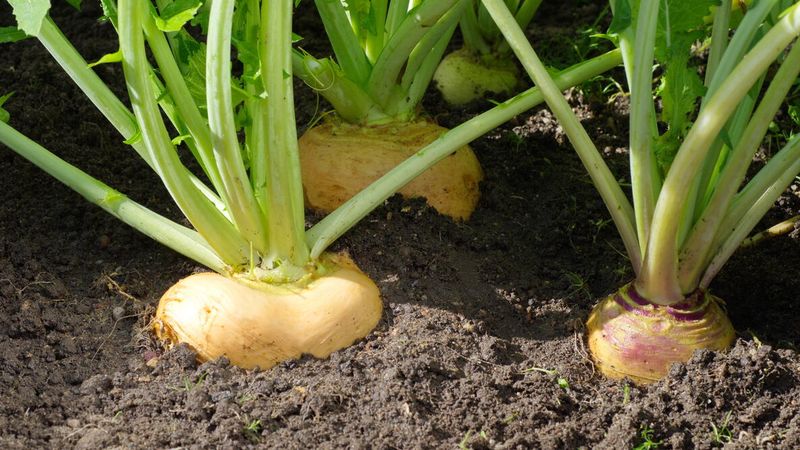
Turnips deserve more attention in Michigan gardens because they are quick, hardy, and useful from root to leaf. May is a good time to direct sow them while soil stays cool and spring moisture is still helping.
You get two harvests in one crop, which always feels like smart gardening.
The roots develop best in loose soil without too many stones or heavy clods in the row. Sow seeds shallowly, thin seedlings promptly, and do not skip watering during dry stretches if you want smooth growth.
Crowding leads to small roots, so giving plants breathing room makes a real difference.
Michigan gardeners often overlook the greens, but they are tender and flavorful when picked young. You can steam them, sauté them, or mix them into soups for an extra spring harvest before the roots mature.
Cooler weather keeps both greens and roots milder, which is another reason May planting works so well.
Fast-maturing varieties are especially handy if you enjoy frequent harvests and flexible planting plans. A second sowing later can carry you into fall, but spring turnips have a freshness all their own.
For easy direct sowing in Michigan, turnips bring speed, resilience, and a lot more dinner potential than many gardeners expect.
11. Green Onions / Scallions (Allium Fistulosum)
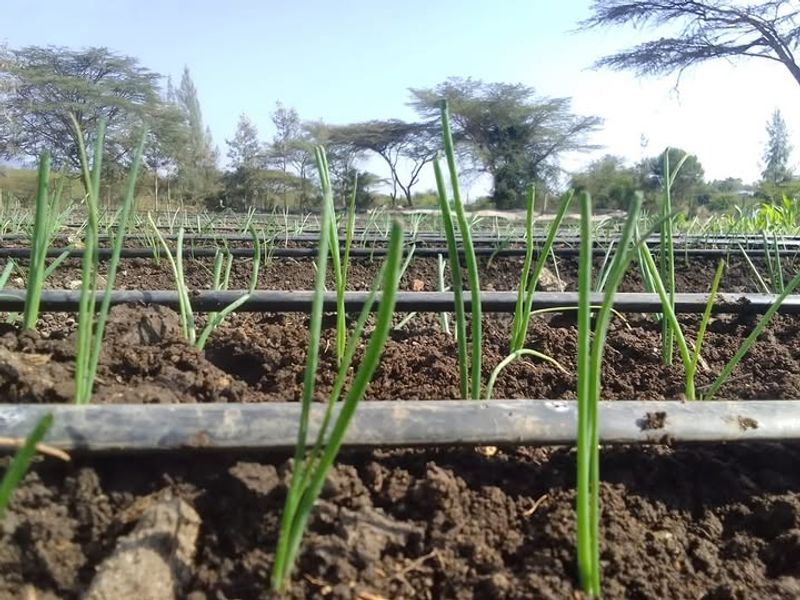
Green onions are a simple but very rewarding crop for Michigan gardeners who want dependable flavor early in the season. They tolerate cool weather well, germinate in spring conditions, and fit neatly into almost any bed.
Even a narrow row can supply weeks of fresh, mild onion taste for everyday meals.
Direct sow the seeds in shallow furrows and keep the top layer of soil consistently moist until sprouts appear. Because the seedlings are thin and grass-like at first, a carefully weeded row matters more than many people realize.
Good spacing improves size, but you can also leave them closer together and harvest gradually as needed.
Michigan spring weather usually supports steady early growth without the stress of midsummer heat. That means the flavor stays clean and fresh, especially when plants get regular water and decent sunlight.
I like planting scallions near lettuce or beets because they make smart use of smaller spaces in mixed beds.
You can harvest them young for delicate tops or wait longer for thicker white stems. Many gardeners sow another short row later, but a May planting often carries beautifully through much of the season.
For easy direct sowing in Michigan, green onions bring reliability, flexibility, and a kitchen staple you will actually use often.
12. Mustard Greens (Brassica Juncea)
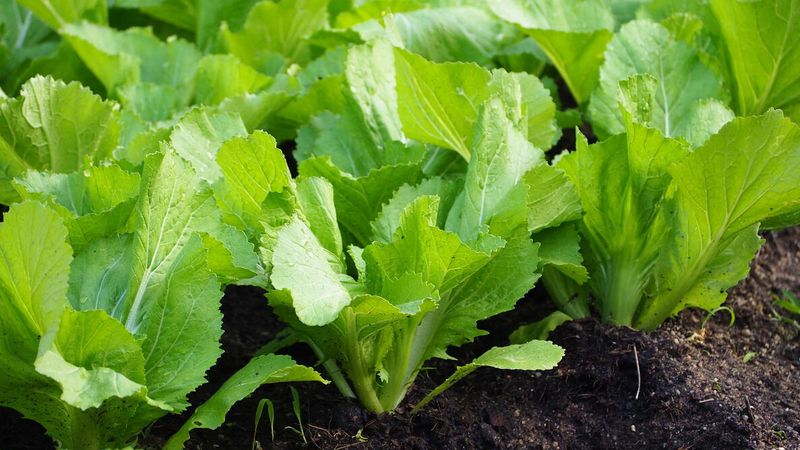
Mustard greens bring fast growth and lively flavor to a Michigan garden when May still feels pleasantly cool. They handle chilly weather well, sprout quickly, and fill empty space with useful leaves in a short time.
If you enjoy greens with a little kick, they are a fun change from milder salad crops.
Direct sowing is easy because the seeds germinate readily in moist, workable soil. Scatter in short rows, cover lightly, and thin seedlings so the remaining plants have room to stretch.
Baby leaves are tender enough for salads, while larger leaves shine when cooked with garlic, broth, or a touch of vinegar.
Michigan gardeners often appreciate mustard greens because they mature before summer heat becomes intense. Warm weather can make the flavor stronger and push the plants to flower sooner, so May timing really helps.
A little afternoon shade may extend the harvest if temperatures jump unexpectedly late in spring.
These greens also fit nicely into succession planting plans, especially if you like constant variety from the garden. Pick outer leaves often and the plants usually keep giving for a while instead of finishing too quickly.
In a Michigan vegetable patch, mustard greens offer speed, color, and a bold flavor that wakes up spring meals.