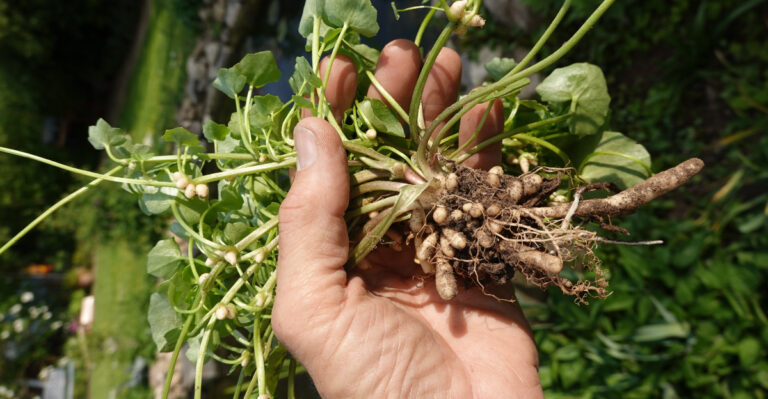
Why Japanese Beetles Are Worse In Some Ohio Yards And How To Stop The Cycle
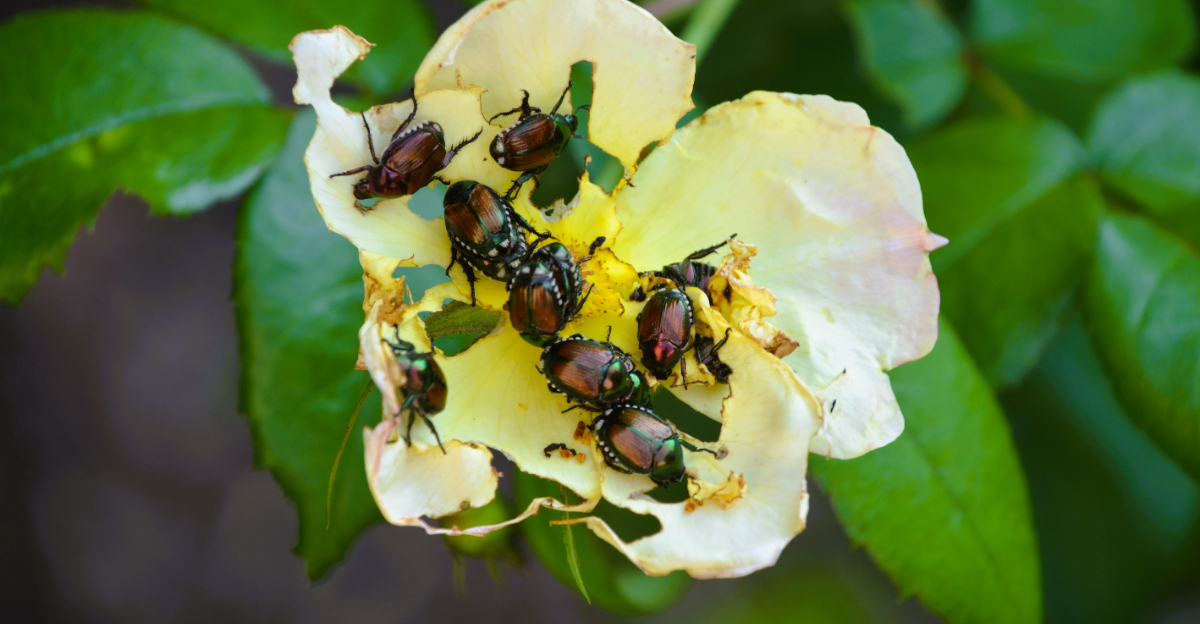
Japanese beetles have a way of making one Ohio yard look untouched while another turns into an all-you-can-eat buffet. The difference is not always luck.
Certain plants, sunny spots, moist turf, and nearby beetle pressure can all tip the scales.
Once you understand what draws adult beetles in and where their grubs develop underground, the problem starts to feel a lot less mysterious.
You may not stop every beetle from flying in, but you can reduce the damage, protect your lawn, and make your yard a harder place for the cycle to continue.
1. Some Yards Invite More Beetles Than Others
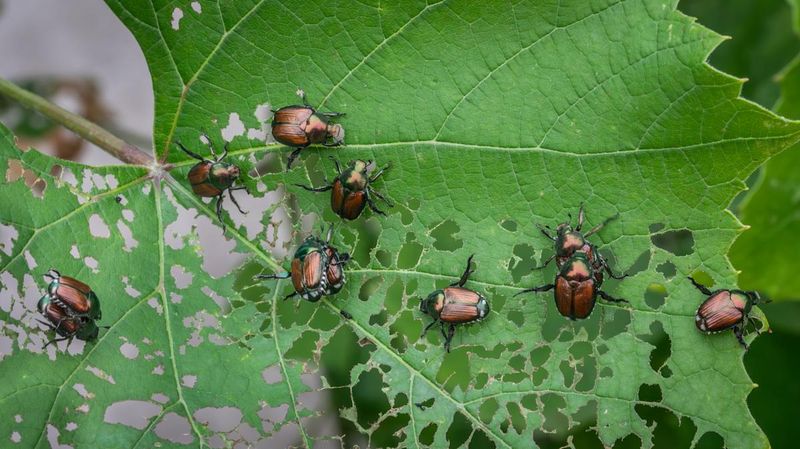
Walk down any Ohio street in July and you will notice something interesting: some yards look like a beetle buffet while others barely seem touched. That difference rarely comes down to luck.
Yards that tend to attract heavier Japanese beetle pressure usually share a few things in common, and once you spot the pattern, it starts to make a lot of sense.
Plant selection is a big piece of the puzzle. Japanese beetles are attracted to more than 300 plant species, and yards loaded with roses, linden trees, grapes, or ornamental fruit trees tend to see more activity.
The more preferred plants you have grouped together, the stronger the signal you are sending to every beetle in the neighborhood.
Sunlight and warmth also matter. Japanese beetles are most active in warm, sunny conditions, and they tend to favor plants in full sun over those tucked in shadier spots.
A yard with wide-open sunny areas and lots of preferred plants is practically rolling out the welcome mat.
Soil moisture plays a role too, especially when it comes to where adult beetles choose to lay their eggs.
Moist, well-irrigated turf is prime real estate for egg-laying, which means that lush, heavily watered lawn you worked so hard on may actually be encouraging the next generation of beetles to set up shop right beneath your feet.
None of this means you have to rip out your garden or stop watering your grass. It just means that small adjustments in how you manage your yard can shift the odds in your favor over time.
Awareness is the real starting point.
2. Adult Beetles Feed Where Food Is Plentiful
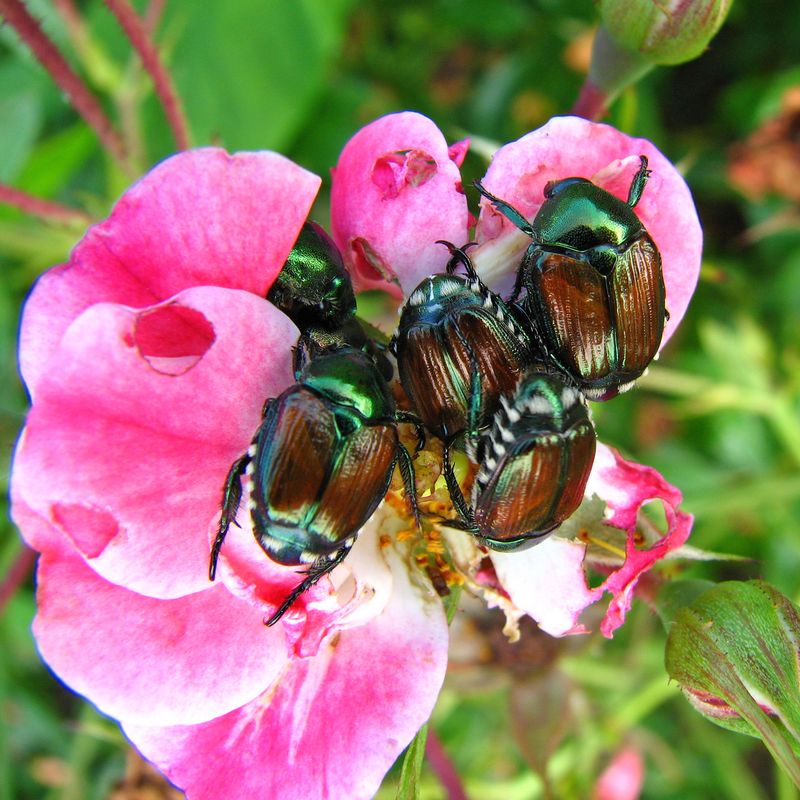
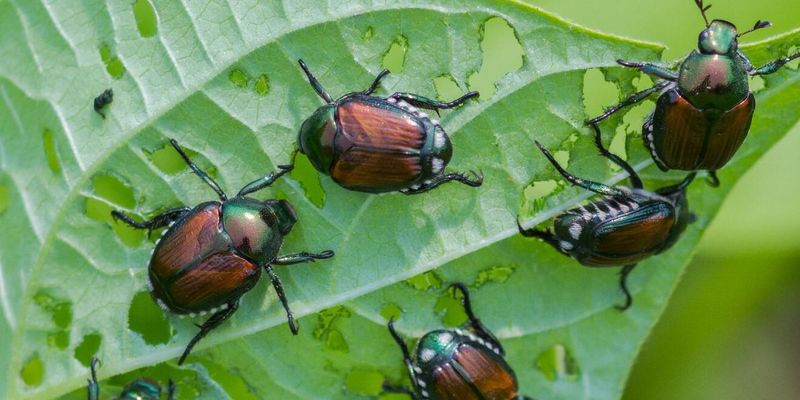
Here is something that catches a lot of homeowners off guard: Japanese beetles are social feeders. When one beetle finds a good food source and starts eating, it releases compounds that attract other beetles to the same spot.
So a small problem on your rose bush can turn into a much bigger one surprisingly fast.
Adult beetles typically emerge in Ohio from late June through July and remain active through August. During that window, they feed on the soft tissue between leaf veins, leaving behind a lacy, skeletonized look that is pretty unmistakable.
They tend to start feeding at the top of plants and work their way down, which is why you often notice the damage at eye level first.
Preferred feeding plants include roses, grapes, linden trees, crabapples, and smartweed, among many others. Yards with these plants in full sun and in clusters are especially attractive.
Your Ohio Garden Changes Every Week. Your Plan Should Too.
Gardening in Ohio changes quickly throughout the season. Every Friday you’ll receive a simple weekly plan showing exactly what to plant, prune, fertilize, harvest, and protect so you never miss the right timing.
A single rose garden with several bushes planted close together can draw beetles from a wider area than one isolated plant would.
Feeding activity also tends to peak on warm, sunny days, usually in the morning through early afternoon. Beetles are less active during cooler parts of the day or when it is overcast, which is actually useful information if you are trying to hand-pick them off plants.
Dropping them into a bucket of soapy water in the early morning is one of the most straightforward ways to reduce the adults feeding on your plants.
Staying consistent with removal during peak season helps reduce the feeding frenzy effect and keeps your plants from getting overwhelmed all at once.
3. Grubs Start The Problem Below The Surface
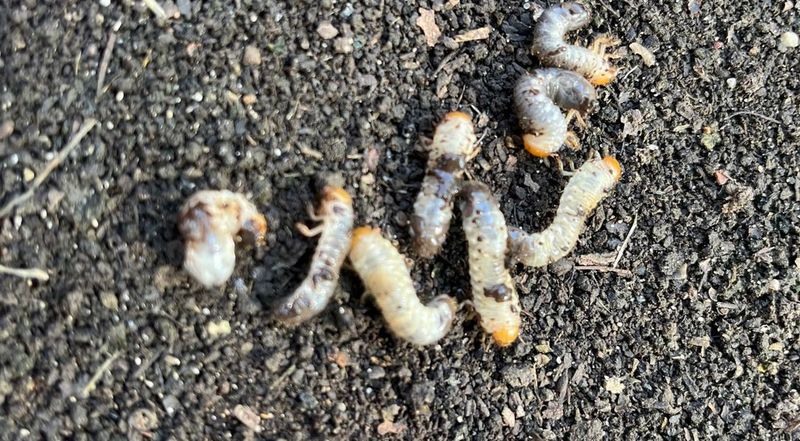
Most people focus on the beetles they can see, but the real beginning of the problem happens underground. After adult beetles feed and mate in summer, females drop into the soil to lay eggs, usually in grassy areas.
Those eggs hatch into small, C-shaped white grubs that immediately start feeding on grass roots below the surface.
By late summer and early fall, the grubs are actively chewing through root systems, which is what causes those brown, spongy patches you might notice in your lawn. If you can lift a section of turf like a piece of loose carpet, there is a good chance grubs are underneath.
Ohio State University Extension notes that turf with more than 10 grubs per square foot may show visible damage, especially if the lawn is already stressed.
The grubs spend the winter deeper in the soil and then move back up toward the root zone in spring as temperatures warm.
By late spring they stop feeding and pupate, eventually emerging as adult beetles in early summer to start the whole cycle over again.
Understanding this underground phase is really important for anyone trying to manage Japanese beetles over the long term. Treating only the adult beetles you see above ground does not address what is developing in the soil beneath your lawn.
Both stages of the life cycle matter, but grub control is most reliable for reducing lawn damage rather than stopping adult beetles from flying into your garden.
Knowing the timing of the grub stage is what gives you a real window for effective action, and that timing is tighter than most people realize.
4. Lawn Conditions Can Fuel The Cycle
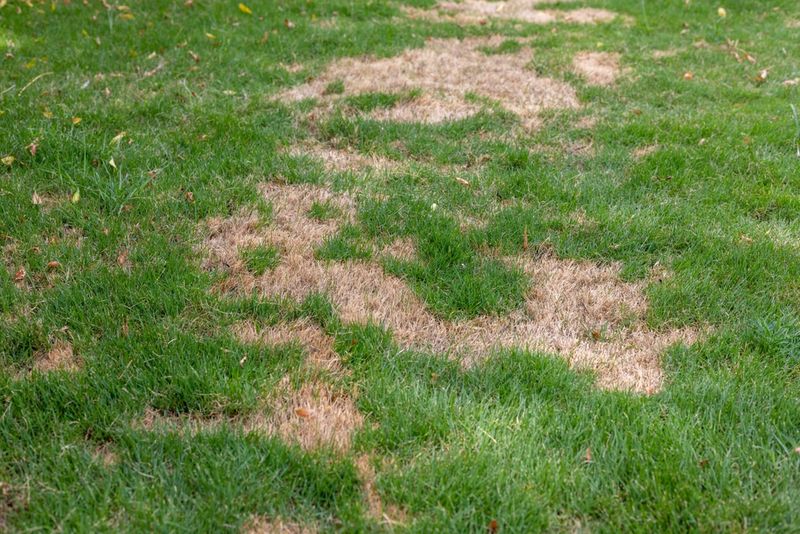
Your watering habits might be doing more than keeping your grass green. During the summer months when female Japanese beetles are laying eggs, moist soil makes it much easier for eggs to survive and for newly hatched grubs to thrive.
Dry soil, on the other hand, can cause eggs and young grubs to dry out before they get established.
Ohio State University Extension has noted that reducing irrigation during late June through August, when egg-laying is happening, can actually lower grub survival rates in your lawn.
This does not mean severely stressing your lawn, but avoiding unnecessary irrigation during that window can reduce how many eggs and young grubs survive.
Heavily fertilized lawns with thick, lush grass also tend to support larger grub populations simply because there is more root material for them to feed on. A lawn that is a little less pampered during beetle season may actually come out ahead in the long run.
Thatch buildup is another factor worth paying attention to. A thick thatch layer can hold moisture near the soil surface, creating comfortable conditions for egg development.
Dethatching and aerating your lawn improves drainage and can make the soil environment a little less welcoming for beetle eggs.
None of these adjustments will completely prevent grubs from showing up, but they can reduce the number that successfully establish themselves each year.
Over several seasons, small reductions in grub survival can help protect your turf, though adult beetles may still arrive from surrounding yards and landscapes.
5. Certain Plants Attract Heavy Feeding
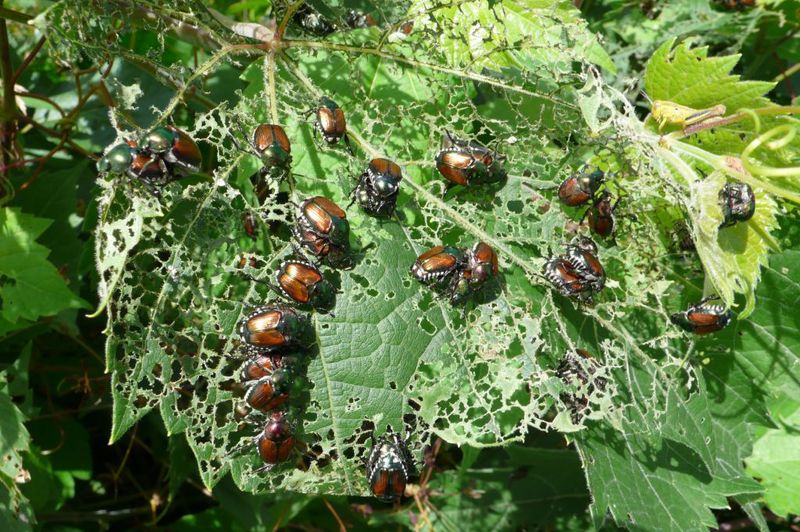
Not every plant in your yard carries the same level of risk when it comes to Japanese beetle feeding. Some plants are like a flashing neon sign to these insects, while others barely get a second glance.
Knowing which plants tend to draw the heaviest attention can help you make smarter choices when planning or updating your garden.
Roses are probably the most well-known target, but the list goes well beyond that. Grapes, linden trees, crabapples, pin oaks, Japanese maples, and smartweed are all considered highly preferred by Japanese beetles.
Ornamental fruit trees, birch, and certain types of basil also tend to see significant feeding pressure during peak beetle season.
On the flip side, plants like boxwood, clematis, dogwood, forsythia, and most conifers are far less attractive to beetles.
Swapping out some of your most vulnerable plants for less preferred species does not guarantee a beetle-free yard, but it can meaningfully reduce how much feeding pressure your garden faces each summer.
If you love your roses or grapevines and are not willing to give them up, that is completely understandable. In those cases, protective netting placed over plants before beetles emerge can physically block access and reduce feeding.
Just be mindful that solid netting over flowering plants can also block pollinators, so use it thoughtfully and remove it when beetle activity slows.
Plant placement matters too. Preferred plants in full sun tend to attract more beetles than the same plants in partial shade.
Even small adjustments to how and where you position susceptible plants can influence how much attention they get from passing beetles.
6. Break The Life Cycle At The Right Time
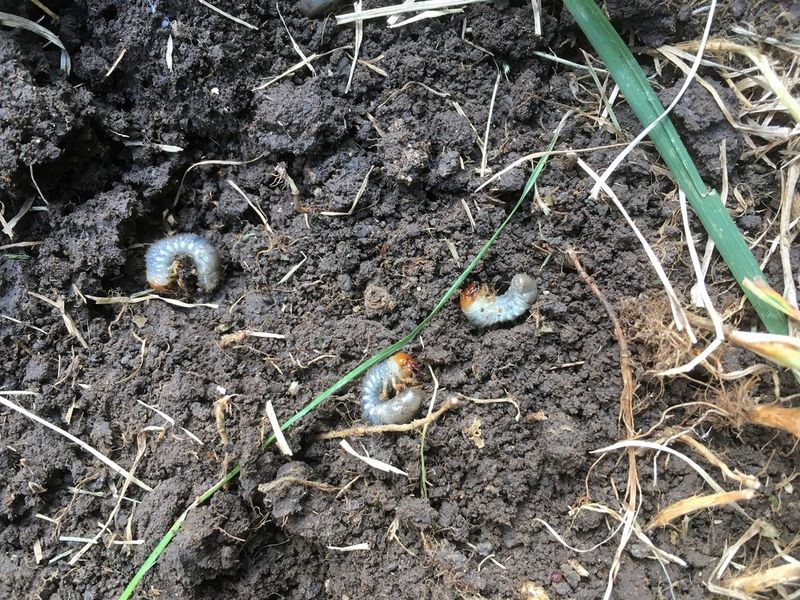
Timing is everything when it comes to managing Japanese beetles effectively. Reacting after you already see heavy adult feeding is often too late to make a real dent in that season’s population.
The most effective window for reducing future beetle numbers is actually during the grub stage, and that window has a specific timeline you need to work with.
Preventive grub control timing depends on the product. Chlorantraniliprole is usually applied earlier, from spring into midsummer, while imidacloprid products are typically applied closer to egg hatch in early to midsummer.
These products need time to move into the soil before young grubs hatch and start feeding on roots.
Applying preventive products too late reduces their effectiveness, which is why waiting until fall lawn damage appears usually means you have missed the best preventive window.
For grubs that are already present and actively feeding in late summer or early fall, curative products containing trichlorfon or carbaryl can be used, but these work best when grubs are still small and close to the soil surface.
Once grubs move deeper for winter, treatments become far less effective.
Biological options like parasitic nematodes, specifically Heterorhabditis bacteriophora, can also target grubs in the soil. These microscopic organisms are applied with water and work by entering and affecting the grubs.
Nematodes work best in moist soil, should be watered in right away, and often need continued moisture after application to be effective.
Checking with Ohio State University Extension or your local county extension office for current product recommendations and timing guidance specific to your region is always a smart move before applying any treatment to your lawn.
7. Use Traps And Treatments Carefully
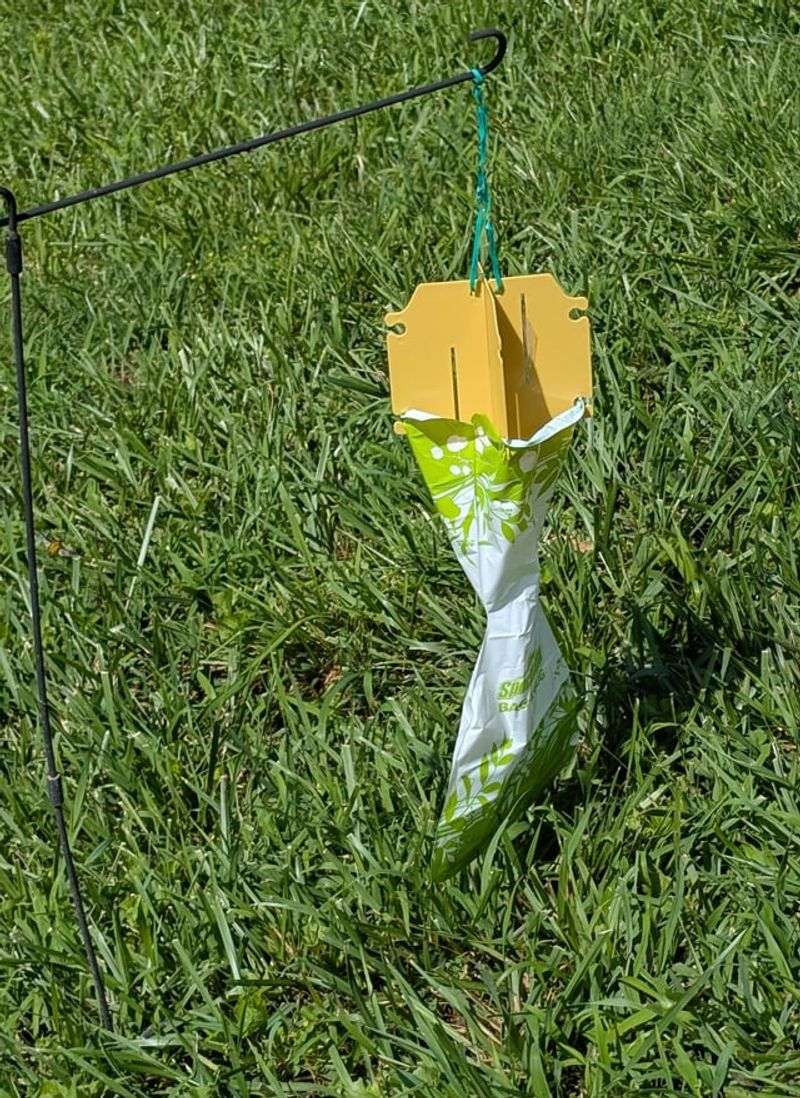
Japanese beetle traps are widely available and easy to find at garden centers, and a lot of Ohio homeowners reach for them as a first response.
They can catch impressive numbers of beetles, which feels satisfying, but there is a real catch that most product packaging does not spell out clearly.
Beetle traps use a combination of floral lure and sex pheromone to attract beetles. The problem is that they are very effective attractants, sometimes too effective.
Research has shown that traps can draw in more beetles from the surrounding area than they actually capture, meaning that placing a trap near your garden can increase the feeding pressure on your plants rather than reduce it.
If you choose to use traps, placement matters a lot. Position them well away from plants you want to protect, ideally at least 30 feet from gardens or susceptible trees and shrubs.
Placing them at the edge of your property, downwind from your garden, is a better approach than hanging one right next to your rose bed.
When it comes to insecticide treatments for adult beetles on plants, products containing pyrethrins or neem oil can help reduce feeding on contact. These can still affect beneficial insects, so avoid spraying open blooms and apply only when pollinators are not active.
Neem oil may help reduce feeding for a short time, but it usually needs repeat applications and careful coverage.
No single treatment solves the problem on its own. Traps and sprays work best as part of a broader plan, not as a standalone fix.
Realistic expectations make the whole process less frustrating.
8. Combine Methods For Better Control
There is no single product or trick that will make Japanese beetles disappear from your yard. Anyone who has tried just one approach and then felt disappointed has probably learned this lesson the hard way.
What actually moves the needle is combining several strategies together and sticking with them consistently over more than one season.
Integrated pest management, often called IPM, is the approach recommended by Ohio State University Extension and most professional lawn and garden advisors. The idea is to layer multiple tactics so that each one supports the others.
Reducing preferred plants or moving them to shadier spots, adjusting your summer watering schedule, applying grub control at the right time, and hand-picking adult beetles during peak season all work together to reduce damage, even though they may not eliminate beetles completely.
Cultural changes like choosing less attractive plant varieties and improving lawn drainage are low-effort moves that pay off over time.
Pairing those with properly timed grub treatments helps protect turf and manage part of the life cycle, while adult beetle control still depends on above-ground tactics.
Keeping records from year to year can also help. Note when you first see adult beetles, where the heaviest feeding happens, and which lawn areas show grub damage in fall.
That information helps you plan smarter for the following season and apply treatments at the most useful times.
Progress with Japanese beetles is measured in seasons, not days. A yard that sees less plant damage or fewer lawn grub problems next summer because of consistent, combined effort is a real win.
Stick with the plan, adjust as you learn, and the results will follow over time.