8 Popular Plants That Struggle Once Arizona Summer Starts
Spring makes many plants look strong and full, which is why they end up in Arizona yards again and again. Everything feels like a good choice while temperatures stay mild and growth comes easy.
Then summer shows up, and some of those same plants start to lose color, slow down, or stop performing almost overnight.
It is not always obvious at first what went wrong. Conditions change fast, and certain plants simply are not built to handle the combination of heat, sun, and dry air that follows.
Once that pattern becomes clear, repeated frustration starts to make more sense.
Knowing which popular picks tend to struggle can save time, effort, and money, especially before the most intense part of the season begins.
1. Calibrachoa Slows Down In Prolonged Heat
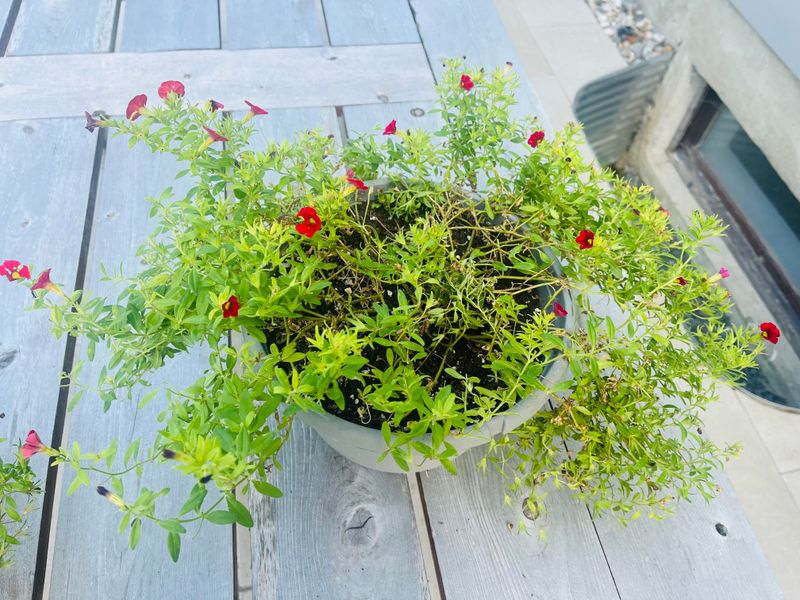
Calibrachoa, often called million bells, earns its nickname during cooler months when it produces so many tiny blooms it looks almost unreal.
Gardeners in Arizona absolutely love this plant in the spring because it fills hanging baskets and containers with color almost effortlessly.
Unfortunately, million bells does not live up to its name once Arizona summer temperatures take over. When heat stays consistently high, calibrachoa slows its bloom production dramatically.
The flowers get smaller, appear less frequently, and the foliage can start to look tired and stretched out.
In Arizona, where summer temperatures in cities like Mesa or Scottsdale regularly hit 110 degrees or more, this plant struggles to maintain any real display.
One thing worth knowing is that calibrachoa is more sensitive to heat than many gardeners expect. It needs well-draining soil and regular fertilizing to even have a chance during warmer months.
Placing it somewhere with morning sun and afternoon shade can extend its season by a few extra weeks. Keeping the soil evenly moist without letting it dry out completely is also key.
Still, even with the best care, most calibrachoa plants in Arizona will take a noticeable break from blooming during the hottest stretch of summer.
Think of it as a spring and fall superstar that simply needs a summer vacation in this climate.
Trimming it back lightly when it starts to look stretched can help it recover and push out fresh growth once temperatures begin to drop again.
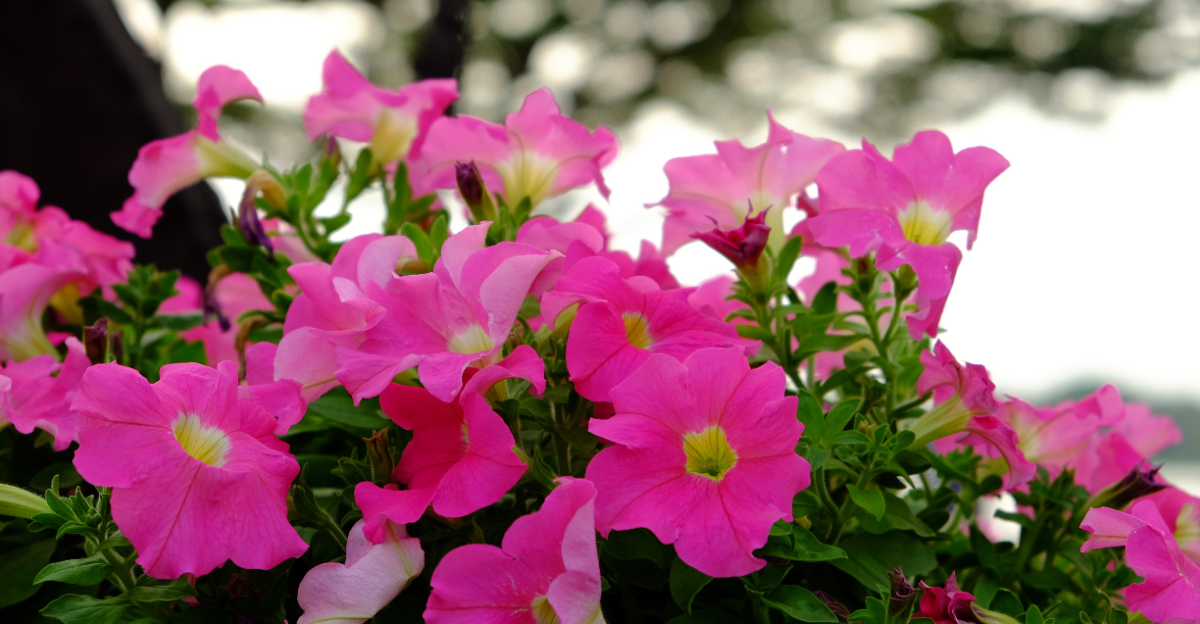
2. Petunias Struggle Once Temperatures Stay High
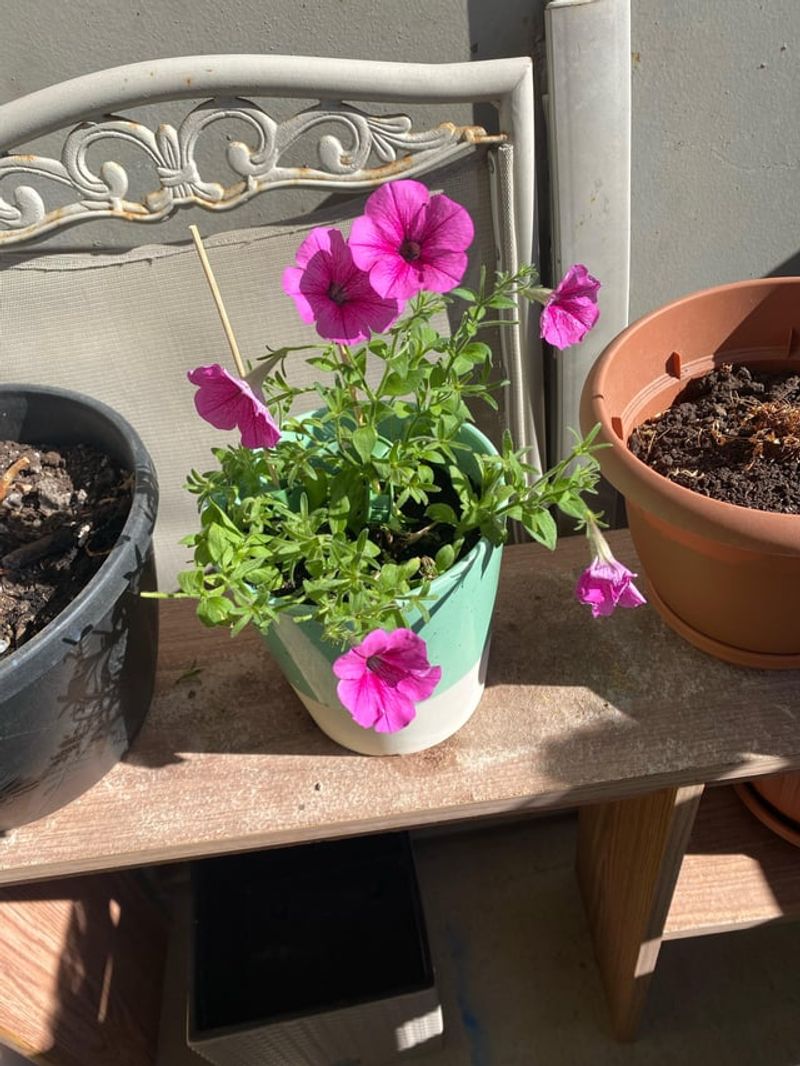
Few flowers look as cheerful as petunias in the spring. With their wide, colorful blooms and easy-going nature, they are a top pick for gardeners all across Arizona when the weather is mild.
But once the real Arizona summer heat kicks in, petunias start to show serious signs of stress pretty fast. The problem is that petunias prefer temperatures that stay below 90 degrees Fahrenheit.
Once Arizona pushes past that mark regularly, which happens very early in the summer season, petunia plants begin to get leggy, stop blooming, and look generally worn out.
The intense afternoon sun in places like Phoenix or Tucson can scorch their delicate petals within hours.
Watering more frequently can help, but it is rarely enough to save the show.
Your Arizona Garden Changes Every Week. Your Plan Should Too.
Gardening in Arizona changes quickly throughout the season. Every Friday you’ll receive a simple weekly plan showing exactly what to plant, prune, fertilize, harvest, and protect so you never miss the right timing.
Petunias planted in containers tend to suffer even more because pots heat up quickly in direct sun.
If you want to keep them going a little longer, try moving containers to a spot that gets afternoon shade and make sure the soil stays consistently moist. Deadheading spent blooms can also encourage a few new flowers to form.
However, most gardeners in Arizona find it easier to simply treat petunias as a cool-season plant and replant them again in the fall when temperatures drop back to a comfortable range.
Switching to heat-tolerant alternatives like vinca or portulaca helps maintain strong color through Arizona’s extreme summer conditions without the same decline.
3. Pansies Fade Quickly As Heat Builds
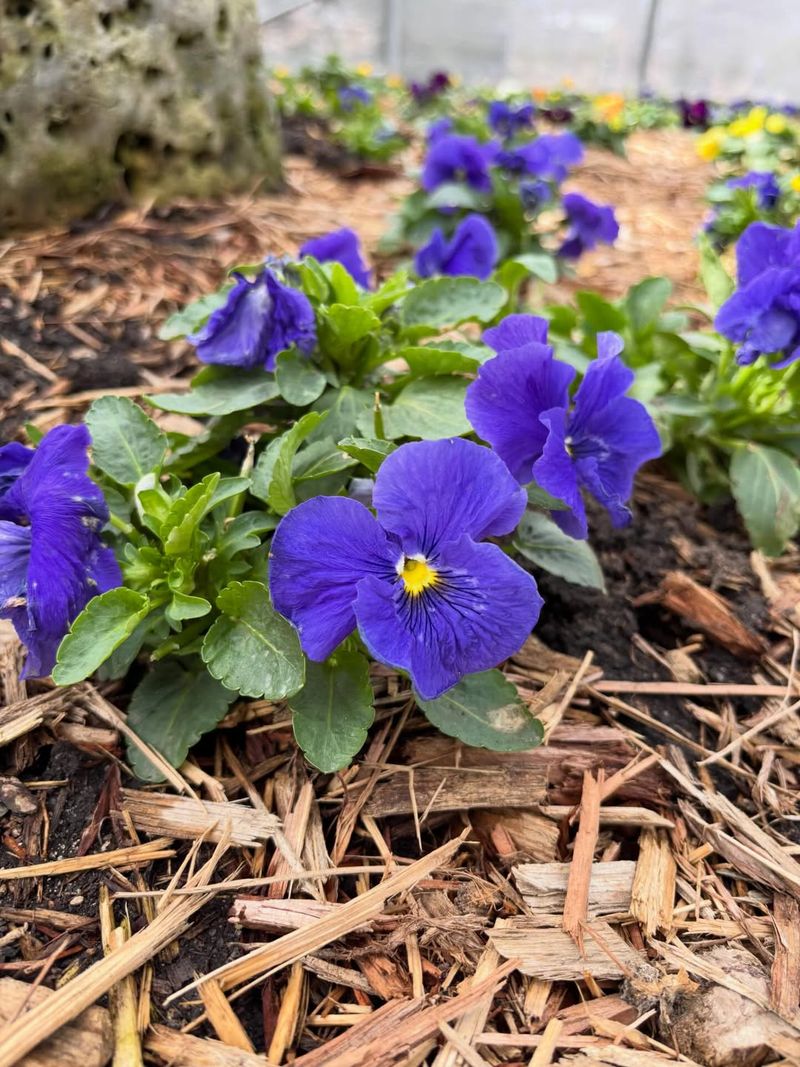
Pansies are one of the most beloved cool-season flowers in the country, and Arizona gardeners are no exception to that love.
With their charming face-like patterns and wide range of colors, pansies are a staple at garden centers all across the state from fall through early spring.
But ask any experienced Arizona gardener what happens to pansies by May, and they will give you a knowing look.
As soon as temperatures start climbing toward the 80s and 90s, pansies begin to fade fast. The plants get leggy, the blooms shrink and lose their color saturation, and the whole plant takes on a wilted, tired appearance.
By the time Arizona fully enters summer mode, pansies are essentially done for the season.
There is really no way to force pansies through an Arizona summer, no matter how much water or shade you provide. They are simply not engineered for that level of heat and will not bounce back once temperatures stay consistently high.
Smart Arizona gardeners plan ahead by pulling pansies out in late April or early May before they completely fade. Replacing them with heat-tolerant summer options like portulaca or vinca keeps the garden looking fresh.
Then, when October rolls around and the desert air finally cools off, it is the perfect time to plant pansies all over again and enjoy their cheerful faces through the mild Arizona winter season.
4. Snapdragons Decline When Summer Heat Sets In
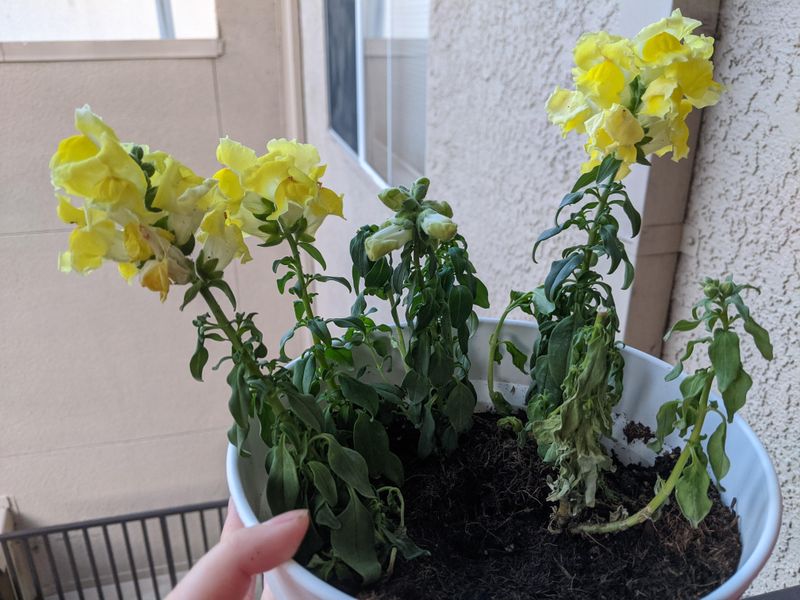
Snapdragons are a classic garden flower with a fun, almost whimsical look that has made them popular for generations. Gardeners in Arizona enjoy them most during the cool months, when snapdragons can actually thrive in the mild desert winters and early spring conditions.
Their tall, colorful spikes add real drama to flower beds and borders, making them a fan favorite across the state.
The trouble starts when Arizona summer begins knocking on the door. Snapdragons prefer temperatures between 40 and 75 degrees Fahrenheit, which means Arizona’s summer heat is essentially the opposite of what they need.
Once daytime highs push past 85 or 90 degrees consistently, snapdragons stop producing new blooms and the existing flowers drop off quickly.
The plant itself may survive for a while in a shaded spot with consistent moisture, but it will not look good or perform well. In the intense Arizona sun, even shaded snapdragons tend to go downhill rapidly once real summer temperatures arrive.
Some gardeners try cutting them back hard in hopes of a late-summer or fall revival, and occasionally that works if temperatures drop early enough.
However, the smarter move is to enjoy snapdragons fully during their peak season from November through April in Arizona, then swap them out for something that genuinely loves the heat, like celosia or gaillardia, when summer officially begins.
5. Impatiens Perform Poorly In Intense Sun And Heat
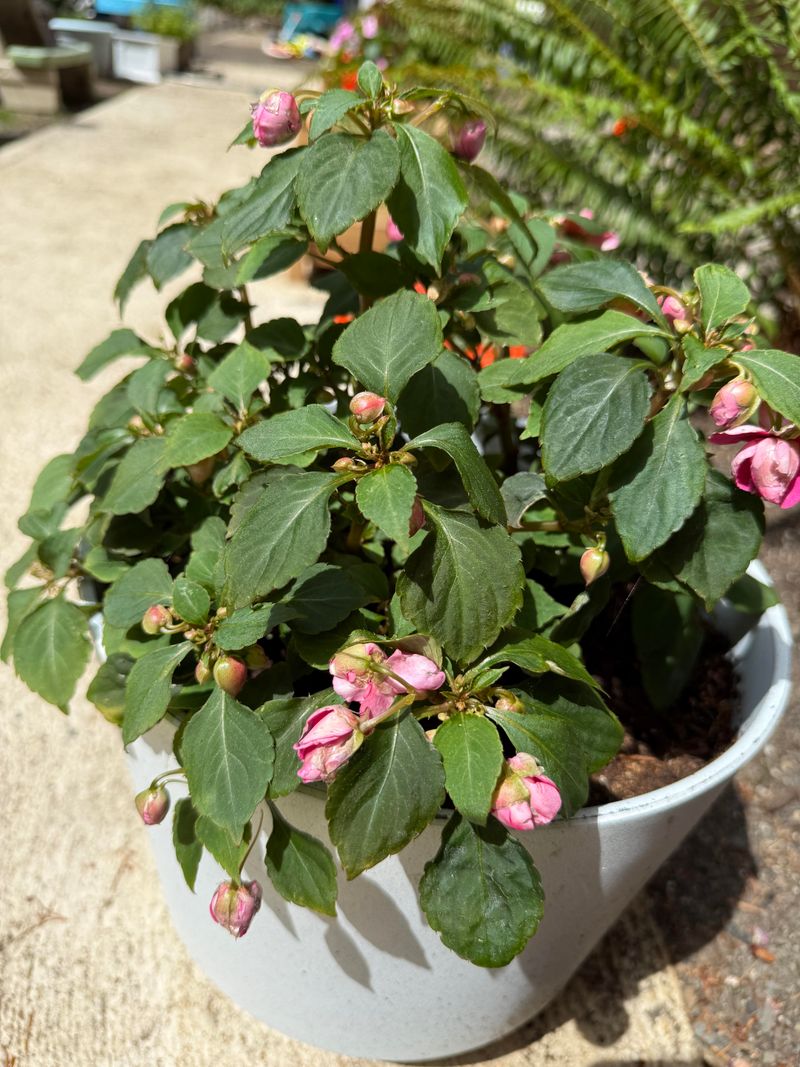
Walk into any garden center in early spring and impatiens are usually front and center, calling out to shoppers with their bright, nonstop color. They have a reputation for being easy and reliable, which they absolutely are, but only in the right climate.
In Arizona, impatiens face a tough reality once summer heat arrives in full force.
Impatiens are shade-loving plants that prefer mild, humid conditions, which is basically the opposite of what Arizona delivers in summer.
The combination of scorching sun, low humidity, and extreme temperatures in places like Phoenix and Chandler causes impatiens to wilt quickly, even with regular watering.
Direct afternoon sun in Arizona can cause visible leaf scorch within a single day.
Even in shaded spots, the heat alone is often too much for impatiens to handle comfortably. They may survive in deep shade with very frequent watering, but they will not thrive or bloom well during the hottest months.
If you are set on growing impatiens in Arizona, your best bet is to plant them in containers that can be moved indoors or to a very protected spot during peak summer heat.
Most experienced Arizona gardeners simply save impatiens for the cooler months or skip them entirely in favor of heat-tough alternatives like vinca or pentas, which genuinely love the intense Arizona summer sun and keep blooming without complaint all season long.
6. Lobelia Stops Performing In Hot Conditions
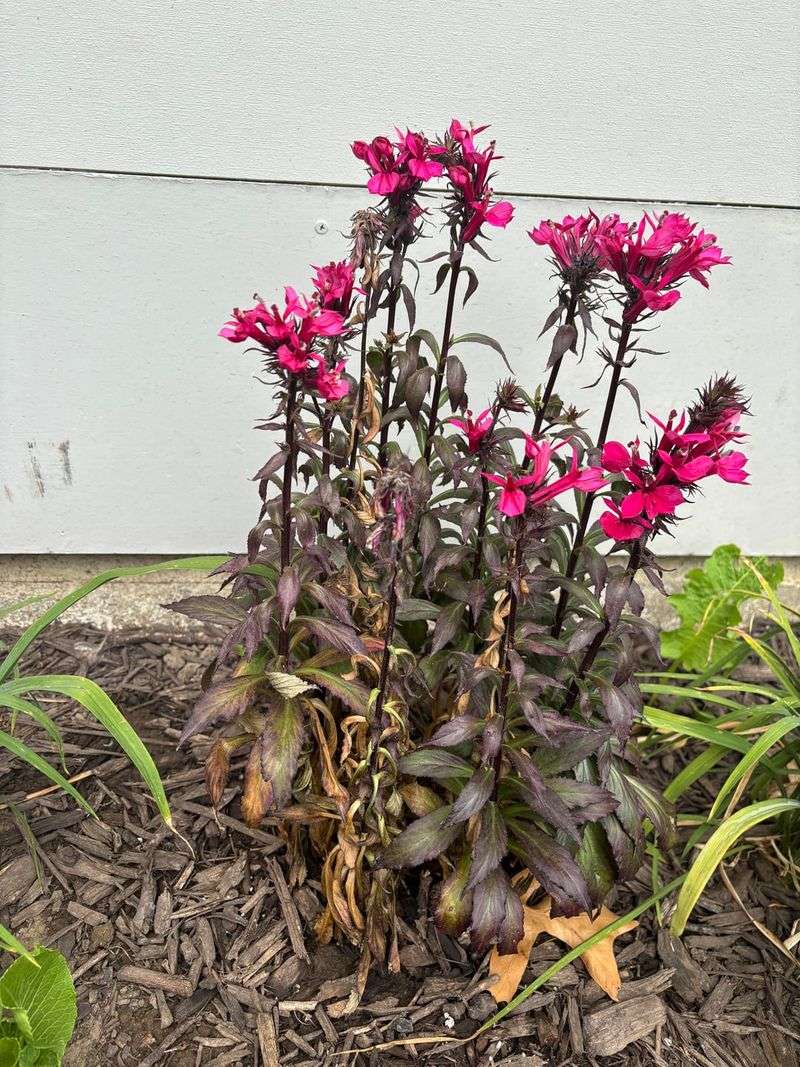
Lobelia is one of those plants that looks absolutely magical in the right conditions. Its delicate, tiny flowers in shades of blue, purple, and white create a soft, almost cloud-like effect in containers and garden beds.
Arizona gardeners often fall in love with lobelia in the early spring when it performs beautifully in the mild temperatures the desert offers before summer hits.
The problem is that lobelia has a very low heat tolerance. Once Arizona temperatures start climbing past 80 degrees on a regular basis, lobelia blooms become sparse, the plant looks scraggly, and new growth slows to nearly a standstill.
By the peak of Arizona summer, lobelia has usually stopped performing altogether and looks more like a dried-out tangle than a garden showpiece.
Unlike some plants that can be coaxed along with shade and extra water, lobelia tends to shut down quickly regardless of how much care you give it in high heat. In a place like Tempe or Gilbert, where summer afternoons are relentlessly hot and dry, lobelia simply does not have the tools to cope.
Rather than fighting the season, most savvy Arizona gardeners treat lobelia as a short-season plant that shines in fall, winter, and early spring.
Planting it again in September or October lets you enjoy its beautiful color during the most comfortable gardening months Arizona has to offer throughout the year.
7. Sweet Alyssum Struggles In Prolonged Heat
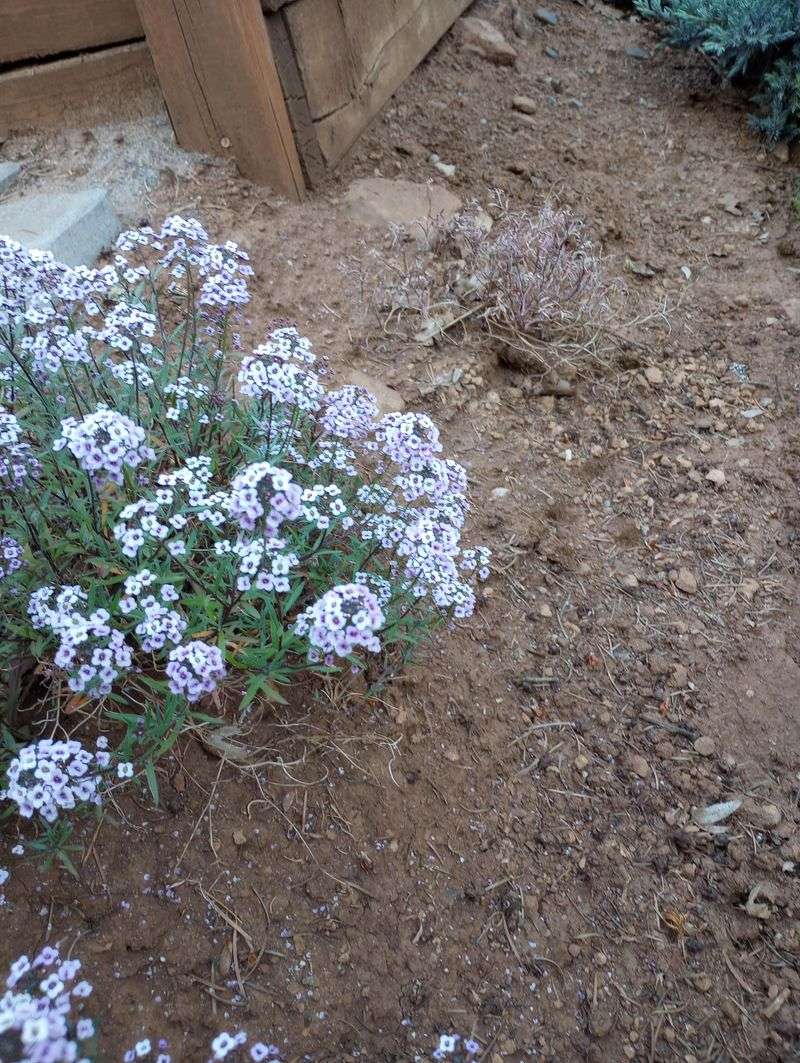
Sweet alyssum is one of those charming, low-growing plants that fills garden edges and container rims with clusters of tiny, fragrant flowers.
It has a honey-like scent that makes it a sensory treat in the garden, and its ability to self-seed means it often pops up on its own in cooler months.
In Arizona, sweet alyssum is a wonderful cool-season companion that thrives from fall all the way through early spring.
Once Arizona summer temperatures push consistently above 90 degrees, sweet alyssum begins to fall apart. The foliage yellows, the flowers disappear, and the plant often looks completely spent within just a few weeks of the heat arriving.
The low humidity and intense sun that Arizona is famous for during summer make it nearly impossible for sweet alyssum to maintain its normally lush appearance.
Some gardeners try cutting sweet alyssum back hard when it starts to decline, hoping it will recover when fall arrives. Occasionally, if the plant survives the summer in a very shaded spot with consistent moisture, it can bounce back in September or October.
But in most Arizona yards, summer is simply too brutal for sweet alyssum to make it through alive.
The better plan is to pull spent plants by late May, add fresh mulch to protect the soil, and replant sweet alyssum seeds or transplants in early fall when Arizona temperatures finally start to ease up.
8. Begonias Struggle In Dry, High-Heat Conditions
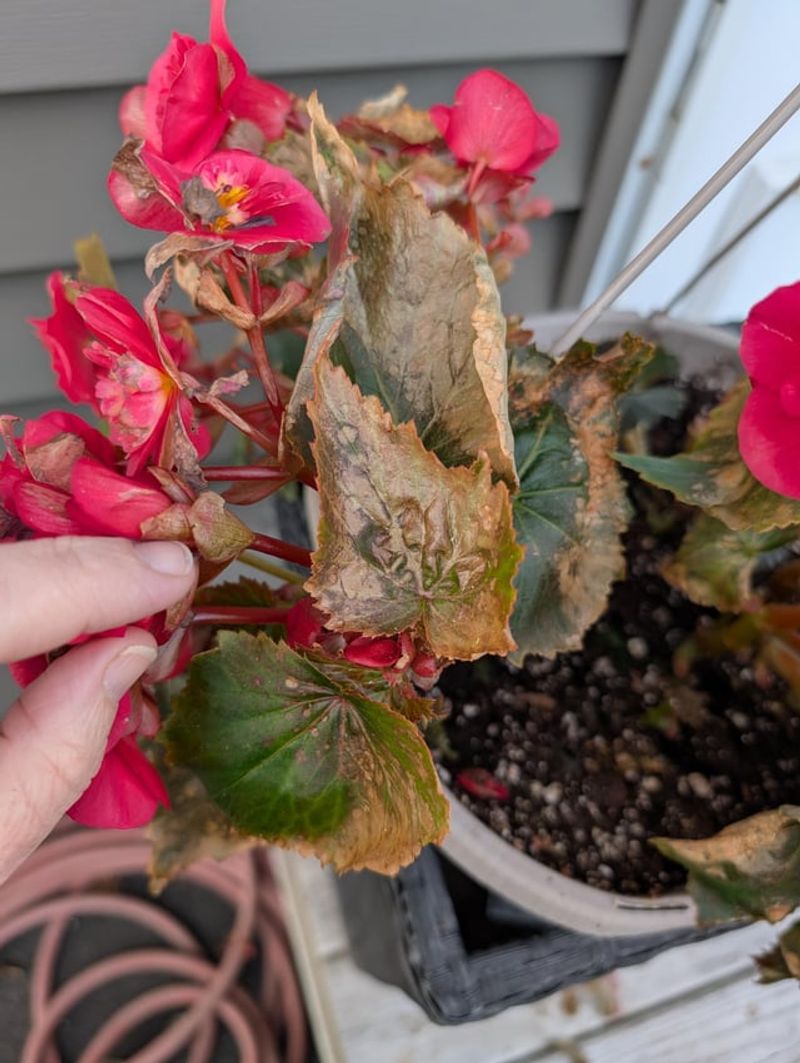
Begonias have a lot going for them in the garden world. They come in a huge range of colors, grow well in containers or in-ground beds, and are generally considered pretty easy to care for in most parts of the country.
In Arizona, begonias do reasonably well in spring, especially in spots that offer some afternoon shade, but summer is a completely different story.
The combination of extreme heat and very low humidity that defines an Arizona summer hits begonias hard.
Wax begonias, one of the most popular types, can handle some heat better than others, but even they begin to look stressed when temperatures stay above 100 degrees for days on end.
The dry desert air pulls moisture from the leaves faster than the roots can replace it, causing wilting, leaf drop, and poor bloom production.
Tuberous begonias are even more sensitive and tend to struggle even earlier in the season. In cities like Peoria or Surprise, where summer heat is relentless and the air is bone dry, keeping begonias looking good is a real challenge.
Providing afternoon shade, watering deeply and regularly, and adding a thick layer of mulch around the base of the plant can all help extend their season a bit.
For most Arizona gardeners, though, begonias work best as a spring plant, with a fresh round of planting planned again for the cooler fall season.