Texas Vegetables You Can Still Plant In May For A Summer Harvest
May in Texas feels like summer has already arrived, and honestly, that’s great news for your garden. The warm soil and long sunny days create the perfect conditions for growing a solid crop before the real heat of July and August sets in.
Many gardeners think the planting window has closed by now, but Texas has a longer growing season than most states, which means you still have time to get a lot of vegetables in the ground.
Whether you have a big backyard garden or just a few raised beds, these seven vegetables are tough, productive, and built to handle the Texas heat.
From the classic okra that thrives in full sun to heat-loving vines and fast-growing squash, there’s something here for every kind of Texas gardener.
Planting in May gives most of these crops enough time to mature and produce a generous harvest before conditions get too extreme. Grab your gloves, prep your soil, and let’s get growing.
1. Okra
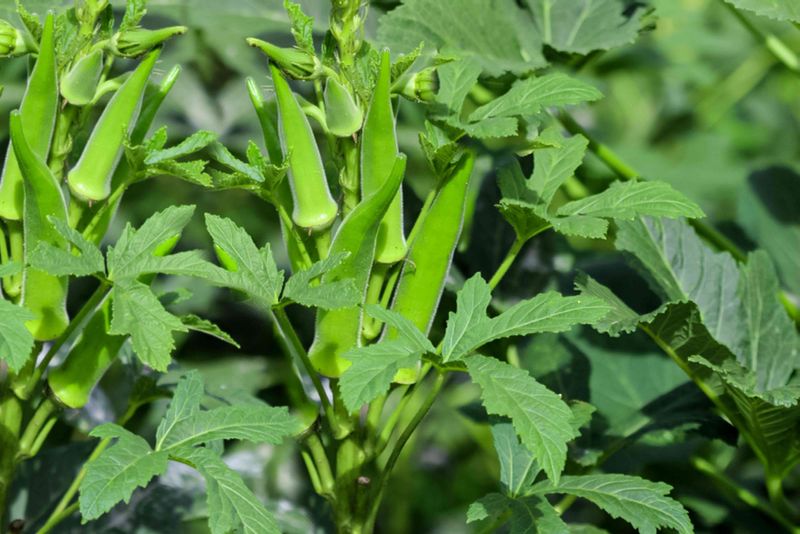
If there’s one vegetable that was practically made for Texas summers, it’s okra. This Southern staple loves heat more than almost any other garden crop.
When temperatures push past 90 degrees and other plants start to struggle, okra just keeps on going strong.
Plant okra seeds directly into warm soil in May, and you’ll see germination in about a week. The soil temperature should be at least 65 degrees Fahrenheit, and in Texas, that’s rarely a problem by mid-spring.
Space your seeds about 12 to 18 inches apart in a sunny spot with well-draining soil. Okra grows fast once it gets going. You can expect to start harvesting pods in about 50 to 65 days after planting.
Pick the pods when they’re around 3 to 4 inches long because they get tough and fibrous if left on the plant too long.
Watering okra deeply once or twice a week is usually enough. It doesn’t like sitting in soggy soil, so good drainage matters.
A layer of mulch around the base of the plants helps keep moisture in and weeds out, which is a big help during the hot Texas summer months.
One fun fact about okra is that it belongs to the same plant family as hibiscus. Its flowers are actually quite beautiful, creamy yellow with a deep red center. So even before you get to harvest, your garden gets a little decoration out of the deal.
2. Southern Peas (Black-Eyed Peas / Cowpeas)
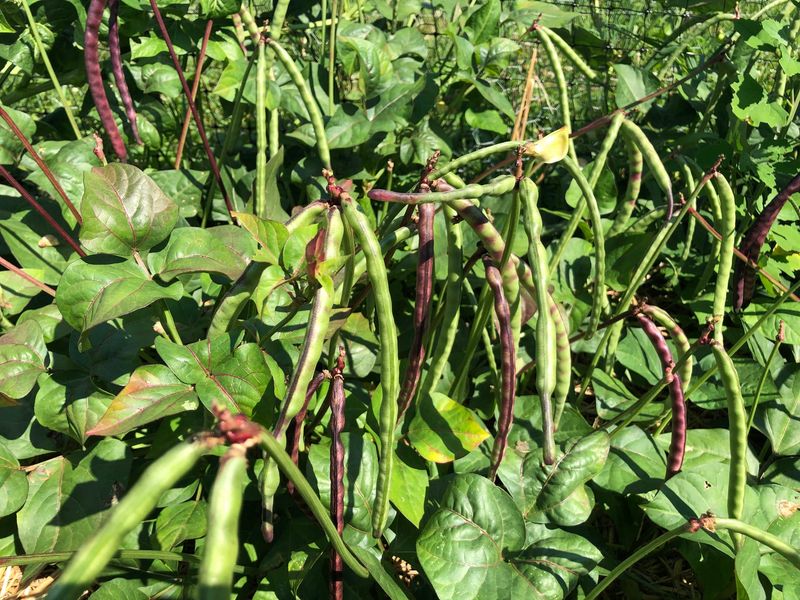
Southern peas have been feeding Texas families for generations, and there’s a good reason why. These beans, which include black-eyed peas, crowder peas, and purple hull peas, are some of the most heat-tolerant vegetables you can grow anywhere in the South.
May is actually one of the best times to get them in the ground across Texas. Direct sow southern pea seeds about one inch deep and four to six inches apart in rows. They prefer loose, well-drained soil and full sun.
One of the best things about these plants is that they fix nitrogen in the soil, which actually makes your garden soil healthier over time. That’s a win-win for any Texas gardener.
Your Texas Garden Changes Every Week. Your Plan Should Too.
Gardening in Texas changes quickly throughout the season. Every Friday you’ll receive a simple weekly plan showing exactly what to plant, prune, fertilize, harvest, and protect so you never miss the right timing.
Once established, southern peas are surprisingly low-maintenance. They handle dry spells better than most vegetables and rarely need heavy fertilizing.
In fact, too much nitrogen fertilizer can cause them to grow lots of leaves but fewer pods, so go easy on the feeding.
You can start harvesting green shell peas in about 60 to 70 days. If you prefer dried peas, just leave the pods on the vine a little longer until they dry out naturally.
Either way, you get a solid and satisfying harvest from plants that barely complain about the Texas heat.
These peas taste amazing fresh, frozen, or cooked low and slow with a little seasoning. They’re a true Texas garden staple that deserves a spot in every summer planting plan.
3. Sweet Potatoes (Slips)
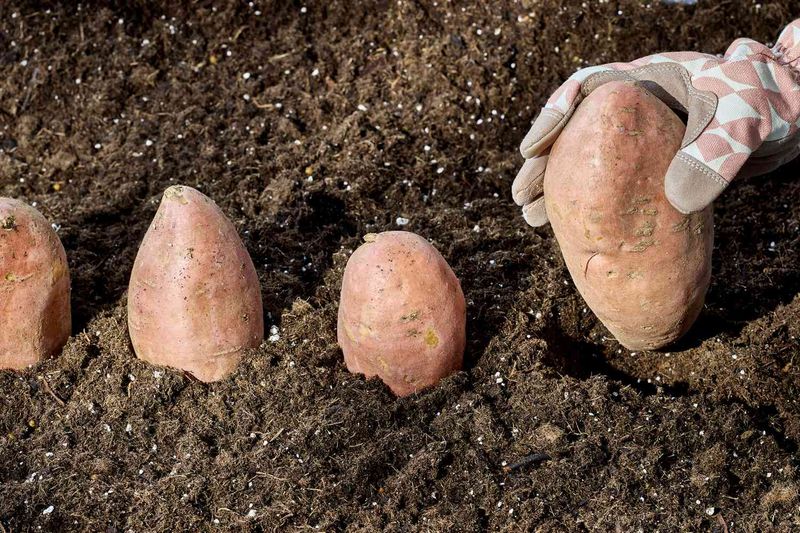
Sweet potatoes are one of those vegetables that genuinely love Texas. They need a long, hot growing season to develop big, sweet tubers underground, and planting slips in May gives them exactly what they need.
Most sweet potato varieties need around 90 to 120 days to reach full maturity, so May is actually the sweet spot for getting them started in Texas.
Slips are small rooted cuttings that grow from a mature sweet potato. You can buy them from local nurseries or garden centers, or even sprout your own at home by placing a sweet potato in water until sprouts form.
Once your slips are about six to nine inches long, they’re ready to go in the ground. Plant slips about 12 to 18 inches apart in loose, sandy, or well-drained soil.
Sweet potatoes don’t do well in heavy clay, so if your Texas soil is on the dense side, consider adding compost or planting in raised beds. They spread out as vines, so give them room to roam.
These plants are surprisingly drought-tolerant once established. Water them regularly for the first few weeks after planting, then cut back to deep watering once or twice a week.
The vines will spread across the ground and naturally shade out weeds, which saves you a lot of work.
Come fall, you’ll dig up a treasure chest of sweet, orange-fleshed tubers that are perfect for roasting, mashing, or turning into pie. Few harvests feel as rewarding as pulling sweet potatoes out of the Texas soil.
4. Malabar Spinach
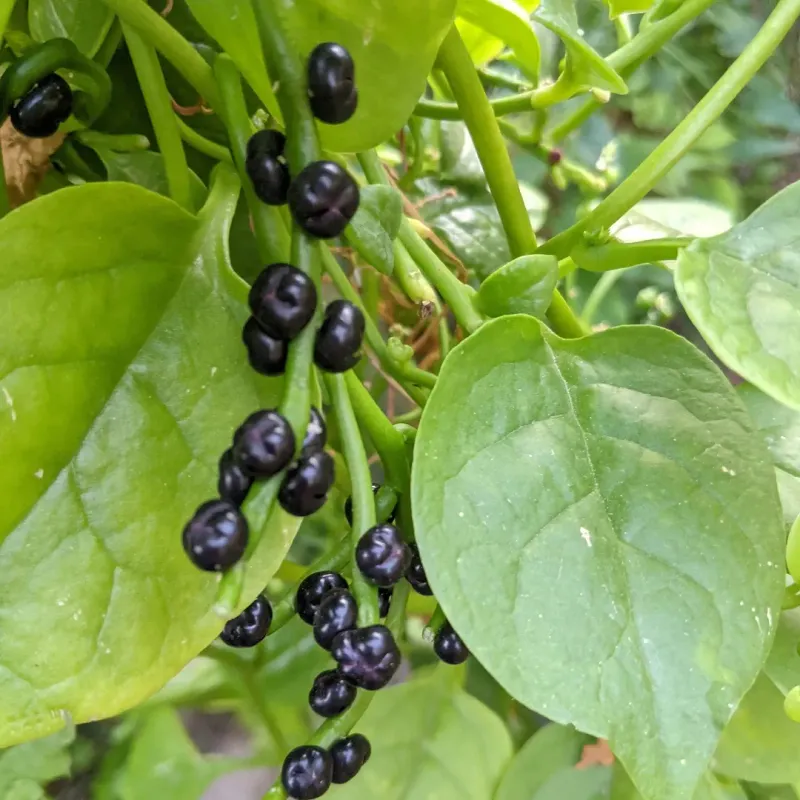
When regular spinach gives up in the Texas heat, Malabar spinach steps in and takes over. Despite its name, it’s not actually related to true spinach.
It’s a fast-growing tropical vine originally from Asia, and it thrives in the kind of hot, humid weather that Texas summers are known for. If you love having leafy greens in your garden all season long, this plant is a game changer.
Malabar spinach comes in two main varieties: green-stemmed and red-stemmed. Both taste similar, with thick, glossy leaves that have a mild, slightly mucilaginous texture when cooked.
The red-stemmed variety is especially striking and adds a pop of color to any garden fence or trellis. Plant seeds or transplants in May, and you’ll have harvestable leaves within about 70 days.
This vine grows vigorously and can reach 10 feet or more if given support. A simple trellis, fence, or even a wire cage works great.
In Texas gardens, it’s smart to give it afternoon shade if possible, though it handles full sun well too. The more you harvest the leaves, the more the plant keeps producing throughout the summer.
Use Malabar spinach anywhere you’d normally use cooked spinach. It’s great in stir-fries, soups, and curries.
Raw, the young leaves work well in salads. The plant is also rich in vitamins A and C, making it as nutritious as it is productive in the Texas summer garden.
5. Armenian Cucumbers
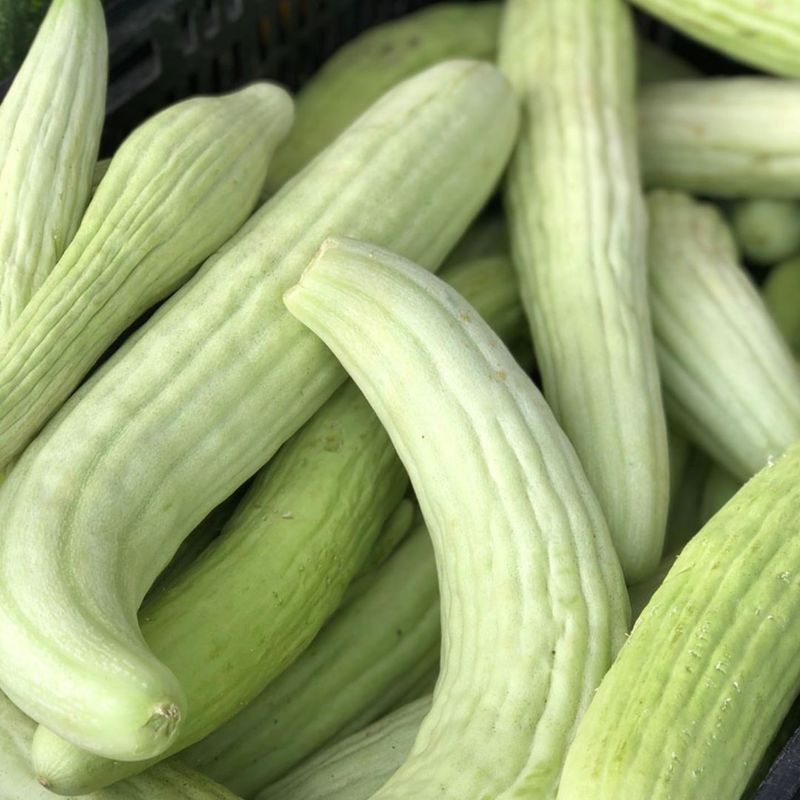
Most gardeners in Texas have had the frustrating experience of watching regular cucumbers wilt and stop producing the moment the summer heat cranks up. Armenian cucumbers are built differently.
Technically a type of muskmelon, they look and taste very much like cucumbers but handle the Texas heat with much more ease. They keep producing even when temperatures climb well above 95 degrees.
Plant Armenian cucumber seeds directly in the ground or in a raised bed in early May. They germinate quickly in warm soil and grow fast.
Give them a trellis or fence to climb because they produce long, slender fruits that hang beautifully and are easier to spot and harvest when grown vertically. Space plants about 12 inches apart along the base of your support structure.
These cucumbers are incredibly productive. One or two plants can keep a whole family supplied with fresh cucumbers throughout the summer.
The fruits are usually pale green and ribbed, growing anywhere from 12 to 36 inches long depending on when you pick them. Harvest them young, around 12 to 15 inches, for the best flavor and texture.
Armenian cucumbers have thin, edible skin and a mild, refreshing taste that’s perfect for salads, snacking, or making chilled summer soups. They’re rarely bitter, which is a common complaint with regular cucumbers grown in extreme heat.
Water them consistently and keep the soil evenly moist, and your Texas garden will reward you with an impressive and delicious harvest all summer long.
6. Yardlong Beans (Asparagus Beans)
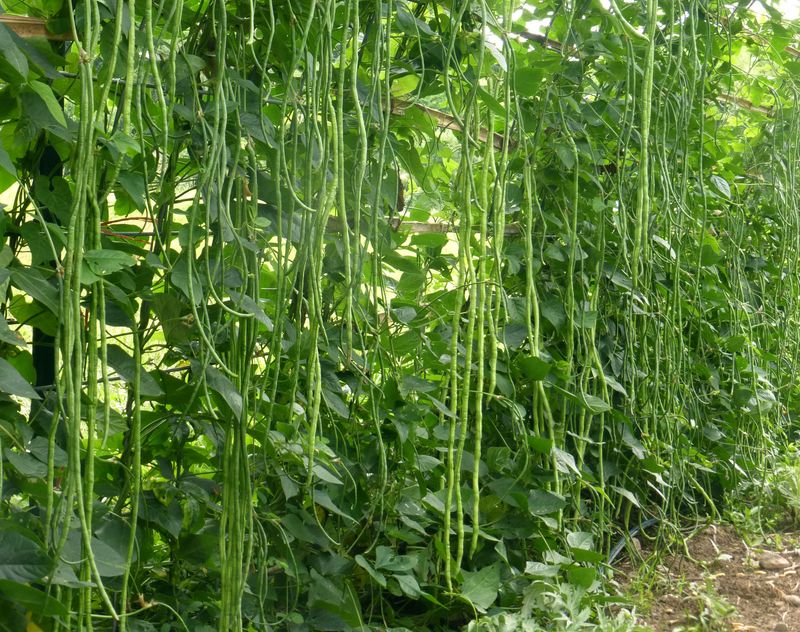
Yardlong beans go by a lot of names. Some people call them asparagus beans, snake beans, or Chinese long beans.
Whatever you call them, these remarkable vegetables are one of the best warm-season crops you can grow in Texas. Unlike regular green beans that slow down in the heat, yardlong beans actually thrive when temperatures rise.
May planting gives them a perfect head start into a long and productive summer season. These beans are vigorous climbers and can reach heights of eight to ten feet. Set up a sturdy trellis, fence, or pole system before you plant because they grow fast and need support quickly.
Sow seeds about one inch deep and four to six inches apart at the base of your support. In warm Texas soil, expect germination within five to seven days.
The beans themselves are long, slender, and flexible, often reaching 18 inches or more. They’re best harvested when they’re about 12 to 18 inches long and still tender.
Leaving them on the vine too long causes them to get tough and stringy. Check your plants every day or two during peak production because they grow surprisingly fast.
Yardlong beans are a staple in many Asian and Southern cooking traditions. They’re delicious stir-fried with garlic and soy sauce, braised with smoked meat, or simply sauteed in olive oil with herbs.
Nutritionally, they’re a solid source of protein, fiber, and vitamins. For Texas gardeners looking for a reliable, heat-loving producer, yardlong beans are hard to beat.
7. Summer Squash (Zucchini / Yellow Squash)
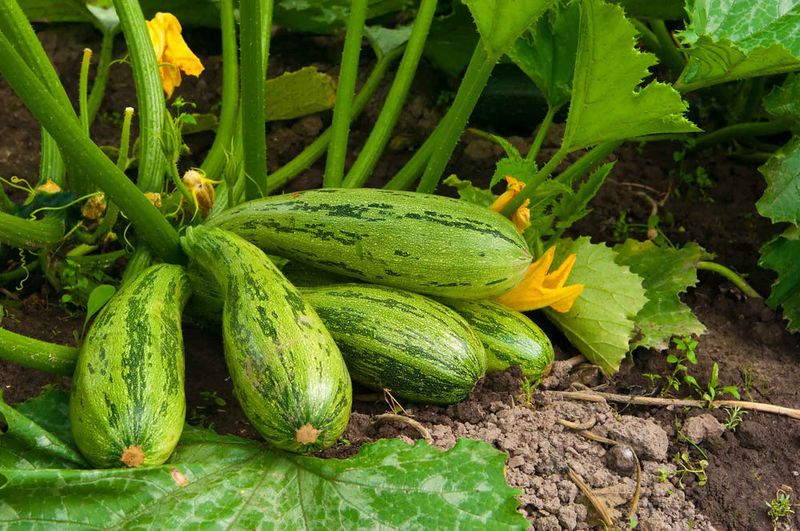
Few vegetables are as satisfying to grow as summer squash. Zucchini and yellow squash are fast growers that can go from seed to harvest in as little as 45 to 55 days.
Planting them in early May in Texas gives you plenty of time to enjoy a full harvest before the most brutal heat of late summer arrives. Many Texas gardeners even squeeze in a second planting in late summer for a fall harvest.
Sow squash seeds directly into the garden about one inch deep. Plant two or three seeds per hill and thin to the strongest one or two plants once they sprout.
Squash needs full sun and rich, well-draining soil. Adding compost before planting gives the plants a big nutritional boost that really pays off in production.
Keep the soil evenly moist and water at the base of the plants rather than overhead to reduce the risk of powdery mildew, which is a common issue in humid Texas conditions.
Mulching around the plants helps hold moisture and keeps the soil temperature steady during hot days. Squash plants have large leaves that naturally shade the ground, which also helps.
Harvest zucchini and yellow squash when they’re small to medium-sized, around six to eight inches long. Smaller fruits are more tender and flavorful, and regular harvesting encourages the plant to keep producing.
A single squash plant in a Texas garden can produce an impressive amount of vegetables over the course of the summer season, making it one of the most rewarding crops you can grow.