8 Native Oregon Shrubs That Outperform Arborvitae As Privacy Screens In Tough Spots
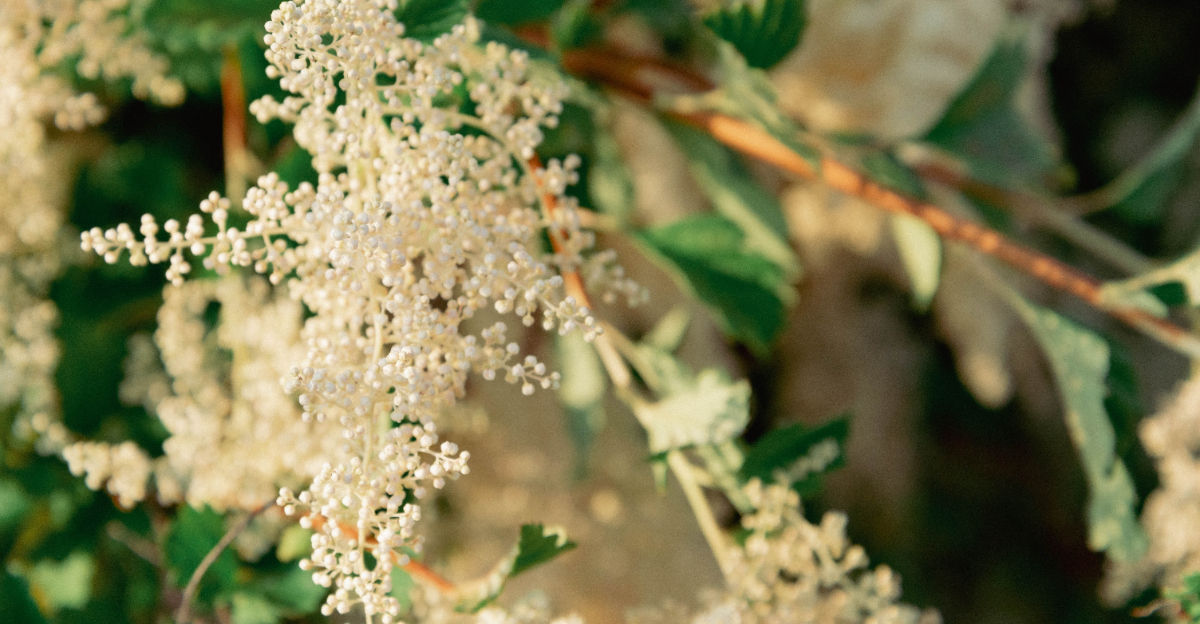
Arborvitae can struggle fast in the wrong Oregon spot, and that is exactly why more gardeners are looking to native shrubs instead.
In tough areas with wind, uneven moisture, tricky soil, or less-than-ideal light, the right native screen can hold up better, blend in more naturally, and ask for a lot less babysitting.
That matters because privacy shrubs have to do more than just grow tall. They need to stay healthy, fill in well, and keep looking good without turning brown, thinning out, or acting personally offended by every weather swing.
Very demanding role, honestly. Native Oregon shrubs bring a big advantage here. They are better adapted to local conditions, often more resilient in problem spots, and far more likely to settle in without the constant stress that arborvitae can bring.
The result is a privacy screen that feels fuller, tougher, and more in sync with the landscape. Less worry, fewer weak points, and a much better chance of ending up with a screen that actually does its job.
1. Pacific Wax Myrtle
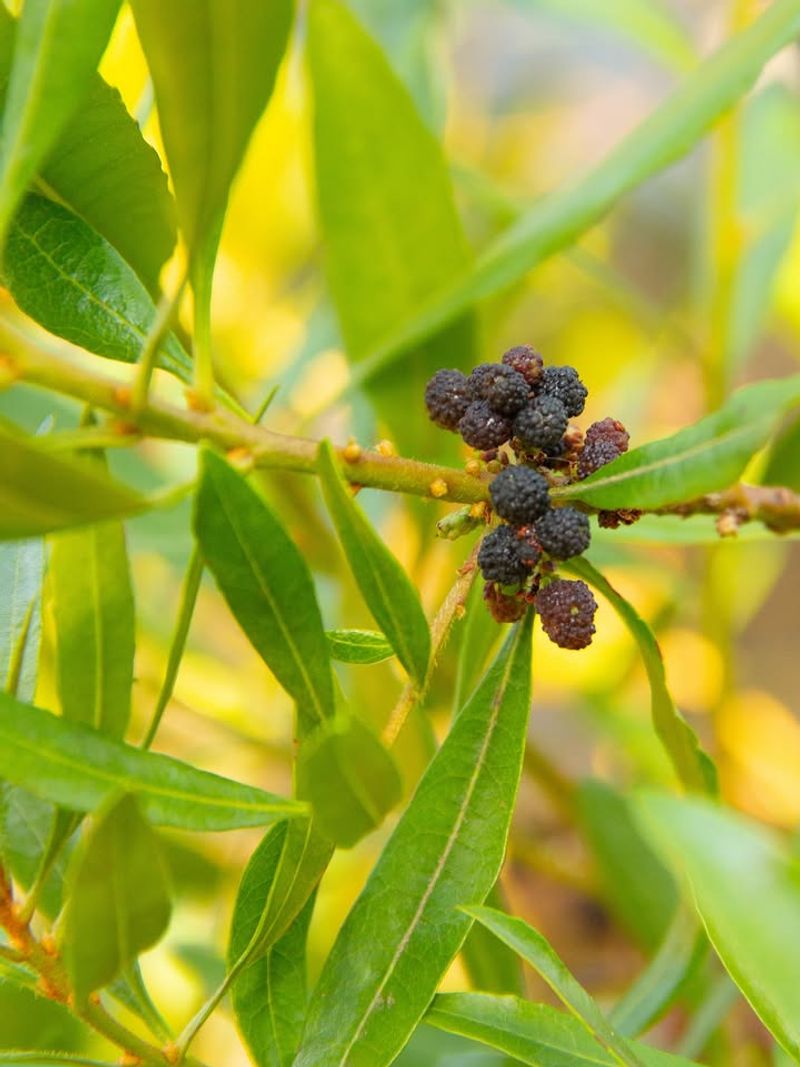
If you want a fast-growing, evergreen privacy screen that laughs at Oregon’s wet winters, Pacific Wax Myrtle might be your best friend. This tough native shrub can reach 10 to 15 feet tall and forms a thick, lush wall of glossy green leaves that block out neighbors and noise year-round.
Pacific Wax Myrtle thrives in conditions that would stress arborvitae badly. It handles wet, poorly drained soils with ease, making it a star performer in low-lying Oregon yards where water tends to pool.
It also tolerates coastal winds, salty air, and even some drought once it gets established.
One cool fact: the waxy berries on female plants were once used by early settlers to make fragrant candles. Birds love these berries too, so planting Pacific Wax Myrtle brings wildlife to your yard as a bonus.
In Oregon’s Willamette Valley and along the coast, this shrub is especially at home. Prune it lightly to keep a neat hedge shape, or let it grow naturally into a sprawling, multi-stemmed screen.
Either way, it delivers serious privacy without the fuss that comes with arborvitae.
2. Evergreen Huckleberry
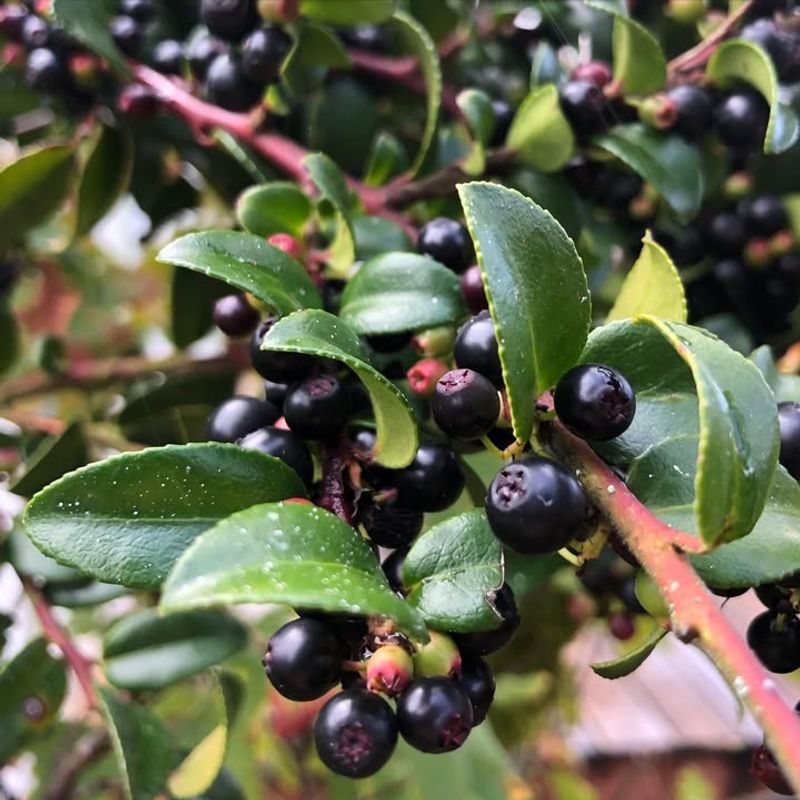
Shade is the enemy of arborvitae, but Evergreen Huckleberry actually prefers it. This Oregon native shrub thrives under the canopy of Douglas fir and cedar trees, filling in those dark, difficult corners of your yard where most plants simply refuse to grow.
It grows slowly but steadily into a dense, multi-stemmed screen that can reach six to eight feet tall.
The glossy, dark green leaves stay on the plant all year, giving you consistent coverage through Oregon’s grey, rainy winters. In spring, tiny pinkish-white flowers appear along the branches.
By late summer, clusters of small, sweet-tart purple berries ripen and attract birds from all over the neighborhood.
Gardeners in western Oregon absolutely love this plant because it fits so naturally into the landscape. It needs almost no fertilizer since it is perfectly adapted to the region’s acidic, forest-type soils.
Your Oregon Garden Changes Every Week. Your Plan Should Too.
Gardening in Oregon changes quickly throughout the season. Every Friday you’ll receive a simple weekly plan showing exactly what to plant, prune, fertilize, harvest, and protect so you never miss the right timing.
Watering is minimal once established. You won’t need to prune it constantly either, as it naturally maintains a tidy, rounded shape.
For anyone trying to create privacy in a shaded yard, Evergreen Huckleberry is a smart, low-maintenance solution that arborvitae simply cannot match in those tough, dark spots.
3. Western Mock Orange
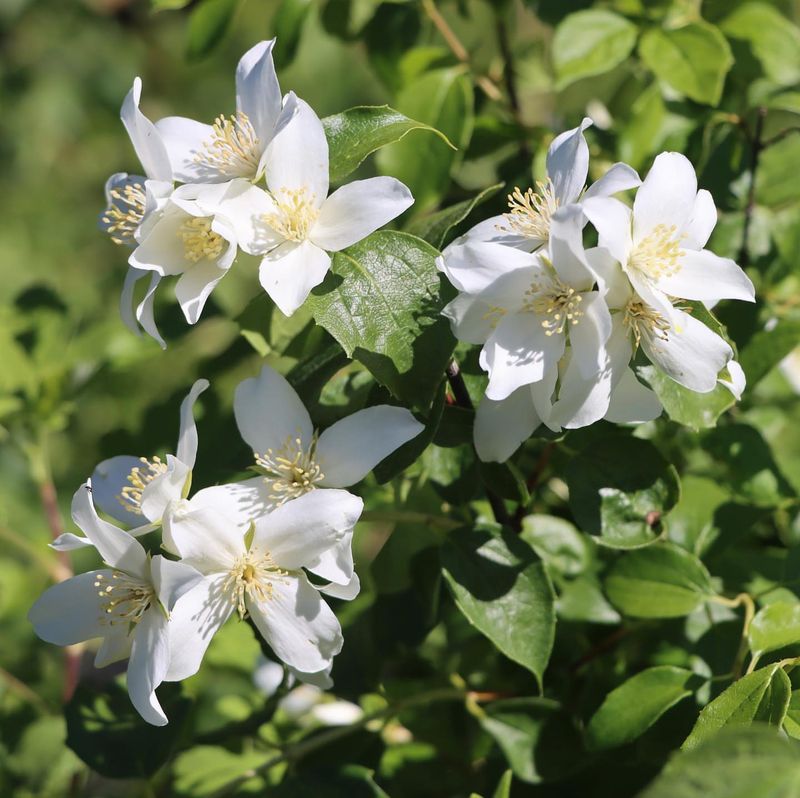
Few native Oregon shrubs can match the sheer beauty of Western Mock Orange in bloom. Every June, this vigorous, arching shrub bursts into clusters of pure white flowers with a sweet, citrusy fragrance that fills the entire yard.
Beyond the stunning floral show, it forms a dense tangle of branches that creates excellent privacy from spring through fall.
Western Mock Orange is surprisingly tough. It grows well in full sun or partial shade and handles Oregon’s dry summers once it gets established.
It tolerates poor, rocky soils that would leave arborvitae struggling. This makes it a great choice for hillside plantings or spots with thin, fast-draining soil around Oregon properties.
The shrub can reach eight to ten feet tall and spreads almost as wide, so give it room to show off. Birds nest happily in its dense branches, adding a lively energy to any yard.
Pruning right after flowering keeps it looking neat and encourages even more blooms next season. If you want a privacy screen that also functions as a jaw-dropping ornamental feature, Western Mock Orange delivers both in a way that no arborvitae ever could.
It’s practical, gorgeous, and genuinely Oregon-tough.
4. Western Serviceberry
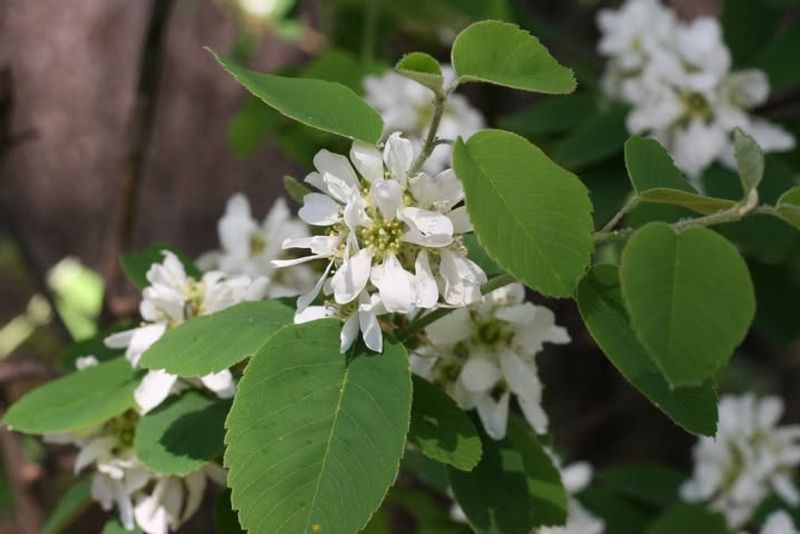
Early spring in Oregon gets a whole lot prettier when Western Serviceberry is in your yard. Before most plants even think about waking up, this native shrub explodes with clouds of delicate white flowers that cover every branch.
It’s a showstopper in March and April, signaling the start of the growing season in style.
As a privacy screen, Western Serviceberry earns serious respect. It grows eight to twenty feet tall depending on conditions, forming an upright, multi-stemmed structure that blocks sightlines effectively.
The oval leaves stay lush and green through summer, then turn brilliant shades of orange, red, and gold in autumn, giving your yard a spectacular seasonal display that arborvitae simply cannot offer.
This plant thrives across a wide range of Oregon habitats, from moist streamside areas to dry, rocky slopes. It handles both clay soils and well-drained sandy ground, making it incredibly versatile.
By early summer, the branches are loaded with small, sweet berries that birds and wildlife go absolutely wild for. Humans enjoy them too, and many Oregon gardeners use the berries in jams and pies.
Plant Western Serviceberry where arborvitae has struggled, and you’ll wonder why you didn’t try it sooner.
5. Pacific Ninebark
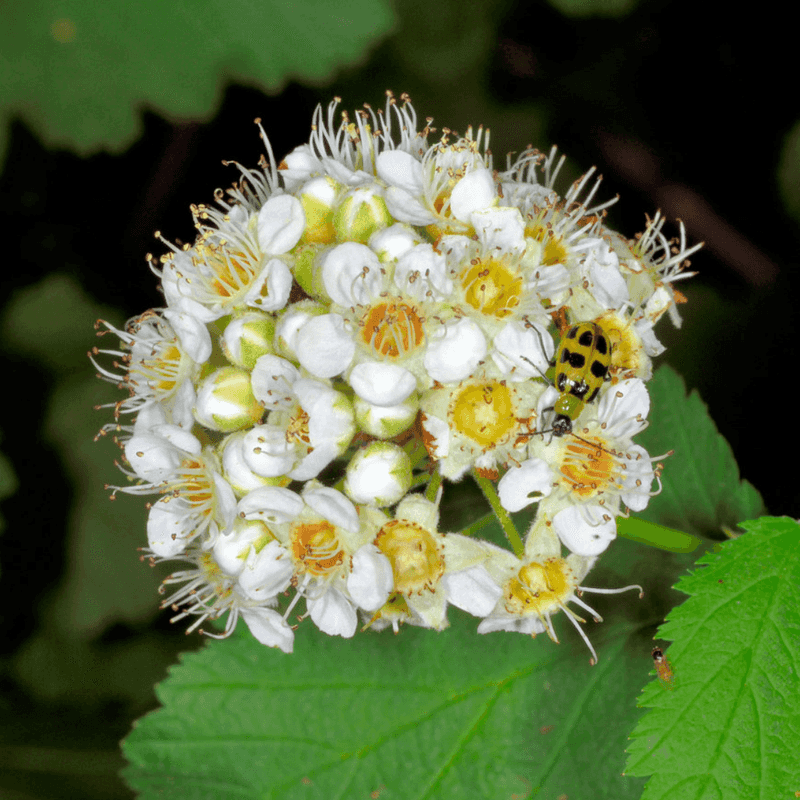
There’s something wonderfully rugged about Pacific Ninebark. Named for its distinctive peeling, layered bark that reveals cinnamon and orange tones underneath, this native Oregon shrub has a wild, textured beauty that makes it stand out in any landscape.
It’s also one of the toughest privacy-screen plants you’ll find anywhere in the Pacific Northwest.
Pacific Ninebark grows six to twelve feet tall and spreads into a dense, arching mass of branches that creates a solid privacy barrier. It thrives in wet soils, making it an excellent choice for Oregon’s notoriously soggy winter yards.
Streambanks, low spots, and rain gardens are all places where this shrub feels completely at home while arborvitae would be struggling.
In late spring, the branches are covered with clusters of small white or pale pink flowers that pollinators love. After the flowers fade, reddish seed capsules add another season of visual interest.
Pacific Ninebark also handles full sun and partial shade equally well, giving you flexibility in placement. Once established, it needs very little care.
No heavy fertilizing, no constant watering, and no stressful maintenance routines. For tough Oregon spots that need reliable year-round screening, Pacific Ninebark is a native powerhouse worth every inch of garden space.
6. Nootka Rose
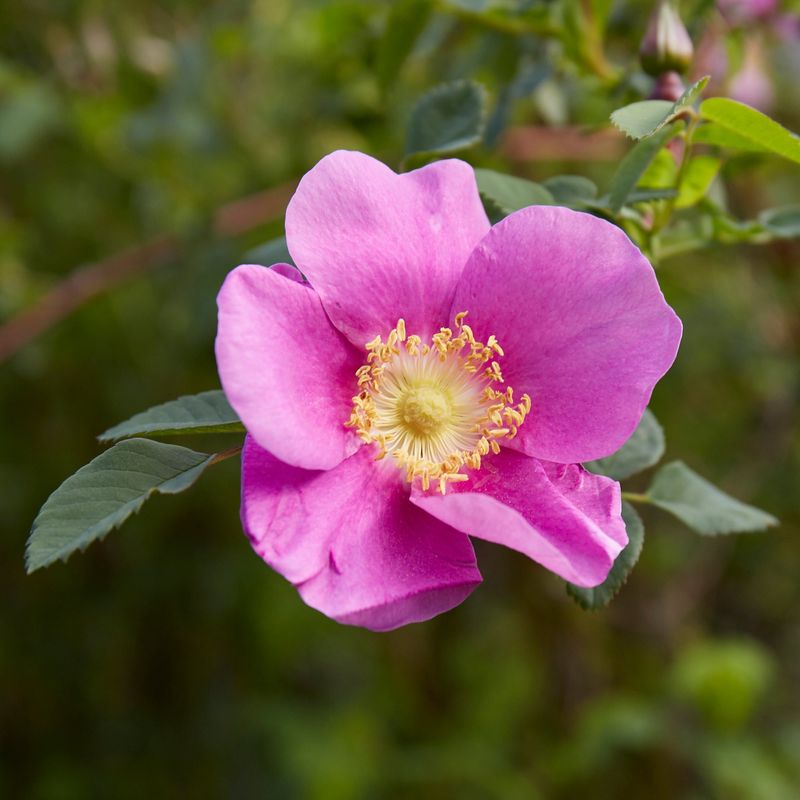
Wild and wonderful, Nootka Rose has been growing across Oregon’s hillsides, roadsides, and forest edges for centuries. This native rose is not the delicate, high-maintenance type you find at a florist.
It’s a tough, sprawling, thorny shrub that forms an impenetrable privacy barrier that even the most determined passerby won’t try to push through.
Growing five to ten feet tall and equally wide, Nootka Rose creates a dense, layered screen that works beautifully along property lines in Oregon. The large, bright pink flowers that appear in late spring are genuinely gorgeous and carry a light, sweet fragrance.
After the petals fall, bright red rose hips develop and persist well into winter, feeding birds and adding color to the yard during Oregon’s grey, rainy months.
This shrub thrives in full sun and tolerates a wide range of soil types, from dry gravelly slopes to moist lowland areas. It spreads by underground runners, so it can fill in a long privacy screen fairly quickly without much help from you.
The thorny canes also act as a natural deterrent to unwanted foot traffic. Plant it where you want both privacy and a burst of seasonal color, and Nootka Rose will deliver season after season across Oregon landscapes.
7. Oceanspray
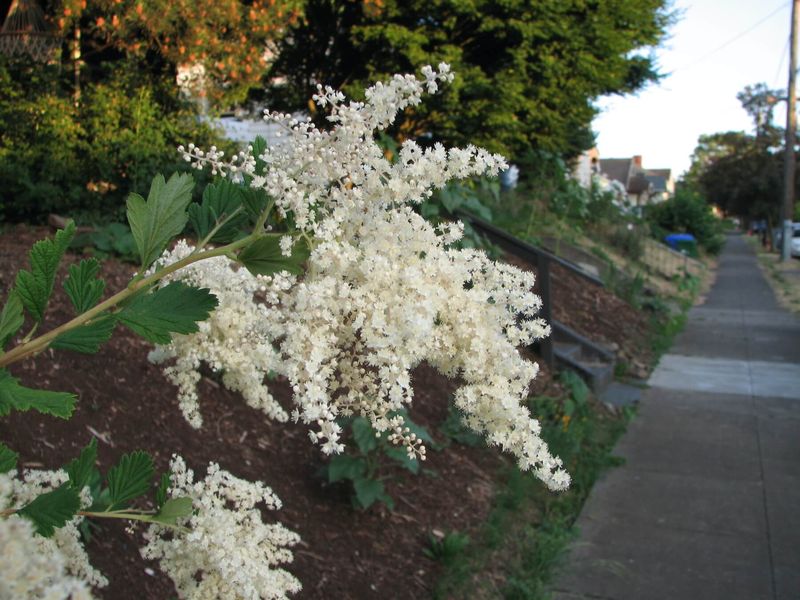
When Oceanspray blooms in early summer, the effect is almost magical. Long, cascading plumes of creamy white flowers drape over the arching branches like a waterfall, giving the plant its poetic name.
This native Oregon shrub is a beloved sight along roadsides and forest edges throughout the Pacific Northwest, and it brings that same wild beauty into home gardens with minimal effort.
Oceanspray grows eight to fifteen feet tall, making it one of the taller native shrubs on this list. That height makes it exceptionally effective as a privacy screen, especially for blocking second-story windows or creating a visual barrier along a tall fence line.
The dense, twiggy branch structure provides good screening even after the leaves drop in winter.
One of the most impressive things about Oceanspray is its drought tolerance. Once established in Oregon’s well-drained soils, it can handle dry summers with almost no supplemental watering.
It grows well in full sun to light shade and is rarely bothered by pests or disease. Indigenous communities in Oregon historically used the extremely hard wood of Oceanspray for tools and arrow shafts.
Today, it’s just as valuable as a low-maintenance, high-performance privacy screen that thrives where arborvitae often struggles in exposed, dry conditions.
8. Tall Oregon Grape
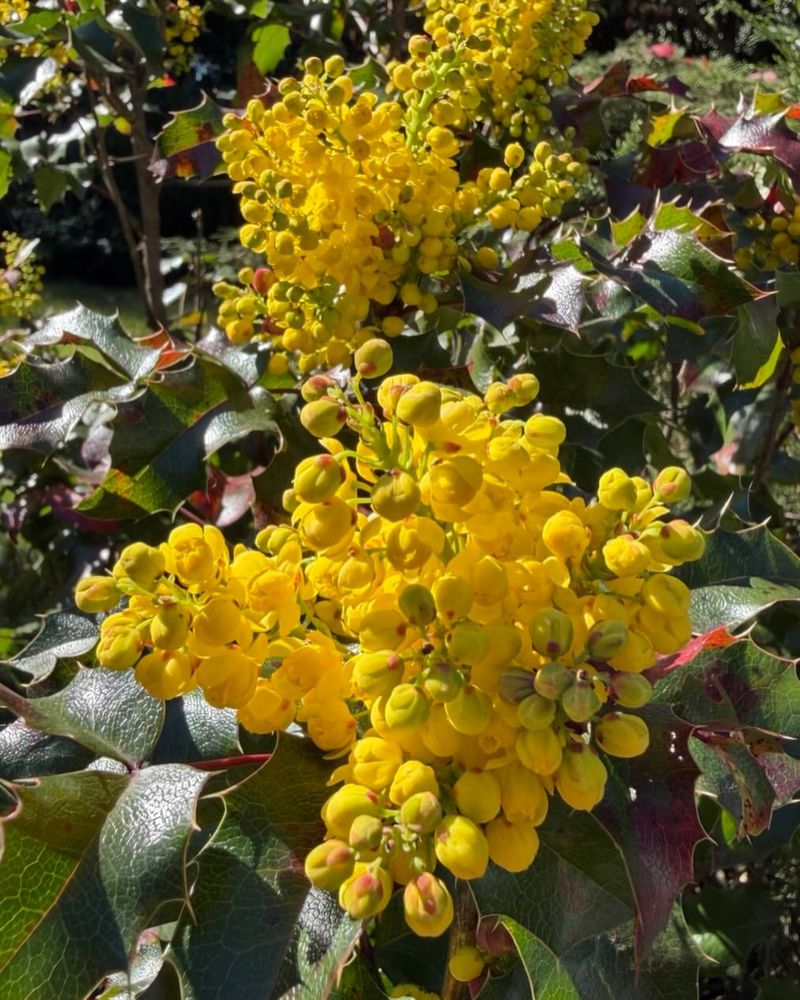
Bold, architectural, and unmistakably Oregon, Tall Oregon Grape is actually the state flower of Oregon, making it a fitting star for any native plant garden. With its stiff, holly-like leaves, bright yellow spring flowers, and clusters of dusty blue-purple berries, this shrub offers year-round visual interest that no arborvitae can come close to matching.
Tall Oregon Grape grows six to ten feet tall and maintains its upright, evergreen form through all four seasons. The leathery leaves are tough enough to shrug off Oregon’s cold, wet winters without missing a beat.
In deep shade under large trees, where arborvitae would quickly thin out and look ragged, Tall Oregon Grape stays full, lush, and green all year long.
This shrub is also incredibly low-maintenance once established. It needs no fertilizer, handles drought reasonably well, and thrives in acidic, forest-type soils common throughout western Oregon.
The berries that ripen in late summer are tart but edible, and birds absolutely flock to them. Plant a row of Tall Oregon Grape along a shaded fence line or property boundary, and within a few years you’ll have a dense, striking privacy screen that feels completely at home in the Oregon landscape.