What To Do With Your Florida Gardenias In May So They Bloom All Summer
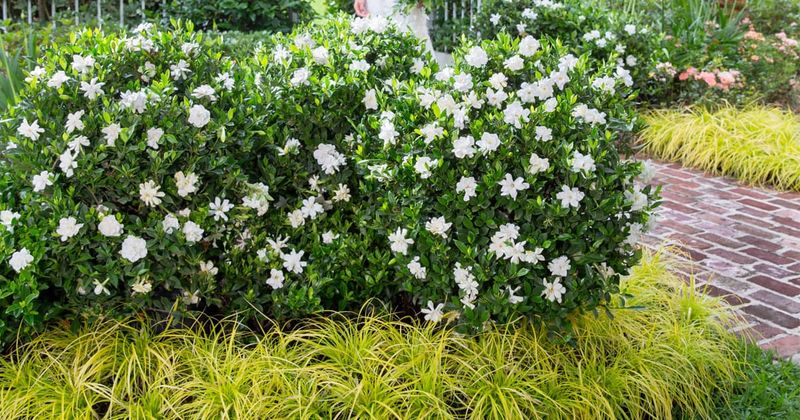
A Florida gardenia has no poker face. When it’s happy, the whole yard knows.
When something’s off, it sulks fast. Buds brown. Leaves yellow. Flowers vanish before you even get a good sniff.
May is when that drama usually starts, because the heat is rising, the soil dries faster, and the plant is getting ready for its next big show. So what makes the difference between a gardenia that barely gets by and one that steals the show all summer?
It comes down to a handful of simple moves most people overlook. A tweak in watering, a smarter feeding plan, the right spot in the yard.
Nothing complicated, but every detail matters. Think of May as your one shot to set the stage.
Nail it, and your gardenia finally lives up to its reputation.
1. Keep Soil Evenly Moist For Steady Bud Growth
Watering correctly can make or break your gardenia’s blooming performance this summer. Florida’s heat ramps up quickly in May, and gardenias need consistent moisture to support the energy-intensive process of forming and opening buds.
When the soil dries out too much between waterings, the plant goes into survival mode and drops buds to conserve resources. On the flip side, waterlogged soil suffocates roots and invites root rot, which weakens the entire plant.
Aim to water deeply once or twice a week, depending on rainfall and your soil type. Sandy Florida soils drain fast and may need more frequent watering, while heavier soils hold moisture longer.
The goal is to keep the root zone consistently moist but never soggy. Check moisture levels by sticking your finger two inches into the soil.
If it feels dry at that depth, it’s time to water.
Water in the early morning so foliage has time to dry before evening, reducing the risk of fungal problems that thrive in Florida’s humidity. Direct water at the base of the plant rather than spraying leaves and flowers, which can cause spotting and disease.
A soaker hose or drip irrigation system works wonderfully for gardenias, delivering slow, steady moisture right where roots need it.
During May’s occasional dry spells, gardenias may need extra attention. Watch for wilting leaves or buds that turn brown and drop off, both signs of drought stress.
Adjust your watering schedule as needed, remembering that consistent care now translates directly into abundant blooms later. Extension guidance recommends watering deeply so moisture reaches the full root zone (about 6–8 inches deep).
2. Mulch Now To Lock In Moisture And Cool Roots
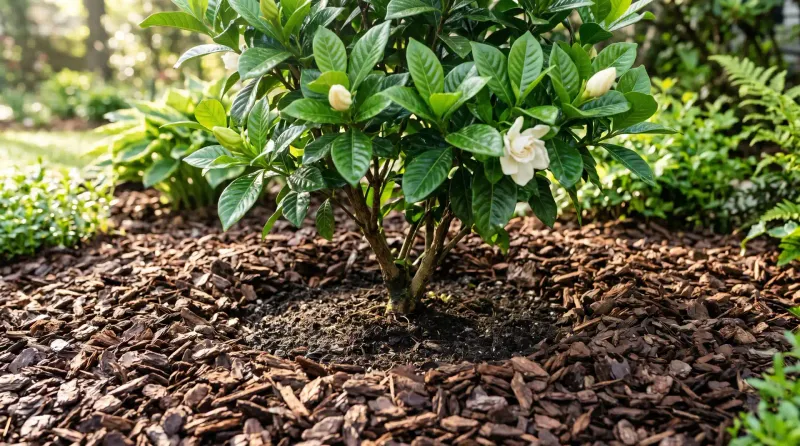
Adding or refreshing mulch around your gardenia in May sets the stage for summer success. Mulch acts as a protective blanket over the root zone, keeping soil temperatures cooler during Florida’s blazing afternoons and slowing moisture evaporation.
This is especially important for gardenias, which have shallow root systems that dry out quickly in sandy soil and suffer when roots overheat.
Pine bark mulch and pine straw are excellent choices for Florida gardenias because they break down slowly and add organic matter that gradually acidifies the soil. This matches the acidic conditions gardenias prefer.
Your Florida Garden Changes Every Week. Your Plan Should Too.
Gardening in Florida changes quickly throughout the season. Every Friday you’ll receive a simple weekly plan showing exactly what to plant, prune, fertilize, harvest, and protect so you never miss the right timing.
Apply a two- to three-inch layer of mulch in a circle around the plant, extending out to the drip line (the outer edge of the canopy). Keep mulch a few inches away from the stem to prevent moisture buildup against the bark, which can lead to rot and disease.
Fresh mulch also suppresses weeds that compete with your gardenia for water and nutrients. Weeds are especially aggressive in May as temperatures rise, so getting ahead of them now saves you work later.
As mulch decomposes over time, it enriches the soil with organic material that improves structure, drainage, and nutrient availability.
If you mulched earlier in the year, check the depth now and add more if needed. Mulch settles and breaks down, so topping it off ensures continuous benefits.
Avoid piling mulch too high, which can smother roots and create a habitat for pests.
University of Florida IFAS research shows that proper mulching helps reduce moisture loss and can lower watering needs while keeping roots cooler, both critical factors for healthy bud development and blooming throughout the summer months.
3. Feed Lightly Only When Plants Need It
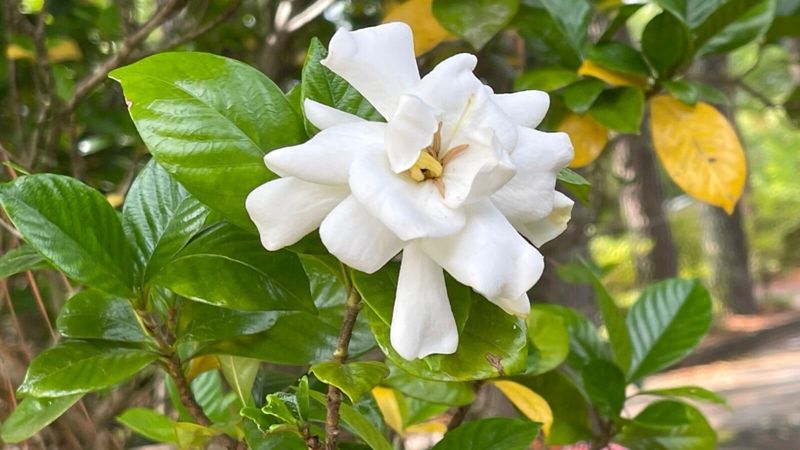
Fertilizing at the right time and in the right amount makes a huge difference in how well your gardenia blooms. Many gardeners assume more fertilizer equals more flowers, but that’s not how gardenias work.
Overfertilizing, especially in late spring, pushes excessive leaf growth at the expense of buds. It can also build up salts in the soil that damage roots and cause leaf burn.
Late spring can be a light feeding time if needed, but most fertilizing is typically done earlier in spring and again later in the year. Choose an acid-forming fertilizer formulated for azaleas, camellias, or gardenias.
These products contain the right nutrient ratios and help maintain the acidic soil pH gardenias require. Follow package directions carefully, applying at the lower end of the recommended rate to avoid overfeeding.
If your gardenia already looks healthy with dark green leaves and good growth, hold off on fertilizing until after the first flush of blooms finishes. Feeding too late in spring can interfere with the plant’s natural cycle of setting buds.
Extension guidance recommends light, infrequent feeding, with most fertilization done in early spring and again later in the growing season, depending on your region in Florida.
Watch for signs of nutrient deficiency, especially yellowing leaves with green veins, which indicates iron deficiency common in alkaline soils. If this occurs, apply a chelated iron supplement along with your regular fertilizer.
Avoid high-nitrogen formulas that promote foliage over flowers. Slow-release granular fertilizers work well because they provide steady nutrition over several weeks without the risk of burning roots.
Remember, a well-fed gardenia is a blooming gardenia, but balance is everything.
4. Maintain Acidic Soil For Strong Blooms
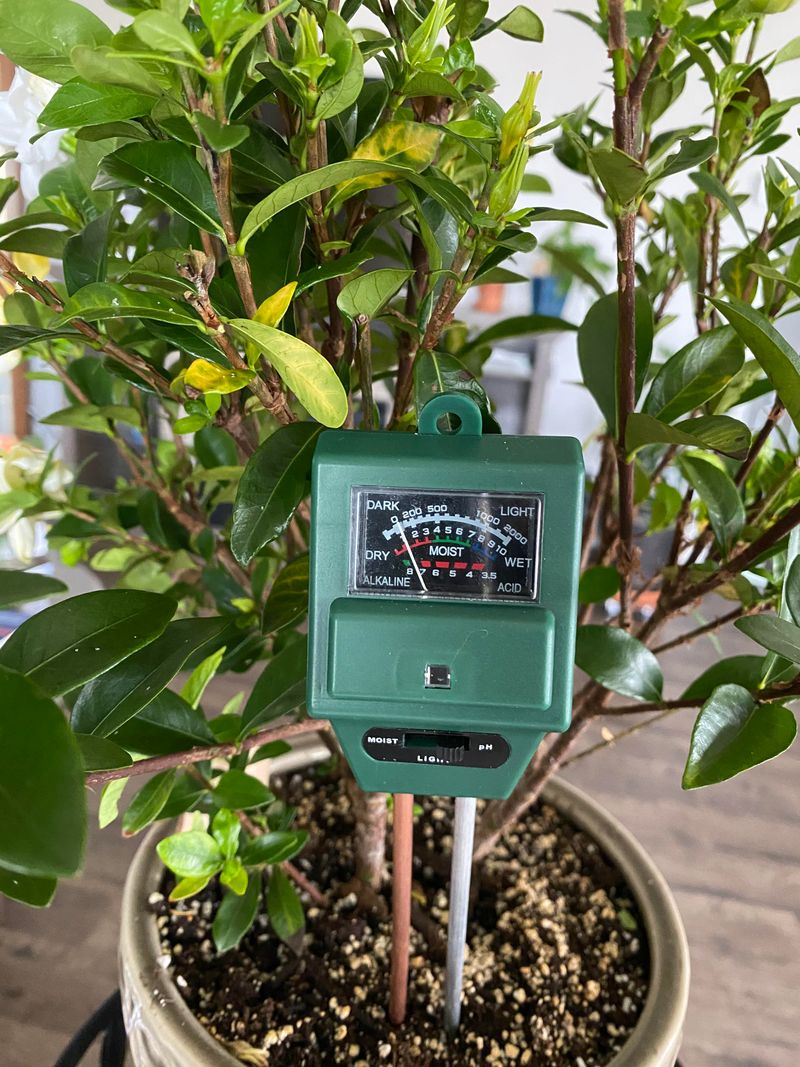
Soil pH is one of the most overlooked factors in gardenia care, yet it directly impacts whether your plant can access the nutrients it needs to bloom. Gardenias thrive in acidic soil with a pH between 5.0 and 6.5.
Many Florida soils, especially in coastal and southern areas, tend toward neutral or alkaline pH, which locks up essential nutrients like iron, manganese, and magnesium. Even if you fertilize regularly, your gardenia can’t absorb these nutrients when pH is too high.
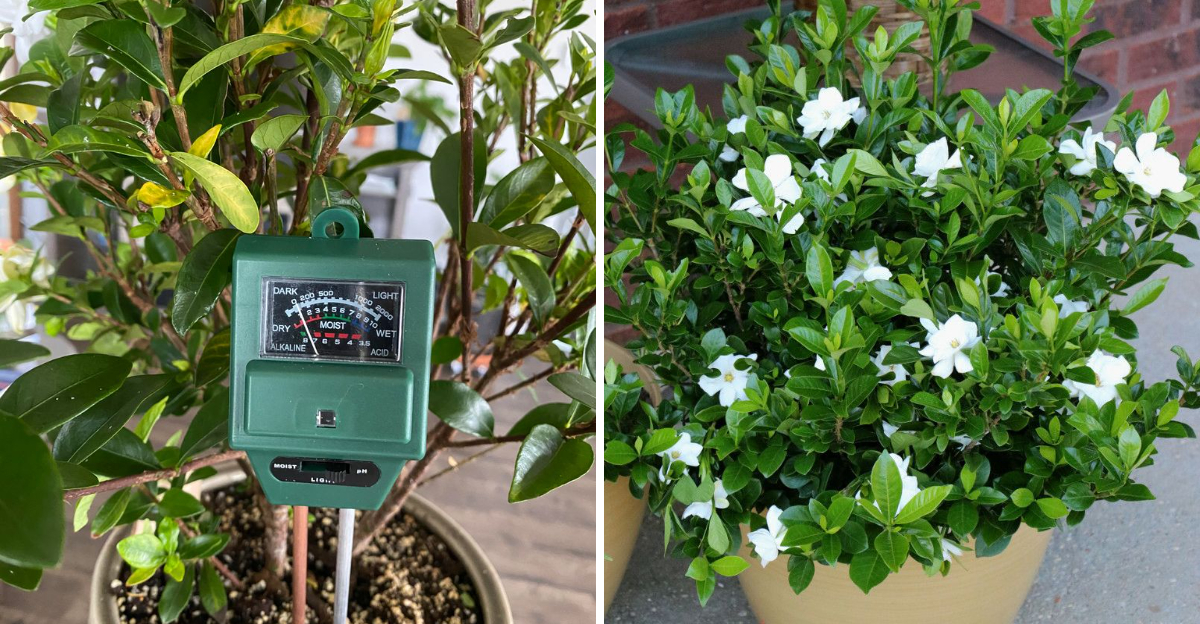
Test your soil pH in May using an inexpensive kit from a garden center or through your local Extension office. If the pH is above 6.5, you’ll need to acidify the soil.
Incorporate organic materials like peat moss, composted pine bark, or sulfur into the top few inches of soil around the plant. These amendments gradually lower pH and improve soil structure at the same time.
Retest every few months because Florida’s limestone-based soils naturally drift back toward alkaline over time. Consistent use of acid-forming fertilizers and organic mulches helps maintain the right pH range.
Avoid using lime or wood ash near gardenias, as these raise pH and create conditions that stress the plant.
When pH is correct, you’ll notice the difference in your gardenia’s appearance. Leaves stay dark green and glossy, new growth is vigorous, and buds form abundantly.
Iron deficiency, which shows up as yellow leaves with green veins, becomes much less common.
University of Florida IFAS research emphasizes that proper pH management is foundational to successful gardenia culture in Florida, where soil chemistry often works against acid-loving plants.
Taking time now to adjust and monitor pH pays off in spectacular summer blooms.
5. Give Morning Sun And Protect From Harsh Afternoon Heat
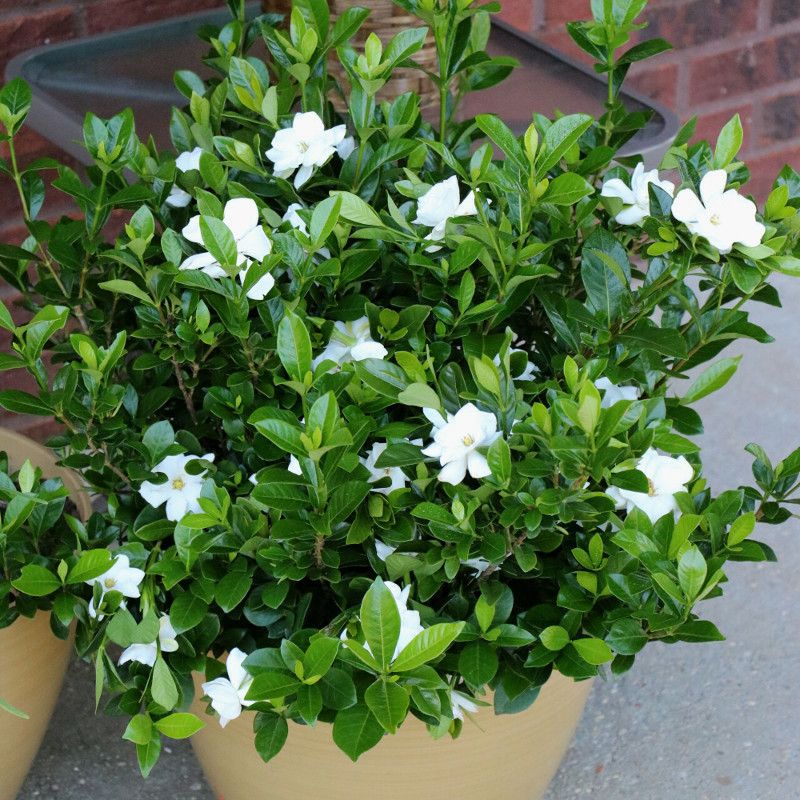
Light exposure is a balancing act for gardenias in Florida’s intense climate. These plants need enough sun to fuel bloom production, but too much direct afternoon heat can scorch leaves, stress the plant, and cause buds to drop before they open.
Getting the light right in May sets your gardenia up for a summer of healthy, vigorous flowering.
Aim for about four to six hours of sunlight daily, preferably morning sun. Morning light is gentler and less likely to overheat the plant, while still providing the energy gardenias need for photosynthesis and bud development.
Afternoon shade is crucial, especially from late May onward when Florida’s sun reaches peak intensity. Dappled shade from a tree canopy or the shade cast by a building works perfectly.
If your gardenia is planted in full sun, watch for signs of heat stress like wilting during the hottest part of the day, leaf edges turning brown, or buds that shrivel and drop.
You may need to provide temporary shade using a shade cloth or by planting taller companion plants nearby.
Container gardenias are easier to move to a better spot if needed.
Too much shade is also a problem. Gardenias grown in deep shade produce lots of leaves but few flowers.
They may also become leggy and weak, more susceptible to pests and diseases. If your plant is in heavy shade, consider relocating it or pruning back overhead branches to allow more light in.
University of Florida IFAS Extension notes that proper light exposure reduces stress and helps gardenias tolerate Florida’s summer heat while maintaining steady bloom production.
Observing how sun patterns shift across your garden throughout the day helps you choose the best location for long-term success.
6. Prune Only After Blooming To Protect Future Flowers
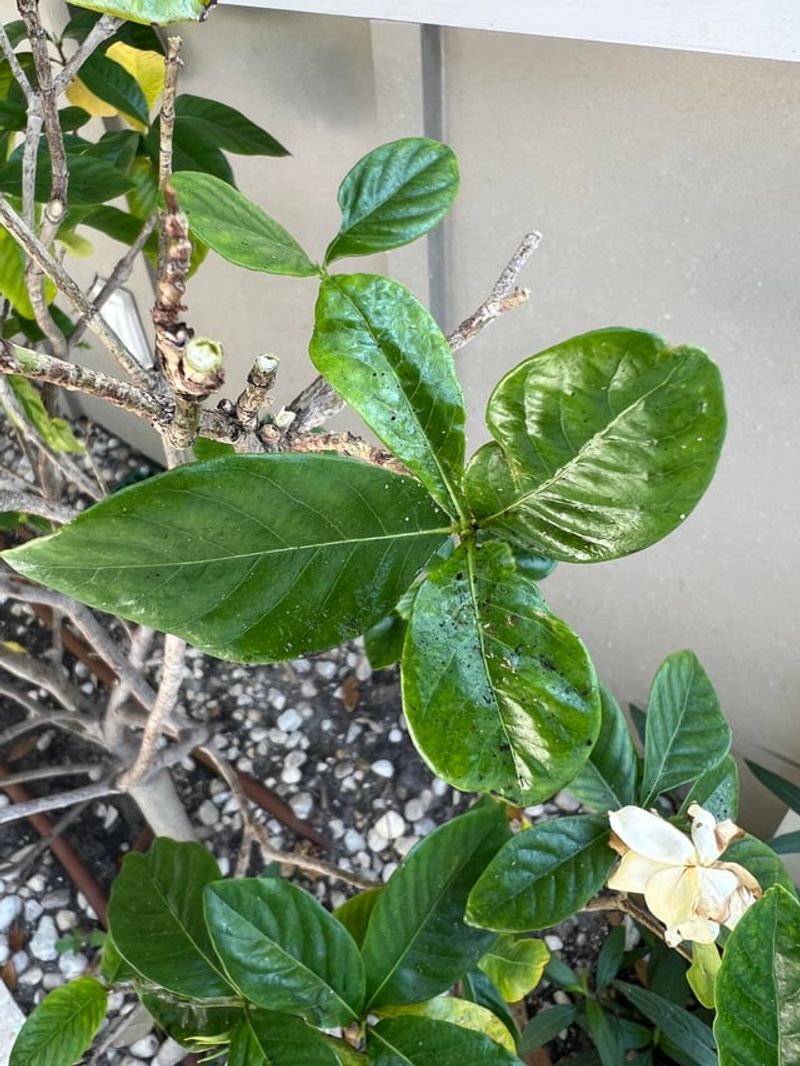
Timing is everything when it comes to pruning gardenias. Many gardeners make the mistake of pruning in late spring or early summer before blooms finish, unknowingly removing branches that carry next year’s flower buds.
Gardenias set buds on old wood, meaning the stems that will bloom next season form during late summer and fall. Pruning too late removes those future blooms.
Wait until your gardenia finishes its main bloom cycle, typically in early summer, before doing any significant pruning.
At that point, you can safely shape the plant, remove withered or crossing branches, and improve air circulation without sacrificing next year’s flowers.
Light pruning to remove spent blooms and damaged wood is fine anytime, but hold off on major cuts until after flowering.
When you do prune, use clean, sharp pruning shears to make smooth cuts just above a leaf node or branching point.
Remove branches that rub against each other or grow toward the center of the plant, as these create crowded conditions that trap moisture and invite disease.
Step back frequently to assess the plant’s shape as you work, aiming for an open, balanced form that allows light and air to reach all parts of the canopy.
Avoid heavy pruning after October 1, as University of Florida IFAS Extension recommends. Late pruning stimulates new growth that won’t have time to harden off before cooler weather arrives, leaving the plant vulnerable.
It also removes the developing buds that will open the following spring and summer.
Proper pruning keeps your gardenia healthy, attractive, and productive. By waiting until after blooms fade, you protect the plant’s natural cycle and ensure you’ll have plenty of fragrant flowers to enjoy next year.
7. Deadhead Spent Blooms To Encourage New Growth
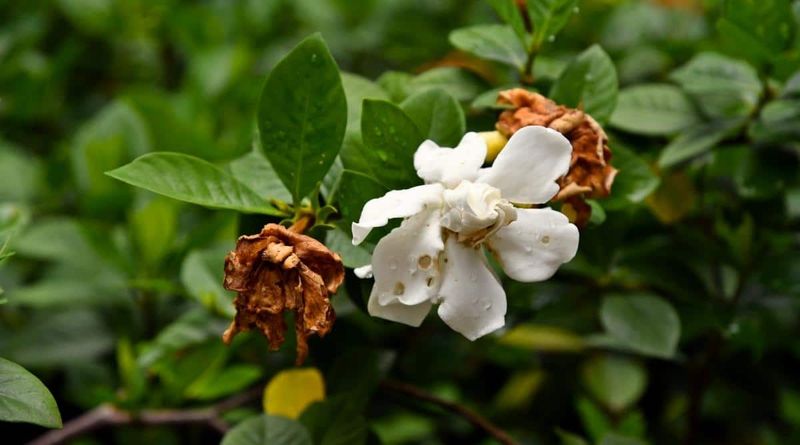
Removing spent flowers might seem like a small task, but it makes a real difference in how your gardenia performs throughout the summer. Deadheading helps keep the plant tidy and may encourage continued flowering during the season.
This keeps your gardenia looking tidy and encourages a longer, more abundant blooming period.
As gardenia flowers fade, they turn from creamy white to yellow or brown and eventually shrivel. Pinch or snip these off just below the flower head, taking care not to damage the stem or surrounding foliage.
You can deadhead as often as needed, checking your plant every few days during peak bloom time. It only takes a few minutes and makes a noticeable improvement in the plant’s appearance.
Spent flowers left on the plant can attract pests and fungal diseases, especially in Florida’s humid climate. Decaying petals create a moist environment perfect for sooty mold and other problems.
By removing them promptly, you reduce these risks and keep your gardenia healthier overall.
Deadheading also gives you a chance to inspect your plant up close. Look for signs of pests like aphids, whiteflies, or spider mites, which often cluster on new growth and flower buds.
Check for yellowing leaves, spots, or other symptoms of nutrient deficiencies or disease. Catching problems early makes them much easier to manage.
While deadheading won’t dramatically increase the total number of blooms your gardenia produces, it does extend the flowering season and keeps the plant looking its best.
Combined with proper watering, feeding, and light exposure, regular deadheading helps your gardenia maintain strong, steady growth and bloom production all summer long.
It’s a simple habit that pays off in a more attractive, vigorous plant.
8. Watch For Pests And Act Early
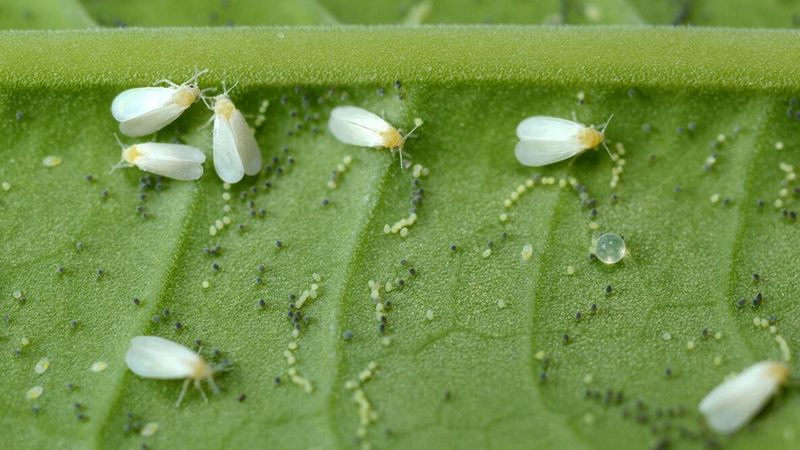
Pests can quickly become a serious problem for gardenias, especially as temperatures warm up in May. Florida’s climate is ideal for many common garden pests, and gardenias are particularly attractive to aphids, whiteflies, spider mites, and scale insects.
These pests weaken the plant by sucking sap from leaves and stems, leading to yellowing foliage, stunted growth, and reduced blooming. Catching infestations early is key to preventing serious damage.
Inspect your gardenia regularly, paying close attention to the undersides of leaves, new growth, and flower buds where pests tend to congregate. Aphids appear as tiny green, black, or brown insects clustered on tender shoots.
Whiteflies flutter up in a cloud when you disturb the plant. Spider mites cause stippling and fine webbing on leaves, while scale insects look like small bumps on stems and leaves.
If you spot pests, act quickly. Start with the least toxic options first.
A strong spray of water can dislodge aphids and spider mites. Insecticidal soap or horticultural oil works well for most soft-bodied insects and is safe for beneficial insects when used correctly.
Neem oil is another effective, low-impact option. Follow label directions carefully and apply treatments in the early morning or late evening to avoid burning foliage.
University of Florida IFAS Extension emphasizes integrated pest management, which combines monitoring, cultural practices, and targeted treatments.
Healthy, well-watered gardenias are more resistant to pest damage than stressed plants, so maintaining good overall care is your first line of defense.
Encourage beneficial insects like ladybugs and lacewings, which feed on common gardenia pests. Avoid broad-spectrum insecticides that harm beneficial species along with pests.
Early detection and thoughtful intervention keep your gardenia healthy and blooming beautifully all summer.