These 8 Flowers Last Longer In Florida Heat Than Impatiens
Florida gardeners have a secret they learned the hard way: impatiens are a trap. Every spring, garden centers stack them high, they look gorgeous in the pot, and six weeks into summer they turn into a soggy, wilted mess.
The heat wins every time. The good news is that Florida’s brutal summers are no match for the right plants.
A handful of flowers not only survive the state’s punishing combination of full sun, sandy soil, and suffocating humidity, they absolutely thrive in it.
These are the bloomers that keep your yard colorful from spring through fall without the constant replanting, without the water bills, and without the frustration that comes from fighting your own climate.
Florida-Friendly Landscaping principles, backed by UF/IFAS research, support all of them as smart, sustainable choices.
Stop planting for the nursery display. Start planting for the Florida summer.
1. Plant Pentas For Nonstop Summer Color In Heat
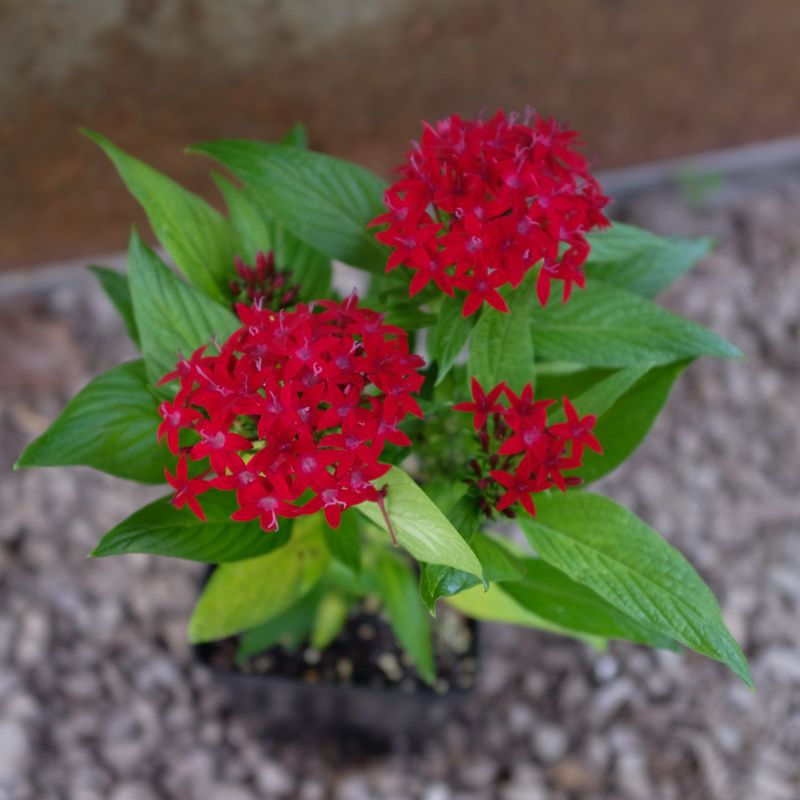
Walk through any Florida nursery in June and you will almost certainly find pentas front and center, and for good reason. This tropical perennial is one of the most reliable bloomers for Florida’s punishing summer conditions.
Pentas, also known as Egyptian star cluster, produces dense clusters of star-shaped flowers in shades of red, pink, lavender, and white from spring through the first cool snap of fall.
UF/IFAS recognizes pentas as an outstanding Florida-Friendly plant that thrives in full sun and handles heat and humidity without skipping a beat. It grows well in sandy Florida soil as long as you water it during the establishment period.
Once settled in, pentas is surprisingly drought-tolerant for a plant that blooms so heavily.
Pollinators absolutely love pentas. Butterflies, bees, and even hummingbirds visit the blooms regularly, making it a fantastic choice for wildlife-friendly yards.
Plant it in garden beds, large containers, or mixed borders where it gets at least six hours of direct sun daily. Deadheading spent blooms encourages even more flowering, though the plant will continue blooming even without it.
Pentas typically reaches one to three feet tall depending on the variety, so compact types work well along walkways or as edging plants. For a flower that delivers color, wildlife value, and heat toughness all in one package, pentas is hard to beat in any Florida garden.
2. Choose Angelonia For Upright Color That Handles Heat
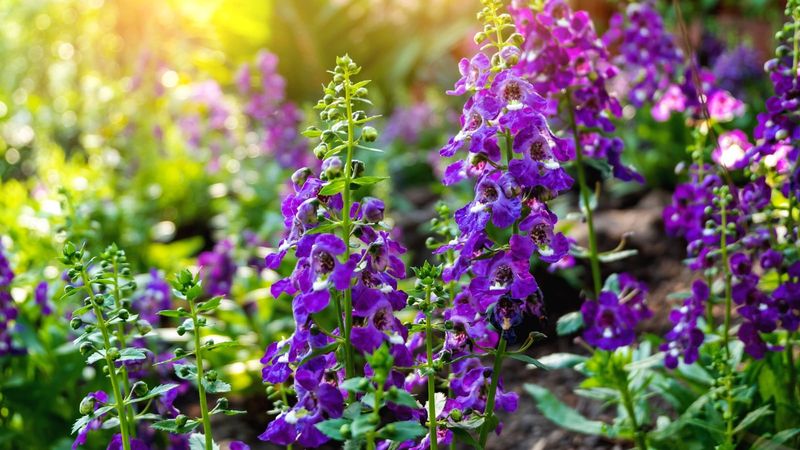
Sometimes called summer snapdragon, angelonia has a look that feels elegant without requiring any extra fuss. The tall, slender flower spikes rise above the foliage in shades of purple, pink, white, and bicolor, creating a striking vertical element in sunny garden beds.
Unlike snapdragons, which struggle in Florida’s summer heat, angelonia just keeps going through the hottest months of the year.
Angelonia performs best in full sun with at least six hours of direct light each day. It handles Florida’s high humidity extremely well, which is something many upright flowering plants simply cannot manage.
The blooms have a faint, pleasant fragrance that adds another sensory layer to the garden.
Your Florida Garden Changes Every Week. Your Plan Should Too.
Gardening in Florida changes quickly throughout the season. Every Friday you’ll receive a simple weekly plan showing exactly what to plant, prune, fertilize, harvest, and protect so you never miss the right timing.
Sandy soil is not a problem for angelonia as long as you water consistently during dry periods and add a layer of mulch to help retain moisture around the roots.
One of the best things about this plant is how low-maintenance it really is. Angelonia rarely needs deadheading because spent blooms fall away cleanly on their own.
It grows anywhere from one to three feet tall depending on the variety, making it useful as a mid-border plant or a tall container filler. In Florida, it can behave almost like a short-lived perennial in frost-free zones, sometimes returning for a second season.
For gardeners who want bold vertical color without constant upkeep, angelonia delivers exactly that through even the steamiest Florida summers.
3. Add Blanket Flower For Native Heat Loving Blooms
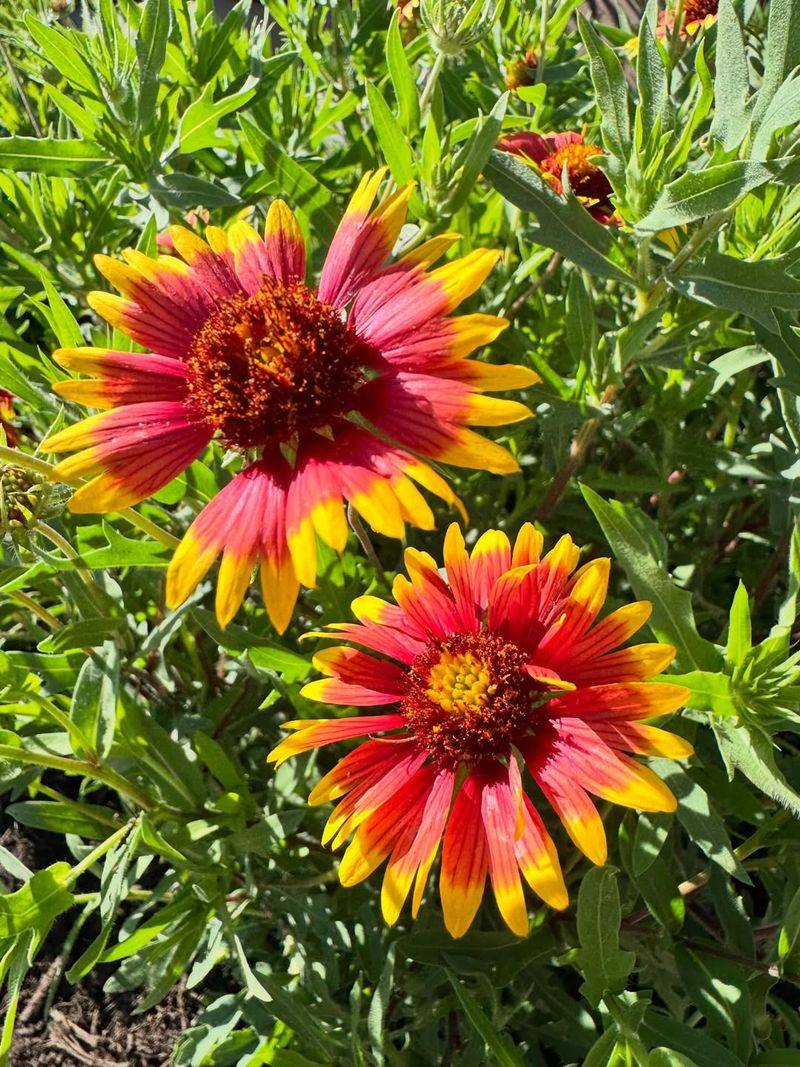
Few flowers look as boldly festive as blanket flower, with its fiery rings of orange, red, and yellow radiating outward from a rich burgundy center.
Gaillardia pulchella is native to much of the southeastern United States and is well-adapted to Florida’s conditions, thriving in the heat, sandy soil, and drought cycles that challenge so many other plants.
Sandy, well-drained soil? No problem.
Blazing sun? It practically thrives on it.
Periods of drought followed by sudden downpours? Blanket flower barely notices.
The Florida Wildflower Foundation lists blanket flower as one of the top wildflowers for Florida landscapes. It blooms prolifically from spring through fall and attracts bees, butterflies, and other beneficial insects.
Because it is so well-adapted to Florida conditions, it requires very little supplemental watering once established, making it an excellent choice for water-conscious gardeners who want beautiful results without a hefty water bill.
Blanket flower grows best in open, sunny spots with excellent drainage. It does not like wet feet, so avoid low-lying areas where water tends to pool after heavy rains.
The plant typically reaches one to two feet tall and spreads into cheerful clumps over time.
Allowing some flowers to go to seed at the end of the season lets the plant naturalize and return year after year.
For a tough, heat-adapted bloom that brings genuine beauty to Florida gardens, blanket flower earns its place in any sunny bed or wildflower area.
4. Brighten Beds With Coreopsis That Thrives In Sun
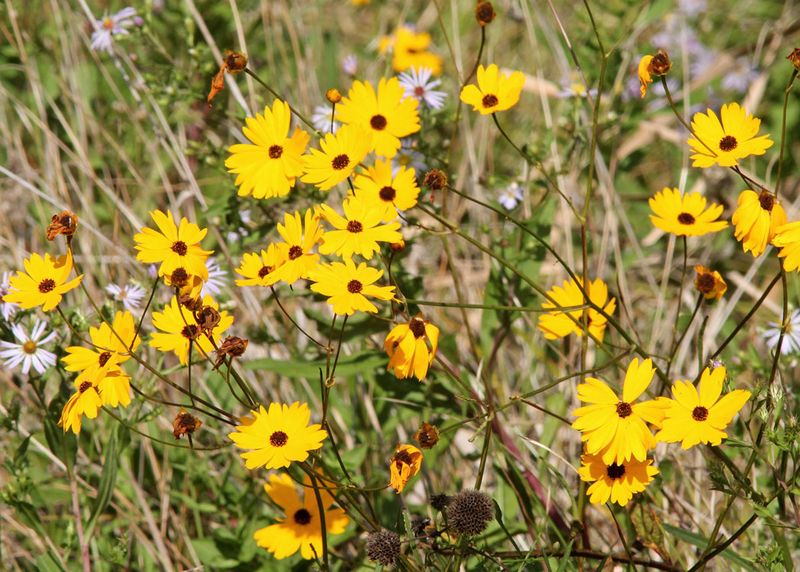
Florida named coreopsis its official state wildflower, and that honor is completely deserved. Drive along any Florida highway in spring and you will spot drifts of bright golden yellow blooms carpeting the roadsides, proof that this plant genuinely loves growing here.
Coreopsis is native to Florida, deeply adapted to the state’s sandy soils, and built to handle long stretches of heat and sun without complaint.
Several coreopsis species grow naturally in Florida, with Coreopsis leavenworthii, the tickseed, being one of the most common and widely available.
It blooms from spring through early winter in many parts of the state, offering an exceptionally long season of cheerful color.
The bright yellow daisy-like flowers attract bees and butterflies, and the seeds feed birds later in the season, making it a genuinely productive plant for local wildlife.
Growing coreopsis is refreshingly straightforward. Plant it in full sun with well-drained soil and water regularly until it establishes, then step back and let it do its thing.
It handles sandy Florida soil naturally and rarely needs fertilizer. Allowing plants to reseed at the end of the season means they often return without any replanting effort on your part.
Coreopsis works beautifully in naturalized areas, wildflower meadows, cottage gardens, or formal sunny beds. For a flower that brings Florida sunshine to your yard while practically taking care of itself, coreopsis is a clear winner.
5. Use Pineland Lantana For Long Blooming Florida Tough Color
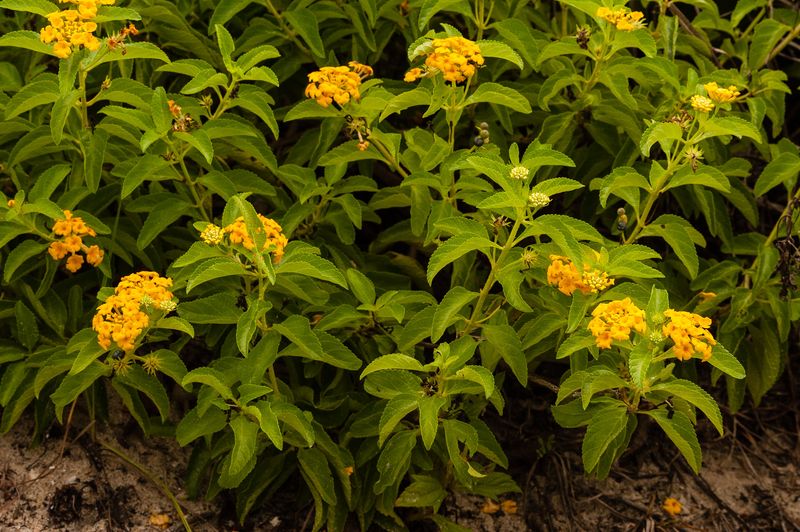
Pineland lantana, known botanically as Lantana depressa, is a Florida native that most gardeners outside of South Florida have never heard of, but absolutely should know.
Unlike the invasive Lantana camara, which is on Florida’s list of problematic plants and should be avoided entirely, Lantana depressa is a well-behaved native species that stays in its lane and supports local ecosystems beautifully.
It is important to buy from reputable native plant nurseries and confirm you are getting the true native species, not a cultivar of camara.
Pineland lantana produces clusters of small yellow flowers almost continuously throughout the warm months.
Butterflies are drawn to it in remarkable numbers, and it provides habitat value that non-native lantana simply cannot replicate in the same responsible way.
The plant grows low and spreading, making it useful as a groundcover in sunny, well-drained spots throughout South and Central Florida.
Sandy, dry soil suits this plant perfectly. It is one of the most drought-tolerant native flowering plants available for Florida gardens, requiring very little supplemental irrigation once it settles in.
Full sun is essential; shaded spots will reduce blooming significantly. Pineland lantana rarely needs pruning, though light shaping after a heavy bloom flush can keep it tidy.
For gardeners in South and Central Florida who want a native, pollinator-friendly, heat-proof bloomer that earns its keep through the longest summers, Lantana depressa is a genuinely excellent pick.
6. Plant Blue Daze For Soft Color That Loves Heat
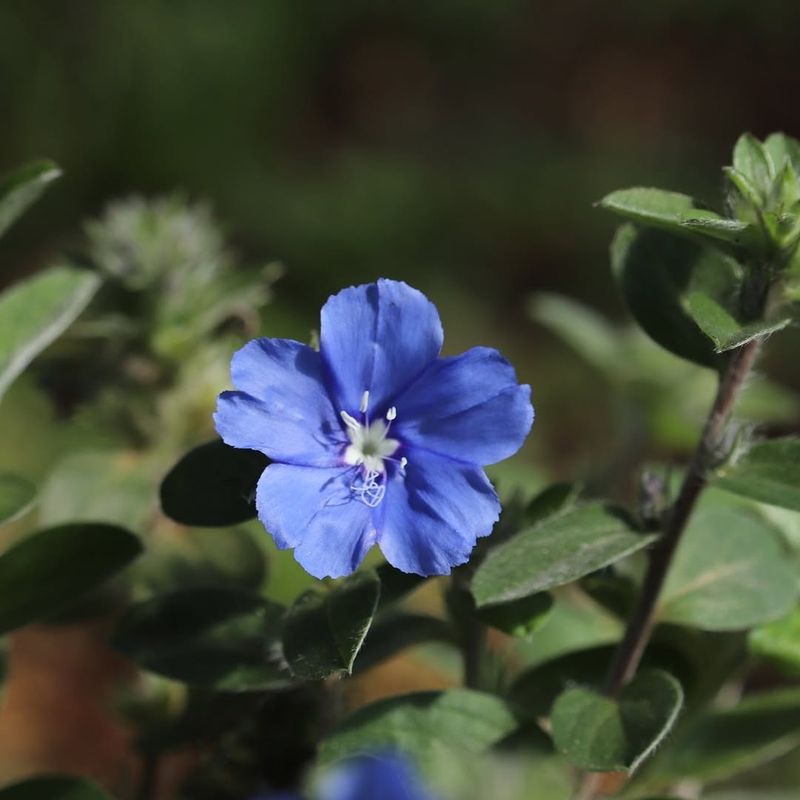
There is something almost surprising about seeing true blue flowers thriving in Florida’s scorching summer sun, but that is exactly what blue daze pulls off with ease.
Evolvulus glomeratus is a compact, low-growing plant that produces a constant flush of small, saucer-shaped blue flowers from late spring through fall.
The blooms are a soft, clear sky blue that pairs beautifully with just about any other flower color in the garden.
Blue daze performs best in full sun with well-drained soil. It handles Florida’s heat and humidity remarkably well for such a delicate-looking plant.
Sandy soil is perfectly fine, and the plant actually prefers not to sit in overly wet conditions.
Overwatering or poor drainage can cause root problems, so raised beds or containers with good drainage holes are smart choices if your soil tends to stay wet after rain.
As a groundcover or edging plant, blue daze stays low, usually reaching only six to twelve inches in height, which makes it a natural fit along walkways, at the front of garden beds, or spilling over the edges of containers and window boxes.
It pairs especially well with yellow or orange flowers for a bold color contrast.
UF/IFAS recommends blue daze as a reliable performer in Florida landscapes. Minimal deadheading is needed since spent blooms drop on their own.
For soft, consistent color that handles the heat without drama, blue daze is a genuinely lovely choice.
7. Grow Firebush For Bold Color And Pollinator Power
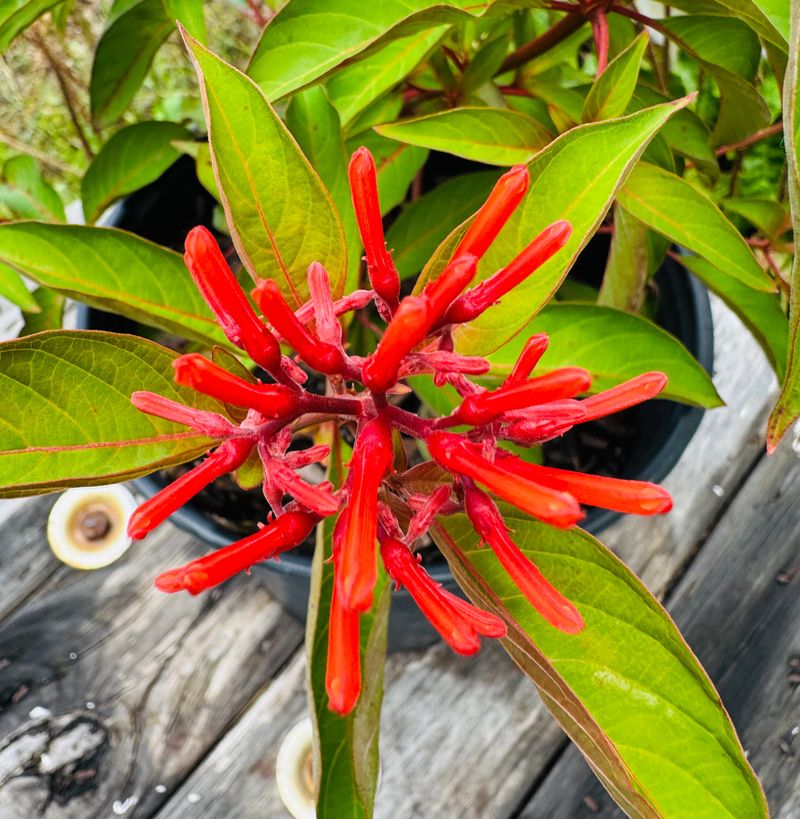
Firebush earns its name honestly. Hamelia patens is a Florida native shrub that lights up summer landscapes with brilliant clusters of tubular orange-red flowers that seem to glow in the heat of the day.
While most plants slow their performance in the worst of Florida’s summer, firebush hits its stride, blooming most heavily from late spring through fall when the temperatures are at their highest.
Hummingbirds are particularly drawn to the long tubular flowers, and butterflies, especially zebra longwings and swallowtails, visit regularly as well.
The Florida Wildflower Foundation and UF/IFAS both recognize firebush as an outstanding native plant for Florida yards.
Beyond the flowers, the plant produces small dark berries that birds enjoy, extending its wildlife value well past the blooming season.
Firebush grows vigorously in full sun and handles partial shade, though full sun produces the most prolific flowering. It can reach six to ten feet tall in frost-free South Florida zones, where it behaves as a true perennial shrub.
In Central Florida, it may freeze back in cold winters but returns reliably from the roots each spring. Sandy soil, occasional drought, and high humidity are all conditions firebush handles without complaint.
Pruning after cold damage or once or twice during the growing season keeps the plant shapely and encourages fresh new growth loaded with blooms. For bold color and real wildlife impact, firebush is one of Florida’s finest native choices.
8. Add Scaevola For Heat Proof Trailing Color
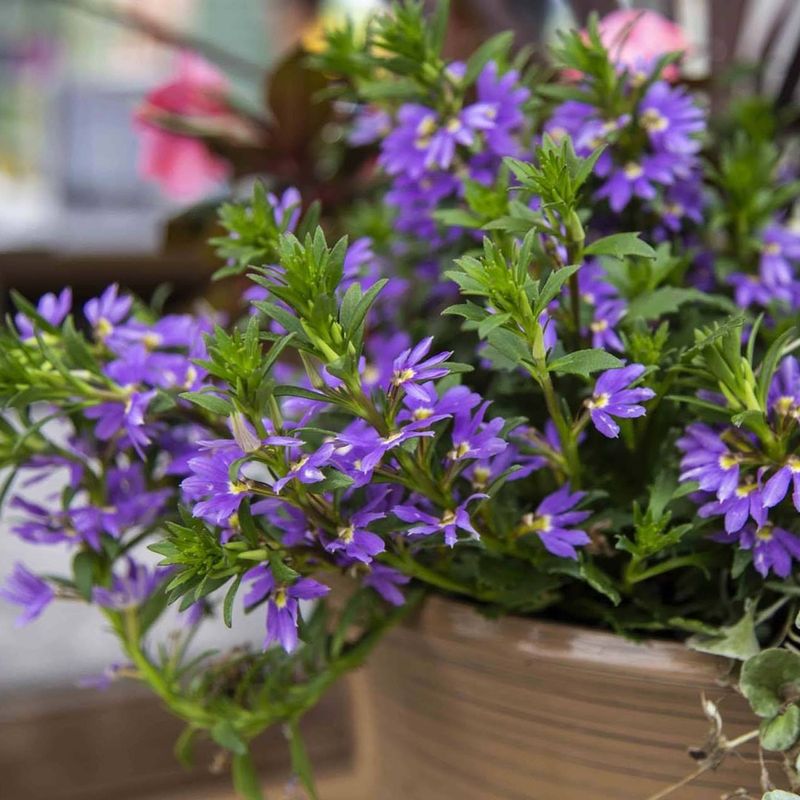
Picture a hanging basket or a container overflowing with soft lavender-blue blooms that never seem to slow down, even in the middle of a Florida August. That is scaevola, also called fan flower, doing exactly what it does best.
The unusual fan-shaped blooms are distinctive and charming, and the trailing habit makes scaevola one of the most versatile flowering plants available for Florida containers, hanging baskets, and raised beds.
Unlike its cousin beach naupaka (Scaevola taccada), the ornamental fan flower is not considered invasive. Scaevola aemula originates from Australia, where it evolved to handle intense heat, sandy coastal soils, and extended dry periods.
Those origins translate directly to Florida success. It performs beautifully in full sun and handles the combination of heat and humidity that collapses so many other trailing plants by midsummer.
Once established, it needs only moderate watering and does not demand frequent fertilizing to stay full and flowering.
The blooming season in Florida stretches from spring through fall with almost no interruption, which is a remarkable performance for any flowering plant.
Scaevola is listed as a Florida-Friendly plant by UF/IFAS and is widely recommended for coastal and inland Florida gardens alike.
Colors range from lavender and purple to white and pink, giving gardeners flexibility in design. Pinching back the tips occasionally encourages bushier growth and even more blooms.
For a trailing flower that delivers continuous color in containers or spills beautifully over garden bed edges through the full force of Florida summer, scaevola is a genuinely outstanding performer.