Smart Ways To Group Plants By Water Needs In California Landscapes
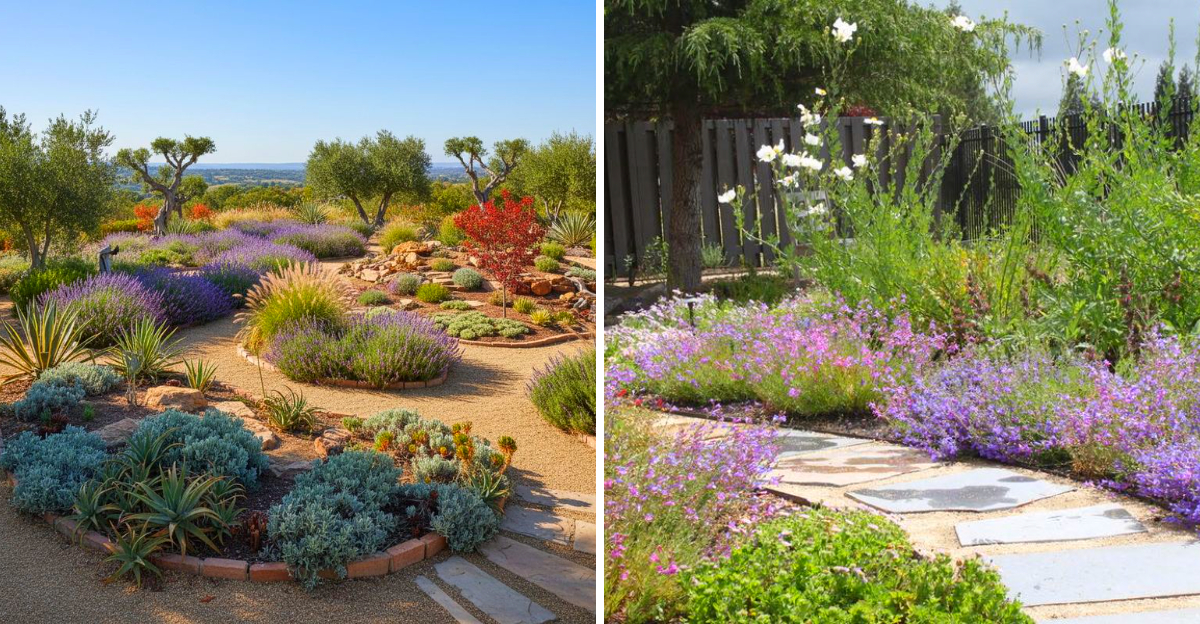
Let’s be real – California gardening is a vibe, but it’s also a little chaotic.
You’ve got drought-loving succulents living next door to thirsty roses, and somewhere in the back, a bird of paradise is just casually sipping your water bill.
With summers that are long, hot, and bone-dry, plus a climate that changes depending on what side of the hill you’re standing on, it’s stupidly easy to end up with a yard full of plants that have absolutely nothing in common – including how much water they need.
The result?Your natives are drowning and your roses are stressed. Not great!
The fix, though, is surprisingly straightforward: hydrozoning. It’s the art of grouping plants by their water needs so every single drop lands exactly where it belongs.
Your plants will thank you, and honestly, so will your water bill.
1. What Hydrozoning Means In A California Landscape
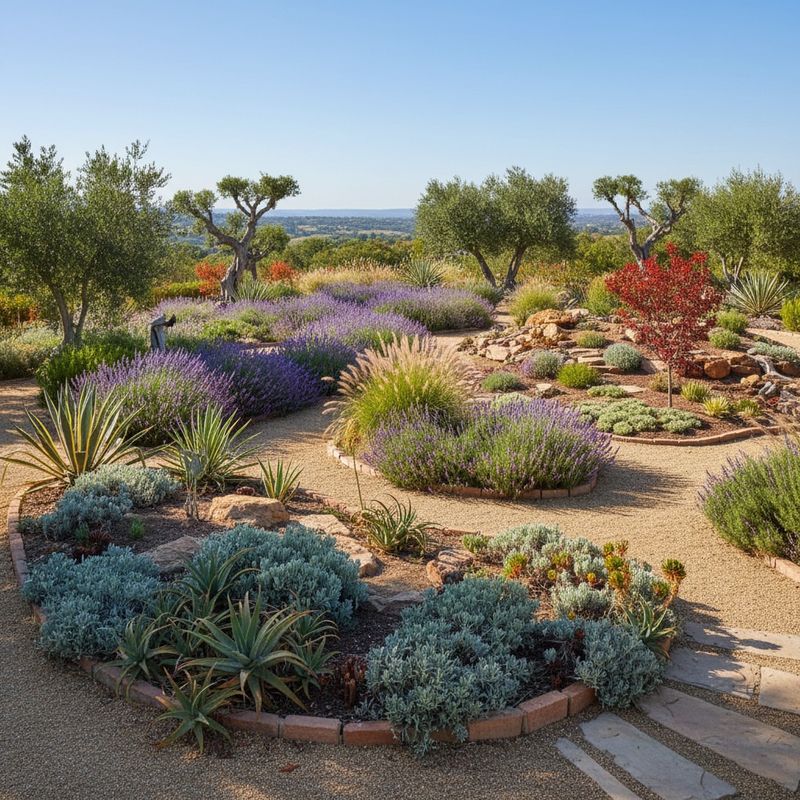
Hydrozoning is the practice of grouping plants together based on how much water they need, and it is one of the most practical strategies California homeowners can use to manage their landscapes more efficiently.
Rather than watering every plant in a yard on the same schedule, hydrozoning allows gardeners to create separate zones where each group gets exactly the amount of water it requires.
In a California yard, this might mean placing low-water native shrubs together on one side of the property and grouping moderate-water perennials near a shaded fence on the other. Each zone is treated as its own unit when it comes to irrigation planning.
The result is a landscape that runs more smoothly and wastes far less water.
California’s variable climate makes hydrozoning especially useful because conditions can shift dramatically between neighborhoods, hillsides, and coastal versus inland areas.
A plant that does well with monthly deep watering in one part of the state might need twice-weekly irrigation in a hotter inland valley.
Organizing plants thoughtfully from the start saves time, reduces plant stress, and helps homeowners avoid the guesswork that often leads to overwatering or underwatering entire beds.
2. Why Grouping Plants By Water Needs Can Improve Irrigation Efficiency
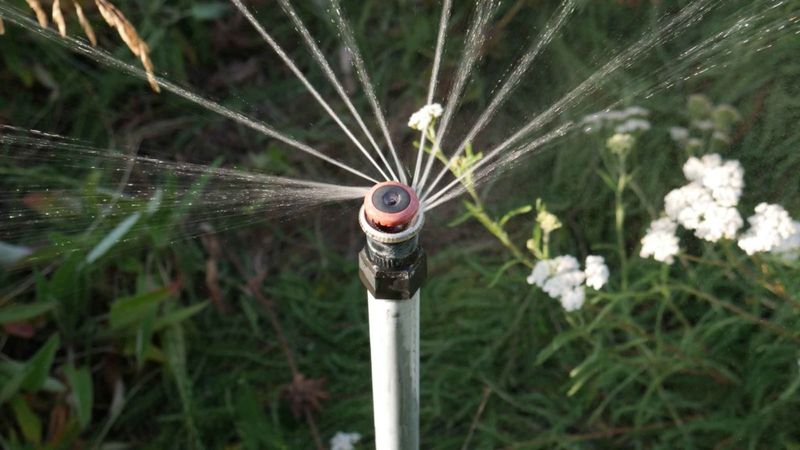
Poorly planned planting beds are one of the most common reasons California homeowners end up wasting water without realizing it.
When a drought-tolerant lavender is planted next to a water-loving hydrangea in the same bed, the irrigation schedule has to favor one plant over the other.
Either the lavender gets too much water and develops root problems, or the hydrangea does not get enough and begins to wilt and drop leaves.
Grouping plants by water needs solves this problem by letting you set an irrigation schedule that actually fits the plants in each zone. Instead of compromising, every group gets the right amount at the right frequency.
Over time, this adds up to significant water savings, which matters a great deal in California where water costs are rising and conservation is increasingly important.
Efficient irrigation also means healthier plants overall. When plants receive water that matches their actual needs, they tend to develop stronger root systems, resist pests more effectively, and look better throughout the season.
Your California Garden Changes Every Week. Your Plan Should Too.
Gardening in California changes quickly throughout the season. Every Friday you’ll receive a simple weekly plan showing exactly what to plant, prune, fertilize, harvest, and protect so you never miss the right timing.
For California gardeners managing large properties or complex mixed landscapes, improving irrigation efficiency through smart plant grouping is one of the most impactful changes they can make without redesigning the entire yard.
3. Use WUCOLS Ratings To Build Smarter Plant Groups
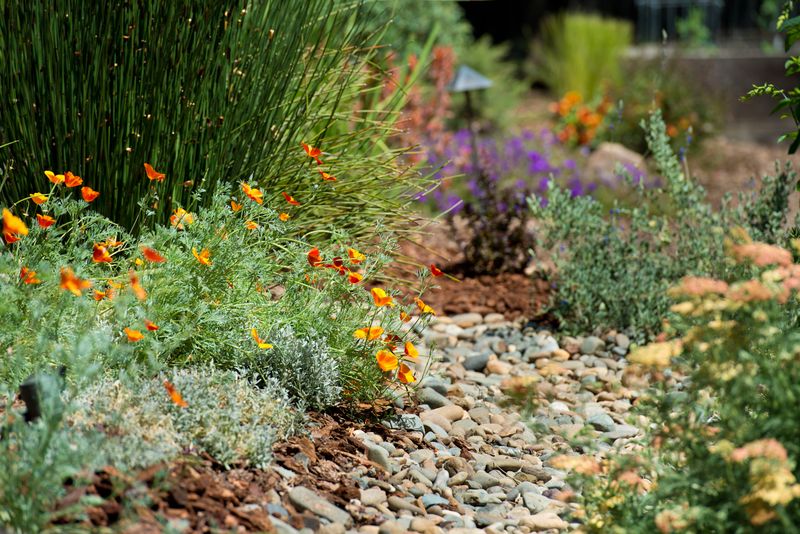
WUCOLS stands for Water Use Classification of Landscape Species, and it is a widely used reference guide developed specifically for California landscapes.
The guide assigns water use ratings to hundreds of landscape plants based on their needs across different California climate regions.
Ratings range from very low to high, giving gardeners a reliable starting point when deciding which plants belong in the same irrigation zone.
Using WUCOLS ratings takes some of the guesswork out of plant grouping.
Instead of relying only on a plant tag or a nursery worker’s general advice, you can look up how a specific plant performs in your region of California and find others with matching ratings to pair alongside it.
This makes it much easier to build a hydrozone that will actually function well once irrigation is set up.
One helpful detail about WUCOLS is that it accounts for California’s regional climate differences. A plant rated as low-water in coastal Northern California might need slightly more water in the hotter Central Valley.
Checking ratings by region rather than using a single statewide number helps gardeners make more accurate grouping decisions.
Building plant lists around WUCOLS categories before purchasing plants is a smart habit that pays off throughout the life of the landscape.
4. Keep Turf Separate From Shrubs, Perennials, And Trees
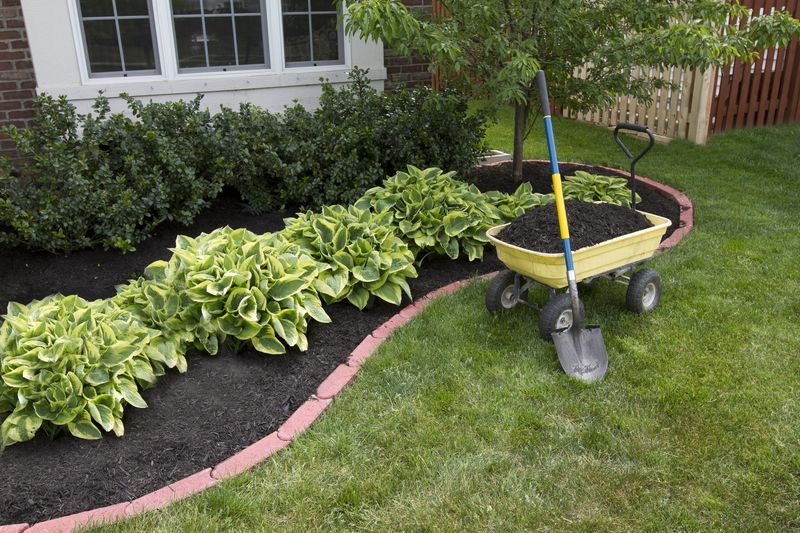
Mixing turf grass with ornamental shrubs, perennials, or trees in the same irrigation zone is one of the most common planting mistakes seen in California yards.
Lawns typically need frequent, shallow watering to stay green during hot months, while most shrubs and trees benefit far more from deep, infrequent irrigation that encourages roots to grow downward into the soil profile.
When turf and woody plants share the same sprinkler zone, the trees and shrubs often end up receiving water far more frequently than they need.
This can lead to shallow root development in trees, which makes them less stable and more vulnerable during dry stretches.
Shrubs in turf areas may also develop fungal issues from constant surface moisture that would not occur if they were watered on a schedule suited to their actual needs.
Keeping turf in its own dedicated irrigation zone is a straightforward adjustment that makes a noticeable difference in how well the rest of the landscape performs.
California guidance on landscape water management consistently recommends separating turf from other plant types because their watering patterns are simply too different to manage well together.
Even a simple physical border and a separate valve can make this separation easy to maintain long-term.
5. Group Plants By Water Needs And Sun Exposure
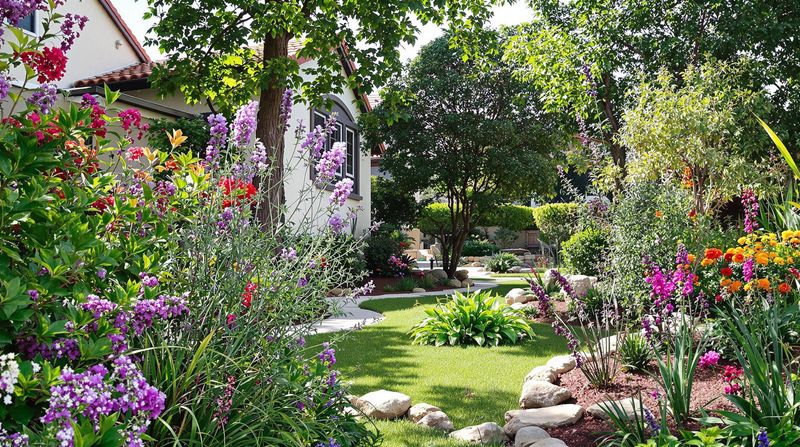
Sun exposure plays a bigger role in how much water a plant needs than many gardeners expect.
A plant placed in full sun along a south-facing California wall can lose moisture from its leaves much faster than the same plant growing in a shaded spot on the north side of the house.
Grouping plants by water needs without also considering sun exposure can lead to zones that look good on paper but perform poorly once summer heat arrives.
For example, two plants both rated as moderate water users may actually need very different irrigation schedules if one sits in blazing afternoon sun and the other grows in dappled shade.
The sun-exposed plant will dry out faster and need more frequent watering during California’s hottest months, while the shaded plant may stay moist much longer between irrigation cycles.
Mapping out sun patterns in your yard before setting up hydrozones helps you place plants more accurately. Walk through the yard at different times of day and note which areas receive full sun, partial shade, or full shade throughout the season.
Matching water needs to sun exposure when building each zone results in plant groups that are far easier to irrigate consistently and that tend to look healthier throughout the dry season.
6. Consider Soil Type Before You Set Up Irrigation Zones
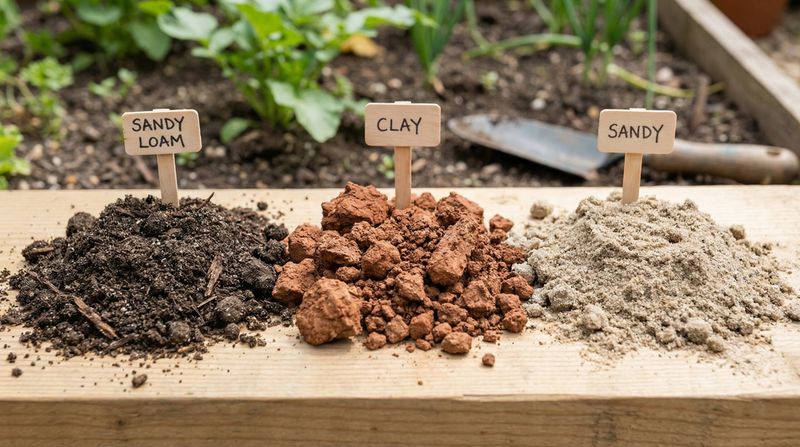
Soil type has a direct effect on how water moves through the ground and how long moisture stays available to plant roots.
Sandy soils drain quickly and may need more frequent irrigation, while clay soils hold water longer but can become waterlogged if watered too often.
In California, it is common to find both soil types within the same property, especially in areas where grading or fill material was used during construction.
Setting up irrigation zones without accounting for soil differences can lead to plants receiving either too much or too little water even when they share similar water use ratings.
Two moderate-water plants in the same zone might actually behave very differently if one is growing in fast-draining sandy loam and the other is planted in compacted clay near a downspout.
Before finalizing your hydrozone layout, do a simple soil assessment in different parts of the yard. Dig down about a foot and notice whether the soil is sandy and loose, clay-heavy and sticky, or somewhere in between.
Knowing what you are working with helps you fine-tune irrigation run times and adjust plant groupings so that soil behavior supports rather than undermines your water management goals.
In California, soil varies widely even within a single neighborhood.
7. Match Plant Groups To Slope And Drainage Conditions
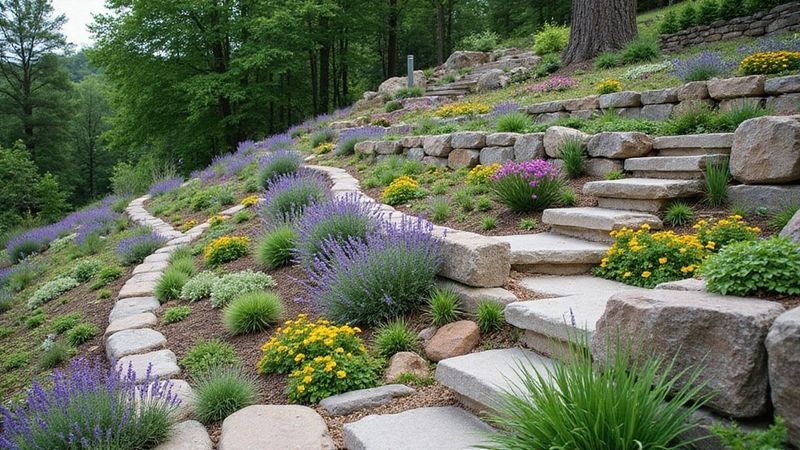
Slope affects how water behaves in a landscape in ways that go beyond simple drainage. On a steep California hillside, water applied too quickly will run off the surface before it has a chance to soak into the root zone.
Flat areas with poor drainage, on the other hand, can hold standing water after irrigation, creating conditions that stress plants adapted to drier conditions.
Matching plant groups to slope and drainage conditions means placing plants that tolerate occasional dry spells on slopes where water moves through quickly, and reserving flatter, moisture-retaining spots for plants that appreciate more consistent soil moisture.
Groundcovers with spreading root systems work well on slopes because they help slow water movement and reduce surface runoff, which is a real concern in many parts of California during the rainy season and during irrigation cycles.
When setting up irrigation zones on sloped areas, using low-volume drip systems with shorter run times and multiple cycles can help water penetrate more deeply without causing runoff.
Grouping plants with similar slope tolerance and drainage preferences into the same zone makes it easier to dial in irrigation settings that work for the site.
Paying attention to drainage patterns before planting helps avoid placing moisture-sensitive plants in spots that stay wet longer than expected.
8. Put Plants With Similar Root Depths Together
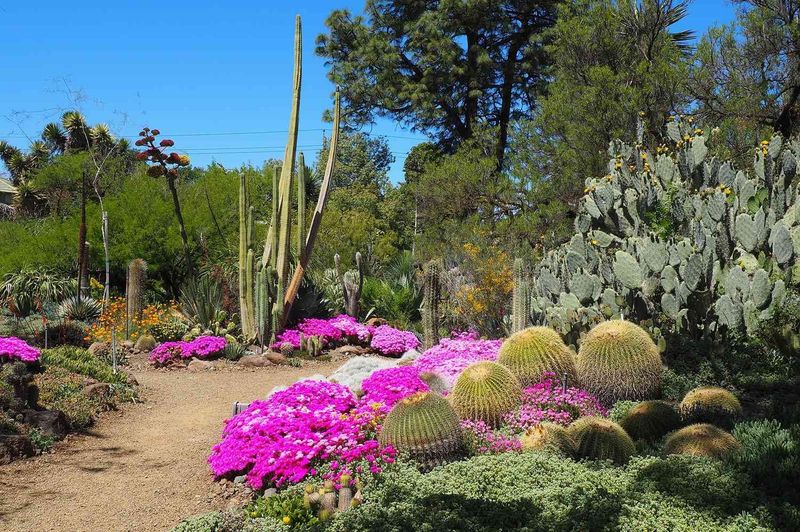
Root depth is something many homeowners overlook when organizing planting zones, but it has a real impact on how effectively irrigation reaches different plants in the same bed.
Shallow-rooted groundcovers and annuals pull moisture from the top few inches of soil, while deep-rooted shrubs and trees access water much further down.
When these plants share the same irrigation zone, watering deeply enough for the shrubs can leave the surface layer soggy for shallow-rooted plants.
Grouping plants with similar root depths together allows you to set irrigation run times that match where the roots actually are. Shallow-rooted plants benefit from shorter, more frequent cycles that keep the upper soil layer consistently moist.
Deeper-rooted plants do better with longer, less frequent watering that encourages roots to follow moisture downward into the soil profile, which builds drought resilience over time.
In California landscapes, this principle applies especially when mixing ornamental grasses, perennials, and woody shrubs.
Ornamental grasses often have moderately deep roots compared to spreading groundcovers, and placing them with other plants of similar root depth simplifies irrigation management considerably.
Taking root depth into account when designing hydrozones results in plant communities that respond more predictably to irrigation and tend to establish more successfully during the first few dry seasons after planting.
9. Use Separate Valves For Different Water-Use Zones
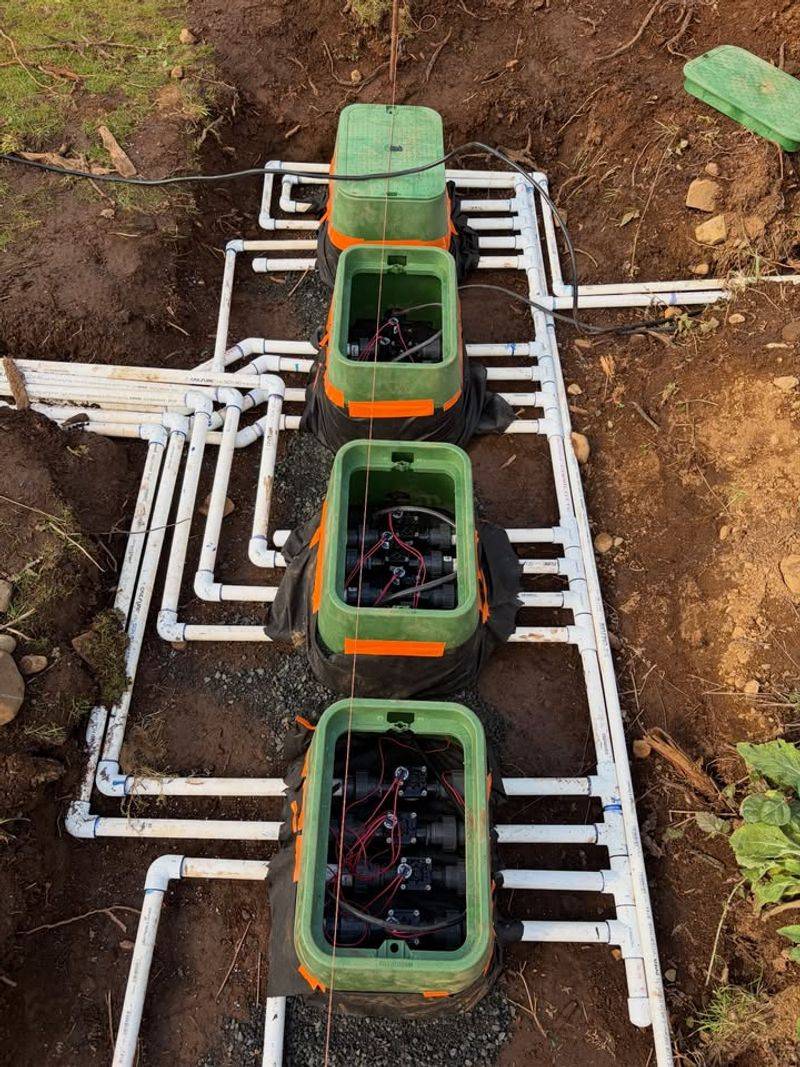
Running separate irrigation valves for different water-use zones is one of the most practical steps a California homeowner can take when setting up a water-smart landscape.
A single valve controlling a large mixed planting bed forces every plant in that area onto the same watering schedule, which rarely works well when the bed contains both drought-tolerant natives and moderate-water perennials side by side.
With dedicated valves for each hydrozone, you can program the irrigation controller to water each area on its own schedule and run time.
The low-water zone might run once every week or two during summer, while a moderate-water zone runs two or three times per week.
This flexibility is exactly what makes hydrozoning practical rather than just theoretical, and it is the reason California water agencies and landscape professionals recommend it so consistently.
Installing separate valves does add some upfront cost, but the long-term savings in water bills and reduced plant stress make it worthwhile for most California properties.
Even a modest system with three or four dedicated valves covering different water-use areas can dramatically improve how a landscape performs through the dry season.
Smart irrigation controllers that adjust schedules based on weather data work especially well when paired with clearly defined, properly separated hydrozones throughout the yard.
10. Why California Native Plants Often Belong In Their Own Zone
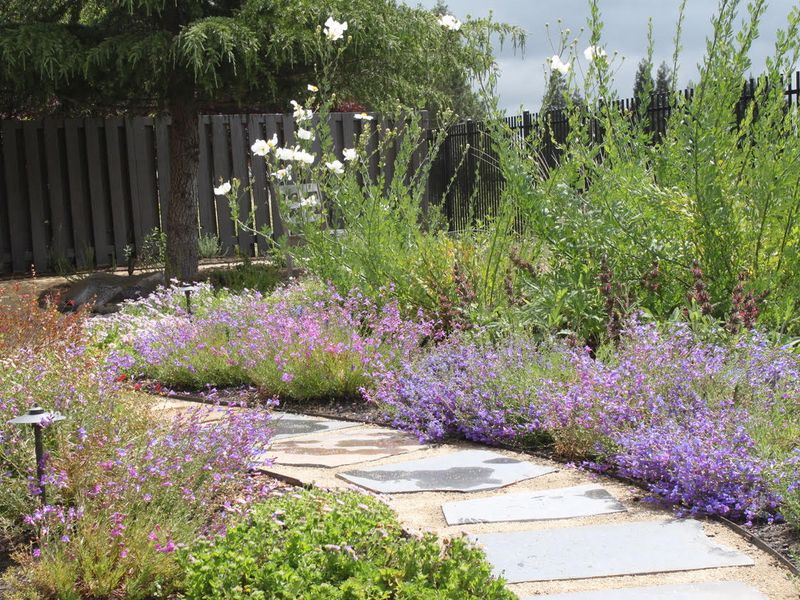
California native plants have evolved over thousands of years to thrive in the state’s natural rainfall patterns, which means long dry summers with little to no supplemental water and cooler, wetter winters.
Placing natives in the same irrigation zone as non-native ornamentals that need regular summer watering can actually stress the natives rather than help them.
Many California natives do not tolerate wet roots during warm months and can develop root problems when watered on a typical ornamental schedule.
Giving California natives their own dedicated zone allows you to water them deeply during the dry season establishment period and then gradually reduce irrigation as plants mature.
Once established, many natives need very little to no supplemental water during summer, especially in coastal and inland California regions that receive meaningful winter rainfall.
This makes native zones among the most water-efficient areas in the entire landscape.
Grouping natives together also makes it easier to manage the seasonal nature of their growth cycles. Many California natives go semi-dormant in summer and resume active growth in fall when temperatures cool.
Mixing them with plants that are at their peak growth during summer creates irrigation conflicts that are hard to resolve without compromising one group or the other.
A dedicated native zone respects these rhythms and results in healthier, longer-lived plants throughout the property.