The Best Companion Flowers To Tuck Into Oregon Vegetable Beds Right Now
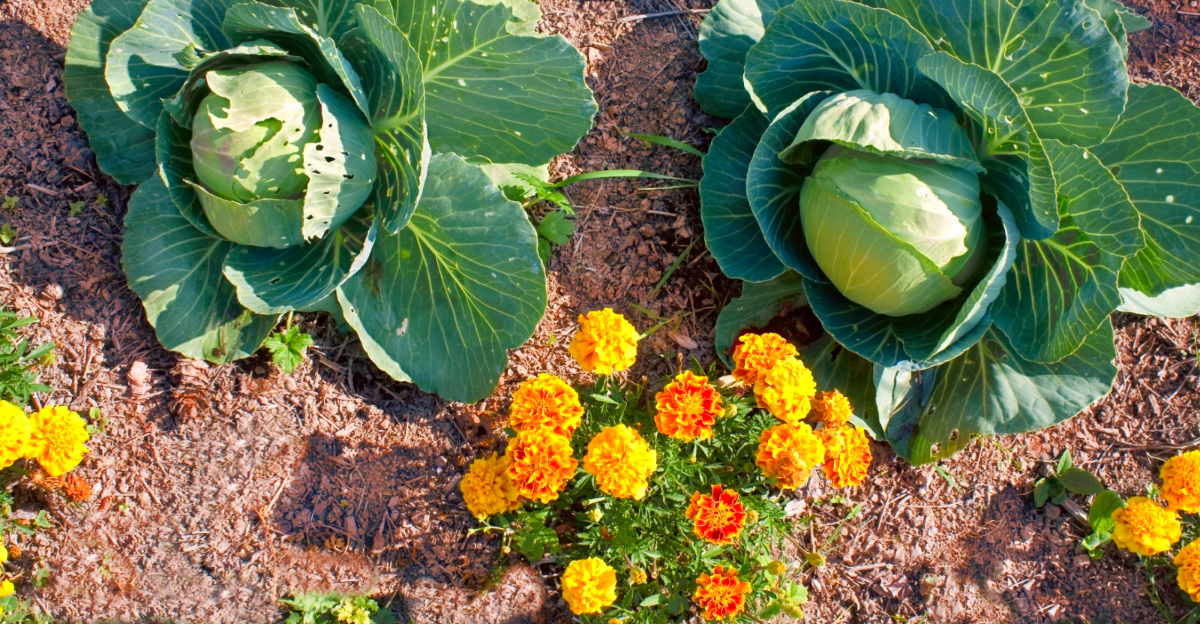
Oregon vegetable gardening gets interesting fast once spring rolls in. One day the beds are cool and damp, and the next they are soaking up warm sunshine like summer got a little too excited.
That mix can make planning feel like a guessing game, which is part of the fun, right? When space is limited and every plant needs to earn its spot, companion flowers can do a lot more than make the garden look pretty.
The right blooms can draw in pollinators, welcome beneficial insects, and bring extra energy to the whole bed. Tucked between tomatoes, beans, squash, and other edible favorites, they help vegetable patches feel fuller, brighter, and much more lively.
For Oregon gardeners juggling changing weather and busy growing spaces, that is a pretty great deal.
A few well-placed flowers can turn an ordinary bed into a hardworking little ecosystem, which is a very fancy way of saying a happier garden.
1. Sweet Alyssum Draws Helpful Insects Close
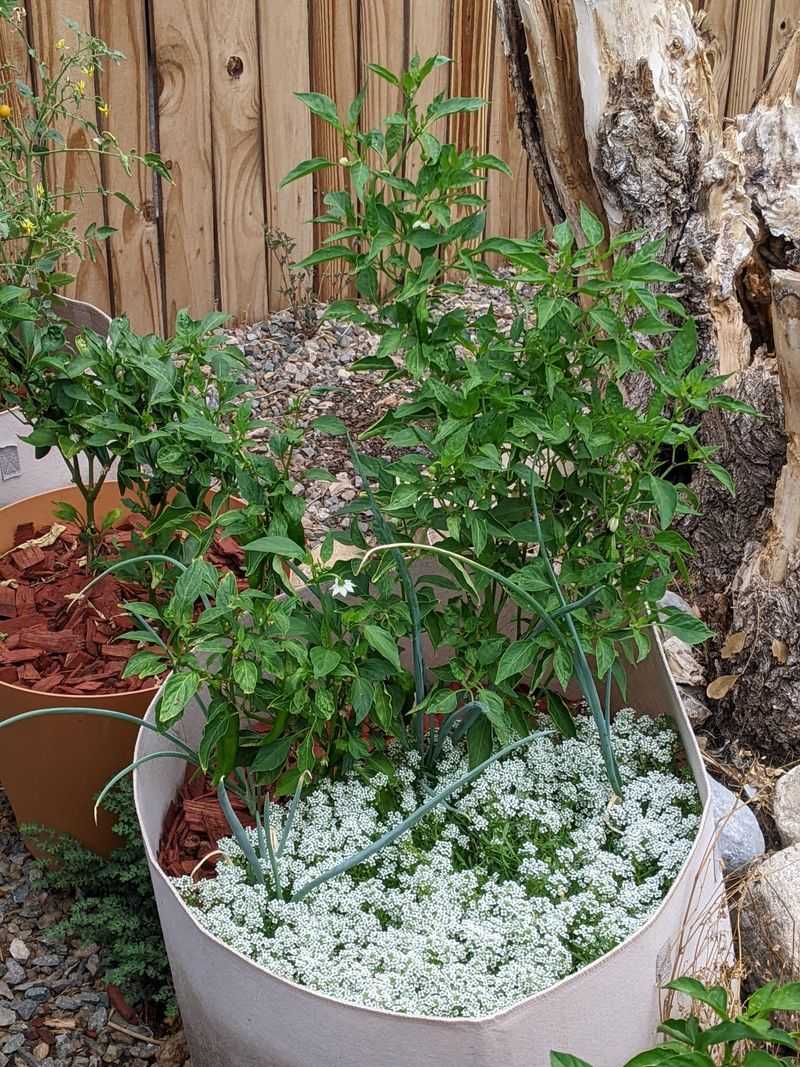
Few flowers earn their keep in a vegetable bed quite as quietly as sweet alyssum. Those tiny clusters of white or lavender blooms might look delicate, but they are working hard.
They attract hoverflies and parasitic wasps, two groups of beneficial insects that help manage aphids and other soft-bodied pests that Oregon vegetable gardens tend to see in spring and early summer.
Sweet alyssum grows low to the ground, usually reaching just four to six inches tall, which makes it a natural fit along the edges of raised beds or tucked between rows of lettuce, kale, and brassicas.
It spreads gently without taking over, and in Oregon’s mild coastal and valley climates, it can bloom for months at a stretch.
Gardeners in cooler areas near the coast may find it thrives especially well through late spring and into summer before heat causes it to slow down.
Starting sweet alyssum from seed is straightforward. Scatter seeds along bed edges after your last frost date, or start them indoors a few weeks earlier if you want a head start.
The honey-like fragrance is a bonus that many gardeners appreciate, and pollinators seem to agree.
Keeping it trimmed back lightly after the first big flush of blooms encourages a fresh round of flowers and keeps the plant looking tidy alongside your vegetables throughout the season.
2. Calendula Brings Cheerful Color And Garden Benefits
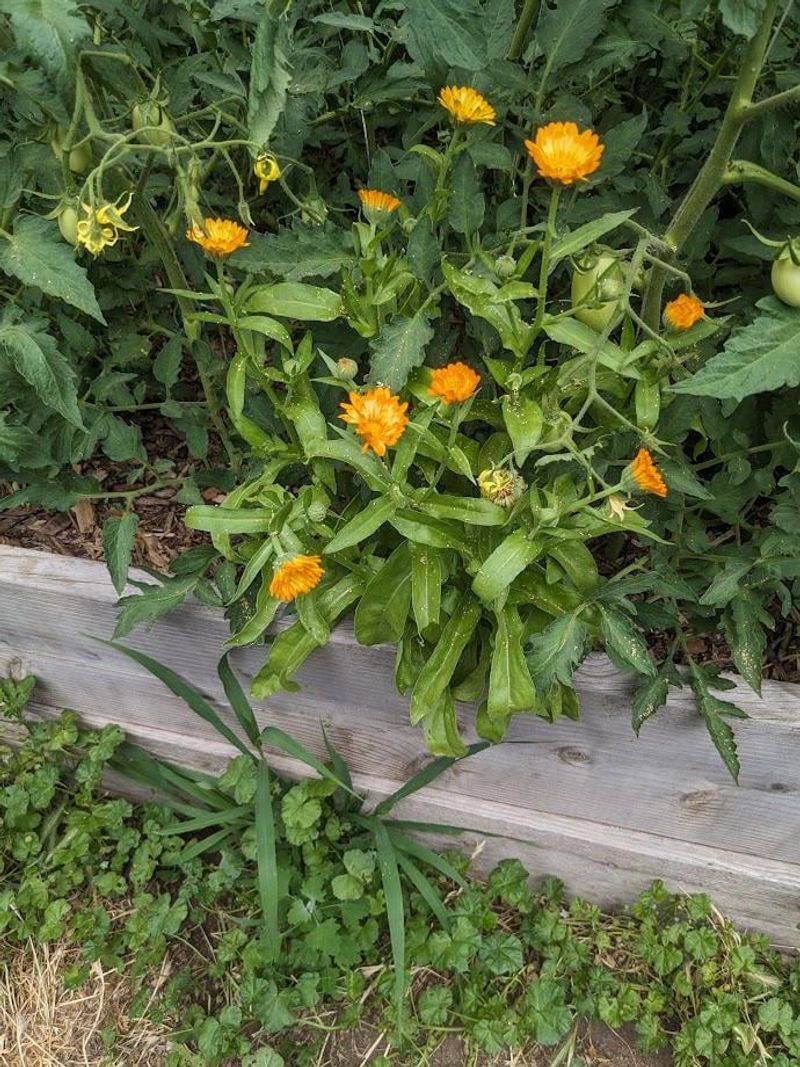
Calendula is one of those flowers that has been growing alongside vegetables for centuries, and for good reason.
Sometimes called pot marigold, calendula produces bold orange and yellow blooms that stand out beautifully against the greens of a typical Oregon vegetable bed.
Beyond looking cheerful, the sticky resin on calendula stems and leaves may help deter certain insects, including aphids, that tend to show up on spring crops.
Oregon gardeners can start calendula from seed fairly early in the season because it handles cool temperatures well.
In many parts of the Willamette Valley and along the coast, calendula can go into the ground or raised beds several weeks before the last expected frost.
Your Oregon Garden Changes Every Week. Your Plan Should Too.
Gardening in Oregon changes quickly throughout the season. Every Friday you’ll receive a simple weekly plan showing exactly what to plant, prune, fertilize, harvest, and protect so you never miss the right timing.
It grows quickly and begins blooming within a couple of months of planting, making it one of the more rewarding flowers to include in a spring bed plan.
Calendula works well near tomatoes, brassicas, and salad greens. It grows to about one to two feet tall, so placing it toward the front or edges of beds keeps it from shading shorter crops.
Deadheading spent flowers regularly encourages the plant to keep producing new blooms well into summer.
In Oregon’s cooler growing zones, calendula can sometimes keep going into fall, giving the garden color long after many other summer flowers have slowed down considerably.
3. Nasturtium Adds Bright Blooms And Busy Garden Support
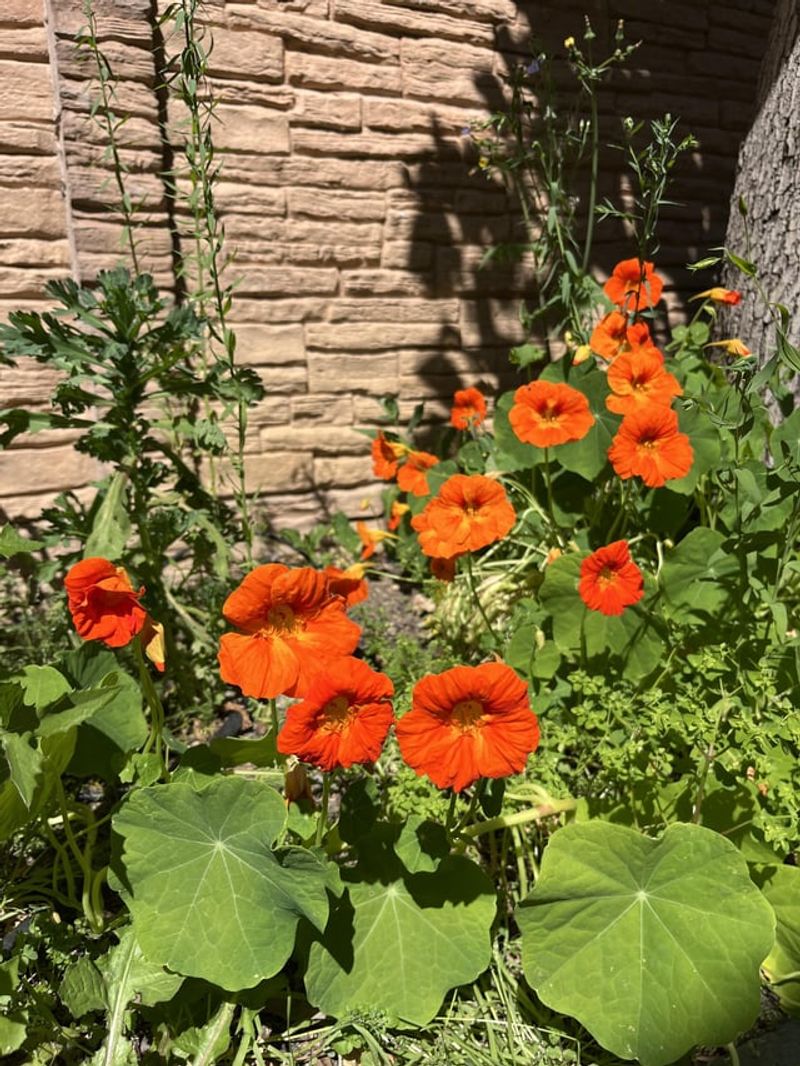
Nasturtiums have a reputation for being almost too easy to grow, and that is exactly what makes them so useful in an Oregon vegetable garden.
Drop a seed in loose soil near the edge of a bed, give it some water, and within a few weeks you will have sprawling stems covered in bright orange, red, or yellow blooms.
They thrive in lean soil and actually tend to produce fewer flowers when given too much fertilizer, so they fit naturally into beds where vegetables are already taking up most of the nutrients.
One of the most interesting things about nasturtiums is that they attract aphids, particularly black aphids. Some gardeners use them intentionally as a trap crop, planting them near squash or beans to draw aphids away from the main vegetables.
Beneficial insects that feed on aphids often follow, which can help keep pest populations from getting out of hand during Oregon’s warm early summer weeks.
Nasturtiums also attract pollinators, including bumblebees, which are especially active in Oregon gardens during spring and early summer.
The flowers, leaves, and seeds are all edible, which is a bonus for gardeners who enjoy using them in salads or as garnishes.
In Oregon’s coastal areas, nasturtiums can reseed themselves and come back year after year, making them a low-effort, high-reward addition to almost any vegetable bed.
4. Borage Attracts Pollinators With Starry Blue Flowers
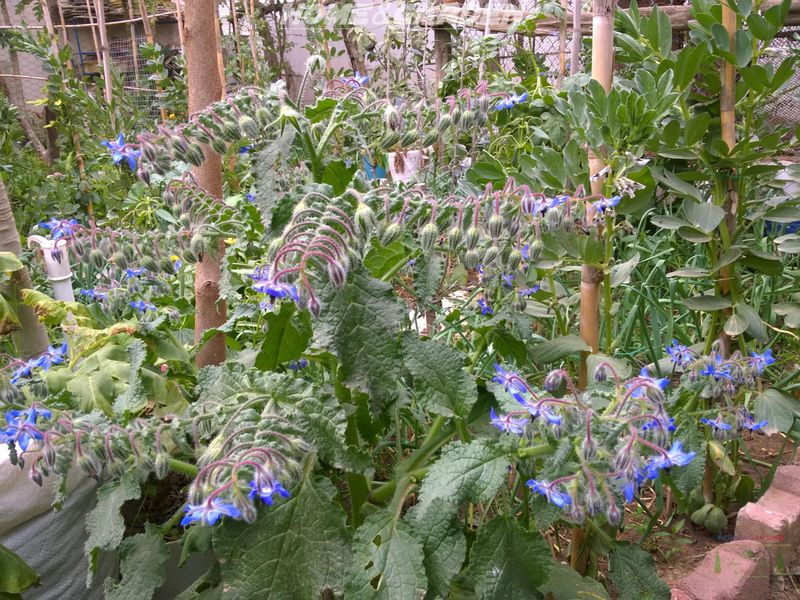
Borage is the kind of plant that surprises first-time growers. The leaves are rough and fuzzy, the stems are sturdy, and then suddenly the plant opens up into clusters of brilliant, star-shaped blue flowers that seem almost too vivid for a vegetable garden.
Those flowers are genuinely beloved by bees, including the native bumblebees that Oregon gardeners rely on to pollinate squash, cucumbers, and beans during the warmer months.
Borage grows quickly from seed sown directly in the garden after the last frost date. In Oregon’s Willamette Valley, that window often opens in April or early May depending on the year and location.
Once established, borage is fairly drought-tolerant and does not need much fussing. It tends to grow two to three feet tall, so placing it toward the back or center of a raised bed keeps it from blocking shorter crops from sunlight.
One thing Oregon gardeners should know is that borage reseeds generously. If you let the flowers go to seed, you will likely find borage seedlings popping up in and around the bed the following spring.
Some gardeners find this delightful; others prefer to deadhead regularly to keep the plant from spreading too freely.
The flowers and young leaves are edible and carry a mild cucumber-like flavor, making borage a practical and beautiful addition to any productive vegetable garden space.
5. Marigold Offers Classic Color And Companion Value
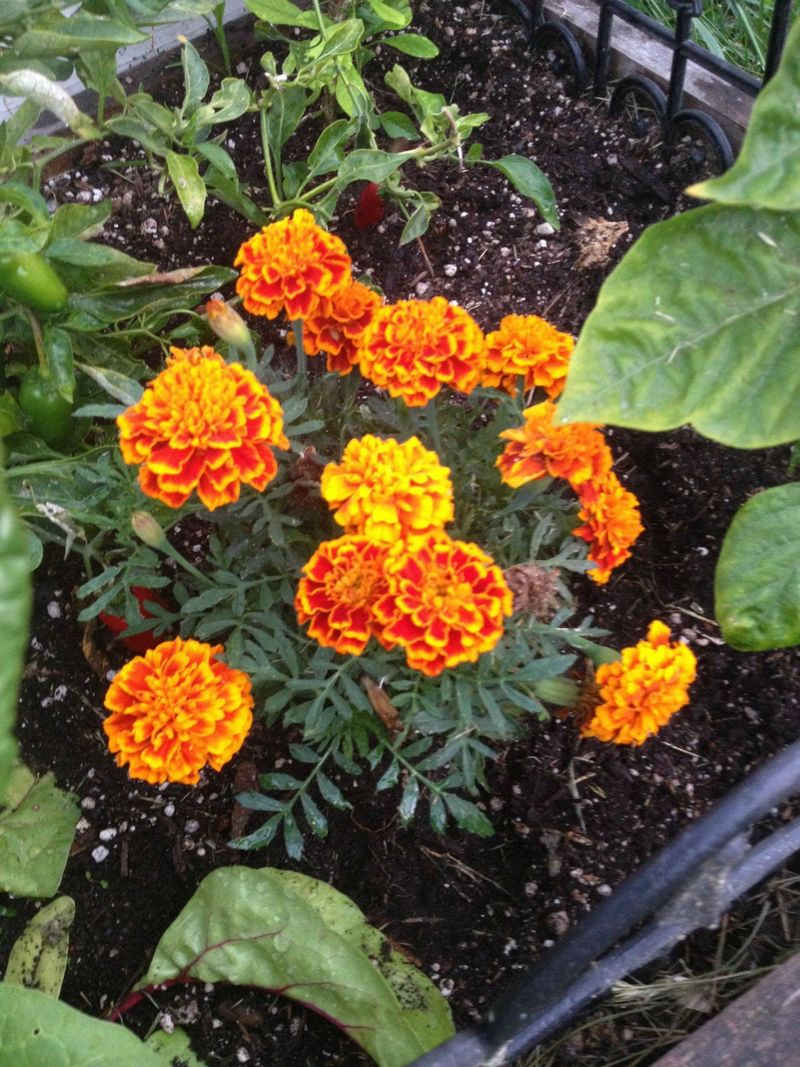
Marigolds have been a staple in vegetable gardens for generations, and the reasons gardeners keep reaching for them are pretty straightforward.
The bold orange, yellow, and red blooms bring strong color to any bed, and the pungent scent of the foliage may help discourage some insects from settling in nearby.
French marigolds in particular are often recommended near tomatoes, peppers, and squash in Oregon vegetable gardens.
Research has shown that certain marigold varieties, especially French types like Tagetes patula, can reduce nematode populations in the soil when planted densely and left in the ground long enough.
While results vary depending on soil conditions and nematode species, this is one of the more well-documented benefits of companion planting in home vegetable gardens.
Oregon gardeners dealing with root-knot nematodes in their raised beds may find marigolds a worthwhile addition to a longer-term bed rotation plan.
Marigolds do best in full sun and warm soil, so in Oregon they are usually started indoors in March or April and transplanted outside after frost risk has passed. They bloom reliably through summer and into fall in most parts of the state.
Deadheading spent flowers keeps new blooms coming steadily. Taller African marigold varieties work well at the back of beds, while compact French types tuck neatly between vegetable rows without crowding the crops around them.
6. Cosmos Invites Beneficial Insects Into The Bed
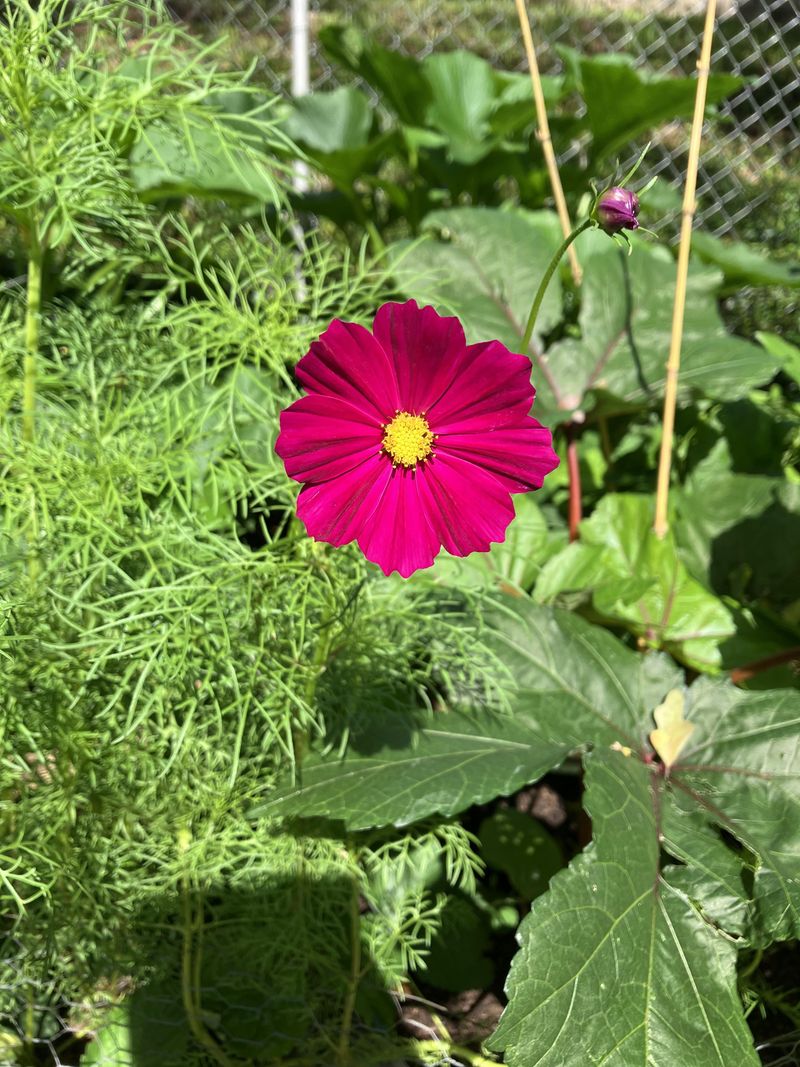
Cosmos are airy, graceful flowers that bring a sense of movement and lightness to a vegetable garden.
Their open, daisy-like blooms in shades of pink, white, and magenta are easy for beneficial insects to land on and access, which is one of the main reasons they earn a spot near Oregon vegetable beds.
Parasitic wasps, hoverflies, and lacewings are among the insects that visit cosmos regularly, and all three are valuable allies for vegetable gardeners dealing with common pest pressure.
Cosmos are warm-season annuals that do best when planted after frost risk has passed in Oregon. In the Willamette Valley and warmer inland areas, that usually means late April through May.
They grow quickly and can reach three to five feet tall, so they work well at the back of a raised bed or along a sunny fence line adjacent to the vegetable garden.
Their feathery foliage casts minimal shade, which means nearby crops still get the light they need.
One of the appealing things about cosmos is that they are genuinely low maintenance. They do not need rich soil or heavy watering once established, and they tend to reseed themselves in mild Oregon climates, returning on their own the following spring.
Letting a few plants go to seed at the end of the season also provides food for seed-eating birds, adding another layer of beneficial wildlife activity to the garden space.
7. Sunflowers Bring Height, Color, And Helpful Activity
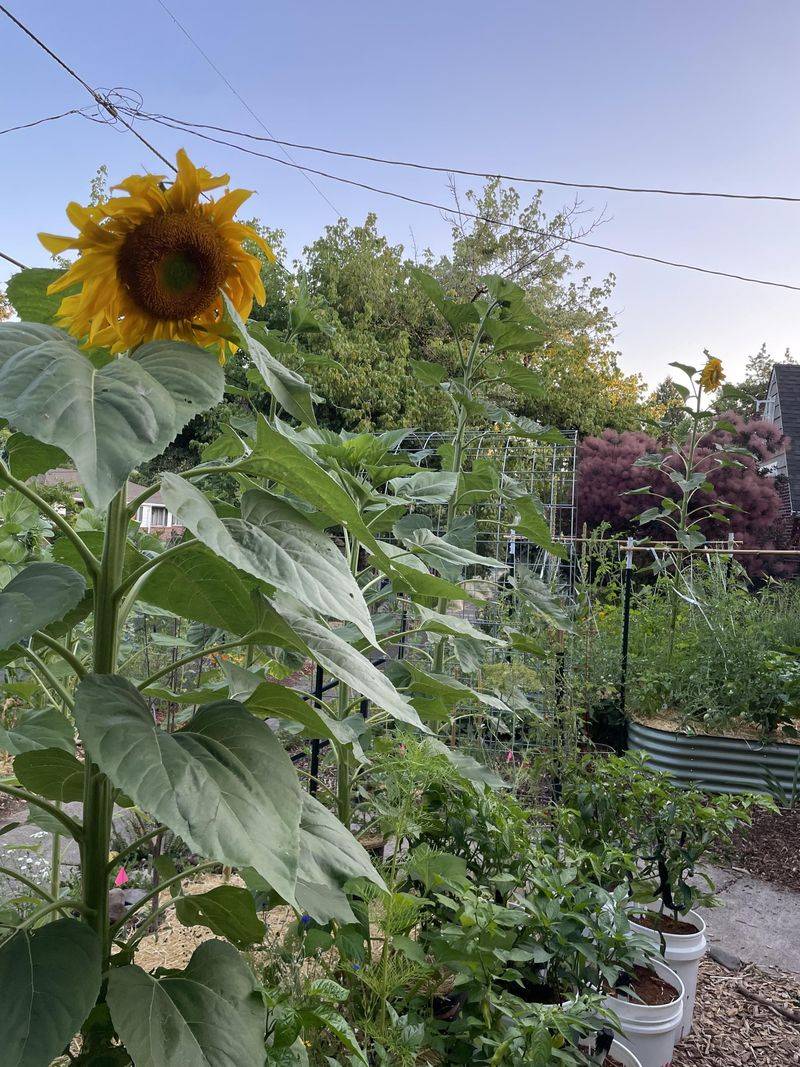
Planting sunflowers next to a vegetable bed is one of those decisions that tends to make gardeners smile every time they walk outside.
The sheer size and brightness of a sunflower in full bloom is hard to compete with, and beyond the visual appeal, sunflowers bring real activity to the garden.
Bees visit them constantly, and that steady pollinator traffic benefits nearby vegetables like squash, beans, and cucumbers that depend on pollination to set fruit.
In Oregon, sunflowers are typically started from seed directly in the ground after the last frost date. They grow quickly in warm soil and do not transplant especially well, so direct sowing is usually the better approach.
Choosing a spot along the north side of a vegetable bed helps prevent taller varieties from casting too much shade on sun-loving crops. Shorter dwarf varieties are available for gardeners working with smaller raised beds or tighter spaces.
Sunflowers also attract aphids, particularly in their early growth stages, which can pull pest pressure away from nearby vegetable crops.
Once sunflowers are established and blooming, beneficial insects that feed on those aphids tend to follow, helping to bring natural balance to the garden.
At the end of the season, leaving the seed heads in place provides food for birds like chickadees and finches, which are common in many Oregon gardens and a welcome sight through the fall months.
8. Yarrow Supports Beneficial Insects With Lasting Flowers
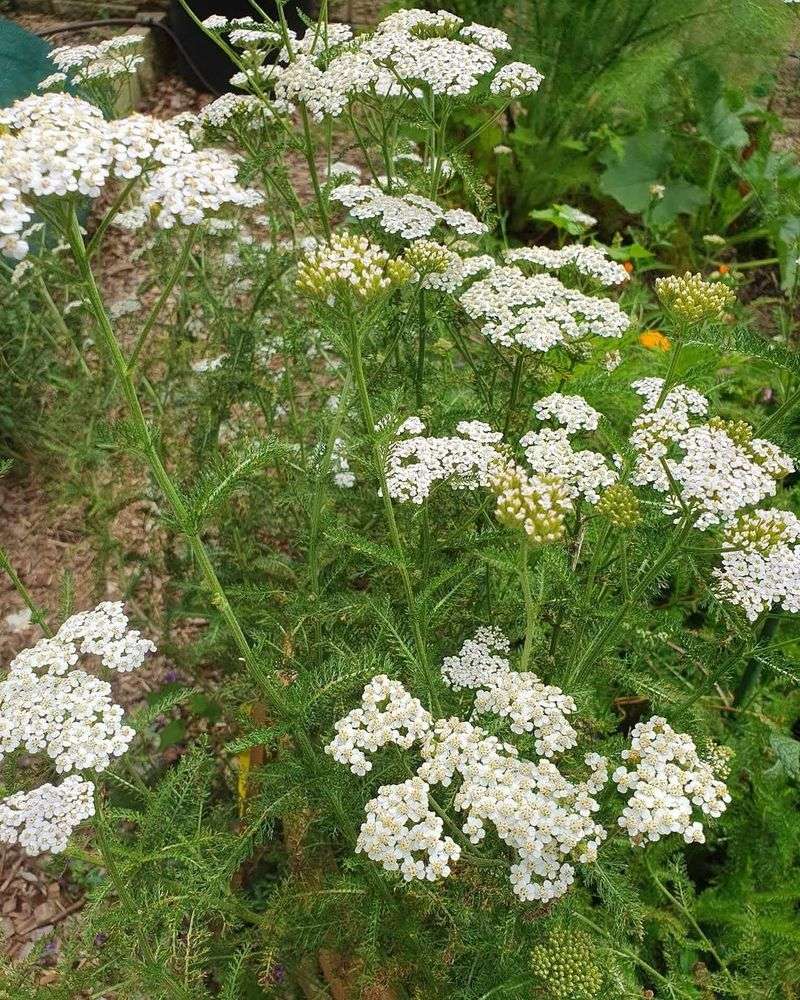
Yarrow is not as flashy as a sunflower or as bold as a marigold, but it earns serious respect among gardeners who pay attention to beneficial insect populations.
The flat-topped flower clusters, which come in yellow, white, pink, and red varieties, serve as landing pads for a wide range of small beneficial insects including parasitic wasps, hoverflies, and predatory beetles.
These insects help manage common vegetable garden pests, making yarrow a practical and strategic choice for Oregon food gardens.
One of yarrow’s biggest advantages is its long bloom period. In Oregon, yarrow can begin flowering in late spring and continue producing blooms well into summer, sometimes longer in cooler coastal areas.
It is a drought-tolerant perennial, which means once it is established, it comes back year after year with minimal care.
Placing yarrow along the border of a vegetable bed or in a nearby cutting garden allows it to do its work without competing directly with annual crops for space and nutrients.
Yarrow spreads over time through both seed and underground runners, so Oregon gardeners should plan for that growth and divide clumps every few years to keep it from taking over a section of the garden.
Choosing named cultivars rather than the wild species can help keep growth a bit more contained.
The dried flower heads also hold their color well, making yarrow a useful flower both in the garden and in casual arrangements cut from the bed.