6 Hard-To-Find Native Pennsylvania Trees That Are Worth Planting
Pennsylvania has some seriously impressive trees that most people have never even heard of.
Walk through any neighborhood and you’ll spot the same handful of species planted over and over again, the usual maples, oaks, and ornamental pears that every landscaper defaults to without a second thought.
They’re fine, but fine isn’t exactly exciting. The thing is, Pennsylvania’s native forests are home to some genuinely remarkable trees that rarely show up at garden centers and almost never make it onto a landscaper’s recommendation list.
These are trees with stunning seasonal color, incredible wildlife value, and a natural resilience that comes from being perfectly matched to the Pennsylvania climate for thousands of years.
Finding them takes a little more effort than grabbing whatever’s on sale at the big box store, but the payoff is a yard with real character and trees that will genuinely thrive for decades. Some discoveries are worth the extra search.
1. Pagoda Dogwood
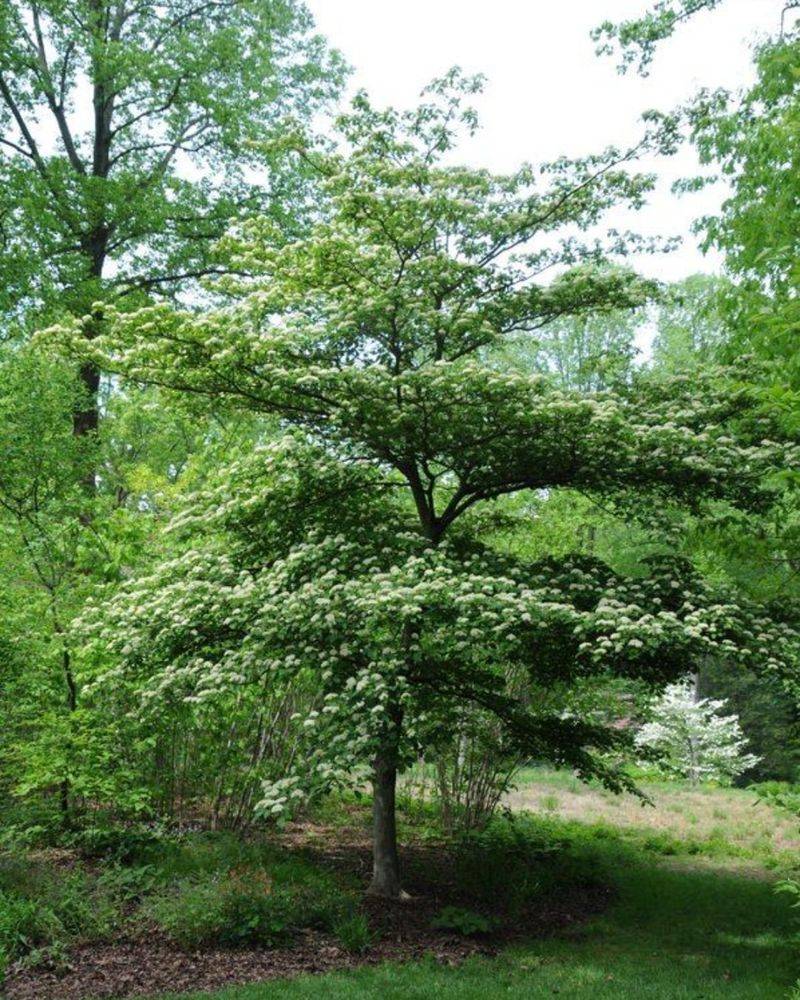
Picture a tree that grows like a piece of living architecture. The Pagoda Dogwood gets its name from its dramatic, layered branches that spread out in flat, horizontal tiers, almost like the rooflines of a Japanese pagoda.
It is one of the most visually striking understory trees native to Pennsylvania, and yet most people have never planted one.
In late spring, the tree bursts into clusters of small white flowers that cover every branch. After the blooms fade, dark bluish-black berries take their place.
Birds absolutely love these berries, and you will notice robins, cedar waxwings, and other species visiting your yard all season long.
Pagoda Dogwood grows best in partial shade, making it a great choice for spots under taller trees or along woodland edges. It prefers moist, well-drained soil and does not do well in hot, dry conditions.
In Pennsylvania, it is naturally found in cooler, shadier forest areas. This tree typically reaches 15 to 25 feet tall and wide, so give it enough room to spread. Fall color is another bonus, with leaves turning reddish-purple before dropping.
It is a four-season tree that earns its place in any Pennsylvania landscape. Finding one may take some effort. Look for it at native plant nurseries or Pennsylvania native plant sales.
It is worth every bit of searching. Once established, it is relatively low-maintenance and long-lived.
If you want a tree that combines artistic form, beautiful flowers, and wildlife value, the Pagoda Dogwood belongs at the top of your list.
2. Mountain Stewartia
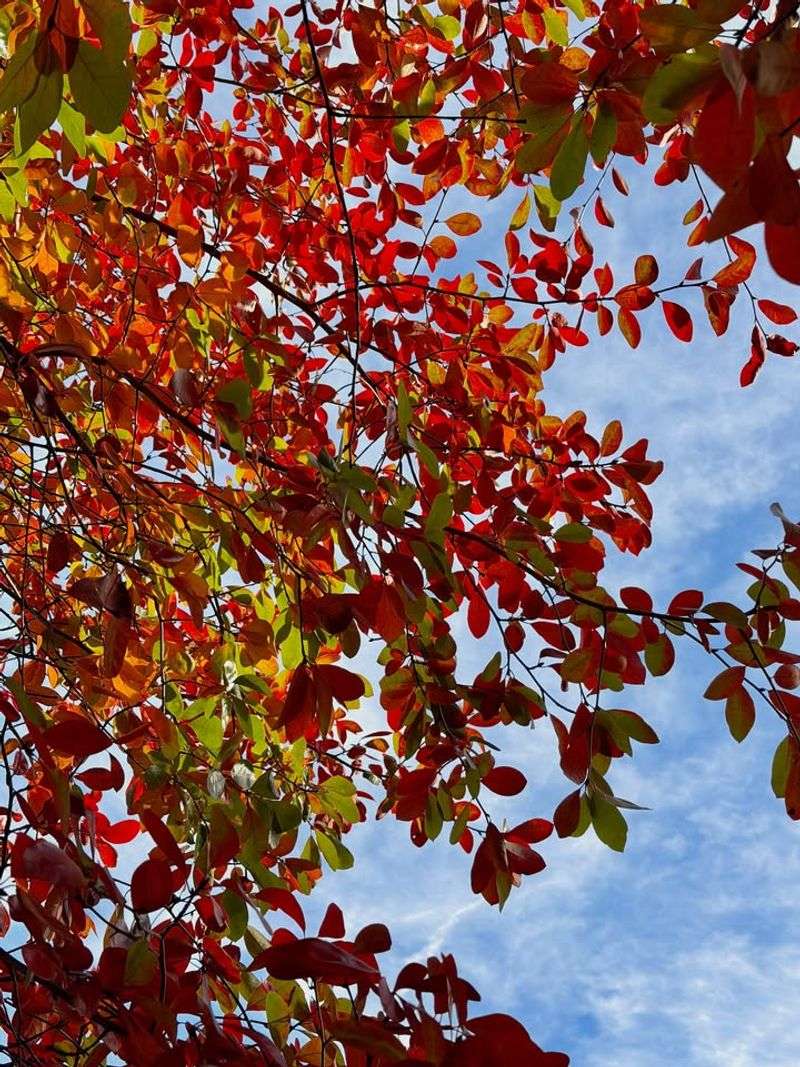
Some trees are so beautiful they seem almost too good to be true. Mountain Stewartia is one of those trees.
Native to parts of Pennsylvania and the Appalachian region, this rare gem produces large white flowers in midsummer that look remarkably like camellias. Each bloom has silky white petals and a bright orange center that practically glows in the shade.
What makes Mountain Stewartia even more special is that it blooms in July and August, when most other flowering trees have already finished for the year. If you want something that keeps your yard interesting deep into summer, this tree delivers in a big way.
Your Pennsylvania Garden Changes Every Week. Your Plan Should Too.
Gardening in Pennsylvania changes quickly throughout the season. Every Friday you’ll receive a simple weekly plan showing exactly what to plant, prune, fertilize, harvest, and protect so you never miss the right timing.
It thrives along woodland edges and in partly shaded spots with moist, acidic soil. Beyond the flowers, the bark of Mountain Stewartia is genuinely beautiful. It peels in patches to reveal a mosaic of gray, orange, and brown tones that look stunning year-round.
In fall, the foliage turns shades of orange and red, giving you yet another season of interest. This tree grows slowly, eventually reaching about 10 to 15 feet tall. Its compact size makes it suitable for smaller Pennsylvania yards.
Because it grows at a relaxed pace, planting it sooner rather than later is a smart move. Mountain Stewartia is considered rare and hard to find, but specialty native plant nurseries do carry it from time to time.
It is worth calling ahead or joining a native plant society in Pennsylvania to track one down. Once you see it in bloom, you will understand why so many gardeners consider it one of the finest native trees in the eastern United States.
3. Allegheny Chinkapin
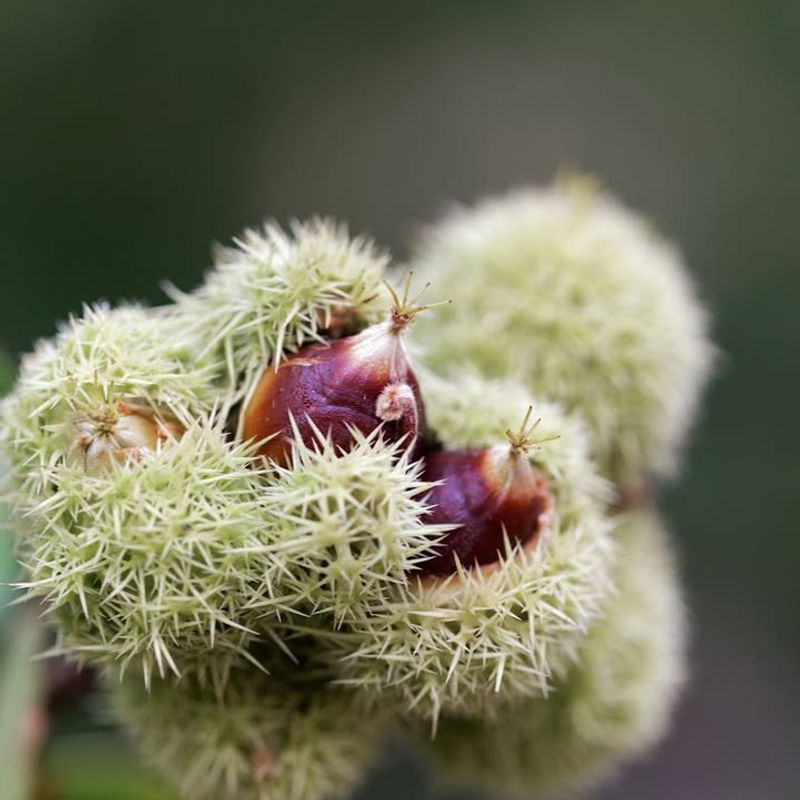
Long before the American chestnut was nearly wiped out by blight in the early 1900s, the Allegheny Chinkapin quietly held its ground.
A close relative of the American chestnut, this native Pennsylvania tree has a natural resistance to the chestnut blight fungus that devastated its famous cousin. That alone makes it a remarkable and historically important plant to grow.
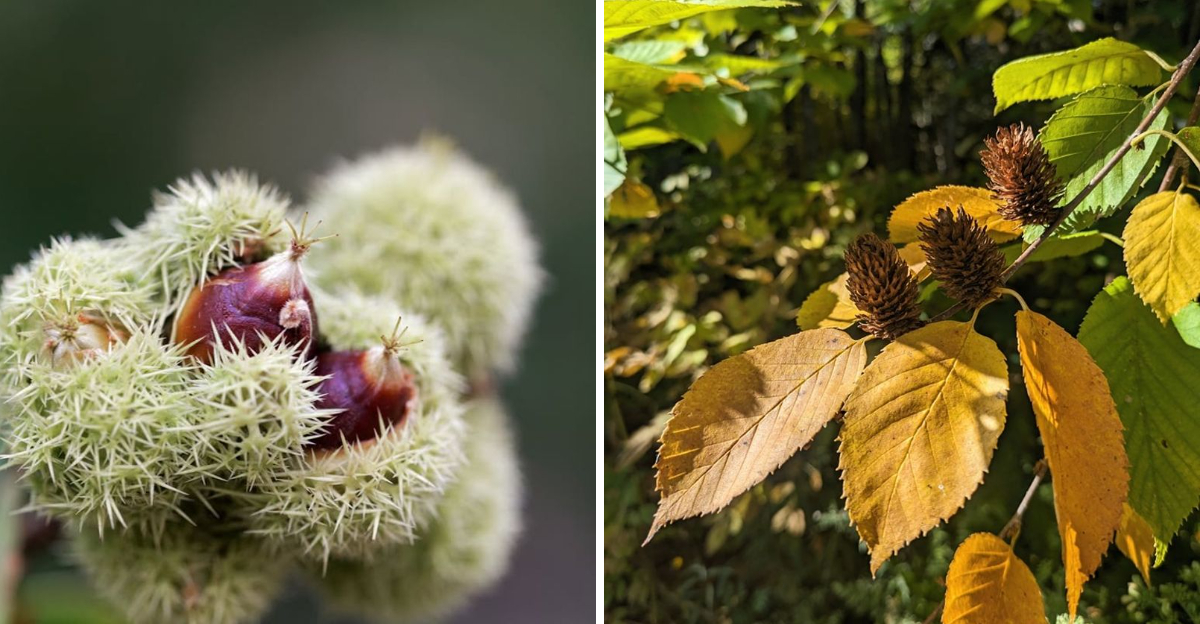
Allegheny Chinkapin is a smaller, shrubby tree that typically grows 8 to 15 feet tall. It produces spiny burrs in late summer that split open to reveal small, sweet, edible nuts.
Wildlife, including deer, squirrels, and turkeys, go absolutely wild for these nuts. For Pennsylvania landowners interested in supporting local wildlife, few plants deliver as reliably as this one.
The tree thrives in dry to medium soils and does well in sandy or rocky ground where other trees struggle. It prefers full sun and is quite tolerant of poor conditions.
In Pennsylvania, it is naturally found in dry upland forests and woodland edges across the southern and central parts of the state.
Leaves are long and toothed, similar in shape to chestnut leaves, and turn golden yellow in fall. The overall look is handsome and natural, fitting beautifully into a native planting or wildlife garden.
Finding Allegheny Chinkapin at a regular nursery is not easy. Your best bet is to contact native plant nurseries in Pennsylvania or reach out to organizations focused on chestnut restoration.
It is a plant with real history behind it, and growing one feels like doing something genuinely meaningful for the Pennsylvania landscape and its wildlife.
4. Pennsylvania Hawthorn
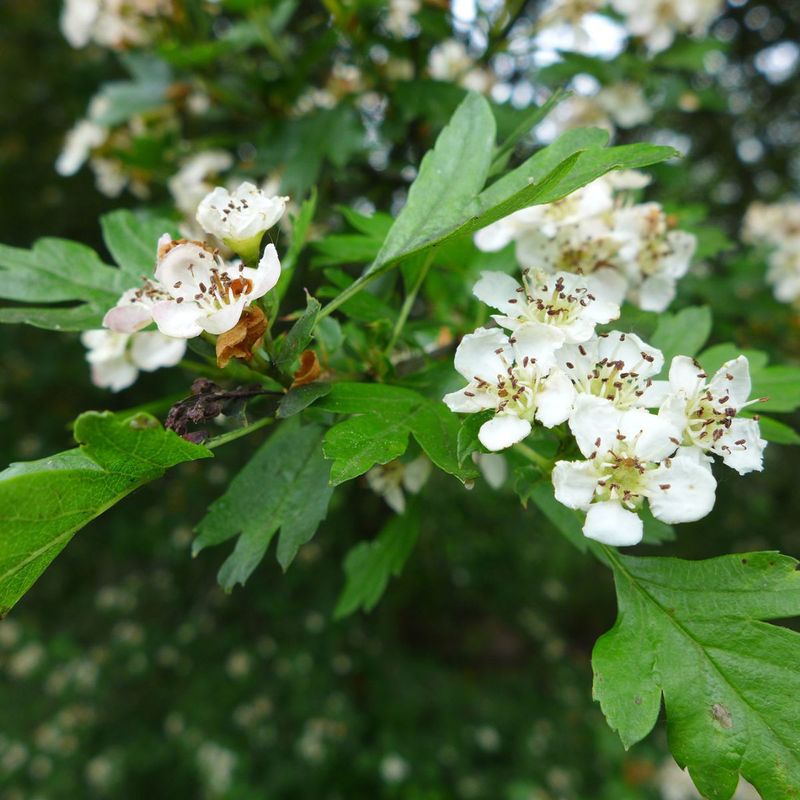
Named right after the state it calls home, the Pennsylvania Hawthorn is a small, tough native tree that rarely gets the attention it deserves.
Most gardeners walk right past it at native plant sales without a second glance, but that is a real missed opportunity. Few trees work as hard as this one does for local wildlife throughout all four seasons.
In spring, the tree is covered in clusters of small white flowers that attract pollinators, including native bees and butterflies. By fall, those flowers have turned into bright red berries called haws.
These berries persist on the branches well into winter, providing a critical food source for birds like cedar waxwings, mockingbirds, and thrushes during the coldest months in Pennsylvania.
Pennsylvania Hawthorn grows 15 to 25 feet tall and has a rounded, spreading form that looks attractive in almost any landscape setting.
The branches do have thorns, which is actually a bonus if you want to create a natural, wildlife-friendly hedgerow or barrier planting. The thorns provide excellent nesting cover for small birds.
It adapts well to a wide range of soil types and tolerates both dry and moderately wet conditions. Full sun brings out the best flowering and fruiting, but it can handle partial shade too.
Because it is not widely sold, you will need to seek it out at specialty native plant nurseries in Pennsylvania. Some conservation districts also offer native hawthorns at their annual plant sales.
Once established, it is incredibly durable and asks for almost nothing in return. A truly underappreciated Pennsylvania native that punches well above its weight.
5. Yellow Birch
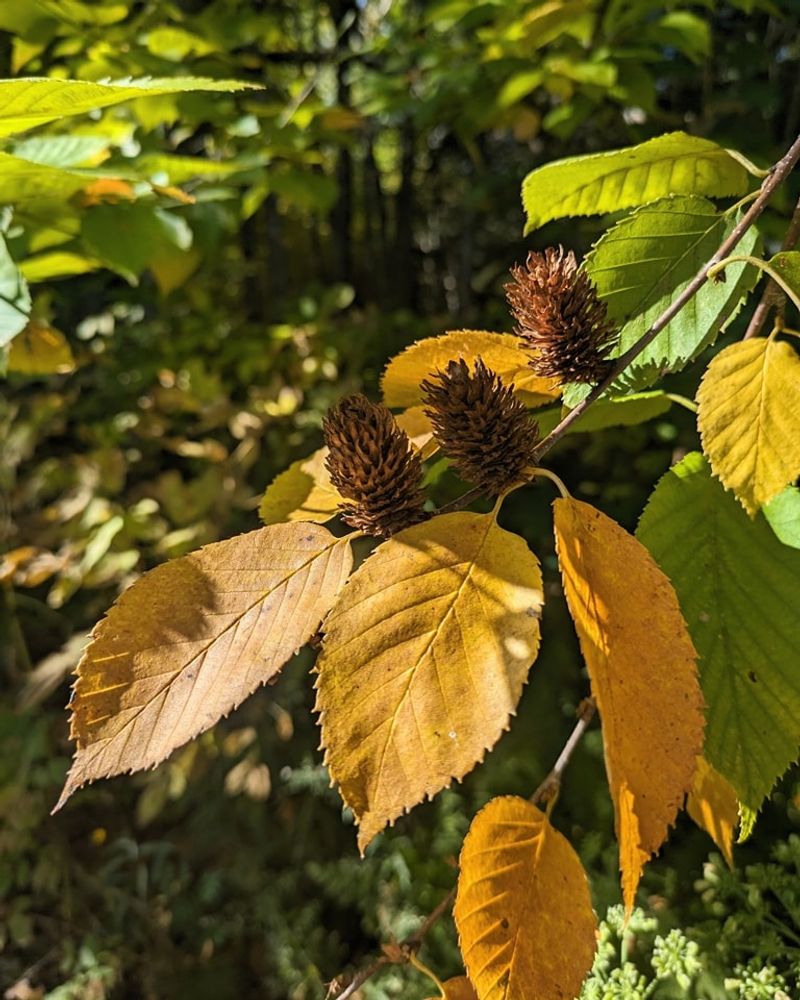
Walk through a cool, misty Pennsylvania forest in autumn and you might catch a faint smell of wintergreen in the air. That scent is coming from the Yellow Birch.
Its twigs and inner bark contain a natural wintergreen oil, and just snapping a small twig releases that familiar, pleasant fragrance. It is one of those small details that makes this tree genuinely memorable.
Yellow Birch is native to Pennsylvania but is becoming less common in warmer, drier areas of the state. It thrives in cool, moist environments, particularly in the northern and mountainous parts of Pennsylvania where temperatures stay lower.
If your property has a stream, a shaded slope, or consistently moist soil, this tree could be a spectacular addition.
The bark is the real showstopper. Young trees have smooth, golden-bronze bark that peels in thin, papery curls.
As the tree matures, the bark becomes more plated and silvery-gray, but always retains that warm, glowing tone. In winter, when the landscape is bare, the bark catches low sunlight beautifully and adds real visual interest to the yard.
Yellow Birch grows 60 to 75 feet tall at maturity, making it one of the larger trees on this list. Fall foliage is a rich, buttery yellow that stands out against the Pennsylvania hillsides. It also supports a wide range of native insects, which in turn feed birds and other wildlife.
Nurseries that specialize in native Pennsylvania trees occasionally stock Yellow Birch, but availability is limited. Planting one now means enjoying decades of beauty, fragrance, and wildlife value on your property for years to come.
6. Bear Oak
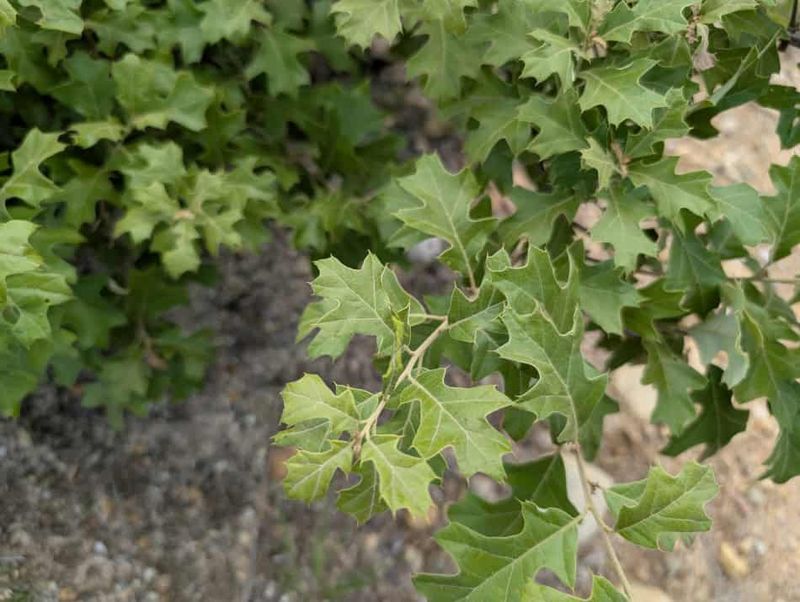
Most people think of oaks as towering, majestic trees that take decades to make any kind of statement. Bear Oak throws that idea right out the window.
Also called Scrub Oak, this small, shrubby native grows only 4 to 18 feet tall and spreads into a dense, multi-stemmed thicket. It is rugged, scrappy, and perfectly built for some of the toughest growing conditions in Pennsylvania.
Bear Oak is native to the dry, sandy, and rocky ridges of Pennsylvania, particularly in the central and eastern parts of the state.
It thrives in poor soils where almost nothing else will grow, making it an excellent choice for problem areas in your yard. Compacted soil, low fertility, and dry summers do not slow it down at all.
Despite its modest size, Bear Oak produces small acorns that are a critical food source for wildlife. Wild turkeys, black bears, white-tailed deer, and numerous bird species all feed on the acorns throughout fall and winter.
Planting Bear Oak is essentially setting up a wildlife feeding station that runs itself year after year.
The leaves are deeply lobed and glossy green in summer, turning shades of red and orange in fall. The dense branching structure also provides excellent cover and nesting habitat for small birds and mammals.
It is a highly functional plant that looks attractive in naturalized settings. Bear Oak is rarely sold at mainstream nurseries, but native plant specialists and conservation organizations in Pennsylvania sometimes carry it.
It is one of those plants that experienced native gardeners seek out specifically because it fills a niche that almost no other tree can.
Tough, native, and genuinely valuable, Bear Oak earns its place in any Pennsylvania planting.