Top Vegetables In Pennsylvania That Thrive In Hanging Baskets
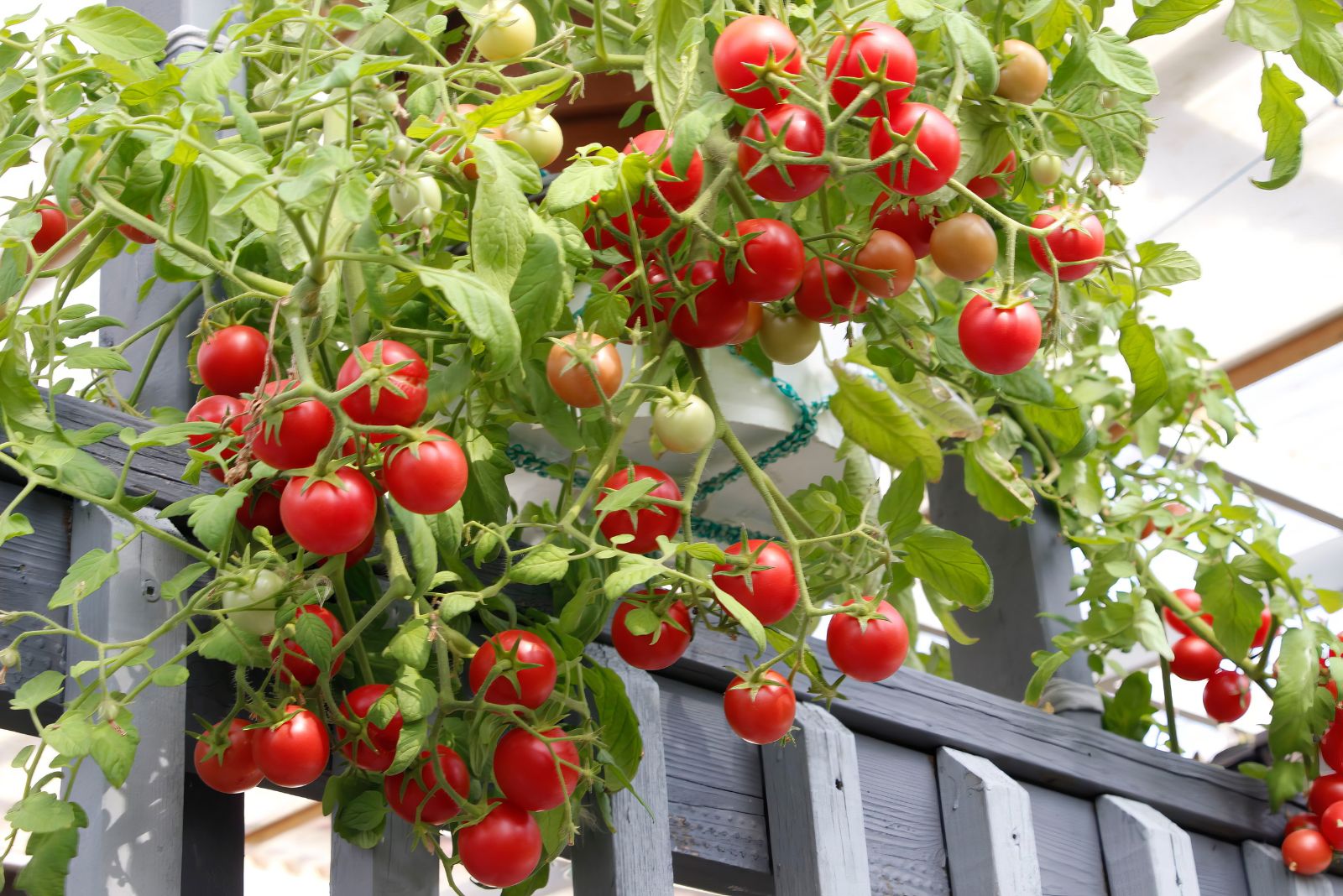
Not every great vegetable garden has to start with a big backyard and long rows of raised beds. In Pennsylvania, some of the most productive growing spaces are hanging right off porches, patios, decks, and balcony hooks.
Hanging baskets are not just for trailing flowers and decorative plants anymore. They can also be a smart, space-saving way to grow fresh vegetables, especially if you want something easy to reach, simple to manage, and a little more interesting than the usual setup.
They also solve a few common gardening problems. Keeping plants off the ground can help with airflow, reduce certain pest issues, and make harvesting feel a lot less like a chore.
For smaller homes or gardeners working with limited space, that can make a big difference. Even better, some vegetables actually do very well in baskets when given the right amount of sun, water, and support.
In Pennsylvania, where growing conditions can shift from cool spring days to hot summer stretches, choosing the right vegetables matters.
Some varieties stay compact, produce reliably, and look surprisingly good while doing it, making hanging baskets both practical and fun.
1. Cherry Tomatoes
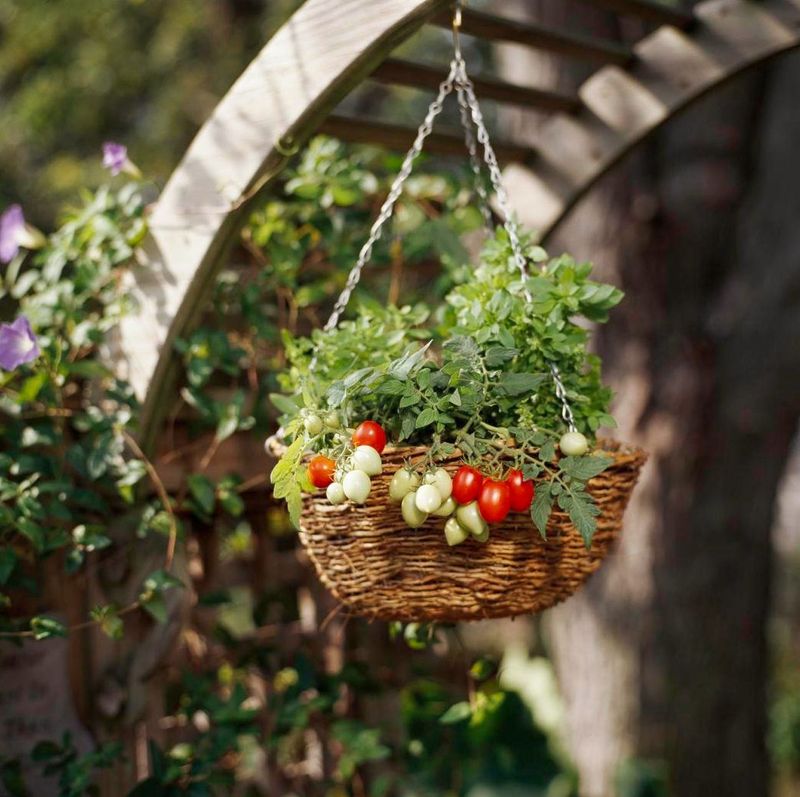
Few things feel more rewarding than plucking a sun-warmed cherry tomato straight from a hanging basket on your porch. Compact varieties like ‘Tumbling Tom’ and ‘Cherry Falls’ were practically made for this kind of gardening.
Their trailing vines spill beautifully over the sides of a basket, making them both decorative and delicious.
In Pennsylvania, the growing season typically runs from late May through early October. That gives cherry tomatoes plenty of warm days to produce a steady stream of fruit.
Start your seeds indoors about six to eight weeks before your last frost date, then transplant them outside once nighttime temperatures stay above 50 degrees.
Choose a basket that is at least 12 inches in diameter. Smaller baskets dry out too fast and cramp the roots.
Use a high-quality potting mix with good drainage, and add a slow-release fertilizer to keep your plants fed all season long.
Hanging baskets tend to lose moisture quickly, especially during Pennsylvania’s hot summer months. Water your cherry tomatoes daily, and check the soil every morning by sticking your finger an inch into the mix.
If it feels dry, it is time to water. Place your basket in a spot that gets at least six hours of direct sunlight each day.
A south or west-facing wall works great. With a little attention, your hanging cherry tomatoes will reward you with hundreds of sweet, bite-sized fruits all summer long.
2. Lettuce
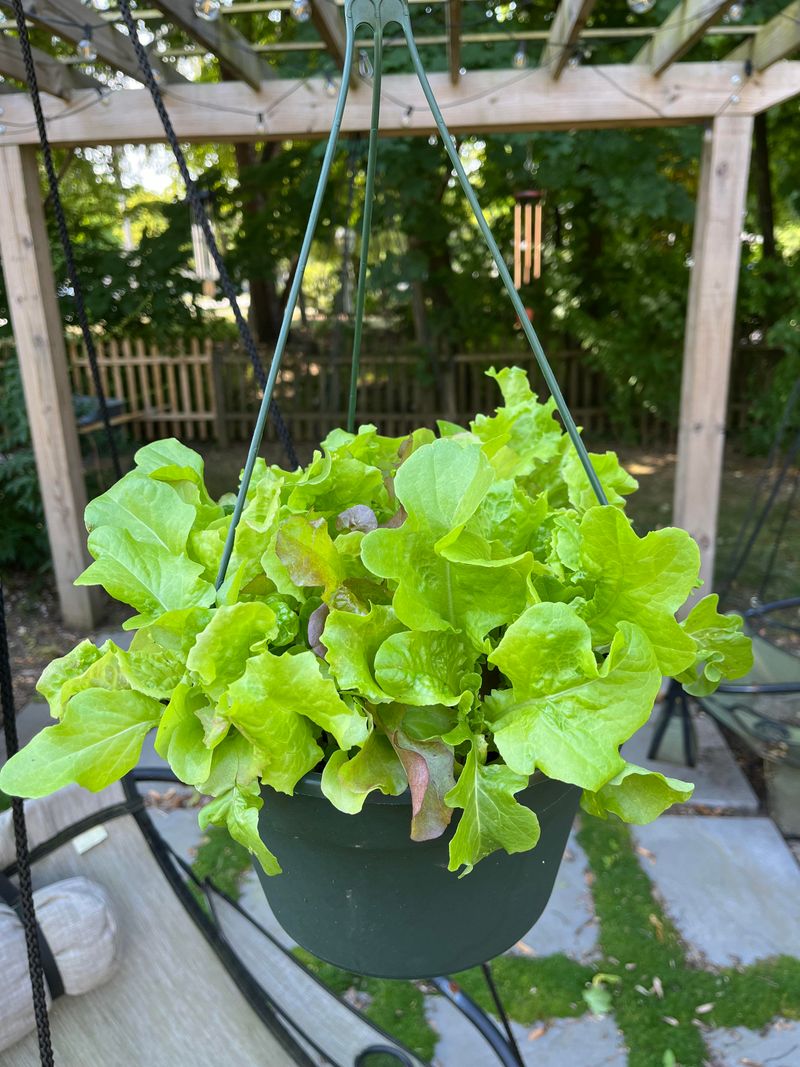
Lettuce is one of the smartest vegetables you can grow in a hanging basket, especially in Pennsylvania where spring and fall weather is perfectly cool for leafy greens.
Loose-leaf varieties like ‘Black-Seeded Simpson’ and ‘Buttercrunch’ are especially well suited because they have shallow root systems that fit comfortably in a standard-sized basket.
What makes lettuce really shine in a hanging setup is the cut-and-come-again harvesting style. Instead of pulling the whole plant out, you simply snip the outer leaves as you need them.
Your Pennsylvania Garden Changes Every Week. Your Plan Should Too.
Gardening in Pennsylvania changes quickly throughout the season. Every Friday you’ll receive a simple weekly plan showing exactly what to plant, prune, fertilize, harvest, and protect so you never miss the right timing.
The plant keeps on growing and producing fresh leaves for weeks. This means one basket can supply your salads for a surprisingly long time.
Pennsylvania’s mild spring temperatures, especially in April and May, create ideal conditions for lettuce. The cool air keeps the leaves crisp and prevents them from bolting too quickly.
If summer heat arrives early, try moving your basket to a shadier spot on your porch or under a tree to extend the harvest season.
Start seeds directly in the basket or transplant young seedlings purchased from a local garden center. Use a lightweight potting mix that drains well but still holds some moisture.
Lettuce roots are not deep, so the basket does not need to be huge, but 10 to 12 inches wide works best. Water regularly to keep the soil evenly moist.
Dry soil causes bitter-tasting leaves, and nobody wants that. A bit of liquid fertilizer every couple of weeks will keep your lettuce growing strong and producing all season.
3. Peas
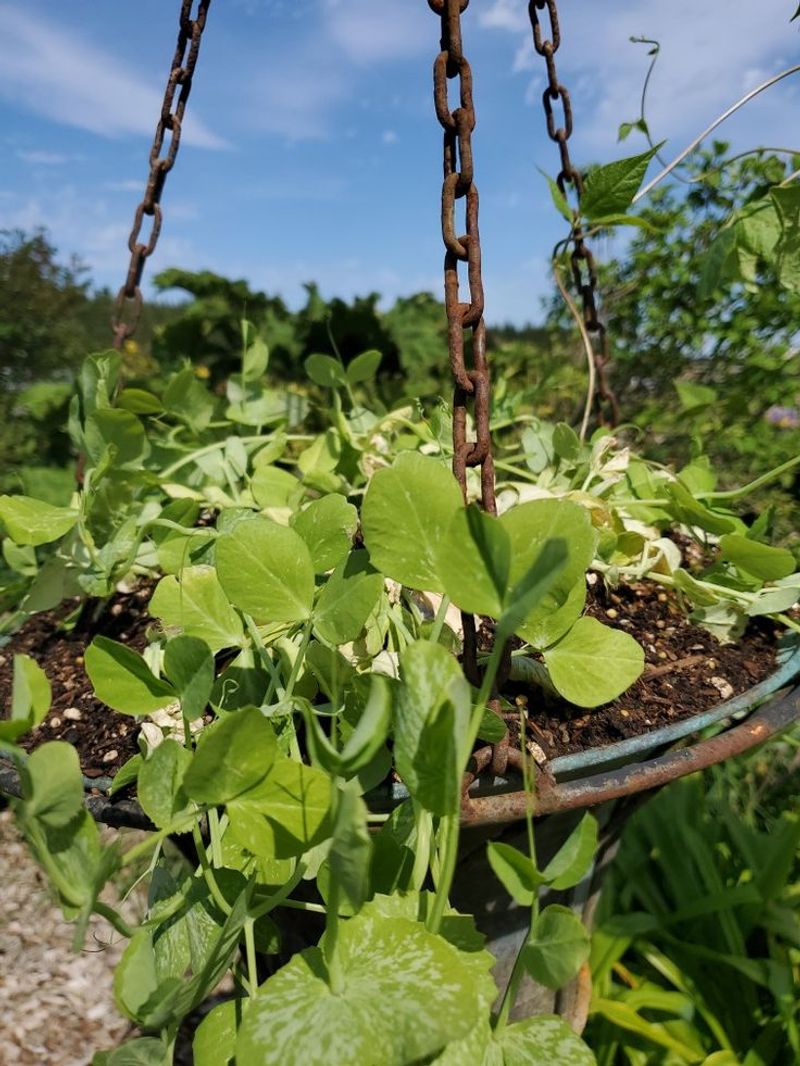
Most people picture peas climbing tall wooden stakes in a traditional garden row, but compact varieties like ‘Tom Thumb’ flip that image completely.
These little plants were bred specifically for small-space growing, and they look absolutely charming spilling over the sides of a hanging basket.
In Pennsylvania, peas are a cool-season crop, which means spring is their perfect moment to shine.
Plant your peas in late March or early April, as soon as the risk of hard freezes starts to pass. Peas actually prefer cooler temperatures and will slow down or stop producing once summer heat kicks in.
Getting them in the basket early gives you the best shot at a full harvest before the warm weather arrives.
One of the nicest things about growing peas in a hanging basket is that you skip the need for heavy trellises or support structures. The compact vines manage themselves and look beautiful doing it.
The delicate white blossoms that appear before the pods form are an added bonus, giving your hanging display a lovely, garden-fresh look.
Choose a basket that is at least 12 inches wide and fill it with a well-draining potting mix. Peas like consistent moisture but do not tolerate soggy roots, so make sure your basket drains freely.
Place it in a spot with full sun to partial shade. In Pennsylvania, a morning sun location works especially well for spring peas.
Harvest the pods regularly once they plump up, as picking encourages the plant to keep producing more throughout the season.
4. Chili Peppers
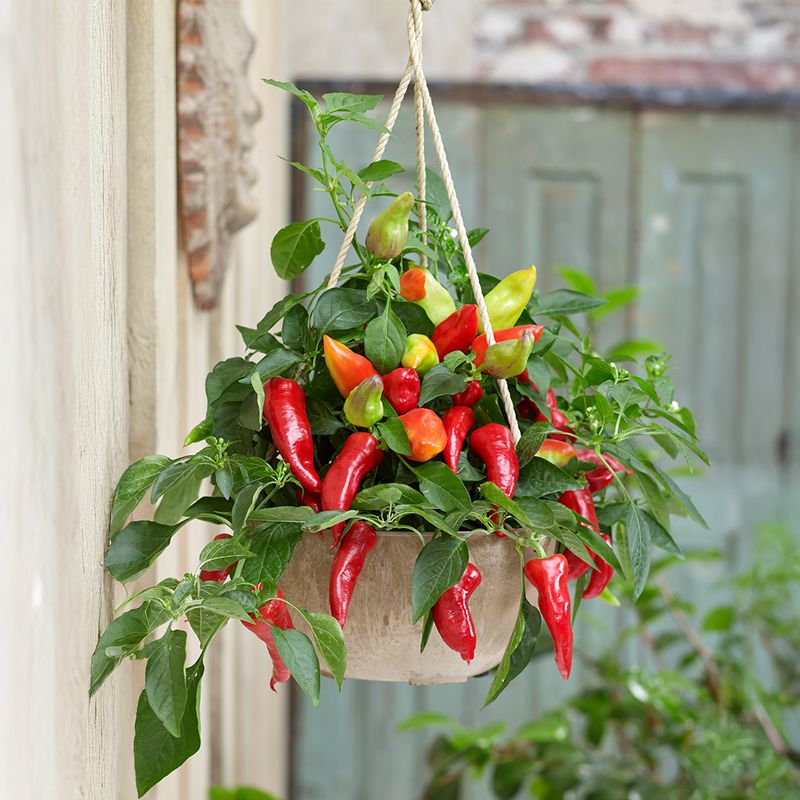
If you want a hanging basket that looks like a piece of living art, chili peppers are your answer. Compact varieties like ‘Hungarian Hot Wax’ and ‘Numex Twilight’ produce peppers in a rainbow of colors, from purple and yellow to orange and red, all on the same plant at the same time.
They are genuinely one of the most eye-catching crops you can hang from a porch hook in Pennsylvania.
Beyond their good looks, chili peppers are incredibly productive in containers. A single plant can produce dozens of peppers throughout the growing season.
They love heat, which makes Pennsylvania’s warm July and August weather ideal for heavy fruiting. The more sun they get, the better they perform.
Start your pepper seeds indoors about eight to ten weeks before the last frost date in your area of Pennsylvania. Transplant seedlings outside once nighttime temperatures are reliably above 55 degrees.
Peppers are sensitive to cold, so do not rush this step. Once they are outside and settled in, they grow quickly and reward patience with a generous harvest.
Use a rich potting mix and a basket that is at least 12 inches in diameter to give the roots enough space to spread. Water consistently but avoid overwatering, as peppers prefer soil that dries slightly between waterings.
Feed them with a balanced fertilizer every two to three weeks once they start flowering. Hanging baskets keep peppers off the ground, which improves air circulation and reduces the chance of fungal issues that sometimes affect plants grown at soil level.
5. Spinach
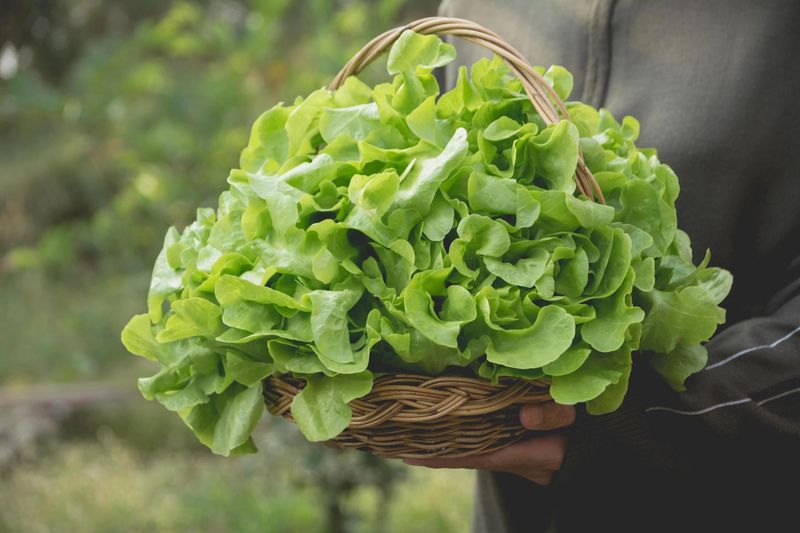
Spinach has a reputation for being a tough vegetable to grow in summer, and honestly, that reputation is earned. But in Pennsylvania, where spring and fall bring cool, mild temperatures, spinach absolutely thrives in a hanging basket setup.
The key is timing and placement, and once you get those two things right, this leafy green practically grows itself.
Varieties like ‘Space’ are especially well suited for hanging baskets because they are slower to bolt than other types. Bolting happens when a plant gets too warm and starts sending up a flower stalk instead of producing leaves.
Choosing a bolt-resistant variety and placing your basket in a partially shaded spot gives you a much longer harvest window before that happens.
In Pennsylvania, aim to get spinach into your basket in early April or again in late August for a fall crop. The cool temperatures during these windows create the perfect environment for tender, flavorful leaves.
A morning sun and afternoon shade location works especially well, particularly in warmer parts of the state like southeastern Pennsylvania.
Use a lightweight potting mix and water your spinach basket regularly. The soil should stay consistently moist but never waterlogged.
Spinach has relatively shallow roots, so a 10-inch basket works fine, though 12 inches gives you more room and better moisture retention. Harvest outer leaves frequently to keep the plant producing.
Fresh spinach from your own hanging basket is far superior in flavor to anything you will find bagged at the grocery store, and it is ready in as little as 40 days from planting.
6. Swiss Chard
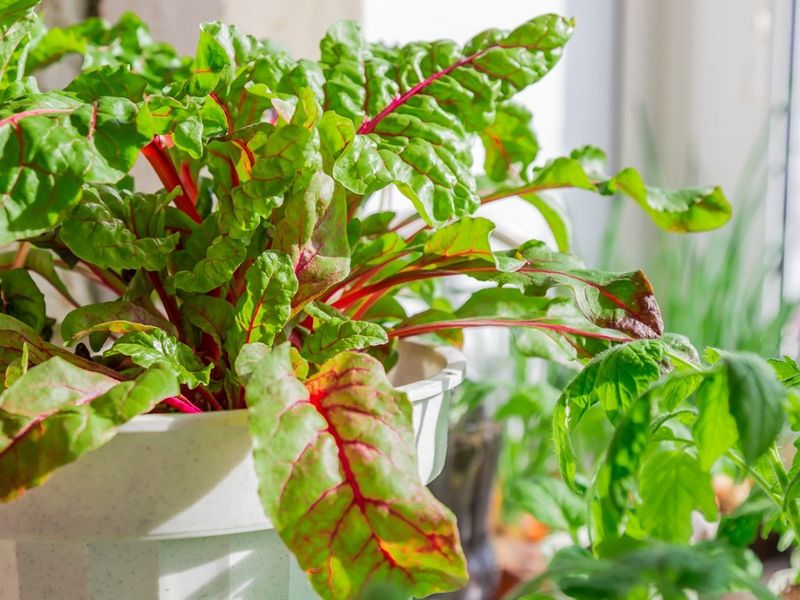
Swiss chard might be the most underrated vegetable on this list. It is colorful, nutritious, easy to grow, and looks absolutely stunning in a hanging basket.
Varieties like ‘Bright Lights’ produce stems in vivid shades of red, orange, yellow, pink, and white, turning your basket into something that looks more like a flower arrangement than a vegetable garden.
Pennsylvania gardeners love Swiss chard because it handles both cool spring weather and warm summer temperatures better than most leafy greens.
It does not bolt as quickly as spinach or lettuce, which means you get a longer harvest season without constantly worrying about the temperature. Plant it in May and you can often harvest well into October with just a little care.
Like lettuce, Swiss chard is a cut-and-come-again crop. Snap off the outer stalks when they reach about 8 to 10 inches tall, and the plant will keep pushing out new growth from the center.
One basket can keep your kitchen stocked with fresh greens for months, which is a pretty incredible return for minimal effort.
Choose a basket that is at least 12 inches wide, since Swiss chard develops a slightly deeper root system than lettuce or spinach. Use a nutrient-rich potting mix and water consistently, especially during dry spells in Pennsylvania’s summer.
A spot with full sun to partial shade works well. Feed your chard every two to three weeks with a balanced liquid fertilizer to keep the leaves large and vibrant.
It is a rewarding, beautiful, and practical addition to any Pennsylvania hanging basket garden.