Here’s How To Prune Tomatoes In Michigan For The Biggest Harvest This Season
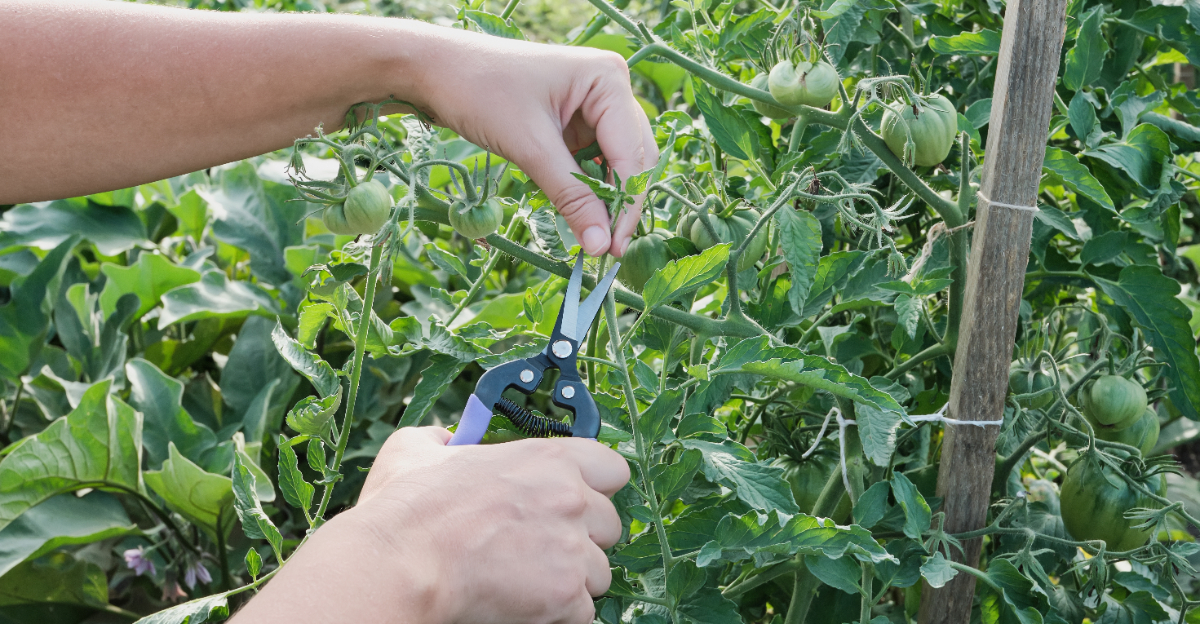
Tomato season in Michigan is something gardeners genuinely look forward to, but getting a big harvest takes more than just planting and watering. One of the most overlooked secrets to growing fat, juicy tomatoes is proper pruning.
Most people skip it entirely or do it wrong, and their plants end up bushy, overcrowded, and producing way less fruit than they should.
Michigan’s shorter growing season makes this step even more important because your plants need every advantage they can get before the cold rolls back in.
When you prune the right way, your tomato plant stops wasting energy on extra leaves and stems and puts everything it has into growing bigger, better fruit.
Whether you’re a backyard gardener or growing rows of tomatoes, this guide will show you exactly what to remove, when to do it, and how to get the most out of your Michigan garden this season.
1. Know Your Tomato Type Before You Touch A Single Branch
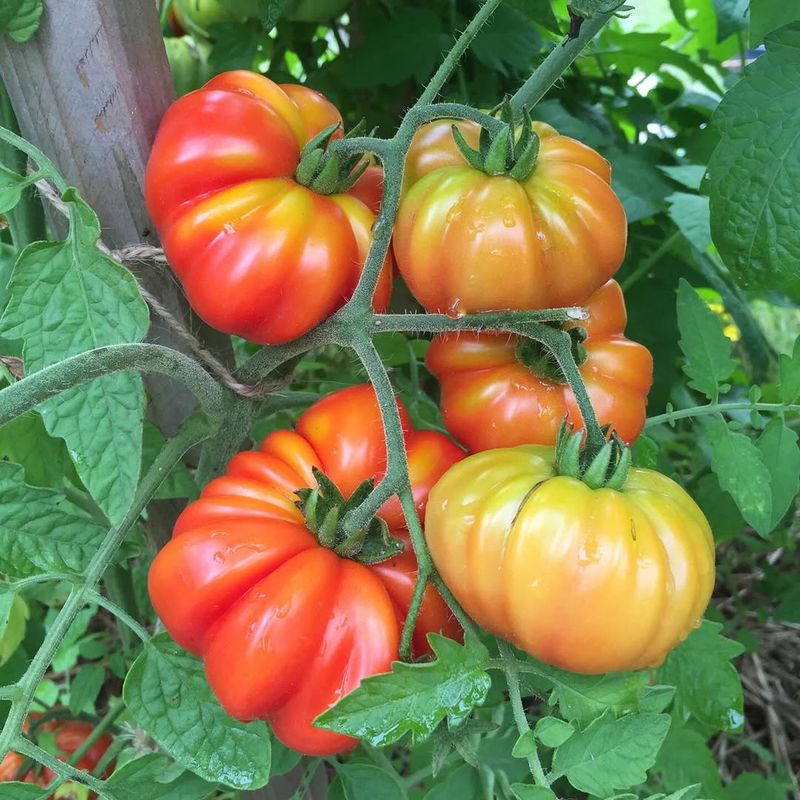
Before you reach for your pruning shears, there is one rule that Michigan gardeners absolutely cannot skip: know exactly what type of tomato you are growing.
Tomatoes fall into two main categories, determinate and indeterminate, and the pruning approach for each one is completely different.
Determinate varieties like Roma and Celebrity grow to a set height, produce all their fruit around the same time, and then slow down. Aggressively pruning these plants can actually reduce your harvest because you are removing future fruit sites.
Varieties like Brandywine and Sun Gold, both indeterminate, keep growing and producing all season long and genuinely benefit from regular pruning.
In Michigan, where the warm growing window is shorter than in many other states, planting the wrong variety or pruning it the wrong way can cost you weeks of production. Check your seed packet or plant tag before you start.
If your tag says indeterminate, you have the green light to prune freely. If it says determinate, be conservative and only remove damaged or clearly diseased growth.
Getting this one detail right from the very start sets the foundation for a much bigger and better harvest this season.
2. The Sucker Is Not Your Enemy, It Is Your Decision
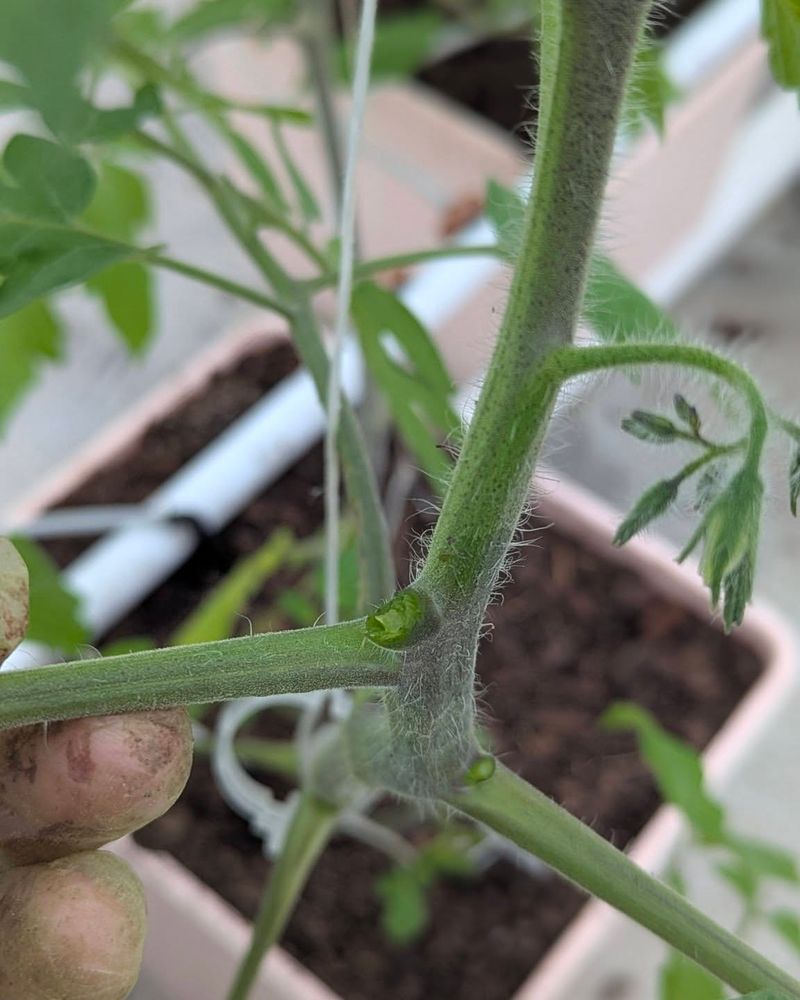
A lot of new gardeners see a sucker and immediately want to pull it off, thinking it is robbing the plant of energy. The truth is a little more nuanced than that, and understanding it will make you a much more confident Michigan tomato grower.
Suckers are the small shoots that emerge in the V-shaped junction between the main stem and a side branch. On indeterminate tomatoes, every sucker has the potential to become a full fruiting stem if you leave it alone.
Removing suckers keeps your plant focused on one or two main stems, which means more energy goes directly into the tomatoes already forming on the plant.
Leaving suckers on the plant gives you more fruit sites, but it also creates a much larger and bushier plant that needs stronger support and more time to ripen all of its fruit.
Your Michigan Garden Changes Every Week. Your Plan Should Too.
Gardening in Michigan changes quickly throughout the season. Every Friday you’ll receive a simple weekly plan showing exactly what to plant, prune, fertilize, harvest, and protect so you never miss the right timing.
In Michigan, where September can bring cool nights faster than you expect, time matters enormously.
Fewer stems mean faster ripening. The real trick is making a deliberate choice rather than just letting the plant grow wild or stripping every sucker without thinking.
Decide how many stems you want to maintain, usually one or two for Michigan gardens, and then prune consistently to stick with that plan all season long.
3. Michigan’s Short Season Makes The One Or Two Stem Method Worth It
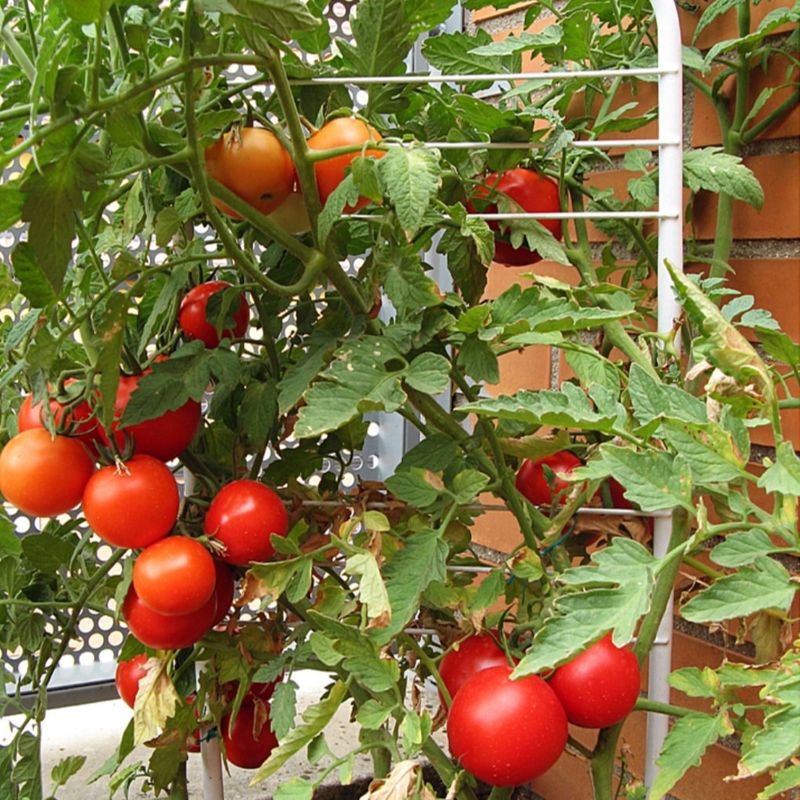
Michigan gardeners deal with something that growers in warmer states rarely worry about: a frost deadline that shows up whether the tomatoes are ready or not.
Depending on where you live in the state, the first fall frost can arrive anywhere from late September in the southern Lower Peninsula to early September in parts of the Upper Peninsula.
That tight timeline is exactly why the one or two stem pruning method is so popular among experienced Michigan tomato growers.
When you train an indeterminate tomato to grow on just one or two main stems, the plant puts nearly all of its energy into the fruit already on those stems rather than spreading resources across a sprawling tangle of branches and new growth.
The result is faster and more reliable ripening before the cold weather moves in. An unpruned indeterminate plant in Michigan can carry dozens of green tomatoes at the first frost, most of which will never fully ripen outdoors.
A well-pruned one or two stem plant, on the other hand, tends to have fewer but larger and more fully developed tomatoes that have a real shot at reaching full color before the season wraps up.
If you only adopt one pruning strategy this year, making the commitment to fewer main stems is the one that delivers the most noticeable results for Michigan growers.
4. Remove Suckers While They Are Small, Under Two Inches
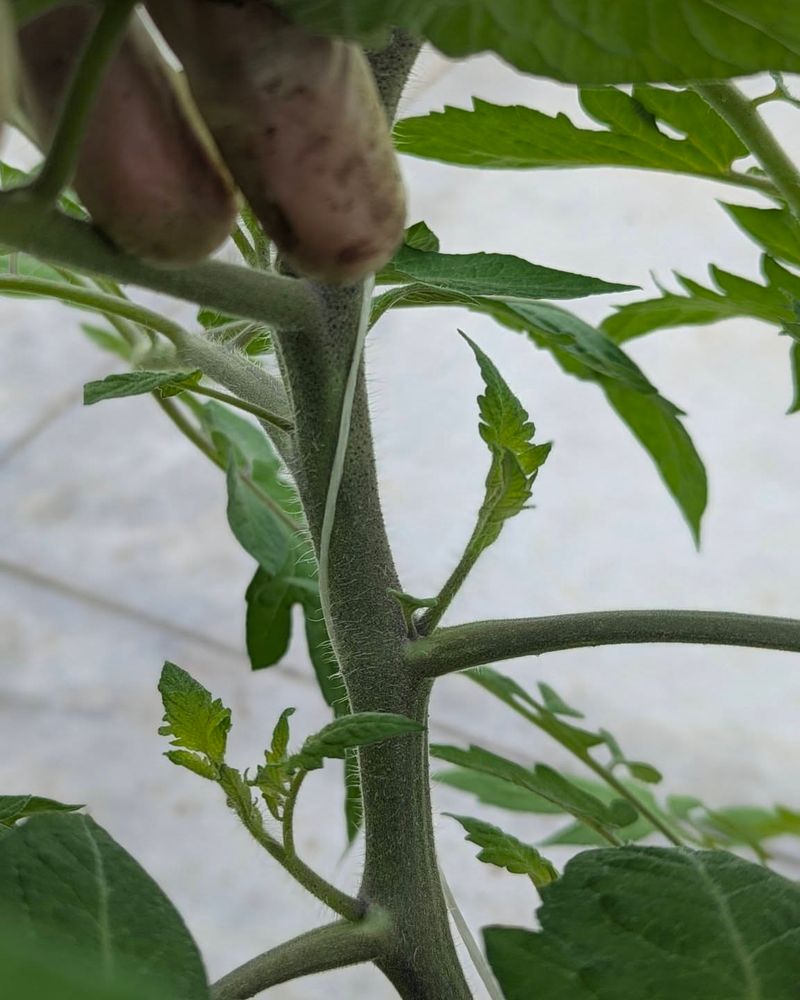
Timing matters more than most people realize when it comes to removing suckers, and catching them early makes the whole job easier and safer for your plant.
Small suckers under two inches long can simply be pinched off with your fingers, leaving behind a clean break with no ragged edges or large wounds.
Once a sucker grows beyond two inches, it has developed enough stem tissue that pinching it off becomes difficult. At that size, you should use clean pruning shears to make a smooth cut rather than tearing at the plant.
Tearing larger suckers can create rough wounds that take longer to heal and leave the plant more vulnerable to disease.
In Michigan, where summer humidity can be surprisingly high, open wounds on tomato stems are an invitation for fungal problems. Botrytis and other common Michigan tomato pathogens move quickly in warm, moist conditions, and a large torn wound gives them an easy entry point.
Getting into the habit of checking your plants every five to seven days during the growing season keeps suckers small and manageable.
A quick walk through the garden on a dry morning, pinching off anything under two inches, takes only a few minutes and makes a noticeable difference in plant health and overall fruit production by the time the Michigan harvest season peaks in August and early September.
5. Never Remove More Than One Third Of The Plant At A Single Time

One of the most common pruning mistakes gardeners make is going too hard all at once. Walking out to a tomato plant that has gotten bushy and overgrown and then stripping off half its leaves in one session feels satisfying in the moment, but it puts serious stress on the plant.
Tomato plants need their leaves to capture sunlight and produce energy through photosynthesis. Remove too much foliage at once and the plant has to redirect energy away from fruit production and toward recovering its leaf mass.
In Michigan, where the growing season is already compressed, a stressed plant in mid-July may not bounce back quickly enough to deliver a full harvest before the first frost arrives.
A good rule of thumb is to never remove more than one third of the plant’s total foliage in a single pruning session. If the plant is significantly overgrown, spread your pruning across two or three sessions spaced about a week apart.
This gives the plant time to adjust between each round of trimming and keeps it producing steadily rather than going into recovery mode. Incremental pruning also helps you stay in control of the plant’s shape and size throughout the season, which makes training it to a stake or cage much easier.
Michigan tomato plants respond far better to consistent, measured pruning than to occasional aggressive sessions.
6. Keep The Bottom Leaves Clear Of The Soil Surface
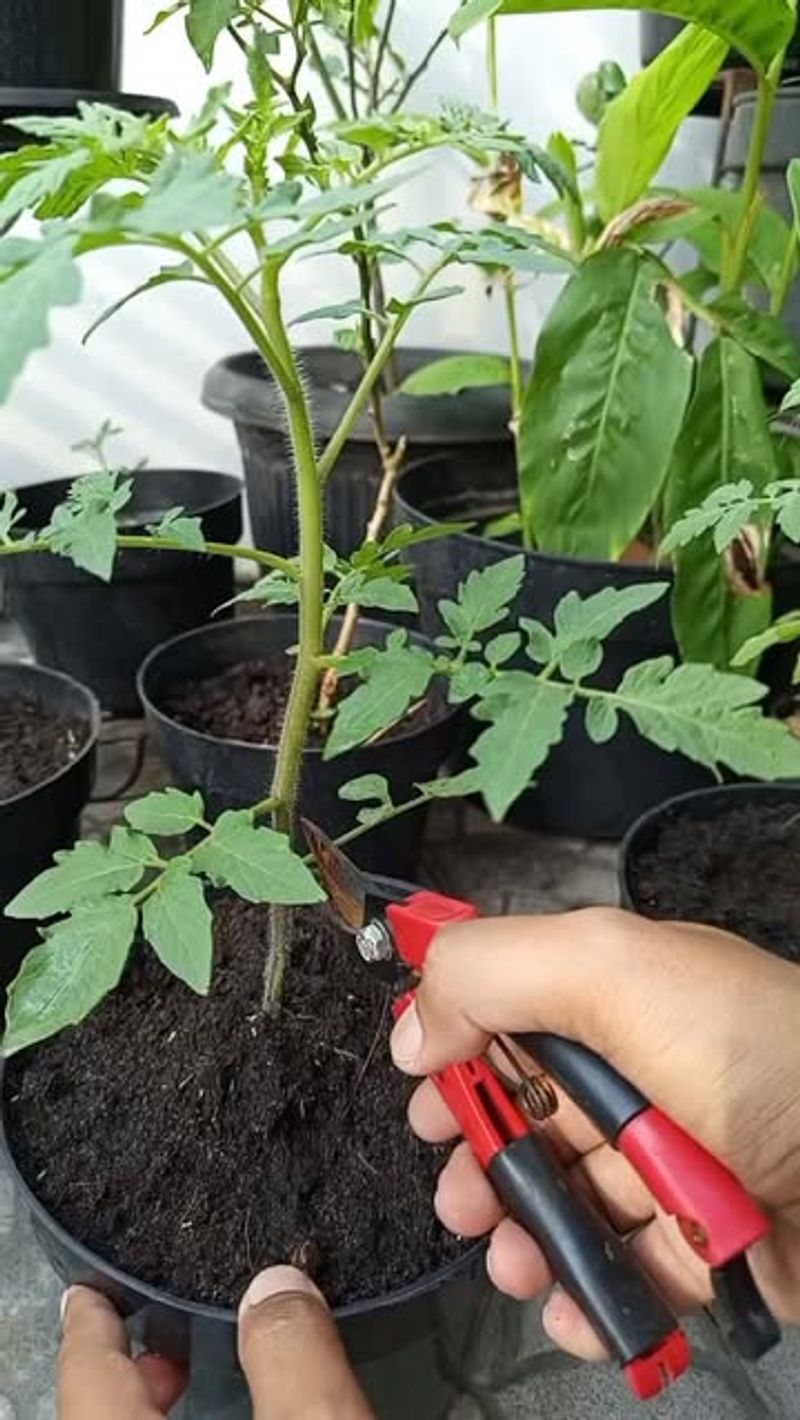
Here is something Michigan tomato gardeners often overlook until they start seeing brown spots creeping up from the base of the plant: the leaves closest to the ground are your biggest disease risk.
Removing foliage within about twelve inches of the soil surface is one of the simplest and most effective things you can do to protect your plants all season long.
Michigan soils commonly carry fungal spores that cause early blight, which is caused by Alternaria solani, and Septoria leaf spot, both of which are widespread problems across the state.
When rain falls or irrigation water splashes onto the soil, it kicks up those spores and deposits them directly onto low-hanging leaves. Once those leaves are infected, the disease moves steadily upward through the plant if you do not act.
Stripping the lower canopy clear creates a buffer zone between the soil and your plant’s foliage. Pair this with a layer of mulch around the base of each plant and you dramatically reduce the amount of splash reaching the stem.
In Michigan, where summer thunderstorms can be frequent and heavy, this combination of mulching and lower leaf removal is a genuinely powerful disease prevention strategy.
Do this early in the season, ideally once the plant reaches about eighteen inches tall, and maintain it consistently throughout the summer for the best protection.
7. Top The Plant Four To Five Weeks Before Your First Expected Frost
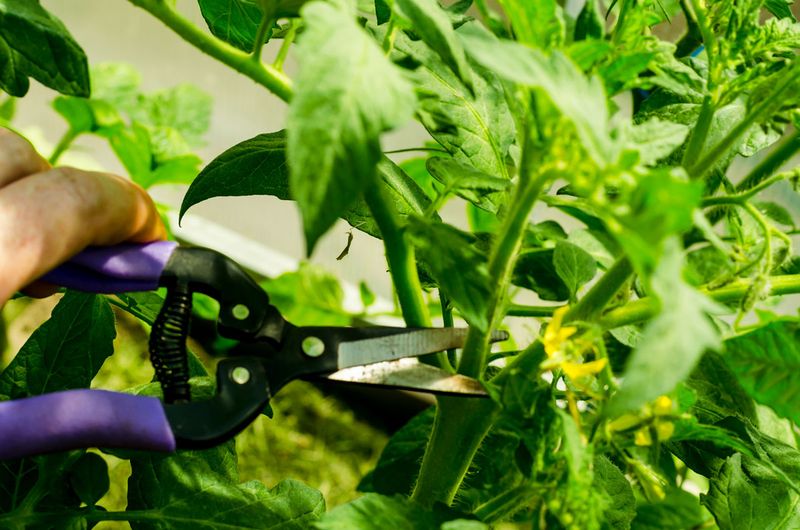
Topping a tomato plant sounds drastic, but it is one of the smartest moves a Michigan gardener can make as the season starts winding down.
Topping simply means removing the growing tip at the very top of the main stem, which stops the plant from putting energy into new upward growth and redirects everything toward ripening the fruit that is already on the vine.
The timing depends entirely on where you garden in Michigan. If you grow in the Upper Peninsula or the northern Lower Peninsula, your first frost can arrive as early as mid to late September, which means you should top your plants by late August at the latest.
Gardeners in the southern Lower Peninsula near cities like Lansing, Ann Arbor, or Grand Rapids typically have until early to mid-September before frost becomes a real concern.
Count back four to five weeks from your average local frost date and mark that as your topping day.
After you remove the growing tip, the plant stops developing new flower clusters and instead channels its resources into the existing green tomatoes, helping them color up and ripen before cold weather arrives.
Many Michigan gardeners are surprised by how many more tomatoes fully ripen when they start topping consistently. It is a simple cut that takes about ten seconds and can meaningfully improve your end of season harvest totals.
8. Clean Your Tools Between Plants To Stop Disease From Spreading
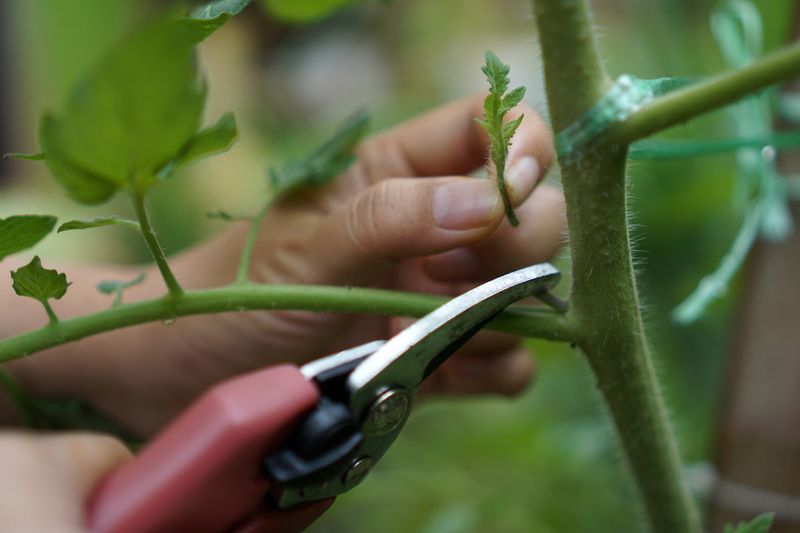
Most gardeners think about what to prune and when to prune, but far fewer think about the pruning tool itself.
Your shears can carry tomato mosaic virus, early blight spores, and other pathogens from one plant to the next without you ever realizing it, and in a Michigan garden with multiple tomato plants, that can mean one sick plant turns into several within days.
The fix is almost embarrassingly simple. Keep a small container of isopropyl alcohol or a diluted bleach solution nearby when you prune, and wipe your blades between each plant.
A quick swipe takes about thirty seconds and creates a meaningful barrier against disease transmission. If you prefer bleach, mix one part bleach with nine parts water and dip or wipe the blades thoroughly between plants.
Michigan summers can be warm and humid, especially in July and August, and those conditions are exactly what fungal and bacterial tomato diseases need to spread rapidly once they get started.
A single infected plant that gets pruned with dirty shears can pass pathogens to every other plant in your row before symptoms even appear on the first one.
Making tool sanitation a non-negotiable part of your pruning routine costs you almost nothing in time or effort, but it protects the investment you have made in your Michigan tomato garden all season long. Clean tools are simply smart gardening.