Native Michigan Plants That Are Easier To Grow Than Most Gardeners Think
Some native Michigan plants have a reputation for being tricky, wild, or hard to fit into a home garden, but that idea misses the bigger picture. Many of these plants are actually easier to grow than people expect once they are given the right spot.
Because they already belong to Michigan’s climate, they often handle local soil, weather swings, and seasonal changes better than many popular garden center picks. That can mean less watering, less fuss, and fewer surprises as the season moves along.
Native plants also bring a natural look that feels rich, colorful, and full of life, all while helping pollinators and birds. Some bloom brightly, some offer bold texture, and others quietly fill spaces with reliable beauty.
If you have ever assumed native plants are too difficult, these easygoing choices may completely change the way you think about gardening in Michigan.
1. Butterfly Weed (Asclepias tuberosa)
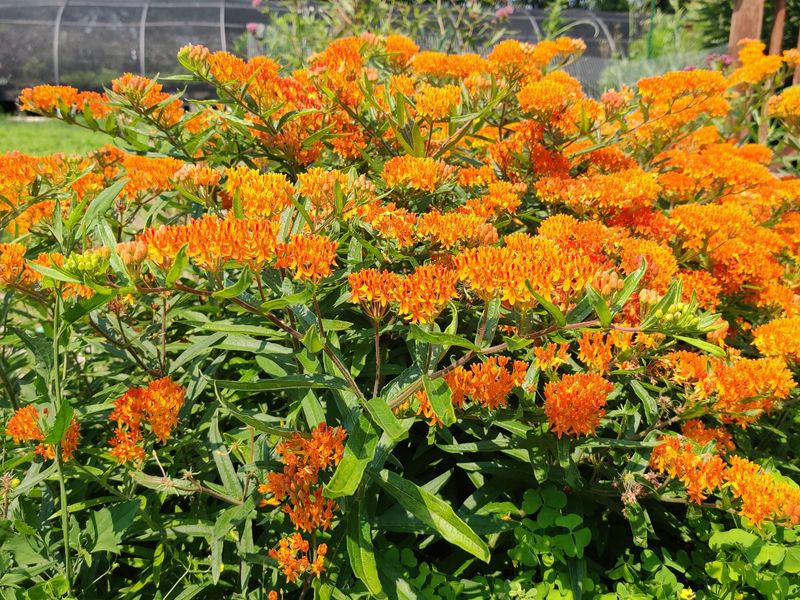
Few plants in Michigan stop passersby in their tracks quite like butterfly weed. Those bold, electric-orange flower clusters seem to glow in the sunlight, creating a vivid focal point in any summer garden.
It is part of the milkweed family and plays an essential role in supporting monarch butterflies, serving as both a nectar source and a host plant for their caterpillars.
That alone makes it one of the most valuable additions you can plant if you care about pollinators.
Many gardeners hesitate to try it because they have heard it can be tricky. The truth is, it only becomes difficult when it is moved after planting.
Butterfly weed develops a deep taproot early on, which helps it handle dry conditions but makes transplanting stressful. The key is to choose the right location from the beginning and let it settle in undisturbed.
Give it full sun and well-drained soil, preferably on the drier side, and it will thrive with very little attention.
Once established, it asks for almost nothing while returning year after year with reliable color, structure, and life. It is one of those plants that quietly proves how rewarding native gardening can be.
2. Wild Columbine (Aquilegia canadensis)
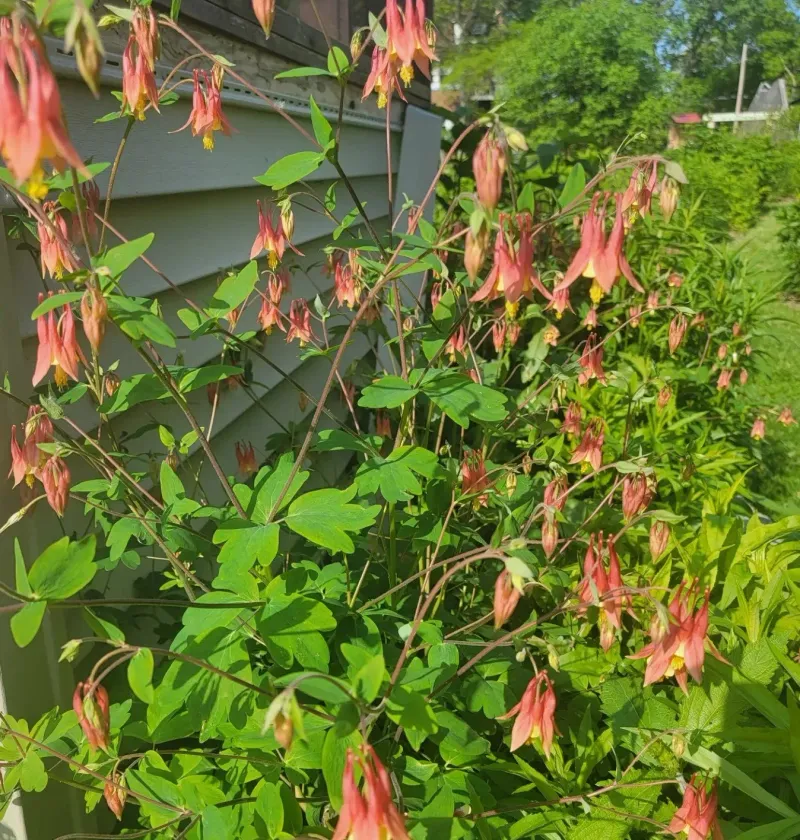
Spotted along rocky woodland edges and shaded slopes throughout Michigan, wild columbine has a delicate, almost whimsical look that often surprises people when they learn how easy it is to grow.
Its nodding red and yellow flowers seem to float above the foliage, and they are especially attractive to hummingbirds, which will visit repeatedly once they discover it in your garden.
Despite its refined appearance, wild columbine is remarkably adaptable. It does not require rich soil or careful pampering to perform well.
In fact, it often thrives in average or even somewhat poor conditions, as long as drainage is decent. It is comfortable in a wide range of light levels, from full sun to partial shade and even deeper shade in woodland settings.
One of its most appealing qualities is how gently it spreads. It self-seeds in a natural, balanced way, filling small gaps without taking over the space.
Your Michigan Garden Changes Every Week. Your Plan Should Too.
Gardening in Michigan changes quickly throughout the season. Every Friday you’ll receive a simple weekly plan showing exactly what to plant, prune, fertilize, harvest, and protect so you never miss the right timing.
New plants appear where conditions suit them best, creating a relaxed, informal look. Gardeners are often pleasantly surprised by how little effort it takes to enjoy its cheerful blooms each spring, making it an easy favorite.
3. Wild Geranium (Geranium maculatum)
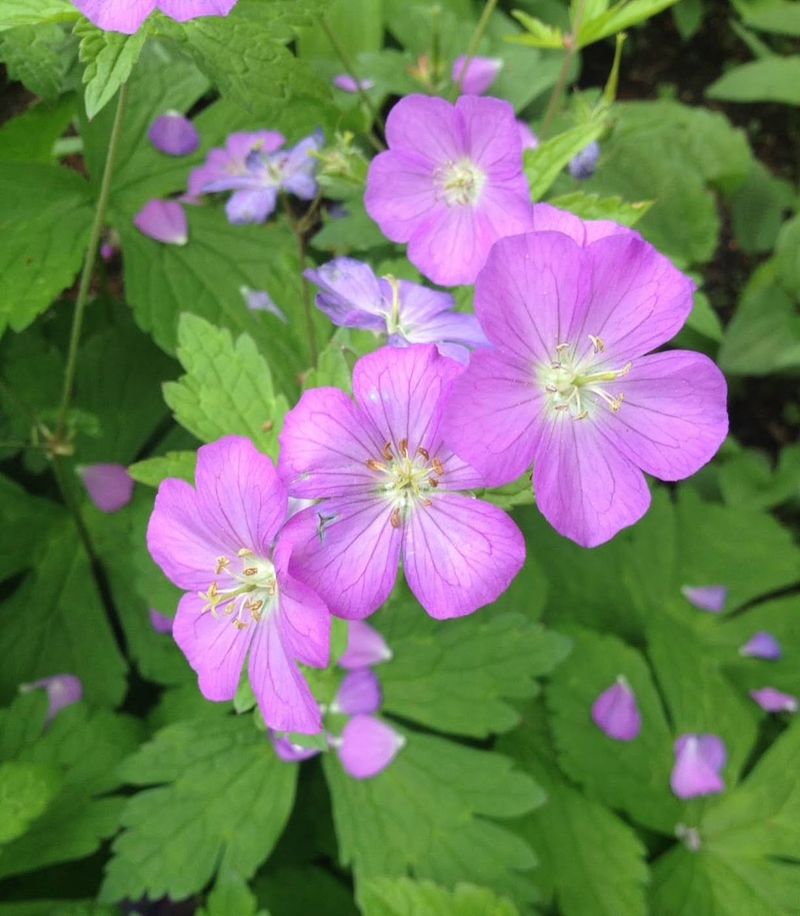
Walk through almost any Michigan woodland in late spring and you are likely to notice wild geranium growing in soft patches beneath the trees.
Its pale pink to lavender flowers and deeply cut leaves give it a classic, almost storybook charm that translates beautifully into garden settings.
It looks like something that would require careful tending, yet it is one of the easiest native perennials to grow.
Wild geranium prefers partial shade and average moisture, which makes it a natural fit for many backyard conditions. It can handle more sun than many woodland plants, especially if the soil does not dry out completely.
Once established, it spreads slowly through rhizomes, forming a low, tidy ground cover that helps suppress weeds and fill in open areas.
What makes this plant especially appealing is its longevity. Established clumps can thrive for decades with minimal care, requiring little more than occasional cleanup.
It blends effortlessly with other shade-loving plants and brings a soft, natural feel to garden beds. For anyone looking to add a dependable, low-maintenance native, wild geranium is an excellent choice.
4. Cardinal Flower (Lobelia cardinalis)
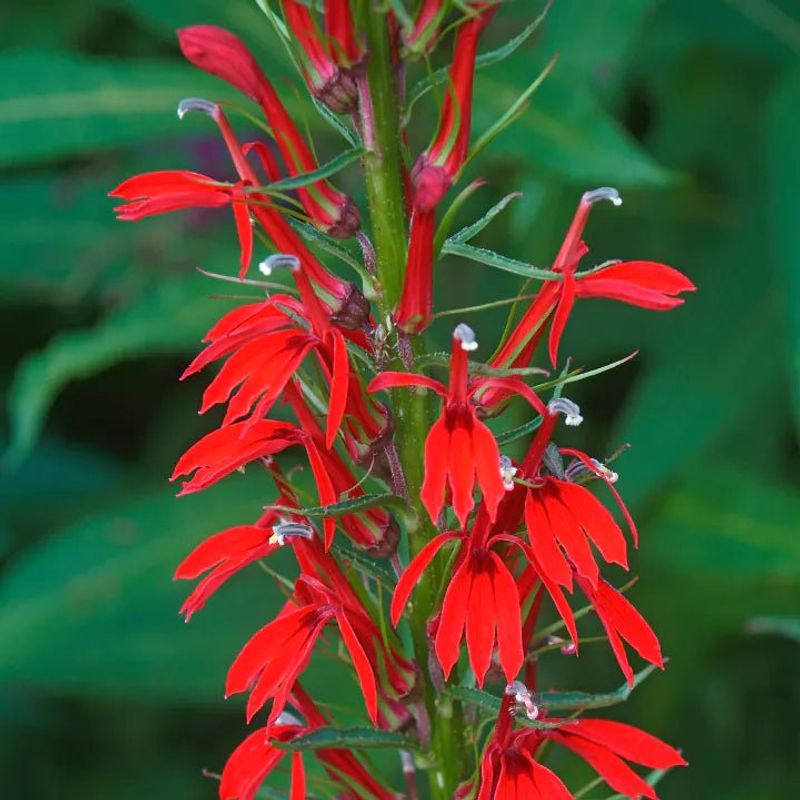
Few plants bring as much drama to a late-summer Michigan garden as cardinal flower. Its tall spikes of brilliant red blooms rise above the surrounding foliage, creating a bold and eye-catching display that feels almost out of place in a temperate landscape.
The color is so vivid that it draws attention from across the yard, and hummingbirds are especially quick to find it.
That striking appearance often leads people to assume it must be difficult to grow, but cardinal flower is surprisingly straightforward once you understand its preferences.
It thrives in consistently moist soil and does particularly well near ponds, streams, or rain gardens. Sun to light shade works best, allowing it to produce strong stems and abundant blooms.
Another advantage is its ability to self-seed. Over time, a single plant can lead to a small colony, adding more color each year without extra effort.
While individual plants may not be long-lived, new seedlings help maintain its presence in the garden. With the right conditions, cardinal flower becomes a reliable and rewarding highlight that brings both beauty and wildlife activity.
5. Prairie Dropseed (Sporobolus heterolepis)
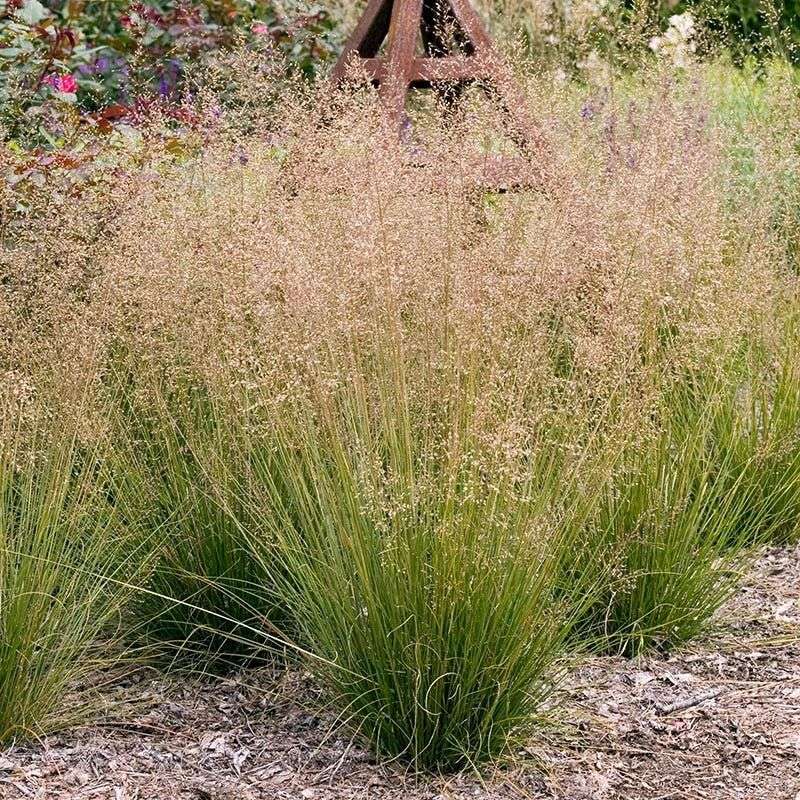
Prairie dropseed may not be the first plant that comes to mind for a home garden, but it is quickly gaining attention among Michigan gardeners who want something both beautiful and low maintenance.
This native grass forms graceful, fountain-like clumps of fine-textured foliage that add movement and softness to planting beds.
As the seasons change, its color shifts from green to warm shades of gold and orange, providing long-lasting visual interest.
One of its greatest strengths is its durability. Once established, prairie dropseed is highly drought tolerant and rarely needs supplemental watering.
This makes it an excellent choice for sunny areas where other plants may struggle during dry periods. It also requires very little maintenance, with no need for frequent trimming or dividing.
In late summer, it produces airy flower spikes that release a subtle, sweet fragrance often compared to warm cereal or popcorn. This unexpected detail adds another layer of appeal.
Whether used in borders, mass plantings, or naturalistic designs, prairie dropseed proves that native grasses can be both practical and striking in everyday landscapes.
6. Little Bluestem (Schizachyrium scoparium)
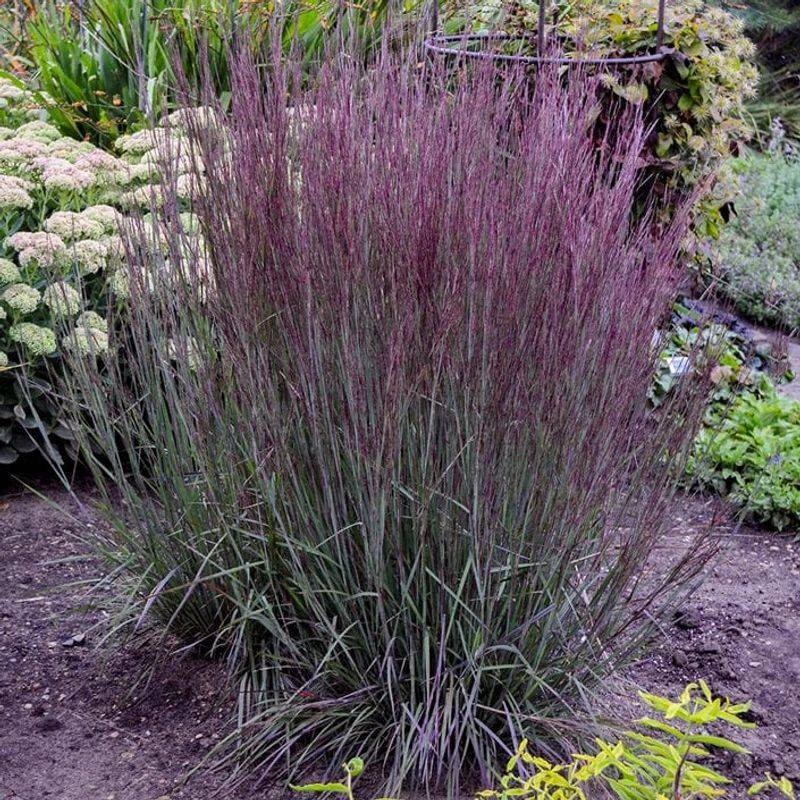
Little bluestem is one of those plants that quietly transforms a garden over the course of the year. In summer, its upright blue-green stems create a clean, structured look that pairs well with flowering perennials.
As fall approaches, those same stems shift into rich shades of copper, bronze, and even hints of red, adding warmth and depth to the landscape.
What makes little bluestem especially valuable is how well it performs in challenging conditions. It thrives in poor, dry soils where many other plants struggle to survive.
In fact, giving it too much water or overly rich soil can cause it to lose its upright form. This makes it a perfect choice for low-maintenance gardens or areas that are difficult to irrigate.
As winter sets in, the plant continues to provide interest. Its delicate seed heads catch frost and light, creating a subtle but beautiful effect.
Birds also rely on those seeds as a food source during colder months. With its year-round appeal and minimal care requirements, little bluestem is a reliable and rewarding addition to any Michigan garden.
7. Wild Bergamot (Monarda fistulosa)
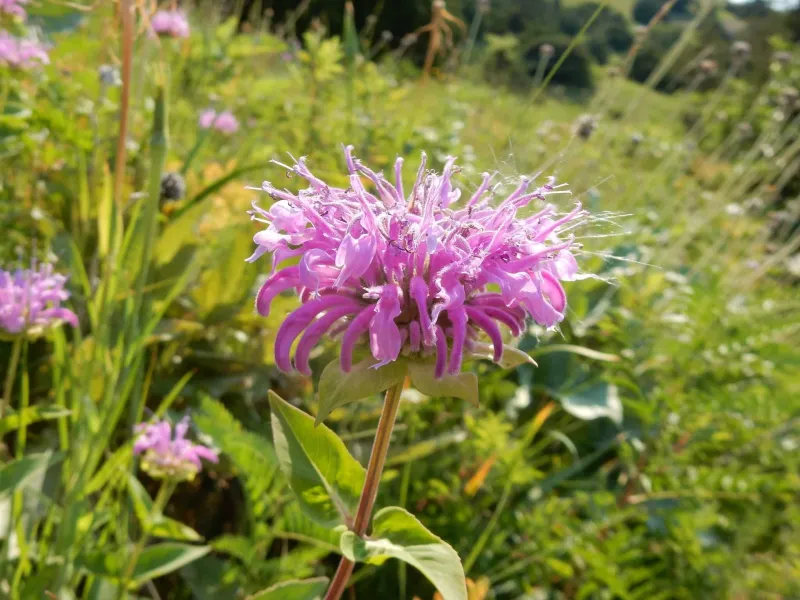
Wild bergamot brings a relaxed, natural charm to sunny Michigan gardens. Its soft lavender flower heads have a slightly untamed look that fits perfectly into informal planting styles, and when you brush against the leaves, they release a pleasant, herbal scent reminiscent of oregano.
This combination of visual and sensory appeal makes it especially enjoyable to grow. Pollinators are drawn to it in large numbers, with native bees being particularly enthusiastic visitors.
Unlike many cultivated bee balms, wild bergamot tends to resist common issues like powdery mildew, which makes it a more reliable choice for gardeners who want beauty without constant maintenance.
It adapts well to dry to average soil and thrives in full sun, though it can handle a bit of light shade. Over time, it spreads steadily, forming loose clusters that blend well with other native plants.
It does not take over aggressively, making it easy to manage. Gardeners who introduce wild bergamot often find themselves adding more, appreciating how effortlessly it supports both pollinators and the overall look of the garden.
8. Wild Blue Flag (Iris versicolor)
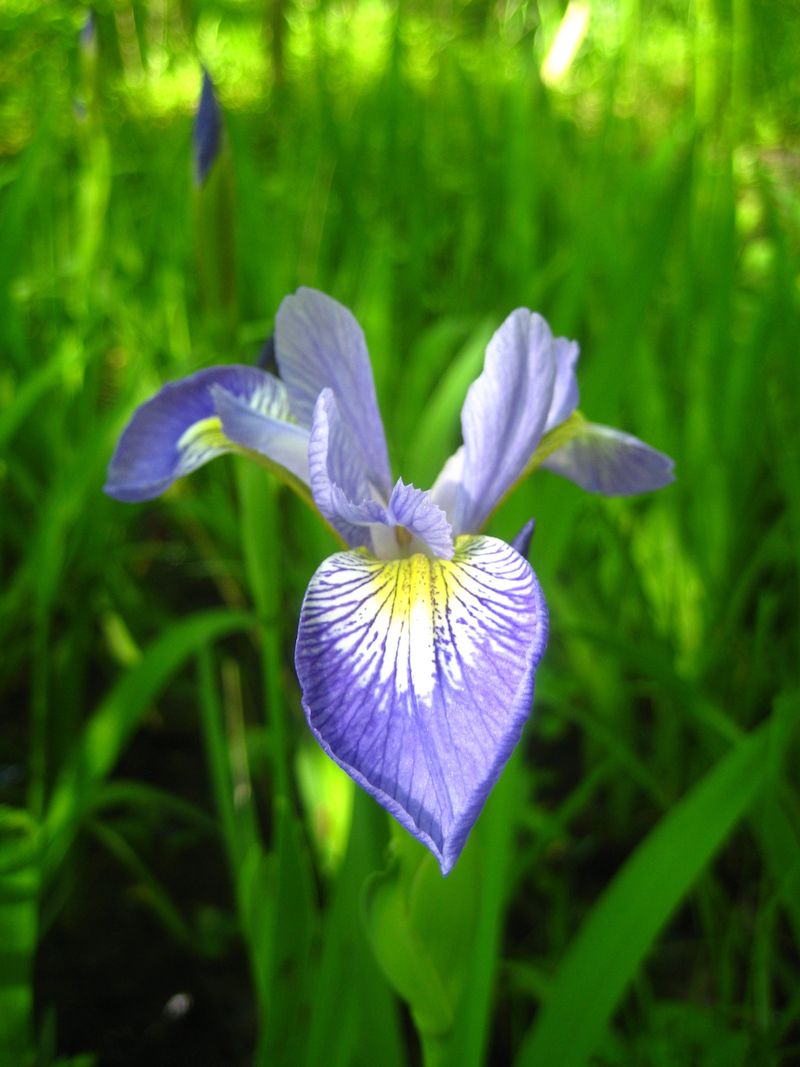
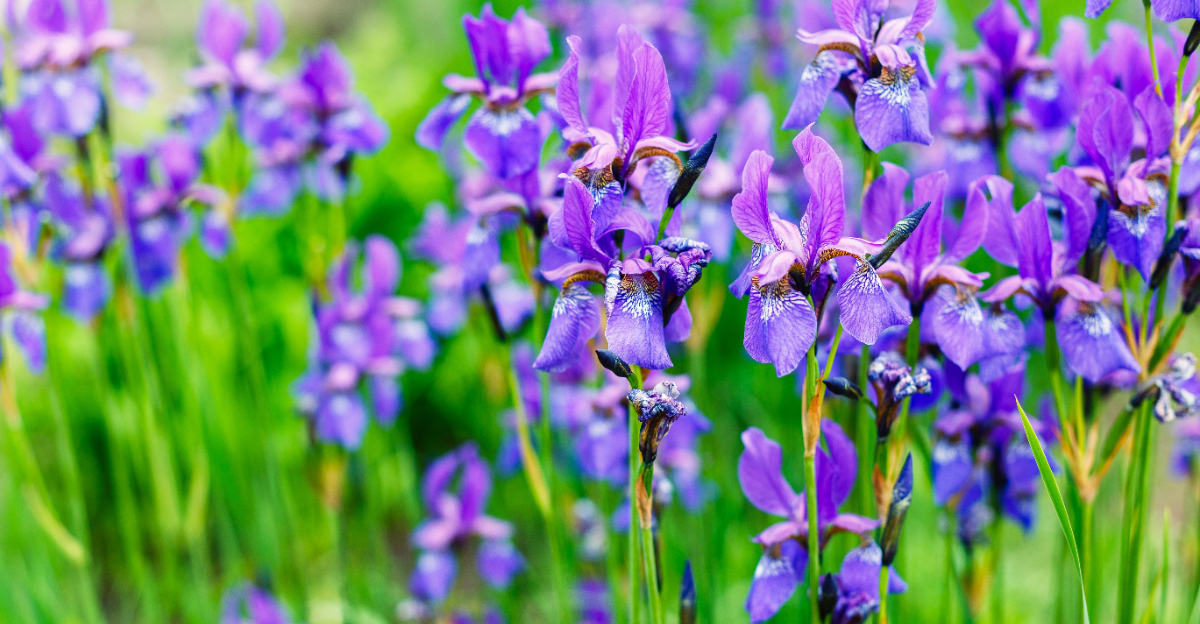
Wild blue flag offers one of the most striking floral displays of late spring in Michigan. Its violet-blue flowers, often marked with intricate veining and subtle color variations, rise above upright, sword-like foliage in a way that feels both elegant and natural.
The blooms appear in late May into early June, bringing color to areas that might otherwise feel overlooked.
This native iris is especially well suited to moist conditions. It thrives in average to wet soil and is an excellent choice for rain gardens, pond edges, or low spots that tend to stay damp.
Unlike many ornamental plants, it does not require perfectly drained soil to succeed, which makes it particularly useful in challenging areas.
Wild blue flag forms sturdy clumps that expand gradually over time, creating a stable and low-maintenance planting. It rarely needs dividing and asks for very little attention once established.
With its combination of beauty, adaptability, and reliability, it is an ideal solution for gardeners looking to enhance wetter parts of their landscape with something both practical and visually impressive.