These Plants Bloom In Pennsylvania Heat (Even When Others Fade)
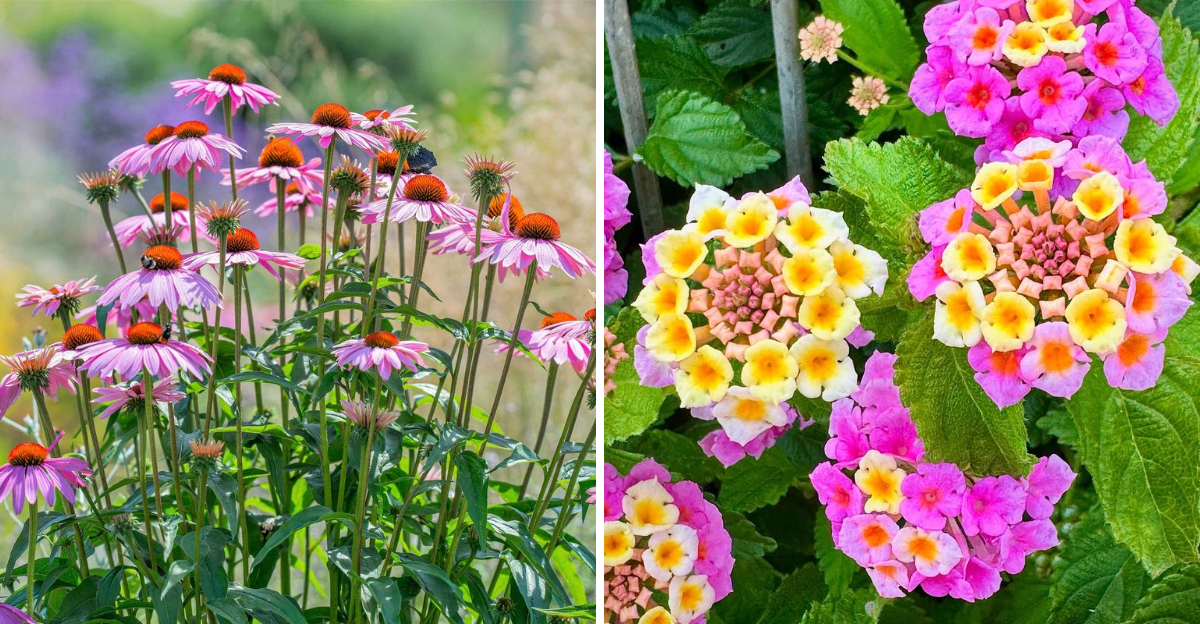
Pennsylvania summers have a way of surprising people. You start June with a garden full of color and real optimism, and then July shows up with that thick, suffocating humidity and temperatures that just refuse to budge.
Suddenly half your flowers look exhausted, your carefully planned beds are full of drooping stems, and the garden that looked so promising a few weeks ago is barely holding on. The frustrating part is that it doesn’t have to go that way.
While plenty of plants treat Pennsylvania’s summer heat like a personal attack, there’s a solid group of bloomers that genuinely don’t care.
They flower through the humidity, they push out color during the hottest stretches, and they keep your garden looking alive when everything around them is struggling to survive.
If you’re tired of watching your summer garden fade out right when you most want to enjoy it, these are exactly the plants you need.
1. Coneflower
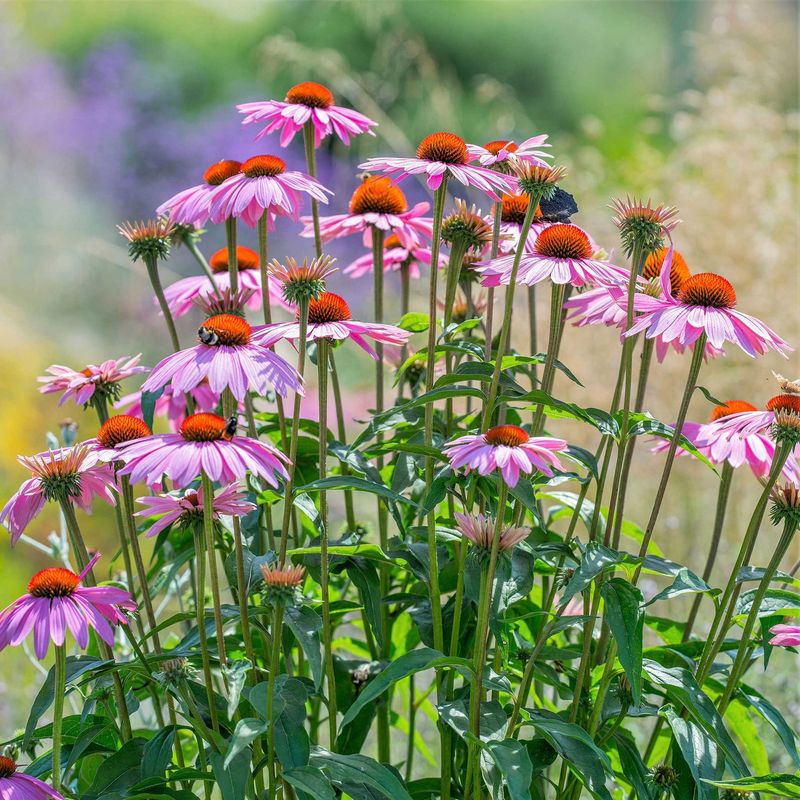
Few plants earn their place in a Pennsylvania garden quite like the coneflower. Native to North America, this tough perennial has been growing wild across the region long before anyone thought to plant it in a backyard.
It knows how to handle heat, humidity, and dry stretches without flinching. Coneflowers bloom from early summer all the way into fall, giving you months of color for almost no effort.
The petals fan out in shades of purple, pink, and white around a spiky orange-brown center. They grow best in full sun and well-drained soil, but they are forgiving if conditions are not perfect.
One of the best things about coneflowers is how much wildlife they attract. Bees and butterflies swarm them all summer long.
Then, when the blooms fade, goldfinches and other birds feed on the seed heads through fall and winter. You get beauty and a backyard wildlife show all in one plant.
In Pennsylvania, coneflowers are especially reliable because they are adapted to the region’s climate. They handle hot, humid August days without drooping or losing blooms.
Plant them in groups for the biggest visual impact. Deadheading spent flowers encourages more blooms, but leaving some seed heads standing benefits the birds.
Once established, they spread slowly and come back stronger every year. They also work beautifully alongside black-eyed Susans and ornamental grasses for a natural, meadow-style garden look that Pennsylvania gardeners love.
2. Black-Eyed Susan
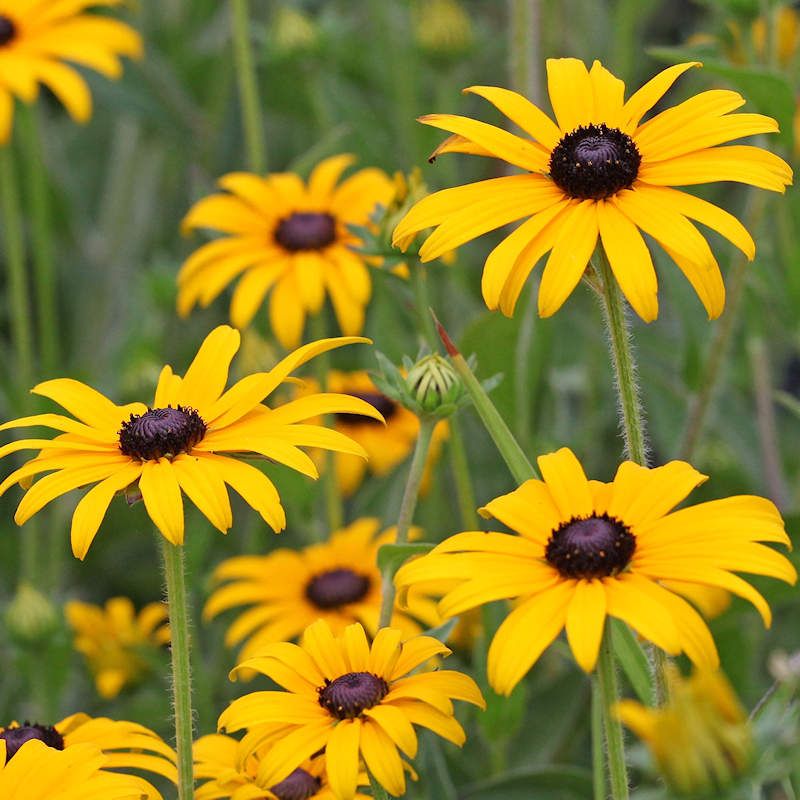
There is something instantly cheerful about a field of black-eyed Susans. Those bold yellow petals surrounding a dark brown center look like tiny suns scattered across your garden.
In Pennsylvania, this plant is practically a summer staple, and for very good reason. Black-eyed Susans are incredibly heat-tolerant. Even during the hottest, driest weeks of a Pennsylvania summer, they keep blooming without complaint.
They thrive in full sun and handle poor or dry soil better than most flowering plants. Once they are established, they barely need watering, which makes them perfect for busy gardeners.
Did you know that black-eyed Susans are actually native to North America? They have been part of the Eastern landscape for centuries.
Your Pennsylvania Garden Changes Every Week. Your Plan Should Too.
Gardening in Pennsylvania changes quickly throughout the season. Every Friday you’ll receive a simple weekly plan showing exactly what to plant, prune, fertilize, harvest, and protect so you never miss the right timing.
That native heritage means they are perfectly matched to Pennsylvania’s seasonal rhythms, from warm springs to steamy summers and cool falls.
These plants bloom from early summer through fall, often putting on their best show in July and August when other flowers are struggling.
They grow about two to three feet tall and look stunning when planted in large drifts or mixed with purple coneflowers and ornamental grasses.
Deadheading regularly encourages even more blooms throughout the season. Black-eyed Susans also self-seed freely, meaning your patch will grow bigger each year with zero extra effort.
Pollinators absolutely love them, so expect plenty of bees and butterflies visiting your Pennsylvania garden all summer long. They are truly one of the easiest and most rewarding plants you can grow.
3. Coreopsis
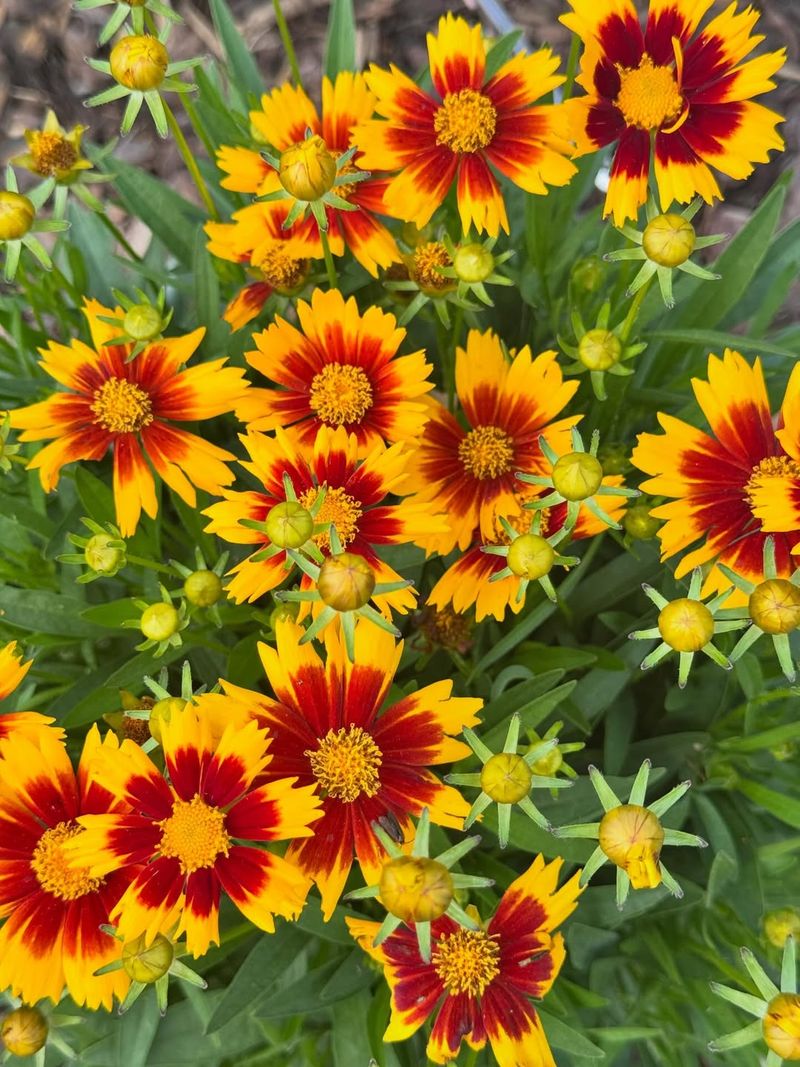
If you want a plant that just does not quit, coreopsis is your answer. Also called threadleaf coreopsis, this perennial produces wave after wave of cheerful yellow blooms from late spring all the way through summer.
It does not need rich soil, it does not need constant watering, and it does not complain about the heat.
Pennsylvania gardeners love coreopsis because it handles the state’s hot, humid summers without skipping a beat. The fine, feathery foliage looks great even when the plant is not in bloom, giving your garden a soft, airy texture.
The flowers themselves are small but appear in such large numbers that the plant looks like a golden cloud when it is at peak bloom.
Coreopsis grows best in full sun and actually prefers soil that is not too rich. Overly fertile soil can cause it to flop over instead of standing upright.
In lean, well-drained soil, it stays compact and blooms more freely. This makes it a great choice for spots in your Pennsylvania yard where other plants have struggled.
Cutting the plant back by about one-third in midsummer encourages a fresh flush of blooms in late summer and fall. It pairs beautifully with purple coneflowers, salvia, and ornamental grasses.
Coreopsis is also a magnet for butterflies, which adds even more life and movement to your garden. Once established, it is drought-tolerant and extremely low-maintenance, making it one of the smartest choices for any Pennsylvania summer garden.
4. Bee Balm
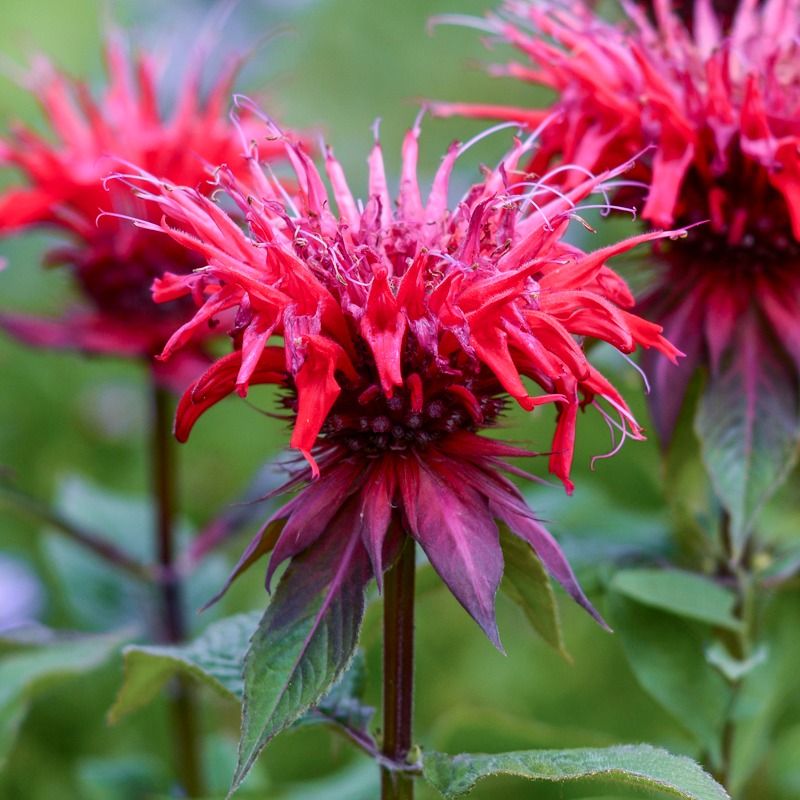
Imagine stepping outside on a hot Pennsylvania morning and watching a hummingbird hover over a blazing red flower right in your own backyard. That is exactly what bee balm can do for your garden.
This native perennial is one of the most exciting plants you can grow, and it absolutely thrives in Pennsylvania’s warm, humid summers.
Bee balm blooms in shades of red, pink, and purple, with spiky, firework-shaped flower heads that are impossible to miss. It grows two to four feet tall and blooms from midsummer into early fall.
It loves full sun but can handle some afternoon shade, which is helpful during the hottest Pennsylvania days. The name bee balm is no accident. Bees, butterflies, and hummingbirds all flock to it.
The nectar-rich flowers are especially attractive to ruby-throated hummingbirds, which are common visitors in Pennsylvania gardens during summer. Planting bee balm near a window or patio gives you front-row seats to the show.
One thing to keep in mind is that bee balm can be prone to powdery mildew in very humid conditions. Choosing mildew-resistant varieties like Raspberry Wine or Jacob Cline helps a lot.
Good air circulation around the plants also reduces this issue. Dividing clumps every few years keeps the plants vigorous and blooming strongly.
Bee balm spreads gradually through underground rhizomes, so it will slowly fill in a bed over time. For Pennsylvania gardeners who want color, wildlife, and a truly native feel, bee balm is an outstanding choice.
5. Zinnias
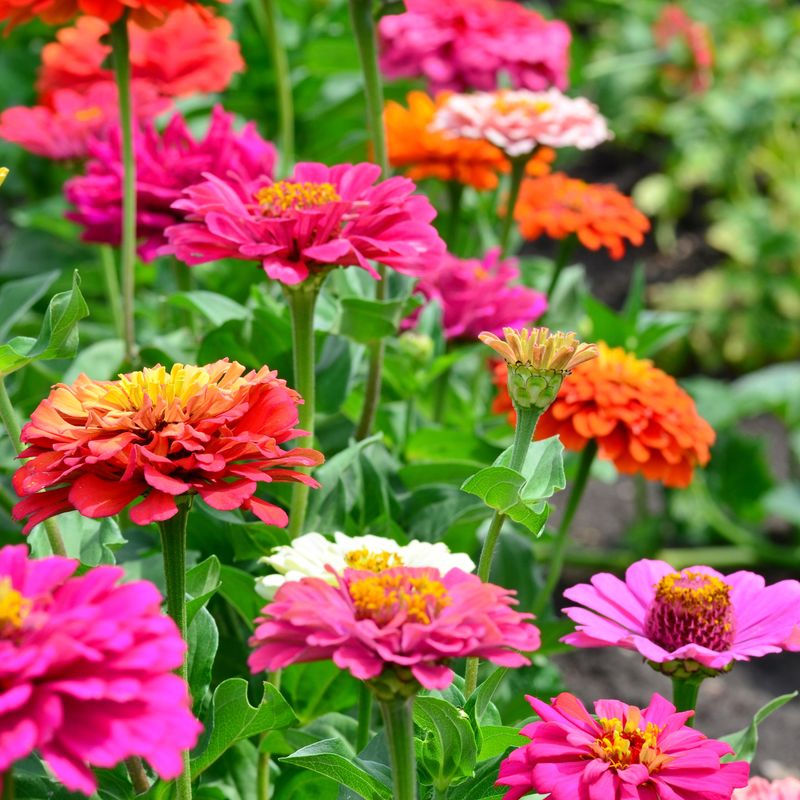
Zinnias are the kind of plant that makes you feel like a gardening genius. You scatter the seeds, water them a few times, and before you know it, you have a riot of color that lasts all summer long.
They are annuals, meaning they complete their whole life cycle in one season, but they pack so much beauty into those months that it barely matters.
In Pennsylvania, zinnias shine brightest in July and August when the heat is at its peak. Unlike many flowers that slow down in extreme heat, zinnias actually speed up.
More sun and warmth means more blooms. They come in almost every color imaginable, from soft pastels to blazing oranges and deep purples. You can find varieties that grow six inches tall or ones that reach four feet high.
The secret to keeping zinnias blooming nonstop is deadheading. Removing spent flowers regularly tells the plant to keep producing new ones instead of setting seed.
Spend five minutes every few days snipping off faded blooms and your zinnias will reward you with fresh flowers all the way until the first Pennsylvania frost.
Zinnias grow best in full sun with well-drained soil. They do not like wet feet, so avoid overwatering.
Starting them from seed directly in the garden after the last frost is easy and inexpensive. They are also fantastic for cutting, so you can bring their cheerful colors indoors.
Butterflies love them too, making your Pennsylvania garden even more lively and full of movement throughout the summer season.
6. Lantana
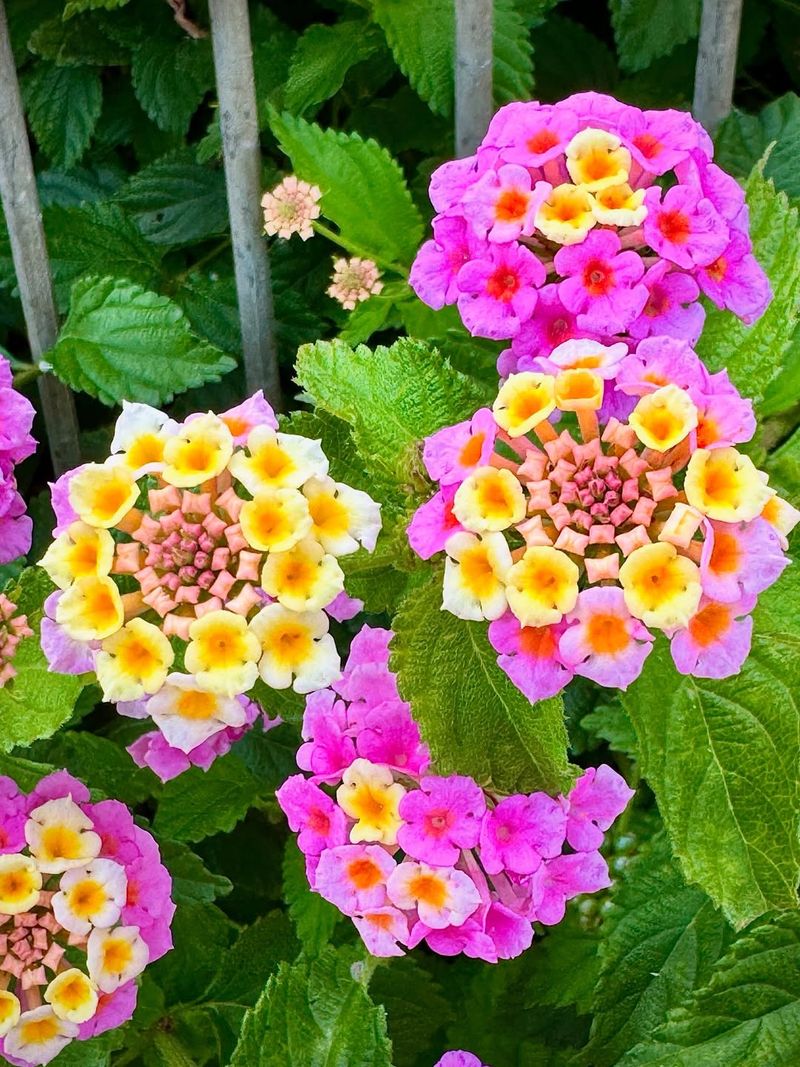
Lantana is the plant that laughs at heat. While other flowers wilt and fade under a blazing Pennsylvania summer sun, lantana just keeps going.
It produces tight, rounded clusters of tiny flowers in stunning combinations of orange, yellow, pink, red, and purple. The colors often change as the flowers age, giving each cluster a multicolored, almost magical look.
In Pennsylvania, lantana is grown as an annual since it cannot survive the state’s cold winters outdoors. But what it lacks in permanence, it more than makes up for in performance.
From the moment you plant it in late spring until the first frost arrives in fall, lantana blooms continuously. It does not need deadheading, it rarely needs extra watering once established, and it handles heat and humidity like a champion.
Butterflies go absolutely wild for lantana. The nectar-rich flowers attract swallowtails, monarchs, and skippers all summer long.
Planting lantana near a seating area or along a walkway means you get to enjoy the butterfly activity up close every single day.
Lantana grows best in full sun and well-drained soil. It actually blooms more freely when it is slightly stressed by dry conditions, so resist the urge to overwater.
Container-grown lantana does especially well on hot, sunny Pennsylvania patios and decks where the reflected heat suits it perfectly. You can bring potted plants indoors before the first frost and overwinter them in a bright window.
Come spring, trim them back and move them outside again for another spectacular season of color.
7. Blanket Flower
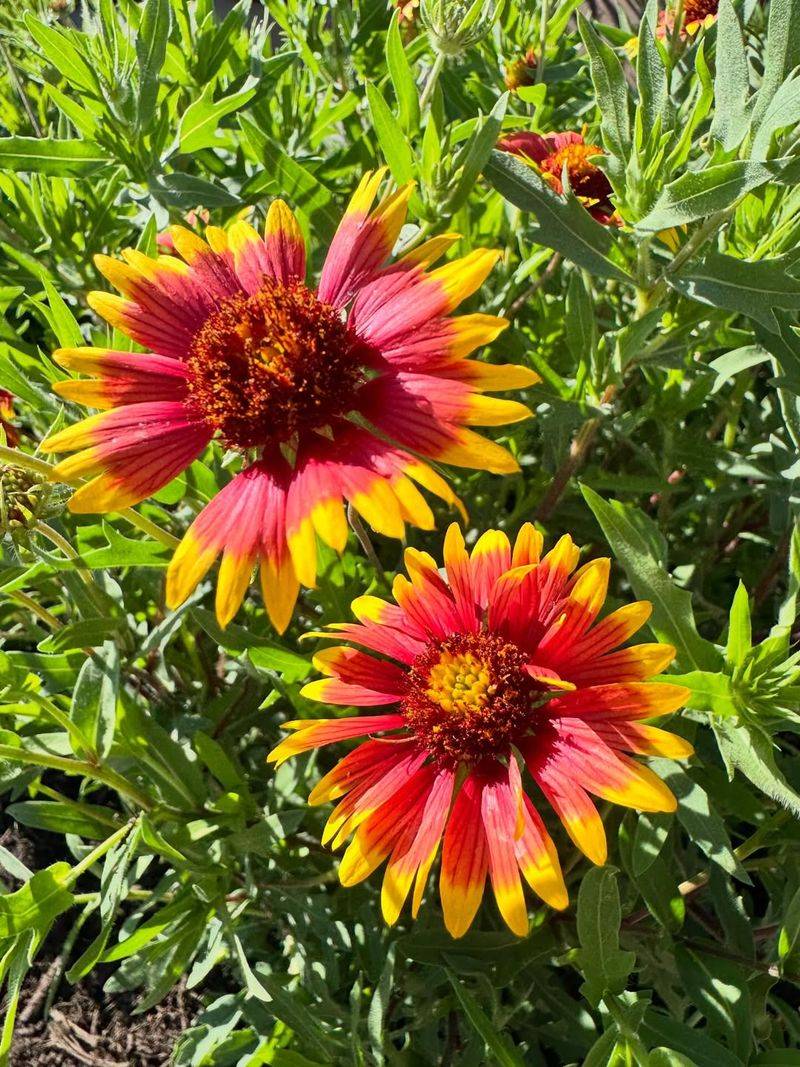
Named for its resemblance to the bold, bright patterns found on Native American blankets, the blanket flower is one of the most striking plants you can grow in a Pennsylvania garden.
Its petals are a vivid combination of red, orange, and yellow, often with a deep burgundy center that makes the whole flower look like it is glowing from within.
Blanket flowers are built for tough conditions. They are drought-tolerant, heat-loving, and perfectly suited to Pennsylvania’s long, hot summers.
Once established, they need very little water or attention. They bloom from early summer all the way through fall, making them one of the longest-performing flowers you can find for the region.
These plants thrive in full sun and actually prefer soil that is not too rich or too moist. In overly fertile or wet soil, they tend to flop and bloom less freely.
Sandy or gravelly soil suits them perfectly, which makes them a great option for spots in your Pennsylvania yard where drainage is not ideal for other plants.
Deadheading spent blooms regularly keeps blanket flowers producing new flowers throughout the season. Cutting plants back by about one-third in midsummer can also encourage a strong second flush of blooms in late summer and fall.
They are short-lived perennials, meaning individual plants may only last two or three years, but they self-seed readily and new plants fill in the gaps naturally.
Pollinators love them, and their bold colors add a warm, energetic feel to any Pennsylvania garden from summer right through the first cool days of autumn.