What To Do With Your Florida Bird Of Paradise In May For Bigger Leaves And Blooms
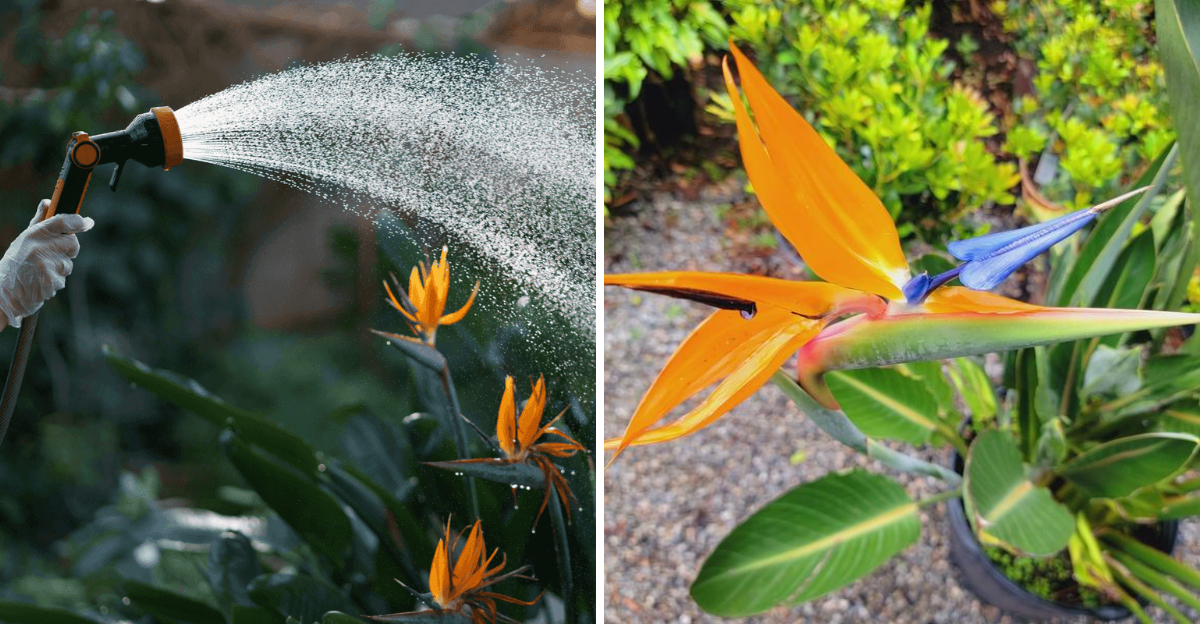
Bird of Paradise has no problem stealing attention in a Florida garden, but May is when it starts asking for more than admiration. The weather is warmer, the days are longer, and growth can shift from slow and steady to surprisingly fast.
That change catches a lot of gardeners off guard. A plant that looked fine in March can need different watering, better light, fresh nutrients, or a quick cleanup by late spring.
Miss those signals, and the leaves may stay smaller, the flowers may be fewer, and the plant can look tired before summer really gets going.
The trick is not doing more just for the sake of it. It is knowing which May tasks actually help Bird of Paradise use Florida’s heat to its advantage.
With the right timing, this bold tropical can head into summer looking fuller, stronger, and ready to put on a show.
1. Feed Every Three Months During The Growing Season
Your Bird of Paradise is hungry in May. After a quieter winter, the plant shifts into serious growth mode as temperatures rise, and that means it needs nutrients to fuel all that new leaf and flower development.
Feeding it now gives it exactly what it needs to push out bigger leaves and stronger blooms.
UF/IFAS recommends fertilizing bird of paradise about every three months during the growing season, using organic fertilizer, granular landscape fertilizer, or a controlled-release product according to label directions.
Check local fertilizer ordinances too, since some Florida counties restrict nitrogen or phosphorus fertilizer use during certain months.
A granular slow-release product works well because it feeds the plant steadily over time rather than all at once. Apply it according to the label directions and water it in thoroughly after applying.
In South Florida, where the growing season is nearly year-round, you may feed on a consistent three-month schedule from spring through fall. In Central Florida, feeding from March through September covers the active growth window well.
North Florida gardeners should start feeding in April or May and taper off by late summer to avoid pushing tender new growth before cooler weather arrives.
Always avoid over-fertilizing. Too much nitrogen can produce lots of green leaves but fewer flowers.
Stick to the recommended schedule, keep the fertilizer away from the base of the stems, and your plant will reward you with lush, healthy growth all season long.
2. Give It Bright Light For Stronger Flowering
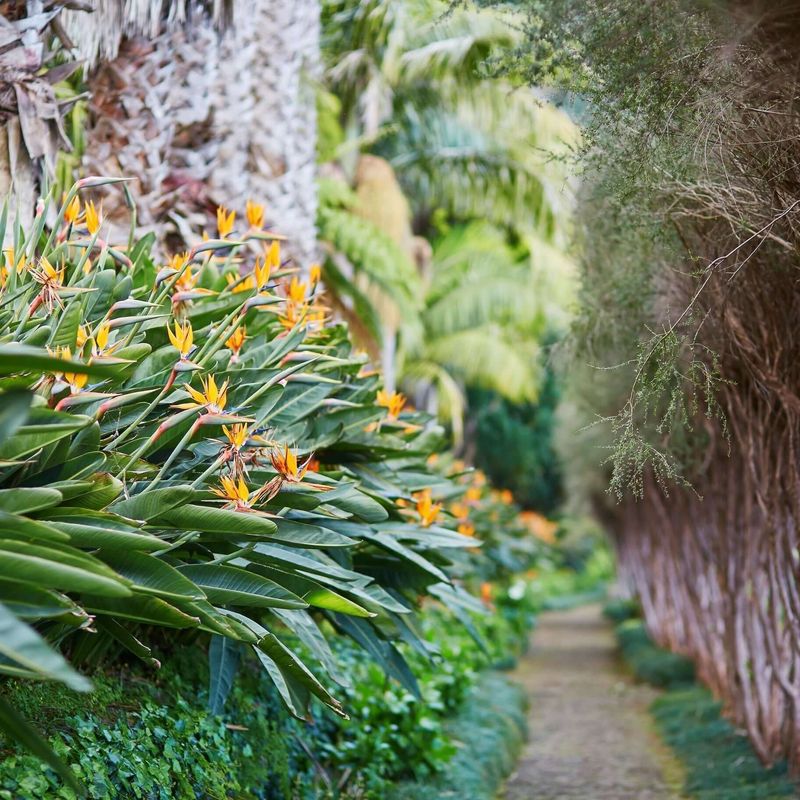
Fewer things frustrate a Florida gardener more than a Bird of Paradise that refuses to bloom. Most of the time, the answer comes down to light.
This plant needs strong light for good flowering, but it does not have to bake in full sun all day to perform well in Florida.
UF/IFAS says bird of paradise produces well in sunny or partially shaded locations, and Florida-Friendly guidance lists partial shade as an ideal placement.
In May, the sun angle is high and the days are long, making it the perfect time to assess whether your plant is getting what it needs.
Your Florida Garden Changes Every Week. Your Plan Should Too.
Gardening in Florida changes quickly throughout the season. Every Friday you’ll receive a simple weekly plan showing exactly what to plant, prune, fertilize, harvest, and protect so you never miss the right timing.
If it is growing in shade or partial shade, consider relocating it to a sunnier spot before the peak of summer arrives.
Statewide, bright light is the goal, but the best exposure can vary by site. However, in South Florida, where summer heat and humidity can be intense, watch for signs of stress such as scorched leaf edges or wilting during the hottest part of the afternoon.
A location with morning sun and light afternoon shade can help in those cases. In North Florida, maximizing sun exposure is more critical since the growing season is shorter and every sunny day counts for bloom production.
A bright site with morning sun, filtered afternoon light, or high shifting shade often gives bird of paradise the light it needs without unnecessary stress in Florida heat.
3. Water Deeply But Avoid Soggy Soil
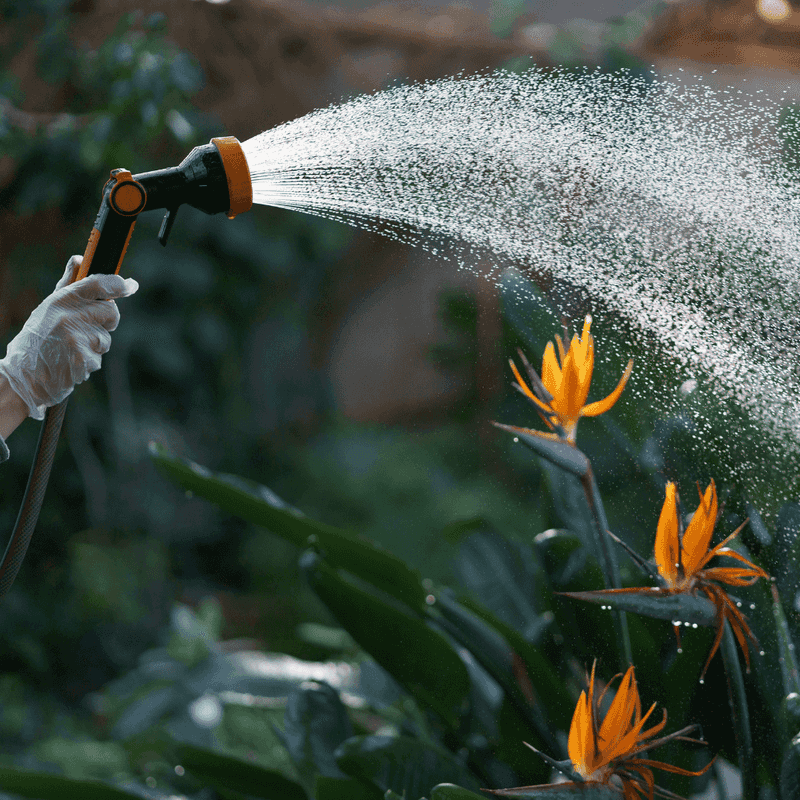
Watering a Bird of Paradise in Florida is less about how often you water and more about how you water. Shallow, frequent watering encourages roots to stay near the surface, making the plant weaker and more vulnerable during dry spells.
Deep, thorough watering pushes roots downward and builds a stronger, more resilient plant.
Aim to water slowly and deeply, allowing moisture to soak down several inches into the soil. Then let the top few inches of soil dry out before watering again.
Bird of Paradise does not like sitting in wet soil for extended periods, and in Florida’s sandy soils, drainage is usually good enough to prevent most problems as long as you are not overwatering.
South Florida tends to receive more rainfall in late spring, so you may need to water less frequently as the wet season approaches.
In Central Florida, rain patterns can be unpredictable in May, so check the soil before watering rather than following a rigid schedule.
North Florida soils can dry out faster between rain events, so keeping a closer eye on soil moisture during dry stretches is a smart habit.
A simple finger test works well. Push your finger two inches into the soil near the plant.
If it feels dry at that depth, it is time to water. If it still feels moist, wait another day or two.
4. Mulch To Hold Moisture And Protect Roots
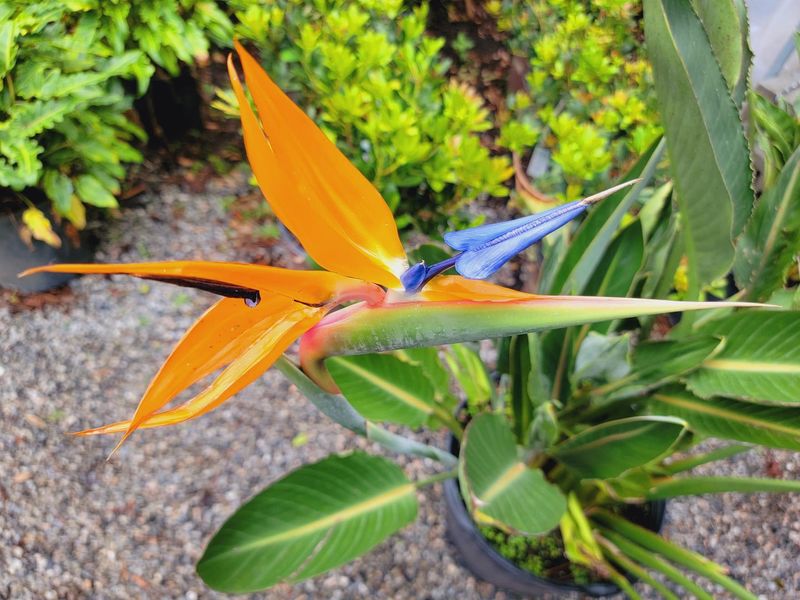
Sandy Florida soil drains fast, which is great for avoiding root rot but tough on plants that need consistent moisture.
Laying down a fresh layer of mulch in May is one of the simplest and most effective things you can do to help your Bird of Paradise thrive through the hot months ahead.
A two to three inch layer of organic mulch, such as wood chips, pine bark, or shredded leaves, helps the soil hold moisture longer between waterings. It also moderates soil temperature, keeping roots cooler during the intense heat of Florida summers.
According to UF/IFAS, organic mulches also gradually break down and add organic matter to sandy soils, which improves their ability to hold nutrients over time.
Keep the mulch a few inches away from the base of the plant stems to allow air circulation and prevent moisture from building up directly against the crown, which can lead to rot. Spread it out to the edge of the plant’s canopy for the best coverage.
Across all regions of Florida, mulching is beneficial. In North Florida, it also provides a small amount of insulation for roots during occasional cold snaps.
In South and Central Florida, the primary benefit is moisture retention and temperature control during the long, hot growing season. Refreshing your mulch layer each spring keeps it working effectively all year.
5. Remove Old Leaves And Spent Flower Stalks
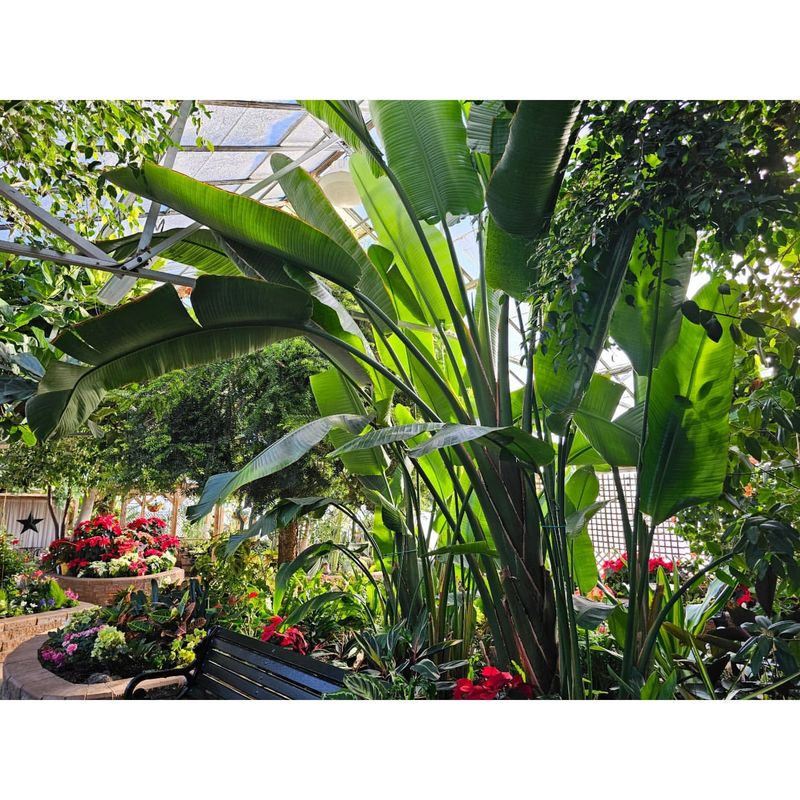
Old, tattered leaves and finished flower stalks are not just an eyesore. They are also a drain on the plant’s energy.
Your Bird of Paradise is working hard in May to push out new growth, and clearing away the spent material helps it focus that energy where it counts most.
Use clean, sharp pruning shears to remove any leaves that are fully brown, torn beyond repair, or showing significant damage. Cut the leaf stem as close to the base as possible without injuring the main stem.
For spent flower stalks, cut them down to the base once the bloom has fully faded and the stalk begins to yellow or dry out.
Avoid removing healthy green leaves even if they look a little rough around the edges. Green leaves are still producing energy for the plant through photosynthesis, and removing too many at once can set back growth.
Focus only on the truly spent material.
Pruning timing is similar across all regions of Florida since May falls within the active growing season statewide. However, in South Florida, where growth is fast and continuous, you may find yourself doing light cleanup more frequently throughout the season.
In Central and North Florida, a thorough cleanup in May combined with occasional tidying through summer is usually enough to keep the plant looking its best and growing strong.
6. Check For Scale, Aphids, Caterpillars, And Snails
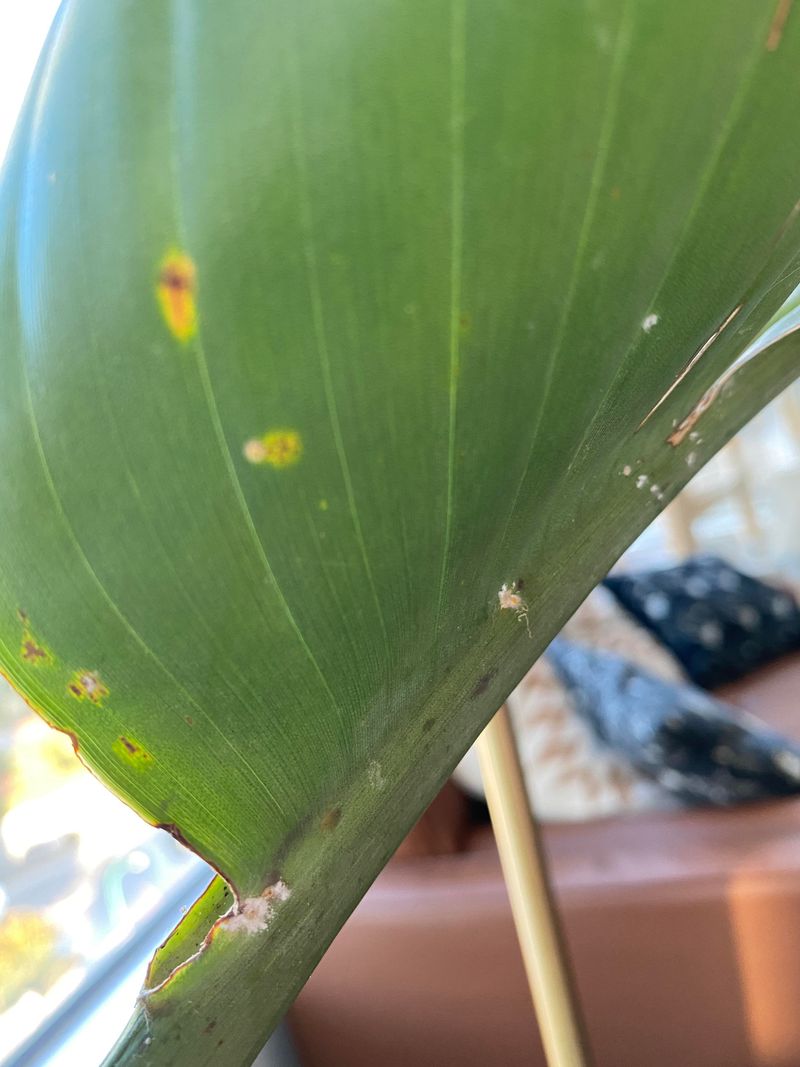
Warm May weather in Florida makes it a smart time to check bird of paradise closely, especially for scale insects and other occasional pests.
Catching problems early makes management much easier, so a quick inspection of your plant every week or two is a worthwhile habit to build into your routine.
Aphids tend to cluster on new growth and flower buds, sucking plant sap and causing leaves to curl or distort. Scale insects look like small brown or white bumps on stems and leaves and can weaken the plant over time.
Caterpillars chew through leaves and can cause noticeable damage quickly if left unchecked. Snails and slugs feed at night, leaving ragged holes in leaves and a silvery slime trail behind them.
UF/IFAS recommends starting with the least toxic options first. A strong spray of water from a hose can knock aphids off new growth effectively.
Insecticidal soap or neem oil, applied according to label directions, works well for aphids and soft-bodied insects. For scale, horticultural oil is a reliable choice.
Hand-picking caterpillars and snails in the evening is practical for small infestations.
In South Florida, pest pressure tends to be higher and more consistent throughout the year due to the warm climate.
In Central and North Florida, pest activity picks up in spring and summer but slows down in cooler months, making May an important time to stay alert and catch any early arrivals before populations build.
7. Grow In Containers Where Freezes Are A Risk
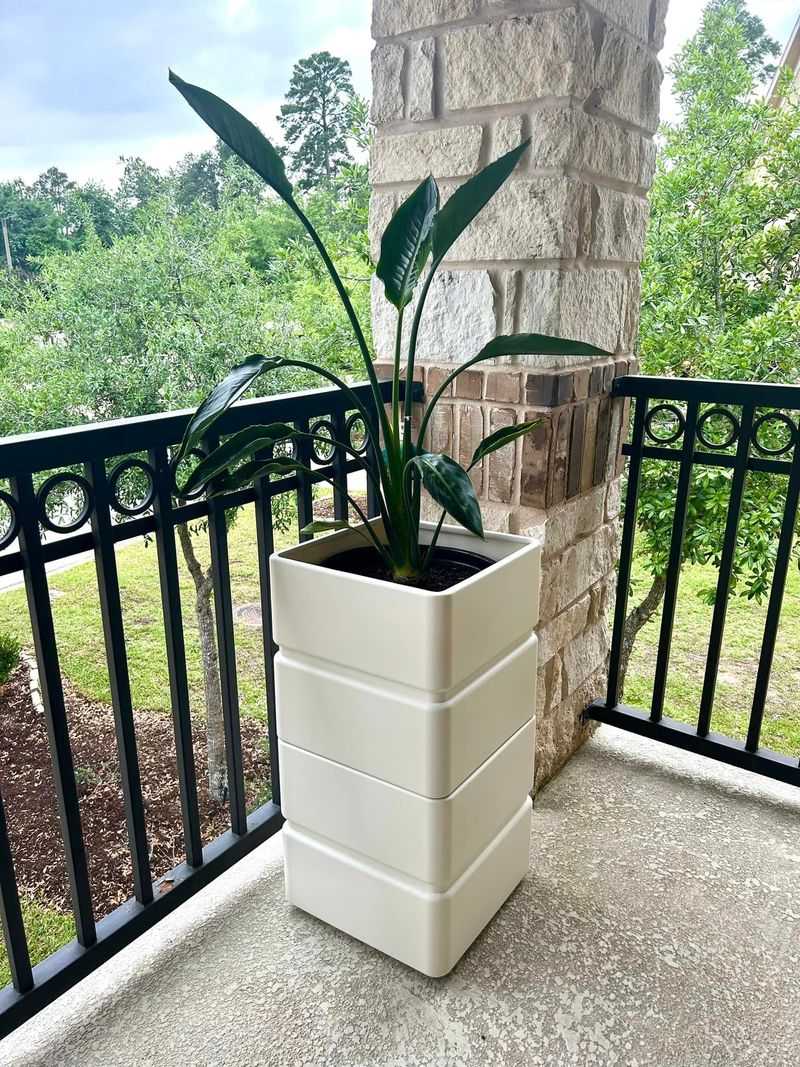
Not every Florida gardener has the luxury of planting Bird of Paradise directly in the ground without worry.
In areas where winter temperatures can drop below freezing, growing in containers gives you the flexibility to protect your plant when cold weather threatens, and in May, it is a great time to repot or refresh a container-grown plant before summer heat arrives.
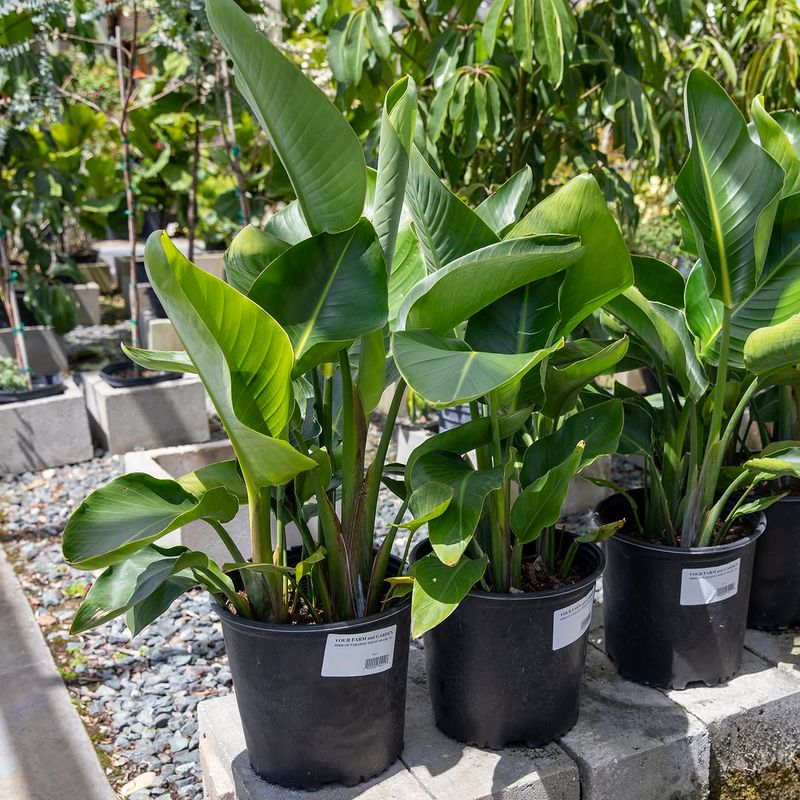
Choose a large, sturdy container with excellent drainage holes. Bird of Paradise has a substantial root system, and a pot that is too small will limit growth and reduce flowering.
A container that is at least 18 to 24 inches wide and deep gives the roots room to spread. Use a quality potting mix that drains well, and consider adding a small amount of perlite to improve drainage further.
In North Florida, container growing is the most practical strategy for protecting Bird of Paradise from hard freezes that can damage or destroy an in-ground plant.
Being able to roll or carry the plant into a garage or enclosed porch during a cold snap makes a real difference.
In Central Florida, containers offer a useful backup plan for unusually cold winters. In South Florida, freezes are rare enough that container growing is more of a personal preference than a necessity.
May is also a good time to check if your container-grown plant has become root-bound. If roots are circling the bottom or pushing out of the drainage holes, moving up to the next pot size will give it room to grow all summer.
8. Divide Crowded Clumps Only When Needed
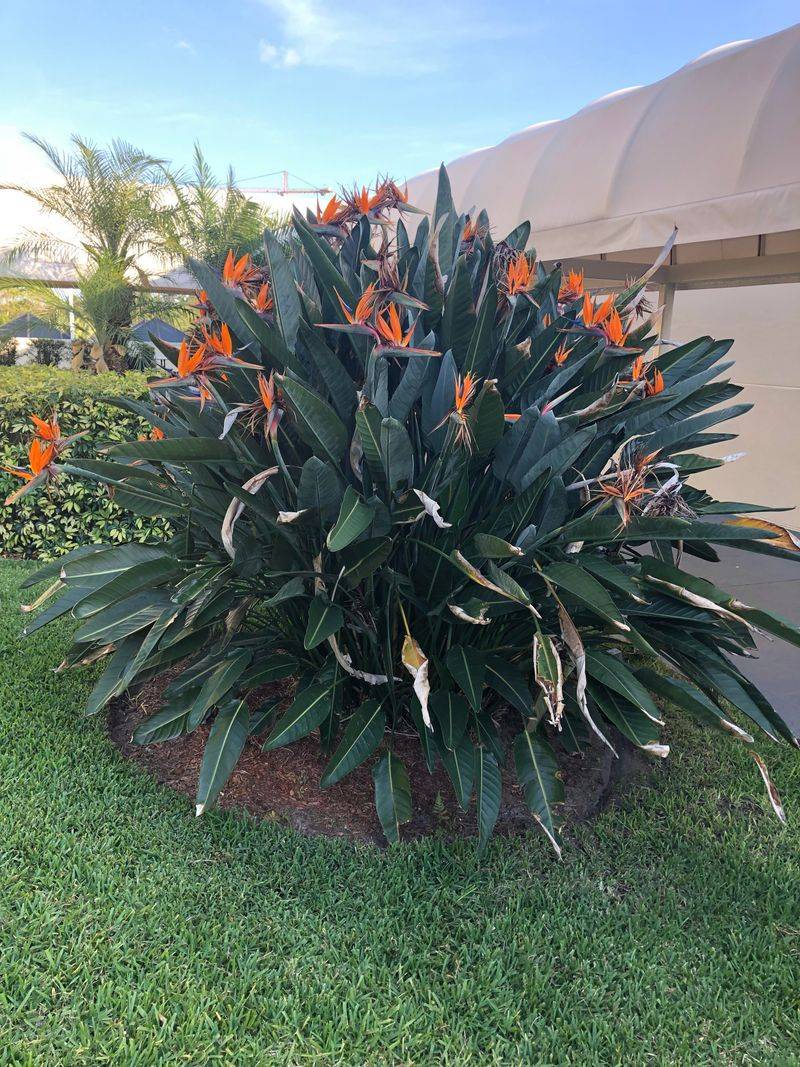
Over the years, Bird of Paradise naturally forms large, dense clumps as it produces offsets around the base of the parent plant.
While a full, established clump can be a stunning landscape feature, a very large clump can outgrow its space, crowd nearby plants, or become harder to manage, even though bird of paradise often flowers well when slightly crowded.
May is a reasonable time to divide if your plant truly needs it, since the warm weather ahead gives the divisions time to establish before any cooler months arrive.
Look for signs that division is overdue, such as declining flower production, stems pushing up against each other with no room to spread, or the center of the clump appearing weak and sparse.
To divide, use a sharp, clean spade or garden knife to carefully separate an offset from the main clump. Each division should have several healthy stems and a good portion of roots attached.
Replant divisions at the same depth they were growing before and water them in well. Avoid dividing more than necessary since Bird of Paradise actually blooms better when slightly crowded and established.
Recovery time after division depends a lot on your location. In South Florida’s warm, consistent climate, new divisions tend to settle in and resume growth relatively quickly.
In Central Florida, warm spring temperatures also support good recovery. In North Florida, divisions made in May have the full summer to establish, which helps them handle the following winter much better than divisions made in fall.