The Mistakes You’re Making That Attract Moles To Your Pennsylvania Garden
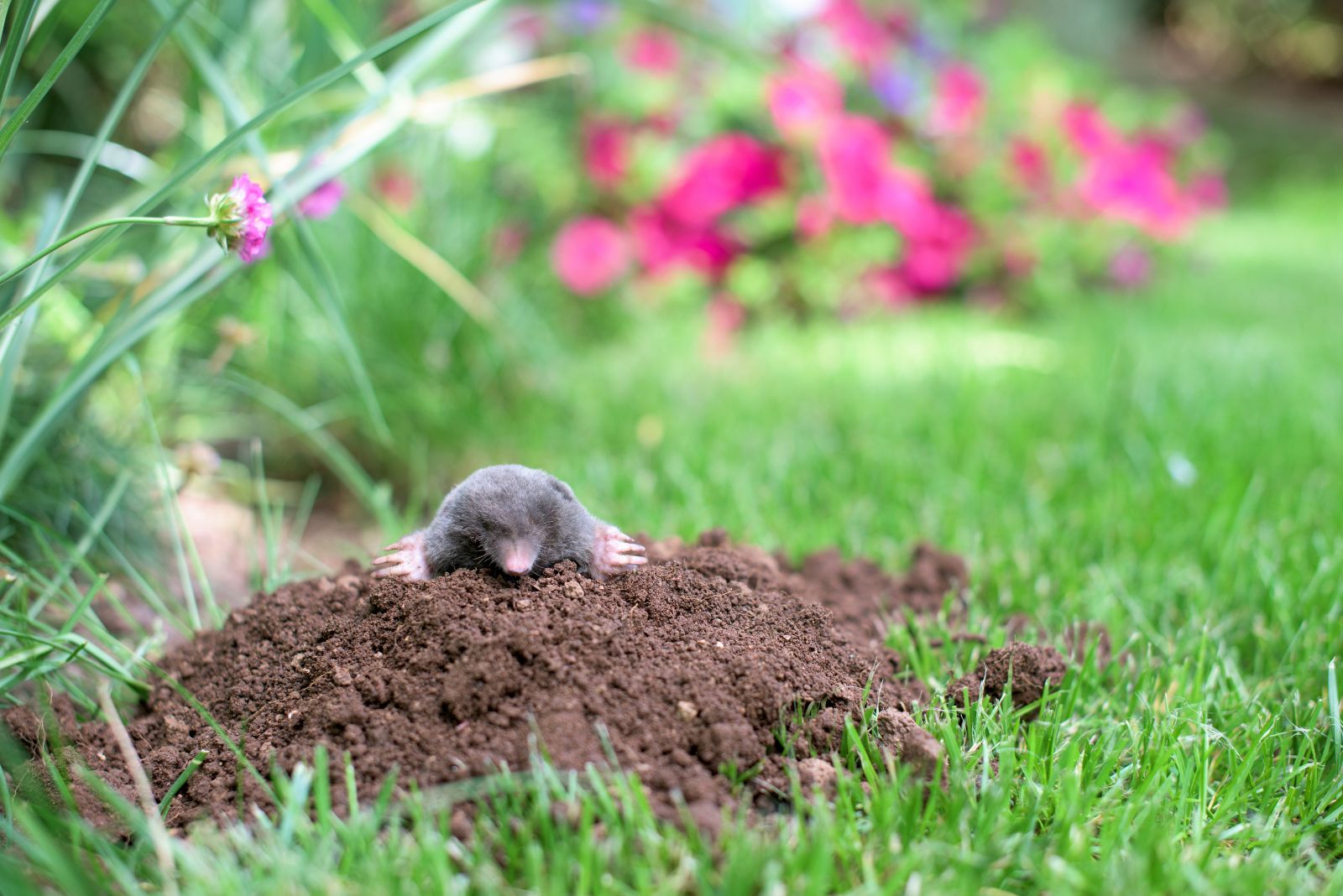
Moles are frustrating in a very specific way. You walk out to your Pennsylvania yard one morning and there it is – a fresh trail of raised tunnels cutting across your lawn like something decided to redecorate overnight without asking.
You fill them in, you try a few remedies, and within days the tunnels are back, sometimes in a completely different spot just to keep things interesting. Here’s what most people don’t realize though.
Moles aren’t showing up in your Pennsylvania yard by accident. They’re there because your yard is actively giving them exactly what they want, and until you figure out what that is, no amount of traps or repellents is going to solve the problem for good.
The good news is that a lot of what attracts moles comes down to specific, fixable habits and conditions. Once you know what you’re dealing with, taking back your yard becomes a whole lot more manageable.
1. Overwatering Your Lawn
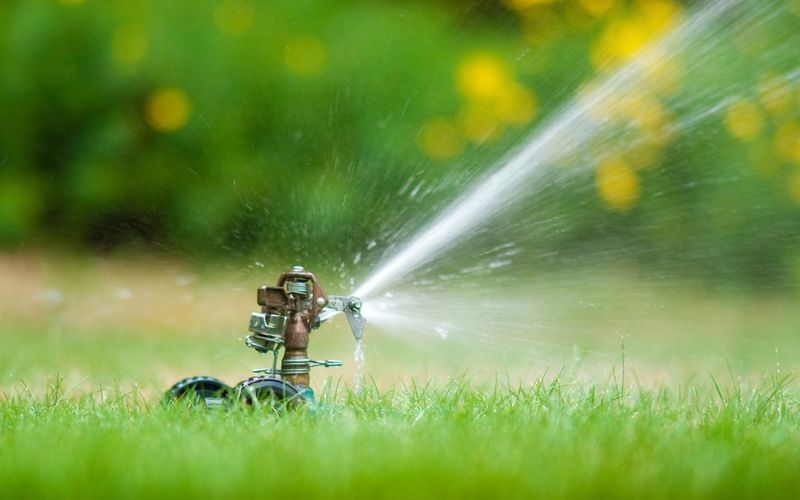
Watering your lawn feels like the responsible thing to do, especially during warm Pennsylvania summers. But too much of a good thing can quickly turn your yard into a mole magnet.
When you overwater, the soil stays constantly moist and soft, which creates the perfect underground environment for earthworms to thrive near the surface. Moles absolutely love earthworms. In fact, worms make up the biggest part of a mole’s diet.
When your lawn is soaking wet, worms migrate upward toward the surface, and moles follow right behind them. It’s basically like leaving a buffet out in your backyard every single day.
Pennsylvania homeowners often overwater without realizing it, especially when using automatic sprinkler systems set on a fixed schedule. The problem gets worse if your yard has clay-heavy soil, which holds moisture much longer than sandy soil does.
That trapped moisture keeps conditions ideal for worm activity around the clock. A simple fix is to water deeply but less often. Most Pennsylvania lawns only need about one inch of water per week, including rainfall.
Instead of watering a little every day, try watering once or twice a week and letting the soil dry out slightly between sessions. This small change reduces worm activity near the surface, which makes your yard far less attractive to hungry moles looking for an easy meal.
Check your soil moisture before watering by pressing a finger about two inches into the ground. If it still feels damp, hold off.
Giving your lawn time to breathe between waterings is one of the easiest ways to make it less appealing to moles.
2. Letting Grub Populations Grow
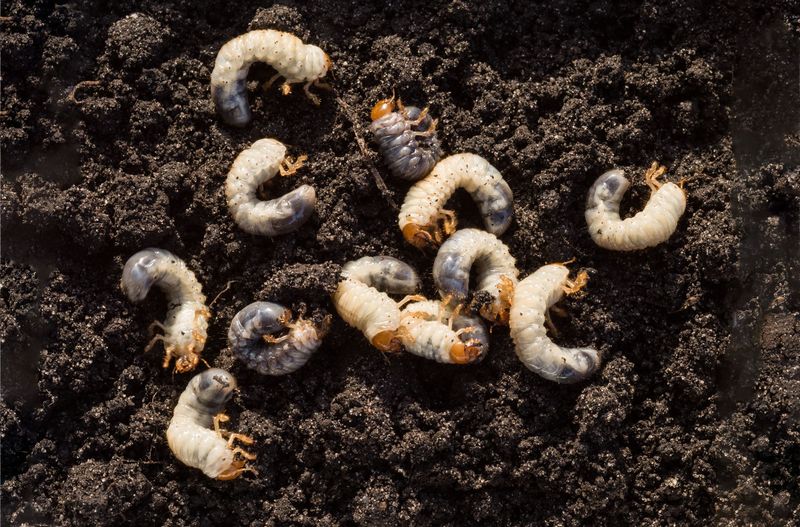
Grubs are the larvae of beetles, and they live just beneath the surface of your lawn feeding on grass roots.
You might not even know they’re there until your grass starts thinning out or pulling up like a loose carpet. But moles know they’re there, and that’s a big problem for Pennsylvania homeowners.
While moles prefer earthworms, they won’t say no to a grub either. A lawn loaded with grubs sends a signal that the soil is rich with food, and moles will start digging to investigate.
Your Pennsylvania Garden Changes Every Week. Your Plan Should Too.
Gardening in Pennsylvania changes quickly throughout the season. Every Friday you’ll receive a simple weekly plan showing exactly what to plant, prune, fertilize, harvest, and protect so you never miss the right timing.
Even if moles don’t eat every grub they find, the digging itself causes serious damage to your yard’s root system and appearance.
Grub populations tend to spike in late summer across Pennsylvania when beetles lay their eggs in warm, moist soil.
If you’ve ever seen Japanese beetles or June bugs hovering around your yard, there’s a good chance their larvae are already underground. The more beetles you see above ground, the more grubs are likely developing below.
Treating your lawn for grubs before populations get out of control is a smart move. Beneficial nematodes are a natural, chemical-free option that many Pennsylvania gardeners swear by.
These microscopic organisms attack grubs underground without harming your grass, pets, or the environment.
You can also apply grub-control products in early summer before eggs hatch. Timing matters a lot here.
Treating too late in the season means the grubs are already too large for most products to work effectively. Stay ahead of the cycle, and moles will find your Pennsylvania lawn far less tempting.
3. Ignoring Soil Health (Too Loose Or Rich Soil)
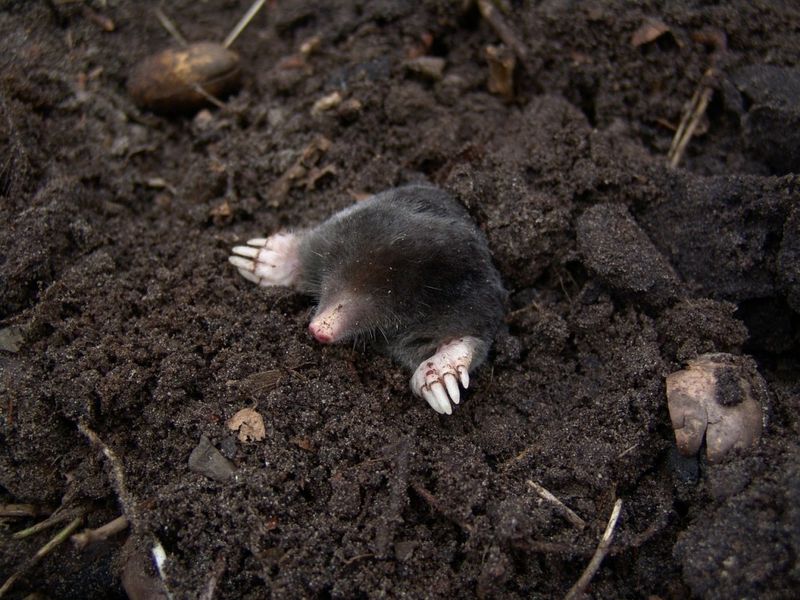
Healthy soil sounds like a goal every homeowner should chase, but there’s a point where your soil becomes too inviting for underground pests. Moles are built for tunneling, and soft, loose, well-aerated soil makes their job incredibly easy.
If your Pennsylvania lawn has rich, fluffy soil full of organic matter, you may have accidentally created a mole paradise.
Soil that’s been heavily amended with compost or organic fertilizer tends to attract more insects and earthworms. More insects mean more food for moles, and easier digging means they can cover more ground quickly.
It’s a combination that works perfectly in their favor and against yours. This doesn’t mean you should stop caring for your soil altogether. Healthy soil is important for a thriving lawn.
The key is balance. Over-aerating or adding too much organic material at once can loosen the soil structure to the point where moles can tunnel through it with almost no effort.
Try to avoid aerating your lawn more than once a year. Core aeration is great for compacted soil, but doing it too frequently just makes tunneling easier for moles.
Also, spread compost in thin, even layers rather than dumping thick amounts all at once. This keeps your soil healthy without making it too loose.
Pennsylvania lawns with naturally sandy or silty soil need to be especially careful. These soil types drain quickly but also compact unevenly, creating soft pockets underground that moles love to exploit.
Monitoring your soil texture and adjusting your lawn care routine accordingly can go a long way in keeping moles from settling in.
4. Leaving Mulch Beds Thick And Undisturbed
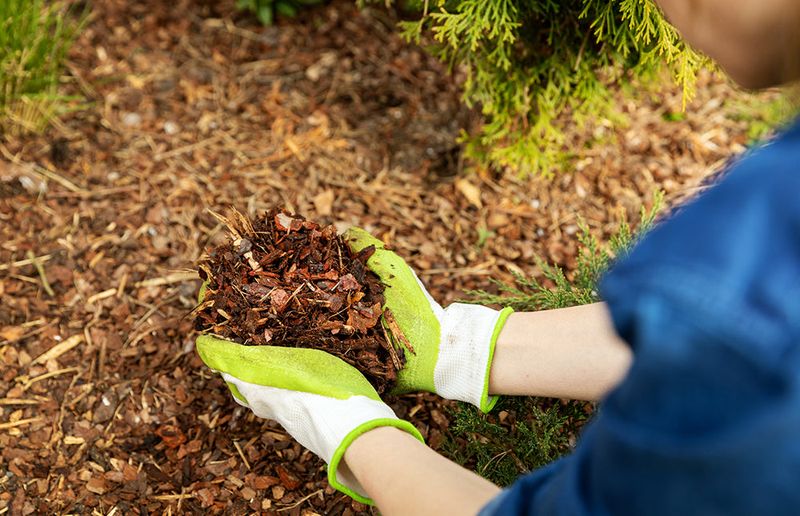
Mulch beds look great and serve a real purpose in any Pennsylvania garden. They hold moisture, regulate soil temperature, and suppress weeds.
But when mulch is piled on thick and left untouched for months, it starts doing something you probably didn’t intend: attracting moles.
Deep mulch layers, especially those three or more inches thick, trap moisture and warmth underneath. That creates a cozy habitat for insects, worms, and grubs to gather just beneath the surface.
Since moles are constantly hunting for food, they’re naturally drawn to areas where prey is concentrated and easy to reach.
Mulch beds that sit right next to your home’s foundation or along garden borders are particularly risky. These spots are often undisturbed for long stretches of time, which means insects can build up without anything disrupting them.
Moles can slip into these areas quietly and begin tunneling without you noticing until the damage is already done.
Keeping your mulch depth between one and two inches is a smarter approach for Pennsylvania homeowners. This still gives you the benefits of mulching without creating the thick, moist layer that insects and moles find so appealing.
Raking and fluffing your mulch every few weeks also helps by disrupting the settled, undisturbed conditions that attract pests.
Pay extra attention to mulch beds near wooded areas or fence lines. These spots already serve as natural corridors for wildlife moving through your yard.
Adding thick, wet mulch near these zones practically invites moles to set up camp. A little extra attention to your mulch management can make a noticeable difference in mole activity across your Pennsylvania property.
5. Watering In The Evening Or Too Frequently
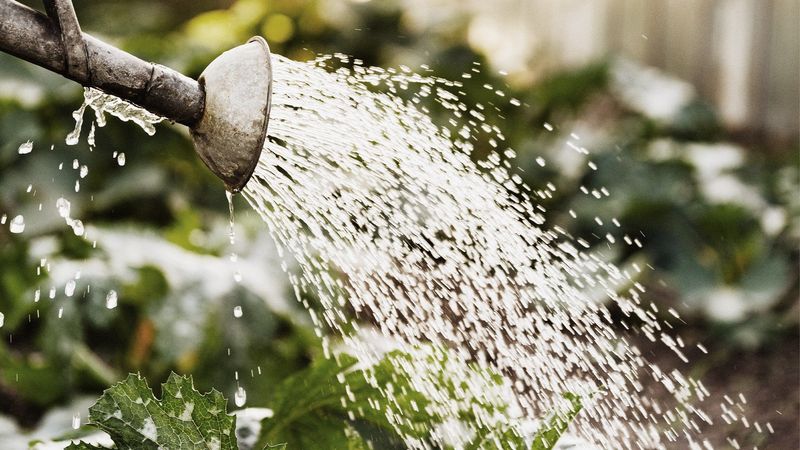
Timing your lawn watering might not seem like a big deal, but it actually plays a huge role in whether moles find your yard attractive.
Watering in the evening is one of the most common habits Pennsylvania homeowners have, and it’s also one of the most problematic when it comes to mole activity.
When you water at night, the moisture sits in the soil for hours without evaporating. This keeps the ground consistently damp through the overnight hours, which is exactly when earthworms are most active near the surface.
And since moles are nocturnal hunters, they’re out searching for food during those same dark hours. You’re essentially syncing up the worm schedule with the mole schedule.
Frequent watering compounds the problem even more. If you’re running your sprinklers every single day, even for short sessions, the soil never gets a chance to dry out.
Constant moisture near the surface keeps worms active and accessible, turning your lawn into an easy hunting ground night after night.
Morning watering is a far better option for Pennsylvania yards. Watering between six and ten in the morning gives the sun and wind enough time to evaporate excess surface moisture before evening.
This reduces the overnight dampness that draws worms and moles to the surface during their most active hours.
Switching to a less frequent watering schedule also helps. Aim for deep, infrequent watering sessions rather than short daily ones.
This encourages grass roots to grow deeper, improves overall lawn health, and reduces the shallow soil moisture that moles depend on for easy hunting. Small scheduling changes can have a big impact on mole activity in your Pennsylvania yard.
6. Not Maintaining Lawn Edges And Borders
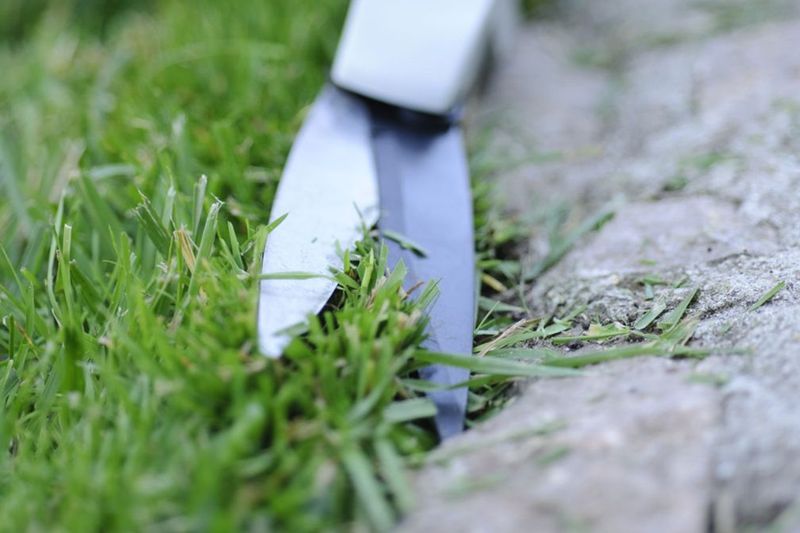
Moles don’t usually appear out of nowhere in the middle of a wide-open lawn. More often, they sneak in from the edges, particularly along overgrown borders, fence lines, and areas where your yard meets a wooded patch.
In Pennsylvania, where many neighborhoods back up to forests, fields, or creek beds, unmaintained lawn edges are an open invitation.
Tall grass, leaf piles, and dense weeds along your yard’s borders create natural cover for moles as they explore new territory. These areas also tend to hold more moisture and harbor more insects, giving moles both shelter and food right at your property line.
Once they find a comfortable entry point, they’ll tunnel inward and spread throughout your yard.
Neglected edges also make it harder to spot mole activity early. Raised tunnels and soft soil are easy to miss when they’re hidden under thick grass or leaf debris.
By the time you notice the damage, moles may already have an extensive network of tunnels running under your lawn.
Keeping your lawn edges trimmed and clean is a simple but powerful preventive step. Mow along borders regularly and remove accumulated leaves or debris that pile up near fences or tree lines.
Edging along garden beds and sidewalks also removes the dense ground cover that moles use as cover when scouting new areas.
If your Pennsylvania yard borders a wooded area, consider installing an underground wire mesh barrier along those edges. Burying it about a foot deep can block moles from tunneling in from adjacent natural areas.
Combined with regular maintenance, clean and well-kept lawn borders are one of your best defenses against mole invasions spreading across your property.