The 8 Plants Oregon Gardeners Cut Back Hard In Spring For Bigger Blooms Later
Spring pruning can feel a little dramatic, especially when you’re staring at a perfectly alive plant and thinking, “So… I’m supposed to chop this back?”
But in Oregon gardens, a bold haircut at the right time can turn certain perennials and shrubs into total bloom machines later on.
The cool, damp start to the season gives plants a chance to bounce back with fresh stems, fuller growth, and more flower power once warmer days settle in.
Some plants actually bloom better when last year’s tired stems get cleared out, while others need a hard reset to avoid flopping, tangling, or looking like they partied too hard all winter.
The trick is knowing which ones can handle the big snip and which ones prefer a gentler touch.
1. Salvia
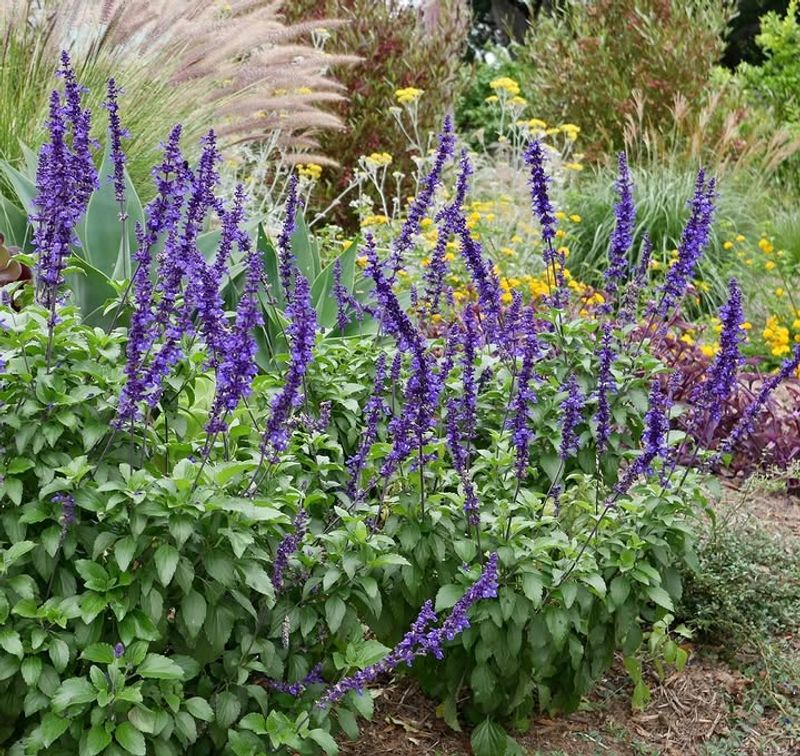
Few plants reward a hard spring cutback quite like salvia. In Oregon’s mild but wet winters, salvia stems can get woody, tangled, and messy by the time spring rolls around.
Cutting it back hard, often to just a few inches above the ground, encourages the plant to push out fresh, vigorous new growth that leads to longer and more dramatic flower spikes later in summer. Gardeners in the Willamette Valley can often start a bit earlier than those in higher-elevation areas like Bend or Ashland.
Use clean, sharp pruning shears and cut the old stems down to where you can see new green buds forming near the base.
After cutting, give salvia a light feeding with a balanced fertilizer to help it recover quickly. A little compost worked into the soil around the base goes a long way.
Within a few weeks, you will notice strong new stems shooting up, ready to produce those gorgeous purple or red flower spikes that pollinators and hummingbirds absolutely love throughout the Oregon summer.
2. Catmint
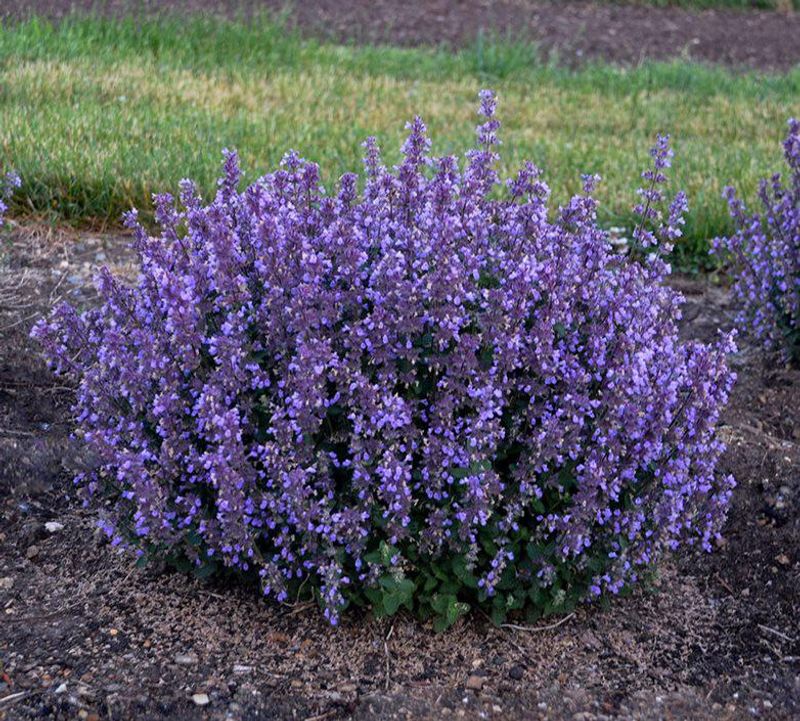
Catmint is one of those plants that looks a little rough at the end of winter, with floppy, frost-damaged stems flopping over in every direction. But do not let that fool you.
A hard cutback in early spring transforms this plant into a tidy, energized mound that comes back fuller and more floriferous than ever. Oregon gardeners who skip this step often end up with a leggy, sparse plant that blooms weakly.
Cut catmint back to about three to four inches above the ground. Hedge shears work great for this job since catmint tends to spread into a wide clump.
You want to remove all the old, dried-out growth and leave just a low, rounded mound behind. It might look a little stark at first, but new growth appears fast.
One fun fact: catmint is incredibly drought-tolerant once established, which makes it a smart choice for Oregon gardens east of the Cascades where summers can get dry. The lavender-blue flowers that follow a hard spring cutback are longer-lasting and more densely packed, making the whole plant look like it is covered in a purple haze from late spring through midsummer.
3. Russian Sage
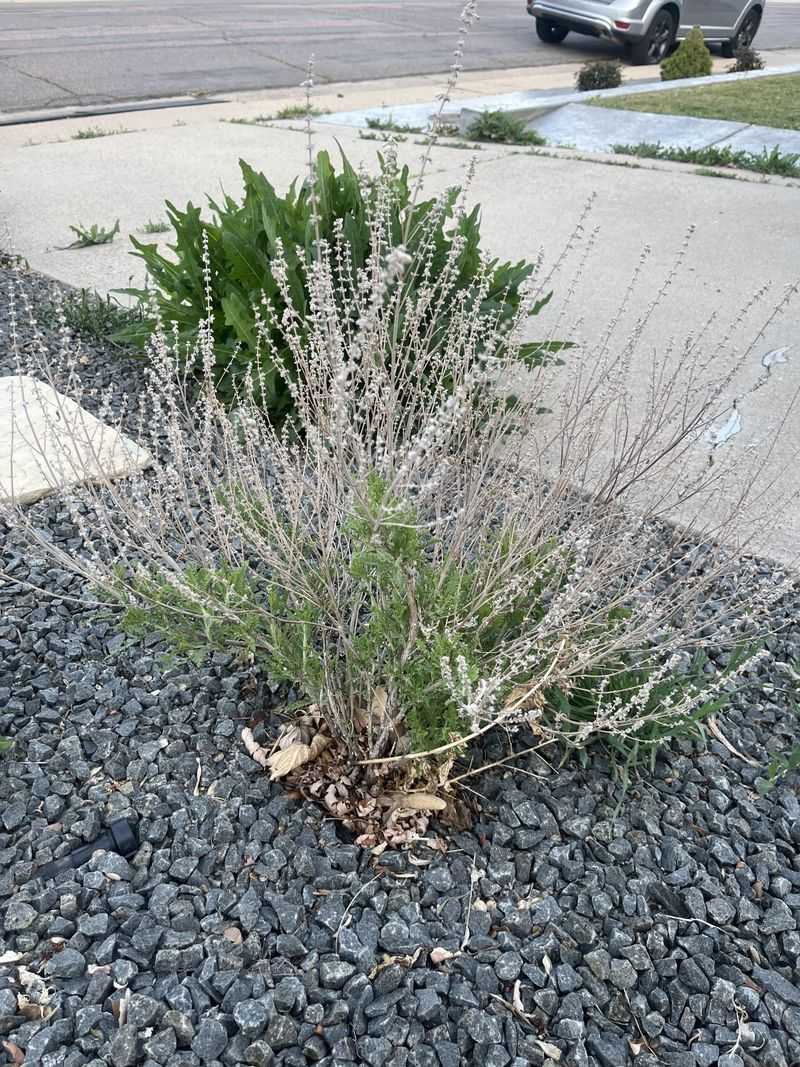
Russian sage has a reputation for being a tough, no-fuss plant, and that reputation is well-earned. But even the toughest plants need a reset now and then.
Your Oregon Garden Changes Every Week. Your Plan Should Too.
Gardening in Oregon changes quickly throughout the season. Every Friday you’ll receive a simple weekly plan showing exactly what to plant, prune, fertilize, harvest, and protect so you never miss the right timing.
By late winter in Oregon, Russian sage looks like a tangle of silver-white sticks poking out of the ground. That is your cue to grab your loppers and cut the whole thing back hard, right down to about four to six inches from the base.
This plant blooms on new wood, which means the fresh stems it grows in spring are exactly where those long, airy spikes of lavender-blue flowers will appear in summer. Skipping the cutback means the plant struggles to push through all that old woody growth, and the result is fewer flowers on a messier-looking plant.
In Oregon’s wetter climates, old stems can also trap moisture and lead to crown rot if left in place too long.
After cutting, Russian sage recovers quickly, especially once the soil warms up in May. It is a fantastic plant for dry, sunny spots in the garden and pairs beautifully with ornamental grasses and lavender.
Gardeners in central Oregon particularly love it because it handles the region’s hot summers and cold winters without much fuss at all.
4. Caryopteris (Bluebeard)
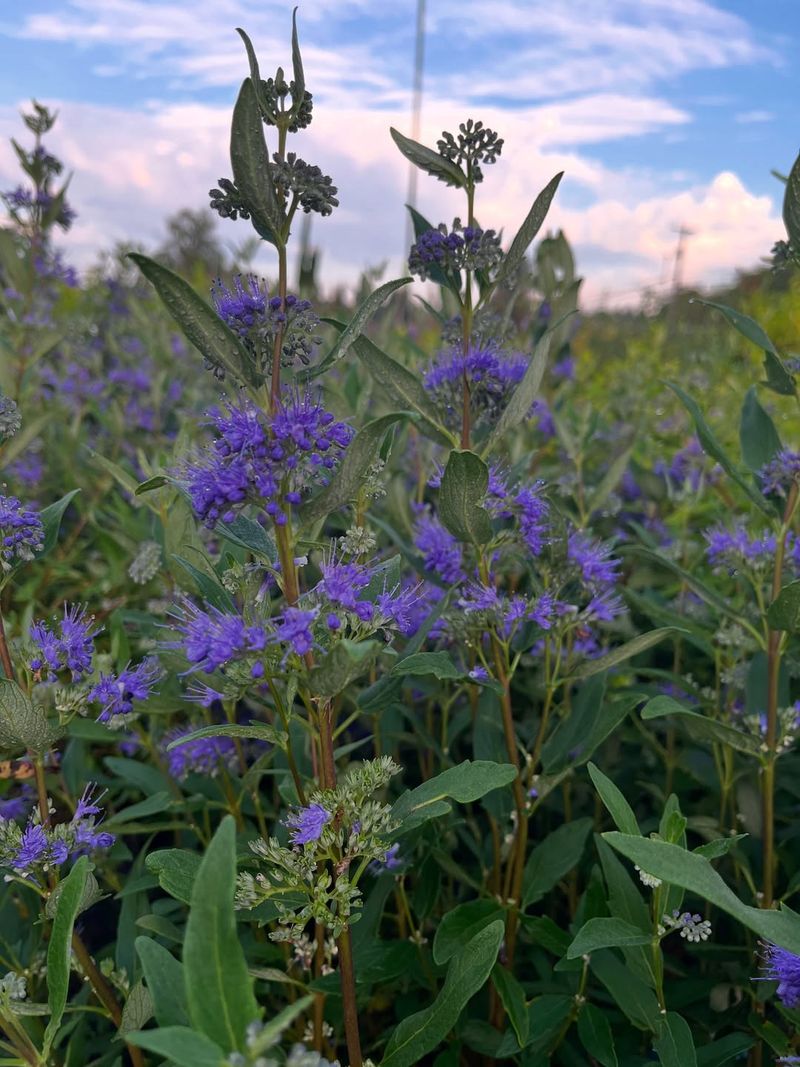
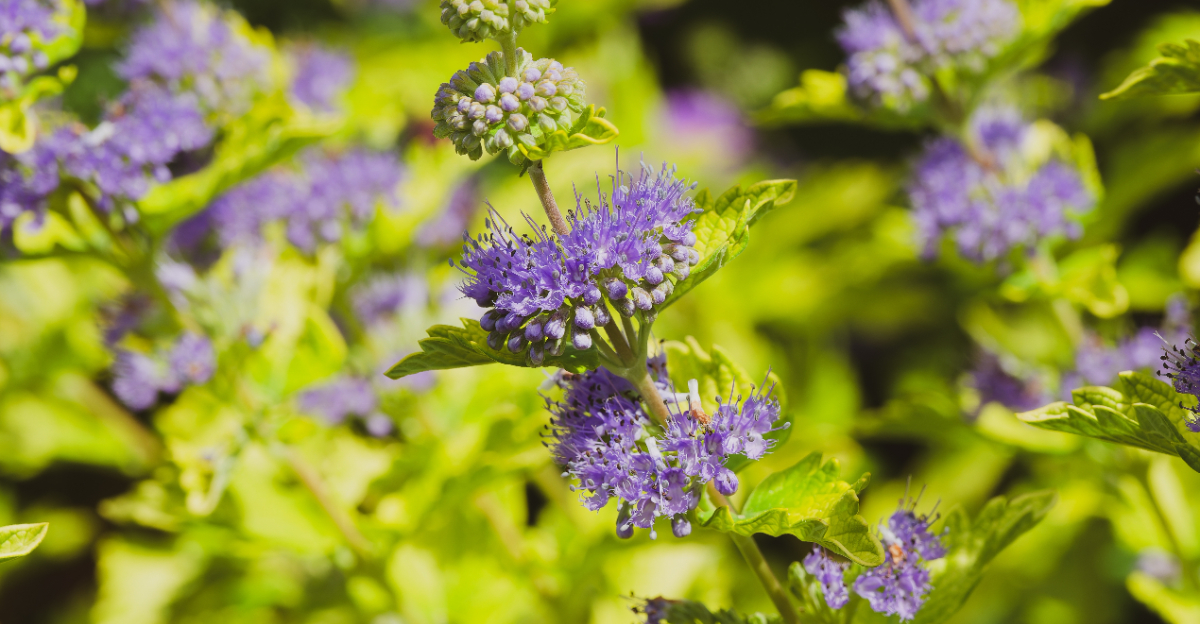
Caryopteris, also called bluebeard, is one of those late-summer bloomers that earns its keep by producing clusters of brilliant blue flowers when most other plants are starting to wind down. The trick to getting that late-season payoff is a firm cutback in early spring.
Without it, caryopteris becomes a tangle of old, brittle wood that produces sparse, disappointing flowers.
Cut caryopteris back hard, removing nearly all the previous year’s growth and leaving just two to four inches of woody stem above the ground. New shoots will emerge from the base and along those short stubs quickly once the soil warms.
Oregon’s mild springs are perfect for this recovery phase, and by June the plant is already putting on noticeable new growth.
Bluebeard thrives in full sun and well-drained soil, so if your Oregon garden has a dry, sunny slope or a gravel bed, this is your plant. The silvery-gray foliage is aromatic and adds texture even before the flowers appear.
When those deep blue blooms open in August and September, they are a magnet for bees, especially bumblebees, which are common and welcome visitors in Pacific Northwest gardens. A hard spring cutback makes all the difference in the size and quality of that flower display.
5. Hardy Geranium
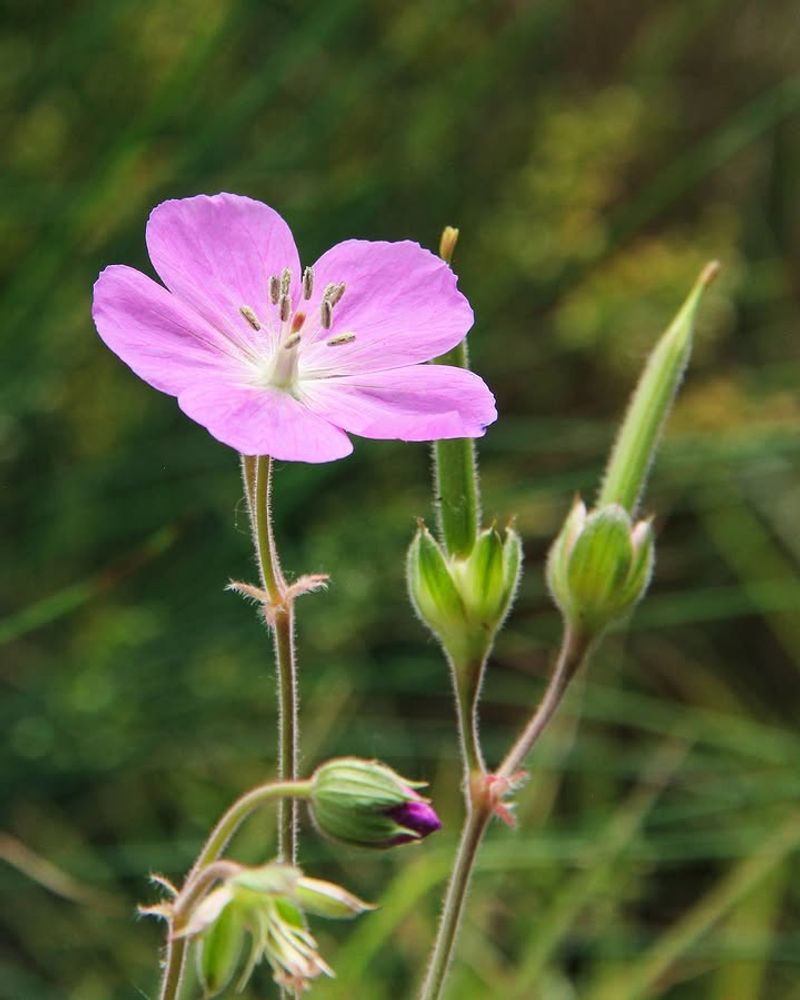
Hardy geraniums, also called cranesbills, are workhorses in the Oregon garden. They spread cheerfully, bloom generously, and ask for very little in return.
But by late winter, most varieties look pretty ragged, with dead brown leaves matted over the crown and old stems going nowhere. A hard cutback in early spring cleans all that up and gives the plant a fresh start.
Cut the entire clump back to just a few inches above the ground. You can use hedge shears or even a pair of scissors for smaller varieties.
The new growth that emerges will be clean, bright green, and noticeably more vigorous than the old stuff. Many Oregon gardeners are surprised at how quickly hardy geraniums bounce back after such an aggressive trim.
Most varieties of hardy geranium will reward this treatment with a more prolific bloom in late spring and early summer, followed by a possible second flush if you cut them back again lightly after the first bloom fades. Popular varieties like Rozanne and Johnson’s Blue do especially well with this approach.
In Oregon’s Willamette Valley, where spring comes early and summers stay mild, hardy geraniums can bloom for months when given a good spring reset.
6. Ornamental Grasses
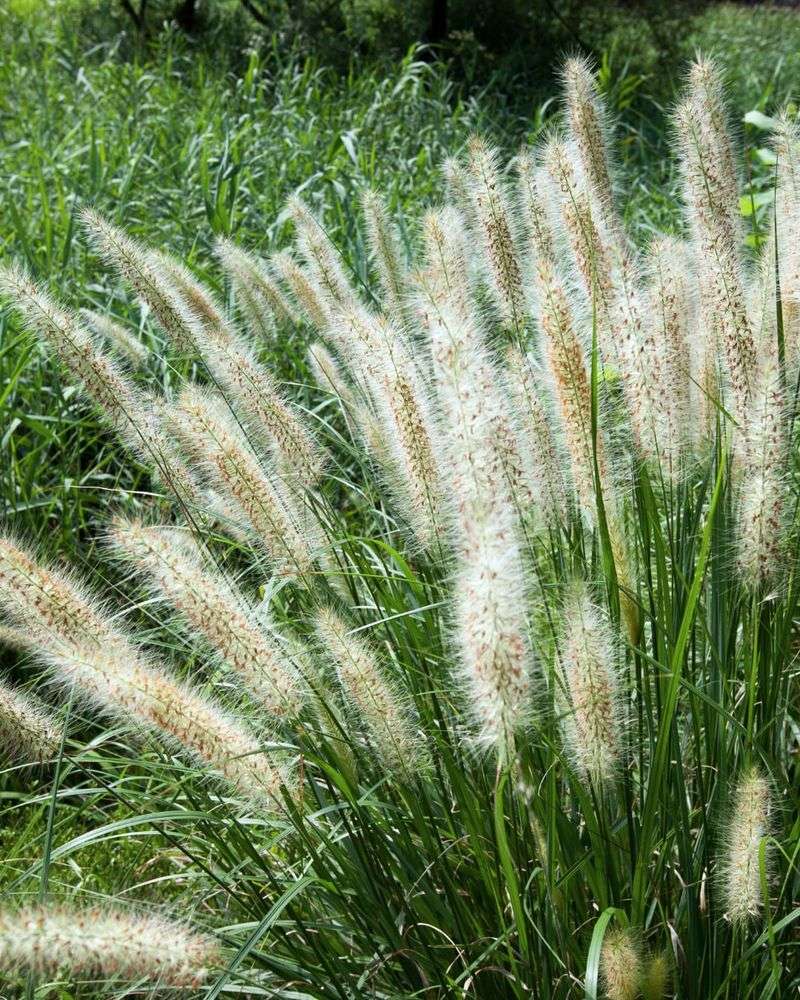
Ornamental grasses bring incredible texture and movement to Oregon gardens, but they need a firm cutback every spring to stay looking their best. By late winter, the old foliage is brown, floppy, and often matted with debris.
Cutting the whole clump back to about six to eight inches from the ground before new growth begins is the single most important thing you can do for these plants.
The key is timing. Cut ornamental grasses back before the new green shoots start pushing up from the center.
If you wait too long, you risk cutting off new growth along with the old. For large clumps like miscanthus or pampas grass, a reciprocating saw or even a chain saw makes the job much easier.
Smaller grasses like blue fescue can be trimmed with hand shears.
After cutting, tie the old grass into bundles before you start trimming to make cleanup easier. The new growth that emerges in spring is fresh, upright, and full of life.
By midsummer, most ornamental grasses in Oregon gardens will have grown back to their full size and will be swaying gracefully in the breeze, often topped with feathery plumes that catch the light beautifully in the late afternoon sun.
7. Penstemon
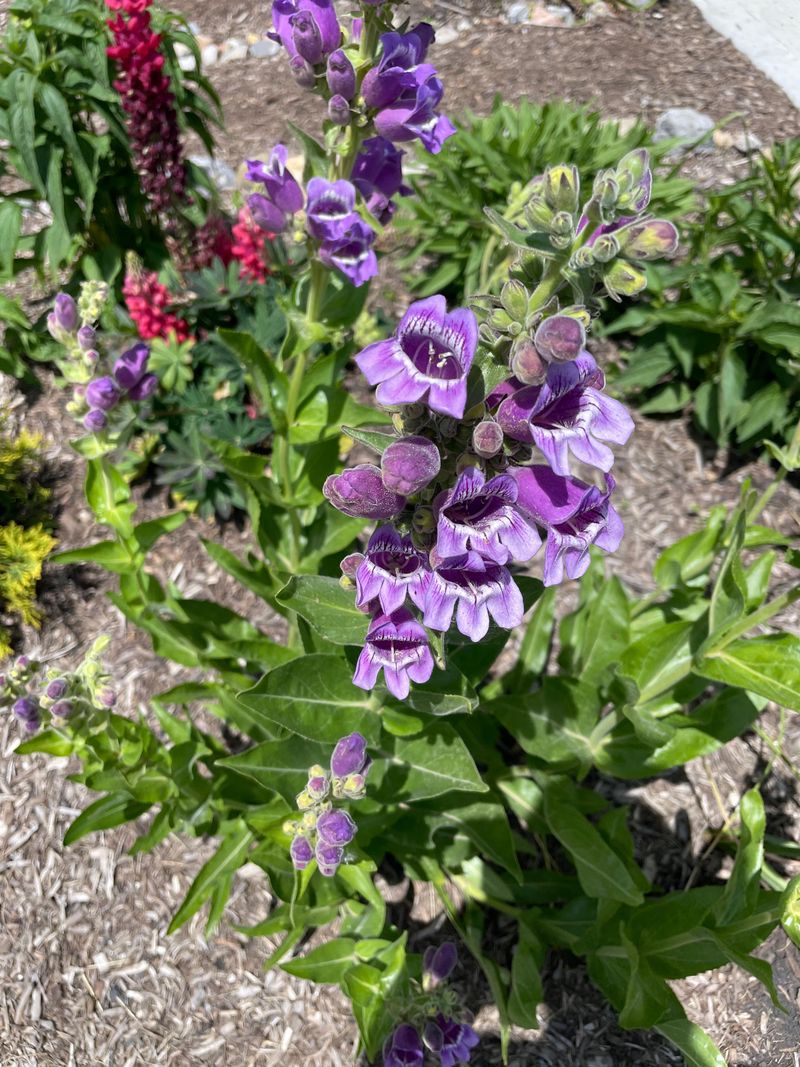
Penstemon is a Pacific Northwest native that looks absolutely stunning when it is happy, producing tall spikes covered in tubular flowers in shades of pink, red, purple, and white. Oregon gardeners love it because it handles the region’s dry summers well once established.
But like many perennials, it benefits greatly from a firm trim in early spring to keep it from getting woody and sparse.
Cut penstemon back by about half to two-thirds. Unlike some plants on this list, you do not always need to cut it all the way to the ground.
Look for healthy green growth at the base of the plant and cut back to just above that point. This encourages the plant to branch out and produce more flowering stems rather than sending energy into a few long, leggy stalks.
In Oregon, penstemon pairs beautifully with salvias, ornamental grasses, and catmint in sunny, well-drained borders. Hummingbirds are especially fond of the tubular flowers, so planting a patch near a window or seating area gives you a front-row seat to the show.
After a good spring cutback, penstemon comes back fuller and more floriferous, easily producing dozens of flower spikes that bloom from late spring well into summer across the Pacific Northwest.
8. Autumn Joy Sedum
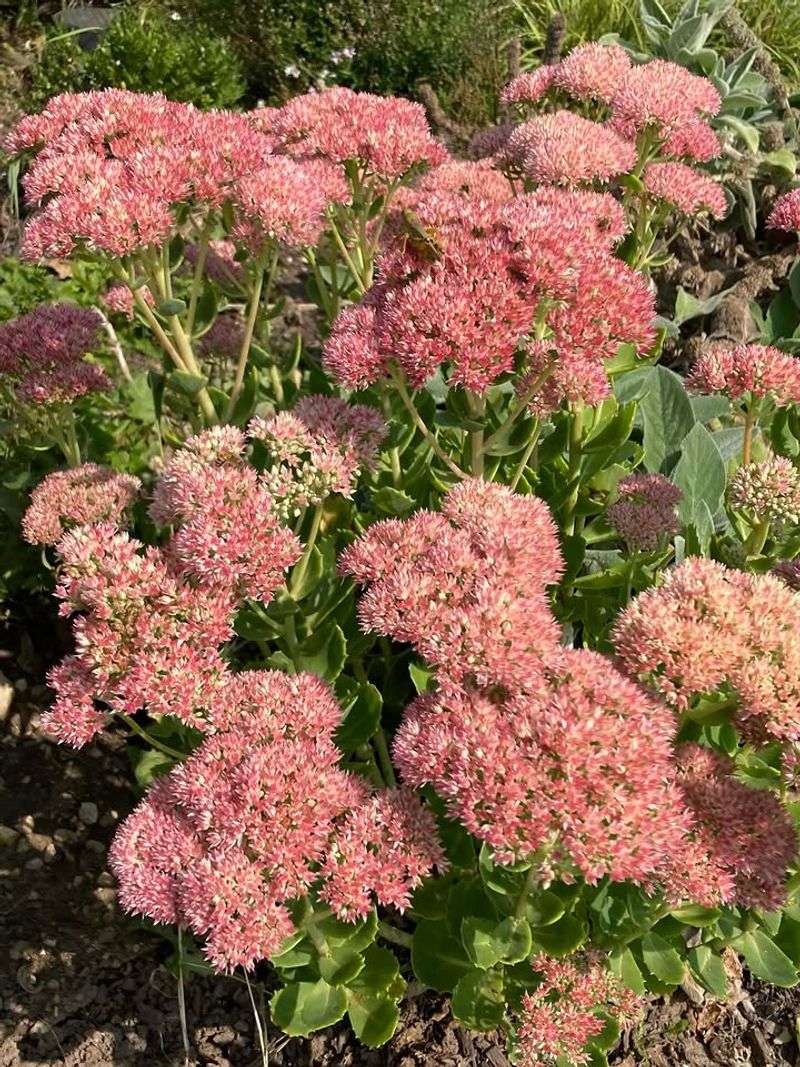
Autumn Joy sedum is a garden classic for good reason. Its fleshy, succulent stems hold up through the worst of Oregon’s wet winters, and the dried flower heads that remain from the previous fall actually add some interest to the winter garden.
But come spring, it is time to cut all of that old growth away so the plant can focus its energy on producing strong new stems and the biggest possible flower heads come fall.
Cut Autumn Joy sedum back to just two to three inches above the ground. You will likely see plump, rosy-pink new buds already pushing up from the base, which is a satisfying sign that the plant is ready to grow.
The cut stems are clean and easy to remove, and the whole job usually takes just a few minutes per plant.
One thing Oregon gardeners appreciate about Autumn Joy sedum is that it thrives in both the rainy west side of the Cascades and the drier east side, making it one of the most adaptable perennials in the state. After a hard spring cutback, the plants develop into tidy, upright clumps topped with flat flower heads that open green, then turn pink, then deepen to a rich coppery red by early fall, offering months of color and interest.