Easy To Grow Flowers To Plant In May In Texas
May is basically a green light for Texas gardeners. The temperatures are climbing, the soil has fully woken up, and there’s still just enough mild weather left to give new plants a solid head start before the serious heat moves in.
If you’ve been waiting for the right moment to get flowers in the ground, this is genuinely it. The best part?
You don’t need a green thumb, a fancy irrigation system, or hours of free time to pull this off. Some of the most beautiful flowers you can grow in Texas are also the easiest ones to deal with.
They go in the ground, they settle in, and they start doing their thing with very little fussing from you.
Whether you’re a total beginner or just someone who wants more color without more work, these flowers are exactly what your Texas garden needs this May. Your yard is about to look really good.
1. Zinnias
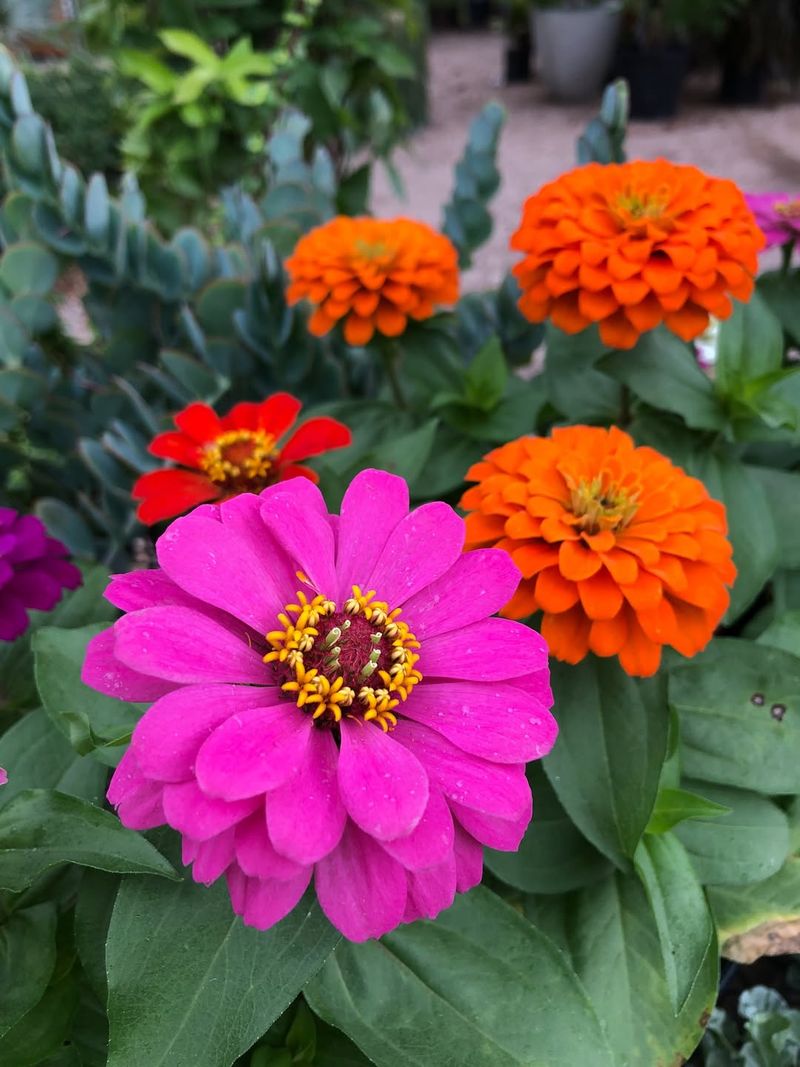
Few flowers match the energy and boldness of zinnias in a Texas garden. These cheerful bloomers are practically made for the Lone Star State, loving every bit of heat the summer throws at them.
Plant them in May and you will be rewarded with non-stop color from June all the way through fall.
Zinnias are one of the easiest flowers to grow from seed. Just scatter them directly into warm garden soil, water lightly, and watch them sprout within days.
No fancy tools or special soil needed. They grow fast, which makes them super satisfying for first-time gardeners and kids alike.
In Texas, full sun is their best friend. Give them at least six to eight hours of direct sunlight daily for the strongest plants and the biggest blooms.
They do not need much water once established, which is a big bonus during those dry Texas summers.
Deadheading spent blooms encourages even more flowers to grow. Simply pinch off faded flowers every few days and the plant will keep producing.
Zinnias also attract butterflies and pollinators, making your garden feel alive and buzzing. With dozens of colors and varieties available, you can mix and match to create a garden that is totally your own style.
2. Portulaca / Moss Rose
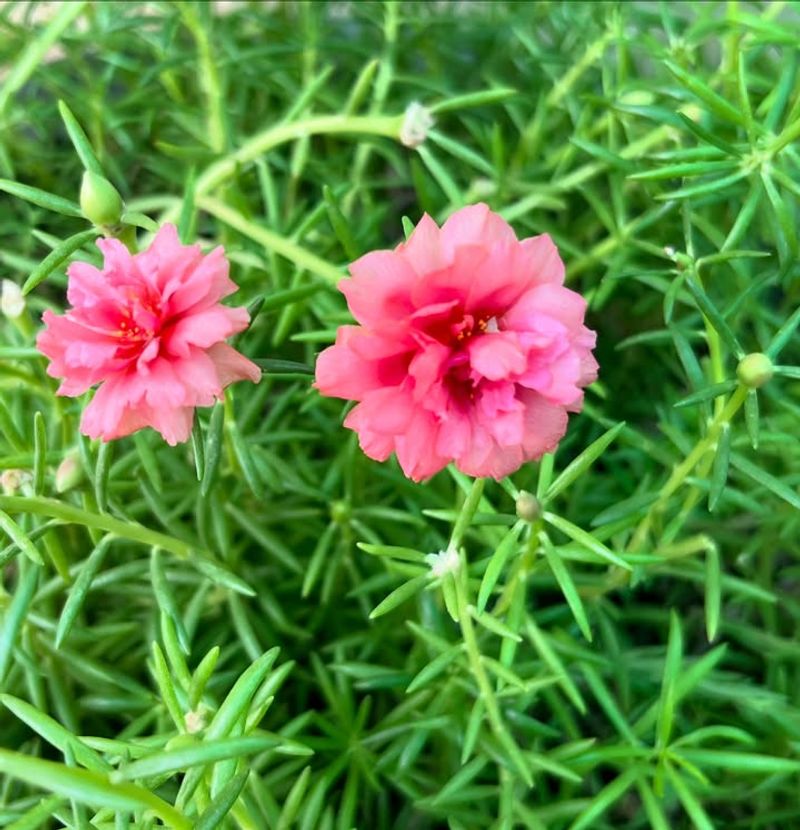
If you have ever tried to grow flowers in rocky, sandy, or nearly waterless soil, portulaca is about to become your new favorite plant.
Also called moss rose, this low-growing beauty thrives in exactly the kind of tough conditions that make other flowers give up. Texas gardeners absolutely love it for that reason.
Portulaca produces silky, jewel-toned flowers in shades of hot pink, orange, yellow, red, and white. The blooms open wide in full sun and close at night, almost like little flowers that go to sleep.
Plant them along borders, in containers, or even in rock gardens for a pop of color that needs almost no attention.
May is the ideal time to plant portulaca across Texas because the warm soil helps seeds germinate quickly. You can direct sow seeds or transplant small seedlings either way works well.
Your Texas Garden Changes Every Week. Your Plan Should Too.
Gardening in Texas changes quickly throughout the season. Every Friday you’ll receive a simple weekly plan showing exactly what to plant, prune, fertilize, harvest, and protect so you never miss the right timing.
Space them about six inches apart and let them spread naturally over the ground. Watering is minimal once established. In fact, overwatering is one of the few things that can cause problems with this plant.
Well-draining soil is key. These plants are also resistant to most pests, which means less worry for you.
For a no-fuss, high-color flower that loves the Texas heat, portulaca is truly unbeatable all season long.
3. Celosia
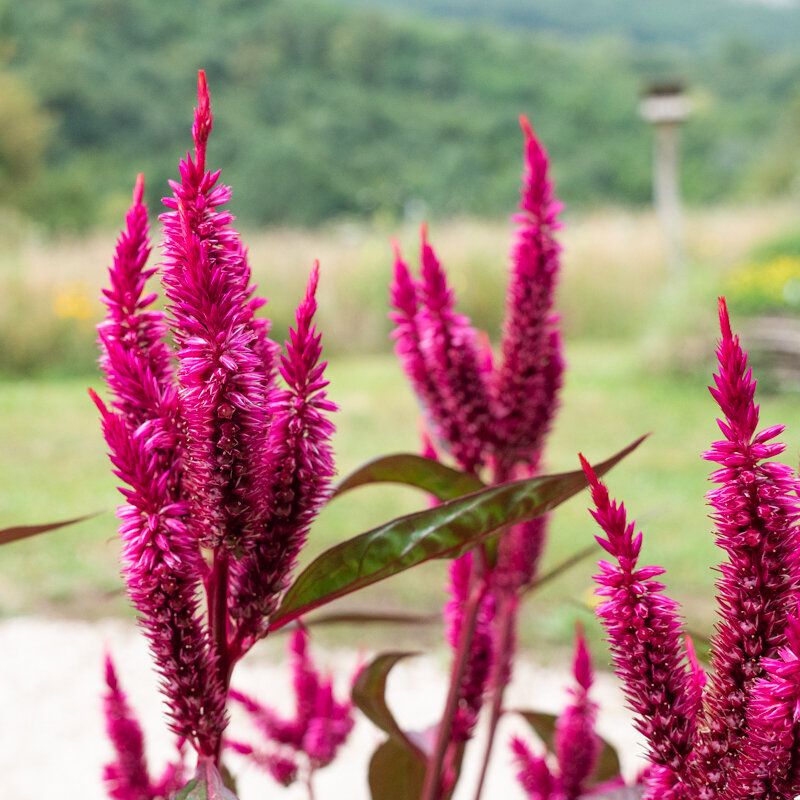
Walk through any Texas garden center in May and you will almost always spot celosia sitting front and center. Its wild, velvety plumes look almost too exotic to be real, yet this flower is one of the toughest heat-lovers you can grow in the state.
It thrives when temperatures climb and never seems to slow down. Celosia comes in two main styles: the plumed type with feathery spikes and the crested type with ruffled, brain-like blooms called cockscomb. Both are stunning.
Colors range from deep red and hot pink to golden yellow and soft cream. Plant a mix of varieties for a garden bed that looks like it belongs in a magazine.
In Texas, plant celosia in a sunny spot with well-draining soil. It handles drought reasonably well but grows fastest with consistent moisture during the hottest weeks.
A light layer of mulch around the base helps keep roots cool and reduces how often you need to water.
One fun fact about celosia is that it is edible. In parts of Africa and Asia, the leaves are used in soups and stews.
You probably will not be cooking yours, but it is a cool piece of trivia to share with neighbors. Celosia also dries beautifully, so you can cut and preserve the blooms to enjoy long after summer ends in Texas.
4. Vinca / Periwinkle
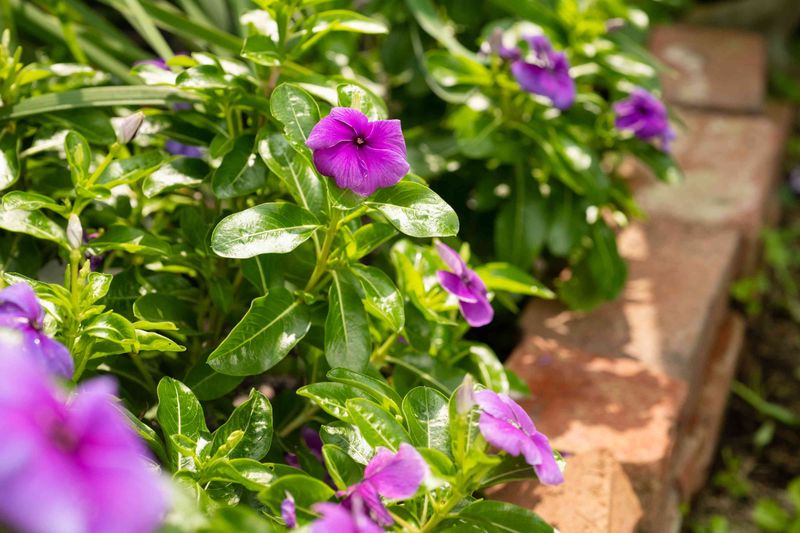
Texas summers can be brutal, but vinca does not seem to mind one bit. Also known as periwinkle, this tough little flower blooms continuously through the hottest months without missing a beat.
It is one of the most reliable summer flowers for gardeners across the state who want steady color without constant effort.
Vinca produces cheerful five-petaled flowers in shades of pink, red, white, lavender, and coral. The dark green, glossy leaves make the blooms pop even more.
Unlike some flowers that slow down in peak summer heat, vinca actually seems to hit its stride when temperatures rise above 90 degrees, which happens often in Texas.
Plant vinca in full sun for the best results. It can handle some light afternoon shade but truly shines in direct sunlight.
Good drainage is important because soggy soil can lead to root rot. Raised beds and containers work wonderfully if your yard tends to hold water after rain.
One of the best things about vinca is that it does not need deadheading. Old blooms fall off on their own and new ones keep coming, making it a totally hands-off flower for busy people.
It also resists most pests and diseases naturally. Whether lining a walkway in Austin or filling a container on a Dallas porch, vinca delivers bold, long-lasting color with very little work required from you.
5. Marigolds
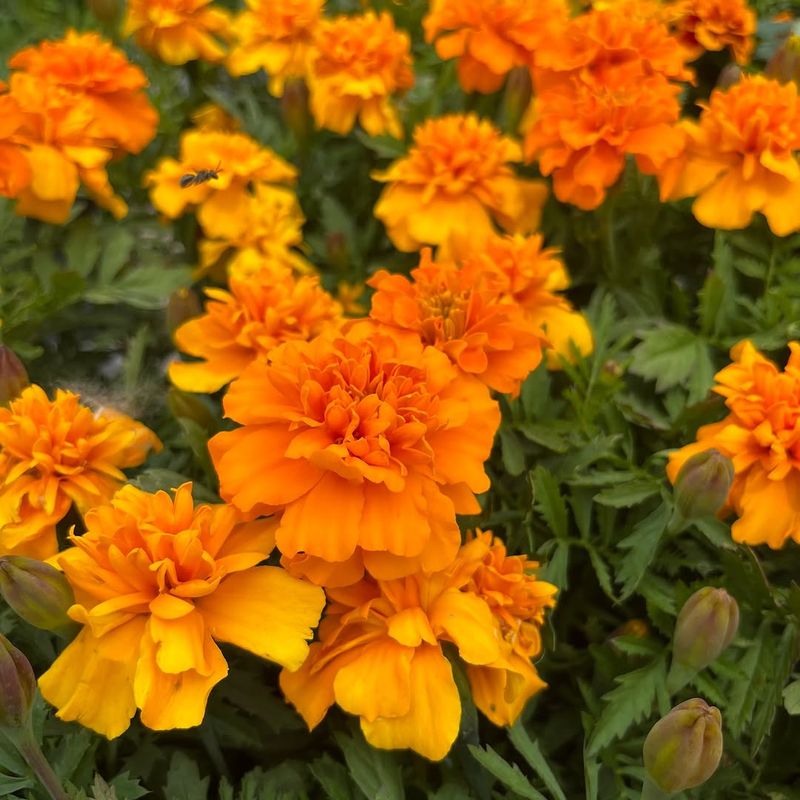
Marigolds have been a garden staple in Texas for generations, and there is a very good reason for that.
These golden, sun-colored flowers are tough, beautiful, and incredibly useful all at the same time. May is one of the best months to get them in the ground across the state.
Beyond their obvious beauty, marigolds are known as one of the best companion plants in any garden. They release a natural scent from their roots and leaves that many common garden pests find unpleasant.
Planting them near tomatoes, peppers, or other vegetables can help protect your food crops without using harsh chemicals. That is a win for any Texas gardener.
Marigolds grow best in full sun and well-draining soil. They are not fussy about soil quality, which makes them great for gardeners who are just starting out.
Water them regularly when young, then back off once they are established. In the heat of a Texas summer, a deep watering two or three times a week is usually enough.
Did you know marigolds have been used in celebrations and rituals for thousands of years? In Mexico, they are closely tied to the Day of the Dead tradition and are grown in massive quantities each fall.
Their strong fragrance and vivid color make them meaningful far beyond just a pretty garden flower. In Texas, they bloom from spring through the first cool snap of fall.
6. Sunflowers
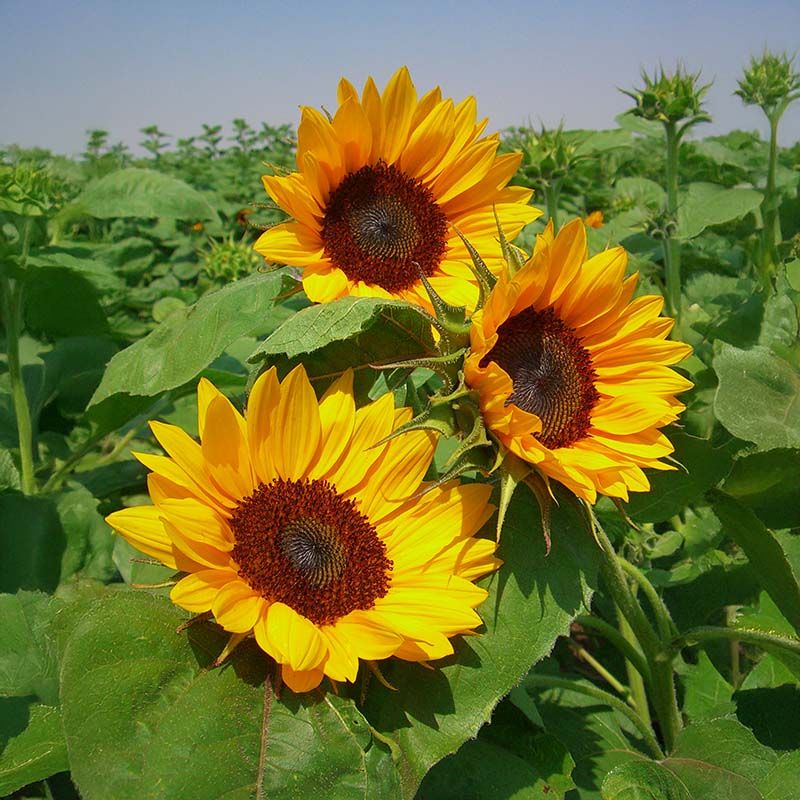
There is something almost magical about watching a sunflower grow from a tiny seed into a towering, golden giant in just a few weeks.
May is the perfect time to direct sow sunflower seeds across Texas because the warm soil speeds up germination and gets them growing fast. Most varieties will sprout within seven to ten days.
Sunflowers love full sun, obviously. Give them the sunniest spot in your yard and they will reward you with massive blooms that can reach six feet tall or more.
They are drought-tolerant once established, which makes them a smart choice for Texas summers when water bills can climb quickly. Their deep root systems pull moisture from far below the surface.
You do not need to be an experienced gardener to grow sunflowers successfully. Push seeds about an inch deep into loose soil, water them in, and step back.
They do most of the work themselves. Taller varieties may need staking if your area gets strong winds, which is common in parts of West Texas and the Panhandle.
Sunflowers are also incredibly generous plants. Their seeds feed birds throughout late summer and fall, turning your garden into a natural wildlife habitat.
Kids especially love growing them and measuring their height week by week. Whether you grow a single row along a fence or a whole patch in the backyard, sunflowers bring serious joy to any Texas garden.
7. Gomphrena
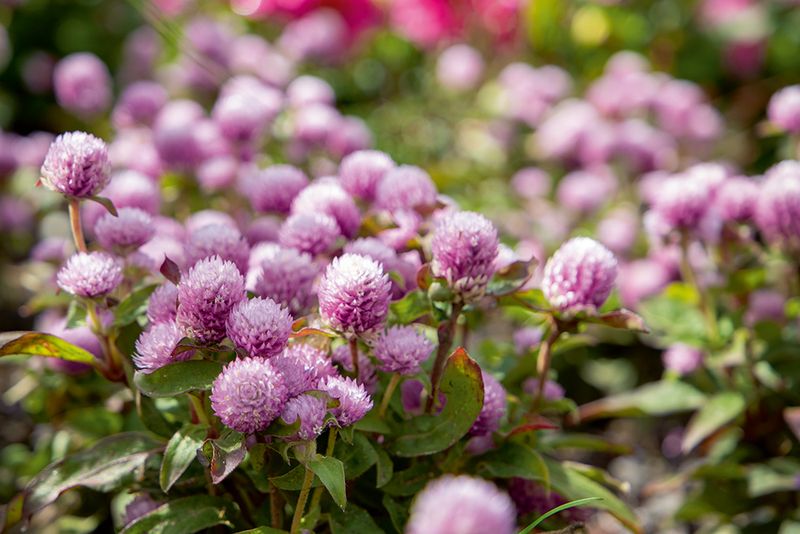
Not enough Texas gardeners know about gomphrena, and that is honestly a shame. This underrated flower is one of the most heat and drought-tolerant annuals you can grow in the state.
While other flowers struggle through July and August, gomphrena just keeps popping out those cheerful little globe-shaped blooms without a care in the world.
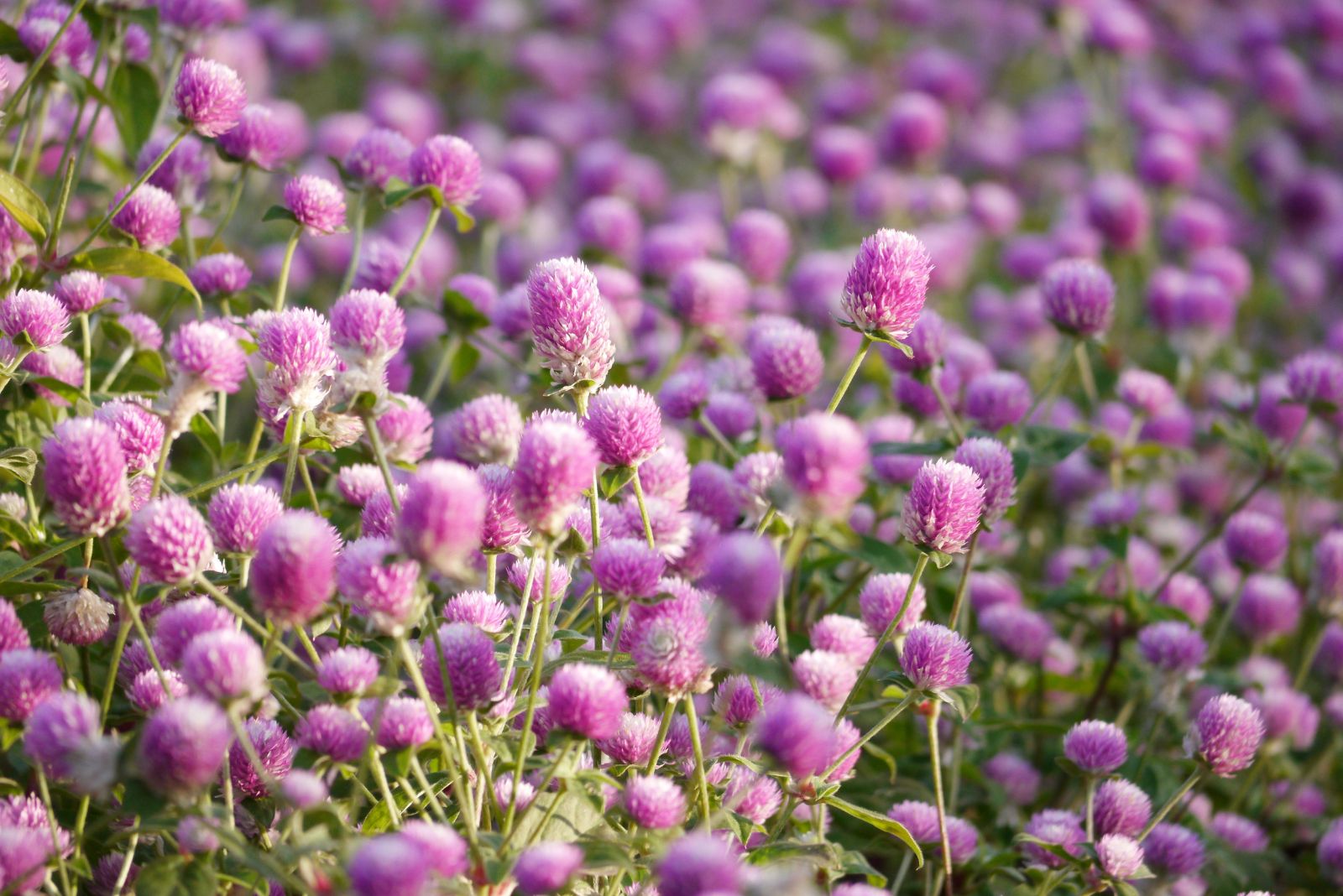
The blooms look like tiny, colorful clover heads in shades of purple, magenta, pink, white, and orange. They sit on long, wiry stems that make them perfect for cutting and bringing indoors.
The flowers also dry incredibly well, holding their color for months after cutting. If you love dried flower arrangements, gomphrena is a must-grow in your Texas garden.
Plant gomphrena in May in a full-sun location with well-draining soil. It handles poor soil better than most flowers and does not need fertilizing often.
Once established, it barely needs watering, making it one of the most water-wise choices for gardeners in drought-prone parts of Texas like El Paso or Lubbock.
Gomphrena grows about one to two feet tall, making it a great mid-border plant. It also attracts butterflies and bees, which helps pollinate everything else in your garden.
For the amount of effort it requires, the payoff in color and texture is enormous. Give this quiet overachiever a spot in your garden this May and you will not regret it at all.
8. Lantana
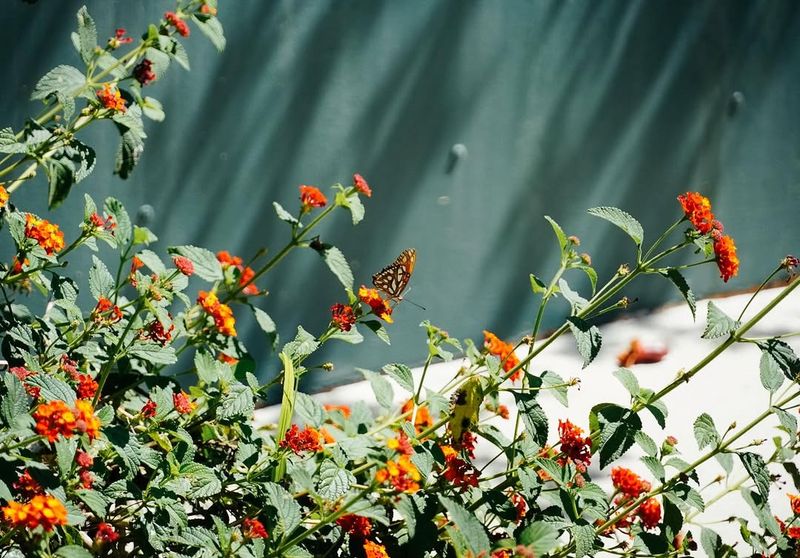
Ask any experienced Texas gardener what flower they trust most through the brutal summer heat, and lantana will come up almost every time.
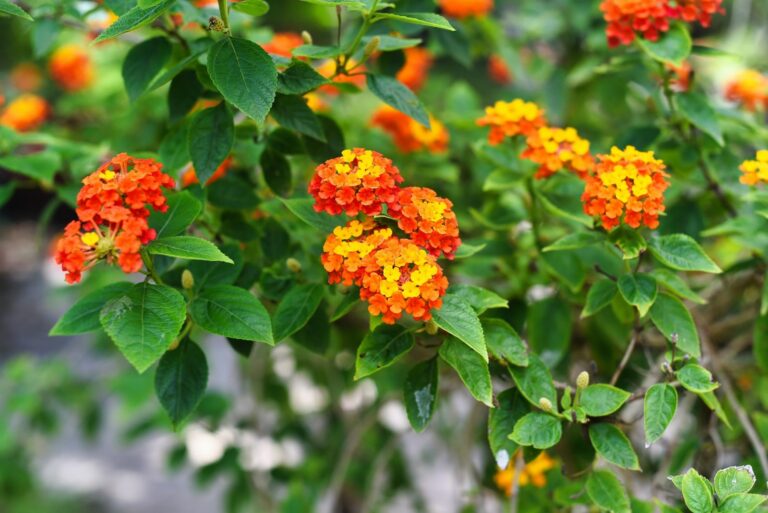
This sun-loving shrub produces clusters of tiny, multicolored flowers that shift in shade as they age, often showing yellow, orange, and red all in the same bloom cluster. It is genuinely one of the most striking plants you can grow in the state.
May is the ideal time to get lantana planted and settled in before peak summer temperatures arrive. Once it establishes its root system, it becomes almost unstoppable.
Lantana handles drought, poor soil, and relentless sun without flinching. You can practically ignore it and it will still bloom all summer long in Texas.
Butterflies absolutely flock to lantana. If attracting pollinators to your yard is a goal, few plants do it better.
Monarch butterflies especially love it during their migration through Texas each fall. Planting lantana is one of the easiest ways to turn your yard into a pollinator paradise with very little effort.
Lantana comes in both spreading ground cover varieties and taller, more upright forms. Choose the right size for your space and plant it where it gets at least six hours of sun daily.
Water it during the first few weeks to help it settle in, then cut back on irrigation. In warmer parts of Texas, lantana may even come back year after year, acting more like a perennial than an annual.