The 8 Best Flower Color Pairings For Oregon Garden Beds
Oregon garden beds already have plenty of personality, with misty mornings, moody spring skies, and summer sunshine that makes every petal look ready for its close-up. The right flower color pairing can take that natural charm and crank it all the way up.
Think soft lavender beside buttery yellow, coral dancing with deep purple, or crisp white cooling down fiery orange like the garden’s own little peacekeeper.
Color combos can make a small bed feel fuller, a shady corner feel brighter, and a front yard feel like it got a fresh outfit.
They can also help tie together perennials, annuals, bulbs, and flowering shrubs so nothing looks tossed in by accident. Oregon’s climate gives gardeners tons of room to play, so this is where the fun begins.
Grab your seed catalogs and your wildest color dreams, because your beds are about to get seriously gorgeous.
1. Purple And Yellow
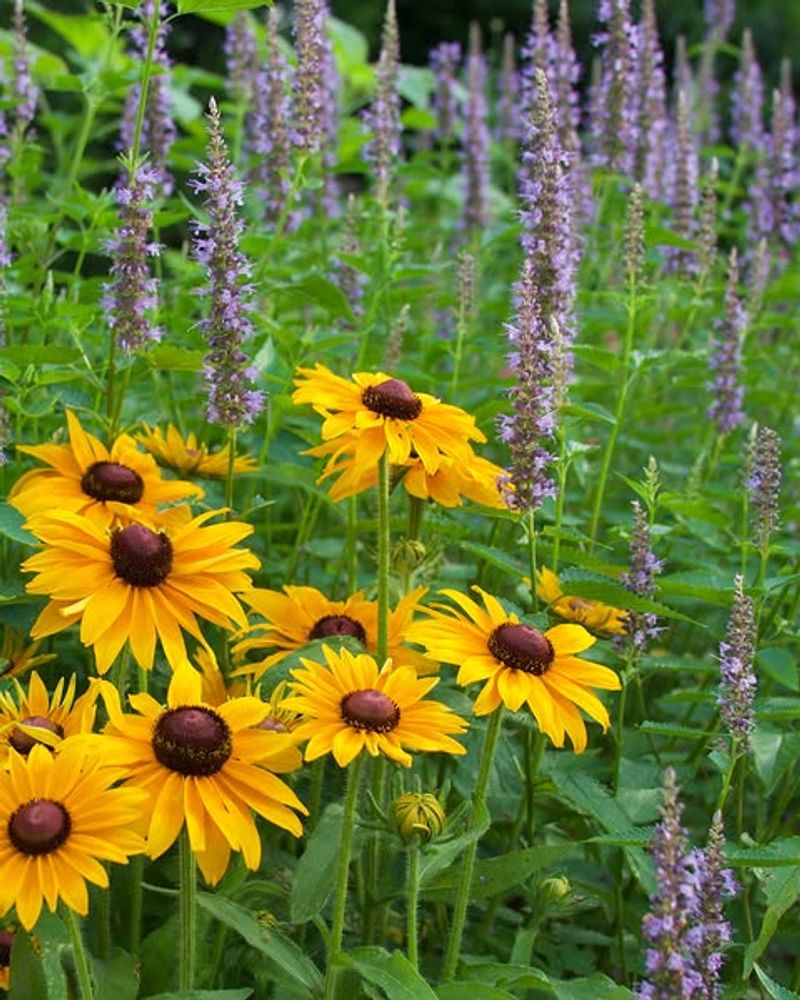
Few color combinations stop people in their tracks quite like purple and yellow. These two colors sit opposite each other on the color wheel, which means they create what designers call a complementary contrast.
That contrast makes each color pop even more when they are placed side by side.
In Oregon gardens, this pairing works beautifully with plants like purple salvia and yellow rudbeckia, also known as black-eyed Susans. Salvia thrives in Oregon’s mild summers and attracts hummingbirds and bees.
Rudbeckia is tough, cheerful, and blooms from midsummer all the way into fall, giving you a long season of color.
You can also try purple coneflowers paired with yellow coreopsis for a wilder, more natural look. Both plants handle Oregon’s rainy springs well and bounce back strong once warm weather arrives.
Plant them in clusters rather than single rows to create a fuller, more layered effect. Adding some ornamental grasses between the two colors softens the contrast and gives the bed a relaxed, meadow-like feel.
This pairing works well in both full sun and partial shade, making it one of the most versatile options for Oregon garden beds of any size.
2. Pink And White
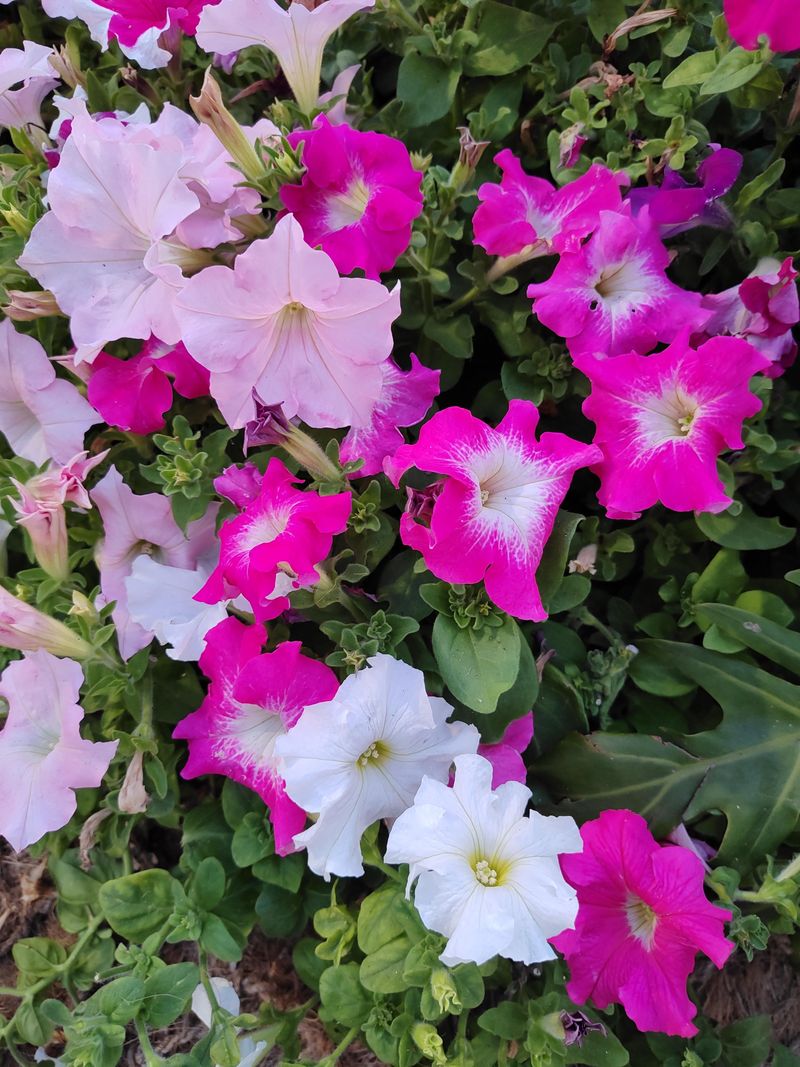
There is something effortlessly romantic about pink and white flowers growing side by side. This classic pairing feels soft, elegant, and timeless without being too fussy or difficult to pull off.
It works in cottage gardens, formal beds, and everything in between.
Oregon gardeners love this combination because so many beloved plants come in these shades. Pink peonies paired with white shasta daisies create a stunning early summer display.
Peonies are long-lived perennials that thrive in the Pacific Northwest’s cool winters, and shasta daisies are reliable bloomers that fill in gaps beautifully.
For a longer bloom season, try pairing pink cosmos with white sweet alyssum along the border of your garden bed. Cosmos grow tall and airy, while alyssum stays low and spreads like a soft carpet.
The contrast in height adds visual interest and depth. You can also mix in pink astilbe and white foxglove for a shadier spot under Oregon’s big trees.
Your Oregon Garden Changes Every Week. Your Plan Should Too.
Gardening in Oregon changes quickly throughout the season. Every Friday you’ll receive a simple weekly plan showing exactly what to plant, prune, fertilize, harvest, and protect so you never miss the right timing.
Foxglove is actually native to parts of the Pacific Northwest, so it feels right at home. Together, these plants create a garden bed that looks soft and dreamy from spring through late summer.
3. Blue And Orange
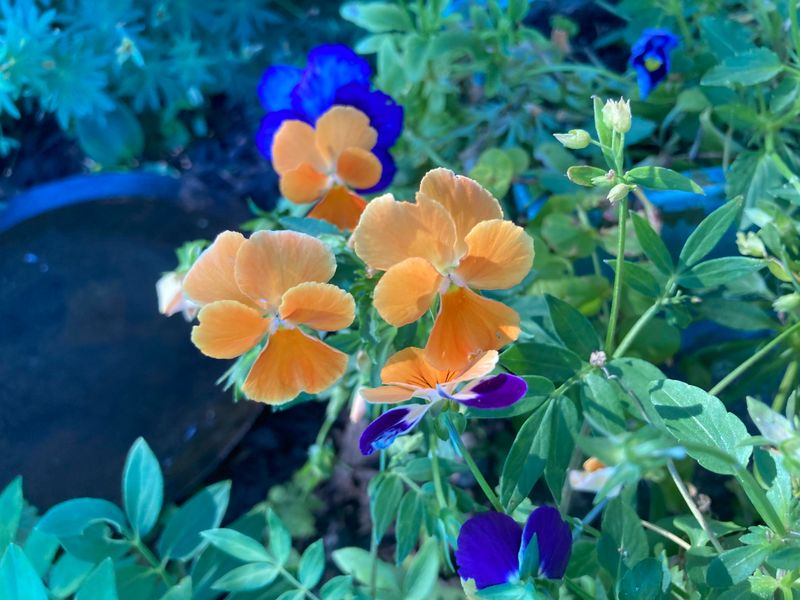
Bold, energetic, and surprisingly easy to pull off, blue and orange is a pairing that makes a serious statement. Like purple and yellow, these two colors are complementary opposites on the color wheel.
That means they intensify each other when planted together, creating a look that feels electric and full of life.
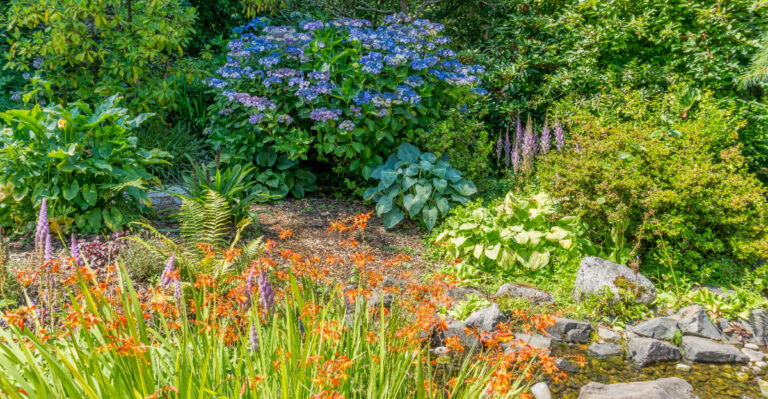
In Oregon, this combination works especially well with blue agapanthus and orange crocosmia. Agapanthus, sometimes called lily of the Nile, produces tall globe-shaped flower clusters in a stunning shade of blue-purple.
Crocosmia sends up arching stems covered in small, fiery orange blooms. Both plants love Oregon’s mild coastal and valley climates.
Another great option is pairing blue veronica, also called speedwell, with orange marigolds. Veronica produces tall spikes of deep blue flowers that look striking against the warm tones of marigolds.
Marigolds also help keep unwanted insects away from your other plants, which is a nice bonus. If you want a more relaxed and natural look, try planting blue salvia alongside orange echinacea.
This combo works great in Oregon’s sunnier inland valleys where both plants get the warmth they need to really thrive and show off their colors.
4. Red And Cream
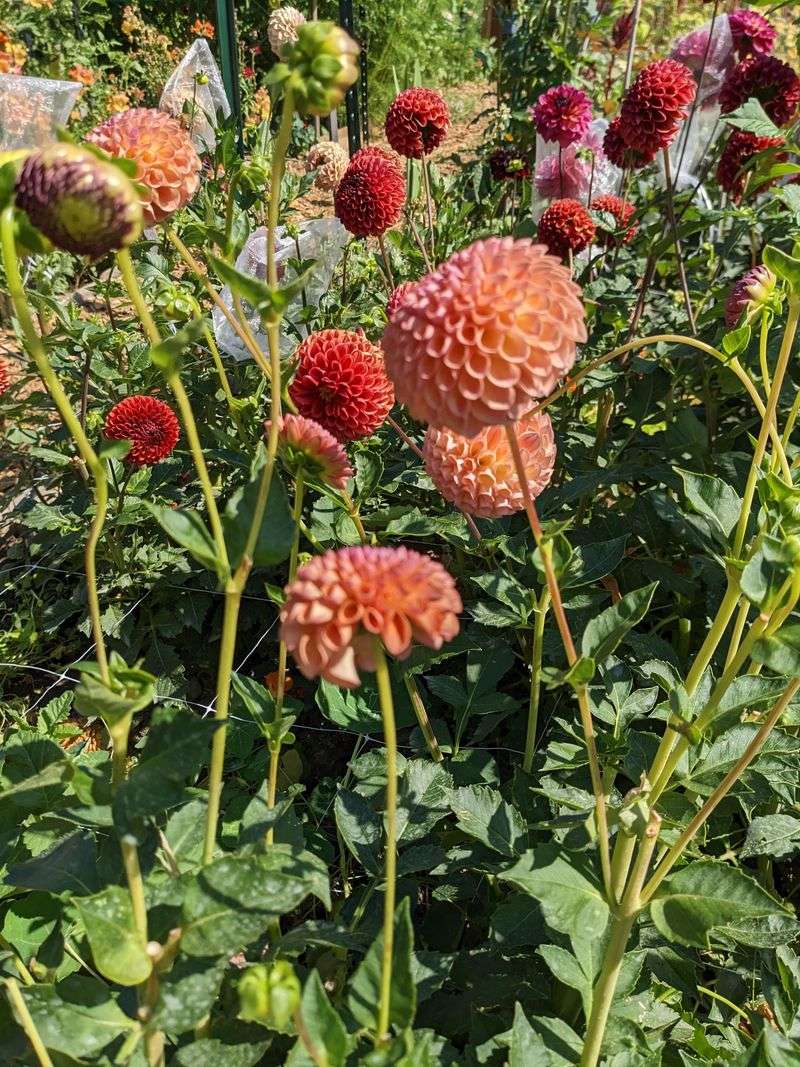
Red and cream is a pairing that feels rich, sophisticated, and deeply satisfying to look at. The warmth of red is balanced perfectly by the softness of cream, creating a combination that feels both bold and refined at the same time.
It is the kind of garden bed that makes guests stop and ask what you planted.
In Oregon, red tulips paired with creamy white tulips make a stunning spring display. Tulips love the cool, wet winters that much of Oregon provides, and they reward gardeners with weeks of color in early spring.
Planting them in alternating clusters rather than strict rows gives the bed a more natural and relaxed appearance.
For summer, try pairing red dahlias with cream-colored yarrow. Dahlias are hugely popular in the Pacific Northwest, and Oregon’s Willamette Valley is actually one of the best places in the country to grow them.
Yarrow is a tough, low-maintenance plant that produces flat-topped flower clusters and pairs beautifully with the full, layered blooms of dahlias. The cream tone in yarrow softens the intensity of red dahlias without washing them out.
This pairing brings a sense of warmth and elegance to any Oregon garden bed throughout the summer months.
5. Lavender And Peach
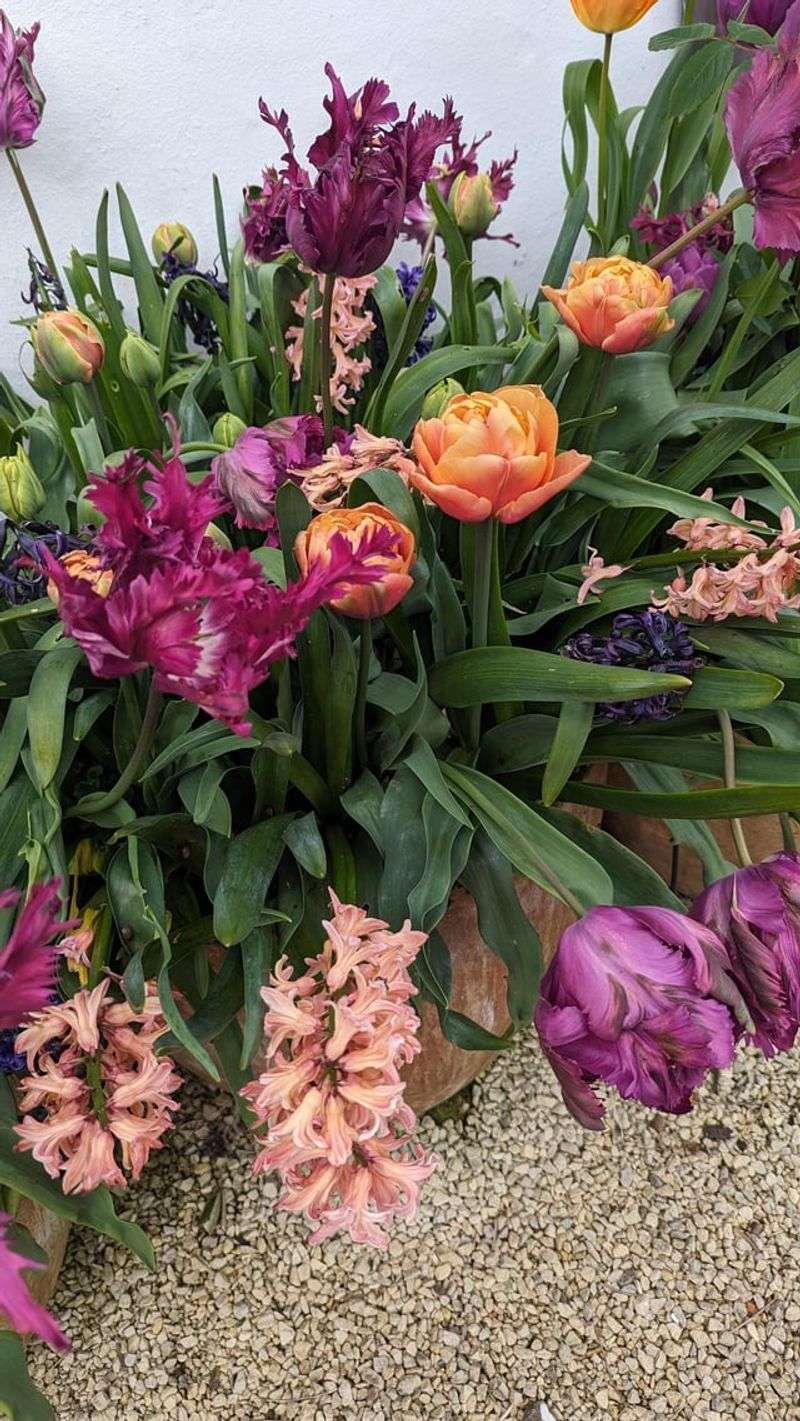
Soft, warm, and wonderfully inviting, lavender and peach is a color pairing that feels like a summer evening in the best possible way. These two colors are close enough in tone to feel harmonious but different enough to create gentle visual interest.
Gardens with this combination tend to feel calm and welcoming.
Real lavender is an obvious choice for Oregon gardens, especially in the drier eastern regions and the sunny Willamette Valley. Lavender loves well-drained soil and plenty of sun, and it rewards you with fragrant purple-gray blooms that last for weeks.
Pair it with peach-toned roses for a combination that looks straight out of a French countryside garden.
If roses feel like too much maintenance, try pairing lavender with peach-colored hemerocallis, commonly known as daylilies. Daylilies are extremely tough and adaptable, handling Oregon’s varied climates with ease.
They come in a wide range of peach and apricot shades that blend beautifully with lavender. You can also add some ornamental grasses between the two plants to give the bed a more flowing, natural structure.
This pairing looks especially stunning when morning light hits the flowers, giving the whole bed a soft, glowing quality that feels almost magical.
6. Coral And Violet
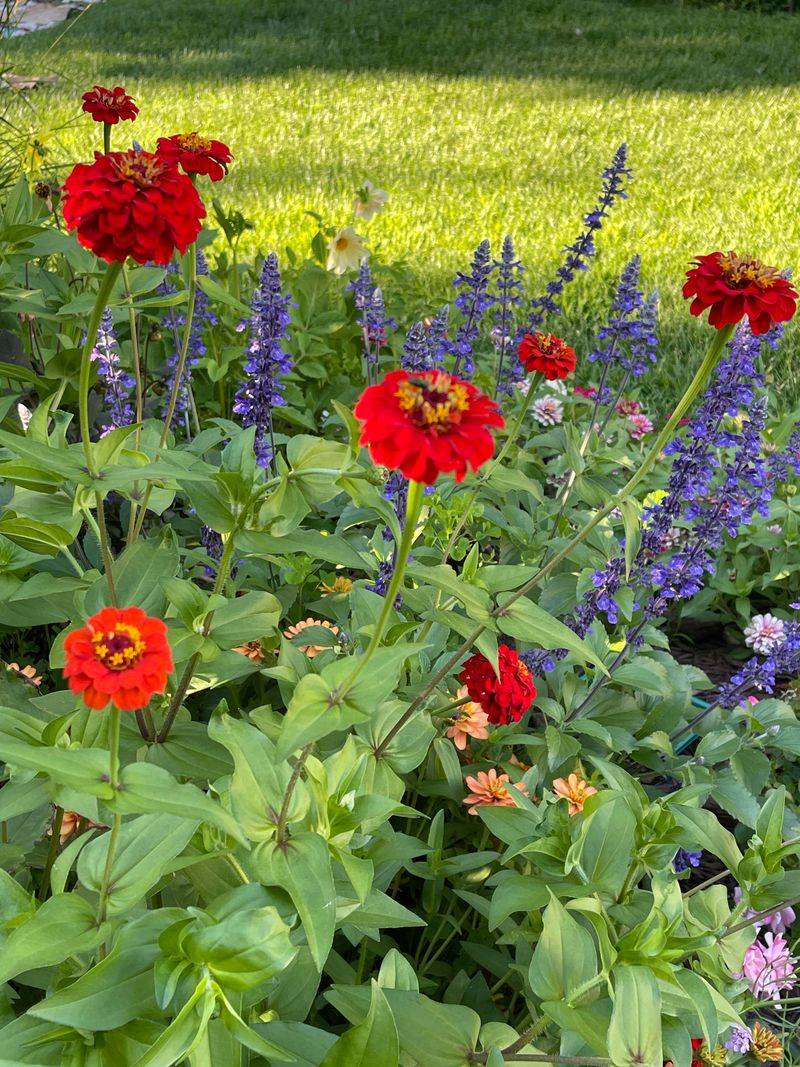
Coral and violet is one of those unexpected pairings that surprises people in the best way. Coral sits in that warm zone between pink and orange, while violet leans toward the cool, deep end of the purple family.
Together they create a vibrant, playful energy that feels modern and fresh.
Zinnias are a fantastic coral-toned flower for Oregon garden beds. They are easy to grow from seed, they bloom all summer long, and they attract butterflies like nothing else.
Pair them with deep violet salvia for a combination that hums with color and life. Salvia is also a pollinator magnet, so this pairing does double duty as a beautiful display and a wildlife habitat.
For a more structured look, try coral-colored snapdragons alongside violet alliums. Snapdragons love Oregon’s cool springs and will bloom vigorously before the summer heat kicks in.
Alliums produce dramatic round flower heads on tall, slender stems that add height and structure to any bed. The combination of snapdragon’s vertical form and allium’s spherical shape creates a visually interesting contrast.
Plant them in loose, informal groups rather than rigid lines to keep the look relaxed and natural, which suits Oregon’s lush garden style perfectly.
7. Burgundy And Blush
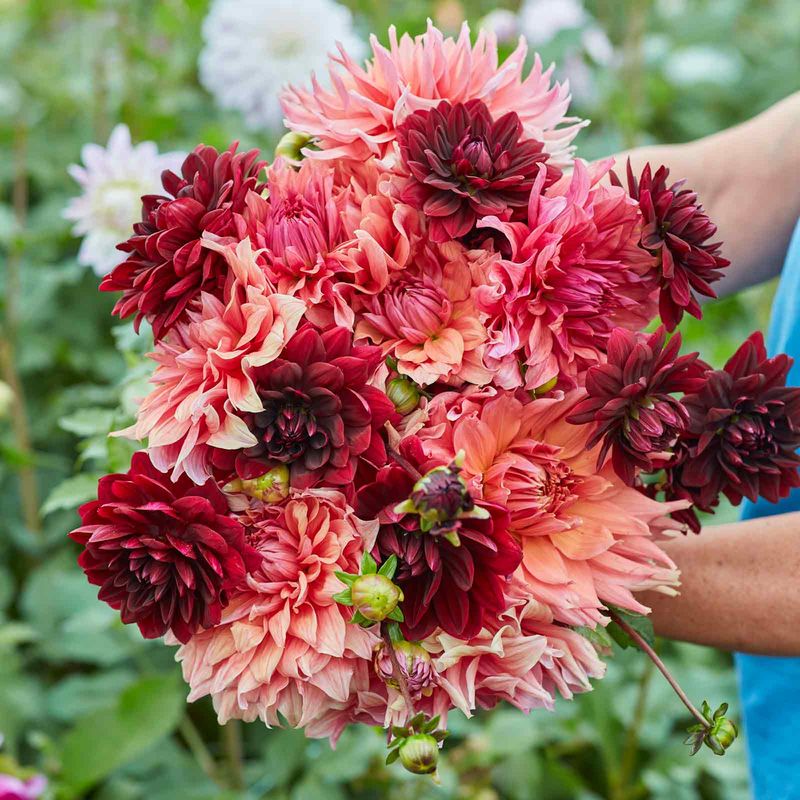
Deep, moody, and utterly gorgeous, burgundy and blush is a pairing that feels like it belongs on the cover of a garden magazine. Burgundy brings depth and drama, while blush softens the whole picture with a gentle, rosy warmth.
Together they create a look that is both romantic and sophisticated.
Burgundy dahlias are some of the most stunning flowers you can grow in Oregon. The Willamette Valley’s rich soil and mild climate produce dahlias that are absolutely spectacular in late summer and fall.
Pair them with blush-pink roses or soft pink astilbe for a combination that looks layered and lush. Astilbe thrives in Oregon’s shadier spots, making it a great option under trees or along north-facing fences.
You can also try burgundy heuchera, sometimes called coral bells, as a foliage plant to anchor the bed. Its deep wine-colored leaves provide a rich backdrop that makes blush-toned blooms really pop.
Heuchera is a Pacific Northwest favorite and handles Oregon’s wet winters without any trouble. Adding some blush-toned sweet peas climbing a trellis at the back of the bed gives the whole arrangement a vertical lift.
This pairing feels especially magical in Oregon’s misty autumn light when the colors seem to glow from within.
8. White And Green
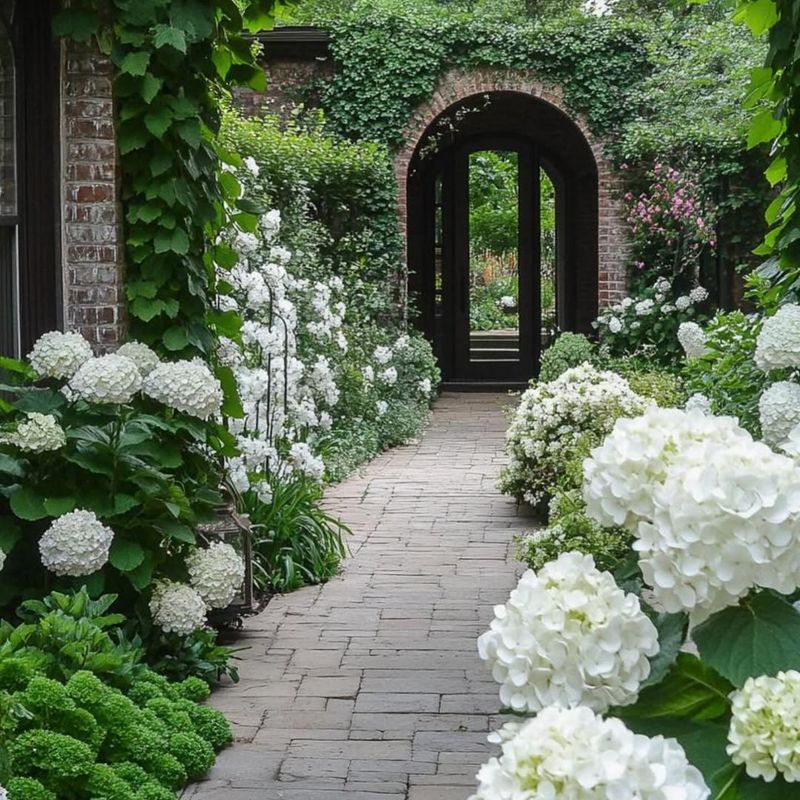
Sometimes the most powerful color pairing is also the most restrained. White and green is a combination that never goes out of style.
It feels clean, fresh, and calming, and it works in almost any garden setting from a tiny urban plot in Portland to a sprawling rural property in southern Oregon.
White hydrangeas are a beloved choice for Pacific Northwest gardens. They thrive in Oregon’s moist, mild climate and produce enormous flower clusters that last from midsummer well into fall.
Pair them with the bold, sculptural leaves of hostas for a combination that looks lush and intentional even in shady spots where other flowers struggle to bloom.
For a sunnier bed, try white coneflowers alongside lime-green lady’s mantle. Lady’s mantle produces frothy, chartreuse flower clusters that look incredible against the clean white petals of coneflowers.
The combination of textures, round blooms versus feathery filler, adds a lot of visual interest without relying on bold colors. You can also add white sweet alyssum as a low-growing border plant to tie the whole bed together.
White and green gardens have a timeless, peaceful quality that feels right at home in Oregon’s naturally lush and green landscape, making them a wonderful choice year after year.