Overlooked Native Pennsylvania Groundcovers That Replace Grass And Survive Winter
What if the most exhausting part of maintaining your yard turned out to be completely unnecessary?
Most Pennsylvania homeowners spend a ridiculous amount of time and money keeping their grass alive, fighting off bare patches, dragging out the mower every week, and nursing their lawn through winter damage every spring. And for what? A surface that’s honestly just okay at best.
Native Pennsylvania groundcovers have been quietly handling business across this state for centuries without any of that effort.
They spread naturally, survive harsh winters without flinching, fill in bare spots on their own, and come back every spring looking like nothing happened.
No mowing, no overseeding, no crossing your fingers every March hoping your lawn made it through.
The wild part is that most people walk right past these plants at nurseries without giving them a second look. Once you see what they’re actually capable of, that’s a mistake you won’t make twice.
1. Pennsylvania Sedge
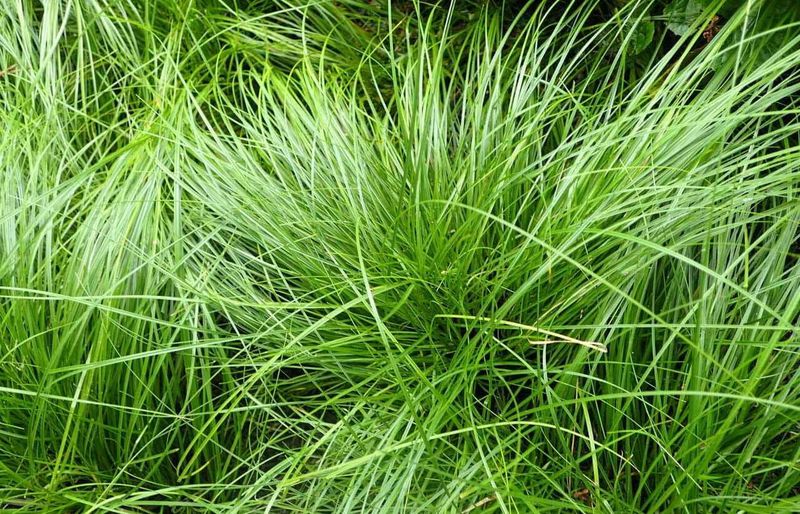
If you have ever stared at a bare, shady patch in your Pennsylvania yard and wondered what on earth could possibly grow there, Pennsylvania Sedge is your answer. This native plant forms a soft, fine-textured carpet that looks almost like a well-kept lawn, but without all the fuss.
It grows slowly and stays low, usually reaching only about six to twelve inches tall, which means very little mowing is needed.
Pennsylvania Sedge thrives in dry shade, which is one of the hardest conditions for most lawn grasses to handle. Under big trees where the soil is dry and the sunlight is blocked, this sedge just keeps going.
It stays green and attractive even through Pennsylvania’s cold winters, giving your yard some color when everything else looks brown and bare.
Planting Pennsylvania Sedge is pretty straightforward. You can start it from plugs or small plants spaced about a foot apart, and over time the clumps will fill in to create a seamless groundcover.
It does not need fertilizer, and once it is established, it rarely needs watering. This makes it a smart choice for homeowners who want a low-effort yard that still looks polished. Wildlife benefits too. Small birds and insects use sedge patches for shelter and food.
If you are trying to replace a struggling lawn in a shaded area of your Pennsylvania property, Pennsylvania Sedge is one of the most reliable and rewarding plants you can choose.
2. Wild Ginger
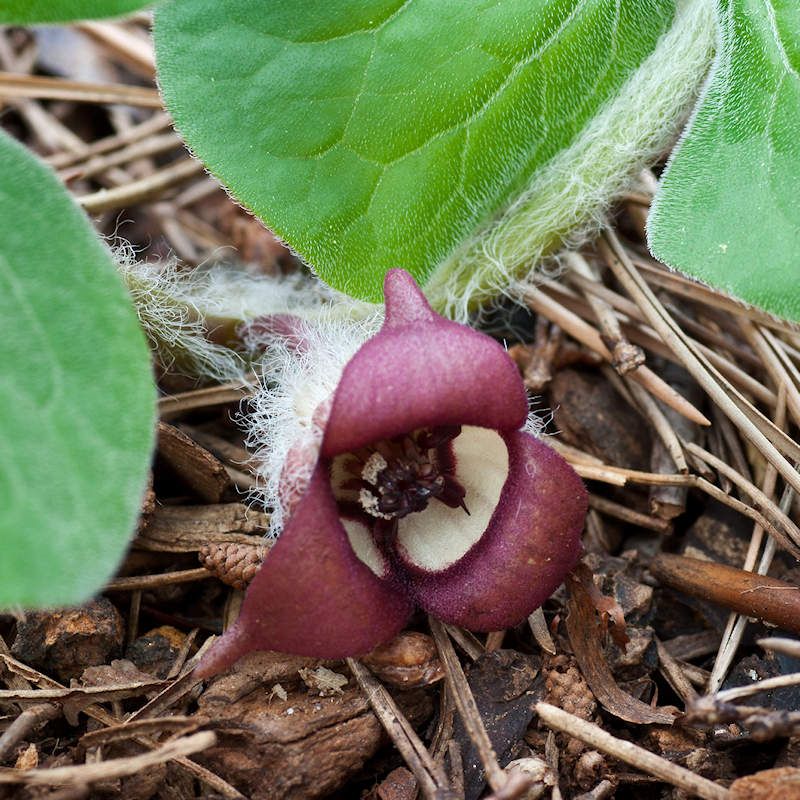
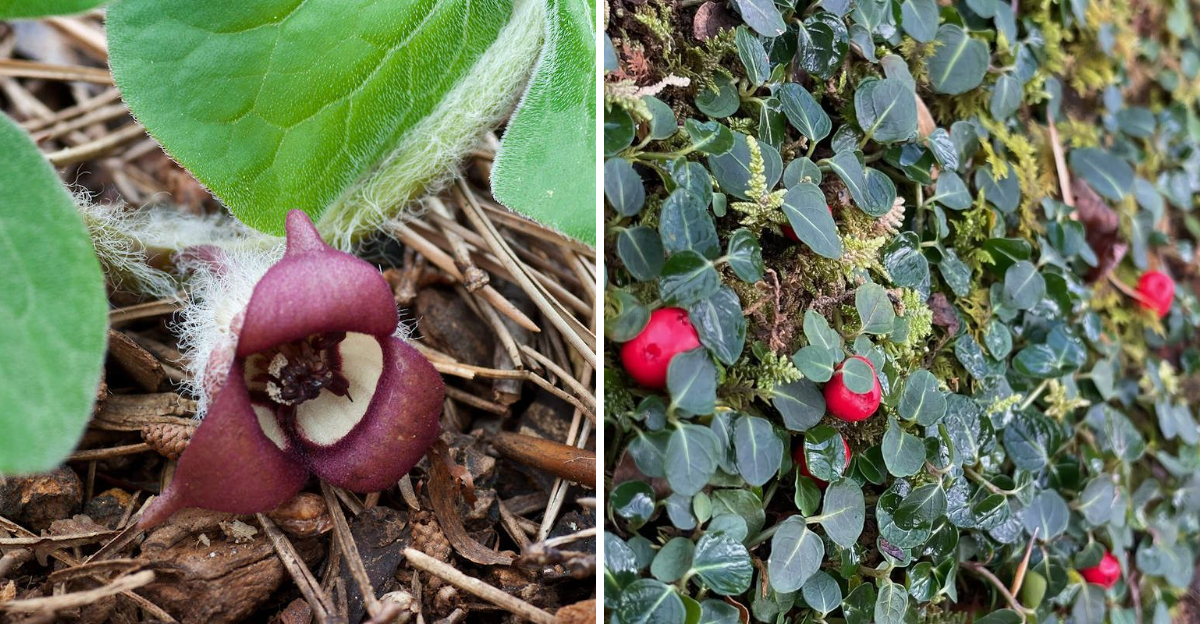
Walk through almost any Pennsylvania woodland in spring and you might spot a low, lush carpet of heart-shaped leaves hugging the ground. That is Wild Ginger, and it is one of the most underrated native groundcovers you can plant.
The leaves are wide, rich green, and overlap each other so tightly that weeds barely stand a chance of pushing through.
Wild Ginger spreads slowly by underground rhizomes, which means it will not take over your yard overnight. However, given a few seasons, it builds a dense, weed-suppressing mat that looks beautiful under trees or along shaded garden paths.
Your Pennsylvania Garden Changes Every Week. Your Plan Should Too.
Gardening in Pennsylvania changes quickly throughout the season. Every Friday you’ll receive a simple weekly plan showing exactly what to plant, prune, fertilize, harvest, and protect so you never miss the right timing.
It is a true shade lover and actually struggles in full sun, so it is best kept in spots where other plants tend to give up.
One fun detail about Wild Ginger is its hidden flower. Each spring, a small, brownish-red bloom appears right at the base of the plant, tucked beneath the leaves.
Most people never notice it, but certain insects find it and help with pollination. The roots of Wild Ginger also have a mild ginger-like scent, which is how it got its name, though it is not the same plant used in cooking.
For Pennsylvania gardeners dealing with deep shade under maples or oaks, Wild Ginger is a standout choice. It handles dry to moist soil, stays tidy, and holds its leaves well into late fall. Once established, it needs almost no attention at all.
3. Green And Gold
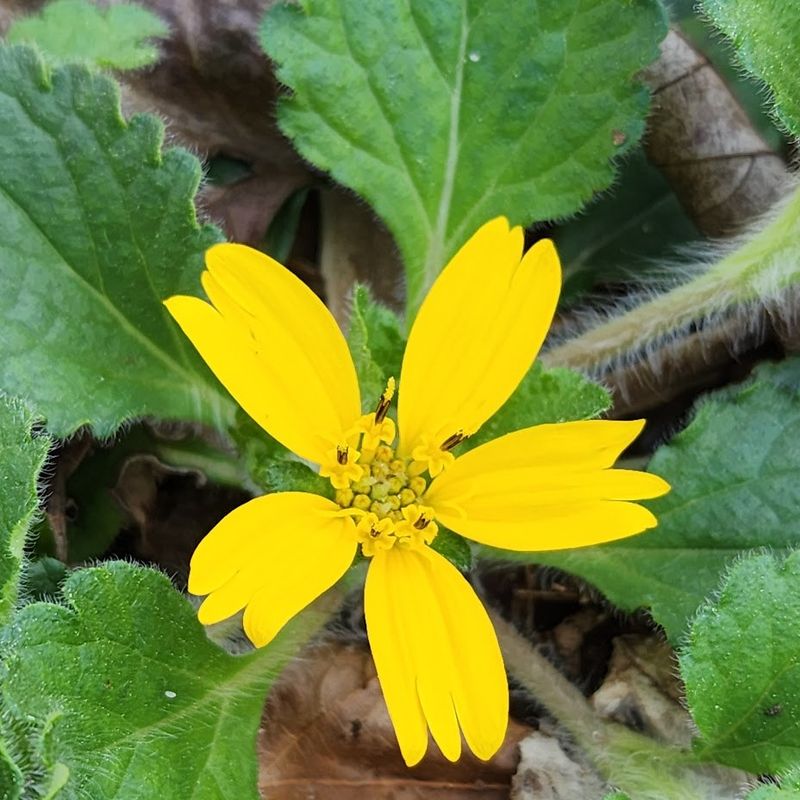
Cheerful, tough, and surprisingly easy to grow, Green and Gold brings a burst of sunshine to shaded Pennsylvania gardens where most flowering plants refuse to perform.
The bright yellow, star-shaped flowers appear in spring and often continue blooming on and off through summer, giving you more color for longer than many other groundcovers. The name says it all: green leaves paired with gold flowers.
This native plant works well in part shade, which makes it a great fit for the edges of wooded areas or spots that get a few hours of sunlight each day.
It spreads by runners and gradually fills in gaps between other plants, creating a tidy, low-growing mat that stays under about nine inches tall. It is not aggressive, so you do not need to worry about it swallowing up your other garden plants.
Green and Gold is also surprisingly drought-tolerant once it settles in, which is a big plus for Pennsylvania homeowners who do not want to drag out the hose every week.
It holds its foliage well into winter in milder years, adding some texture and green color to the garden even when temperatures drop.
Planting it is simple. Space plants about twelve to eighteen inches apart and water them regularly for the first season.
After that, they pretty much take care of themselves. Pair Green and Gold with Wild Ginger or Pennsylvania Sedge for a layered, naturalistic look that feels right at home in any Pennsylvania landscape.
4. Partridgeberry
Few native plants in Pennsylvania pack as much charm into such a small package as Partridgeberry.
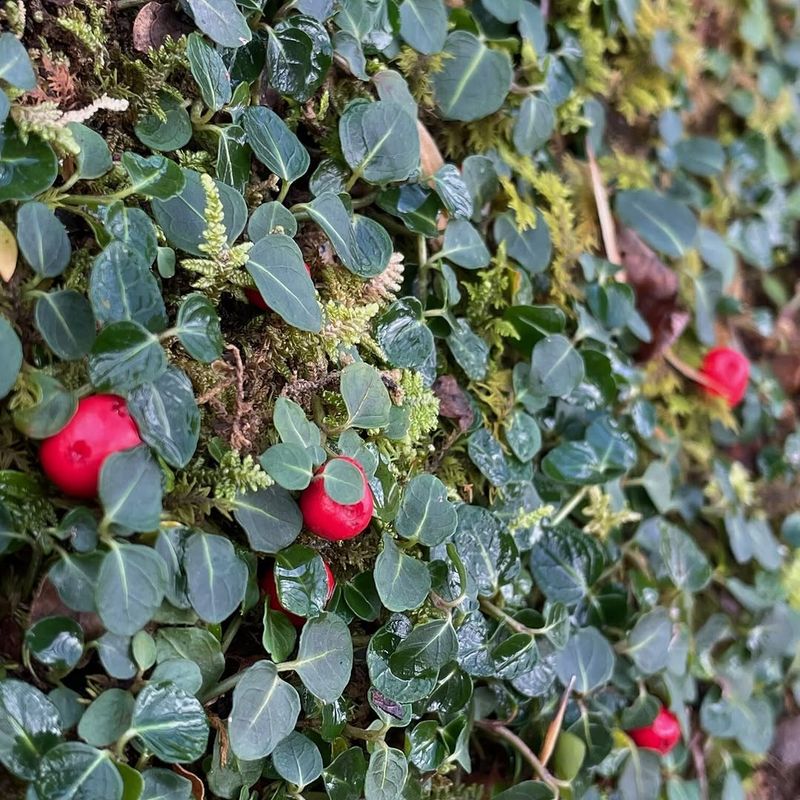
This dainty, creeping evergreen hugs the ground and spreads quietly through shaded woodland gardens, forming a glossy green mat dotted with bright red berries that hang on all winter long. It is the kind of plant that makes visitors stop and ask, what is that?
Partridgeberry is a true evergreen, which means its small, round, paired leaves stay green even under snow. That alone makes it valuable in a Pennsylvania landscape, where winter can strip most plants bare for months.
The red berries that appear in fall are not just decorative. Birds, including ruffed grouse and wild turkeys, snack on them throughout the colder months.
Growing Partridgeberry well means giving it the right conditions. It prefers moist, acidic, well-drained soil and deep shade, making it a natural fit under pine trees or in a woodland garden setting.
It grows slowly, so patience is needed, but the payoff is a dense, weed-resistant mat that looks polished year-round. Avoid planting it in hot, dry spots because it does not handle those conditions well.
One interesting detail: Partridgeberry produces pairs of white flowers in early summer, and both flowers must be pollinated to produce a single berry. That little quirk makes it even more fascinating to watch through the seasons.
For Pennsylvania gardeners who want year-round color in a shady spot, Partridgeberry is a true hidden gem worth seeking out.
5. Barren Strawberry
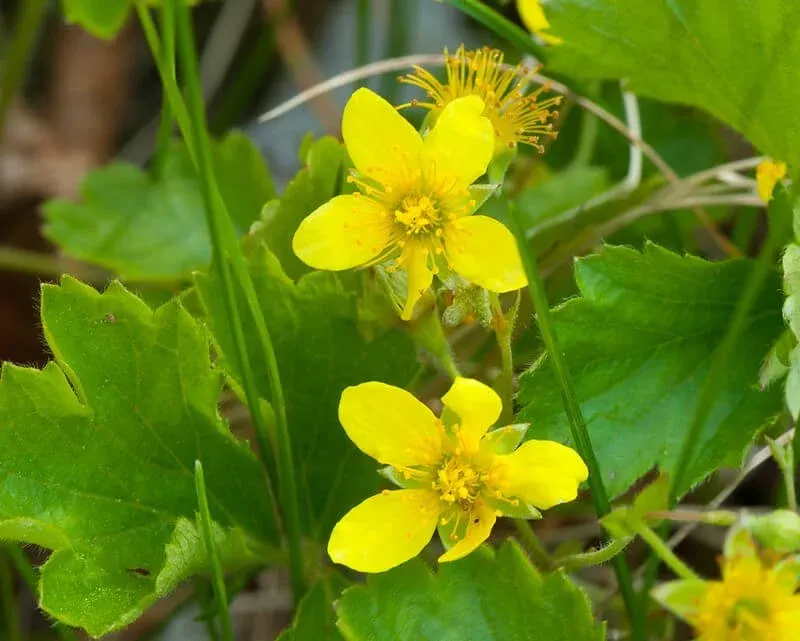
Do not let the name fool you. Barren Strawberry may not produce edible fruit, but it is anything but disappointing in the garden.
This tough, low-growing native forms dense mats of dark green, strawberry-like leaves and puts on a cheerful show of small yellow flowers each spring.
It is one of the most underappreciated groundcovers for Pennsylvania landscapes, and it deserves a lot more attention.
One of its biggest strengths is erosion control. Barren Strawberry spreads steadily by runners and roots firmly into the soil, making it an excellent choice for slopes, hillsides, or any area in Pennsylvania where water runoff is a concern.
Once it fills in, the dense mat holds soil in place even during heavy rain. That kind of practical toughness is hard to find in a plant that also happens to look attractive.
It handles a range of light conditions, from full sun to part shade, and tolerates dry soil better than many other native groundcovers. This flexibility makes it easy to work into different spots around a Pennsylvania yard.
The semi-evergreen foliage often holds its color well into winter, adding some visual interest when the rest of the garden looks dull and gray.
Barren Strawberry is also low-maintenance once established. It does not need much fertilizer, rarely has pest problems, and spreads at a manageable pace.
Space plants about twelve inches apart for faster coverage. For anyone in Pennsylvania looking for a hardworking, attractive alternative to grass on a tough slope, this plant is a smart pick.
6. Creeping Phlox
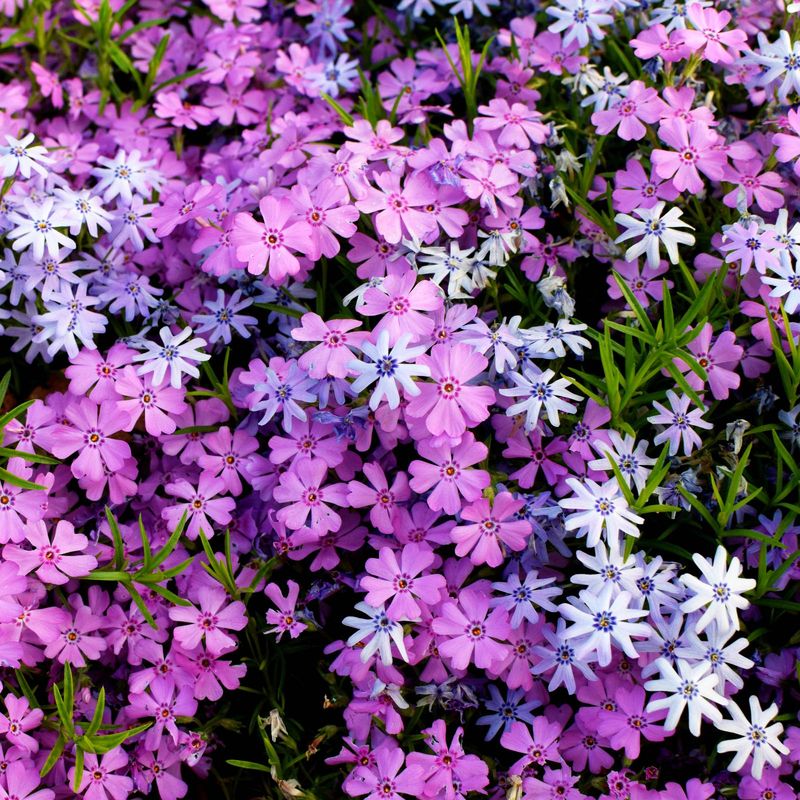
Every spring in Pennsylvania, certain front yards suddenly explode into waves of pink, purple, and white color that stop people in their tracks. Chances are, those yards are covered in Creeping Phlox.
This sun-loving native is one of the most visually dramatic groundcovers you can plant, and it earns its keep by looking great long after the flowers fade.
Creeping Phlox forms a thick, spreading carpet of needle-like evergreen foliage that stays attractive through most of Pennsylvania’s winters. When spring arrives, the plant practically disappears under a blanket of tiny, five-petaled blooms that cover every inch of the mat.
The flowering period usually lasts several weeks, which is a long time to enjoy that kind of color without doing a thing.
It grows best in full sun and well-drained soil, which makes it ideal for sunny slopes, rock gardens, or the edges of raised beds. Creeping Phlox is also a natural fit for erosion-prone areas because its spreading stems root as they go, anchoring the soil underneath.
After blooming, a light trim helps keep the mat tidy and encourages denser growth the following year.
Pollinators absolutely love Creeping Phlox. Early butterflies and bees flock to it in spring when not many other flowers are available yet, making it a valuable plant for supporting Pennsylvania’s native wildlife.
It is drought-tolerant, easy to divide, and spreads at a satisfying pace without becoming a problem. For a sunny spot that needs coverage and color, Creeping Phlox delivers every single year.
7. Golden Ragwort
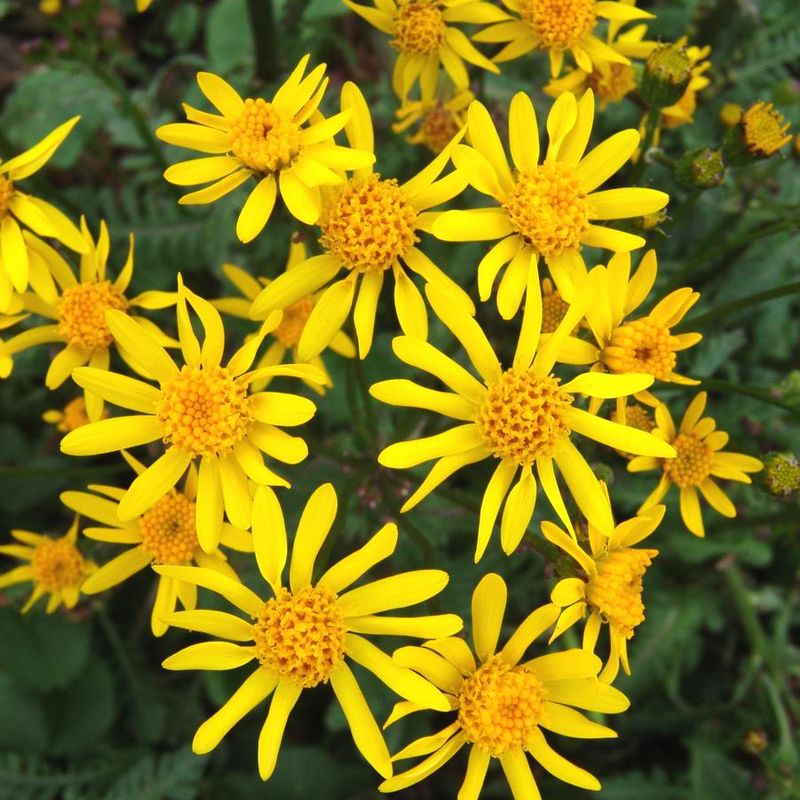
Golden Ragwort is the kind of plant that does the heavy lifting in a Pennsylvania landscape without asking for much in return. It spreads readily through both seeds and runners to form a semi-evergreen groundcover that looks lush and full even in spots where other plants struggle.
If you have a moist, partly shaded area that feels wild and untamed, Golden Ragwort can turn it into something genuinely beautiful.
In spring, tall stems shoot up from the low mat of dark green, heart-shaped leaves and burst into clusters of bright golden yellow flowers that look like small daisies.
The blooms attract a wide range of native pollinators, including early bees and butterflies that are just waking up after Pennsylvania’s long winter.
After flowering, the stems fade back and the leafy mat returns to its quiet, ground-hugging form for the rest of the season.
Golden Ragwort handles wet soil better than almost any other native groundcover on this list. Rain gardens, low spots, and areas near streams or ponds in Pennsylvania are perfect spots for it.
It also grows well along woodland edges where the soil stays moist and the light is filtered. In drier spots, it can still perform, but it will spread more slowly.
For naturalized areas, meadow gardens, or any Pennsylvania yard that benefits from a more relaxed, wildlife-friendly approach, Golden Ragwort is a standout.
It fills space quickly, suppresses weeds, and feeds pollinators, all while asking for almost nothing in return. It is truly one of Pennsylvania’s most hardworking native plants.