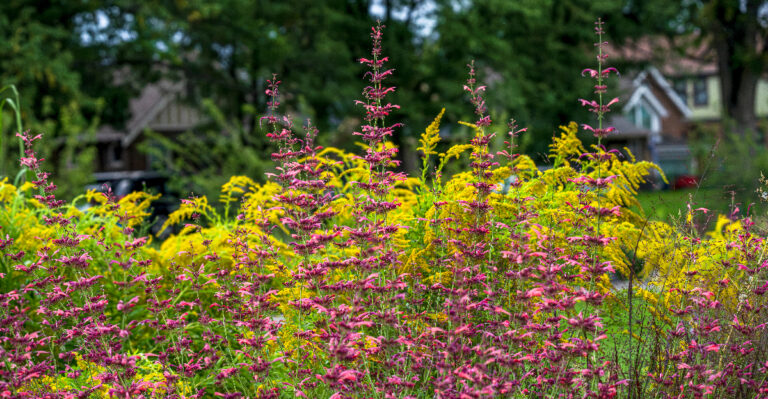
Why California Gardens Need More Bare Ground For Native Bees
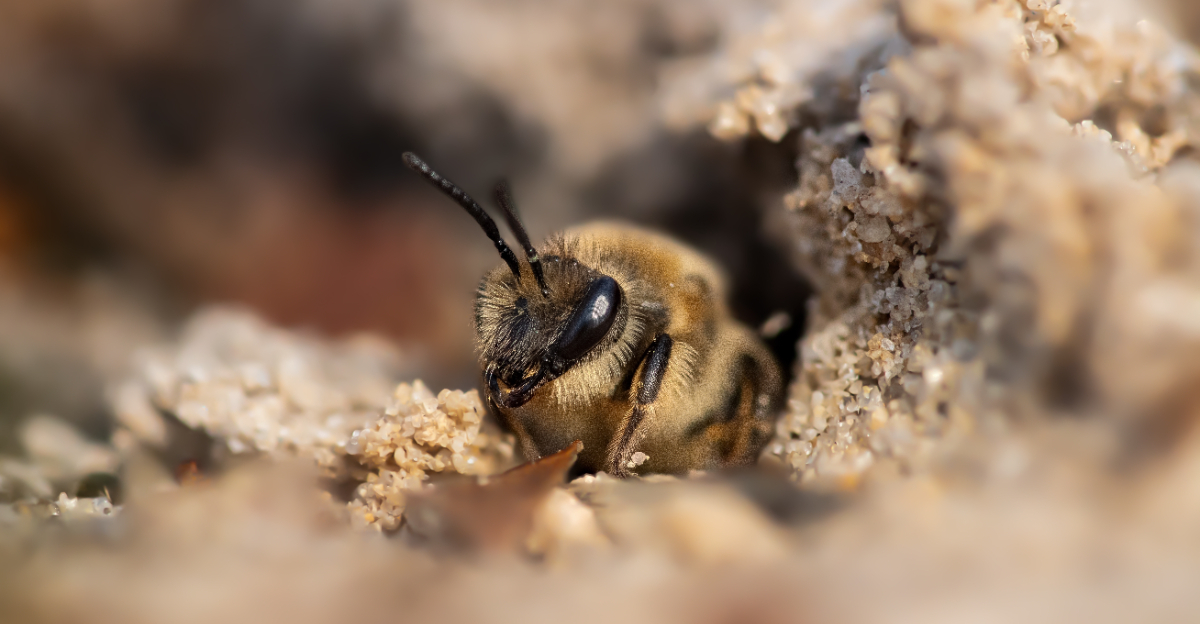
A spotless garden might make humans feel organized, but native bees often see it and think, “Where are we supposed to live?”
In California, many native bee species nest right in the soil, not in hives, fancy boxes, or perfectly mulched beds. That means a few sunny patches of bare, well-drained ground can be surprisingly valuable.
Tucked near flowering plants, these open spots give ground-nesting bees a place to dig tiny tunnels, raise their young, and keep pollination buzzing through the garden. It does not have to look messy, either.
A small exposed area along a path, between drought-tolerant plants, or at the edge of a bed can do the job while still looking intentional.
So before covering every inch with mulch or gravel, leave a little breathing room for the bees doing big work underfoot.
1. Why Bare Ground Matters
Walk through almost any California neighborhood and you will notice something missing. Gardens are full of plants, rocks, and mulch, but there is almost no open soil left.
That might look tidy, but for native bees, it is a real problem.
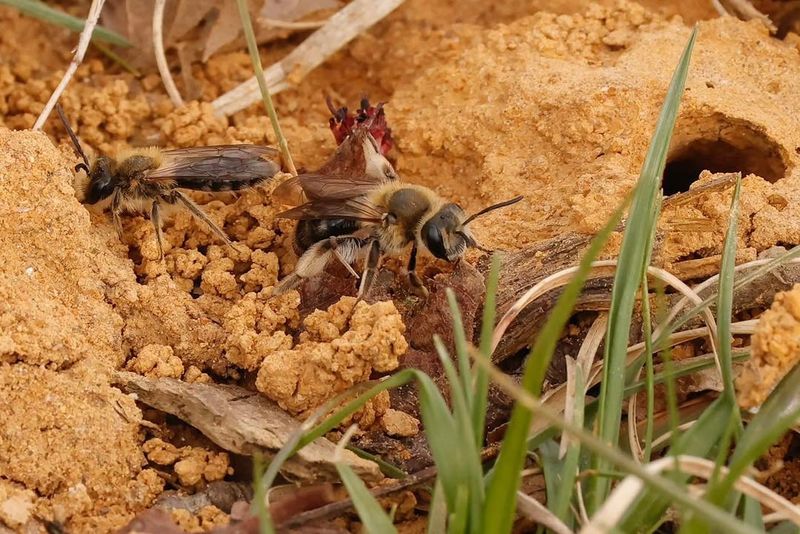
About 70 percent of native bee species in California nest underground. They need patches of bare, dry soil to dig their small burrows and lay their eggs.
Without that open ground, they have nowhere to go.
Many gardeners do not realize this because honeybees, which most people are familiar with, live in hives. But California’s native bees are different.
Sweat bees, mining bees, and digger bees all rely on the soil beneath your feet.
Bare ground is not a sign of a neglected garden. It is actually a sign of a bee-friendly one.
Even a small patch of open soil in a sunny corner can support dozens of native bee species right in your own backyard. Rethinking what a healthy garden looks like is the first step toward making a real difference for California’s native pollinators.
2. Native Bees Need Soil
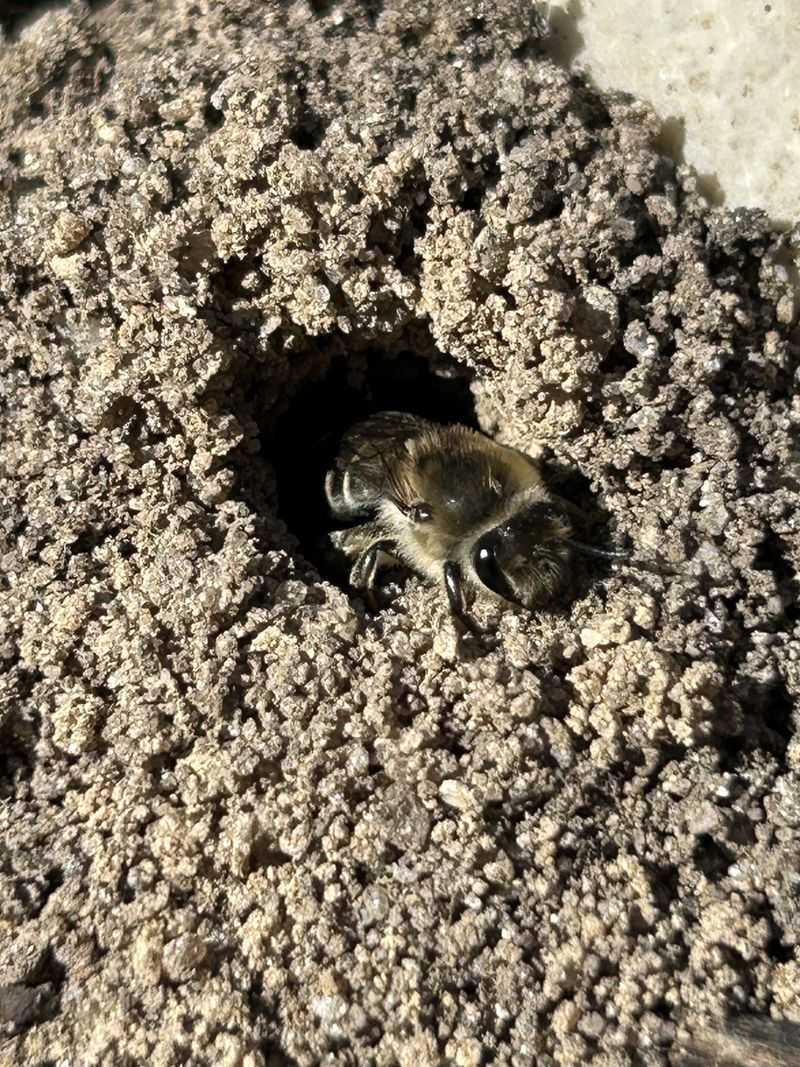
Most people think of bees as creatures that live in hives hanging from tree branches. That picture makes sense for honeybees, but California has over 1,600 native bee species, and most of them have a very different home: the ground.
Ground-nesting bees dig small tunnels into dry, firm soil. Inside those tunnels, they build tiny chambers where they store pollen and lay their eggs.
The whole process depends on having access to bare, undisturbed soil that gets plenty of sunshine.
Sweat bees, alkali bees, and digger bees are just a few of the California natives that nest this way. They are important pollinators for wildflowers, fruits, and vegetables across the state.
Losing them would affect far more than just your garden.
Soil quality matters too. Loose, sandy soil works well for many species.
Others prefer compact clay-like ground. Offering a mix of soil types in different sunny spots gives more bee species a chance to move in.
Think of it as setting up a neighborhood with different housing options. California’s native bees have been doing this for thousands of years, and your garden can help keep that tradition going.
Your California Garden Changes Every Week. Your Plan Should Too.
Gardening in California changes quickly throughout the season. Every Friday you’ll receive a simple weekly plan showing exactly what to plant, prune, fertilize, harvest, and protect so you never miss the right timing.
3. Skip Too Much Mulch
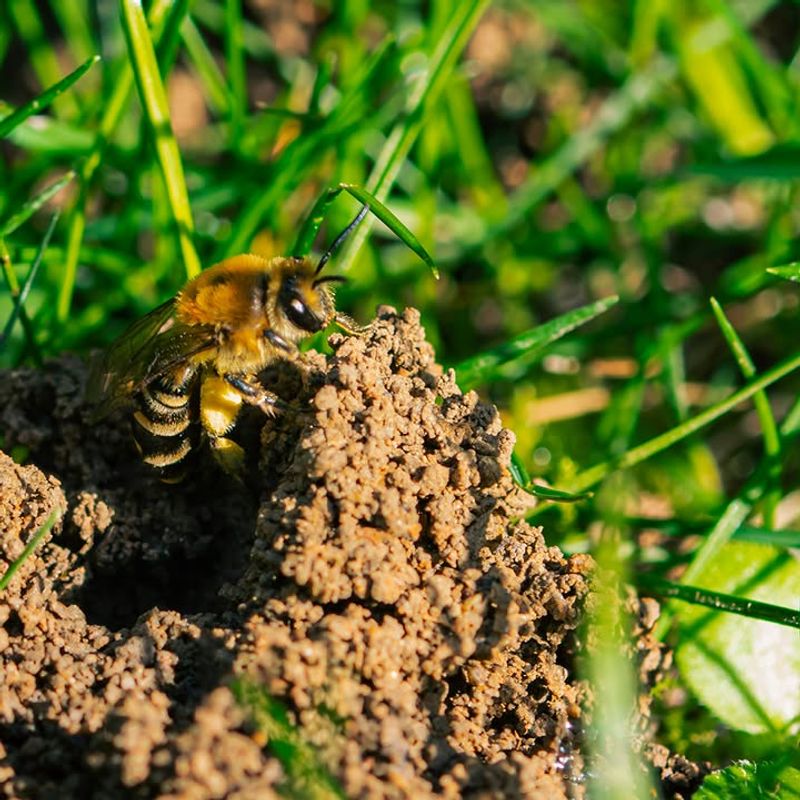
Mulch is often called a gardener’s best friend. It holds moisture, keeps weeds down, and makes garden beds look neat and finished.
But in California, spreading mulch everywhere comes with a hidden cost for native bees.
When you cover the soil completely, ground-nesting bees cannot reach it. They need direct access to bare earth to dig their burrows.
A thick layer of wood chips or bark might as well be a locked door for a bee looking for a nesting spot.
That does not mean you need to stop using mulch entirely. The trick is to leave some areas uncovered.
A few square feet of open soil in a sunny part of your yard can make a big difference. You can still mulch around plants where it helps most and leave strategic bare patches in between.
South-facing slopes and spots that get full sun all day are especially valuable. Bees prefer warm soil because it helps their eggs develop faster.
Try pulling back mulch in one or two spots this season and see what shows up. You might be surprised how quickly native bees in California find those open patches and start moving in.
4. Leave Sunny Patches Open
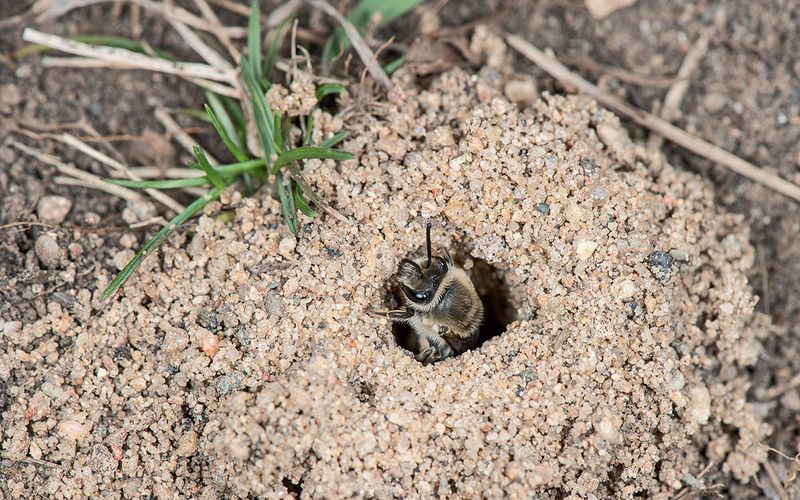
Sunshine is not just good for plants. Native bees in California actively seek out warm, sun-drenched soil for their nests.
A shaded patch of bare ground simply does not work as well, because the soil stays too cool and damp for eggs to develop properly.
South-facing and west-facing areas of your yard tend to get the most direct sun. Those are the spots worth keeping open and free of heavy ground cover.
Even a patch the size of a dinner table can support multiple bee species if it sits in full sunlight for most of the day.
Leaving these patches open does not take much effort. You can edge them with rocks or native plants to give the area a purposeful, designed look.
That way, your garden still feels intentional and cared for, while also offering real habitat for pollinators.
Some California gardeners have started labeling their bare patches with small signs that explain why the soil is exposed. It is a fun way to educate neighbors and visitors about native bee habitat.
Once people understand the reason, a bare patch goes from looking like an oversight to looking like exactly what it is: a thoughtful choice that supports California’s incredible native bee community.
5. Avoid Heavy Soil Disturbance
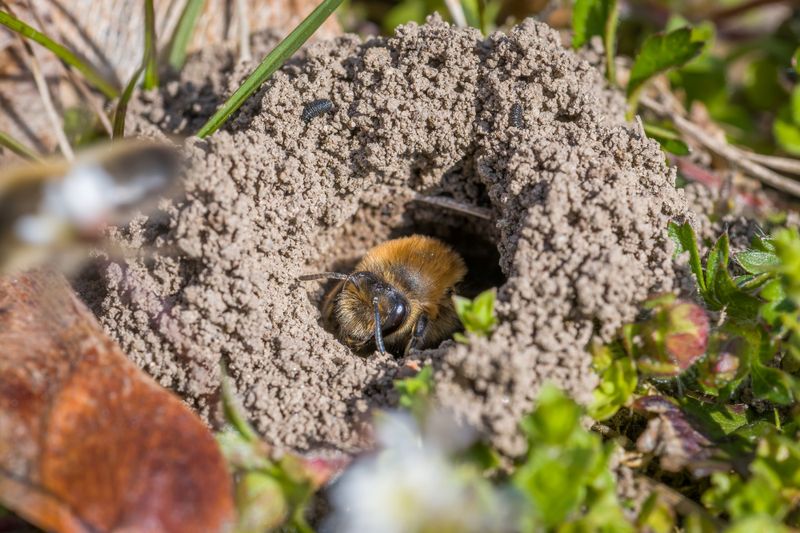
Here is something many gardeners do not think about: tilling and digging can wipe out an entire season of bee nesting in minutes. When you churn up the soil, you destroy the tunnels and chambers that native bees have carefully built underground.
In California, many native bees are active from late winter through summer. During that time, females are digging nests, laying eggs, and stocking chambers with pollen.
Heavy digging during these months can disrupt all of that work before the young bees ever get a chance to emerge.
If you need to work the soil, try to do it in late fall when most nesting activity has slowed down. Use a light hand and avoid turning over large sections of ground at once.
Spot-weeding by hand causes far less damage than broad tilling across a whole bed.
Keeping some areas of your California yard permanently undisturbed is one of the most effective things you can do. Designate a section of your garden as a no-dig zone.
Mark it off, plant native flowers around the edges, and let the soil stay calm and settled. Over time, you may notice more bee activity as local species learn that your yard is a safe and reliable place to nest year after year.
6. Pair Bare Ground With Flowers
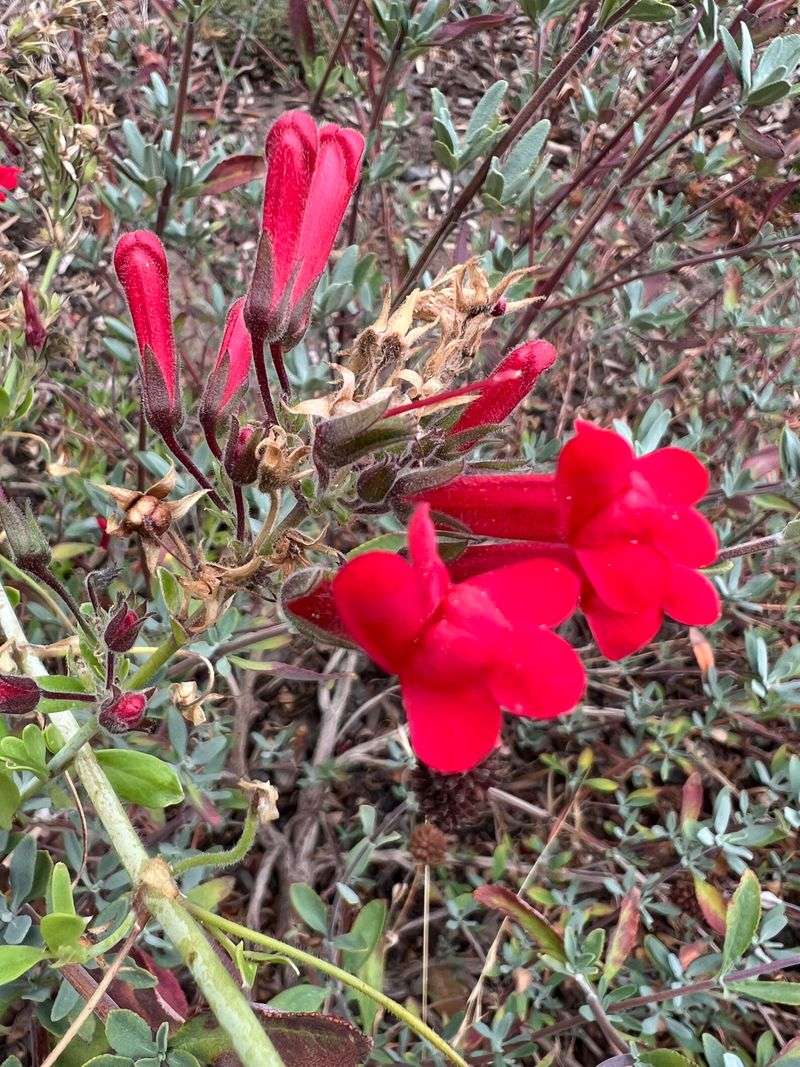
Bare ground alone is a great start, but pairing it with native flowers takes your garden to a whole new level for bees. Think of it this way: the soil is the bedroom and the flowers are the kitchen.
Bees need both to thrive.
California has an incredible variety of native plants that bloom at different times of year. Planting a mix of them near your bare soil patches means bees have food available from early spring all the way into fall.
Good choices include California poppy, phacelia, native buckwheat, and black sage.
Planting flowers close to nesting areas is especially helpful for female bees. After digging a burrow, a female bee needs to collect pollen quickly and efficiently.
Having flowers just a short flight away saves her energy and time, which means she can raise more young bees each season.
Keep the flowers on the outer edges of your bare patches rather than planting directly in them. You want the soil in nesting areas to stay open and accessible.
A ring of native blooms around a central bare patch creates a beautiful and functional design that works for both the gardener and the bees. California’s native pollinators will notice the difference right away.
7. Small Changes Help Bees
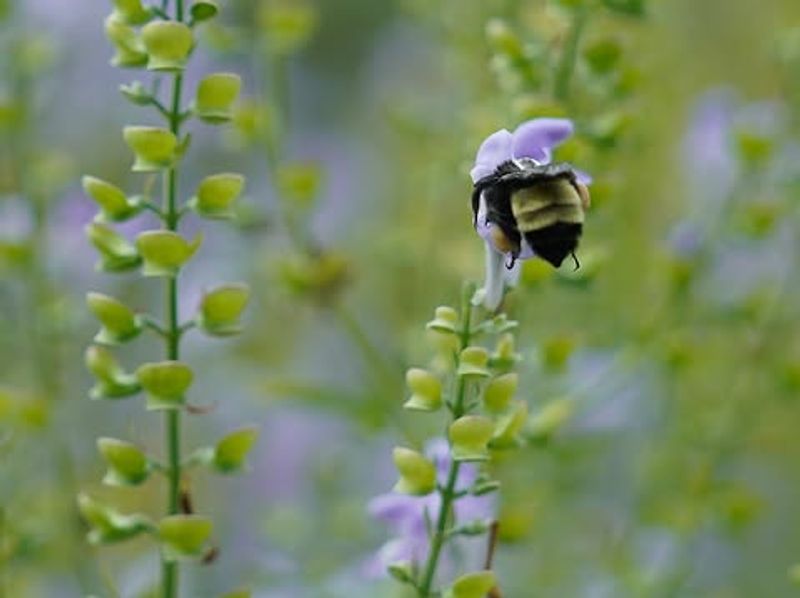
You do not need a large yard or a big budget to make a difference for native bees in California. Some of the most impactful changes are also the simplest ones.
Pulling back a bit of mulch, skipping one round of tilling, or leaving a sunny corner undisturbed can open the door for dozens of bee species.
Even apartment balconies and small urban lots can help. A container filled with sandy, well-drained soil placed in a sunny spot can attract some smaller ground-nesting species.
Pair it with a pot of native flowers and you have created a tiny but real pollinator habitat.
Community gardens across California are starting to catch on to this idea. Some have set aside small sections of bare, sunny soil specifically for native bees.
Those little patches have become gathering spots for local pollinators that support surrounding food gardens too.
Every small action adds up. When neighbors see your bare soil patch and learn why it is there, some of them may try it too.
That kind of ripple effect is how neighborhoods in California can shift from bee deserts to pollinator-friendly spaces one yard at a time. Starting small is perfectly fine.
What matters most is simply getting started.