Top 9 Native Perennials That Thrive In Full Sun In California
California gardens can be brutal on the wrong plant. A spot that looks bright and cheerful in the morning can feel blazing, dry, and relentless by afternoon, especially once the warm season really kicks in.
That is why full-sun perennials that are actually native to California feel like such a smart upgrade. They are built for these conditions, which means they often need less fuss, fit the landscape more naturally, and still bring plenty of color and character.
Better yet, they do not just survive tough sunny spots. The right ones make those areas look intentional, vibrant, and full of life.
For gardeners tired of plants that sulk, flop, or burn out too soon, this is where things get interesting. California has some truly beautiful native perennials that know exactly how to handle the heat.
Plant the right mix, and a sunny yard can start looking richer, wilder, and far more rewarding without turning into a constant chore.
1. Douglas Iris
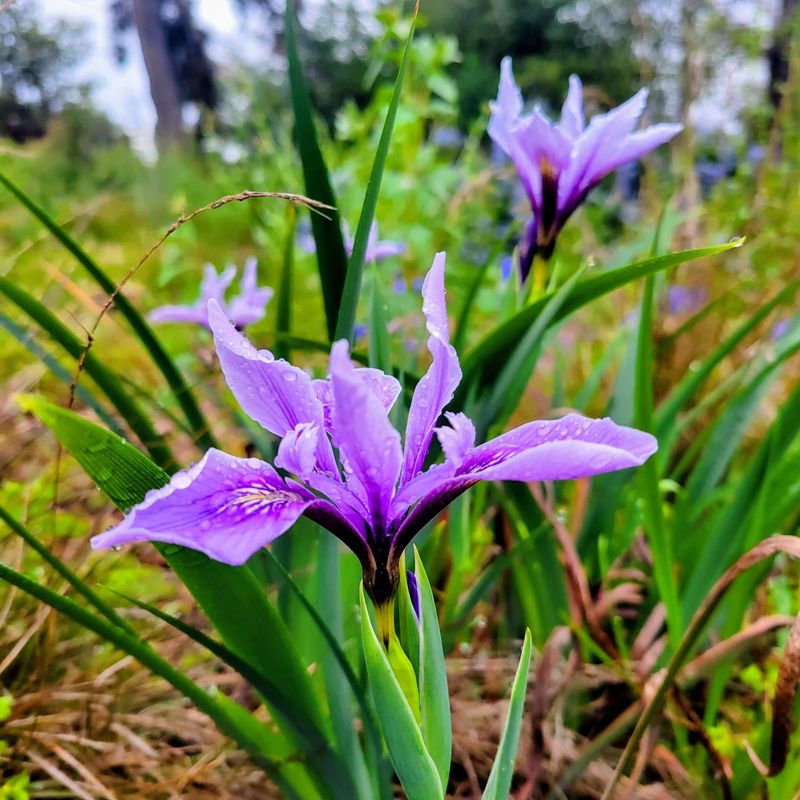
Few plants can match the quiet elegance of Douglas Iris when it bursts into color in early spring. Native to coastal and foothill regions of California, this perennial produces stunning blooms in shades of purple, lavender, white, and blue.
The flowers have that classic iris shape with delicate veining on the petals that looks almost hand-painted.
Douglas Iris grows well in full sun, especially along the California coast where morning fog keeps things cool. It can handle some drought once established, making it a smart choice for water-conscious gardeners.
The plant spreads slowly over time to form attractive clumps that get more impressive each year.
Plant it in well-draining soil and give it a good soak when first getting started. After that, it needs very little attention.
Bees and butterflies love visiting the blooms. It pairs nicely with native grasses and low-growing ground covers.
If you want a plant that brings color, wildlife, and a true California feel to your sunny garden, Douglas Iris is a wonderful place to start.
2. California Buckwheat
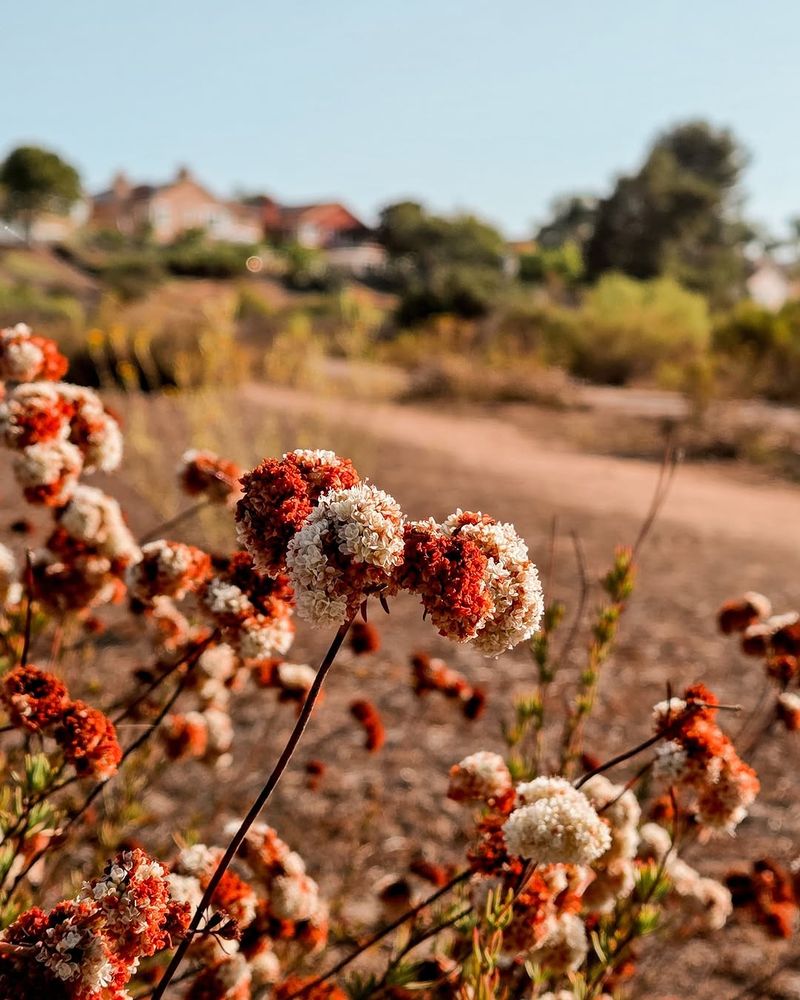
Walk through any sunny hillside in Southern California and you will likely spot California Buckwheat doing its thing. This tough, evergreen shrub is one of the hardest-working native plants in the state.
It produces clusters of tiny white to pink flowers that slowly age into a beautiful rusty-red color, giving the plant a two-toned look that lasts well into fall.
California Buckwheat thrives in full sun and poor, well-drained soil. It actually prefers conditions that would stress out most garden plants.
Once established, it needs almost no supplemental water, which makes it perfect for California’s long dry summers. The plant is also a powerhouse for native bees, especially bumblebees and small native bee species that depend on it for pollen and nectar.
It grows to about two to four feet tall and wide, making it a great choice for slopes, borders, and naturalized areas. Pruning is optional but can help keep it tidy.
Gardeners in California who want a low-maintenance, wildlife-friendly plant that looks good year-round will find California Buckwheat to be one of the most reliable options available in the state.
Your California Garden Changes Every Week. Your Plan Should Too.
Gardening in California changes quickly throughout the season. Every Friday you’ll receive a simple weekly plan showing exactly what to plant, prune, fertilize, harvest, and protect so you never miss the right timing.
3. Matilija Poppy
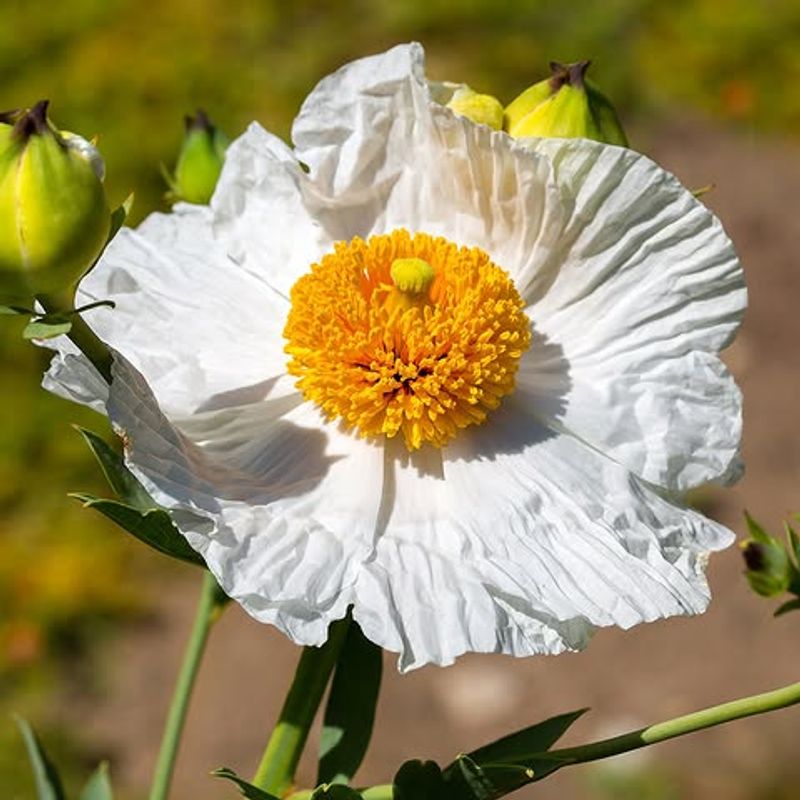
Sometimes called the fried egg plant because of its giant white petals and bold yellow center, Matilija Poppy is one of California’s most dramatic native perennials. The blooms can reach up to nine inches across, making them among the largest flowers of any plant native to North America.
When this plant is in full bloom, it truly stops people in their tracks.
Native to the dry canyons of Southern California and Baja California, it loves full sun and fast-draining soil. It spreads aggressively through underground runners, so give it plenty of space to roam.
Many gardeners use it on hillsides or large open areas where its spreading habit is actually helpful for erosion control.
Matilija Poppy can grow six to eight feet tall and blooms from late spring into early summer. It goes dormant in late summer, so pairing it with other plants that stay green helps keep your garden looking lively.
Despite its bold size, it needs very little water once established. For anyone in California who wants a show-stopping native plant that loves the sun and thrives on neglect, this poppy is hard to beat.
4. Woolly Blue Curls
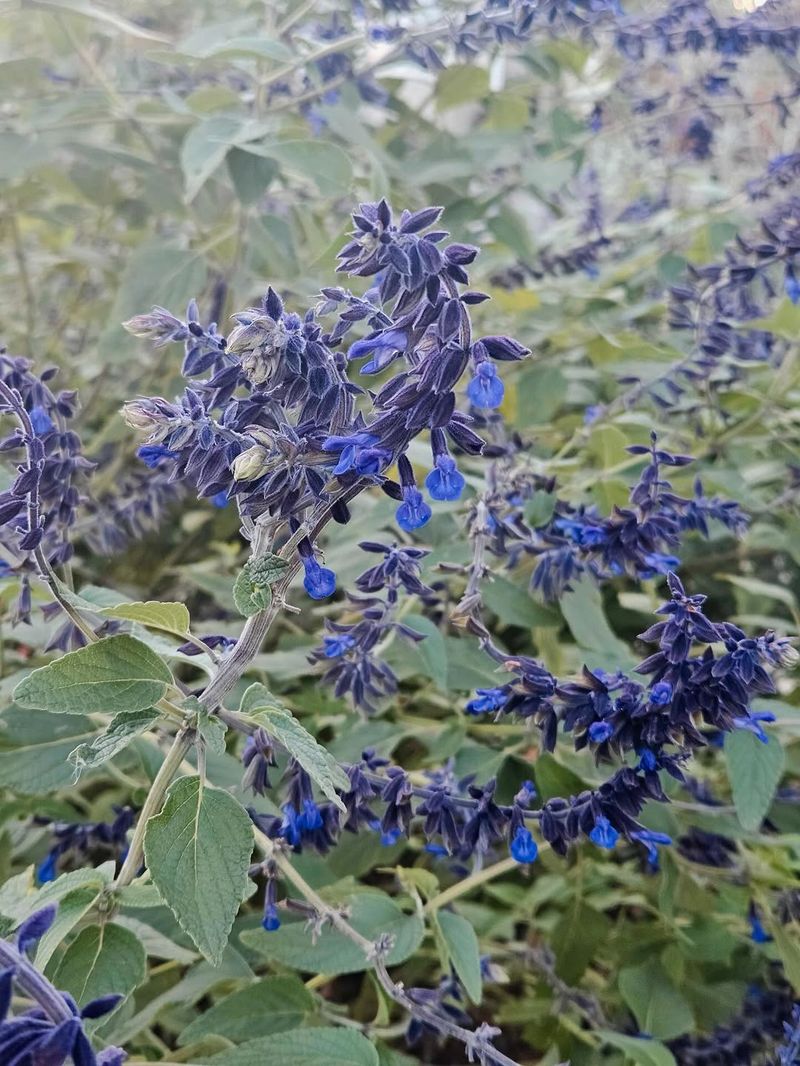
There is something almost magical about Woolly Blue Curls. The flowers curl and twist in a way that looks unlike anything else in a California garden.
The blooms are a rich blue-purple color, and the stems are covered in soft, silvery-white fuzz that gives the whole plant a dreamy, frosted appearance. It is truly one of California’s most unique native perennials.
Woolly Blue Curls, known scientifically as Trichostema lanatum, is native to the coastal sage scrub and chaparral habitats of Southern California. It loves full sun and thrives in dry, rocky, or sandy soil with excellent drainage.
Overwatering is the quickest way to run into trouble with this plant, so hold back on irrigation once it is established.
Hummingbirds and butterflies are big fans of the blooms, which appear from spring through summer. The plant typically grows two to five feet tall and has a shrubby form that works well in borders or as a focal point.
It also has a pleasant herbal fragrance when the leaves are brushed. For gardeners in California looking for something truly eye-catching and pollinator-friendly in a hot, sunny spot, Woolly Blue Curls delivers on every level.
5. Showy Milkweed
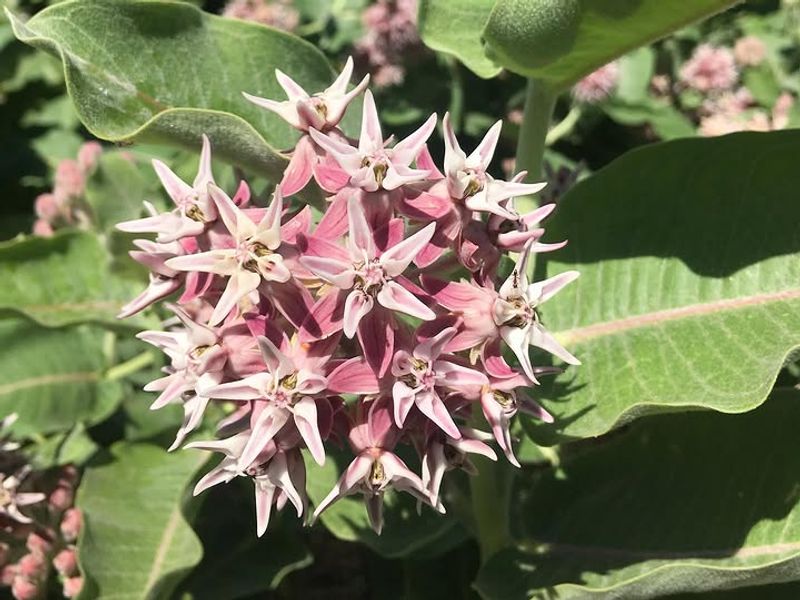
If you have ever wanted to help monarch butterflies, planting Showy Milkweed is one of the best things you can do. This native California perennial is the primary host plant for monarch butterfly caterpillars.
Without milkweed, monarchs cannot complete their life cycle. Watching caterpillars munch on the leaves and then transform into butterflies is one of the most rewarding experiences a gardener can have.
Showy Milkweed grows naturally in sunny meadows, roadsides, and stream banks throughout much of California. It can reach three to four feet tall and produces beautiful clusters of pink and white star-shaped flowers in summer.
The blooms attract not just monarchs but also bees, beetles, and other pollinators in large numbers.
It prefers full sun and tolerates a wide range of soil types, including clay. It spreads through underground rhizomes and can form large colonies over time.
Cutting it back in late fall encourages healthy regrowth in spring. Showy Milkweed goes dormant in winter, but it comes back strong every year.
For California gardeners who care about conservation and want a native perennial that makes a real ecological difference, Showy Milkweed is an absolute must-have in the garden.
6. Desert Mallow
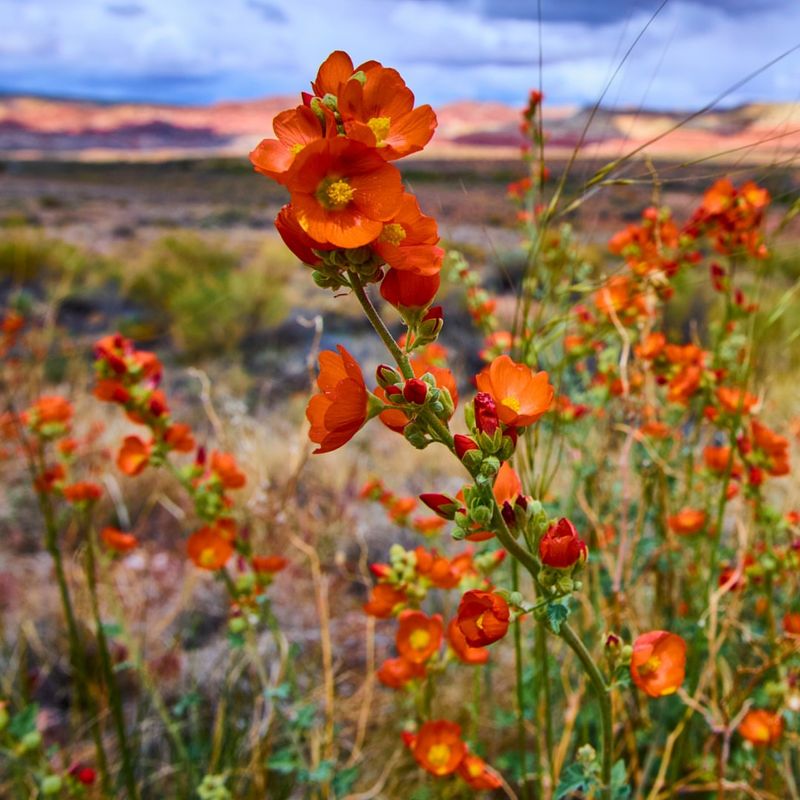
Bright orange blooms against silvery-green leaves make Desert Mallow one of the most cheerful plants you can grow in a sunny California garden. Also known as Apricot Mallow or Sphaeralcea ambigua, this tough native perennial thrives in the hottest, driest conditions that would send most plants into a tailspin.
It is built for California’s intense summer sun and minimal rainfall.
Desert Mallow is native to the Mojave Desert and other arid regions of California and the Southwest. It blooms heavily in spring and can continue flowering into fall with occasional deep watering.
The cup-shaped flowers come in shades of orange, coral, and sometimes pink or lavender depending on the variety. They are absolutely loved by native bees.
This plant grows two to three feet tall and wide, forming a rounded, mounding shape that looks great in rock gardens or along pathways. It needs very little care once established and actually performs better in lean soil without added fertilizer.
The fuzzy leaves help reflect sunlight and reduce water loss. For anyone in California with a hot, dry, sunny spot that seems impossible to plant, Desert Mallow is the answer you have been looking for.
7. Farewell To Spring
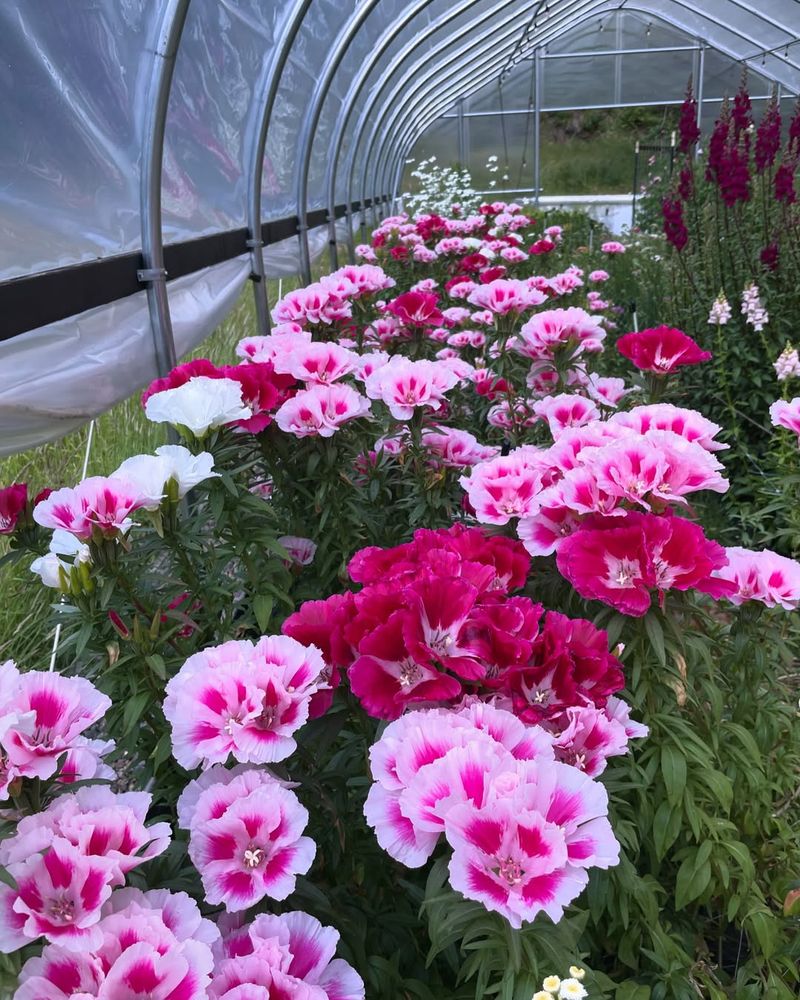
Named for its habit of blooming just as spring fades into California’s dry summer, Farewell to Spring is a native annual-to-short-lived perennial that brings an explosion of color right when you need it most. The flowers are a vivid pink to magenta, often with darker blotches at the center, and they shimmer in the sunlight like tiny paper lanterns scattered across a hillside.
Clarkia amoena, its scientific name, grows naturally in open grasslands, coastal bluffs, and sunny slopes throughout California. It loves full sun and well-drained soil, and it actually struggles in overly rich or moist conditions.
Planting it in a lean, sandy spot gives it the best chance to perform at its peak.
Farewell to Spring grows about one to two feet tall and reseeds itself readily, so once you have it in your garden, it tends to return year after year. It blooms from late spring into early summer, overlapping with many other California natives to create a layered, colorful display.
Bees and butterflies flock to the flowers. For gardeners who want a carefree, vibrant native that adds wild, meadow-like charm to a sunny California landscape, this plant is a genuine treasure.
8. Sticky Monkeyflower
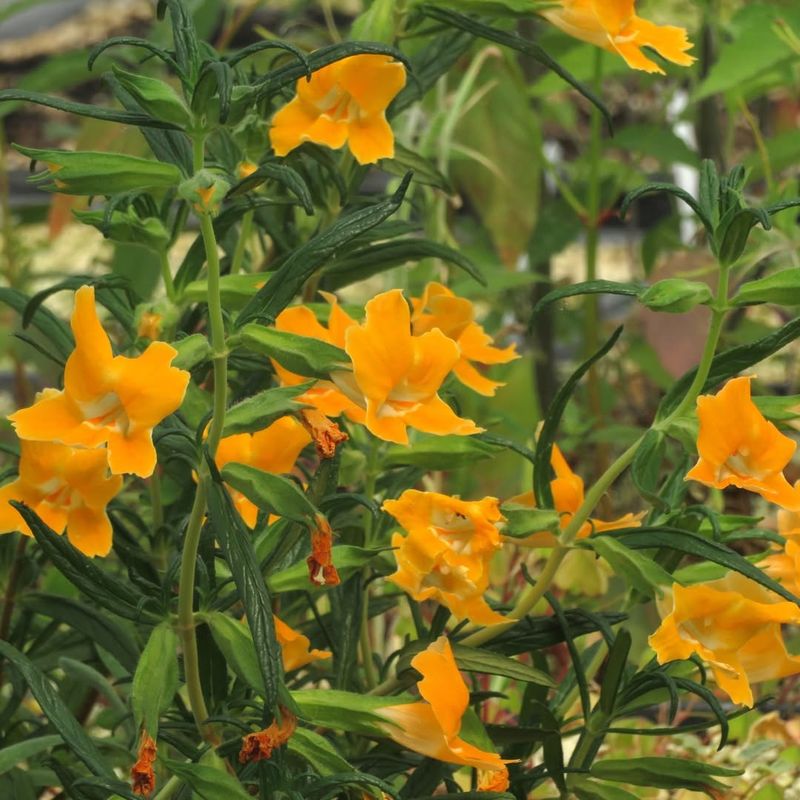
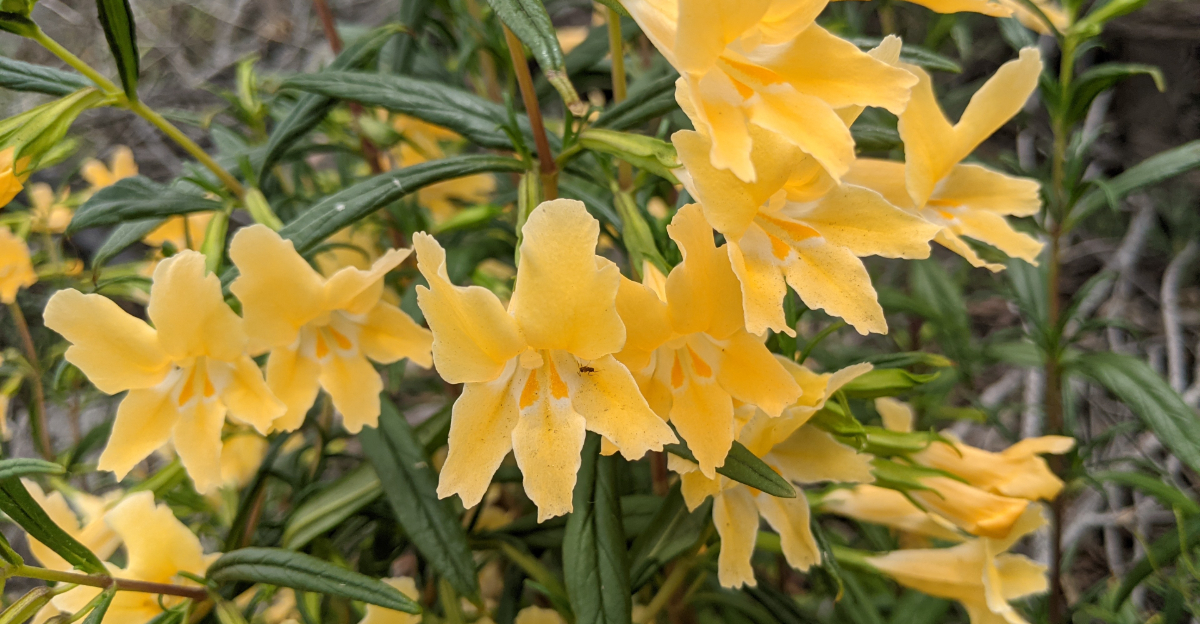
Sticky Monkeyflower has a name that makes people smile, but once you see it in bloom, you understand why gardeners across California love it so much. The tubular orange to yellow flowers are perfectly shaped for hummingbirds, and watching those tiny birds hover and feed is one of the highlights of having this plant in your yard.
The blooms appear from spring through summer and sometimes into fall.
Diplacus aurantiacus is native to coastal scrub, chaparral, and open woodlands throughout California. It is remarkably adaptable, growing in full sun to partial shade and tolerating both drought and some summer water.
The leaves are sticky to the touch and have a pleasant, slightly resinous scent that adds another sensory layer to the garden experience.
The plant grows two to four feet tall and can be pruned back hard after blooming to encourage fresh growth and more flowers. It comes in several color forms ranging from pale yellow to deep burnt orange, so you can pick the shade that best fits your garden palette.
Sticky Monkeyflower is an excellent choice for California gardeners who want reliable color, wildlife value, and minimal fuss in a sunny or lightly shaded spot.
9. Bigelow’s Nolina
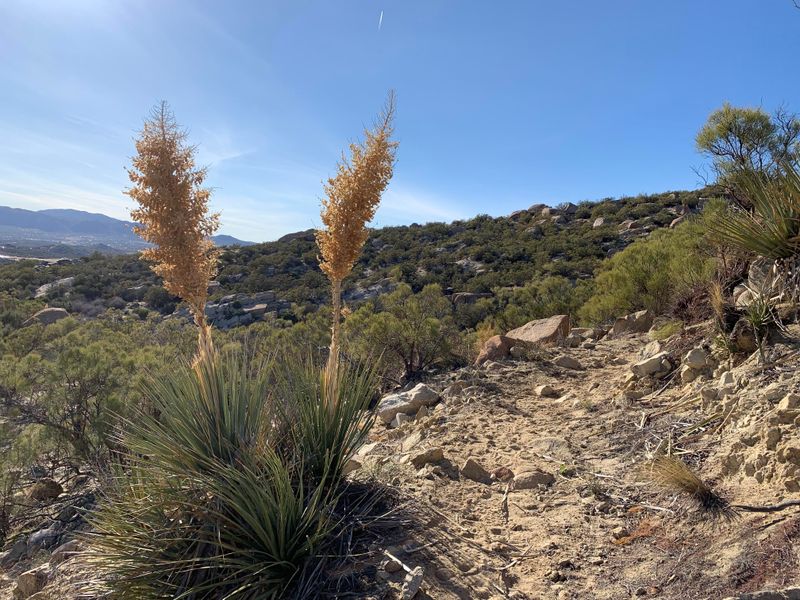
Bold, architectural, and completely unbothered by heat, Bigelow’s Nolina is the kind of plant that makes a statement without trying too hard. It forms a dramatic rosette of long, narrow, grass-like leaves that can span several feet across.
In late spring, it sends up tall flower stalks topped with fluffy clusters of creamy white blooms that attract all kinds of pollinators.
Native to the rocky slopes and desert edges of Southern California and the Mojave region, Bigelow’s Nolina is built for full sun and extremely well-drained soil. It can handle intense heat, dry conditions, and even poor rocky soil without complaint.
Once established, it needs almost no supplemental water, making it one of the most drought-tolerant native perennials you can grow in California.
It grows slowly but eventually becomes a large, impressive specimen that anchors a garden bed with real presence. The leaves have slightly rough edges, so plant it away from high-traffic walkways.
Bigelow’s Nolina works beautifully in desert-style gardens, rock gardens, and naturalistic landscapes. Pairing it with Desert Mallow or Woolly Blue Curls creates a stunning California-native combination that is both visually striking and incredibly easy to care for all year long.