Why Georgia Lawns Start Struggling In May And What To Fix
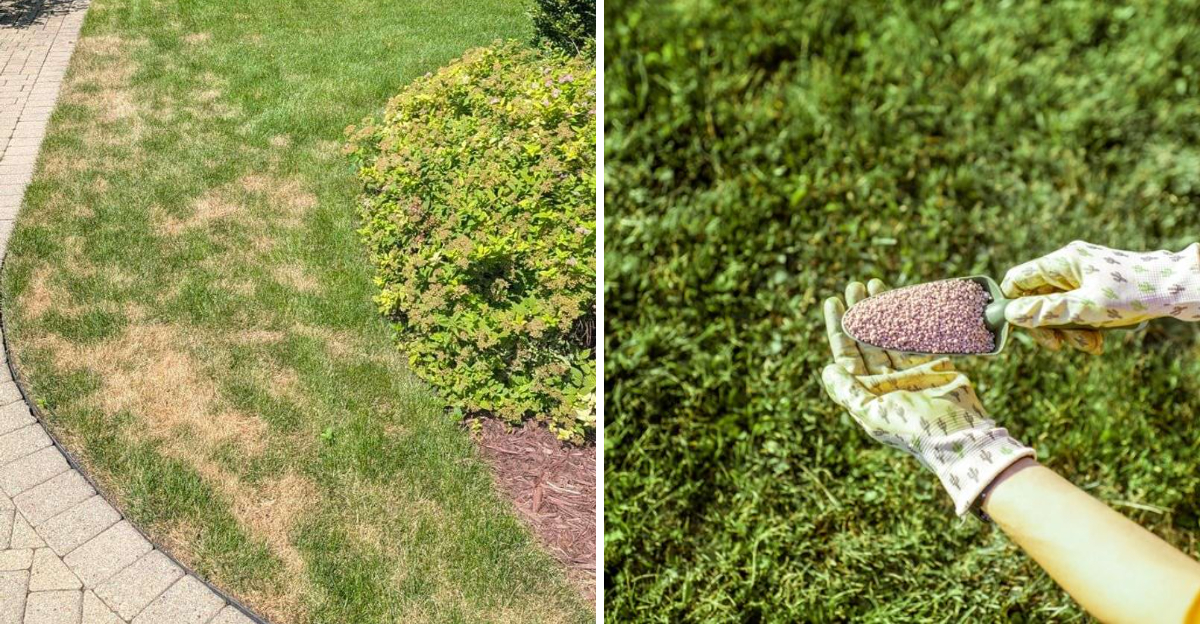
May can be the turning point for Georgia lawns, even if everything looked fine just weeks earlier. Grass starts losing color, patches thin out, and growth slows in ways that feel hard to explain at first.
Heat builds, soil conditions shift, and small problems begin stacking up faster than expected. Early signs often go unnoticed until the lawn already looks stressed.
Compacted soil, uneven watering, and leftover winter damage can all play a role in how turf handles this transition. Without the right adjustments, those issues only get worse as temperatures continue rising.
Getting ahead of those changes makes a noticeable difference in how a lawn holds up through the season.
A few targeted fixes can help grass stay thicker, greener, and more resilient instead of fading under pressure.
1. Heat Stress Starts Weakening Grass As Temperatures Rise
Georgia heat does not ease into summer gradually.
By May, daytime temperatures in many parts of the state are already pushing into the upper 80s and sometimes crossing 90 degrees, and cool-season grasses planted across parts of northern Georgia feel it first.
Warm-season grasses like Bermuda and Zoysia are built for heat, but even they can show stress when temperatures spike before the root system has fully strengthened for the season.
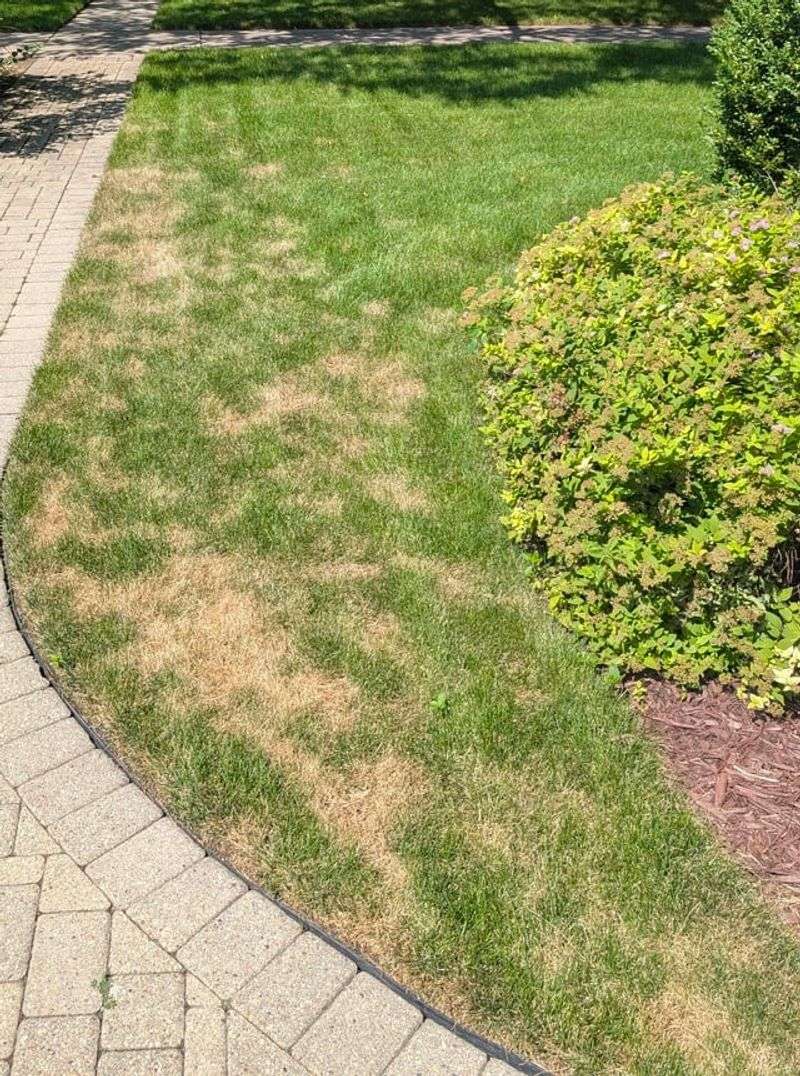
Heat stress shows up in a few recognizable ways. Grass blades start folding inward, which is the plant’s way of reducing surface area exposed to the sun.
Color shifts from bright green to a dull, grayish-green. Footprints stay visible longer than usual because the grass lacks the energy to spring back up after being compressed.
Soil temperature matters just as much as air temperature. When soil heats up quickly in Georgia’s clay-heavy ground, roots struggle to absorb water efficiently.
2. Compacted Soil Limits Root Growth And Water Movement
Georgia’s red clay soil is notoriously stubborn. After a winter of foot traffic, rain, and freeze-thaw cycles, that clay packs down hard, and by May it can feel more like pavement than soil.
Compacted ground blocks air pockets, slows water absorption, and makes it nearly impossible for roots to push deeper where moisture and nutrients actually live.
Roots stuck near the surface are vulnerable to everything. Shallow roots dry out faster during Georgia’s spring heat spikes, leaving the grass visibly wilted even after watering.
Water also tends to run off compacted soil rather than soaking in, which means your irrigation efforts end up on the sidewalk or down the street instead of feeding your lawn.
Recognizing compaction is straightforward. Push a standard screwdriver into your lawn by hand.
If it takes real effort to push it in a few inches, compaction is likely your problem. Puddles that linger hours after rain are another clear signal that water movement through the soil profile has slowed significantly.
Compaction does not fix itself. Without intervention, the problem deepens through summer as dry Georgia heat bakes the soil even harder.
Addressing it in May, before peak summer arrives, gives your lawn a fighting chance.
Your Georgia Garden Changes Every Week. Your Plan Should Too.
Gardening in Georgia changes quickly throughout the season. Every Friday you’ll receive a simple weekly plan showing exactly what to plant, prune, fertilize, harvest, and protect so you never miss the right timing.
3. Switch To Deep Infrequent Watering To Strengthen Roots
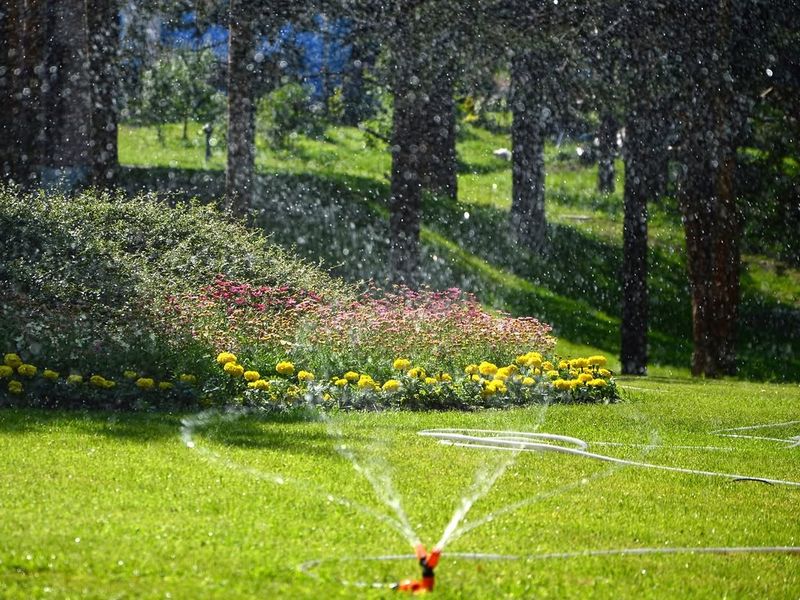
Shallow, frequent watering is one of the most common mistakes Georgia homeowners make in May. Watering a little every day trains roots to stay near the surface, which is exactly where they should not be when summer heat arrives.
Shallow roots are the first to suffer when soil temperatures rise and moisture near the top evaporates quickly.
Deep watering changes the game. Applying enough water to soak down six to eight inches encourages roots to follow moisture deeper into the soil profile, where temperatures stay cooler and water lasts longer.
A lawn with deep roots handles Georgia’s summer heat far better than one with a shallow, fragile root system developed through daily light sprinkles.
Most Georgia lawns benefit from about one inch of water per week during spring and early summer. Splitting that into two sessions rather than seven daily ones gives soil time to partially dry between waterings, which actually encourages roots to search deeper for moisture.
A simple rain gauge placed in your yard takes the guesswork out of knowing how much water your lawn is actually receiving.
4. Raise Mowing Height To Reduce Stress On Grass
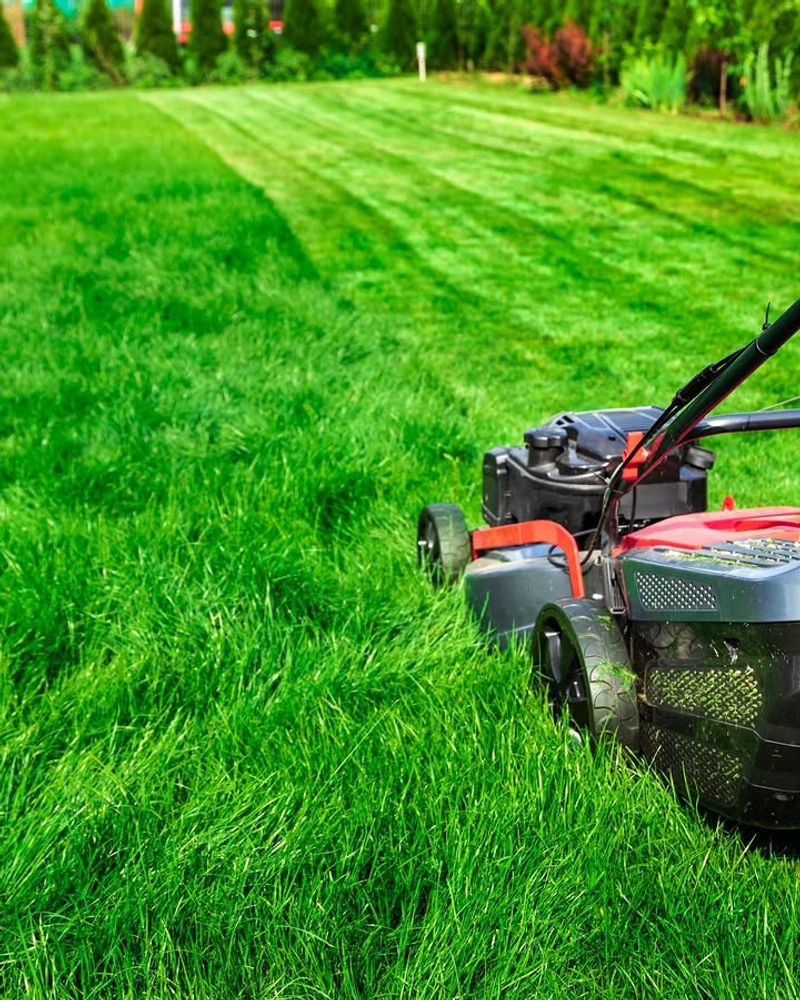
Cutting grass too short in May is like pulling a shade cover off a plant right before a heat wave. Taller grass blades shade the soil beneath them, keeping ground temperatures lower and slowing moisture evaporation.
Scalped lawns expose bare soil directly to Georgia’s spring sun, which heats up fast and stresses roots sitting just below the surface.
Most warm-season grasses common across Georgia, including Bermuda, Zoysia, and Centipede, have specific height ranges that keep them healthy. Bermuda generally does well between one and a half to two and a half inches.
Zoysia performs best at one and a half to two inches. Centipede, which is popular throughout middle and southern Georgia, prefers a height of one to one and a half inches.
Cutting lower than these ranges removes too much of the leaf blade at once.
A good rule worth following is the one-third rule. Never remove more than one-third of the grass blade in a single mowing.
Cutting off too much at once sends the plant into recovery mode, diverting energy away from root development toward leaf regrowth. Repeated scalping over several weeks can seriously weaken a lawn heading into summer.
5. Aerate Soil To Improve Air And Water Flow
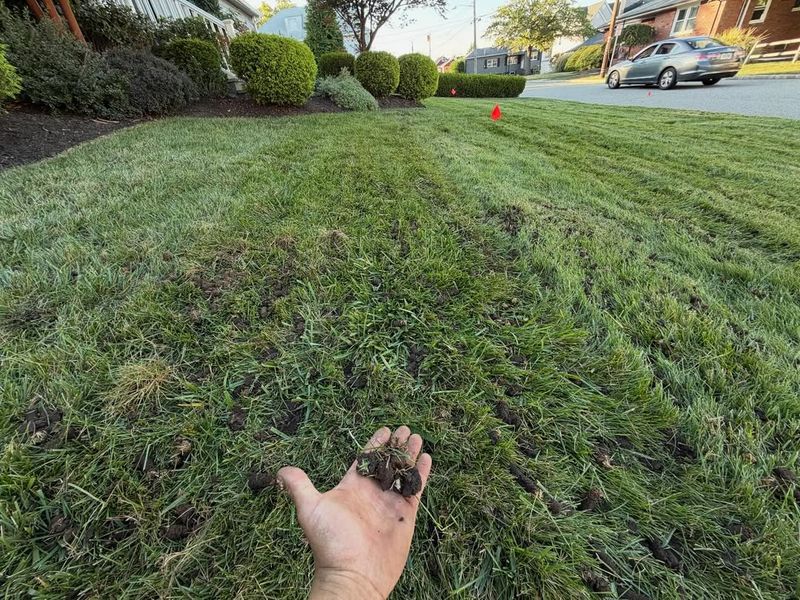
Aeration might be the single most underused lawn care tool in Georgia. Homeowners spend money on fertilizer and water but skip the one step that actually lets those inputs reach the roots.
Without open channels in the soil, nutrients and water pool at the surface, evaporate, or run off before grass can use any of them.
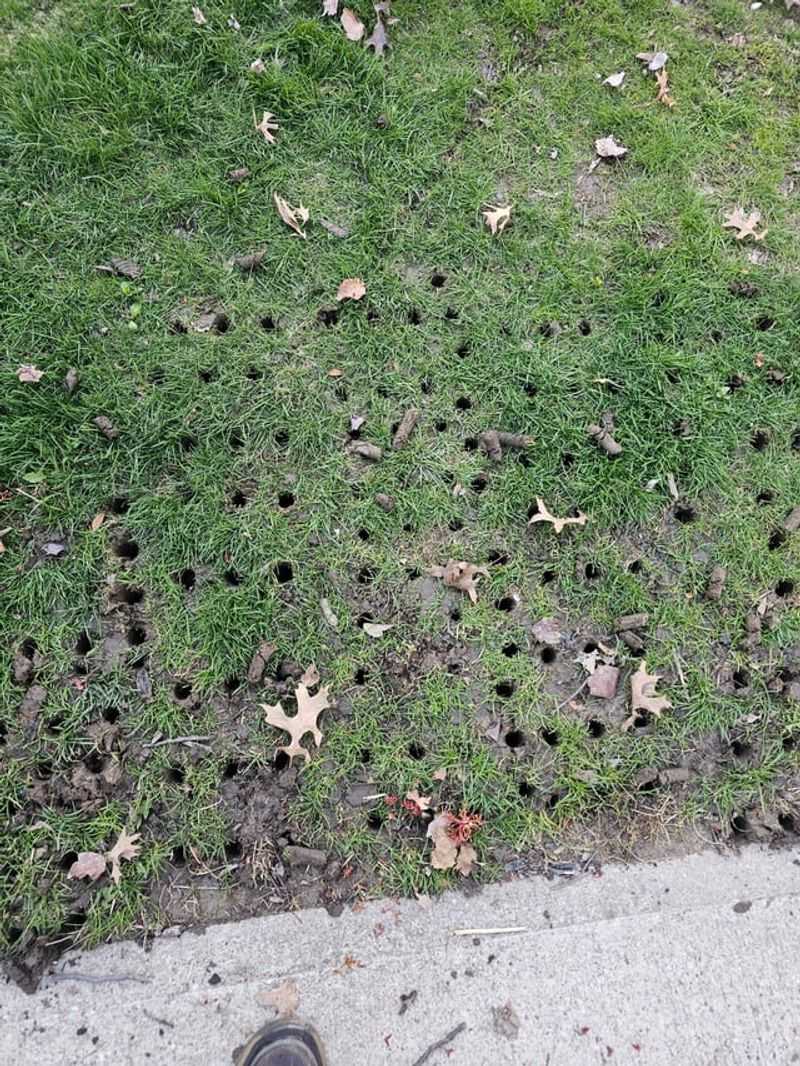
Core aeration works by pulling small plugs of soil out of the ground, typically about two to three inches deep and spaced a few inches apart across the lawn. Those small holes open up pathways for oxygen, water, and nutrients to reach the root zone directly.
In Georgia’s dense clay soil, even a single annual aeration session can produce visible improvement in grass density and color within a few weeks.
Timing matters when planning aeration in Georgia. Warm-season grasses like Bermuda and Zoysia should be aerated when they are actively growing, which makes late spring an ideal window.
Aerating too early in spring before the grass has fully greened up puts stress on a lawn that has not yet recovered from winter dormancy.
6. Apply Slow Release Fertilizer To Support Recovery
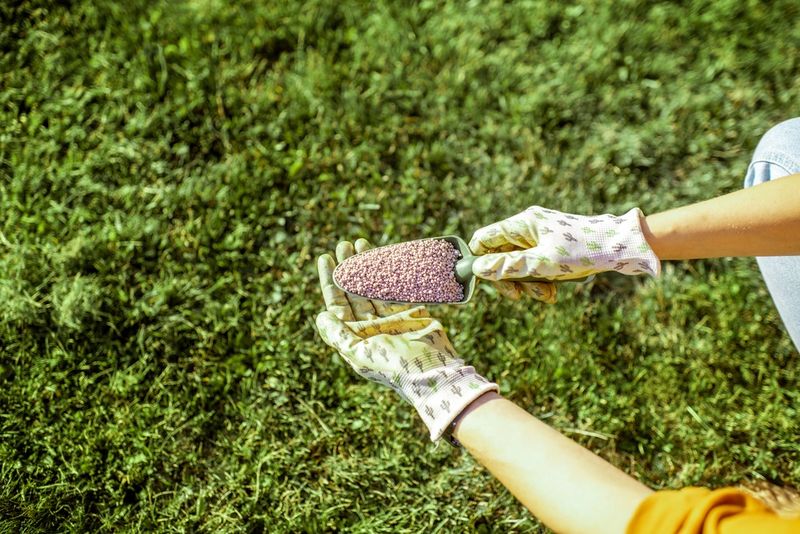
Grabbing any bag of fertilizer off the shelf and spreading it on a struggling May lawn can backfire fast.
Quick-release nitrogen gives grass a sudden green burst, but in Georgia’s spring heat, that rapid growth can actually increase water demand and leave roots even more stressed.
Slow-release fertilizers work differently, feeding the lawn steadily over six to eight weeks rather than flooding it with nutrients all at once.
Warm-season grasses across Georgia generally need their first meaningful feeding after they have fully greened up from winter dormancy. Applying fertilizer too early, before the grass is actively growing, wastes product and can encourage weeds instead.
By mid-May, Bermuda, Zoysia, and Centipede lawns across most of Georgia are growing actively enough to benefit from a properly timed fertilizer application.
Nitrogen, phosphorus, and potassium each play a role in lawn health, but nitrogen gets the most attention because it drives leaf growth and color. A fertilizer with a ratio like 16-4-8 or similar, using slow-release nitrogen sources like sulfur-coated urea, is a practical starting point for many Georgia lawns.
A soil test, available through Georgia’s county extension offices, removes the guesswork and tells you exactly what your lawn is missing.
Always water the lawn after applying granular fertilizer. Moisture activates the granules and carries nutrients down toward the root zone where they are actually useful.
7. Treat Early Pest And Disease Activity Before It Spreads
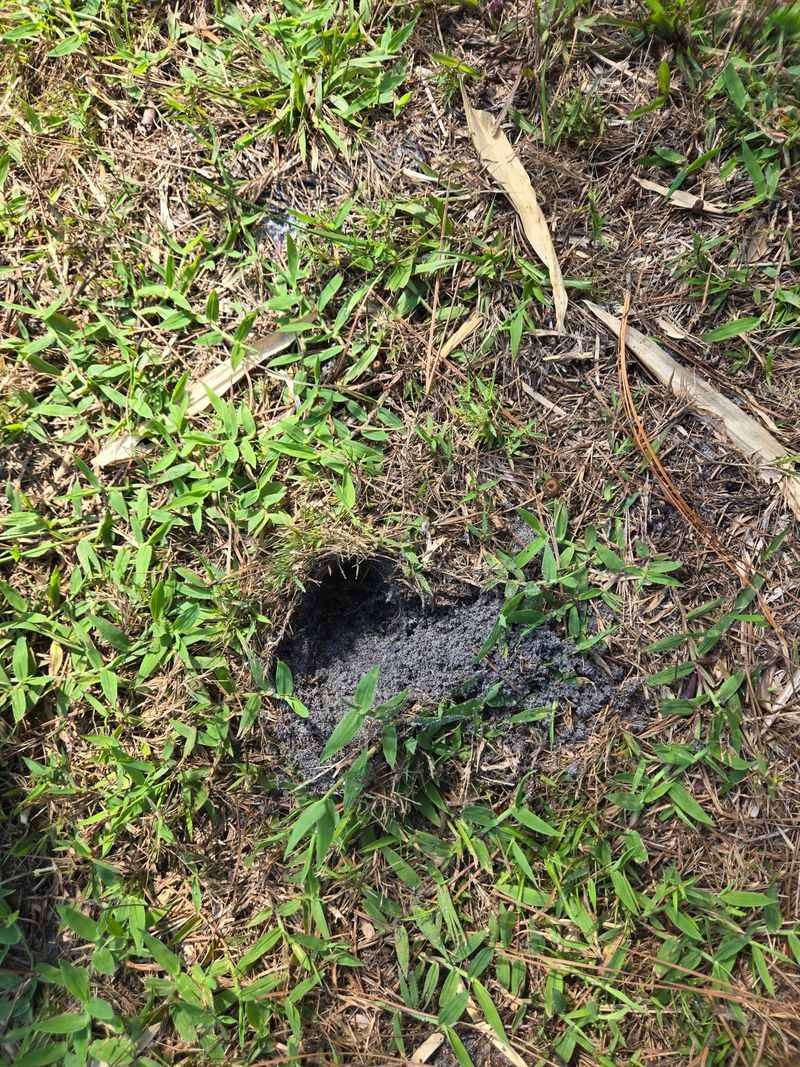
May in Georgia is not just warm for people. Pests and fungal diseases wake up with the heat, and they move fast.
Armyworms, grubs, and chinch bugs are among the most common lawn pests in Georgia, and all three can cause significant damage before most homeowners even realize something is wrong. Spotting the early signs is the difference between a quick fix and a major repair project.
Brown patch is one of the most recognizable fungal diseases in Georgia lawns. It shows up as circular brown areas ranging from a few inches to several feet wide, often with a darker ring around the outer edge.
High humidity, warm nights above 70 degrees, and wet grass blades create ideal conditions for brown patch to spread quickly. Georgia’s spring weather in May checks nearly every one of those boxes.
Chinch bugs prefer Bermuda and St. Augustine grass, which is common in southern parts of Georgia. They feed by sucking moisture from grass blades while injecting a toxin that blocks the plant’s ability to transport water.
Affected areas look drought-stressed even after watering, and the damage spreads outward from a central point. Parting the grass near the damage edge and looking for small black-and-white insects confirms their presence.