These Companion Plants Can Double Your Tomato Yields In North Carolina’s Humid Summers
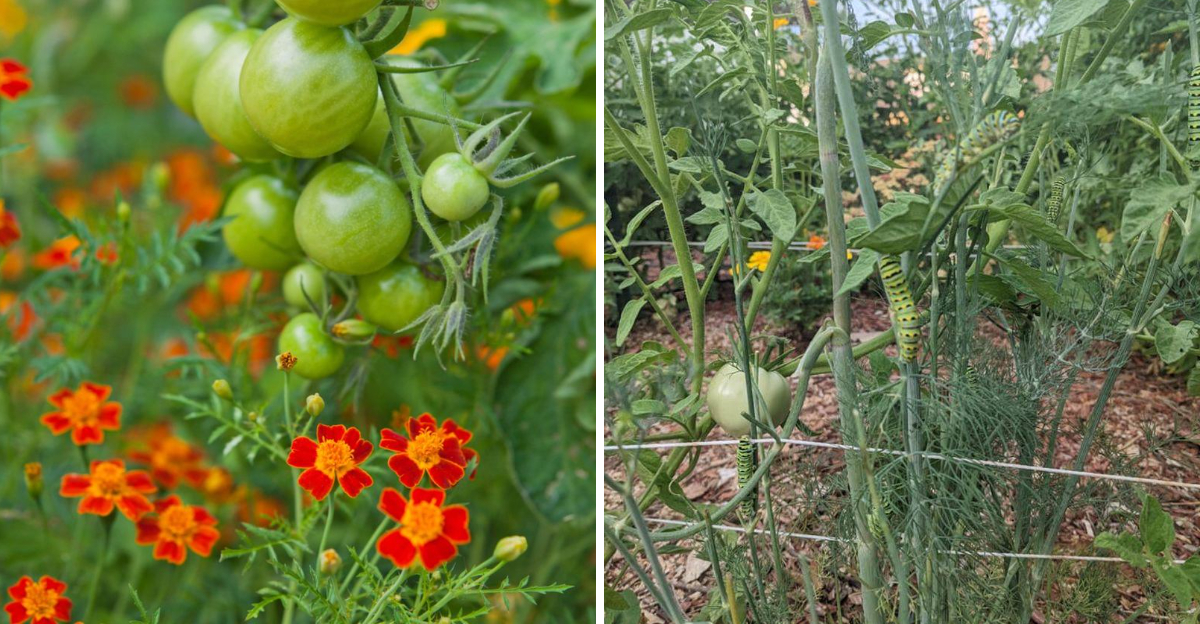
Tomatoes are the most popular vegetable in backyard gardens across North Carolina, and most gardeners are leaving a surprising amount of potential on the table without realizing it. The plants growing next to your tomatoes matter more than you might expect.
Companion planting is not a new concept, but the science behind why certain plant combinations work so well has become a lot clearer in recent years.
In North Carolina’s humid summers, tomatoes face a specific set of challenges including fungal pressure, pest activity, and inconsistent pollination that the right neighboring plants can actually help manage.
Instead of relying entirely on sprays and treatments, you can build a garden setup that works more like a system, where each plant supports the others and the whole bed becomes more productive.
Some of these combinations have been tested by gardeners for generations, and the results speak for themselves.
The right companions will not just protect your tomatoes, they will push your harvest further than you thought a backyard garden could produce.
1. Basil (Ocimum basilicum)
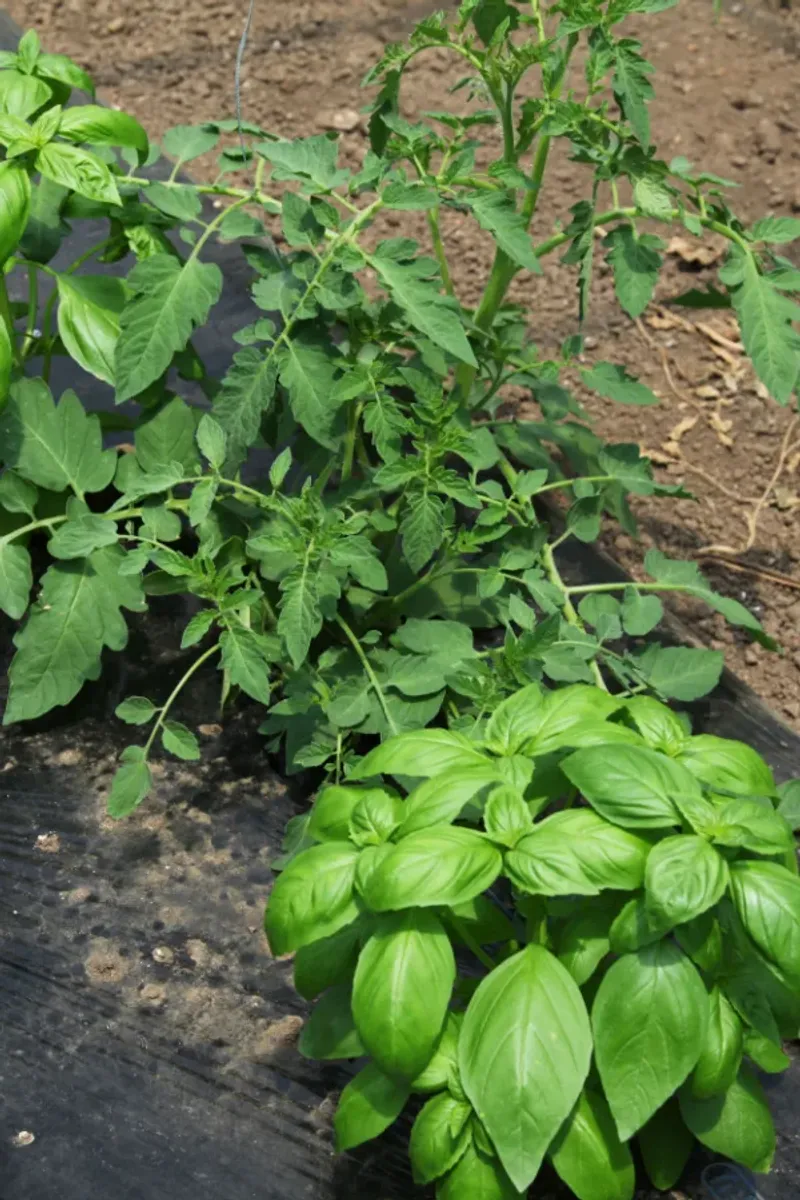
Ask any experienced gardener in North Carolina and they will almost always mention basil in the same breath as tomatoes. These two plants share similar needs when it comes to water, sunlight, and warmth, making them natural neighbors in any summer garden.
Basil thrives in the same humid, hot conditions that North Carolina summers dish out from June through August.
Beyond just being easy to grow together, basil may help reduce pest pressure around your tomato plants. Some gardeners believe its strong, aromatic oils confuse or deter insects like aphids and whiteflies that love to snack on tomato leaves.
While research is still ongoing, many growers in the region swear by this pairing season after season.
Basil also attracts pollinators, especially when you let a few plants flower. Bees and other beneficial insects visit basil blooms regularly, and that increased pollinator activity can directly improve your tomato fruit set.
Plant basil about 12 inches away from your tomato stems so both plants have enough room to breathe. In North Carolina’s thick summer air, good airflow helps prevent fungal issues that love to spread in humid conditions.
Harvest basil leaves regularly to keep the plant bushy and productive all season long.
2. Borage (Borago officinalis)
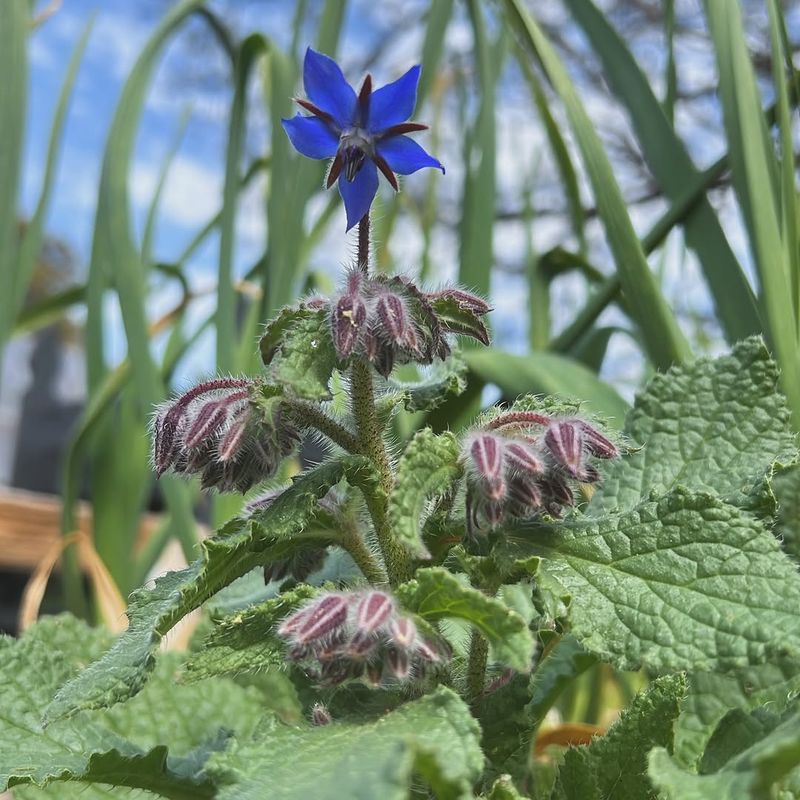
There is something almost magical about watching borage bloom in a summer garden. Those tiny, star-shaped blue flowers are not just beautiful, they are bee magnets, and in North Carolina’s humid growing season, attracting more pollinators to your tomato patch can make a real difference in how many fruits you harvest.
More bee visits mean more flowers getting pollinated, and more pollinated flowers mean more tomatoes on your vines.
Borage grows quickly and confidently in warm conditions, making it well suited to North Carolina’s long, hot summers. It can reach 18 to 24 inches tall, providing a little shade to the soil around your tomato bases, which helps retain moisture during dry spells.
The plant also has a reputation among gardeners for potentially deterring tomato hornworms, one of the most frustrating pests in any southeastern vegetable garden.
Your North Carolina Garden Changes Every Week. Your Plan Should Too.
Gardening in North Carolina changes quickly throughout the season. Every Friday you’ll receive a simple weekly plan showing exactly what to plant, prune, fertilize, harvest, and protect so you never miss the right timing.
Another fun fact about borage is that its leaves and flowers are edible, with a mild cucumber-like flavor that works great in salads and drinks. So while it is doing good work in your garden, you can also enjoy it at the dinner table.
Plant borage from seed directly in your garden after the last frost date, which in most parts of North Carolina falls in mid-April. Give it full sun and moderate water, and it will reward you with blooms from early summer well into fall, keeping pollinators busy the entire season.
3. Chives (Allium schoenoprasum)
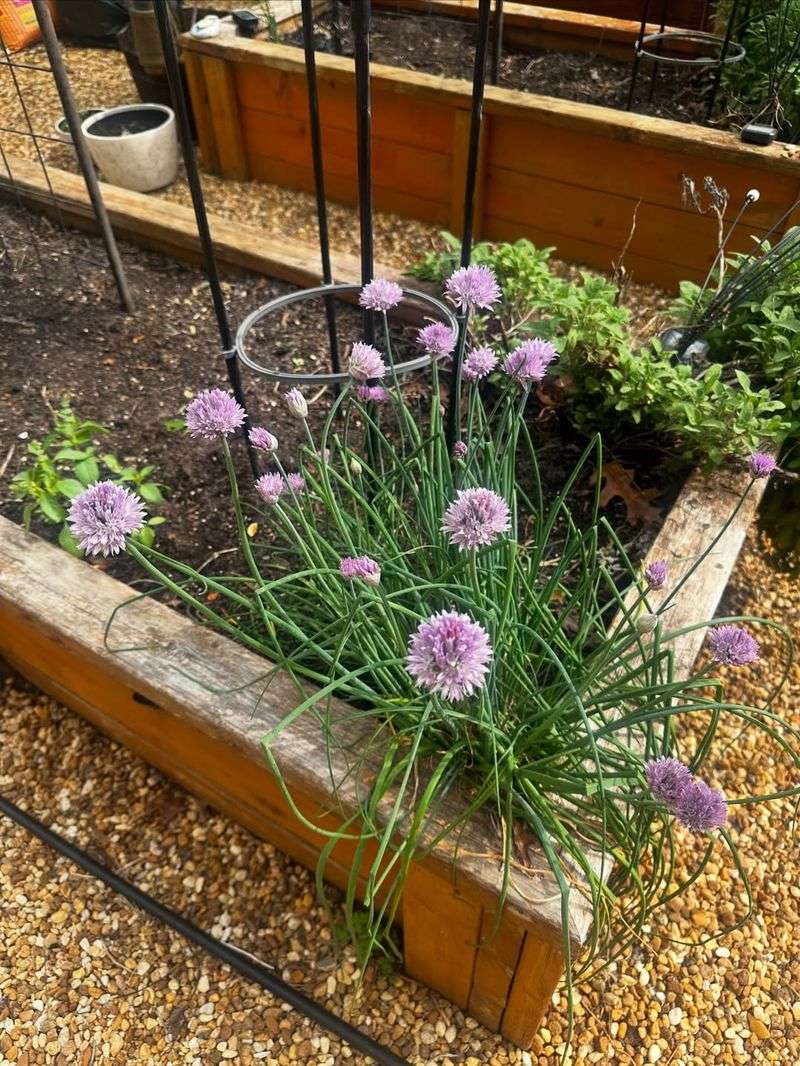
Chives might look simple, but do not let their slim green stalks fool you. As members of the allium family, chives carry a sharp, sulfur-rich scent that many common garden pests find extremely unpleasant.
Planting them near your tomatoes creates a natural scent barrier that can help keep aphids, Japanese beetles, and other unwanted visitors from settling in on your plants during North Carolina’s peak summer months.
One of the biggest advantages of growing chives alongside tomatoes is how little effort they require. Chives are practically indestructible once established, thriving in the same well-drained, fertile soil that tomatoes love.
They handle heat well and do not need constant attention, which is great news for busy gardeners managing a full summer garden in the Carolinas. You can tuck them in between tomato plants or run them along the edge of your raised beds.
When chives bloom, their round purple flowers attract pollinators in droves. Bees and butterflies visit them regularly, which helps boost pollination activity across your entire garden.
Snip the flowers off after blooming to encourage fresh leaf growth and prevent the plants from self-seeding too aggressively. Chive leaves are also a fantastic kitchen herb, adding a mild onion flavor to eggs, salads, and pasta.
Growing chives with your tomatoes means you get pest deterrence, pollinator support, and a fresh herb all from one compact, easy-care plant.
4. Marigolds (Tagetes spp.)
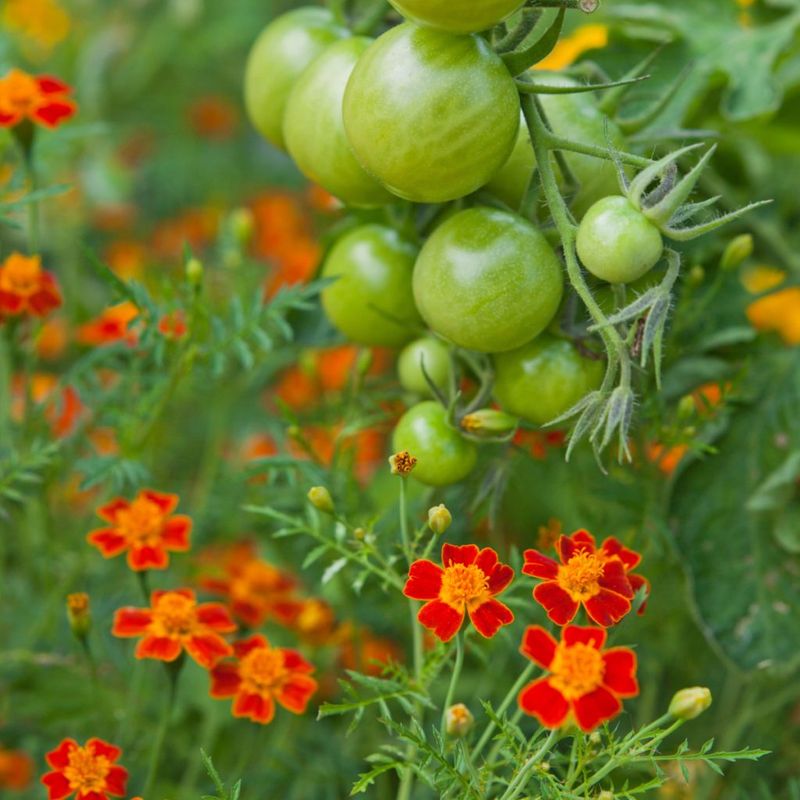
Bright, cheerful, and surprisingly tough, marigolds have earned their reputation as one of the hardest-working flowers in any vegetable garden.
In North Carolina, where summer soil can harbor harmful nematodes that attack tomato roots, French marigolds in particular are known to release compounds that help suppress those microscopic troublemakers.
Planting them as a border around your tomato beds is a smart and colorful strategy.
Marigolds also help reduce pressure from certain flying insects that target tomatoes. Their strong scent is believed to confuse or deter pests like aphids and spider mites, giving your tomato plants a better chance to grow without constant attack.
North Carolina gardeners dealing with heavy insect activity during July and August often find that marigold borders make a real difference in how their plants look and produce.
One of the best things about marigolds is how low-maintenance they are in the heat. They handle North Carolina’s intense summer sun without wilting, and they keep blooming even when temperatures climb into the 90s.
Plant them in full sun directly around your tomato rows, spacing them every 12 to 18 inches. They also attract beneficial insects like ladybugs that feed on harmful pests.
With so many advantages packed into one small flower, marigolds are easily one of the most valuable additions to any tomato garden in the state.
5. Nasturtiums (Tropaeolum majus)
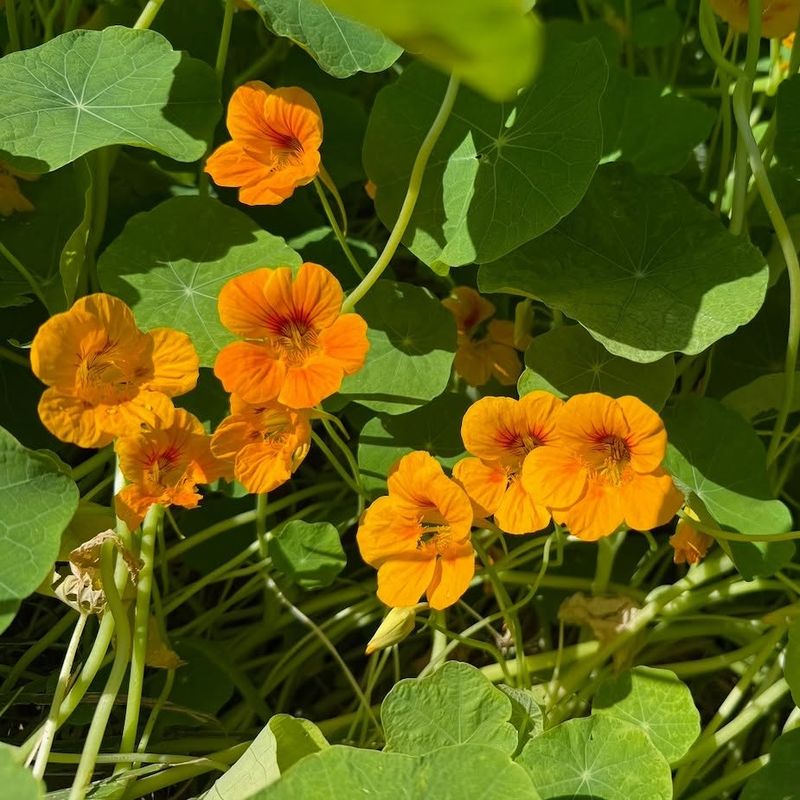
Nasturtiums play a clever and selfless role in the garden. Rather than repelling pests, they actually attract them, specifically aphids and certain beetles, drawing those insects away from your precious tomato plants and onto themselves instead.
This strategy, known as trap cropping, is one of the smartest natural pest management tricks available to home gardeners in North Carolina.
In practice, you plant nasturtiums a short distance from your tomatoes, close enough to lure pests away but far enough to keep them separate.
When you notice aphids clustering on the nasturtium leaves, you can remove and discard those leaves or simply spray them off with water.
This keeps pest populations focused on a sacrificial plant rather than spreading across your entire tomato crop during the height of summer.
Beyond their pest-trapping role, nasturtiums are genuinely beautiful plants that add vivid orange, red, and yellow color to your garden. They trail along the ground or climb if given support, making them versatile for different garden layouts.
North Carolina’s warm summers suit them well, though they prefer slightly cooler soil, so planting them with some afternoon shade can help extend their season. Both the flowers and leaves are edible, with a peppery bite that chefs love in salads.
Growing nasturtiums is a win from every angle, color, pest control, and a bonus harvest all in one sprawling, cheerful plant.
6. Parsley (Petroselinum crispum)
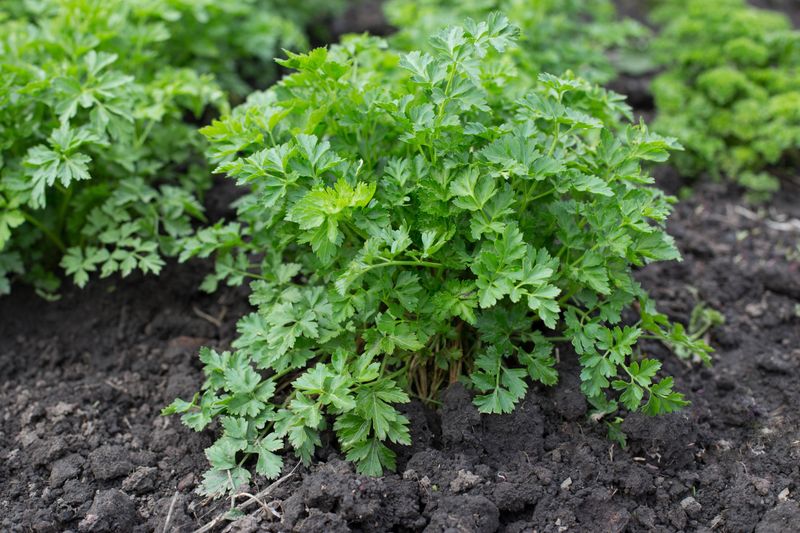
Parsley is the quiet overachiever of the companion planting world. While it does not shout for attention the way marigolds or nasturtiums do, parsley works steadily behind the scenes, attracting beneficial insects that help keep your tomato garden in balance.
Hoverflies are among the most important of these visitors, and their larvae are voracious predators of aphids, one of the most persistent problems for tomato growers across North Carolina.
What makes parsley especially useful is its tolerance for partial shade, which means it grows comfortably right at the base of your tomato plants where taller crops block direct sunlight.
Tucking parsley underneath your tomatoes fills that otherwise wasted space and turns it into a functional habitat for helpful insects.
In North Carolina’s humid summers, having ground-level plantings also helps keep the soil slightly cooler and more moisture-retentive.
Parsley is a biennial, meaning it completes its life cycle over two years. In its second year, it sends up tall flower clusters called umbels that are absolutely irresistible to beneficial wasps, flies, and other garden allies.
If you let a few parsley plants go to flower, you will notice a significant uptick in beneficial insect activity around your tomatoes. Fresh parsley is also endlessly useful in the kitchen, from sauces and soups to garnishes and salads.
It is a genuinely practical plant that earns its space in any North Carolina tomato garden every single season.
7. Dill (Anethum graveolens)
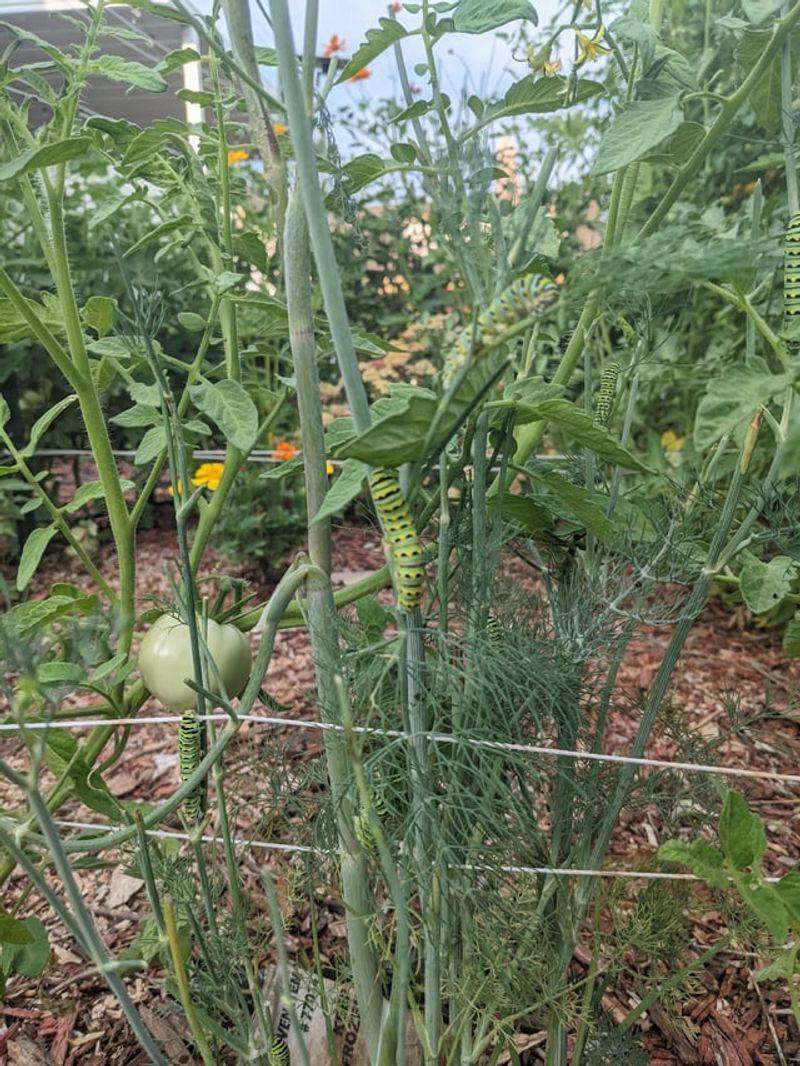
Feathery, fragrant, and surprisingly powerful in the garden ecosystem, dill is a companion plant that punches well above its weight.
When it reaches the flowering stage, dill becomes a hotspot for beneficial insects, including parasitic wasps and predatory bugs that actively hunt the caterpillars, aphids, and other pests that cause so much trouble in North Carolina tomato gardens during the long summer months.
Parasitic wasps, in particular, are incredibly valuable allies for tomato growers. These tiny insects lay eggs inside or on harmful caterpillars and larvae, effectively stopping pest populations before they spiral out of control.
By planting dill near your tomatoes, you are essentially setting up a habitat and food source that keeps these helpful insects coming back to your garden throughout the season.
It is a natural, chemical-free approach to pest management that works beautifully in North Carolina’s climate.
One thing to keep in mind is that mature dill can sometimes interfere with tomato growth if planted too close, so give each plant at least 18 inches of spacing. Young dill, on the other hand, is generally considered a safe and beneficial neighbor.
Succession planting dill every few weeks ensures you always have both young and flowering plants in your garden. As a bonus, fresh dill is one of the most versatile herbs you can grow, incredible in pickles, fish dishes, dips, and salads.
North Carolina gardeners who add dill to their tomato beds often notice healthier plants and a more balanced, thriving garden overall.