7 Desert Plants That Thrive With Minimal Water In Arizona In May
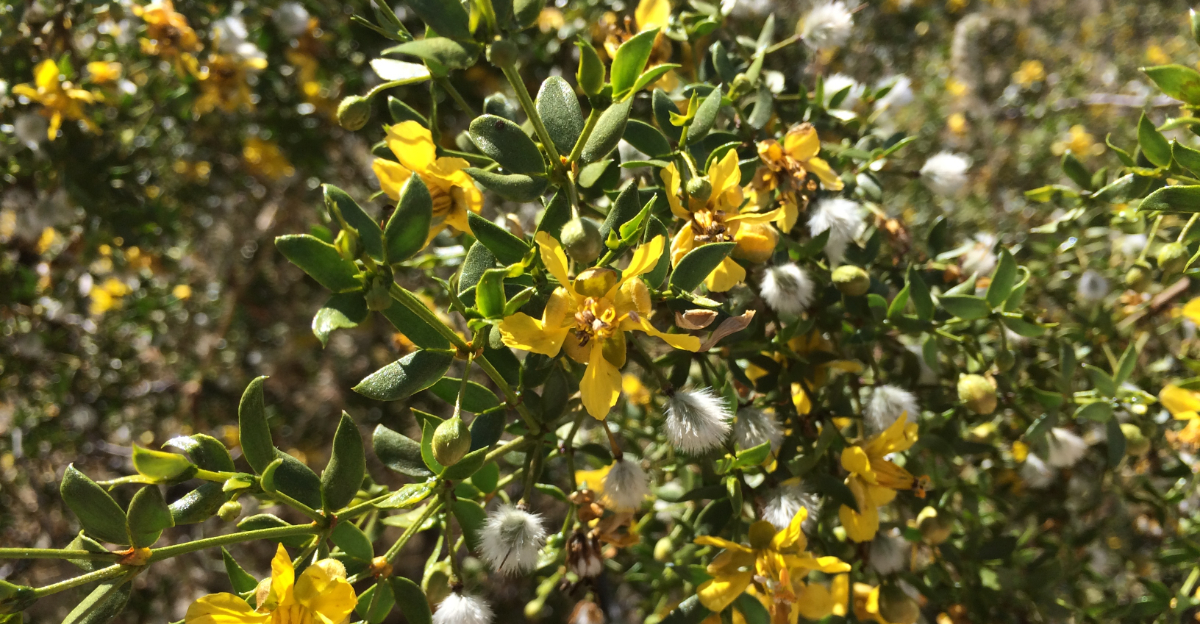
Dry soil and rising heat push many plants to their limits across Arizona in May, especially in spots that receive full sun all day.
Some struggle to keep up, showing stress through faded color and slowed growth, while others handle these conditions without much effort.
Certain desert plants come built for this kind of environment. Deep roots, water storing tissues, and natural heat tolerance allow them to stay steady even as moisture becomes scarce.
Those traits make a noticeable difference once temperatures start climbing and watering becomes less frequent.
Plant choice plays a bigger role than most expect in how a space holds up through this stretch. The right selections can keep beds looking strong and balanced, even under dry conditions that cause other plants to decline quickly.
1. Creosote Bush Thrives In Extreme Heat And Needs Very Little Water
Walk through any stretch of wild desert in Arizona and you will almost certainly smell a creosote bush before you see one. After even the lightest rain, it releases one of the most recognizable scents in the Southwest, a sharp, earthy smell that locals know instantly.
Few plants are as well-adapted to extreme conditions as this one.
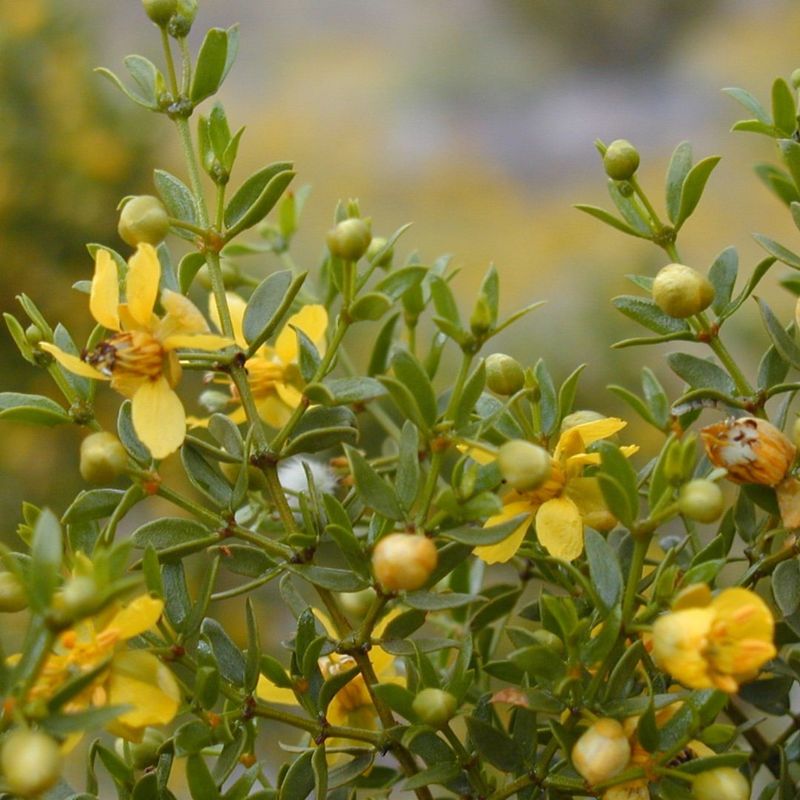
Creosote bush handles the brutal May heat in Arizona without missing a beat. Its small, waxy leaves are coated in a resin that slows water loss significantly, which is exactly why it survives stretches of weeks without any rainfall.
Established plants in the ground rarely need supplemental watering once they have settled in, typically after the first full growing season.
Planting one in well-draining soil with full sun exposure gives it the best possible start. Avoid clay-heavy spots where water pools after monsoon season because standing water is one of the few things that can actually stress this plant.
Sandy or gravelly soil mimics its natural habitat and keeps it thriving.
In May, creosote bush often shows small yellow flowers that attract native bees, making it a quiet but valuable part of Arizona’s ecosystem. It grows slowly, so do not expect rapid size changes, but that steady pace also means very little pruning or maintenance over time.
For Arizona homeowners wanting a truly low-effort plant, creosote bush is hard to beat.
Give it plenty of space from other plants, since creosote releases compounds into the soil that can limit nearby growth.
2. Red Yucca Handles Drought And Blooms Reliably In Heat
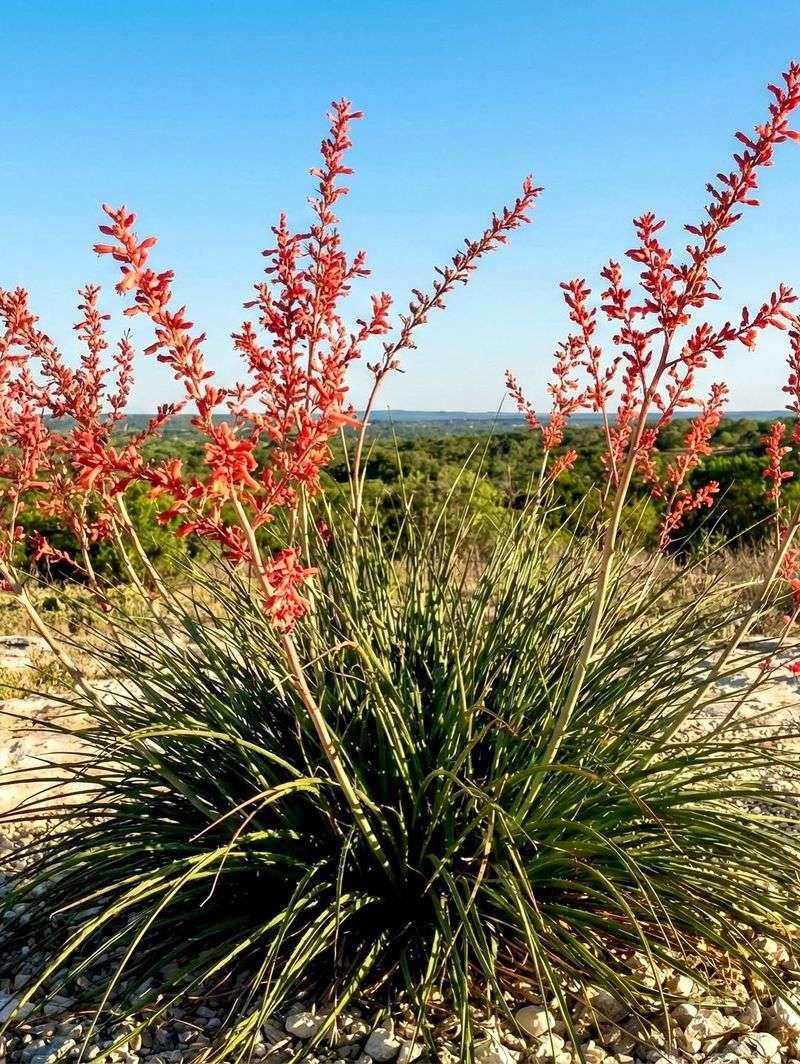
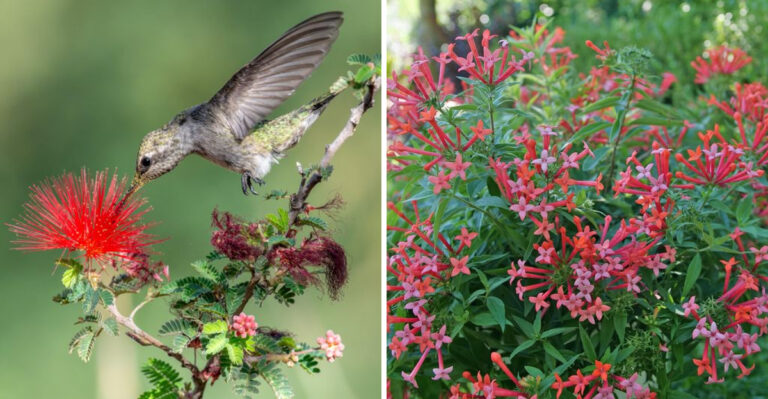
Hummingbirds cannot resist red yucca, and once you see those tall coral-red flower stalks swaying in a warm Arizona breeze, you will understand the attraction immediately. Despite the name, red yucca is not a true yucca at all.
It belongs to the agave family, which partly explains its impressive drought tolerance and heat resistance.
By May in Arizona, red yucca is typically in peak bloom, sending up flower stalks that can reach four to five feet tall. Those blooms last for weeks, sometimes well into summer, giving your yard consistent color during a season when many other plants are struggling.
Hummingbirds visit repeatedly throughout the day, so placing one near a patio or window makes for great watching.
Your Arizona Garden Changes Every Week. Your Plan Should Too.
Gardening in Arizona changes quickly throughout the season. Every Friday you’ll receive a simple weekly plan showing exactly what to plant, prune, fertilize, harvest, and protect so you never miss the right timing.
Watering needs are minimal once the plant establishes, which usually takes one growing season with occasional deep watering. After that, natural rainfall and the occasional deep soak during dry spells are generally enough to keep it healthy.
Overwatering is a more common mistake than underwatering with this plant.
Red yucca works beautifully along borders, in rock gardens, or as a standalone accent plant in Arizona yards. Its soft, grass-like leaves stay green year-round, adding texture even when it is not blooming.
Plant it in full sun with fast-draining soil for the best results. Soil with heavy clay content tends to hold too much moisture and can cause root problems over time, so amending or choosing a raised spot is worth considering.
Remove spent flower stalks once blooming slows to keep the plant looking tidy and encourage fresh growth. Leave the base foliage untouched, since it stays attractive year-round and continues feeding the plan
3. Desert Marigold Blooms Brightly And Tolerates Dry Conditions
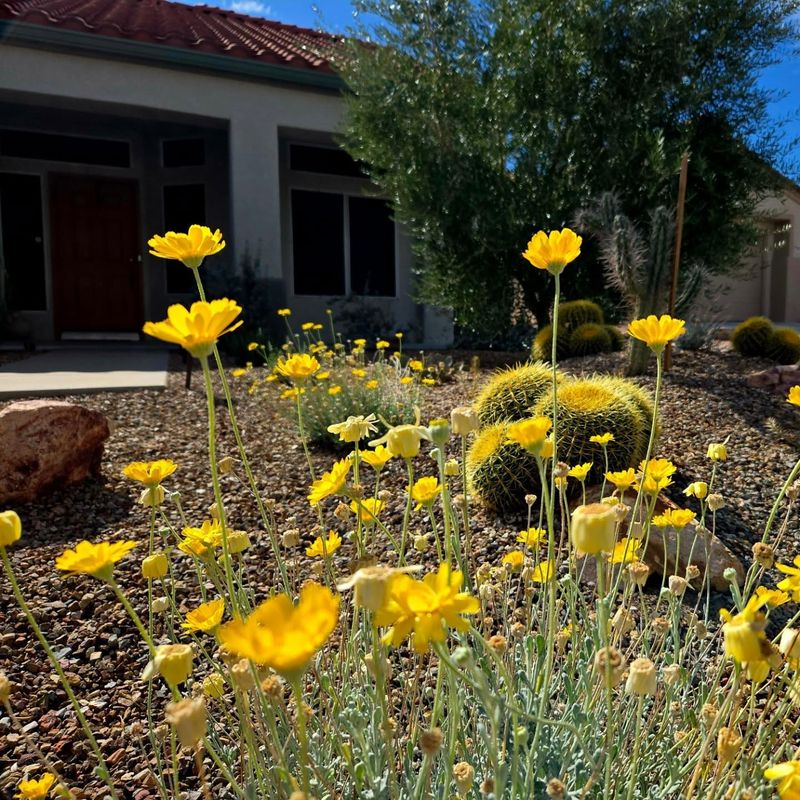
Bright yellow against a backdrop of dry Arizona soil is one of the most cheerful sights in a desert garden, and desert marigold delivers exactly that through much of spring and into summer.
Native to the Sonoran and Chihuahuan deserts, it has evolved to handle the kind of heat and dryness that would stress most flowering plants within days.
What makes desert marigold particularly appealing in May is its timing. It hits peak bloom right as temperatures start climbing, filling gaps in the garden with consistent color when other plants are slowing down.
Blooms are daisy-like, bright golden yellow, and carried on slender stems above silvery-green foliage that reflects sunlight rather than absorbing it.
Watering established plants deeply every two to three weeks during dry stretches in May is generally sufficient. Younger plants need a bit more attention during their first season, but once rooted in, they are surprisingly tough.
Sandy, well-draining soil is ideal, and full sun is non-negotiable for strong blooming.
One practical note for Arizona gardeners: desert marigold reseeds readily, so expect new plants to pop up nearby each year. Some people love this quality because it fills in bare spots naturally.
Others prefer to deadhead spent blooms to manage spread. Either approach works depending on your garden goals.
The plant also has a mild fragrance that some find pleasant and others find a little sharp, so consider placement near seating areas before committing to a large grouping.
Avoid rich fertilizers, since too many nutrients can reduce flowering and lead to weaker, floppy growth.
4. Parry’s Agave Stores Water And Survives Long Dry Periods
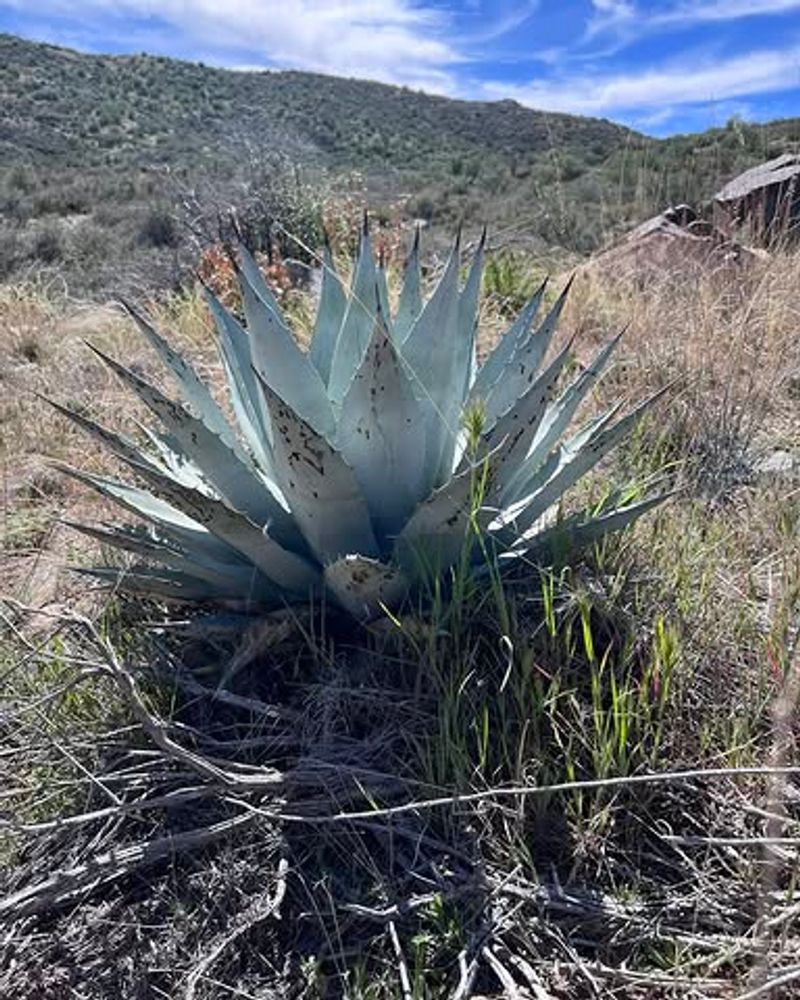
Built like a water storage tank wrapped in armor, Parry’s agave is one of the most structurally impressive plants you can grow in Arizona. Its thick, blue-gray leaves form a tight rosette that stores moisture internally, allowing it to go weeks or even months without rainfall once fully established.
That is not an exaggeration for Arizona conditions.
May heat does not faze Parry’s agave at all. Temperatures that push past 100 degrees in southern and central Arizona are well within its comfort range, and full sun exposure only encourages compact, healthy growth.
Shade or partial sun tends to make the rosette stretch outward and lose its tight, attractive shape over time.
Planting in rocky or gravelly soil with excellent drainage is key. Agaves are more likely to struggle from sitting in wet soil than from any amount of dry heat, so raised beds or slopes work particularly well in Arizona yards.
Water new plants every seven to ten days for the first few months, then gradually reduce frequency as roots establish.
A fun fact worth knowing: Parry’s agave is sometimes called the century plant, though it actually blooms after roughly 15 to 30 years rather than 100. When it does bloom, the flowering stalk can shoot up 10 to 15 feet practically overnight.
After blooming, the main plant fades, but it leaves behind smaller offsets called pups that can be replanted. For a low-maintenance, structurally bold plant in Arizona, few options compare.
Give it plenty of clearance from walkways, since the sharp leaf tips can cause injury if planted too close to foot traffic.
5. Brittlebush Thrives In Full Sun With Minimal Irrigation
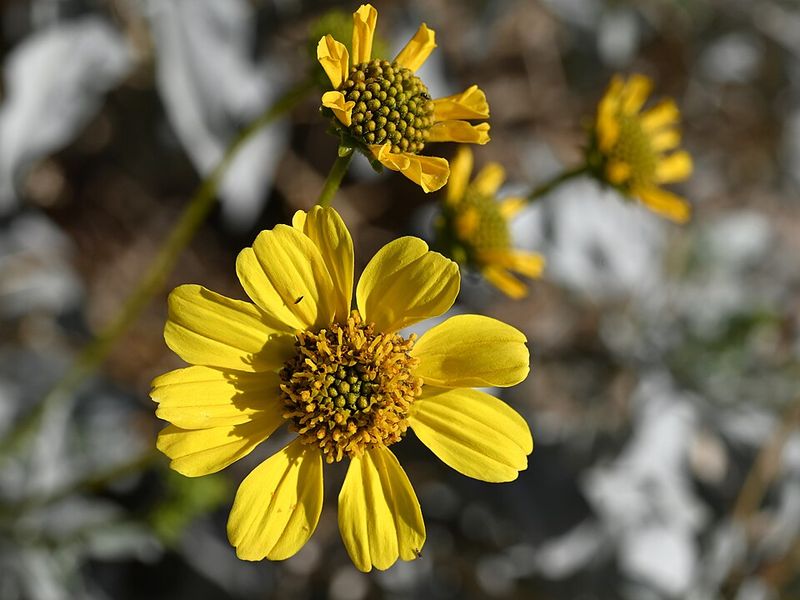
Silvery leaves, bright yellow flowers, and zero fuss make brittlebush one of the most reliable plants in Arizona landscapes. Drive along almost any highway in the Phoenix or Tucson area in spring and you will see hillsides covered in its cheerful yellow blooms.
It is genuinely one of the most visible wildflowers in the entire state during this time of year.
By May, brittlebush is often winding down its peak bloom period but can still show flowers, especially at higher elevations around Arizona. Even without blooms, the silvery-white foliage remains attractive and reflects heat effectively, which is part of how the plant manages intense sun exposure.
That reflective coating on the leaves reduces water loss significantly during the hottest parts of the day.
Once established, brittlebush needs very little supplemental water. During May in low-desert areas like Phoenix, an occasional deep watering every two to three weeks is usually enough if rainfall is scarce.
Overwatering leads to leggy, floppy growth and can shorten the plant’s lifespan considerably, so err on the dry side.
Brittlebush works well as a mass planting along slopes, in median strips, or as a filler between larger desert shrubs. It grows quickly compared to many desert plants, reaching two to three feet in height and spread within a single season under good conditions.
Pruning back hard after bloom season encourages fresh compact growth. For Arizona gardeners wanting fast color with minimal effort, brittlebush earns its place every single time.
Cut plants back by about one-third after flowering to keep them compact and prevent that open, woody look from developing too early.
6. Fairy Duster Handles Heat And Requires Very Little Water
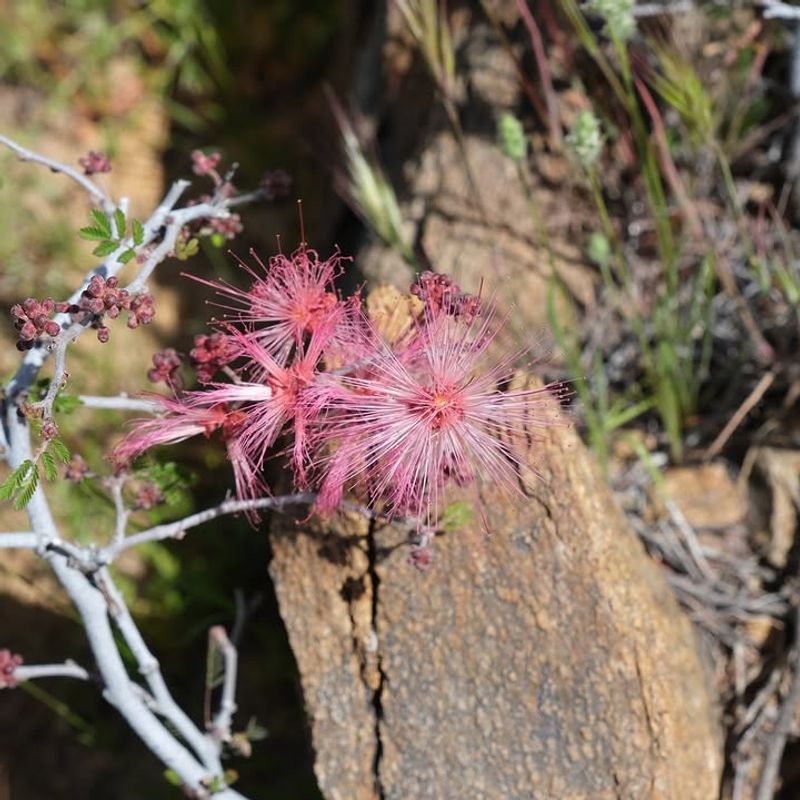
Few plants pack as much visual personality into such a small frame as fairy duster. Its flowers look like tiny pink or red powder puffs exploding from feathery green foliage, and in May across Arizona, it puts on a show that is genuinely hard to walk past without stopping.
Hummingbirds and butterflies treat it like a favorite stop on their daily routes.
Fairy duster is native to the Sonoran Desert, which means Arizona’s climate is essentially its home turf. It handles temperature swings well, tolerates rocky and sandy soils without complaint, and bounces back from dry spells that would stress less adapted plants.
Established shrubs in Arizona typically need watering only every two to three weeks during hot, dry stretches in May.
Young plants benefit from more frequent watering during their first summer, roughly once a week during peak heat. After the first full season in the ground, you can scale back significantly and let the plant prove just how tough it really is.
Full sun placement is strongly preferred for the heaviest bloom production.
Fairy duster stays relatively compact, usually reaching three to four feet in height and spread, which makes it easy to work into smaller Arizona yards or use as a border plant. It pairs naturally with brittlebush, desert marigold, or red yucca for a layered, low-water garden design.
Occasional light pruning after bloom cycles keeps the shape tidy without stressing the plant. For a garden that feels alive and colorful with minimal input, fairy duster is genuinely one of the best choices available in Arizona.
7. Golden Barrel Cactus Thrives In Dry Soil And Intense Sun
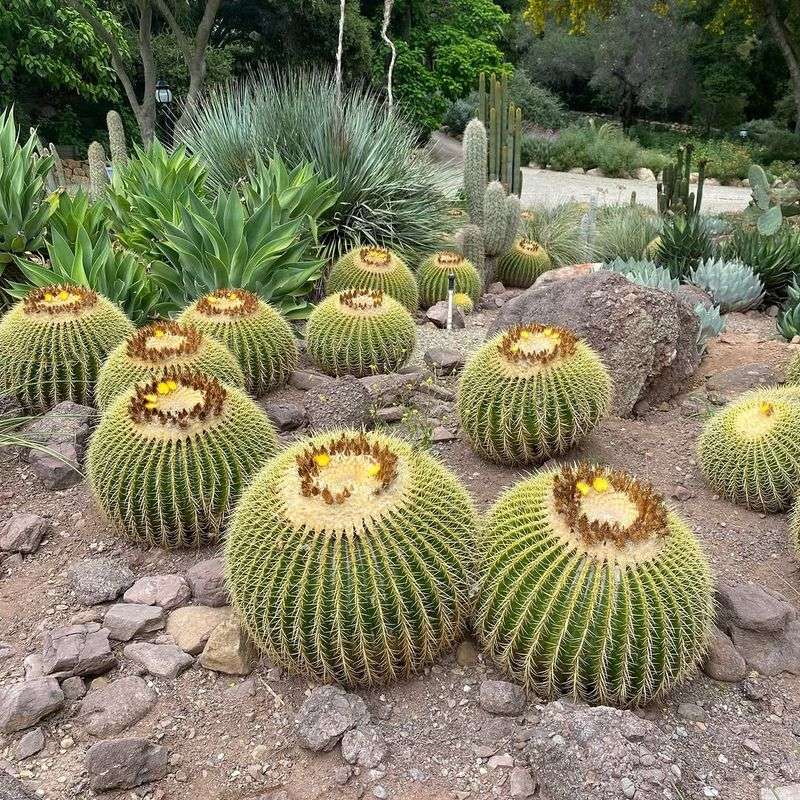
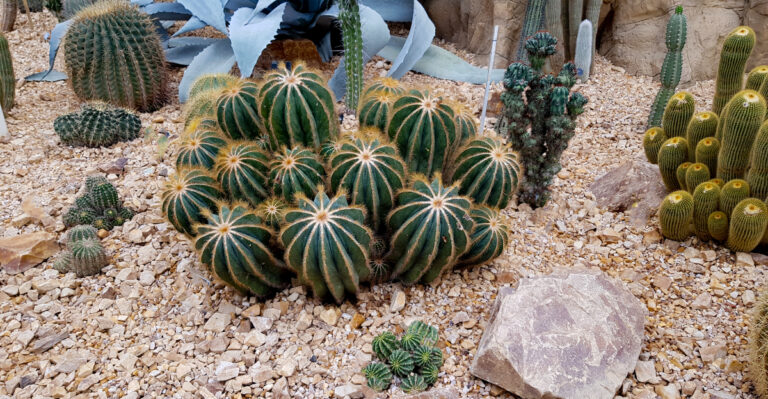
Round, golden, and almost architectural in appearance, golden barrel cactus is one of the most instantly recognizable plants in Arizona landscaping. It does not just tolerate the desert, it genuinely thrives in it.
Intense sun, bone-dry soil, and months without rain are not problems for this cactus. Those are its preferred conditions.
May in Arizona brings long days of full sun and very little humidity in most parts of the state, which suits golden barrel cactus perfectly. Its ribbed structure expands slightly when water is available and contracts during dry periods, allowing it to manage moisture internally with impressive efficiency.
Established plants typically need no supplemental watering at all during most of the year.
New plants should be watered every two weeks or so during the first growing season to encourage root development. After that, natural rainfall in Arizona is usually enough except during the most extreme dry stretches.
Planting in fast-draining soil is critical because standing water around the base is one of the few real threats to this cactus.
Golden barrel cactus grows slowly, adding only a few inches per year, so the plant you put in the ground today will look similar for quite some time. That slow growth is actually a selling point for Arizona homeowners who want a plant that stays in its lane without constant trimming or reshaping.
Grouping several together at different sizes creates a bold, sculptural look that suits modern desert landscaping beautifully. Just be mindful of placement near walkways since the golden spines are sharp and not forgiving.