The California Mulching Mistakes That Can Hurt Your Plants Before Summer
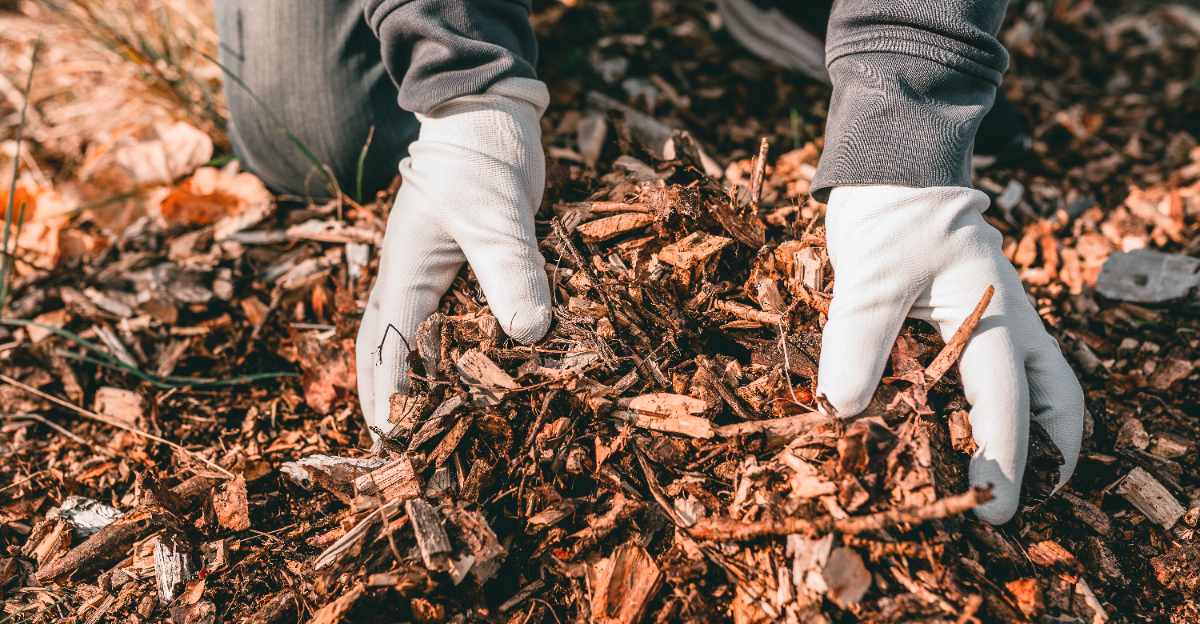
Mulch is supposed to be the garden helper, not the sneaky troublemaker. In California, it can save moisture, cool soil, slow weeds, and make beds look instantly more polished before summer heat rolls in.
But use it the wrong way, and suddenly your plants are dealing with soggy crowns, buried stems, thirsty roots, pest hideouts, or soil that never gets the deep drink it needs. Too much mulch can smother.
Too little can barely help. The wrong material in the wrong spot can create a whole new set of headaches. The good news? Most mulching mistakes are easy to fix once you know what to watch for.
A few simple changes now can help your garden head into hot weather looking less stressed and a lot more ready for sunshine season.
1. Piling Mulch Against Stems
Walk through almost any California neighborhood garden in spring, and you will spot this mistake right away. Gardeners pile mulch up high around plant stems like a little volcano, thinking more is better.
Sadly, that habit can seriously damage your plants before summer even begins.
When mulch sits directly against a stem, it traps moisture and heat against the plant. That warm, wet environment invites fungal problems and pests that slowly weaken the plant from the base up.
Roots can also start growing upward into the mulch instead of downward into the soil, which makes the plant unstable.
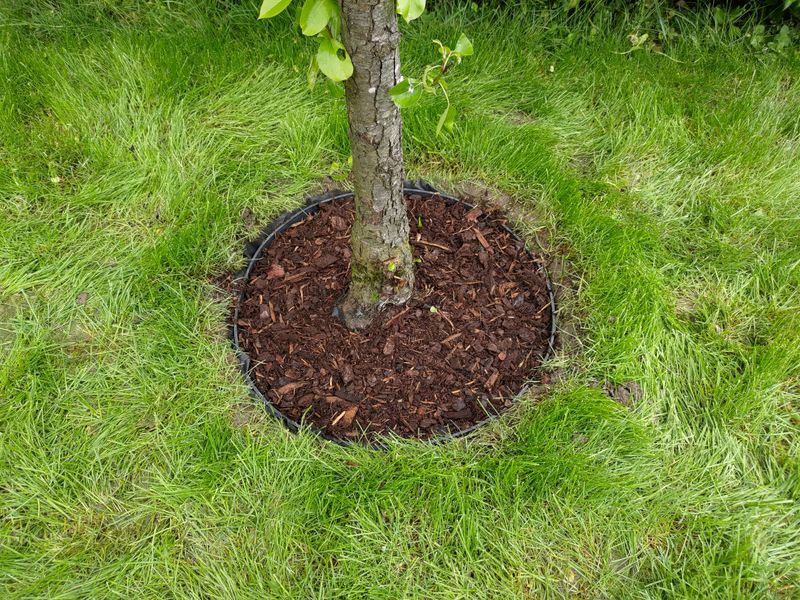
The fix is simple and takes just a minute. Pull mulch a few inches away from the base of every plant.
Aim for about two to three inches of space between the mulch and the stem. This small gap gives the stem room to breathe and dry out between waterings.
In Southern California especially, where heat builds quickly, proper airflow around stems matters a lot. Think of the gap as a breathing zone your plant truly needs to stay healthy all season long.
2. Using Too Much Mulch
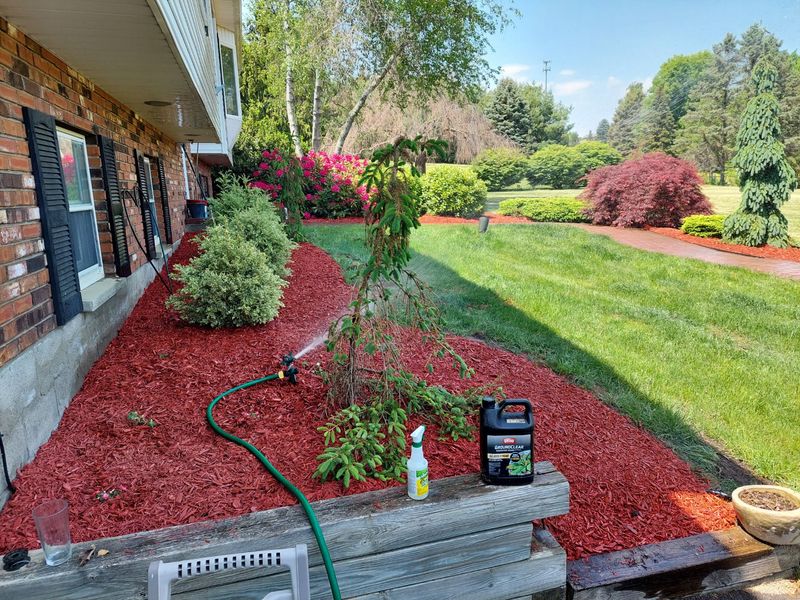
More mulch feels like more protection, right? Not exactly.
Piling on too many inches of mulch is one of the most common mistakes California gardeners make heading into summer. It looks neat and tidy, but underneath that thick layer, problems are quietly building up.
When mulch goes deeper than four inches, it can actually block water from reaching the soil. Rain and irrigation water bead off the surface instead of soaking through to plant roots.
The soil underneath stays dry even when the top of the mulch feels damp, which is confusing and frustrating for any gardener trying to keep plants hydrated during a California dry spell.
On top of that, thick mulch layers create the perfect hiding spot for rodents, slugs, and other pests. They tunnel through the material and set up home right next to your plants.
Two to three inches of mulch is the sweet spot for most California gardens. It is enough to hold moisture, regulate soil temperature, and slow down weeds without smothering roots or welcoming unwanted guests.
Measure with your hand before you spread to keep things at the right depth every time.
Your California Garden Changes Every Week. Your Plan Should Too.
Gardening in California changes quickly throughout the season. Every Friday you’ll receive a simple weekly plan showing exactly what to plant, prune, fertilize, harvest, and protect so you never miss the right timing.
3. Mulching Dry Soil
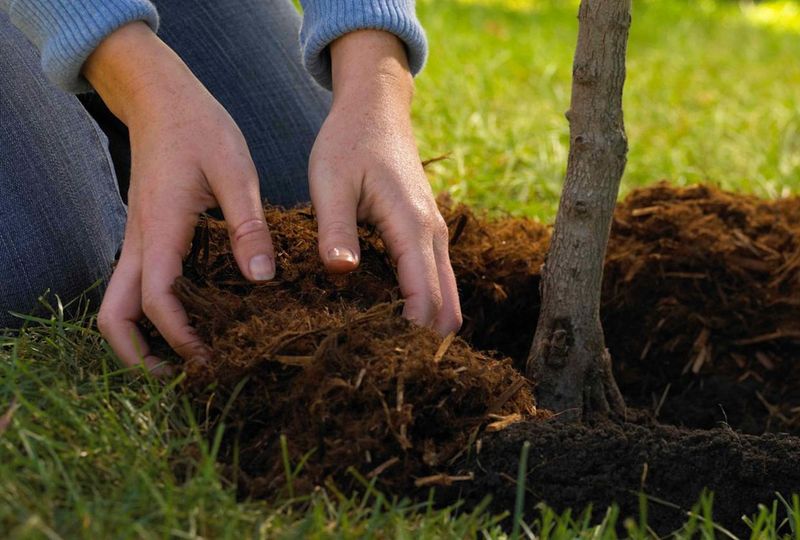
Picture this: it is a warm spring morning in the Central Valley, your soil looks dusty and cracked, and you decide to spread a fresh layer of mulch to help things out. It sounds like the right move, but skipping one key step first can make the whole effort pointless.
Mulching over dry soil locks that dryness in. The mulch layer acts as a barrier, and if the ground underneath is already parched, it becomes much harder for water to penetrate later.
Your plants end up sitting on dry ground even after you water, because the moisture cannot break through efficiently. Roots stay stressed and struggle to get what they need as temperatures climb.
Always water your garden deeply before spreading mulch. Give the soil a good, thorough soaking the day before you plan to mulch.
Let the water sink in overnight so the ground is genuinely moist several inches down. In California, where drought conditions can pop up fast, starting with wet soil gives your plants a real head start.
Mulch works best as a way to keep moisture in, not as a substitute for watering first. That one extra step makes a huge difference all summer long.
4. Choosing The Wrong Material
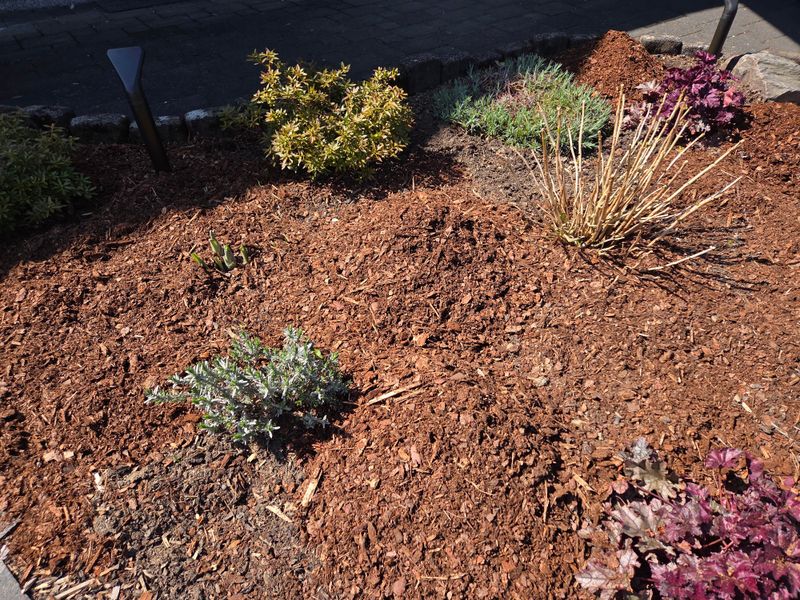
Not all mulch is created equal, and in California, the material you choose can either help your garden thrive or quietly cause problems all season long. Many gardeners just grab whatever is cheapest or most available without thinking about how it will perform in their specific climate and soil type.
Freshly chipped green wood, for example, can pull nitrogen right out of the soil as it breaks down. That leaves your plants nutrient-hungry right before the hottest months hit.
Dyed wood chips might look colorful and bright, but some contain chemicals that are not ideal around edible plants or near waterways, which matters a lot in environmentally conscious California communities.
Gravel and rock mulch can overheat in direct sun, turning your garden bed into something that feels like an oven. For most California gardens, aged wood chips, straw, or shredded leaves are solid choices.
They break down slowly, feed the soil with organic matter, and keep moisture levels steady. If you are gardening near native plants or in a fire-prone area, check local guidelines too.
Some counties in California actually recommend specific mulch types based on fire safety and water conservation goals. Choosing wisely from the start saves a lot of headaches later.
5. Covering Native Bee Habitat
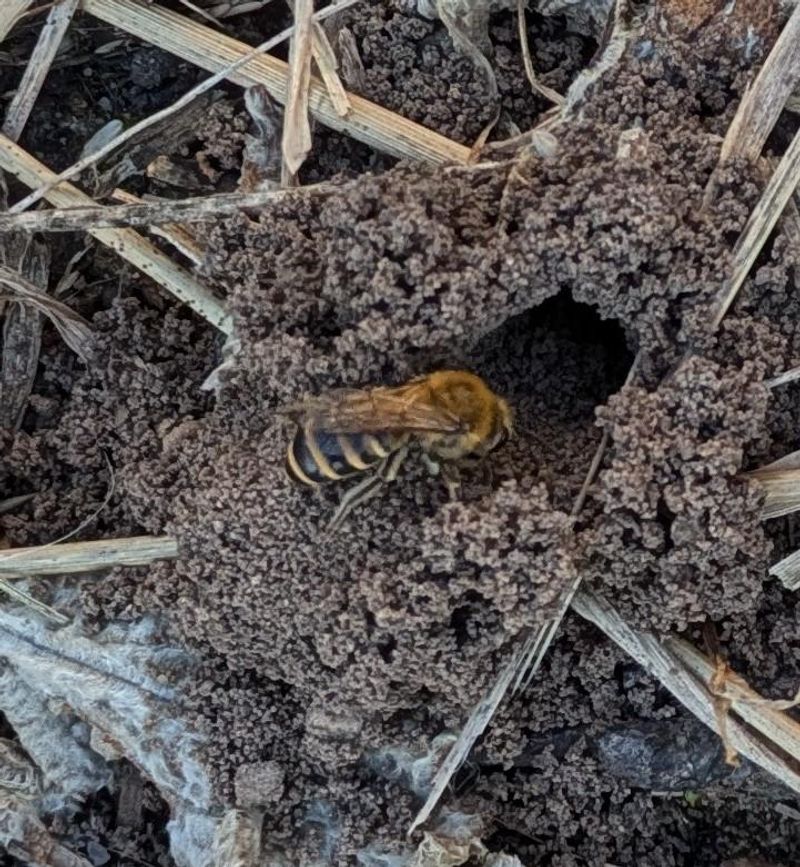
Here is something most California gardeners do not think about when they spread mulch in spring: ground-nesting bees. About seventy percent of native bee species in California nest in the soil, not in hives.
They need patches of bare, undisturbed ground to lay their eggs and raise their young.
When you cover every inch of your garden with a thick layer of mulch, you are essentially blocking the front door of their homes. These bees are incredibly important pollinators for California’s native plants, fruit trees, and vegetable gardens.
Without them, many plants struggle to produce flowers and fruit the way they should as summer rolls in.
Leaving small sections of bare soil in your garden is an easy way to support these helpful insects. Sunny, slightly sandy patches work best for most ground-nesting species.
You do not need a lot of space, just a few uncovered spots tucked into corners or along garden edges. Mulching is still a great practice, but being thoughtful about where you place it makes a real difference.
California gardeners who support native pollinators tend to notice healthier, more productive gardens from spring all the way through fall harvest season.
6. Skipping Weed Removal First
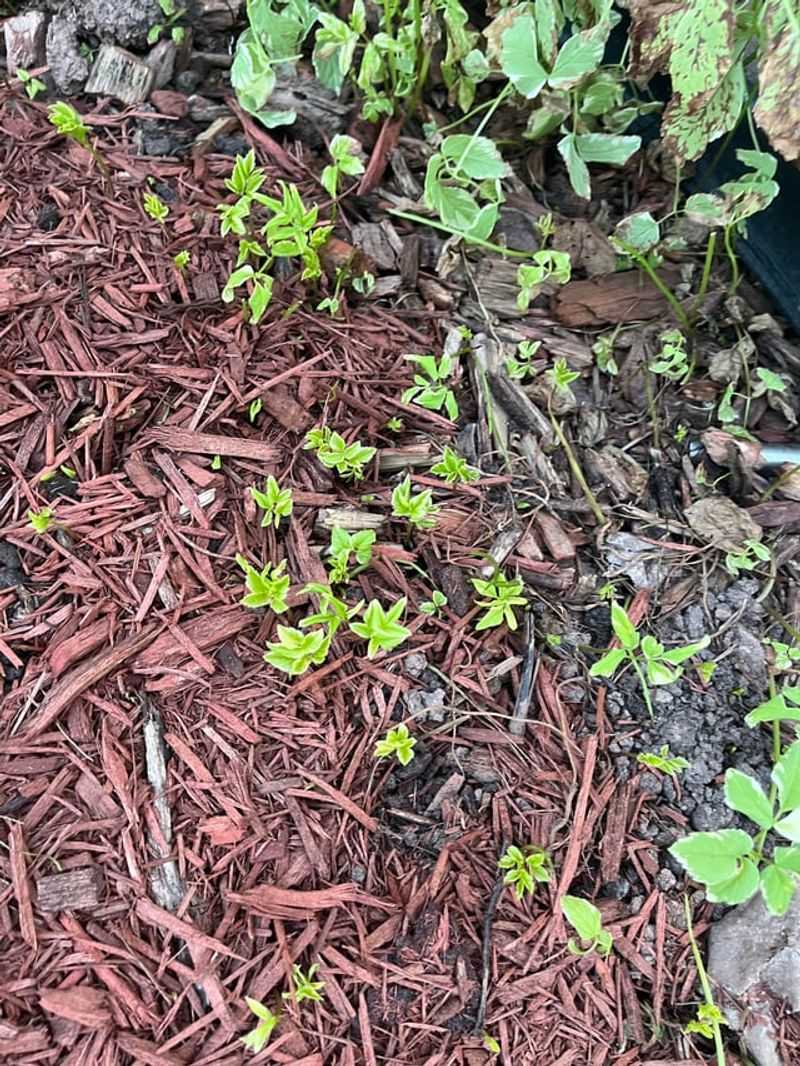
Spreading mulch over an existing weed problem feels like a quick solution, but those weeds are not going anywhere. In fact, some of them get a serious boost from the extra warmth and moisture that mulch provides.
Before long, they push right up through the surface and take over the bed.
Weeds that survive under mulch tend to grow faster and stronger because the covered soil stays warmer and holds more moisture. In California, where invasive species like oxalis and bindweed are already tough to manage, skipping the weeding step before mulching can turn a minor problem into a major one by the time summer arrives.
Take the time to pull weeds thoroughly before you lay down any mulch. Get the roots out, not just the tops.
For persistent weeds, consider laying a layer of cardboard directly on the soil first, then covering it with mulch. The cardboard breaks down naturally and adds organic matter while blocking weeds from getting light.
This method works especially well in Northern California garden beds where certain weeds come back aggressively each spring. A clean start under your mulch gives your plants the best possible chance to grow without competition all season long.
7. Forgetting To Refresh Mulch
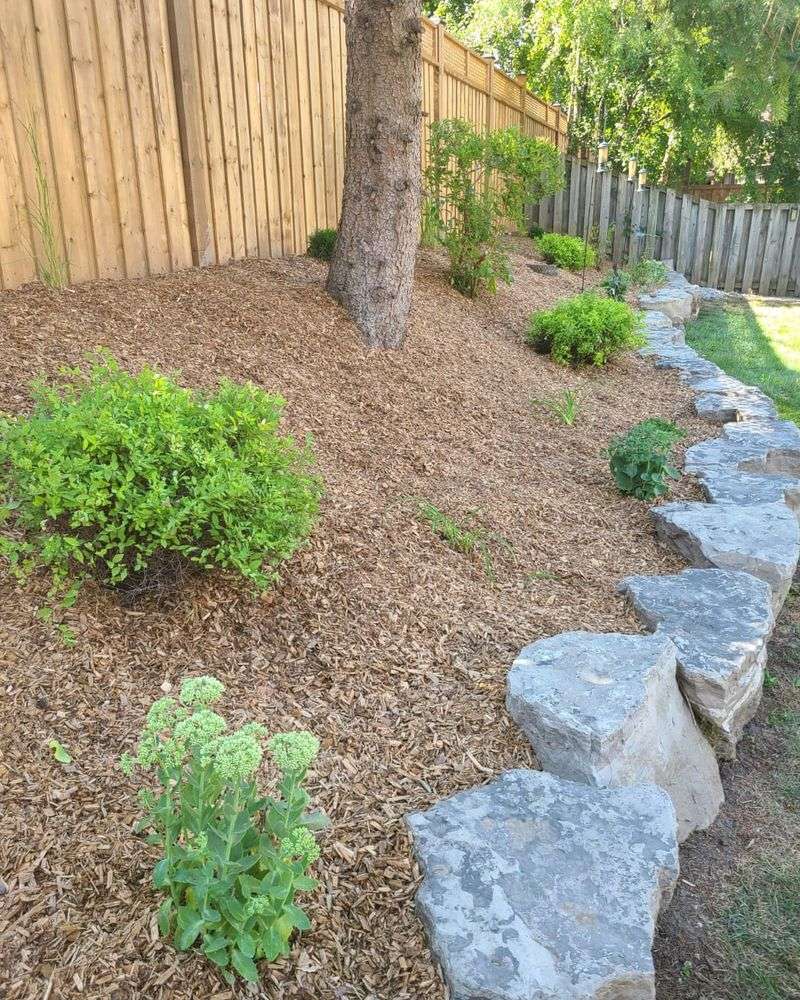
Old mulch does not last forever. Over time, it breaks down, thins out, and loses its ability to protect the soil effectively.
Many California gardeners spread mulch once and then forget about it, not realizing that by spring the layer has become too thin to do much good heading into summer.
When mulch breaks down completely, the soil loses its protective cover. The hot California sun bakes the exposed ground, moisture evaporates quickly, and soil temperatures swing in ways that stress plant roots.
Weeds also find it much easier to sprout through a thin, degraded mulch layer than through a fresh, properly applied one.
Check your mulch depth every spring before temperatures start climbing. If it has thinned to less than an inch, it is time for a refresh.
Top it up to that ideal two-to-three-inch depth to keep your garden protected. As a bonus, the older decomposed mulch underneath is actually great for the soil since it has been slowly adding organic matter all along.
Simply rake it lightly and add fresh material on top. In California, doing this refresh before May gives your plants a strong foundation to handle the heat and dry conditions that summer almost always brings.