The Oregon Plants Moth Pollinators Need Once The Sun Goes Down
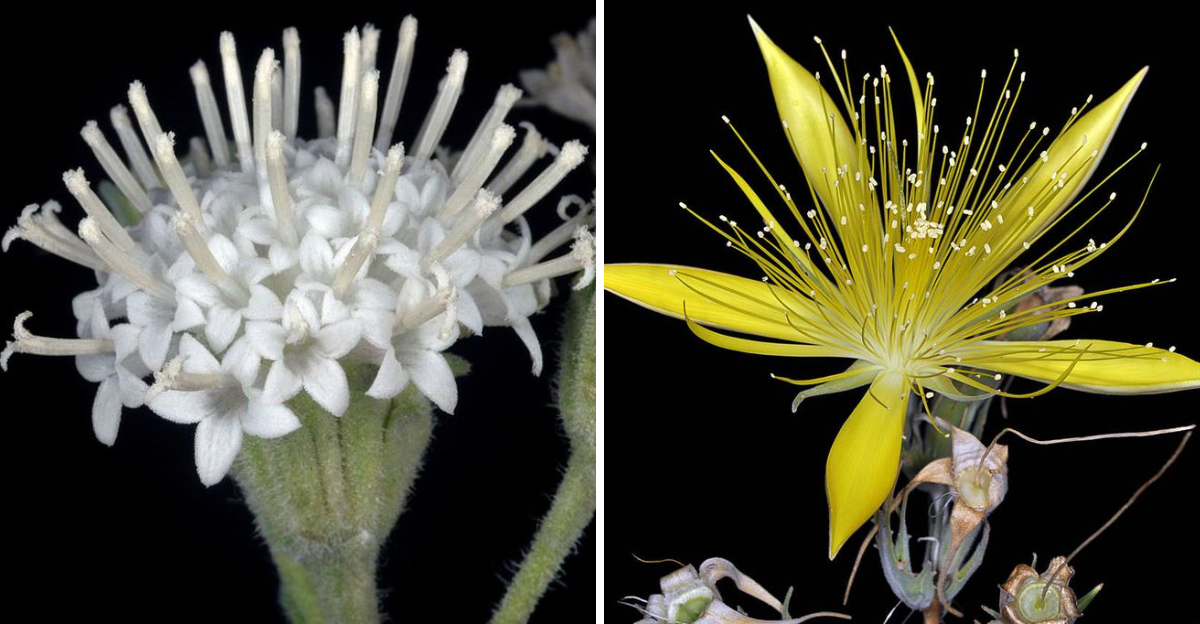
Once the sun slips behind Oregon’s hills, the garden starts pulling off its second shift. The bees clock out, the light softens, and suddenly moths are out there doing some very underrated pollination work.
It is easy to miss, especially if you are inside winding down, but Oregon nights can be surprisingly busy.
Across the Willamette Valley, the coast, and the drier parts of eastern Oregon, certain plants really come into their own after dark.
Pale blooms seem to glow, evening flowers begin to open, and sweet fragrance hangs in the air like the garden is showing off a little. Pretty smart move, honestly.
Learning which Oregon plants support moth pollinators can help you build a space that feels lively long after sunset.
And it adds a whole extra layer of garden magic, which is a pretty great bonus for a patch of dirt and plants.
1. Night-Blooming Morning-Glory Opens As Evening Arrives
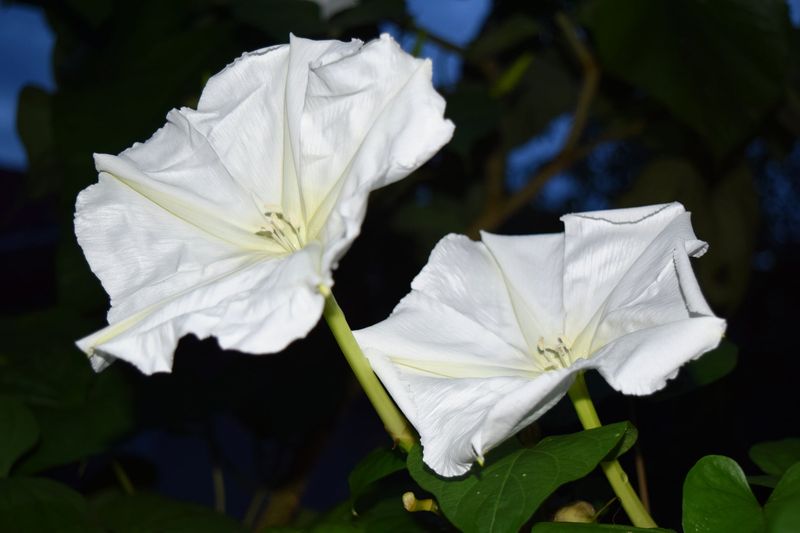
Just as most garden flowers are closing up for the night, Night-Blooming Morning-Glory is getting started.
Unlike its daytime relatives, this species opens its pale, funnel-shaped blooms in the evening and keeps them available through the night, making it a genuinely useful plant for Oregon moth pollinators that are most active after sunset.
The light-colored flowers stand out in low light, and the bloom shape suits moths that hover while feeding.
In Oregon, this plant grows as a twining vine and can be used along fences, trellises, or allowed to scramble through native shrub borders.
It prefers well-drained soils and tolerates dry summer conditions reasonably well, which makes it a reasonable option for gardens in the drier parts of western Oregon and into the Willamette Valley.
Gardeners in wetter areas may want to ensure good drainage to avoid root issues.
The evening bloom timing is the real standout feature here. Many pollinators that visit during the day will miss this plant entirely, but sphinx moths and other nocturnal fliers are well-suited to its open, accessible flower structure.
For anyone trying to extend pollinator support into the nighttime hours without adding a lot of maintenance to their garden, Night-Blooming Morning-Glory is a low-fuss option worth considering.
Pairing it with other evening-active plants can help build a more complete habitat for Oregon’s night-flying pollinator community.
2. Smoothstem Blazingstar Supports Moths Along With Other Pollinators
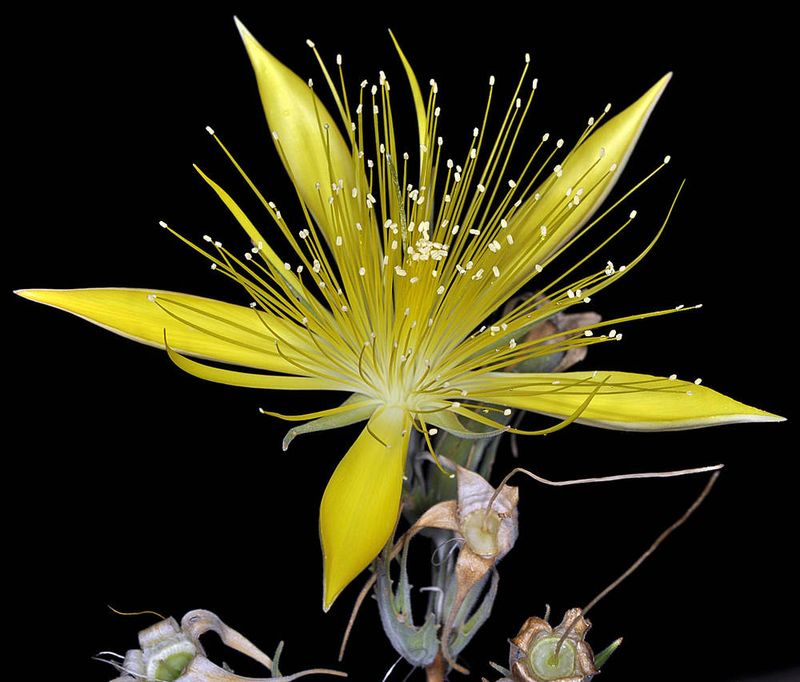
Bright, star-shaped yellow flowers on white stems make Smoothstem Blazingstar one of the more visually striking plants in Oregon’s dry interior landscapes.
The flowers are large and showy, opening in the afternoon and remaining available into the evening, which gives them a longer daily window than strictly nocturnal bloomers.
This extended bloom period means the plant supports a broader range of pollinators, including moths that become active as evening approaches.
Native to rocky slopes, dry washes, and disturbed ground in eastern and central Oregon, this plant is well suited to challenging conditions.
It handles heat, drought, and poor soils with ease, making it a practical choice for dry native gardens and habitat patches in the rain shadow of the Cascades.
Your Oregon Garden Changes Every Week. Your Plan Should Too.
Gardening in Oregon changes quickly throughout the season. Every Friday you’ll receive a simple weekly plan showing exactly what to plant, prune, fertilize, harvest, and protect so you never miss the right timing.
The white, somewhat papery stems are distinctive and remain visible even after blooming ends, adding some winter structure to the garden.
While Smoothstem Blazingstar is not as narrowly moth-focused as the evening primroses, its large, accessible flowers and evening availability make it a meaningful resource for night-active pollinators.
Various bee species visit during the day, and as light fades, moths move in to take advantage of the remaining blooms.
For Oregon gardeners building pollinator habitat in dry, sunny areas, including this plant adds diversity to the planting and ensures that something useful is available both during the day and into the early evening hours when moth activity picks up.
3. Bog Candle Offers Fragrant Flowers For Night Visitors
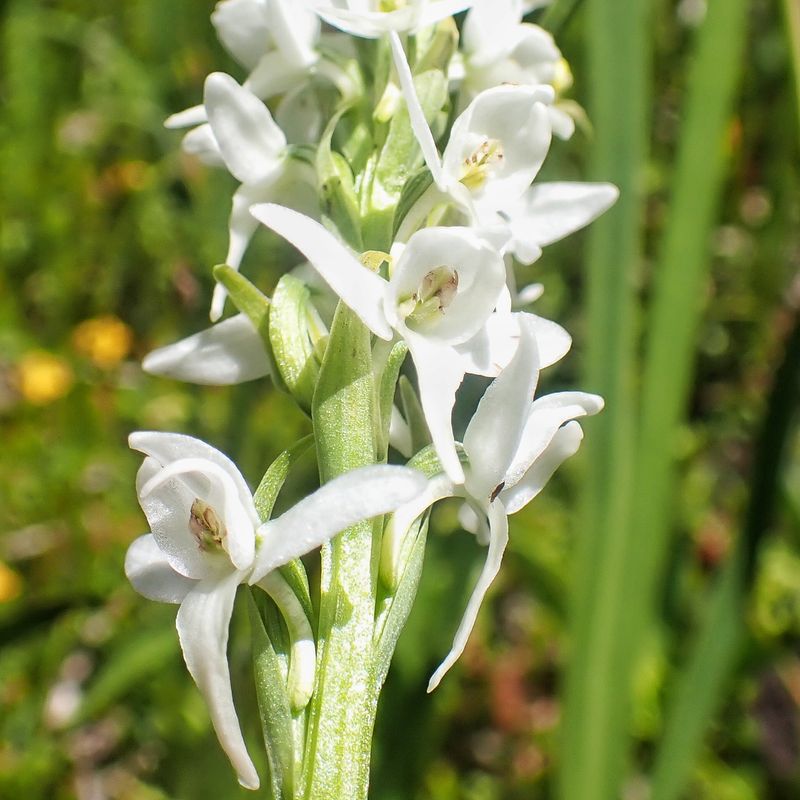
Few plants signal the presence of moth pollinators quite like Bog Candle, a native orchid that sends up tall white flower spikes with a sweet, noticeable fragrance that becomes more pronounced as evening settles in.
Found naturally in Oregon’s wet meadows, streamside areas, and boggy spots from the coast to the Cascades, this plant relies heavily on night-flying moths for pollination.
The pale white blooms reflect low light well, making them easier for moths to locate in the dark.
Bog Candle tends to grow best in consistently moist, organically rich soils with partial to full sun. In Oregon gardens, this means it works well near rain gardens, pond edges, or naturally damp low spots where water tends to collect.
It is not a plant that handles dry conditions well, so matching it to the right moisture zone is key before planting.
For those restoring wet habitat in western Oregon or managing a moist native garden, Bog Candle adds real ecological value beyond its visual appeal.
The fragrance is a genuine draw for sphinx moths and other larger night-flying species that are capable of reaching the nectar.
Watching this plant on a warm Oregon summer evening, with moths hovering around the flower spikes, offers a memorable glimpse into how nighttime pollination actually works in native landscapes.
4. Pale Evening-Primrose Glows In The Fading Light
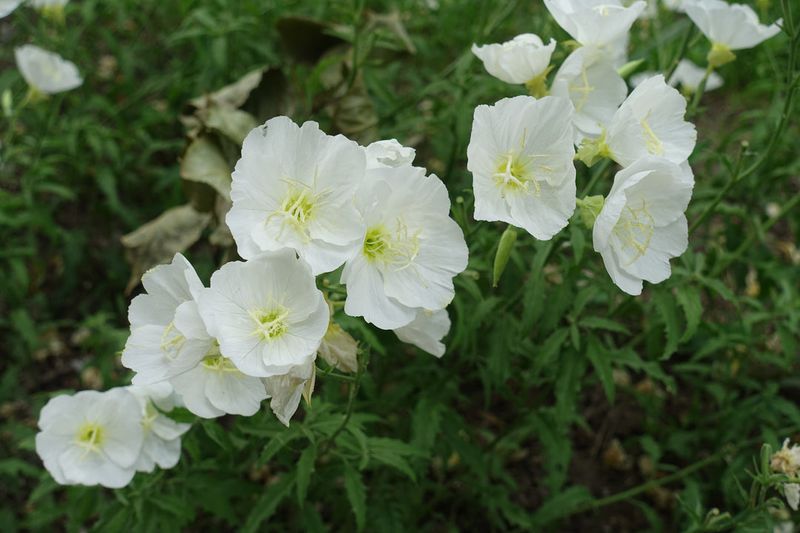
There is something almost luminous about Pale Evening-Primrose as daylight fades. The large, white four-petaled flowers seem to glow in low light, which is no coincidence.
Evening primroses as a group have a well-documented relationship with sphinx moths, and Pale Evening-Primrose is among the most clearly adapted to nighttime pollination, opening its blooms in the evening and releasing a light fragrance that draws in moths from a surprising distance.
In Oregon, this species is most at home in dry, sandy, or gravelly soils, particularly in the eastern parts of the state where open, well-drained ground is more common.
It also shows up in disturbed areas, roadsides, and dry slopes west of the Cascades in some regions.
For gardeners working with dry native plantings or low-water habitat patches, it fits naturally into the plant palette without requiring irrigation once established.
The blooms open in the evening and may persist into early morning, giving moths a reasonable window to visit. Sphinx moths, in particular, are drawn to the pale color and accessible nectar.
Because the flowers are large and fairly open, a variety of night-flying insects can make use of them.
For Oregon gardeners who want a plant that genuinely earns its keep after dark, Pale Evening-Primrose is one of the more reliable choices available, especially in the drier, sunnier parts of the state where it naturally thrives.
5. Tufted Evening-Primrose Brings Soft Color After Sunset
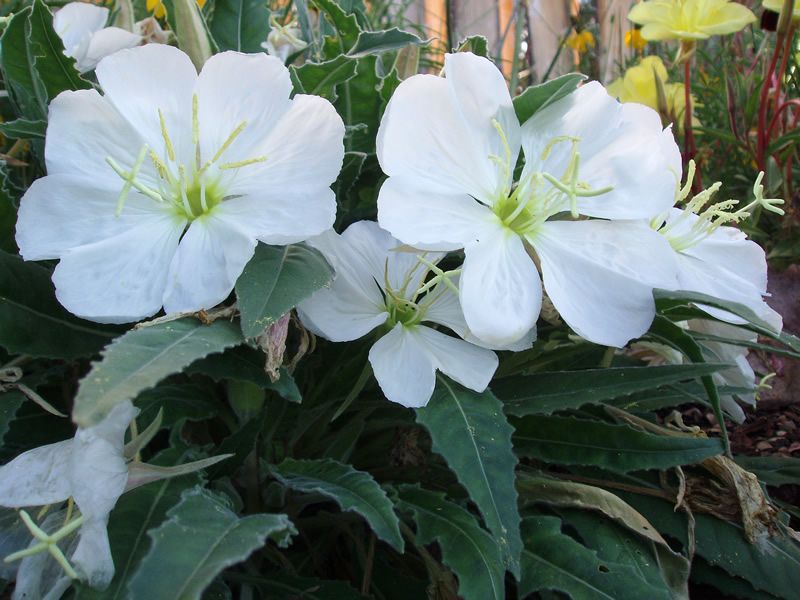
Low to the ground and quietly spectacular, Tufted Evening-Primrose opens its large, creamy white flowers at or near ground level as the day cools down.
The blooms can be several inches across, making them easy for moths to find even when light is minimal.
As the flowers age, they often shift to a soft pink tone, which means a single plant can display two different color stages at once, adding some visual interest even to daytime observers.
This species grows naturally in rocky, dry, and often exposed areas across eastern Oregon and into the high desert regions of the state.
It handles poor soils and low water availability well, which makes it a strong candidate for xeriscaping projects, dry native gardens, or habitat restoration work in areas with thin, rocky ground.
It tends to form low, spreading clumps that look tidy without much intervention.
The connection to moth pollinators is genuine. Like other evening primroses, Tufted Evening-Primrose has a clear orientation toward nighttime visitors, with flowers that open in the evening and a scent that becomes more noticeable after dark.
Sphinx moths are among the primary visitors, drawn in by the pale blooms and accessible nectar.
For Oregon gardeners who want a native plant that works hard after sunset while also holding its own in tough growing conditions, this is a species worth adding to the consideration list.
6. Douglas’ Dustymaiden Adds Pollinator Value In Dry Gardens
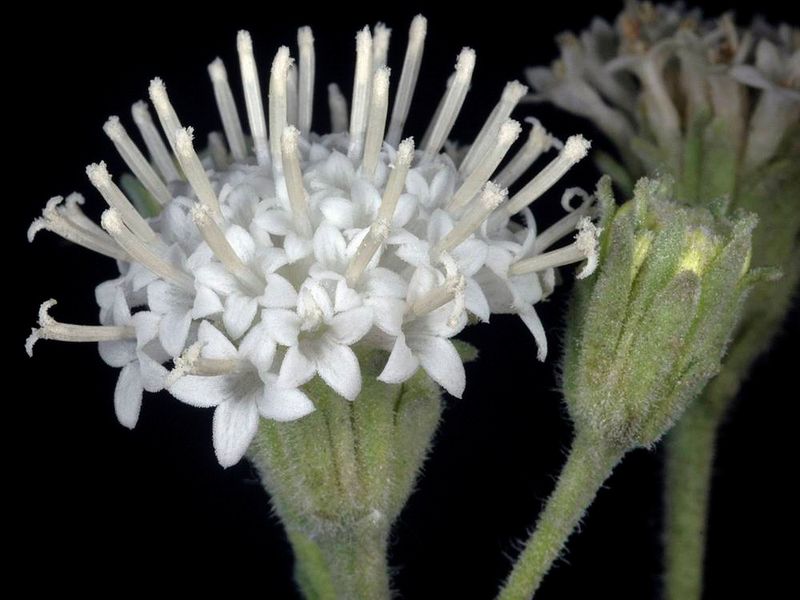
Out in Oregon’s dry sagebrush country and rocky open slopes, Douglas’ Dustymaiden is a familiar sight. The small, rounded white flower heads sit atop silvery stems, and the overall effect is subtle but genuinely appealing.
This is not a dramatic plant by any measure, but it holds real value for pollinators in habitats where flowering plants can be scarce, especially in the drier months when few other species are blooming nearby.
The pale flower heads are visible in low light and accessible to a range of small to medium insects, including moths that forage in open, dry terrain after dark.
While Douglas’ Dustymaiden is not as specifically tied to nighttime pollination as the evening primroses, it does attract moth visitors along with daytime bees and flies.
In Oregon’s high desert and eastern foothills, where nights can be warm enough for extended moth activity, this plant can see regular after-dark visitors.
For gardeners working with dry native plantings in central or eastern Oregon, Douglas’ Dustymaiden is a low-maintenance option that fits naturally into the landscape without demanding extra water or rich soil.
It tends to grow in open, sunny spots with good drainage and does not compete well with aggressive plants, so giving it some space to establish is helpful.
As part of a broader dry garden mix that includes evening primroses and blazingstars, it rounds out the pollinator planting nicely and adds texture through its silvery foliage and soft white blooms.
7. Common Clarkia Brings Delicate Blooms And Moth Appeal
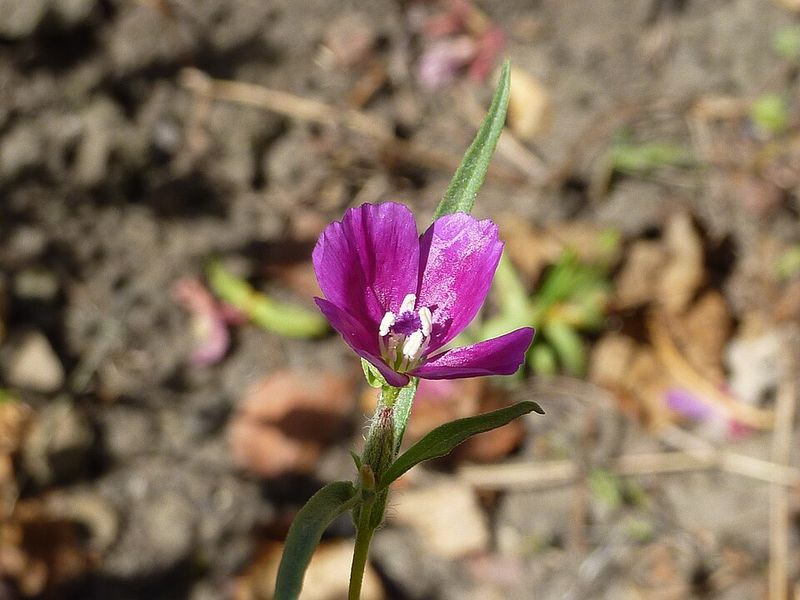
Named in honor of explorer William Clark, Common Clarkia is a cheerful annual native that brings a wash of pink to purple color to Oregon’s open hillsides, grasslands, and woodland edges in late spring and early summer.
The four-petaled flowers are delicate and attractive, drawing in a variety of pollinators during daylight hours.
What makes this plant worth mentioning in a nighttime context is that some Clarkia species, including this one, have been documented receiving moth visits, particularly from species active during twilight and early evening hours.
Common Clarkia is one of Oregon’s more accessible native annuals for home gardeners.
It grows from seed sown directly into the ground in fall or early spring, germinates with cool temperatures and moisture, and blooms before summer heat sets in.
It prefers well-drained soils and open sunny spots, and it naturalizes readily in disturbed or grassy areas where competition from larger plants is limited.
The flowers are relatively pale in some color forms, and the open bloom structure makes them approachable for a range of insect visitors.
For Oregon gardeners building a native annual meadow or adding seasonal color to a habitat patch, Common Clarkia is a practical and rewarding choice.
Including it alongside evening-blooming plants creates a layered planting that supports pollinators from midday through the early nighttime hours, giving moths and other twilight foragers more options as the garden transitions from day to evening.
8. Few-Flowered Ninebark Supports Moths With Shrubby Charm
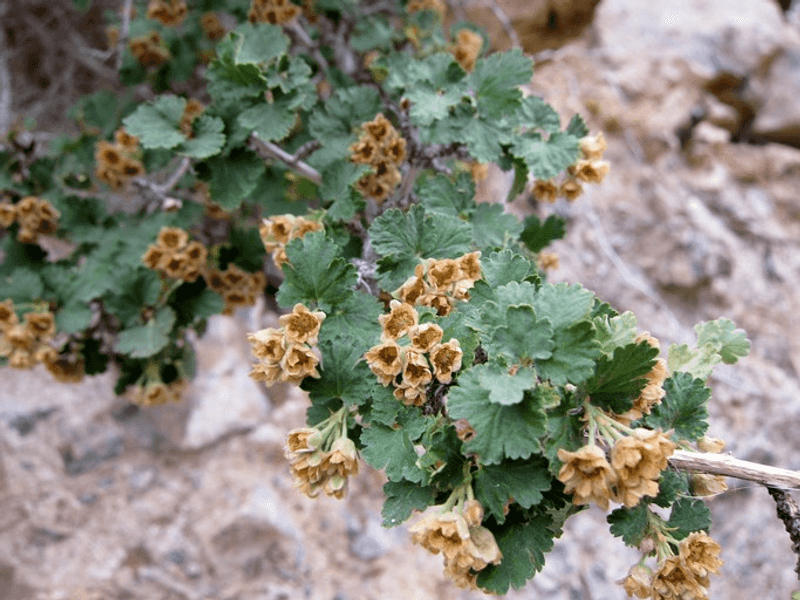
Shrubs do not always get the attention they deserve when the conversation turns to moth pollinators, but Few-Flowered Ninebark is worth a closer look.
This compact native shrub produces small clusters of creamy white flowers in late spring to early summer, and its pale blooms are visible in low light conditions, which makes it a reasonable resource for moths moving through the landscape after sunset.
The shrub’s open branching habit also provides resting and sheltering spots for insects.
Few-Flowered Ninebark is native to rocky, dry slopes and canyon walls in eastern and central Oregon, where it often grows alongside sagebrush, bitterbrush, and other drought-tolerant shrubs.
It handles poor, rocky soils and dry summers well, and once established, it generally needs little supplemental water.
The peeling, layered bark on older stems adds textural interest even when the plant is not in bloom, giving it year-round visual value in a dry native garden.
While this shrub supports a range of pollinators throughout the day, including native bees and flies, the pale flower clusters and evening accessibility make it relevant for moth pollinators as well.
For Oregon gardeners working in dry, rocky conditions where few flowering shrubs are well-suited, Few-Flowered Ninebark fills a useful niche.
Planting it alongside evening primroses and other nighttime-friendly plants helps create a more complete habitat that keeps something available for pollinators well into the evening hours across Oregon’s drier regions.