These Are The 8 Shade-Loving Perennials For Ohio Gardens
That bare spot under the maple has a way of humbling even good gardeners.
Grass gives up first. Sun-loving flowers stretch, sulk, and fade.
By spring, the whole area can turn into a patchy mix of mud, roots, and weeds that makes the rest of the yard look unfinished.
But shade is not the problem. The plant choice is.
Ohio yards are full of tricky low-light spots, from north-facing beds to damp corners near old trees to woodland edges where afternoon sun barely reaches the soil.
The secret is choosing perennials that are built for those conditions, not forcing bright-sun plants to tough it out where they do not belong.
Some of the best options bring bold leaves. Others add spring flowers, soft texture, winter greenery, or slow-spreading ground cover.
A few are Ohio natives that fit naturally into woodland-style beds, while others are dependable, non-invasive garden classics.
With the right mix, that frustrating shady patch can become one of the most interesting parts of the yard.
1. Fill Bare Shade With Hostas
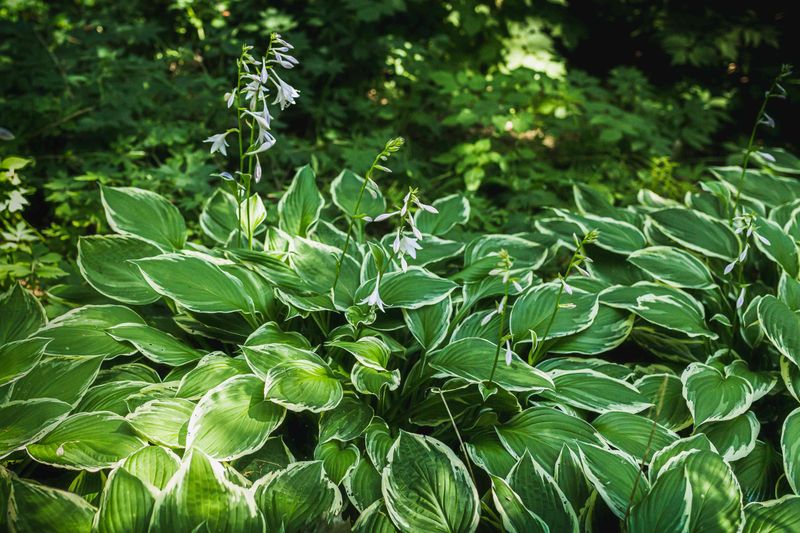
Few plants have earned their place in Ohio shade gardens more honestly than hostas.
Walk through almost any neighborhood in Columbus, Cleveland, or Cincinnati, and you will spot them lining shady borders, filling in under trees, and anchoring the corners of north-facing beds.
They are not native to North America, originally coming from Asia, but they are not considered invasive in Ohio and have proven themselves as dependable, low-maintenance workhorses for decades.
What makes hostas so useful is the sheer variety available. Leaf colors range from deep blue-green to chartreuse to creamy white-edged varieties, and plant sizes go from tiny minis that fit in a container to giant clumps four feet wide.
They grow best in shade to part shade and prefer consistently moist, well-drained soil. In Ohio’s humid summers, they generally do well as long as you give them decent soil and do not let them bake in hot afternoon sun.
Two real cautions worth knowing: deer absolutely love hostas and will graze them flat overnight, so if deer pressure is high in your area, use repellent sprays or choose companion plants that deter browsing.
Slugs are also a common problem, especially in wet seasons, leaving ragged holes in the leaves.
A little slug bait or diatomaceous earth around the base goes a long way toward keeping the foliage looking sharp all season.
2. Add Soft Color With Astilbe
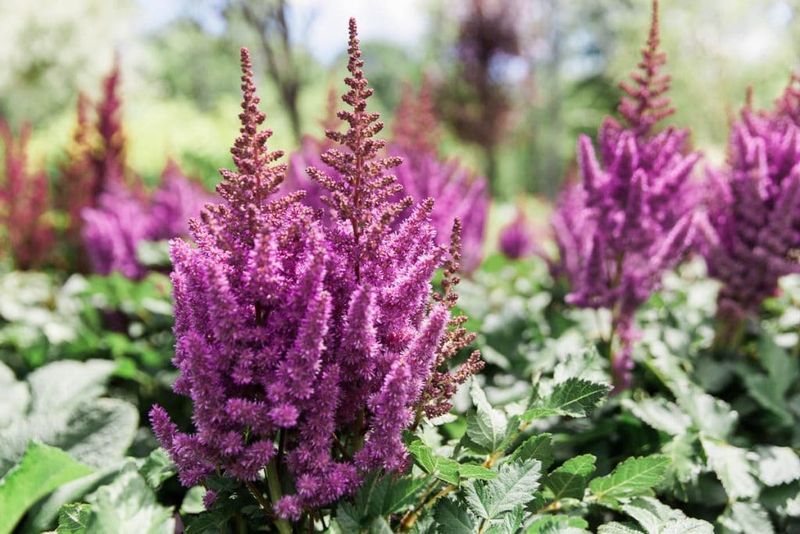
Shady spots that stay a little moist are actually prime real estate for astilbe.
Most gardeners struggle to find flowers that thrive in low light, but astilbe delivers soft, feathery plumes in shades of white, pink, red, and lavender without needing a single hour of strong afternoon sun.
Originating from Asia and parts of North America, the garden cultivars widely sold in Ohio are not considered invasive, so you can plant them without worrying about them spreading aggressively beyond your beds.
The most important thing to understand about astilbe is its relationship with moisture. This plant does not handle dry shade well at all.
Your Ohio Garden Changes Every Week. Your Plan Should Too.
Gardening in Ohio changes quickly throughout the season. Every Friday you’ll receive a simple weekly plan showing exactly what to plant, prune, fertilize, harvest, and protect so you never miss the right timing.
If you tuck it under a shallow-rooted tree where the soil dries out fast, the leaf tips will turn brown and crispy, and the plant will struggle year after year. Astilbe performs best in consistently moist, rich, humus-heavy soil.
Think shaded beds near a downspout, along a shaded fence line where moisture collects, or at the edge of a woodland area that holds some humidity.
In Ohio, astilbe blooms in early to midsummer, depending on the variety. After blooming, the feathery seed heads hold some visual interest if you leave them standing.
Dividing clumps every three or four years keeps the plants vigorous and prevents the center from becoming woody and less productive. Pair astilbe with hostas or ferns for a layered, lush look that fills a moist shade bed beautifully.
3. Brighten Dark Corners With Coral Bells
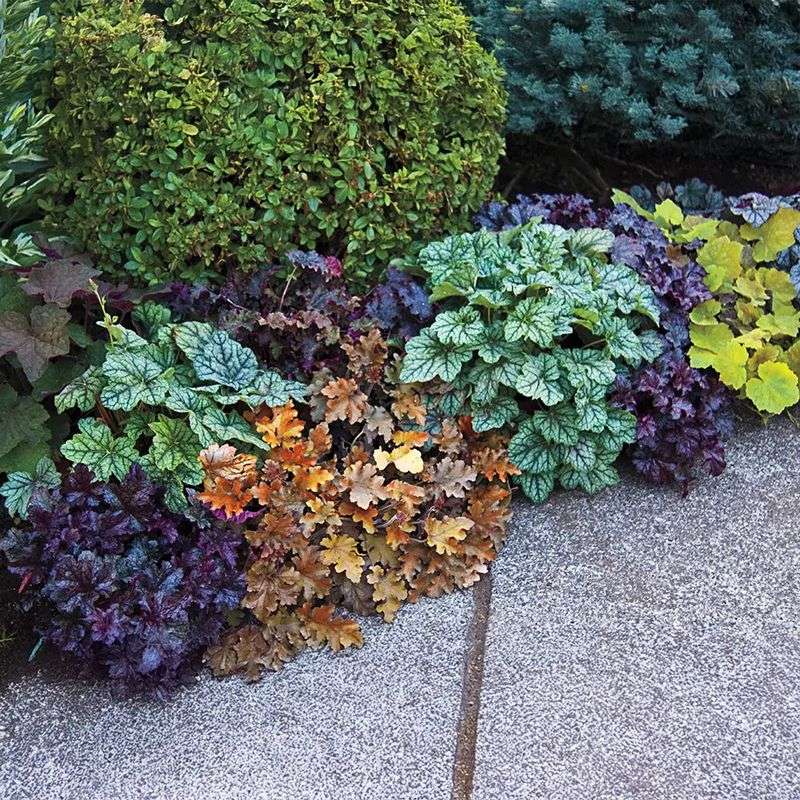
Some plants earn their keep through flowers. Coral bells earn theirs through foliage that looks good from early spring all the way through late fall.
The leaves come in an almost ridiculous range of colors, including deep burgundy, amber, silver, lime green, and near-black, making them one of the most versatile perennials for adding color to a shady bed without depending on blooms.
Several Heuchera species are native to North America, and while many popular garden cultivars are hybrids, they generally perform well in Ohio’s climate.
Placement matters a lot with coral bells. They work best at the front of a border or along a path where the colorful foliage can actually be seen and appreciated.
Part shade is often the sweet spot, since too much deep shade can mute the leaf color and make the plant look a bit tired. Too much hot sun, on the other hand, can scorch the leaves in Ohio’s humid summers.
Drainage is the one thing coral bells are picky about. They do not like sitting in wet soil, especially around the crown, which can rot during Ohio’s wet springs or after heavy winter rains.
Plant them in slightly raised beds or amend heavy clay soil with compost to improve drainage. Mulch helps retain moisture without smothering the crown.
Divide them every three to four years when the center starts to lift out of the ground, which is a normal part of how they grow.
4. Cover The Ground With Wild Ginger
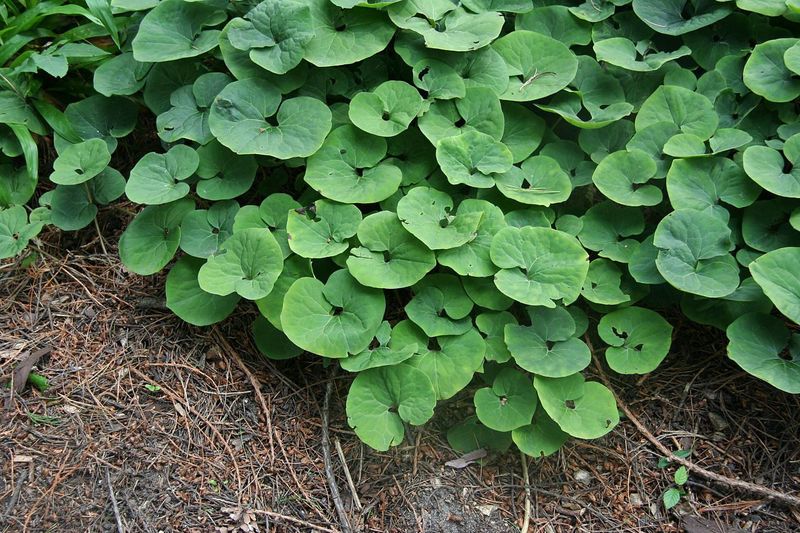
Under a big shade tree where almost nothing else grows, wild ginger quietly does its job without asking for much attention. Asarum canadense is a true Ohio native, found naturally in the rich woodland soils of the state’s forests and woodland edges.
Gardeners who want a ground layer that looks like it belongs in an Ohio landscape, rather than something imported from a catalog, often turn to wild ginger as one of their first choices.
The leaves are the main attraction here. They are broad, heart-shaped, and a deep matte green that creates a tidy, uniform carpet when the plants have had time to fill in.
Wild ginger spreads slowly by rhizome, which means it is not going to cover a large bare area in a single season.
Gardeners who plant it expecting fast results often get frustrated, but those who give it two or three years find it fills in beautifully and requires almost no maintenance once established.
This plant prefers moist, humus-rich soil similar to what you would find on a natural forest floor. Adding a layer of leaf mulch around new plantings helps mimic that woodland environment and keeps the soil from drying out during Ohio’s summer heat.
Wild ginger is not a good fit for dry, compacted soil under shallow-rooted trees without some soil amendment. It also produces small, unusual brownish-red flowers close to the ground in spring, though they are often hidden under the foliage and easy to miss.
5. Let Foamflower Soften The Edges
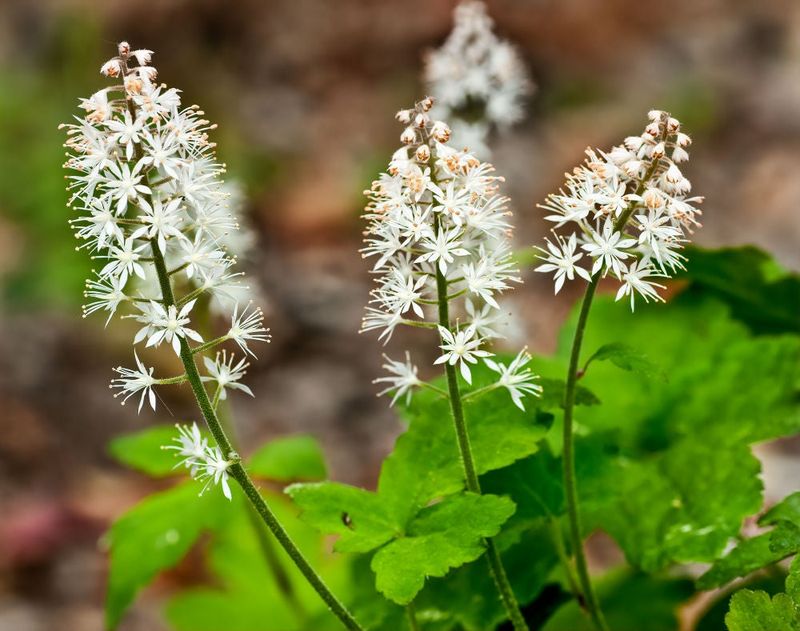
Spring in an Ohio shade garden can feel short and fleeting, which is exactly why foamflower is worth having.
Tiarella cordifolia is native to eastern North American woodlands, including Ohio, and it earns its name from the frothy clusters of tiny white to pale pink flowers it sends up in mid to late spring.
The blooms are delicate and airy, hovering just above the foliage on slender stems, and they have a soft, natural look that fits perfectly in a woodland-style planting.
Beyond the spring flowers, foamflower holds its own as a foliage plant through the rest of the season. The leaves are lobed and often feature attractive dark patterning along the veins, giving them visual interest even when the plant is not in bloom.
Along shady borders and path edges, foamflower creates a soft, layered look that feels intentional without looking fussy or high-maintenance.
Moist, humus-rich soil is what foamflower genuinely needs to perform well. Treating it like a tough, drought-resistant groundcover is one of the most common mistakes Ohio gardeners make with this plant.
It prefers the kind of consistently moist, leafy soil found in a healthy woodland understory. Part shade to full shade works well, and it appreciates protection from hot afternoon sun.
Some varieties of Tiarella spread gently by runners, making them useful for filling gaps over time, while clump-forming types stay more compact and tidy in a border setting.
6. Bring Spring Color With Virginia Bluebells
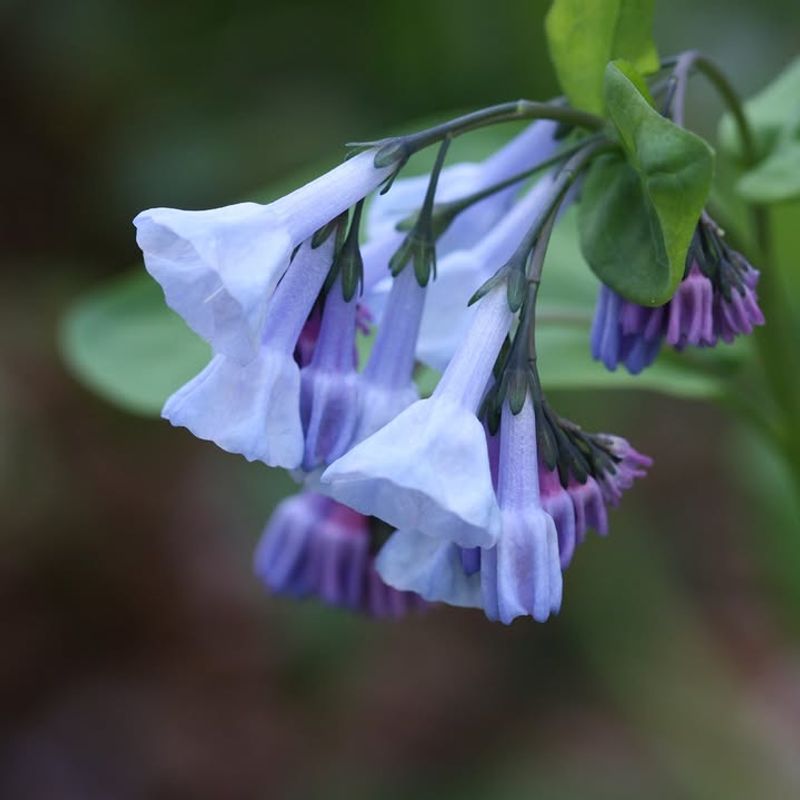
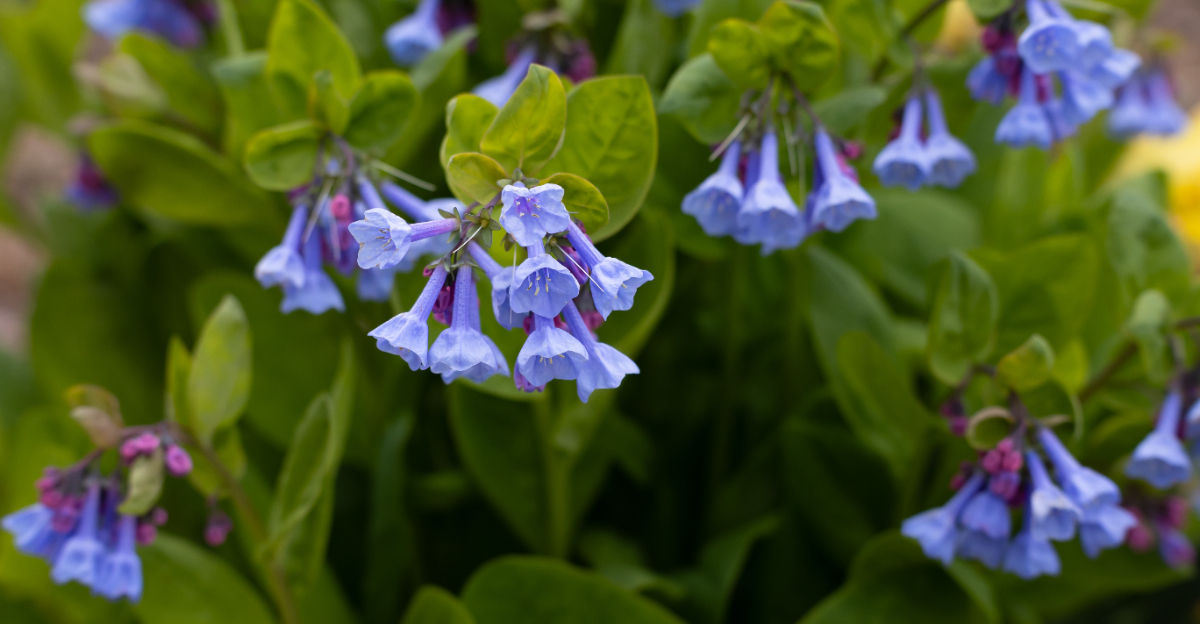
There is a moment in early Ohio spring, usually somewhere between late March and mid-April, when Virginia bluebells turn a shaded woodland bed into something genuinely stunning.
The clusters of sky-blue, trumpet-shaped flowers are unlike almost anything else blooming at that time of year, and they have a way of making even skeptical gardeners stop and look twice.
Mertensia virginica is native to Ohio and thrives in the moist, rich soils of floodplain woodlands and shaded stream edges.
The catch, and it is an important one for Ohio gardeners to understand, is that Virginia bluebells are spring ephemerals. After blooming and setting seed, the entire plant goes dormant and disappears by early summer.
The spot where it was growing will look completely bare, which can be jarring if you are not expecting it. Planning around this disappearing act is essential for keeping the bed looking full through the rest of the season.
Pairing Virginia bluebells with later-emerging plants is the practical solution most experienced Ohio shade gardeners rely on. Hostas are a classic partner because they emerge just as the bluebells are fading and quickly fill in the space with their large leaves.
Wild ginger and ferns also work well for the same reason. Plant Virginia bluebells in drifts rather than single specimens for the most visual impact in spring, and let them naturalize over time in moist, shaded areas for a truly beautiful early-season display.
7. Add Graceful Arches With Solomon’s Seal
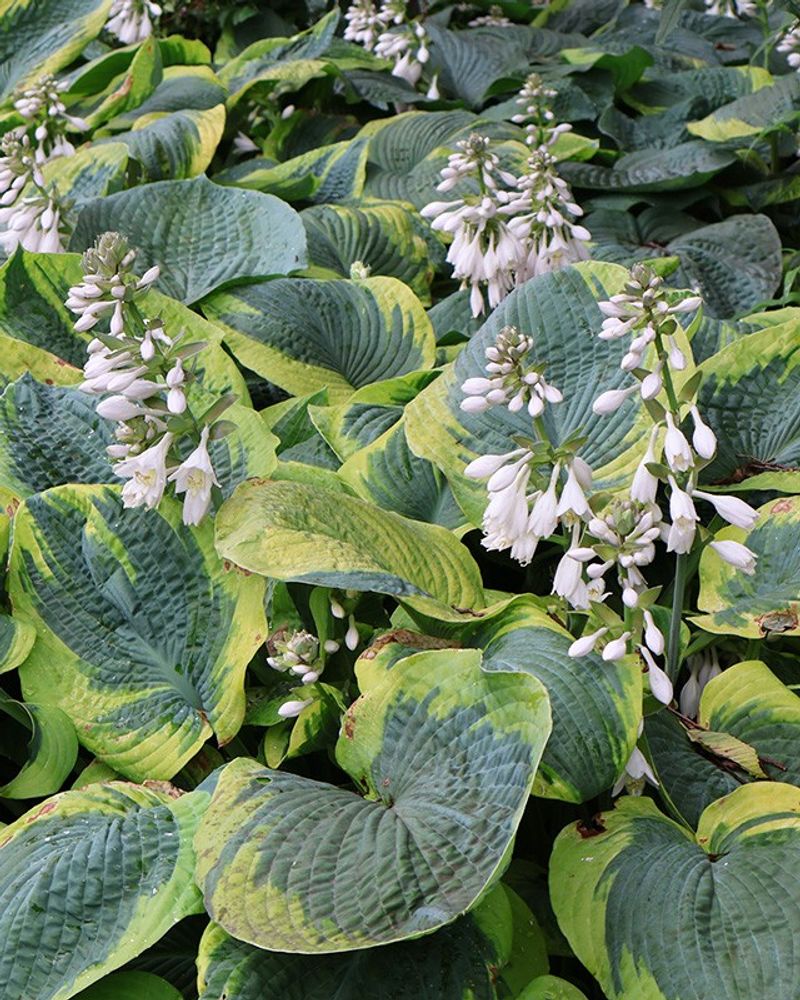
Most shade perennials grow in low mounds or ground-hugging layers, which is why Solomon’s seal feels like such a welcome addition to a shaded bed.
Polygonatum biflorum is native to Ohio’s woodlands and brings something that few other shade plants offer: graceful, arching stems that add vertical movement and a sense of elegance without looking stiff or formal.
The stems can reach two to three feet tall, lined with pairs of oval leaves and small, white bell-shaped flowers that hang underneath in late spring.
In a woodland-style planting, Solomon’s seal works beautifully behind lower plants like foamflower, wild ginger, or coral bells, giving the bed a layered, naturalistic structure.
Under trees, along shaded fences, or at the back of a north-facing border, it adds height without bulk.
The foliage turns a warm golden yellow in fall before the stems go dormant, offering one last moment of seasonal color before winter.
Patience is genuinely required with this plant. Solomon’s seal takes a season or two to establish and fill out, and gardeners who expect a full, lush clump in the first year often feel let down.
Give it good woodland-type soil with plenty of organic matter, consistent moisture, and shade to part shade, and it will reward you with steady, reliable growth each year.
Once established, it is long-lived and largely trouble-free, asking for very little beyond being left alone to do its thing.
8. Keep Texture Going With Christmas Fern
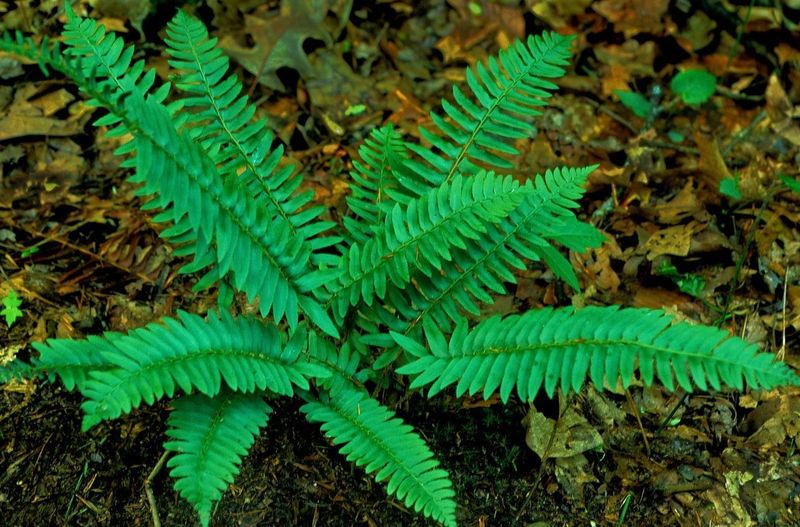
When every other plant in the shade bed has gone dormant for winter, Christmas fern is still out there looking green.
Polystichum acrostichoides is native to Ohio and earns its common name from the fact that its dark green fronds stay on the plant well into the holiday season, sometimes remaining green through most of the winter depending on how cold and snowy the year turns out to be.
For Ohio gardeners tired of bare, flat-looking shade beds from November through March, that evergreen quality alone makes it worth planting.
Beyond winter interest, Christmas fern provides excellent texture throughout the growing season.
The leathery, deep green fronds have a bold, upright presence that contrasts nicely with the softer foliage of hostas, the delicate flowers of foamflower, or the low carpet of wild ginger.
It is a clumping fern, not a fast-spreading groundcover, so it stays in a tidy mound rather than running aggressively across the bed.
Shade to part shade and well-drained woodland soil are what Christmas fern genuinely prefers. It handles dry shade better than many other shade perennials, which makes it useful under shallow-rooted trees where moisture competition is tough.
Heavy, wet clay soil is where it tends to struggle, so amending with compost before planting helps considerably.
New fronds emerge in spring, and trimming away any tattered old fronds at that time keeps the plant looking fresh and tidy going into the new growing season.