Georgia Fruit Trees That Can Start Producing Sooner Than You Might Expect
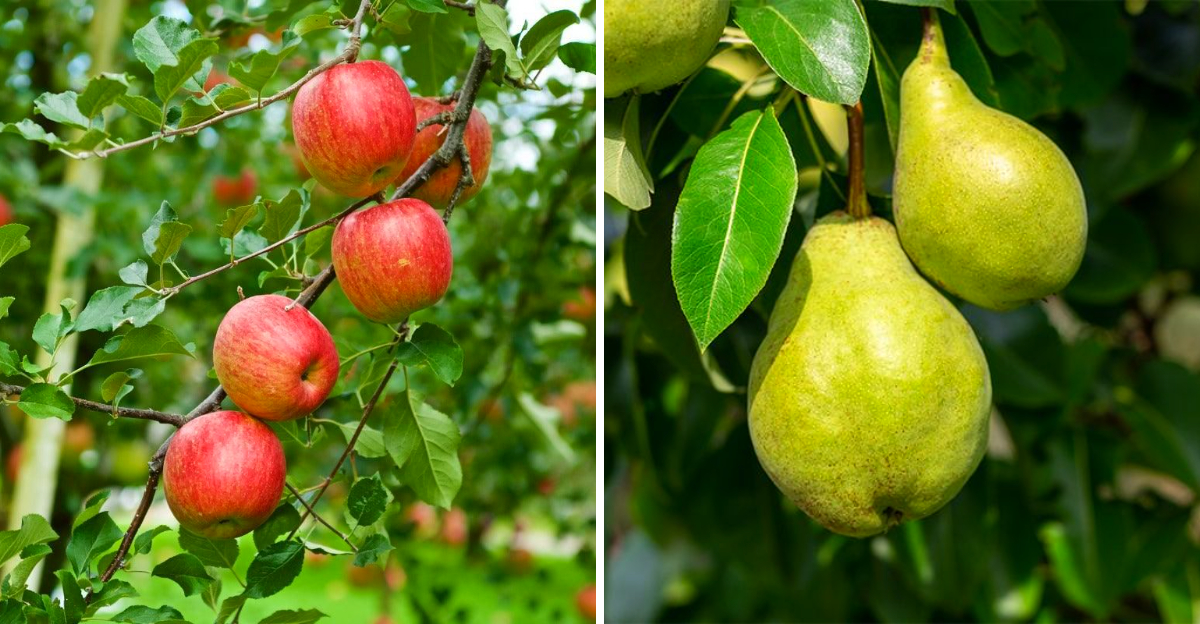
There is something extra satisfying about stepping into your backyard in Georgia and spotting fruit starting to form on a tree you planted not long ago.
It feels a little like a surprise bonus, especially if you were bracing for a long wait.
A lot of gardeners assume fruit trees take many years to produce anything worth picking, but Georgia’s warm climate and long growing season can help speed things along with the right choices.
Picking the right tree, starting with a healthy plant, and giving it a good spot in the yard can make a noticeable difference.
Some trees just settle in faster and get to work sooner than others. If the idea of harvesting your own fruit without the long wait sounds appealing, you are going to enjoy these options.
1. Fig Trees Bring Early Fruit In Warm Georgia Yards
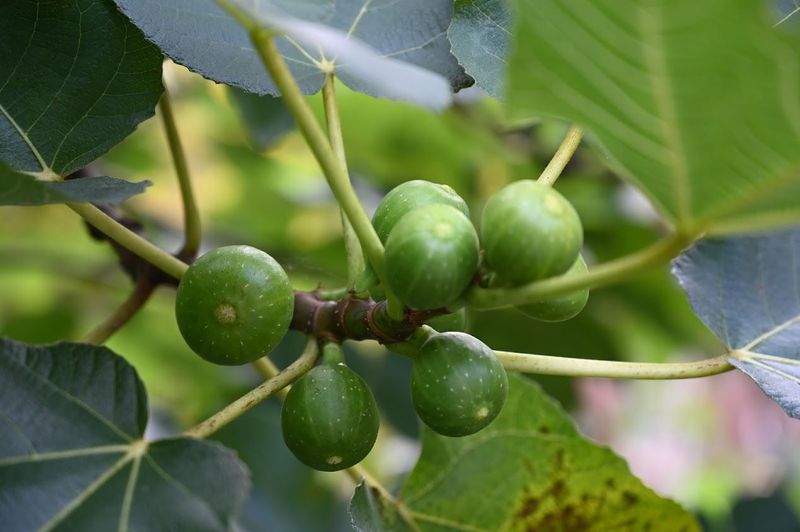
Few backyard fruit trees settle into a Georgia yard as comfortably as the fig. Known for thriving in warm, humid conditions, fig trees have been a staple in Southern home landscapes for generations, and for good reason.
A well-placed fig tree can begin producing fruit within one to two years after planting, especially when started from a rooted cutting or a larger nursery container.
Fig trees tend to grow quickly during Georgia’s long, warm summers, and they can reach a mature size that fits nicely into smaller yards without taking over the space.
The large, lobed leaves give the tree a lush, tropical appearance that adds real visual interest from late spring through fall.
Fruit typically ripens in mid to late summer, with some varieties offering a smaller early crop as well.
In Georgia, varieties like Celeste and Brown Turkey tend to perform well and are widely available at local nurseries. Celeste is particularly popular for its compact size and sweet, honey-like flavor.
Brown Turkey is a bit larger and produces reliably across much of the state.
Figs prefer a sunny spot with well-drained soil and some protection from strong winter winds in northern Georgia. They do not require a second tree for pollination, which makes them a practical and straightforward choice for home gardeners.
Regular watering during dry spells and a light layer of mulch around the base can help young trees get established and begin producing more quickly.
2. Dwarf Apple Trees Produce Sooner In Smaller Spaces
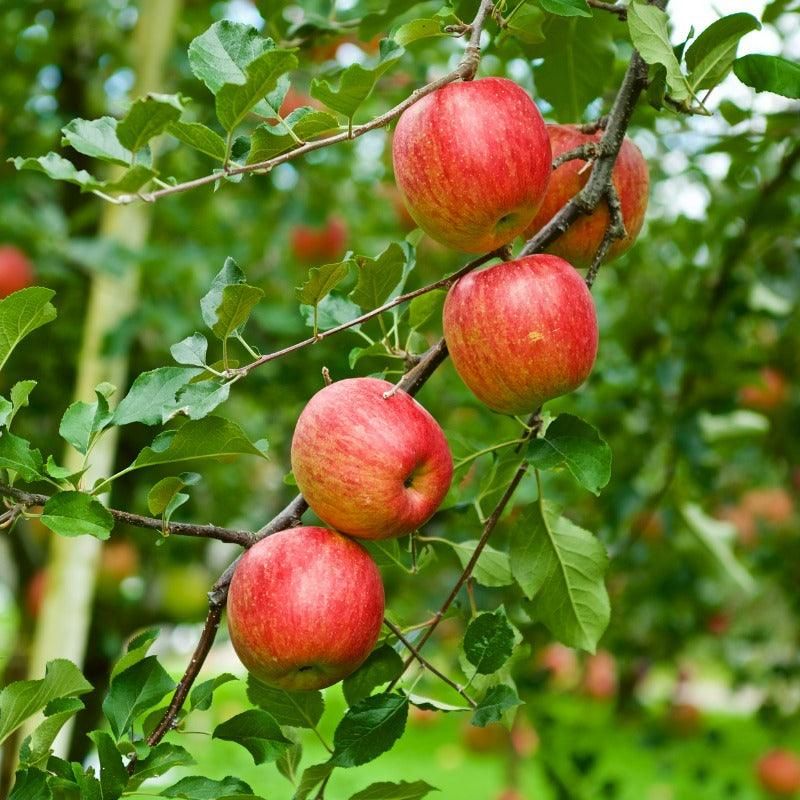
Backyard apple growing in Georgia has a reputation for being tricky, but dwarf apple trees have changed the experience for many home gardeners.
Unlike standard-sized apple trees that can take five to eight years to produce a meaningful harvest, dwarf varieties often begin bearing fruit within two to four years after planting.
That shorter timeline makes them especially appealing for Georgia gardeners who want results without a very long wait.
Dwarf apple trees stay relatively small, typically reaching six to ten feet tall, which makes them easy to manage, prune, and harvest without a ladder. They fit well in smaller Georgia yards and can even be grown in large containers on a patio or deck.
Your Georgia Garden Changes Every Week. Your Plan Should Too.
Gardening in Georgia changes quickly throughout the season. Every Friday you’ll receive a simple weekly plan showing exactly what to plant, prune, fertilize, harvest, and protect so you never miss the right timing.
Their spring blossoms are a lovely bonus, adding soft pink and white color to the landscape before the fruit even begins to form.
Choosing the right variety matters a great deal in Georgia because apple trees need a certain number of chill hours, which are hours of cold temperatures during winter, to produce well.
Varieties like Anna, Dorsett Golden, and TropicSweet are bred for Georgia’s lower-chill conditions, especially in the central and southern parts of the state.
North Georgia gardeners have more variety options since winters there tend to be colder.
Most apple trees need a second compatible variety nearby for cross-pollination, so planting two dwarf trees together is a common approach.
Good drainage, full sun, and consistent care during the first couple of growing seasons can help these compact trees reach their productive potential sooner.
3. Peach Trees Add Summer Fruit In Sunny Landscapes
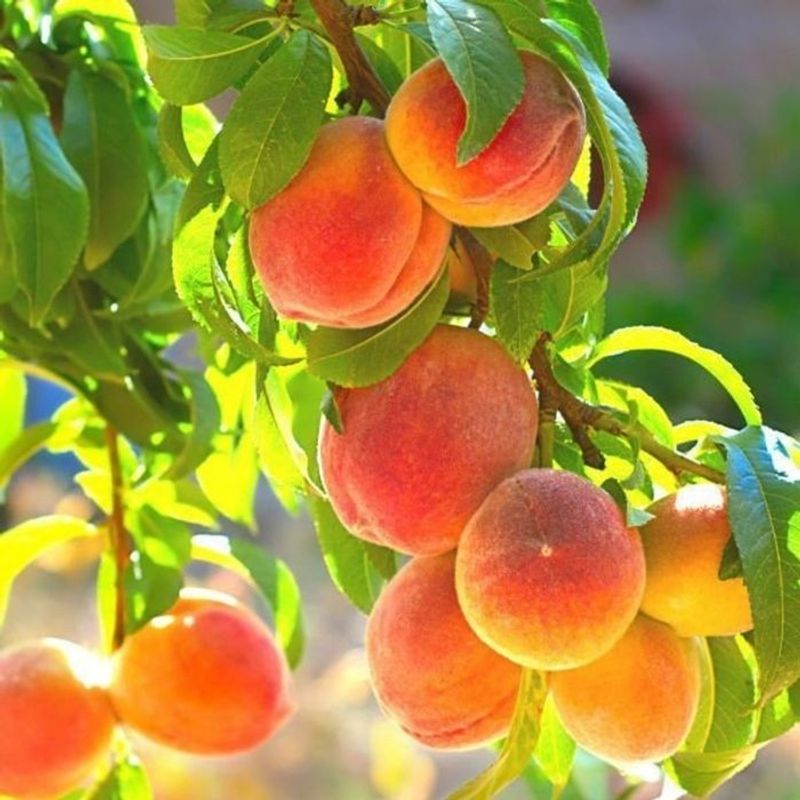
Georgia has long been associated with peaches, and that connection is not just a marketing slogan. The state’s warm summers, mild winters in many regions, and well-drained soils create conditions that genuinely suit peach tree production.
Home gardeners who plant peach trees in sunny spots with good drainage can often expect to see their first meaningful harvest within two to four years, sometimes sooner with larger nursery trees.
Peach trees are relatively fast growers and tend to begin flowering and setting fruit earlier than many other fruit trees. The blossoms that appear in late winter or early spring are one of the most beautiful sights in a Georgia yard, and they signal that fruit is on the way.
Most peaches ripen between May and August depending on the variety, giving homeowners a generous window for fresh summer fruit.
Selecting the right variety for your part of Georgia is key.
Low-chill varieties like Flordaprince and TropicSweet work well in the warmer southern regions, while varieties like Contender and Reliance perform better in north Georgia where winters are colder.
Checking the chill hour requirement of any variety before purchasing can save a lot of frustration later.
Peach trees benefit from full sun, which means at least six to eight hours of direct sunlight daily. Thinning the fruit early in the season helps the remaining peaches grow larger and reduces stress on the tree.
Consistent pruning each year keeps the canopy open and encourages healthy new growth where next year’s fruit will form.
4. Plum Trees Offer Early Harvests In Home Orchards
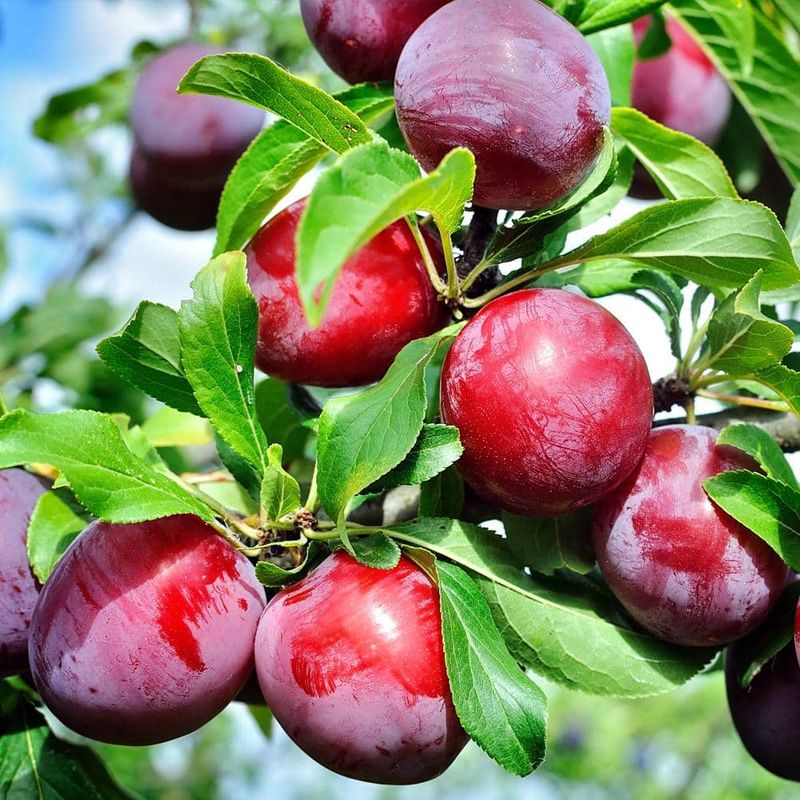
Planting a plum tree in a Georgia backyard can feel like a smart shortcut to homegrown fruit.
Plum trees tend to mature and begin producing relatively quickly compared to some other fruit tree options, with many home gardeners seeing their first small harvest within two to four years of planting.
That timeline makes plum trees an attractive choice for anyone who wants to build a productive home orchard without waiting too long.
Japanese plum varieties tend to do particularly well in Georgia’s climate and are more commonly grown in the state than European types. Varieties like Methley, Byron Gold, and AU Producer have shown reliable performance across different parts of Georgia.
Methley is especially popular because it is self-fertile, meaning it does not strictly need another plum tree nearby to produce fruit, though having a second tree can improve yields.
Plum trees typically reach a manageable size of around ten to fifteen feet, making them well-suited for residential yards and small home orchards.
They produce attractive white blossoms in late winter or early spring that give the tree a striking appearance before the leaves fully emerge.
The fruit ripens in early to mid-summer, offering a juicy harvest that can be eaten fresh, preserved, or used in cooking.
For best results in Georgia, plant plum trees in a location with full sun and well-drained soil.
They benefit from annual pruning to maintain an open canopy, which improves airflow and helps reduce common fungal issues that can affect stone fruit trees in humid conditions.
Mulching around the base helps retain moisture and moderate soil temperature.
5. Pear Trees Grow Steadily In Georgia Conditions
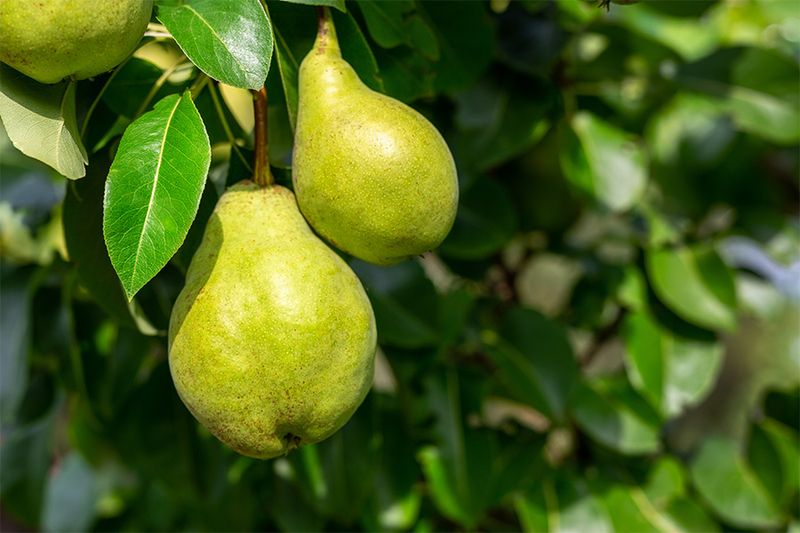
Steady and reliable are two words that come up often when Georgia gardeners talk about pear trees.
While they may not be the fastest fruit trees to produce, they tend to settle into the landscape with less fuss than some other options and can begin offering a harvest within three to five years under good conditions.
For many home gardeners, that balance of patience and predictability makes pear trees a worthwhile addition to a Georgia yard.
Oriental hybrid pears, such as Kieffer and Moonglow, are among the better choices for Georgia because they show tolerance for the heat and humidity that can challenge other varieties.
Kieffer pears are especially tough and can handle a wide range of soil types, which is helpful given the variation in Georgia soil conditions from region to region.
The fruit is crisp and works well for canning and preserving in addition to fresh eating.
Pear trees tend to grow upright and can reach fifteen to twenty feet if left unpruned, though regular pruning can keep them at a more manageable height for a home landscape.
Their white spring blossoms are a pleasant visual feature, and the glossy green leaves provide attractive summer foliage.
Most pear varieties benefit from cross-pollination, so planting two compatible trees near each other is generally recommended.
In Georgia, fire blight is a common concern with pear trees, so choosing resistant varieties and avoiding excessive nitrogen fertilizer can help reduce that risk.
Good airflow through the canopy, proper spacing, and clean pruning cuts all contribute to keeping pear trees healthy and productive over the long term.
6. Persimmon Trees Bring Unique Fruit To Backyard Spaces
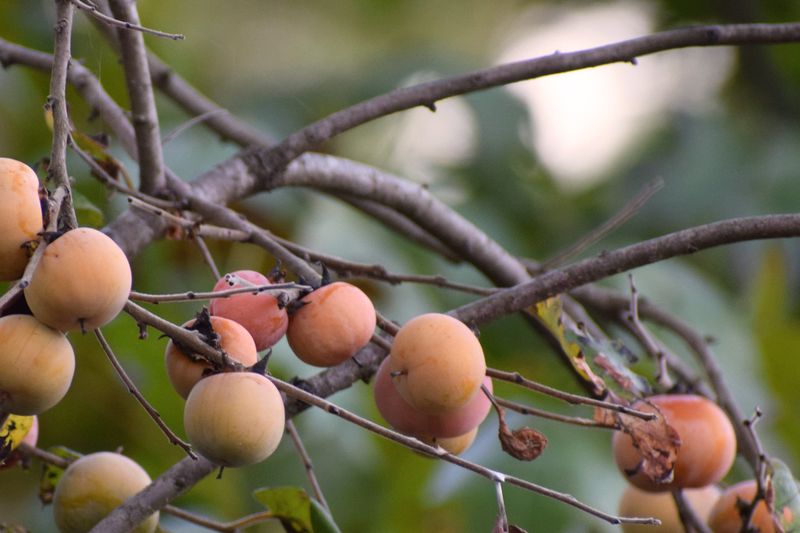
Not every Georgia gardener has tried a homegrown persimmon, but those who have tend to become enthusiastic fans.
Persimmon trees produce striking orange fruit that ripens in fall, adding a burst of color to the backyard just as most other fruit trees are winding down for the season.
American persimmon trees are native to the Southeast and feel right at home in Georgia’s climate, while Asian persimmon varieties also grow well in much of the state.
American persimmons are notably low-maintenance once established and can begin producing fruit within three to five years.
They tolerate a range of soil conditions and are more adaptable than many other fruit trees, making them a practical option for Georgia gardeners dealing with less-than-ideal soil.
The trees tend to develop attractive fall foliage alongside the ripening fruit, creating a genuinely beautiful seasonal display in the backyard.
Asian persimmon varieties, such as Fuyu and Hachiya, tend to produce larger fruit and are popular with home gardeners who want a more substantial harvest. Fuyu is a non-astringent type that can be eaten while still firm, which many people prefer.
Hachiya produces large, acorn-shaped fruit that is best eaten when very soft and fully ripe.
Persimmon trees generally prefer full sun and well-drained soil, though American types are quite forgiving of less ideal spots.
Most persimmon trees do not require a second tree for pollination, though having both a male and female tree nearby can improve fruit set on American varieties.
Their deep taproot makes them somewhat drought-tolerant once established, which is a real advantage during Georgia’s dry summer stretches.
7. Pomegranate Trees Add Color And Fruit In Warm Areas
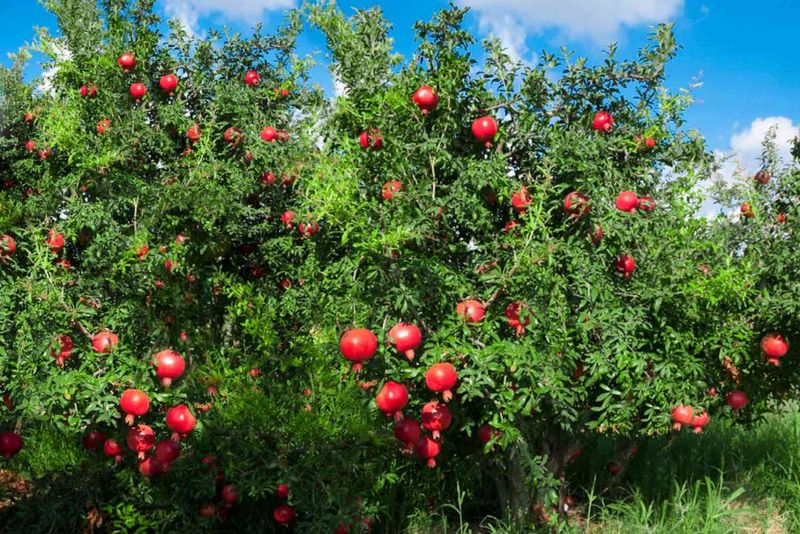
Vivid orange-red flowers and jewel-toned fruit make the pomegranate one of the most visually striking trees you can grow in a Georgia yard.
Beyond its looks, the pomegranate is genuinely well-suited to Georgia’s warmer regions, particularly in the central and southern parts of the state where summers are long and hot.
Trees can begin producing fruit within two to three years of planting, making them one of the relatively faster options for home gardeners looking for earlier results.
Pomegranate trees are quite heat-tolerant and tend to thrive with minimal irrigation once they are established in the landscape.
They grow as large shrubs or small trees, typically reaching eight to twelve feet tall, and their dense, twiggy form can serve as an attractive hedge or screen in addition to a fruit producer.
The bright blossoms appear in late spring and early summer, adding ornamental value before the fruit even begins to develop.
Wonderful is the most widely recognized pomegranate variety and performs reasonably well in Georgia’s warmer areas.
Other varieties like Salavatski and Surh-Anor have also shown promise in the Southeast and may offer slightly better cold hardiness for gardeners in the northern part of the state.
Pomegranates are self-fertile, so a single tree can produce fruit without a companion planting nearby.
Full sun is important for pomegranates, as shaded trees tend to produce less fruit and fewer flowers. Well-drained soil is equally important since they do not tolerate standing water.
Once established, pomegranate trees are relatively undemanding, making them a rewarding and low-fuss addition to a warm Georgia landscape.