The Best Herb Pairings To Grow Together In Pots In Ohio
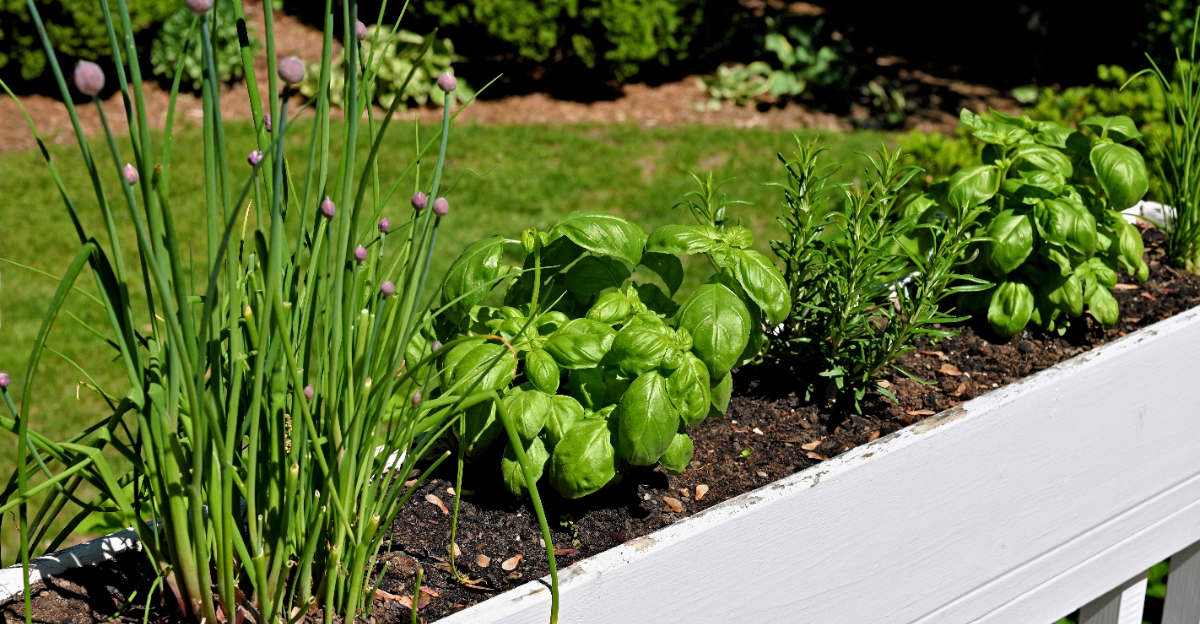
Can one pot really give you enough fresh herbs to make dinner taste like you planned ahead?
Absolutely, but only when the right herbs share the same space. Toss basil, rosemary, cilantro, and mint into one container, and that cute porch pot can turn into a hot mess fast.
One herb wants steady moisture. Another wants dry soil.
One loves cool spring weather. Another waits for summer heat.
No wonder so many mixed herb pots fizzle out before the best recipes hit the table.
Ohio gardeners deal with a short outdoor season, surprise cold snaps, humid stretches, and patio pots that dry out faster than expected. That makes smart pairings matter.
A small porch, balcony, patio, or sunny kitchen step can still hold serious flavor. Pair herbs by sun, water, and season, and one container can pull its weight from quick weeknight dinners to weekend cookouts.
1. Grow Basil With Chives For A Summer Kitchen Pot
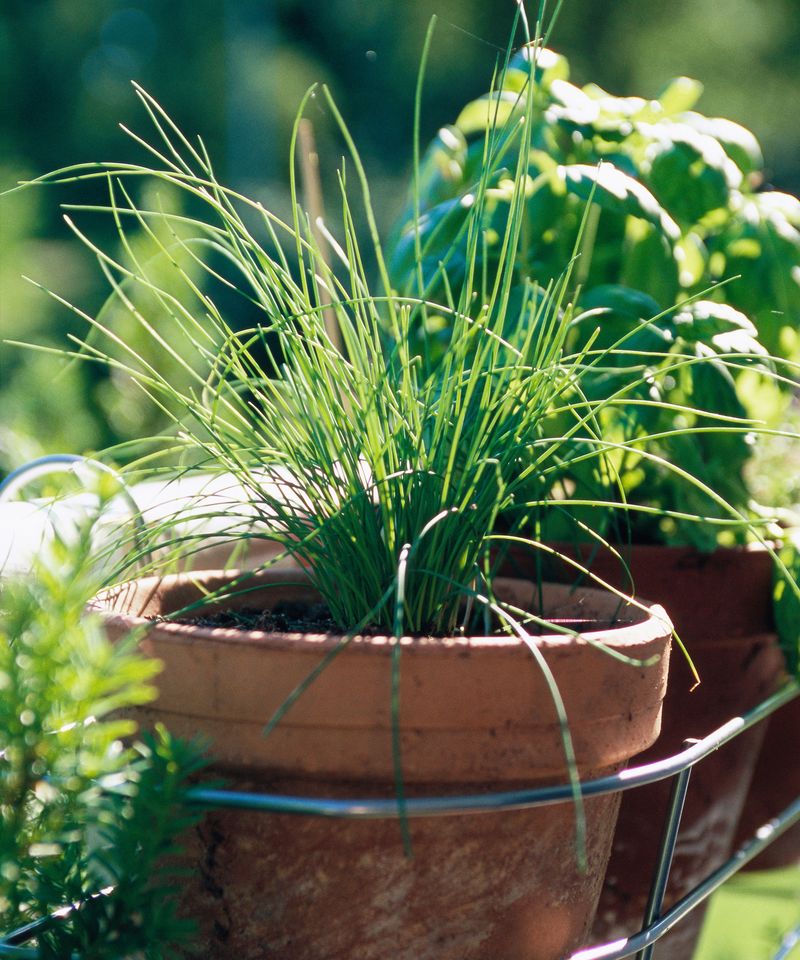
Picture this: you are making a quick pasta dinner and all you need is right outside your back door. Basil and chives make one of the most satisfying summer kitchen pots an Ohio gardener can put together.
Both love full sun, at least six hours a day, and both respond well to regular harvesting that keeps them producing fresh growth all season long.
Basil is a warm-season herb that should not go outside until after Ohio’s last frost date, which typically falls between late April and mid-May depending on where you live.
Chives are hardy perennials that can survive Ohio winters, but they blend easily into a shared summer container without crowding basil’s space.
Use a pot with drainage holes and a quality potting mix to keep roots healthy.
Keep the soil evenly moist but never waterlogged. Pinch basil flowers off as soon as they appear to keep the plant leafy and flavorful.
Snip chives from the top, leaving a few inches of growth. A container this useful earns its spot on any sunny Ohio porch or patio all summer long.
2. Pair Thyme And Oregano For A Mediterranean Pot
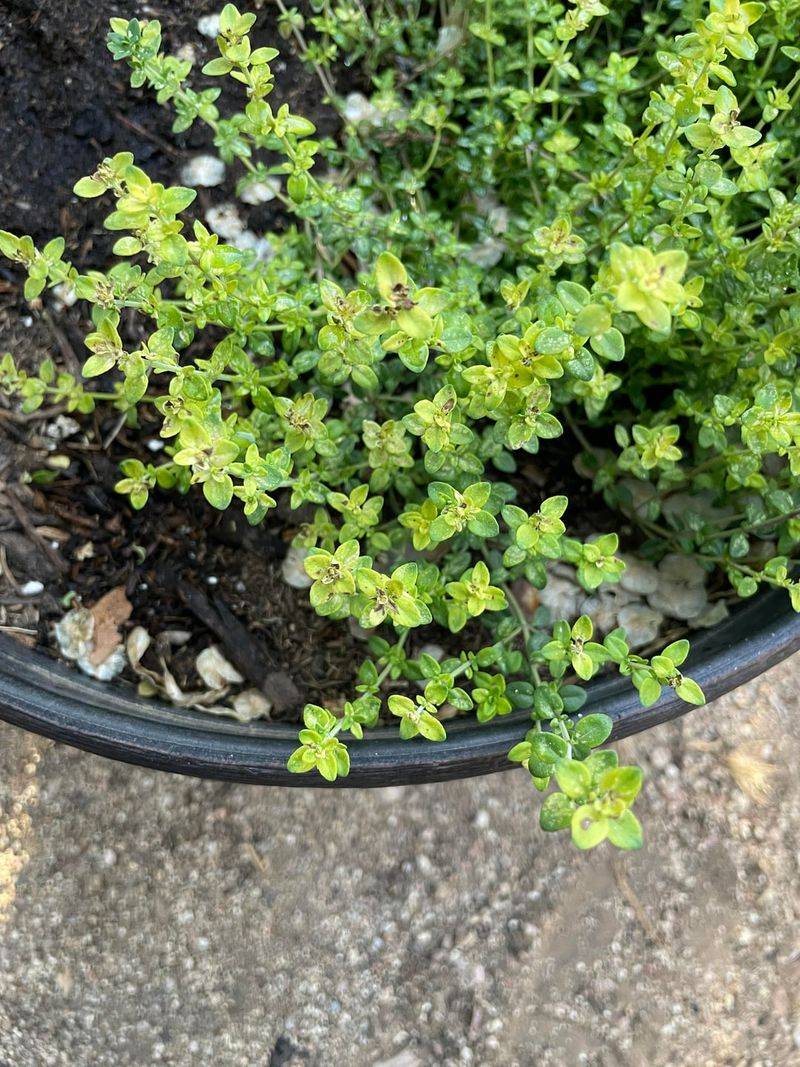
Some of the best roasted vegetables and homemade pizza sauces start with a snip from this particular pot. Thyme and oregano are a natural match because they both come from the same sun-baked, rocky terrain that defines Mediterranean cooking.
In an Ohio container garden, that means they want full sun, lean soil, and drainage that moves water away from the roots quickly.
Unlike basil or parsley, these two herbs actually prefer not to be pampered. Rich, moisture-heavy potting mixes can cause root issues over time.
A blend with perlite or coarse sand added in works well. Water only when the top inch of soil feels dry, and you will avoid the most common mistake people make with this combo.
Trim both plants regularly to encourage compact, bushy growth rather than long, leggy stems. Oregano can be a perennial in Ohio if given a sheltered spot and good drainage, though results vary by variety and winter severity.
Your Ohio Garden Changes Every Week. Your Plan Should Too.
Gardening in Ohio changes quickly throughout the season. Every Friday you’ll receive a simple weekly plan showing exactly what to plant, prune, fertilize, harvest, and protect so you never miss the right timing.
Thyme is similarly tough but benefits from a light trim in spring. Together, these two herbs cover a wide range of cooking uses, from grilled meats to roasted tomatoes and savory sauces.
3. Plant Rosemary With Sage For A Dry Sunny Mix
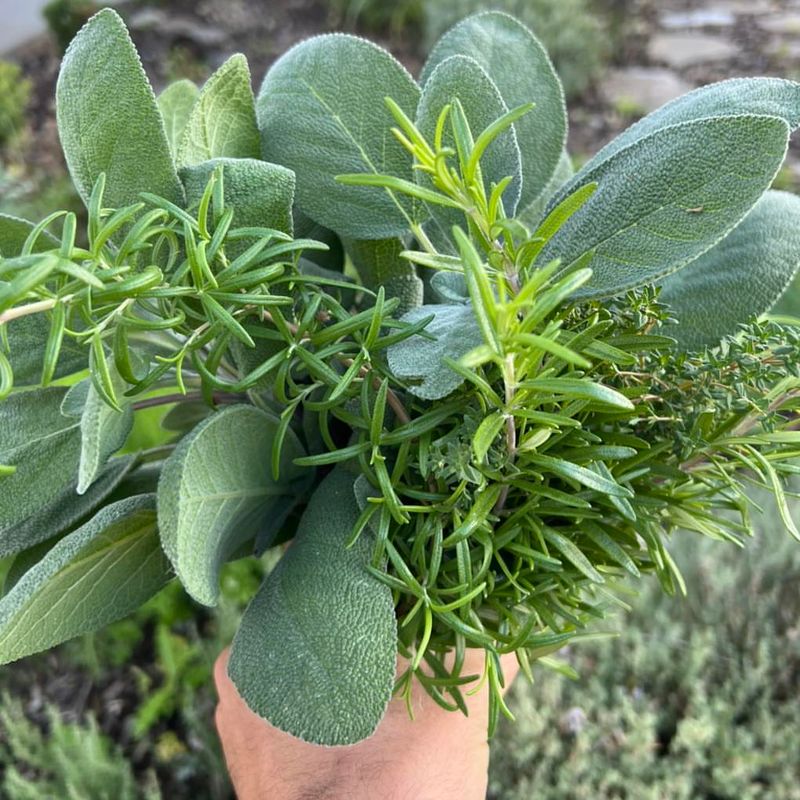
Rosemary and sage belong together the way roasted chicken and garlic do. Both thrive in dry, sunny conditions and both suffer when their roots sit in soggy soil for too long.
Planting them in a shared container makes sense because their care routines are nearly identical, and the flavor payoff in the kitchen is hard to beat.
Terra cotta pots are a smart choice for this combination because the porous walls allow excess moisture to evaporate naturally. Avoid setting the pot in a saucer filled with standing water.
Use a fast-draining potting mix, and consider adding extra perlite to improve drainage even further. Place the container in the sunniest spot you have available.
One important note for Ohio gardeners: rosemary is not reliably winter-hardy outdoors across most of the state. Depending on your location and the variety you choose, it may need to come indoors before hard freezes arrive in late fall.
Sage is generally hardier but can also benefit from some protection in colder parts of Ohio. Treat rosemary as an annual if bringing it inside feels like too much effort, and simply replant fresh each spring season.
4. Combine Parsley And Chives For Easy Snipping
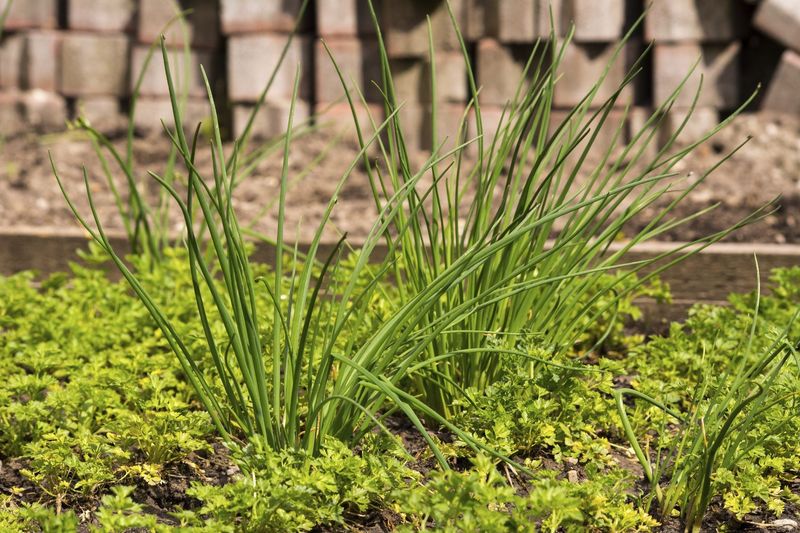
Not every herb pot needs to be complicated. Parsley and chives are a low-fuss, high-reward combination that works beautifully near a kitchen door, on a patio step, or anywhere within easy reach of your cooking space.
Snip a handful of chives for scrambled eggs in the morning, grab some parsley for a salad at lunch, and the pot keeps giving all season.
Both of these herbs can handle more moisture than Mediterranean varieties like thyme or oregano. Keep the soil consistently moist but not waterlogged, and make sure your pot has drainage holes so roots do not sit in standing water.
A standard potting mix works well here without any special amendments needed.
Parsley is typically grown as a biennial, but most Ohio gardeners treat it as an annual, starting fresh plants each spring. Chives are hardy perennials that come back year after year in Ohio gardens.
Harvest parsley from the outside stems first, allowing the center to keep producing. For chives, snip from the top and leave a few inches of growth intact.
Regular harvesting actually encourages both plants to produce more, so do not be shy about reaching for scissors often.
5. Grow Cilantro With Dill For Cool Season Flavor
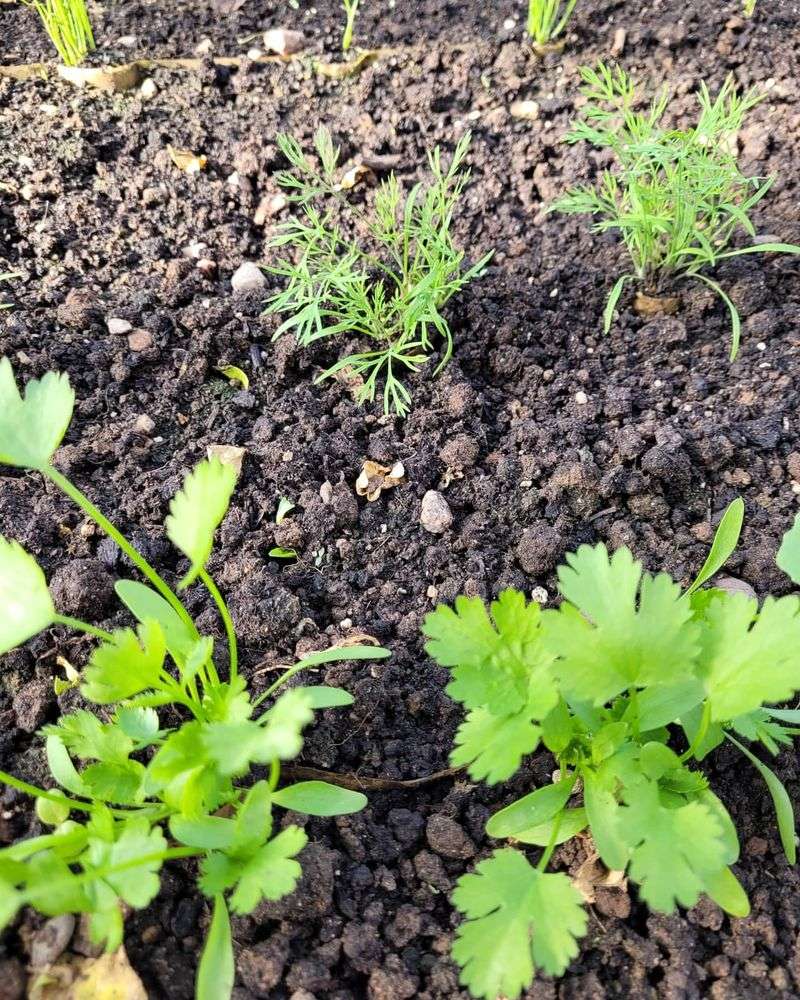
Early spring in Ohio brings cool mornings, mild afternoons, and the perfect window to grow cilantro and dill side by side in a single container. These two herbs are natural cool-season companions.
Both prefer temperatures between roughly 50 and 75 degrees Fahrenheit and tend to bolt, meaning they flower and go to seed quickly, once summer heat moves in.
Plant this pot in early spring once the container soil is workable and harsh freezes have passed. Both herbs tolerate cool weather better than summer heat, but young seedlings still appreciate protection from hard freezes.
Place the container in full sun during cool weather, as the lower sun angle of spring still provides plenty of light. Water regularly but allow the soil surface to dry slightly between waterings to prevent root rot in cool, slow-draining conditions.
Succession sowing is a practical trick here. Sow a small batch of seeds every two to three weeks to keep fresh leaves coming rather than watching the whole pot bolt at once.
Harvest leaves frequently before flower stalks appear. Once Ohio temperatures climb into the mid-80s consistently, this pot will wind down fast.
Replace it with a warm-season container and consider starting another cilantro and dill pot again in late August for a fall harvest.
6. Pair Oregano And Marjoram For A Pizza Herb Pot
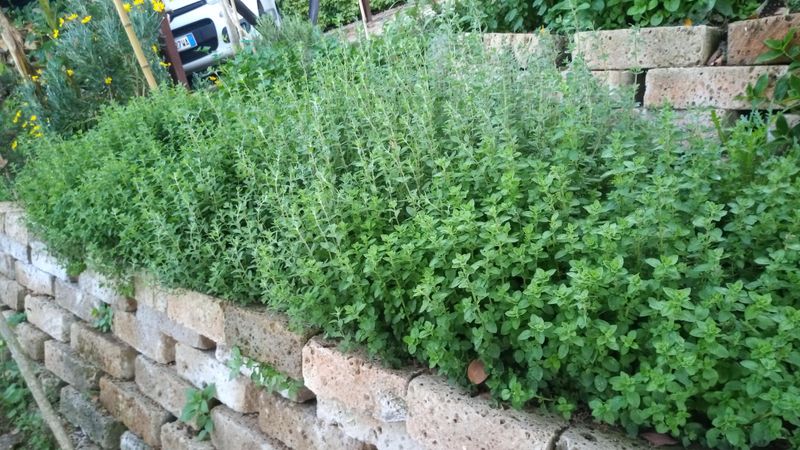
Oregano and marjoram are so closely related that many cooks use them interchangeably, but side by side in a pot they offer slightly different flavor profiles that make homemade pizza sauce, pasta, and roasted vegetables taste noticeably better.
Marjoram has a sweeter, more delicate flavor while oregano brings that bold, peppery punch.
Together, they cover a wide range of savory cooking needs from a single container.
Both plants want full sun and well-drained soil, so treat this pot much like the thyme and oregano combination. Water only when the top inch of soil has dried out, and use a potting mix with good drainage.
Avoid heavy, moisture-retaining mixes that can cause root problems in plants adapted to drier conditions.
There is one key difference to keep in mind for Ohio growers.
Oregano can behave as a perennial in Ohio depending on variety, drainage, and winter conditions, while marjoram is generally grown as an annual in colder climates and may not survive a harsh Ohio winter outdoors.
Plan to replant marjoram each spring. Trim both plants regularly through the season to keep growth compact and encourage a steady supply of fresh, aromatic leaves for your kitchen.
7. Plant Thyme With Rosemary For A Low Water Pot
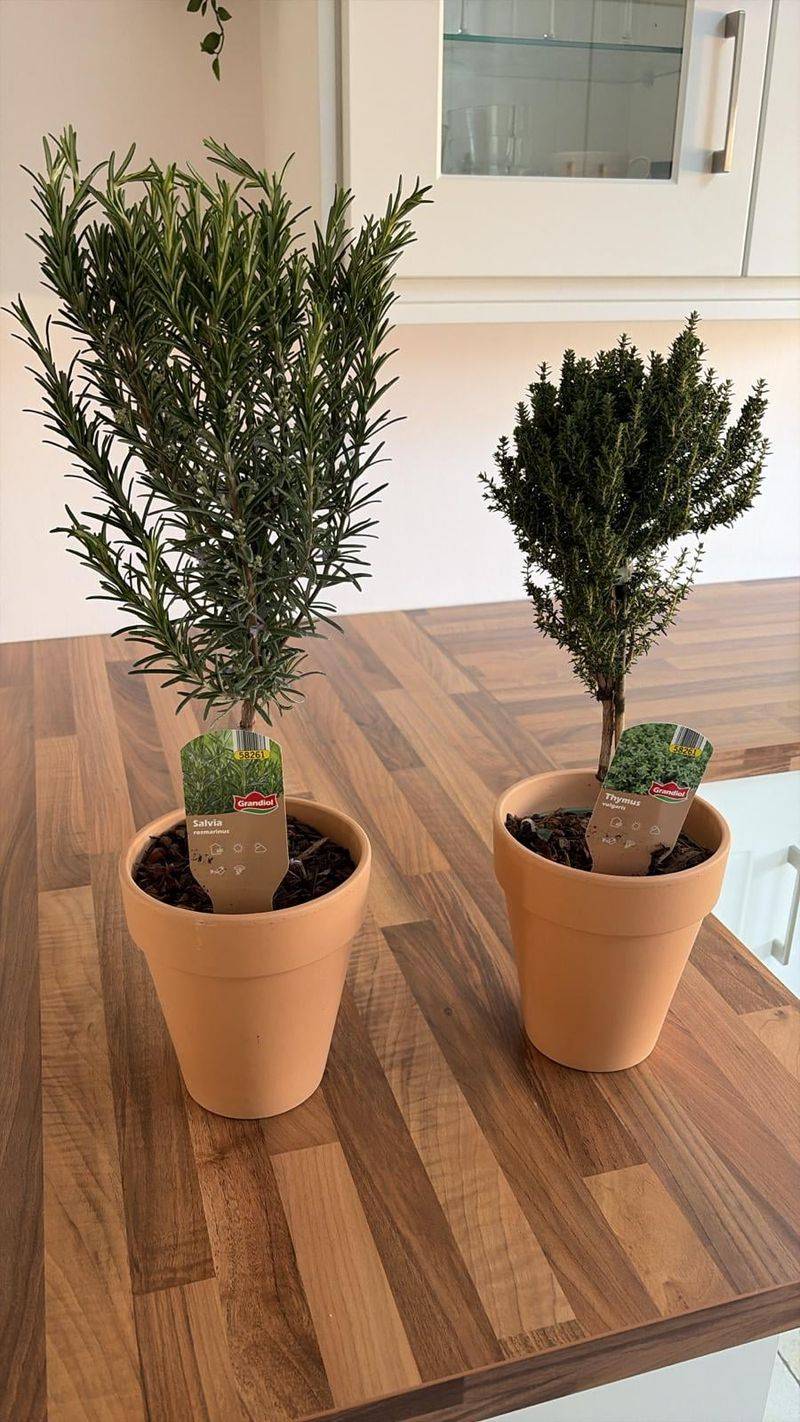
A sunny spot on an Ohio patio that tends to get a little forgotten between waterings is actually the ideal home for a thyme and rosemary container. Both herbs evolved in warm, dry climates and genuinely prefer soil that dries out a bit between waterings.
Overwatering is far more likely to cause problems here than underwatering during mild weather.
Use a gritty, fast-draining potting mix for this container. Adding perlite or coarse horticultural sand to a standard potting mix improves drainage significantly.
Terra cotta pots work especially well because they breathe and help regulate moisture naturally. Plastic pots can work too, but check moisture carefully because they may hold water longer than terra cotta.
Even though this is a lower-water combination, the pot still needs regular watering during hot, dry stretches in July and August. Check the soil a few inches down and water when it feels dry at that depth.
Avoid overcrowding the two plants since both benefit from good air circulation around their stems and foliage. As mentioned with rosemary in other pairings, plan to bring rosemary indoors before hard Ohio freezes or treat it as an annual.
Thyme is hardier and may overwinter successfully with some protection in many parts of the state.
8. Mix Parsley, Dill, And Cilantro For A Spring Herb Pot
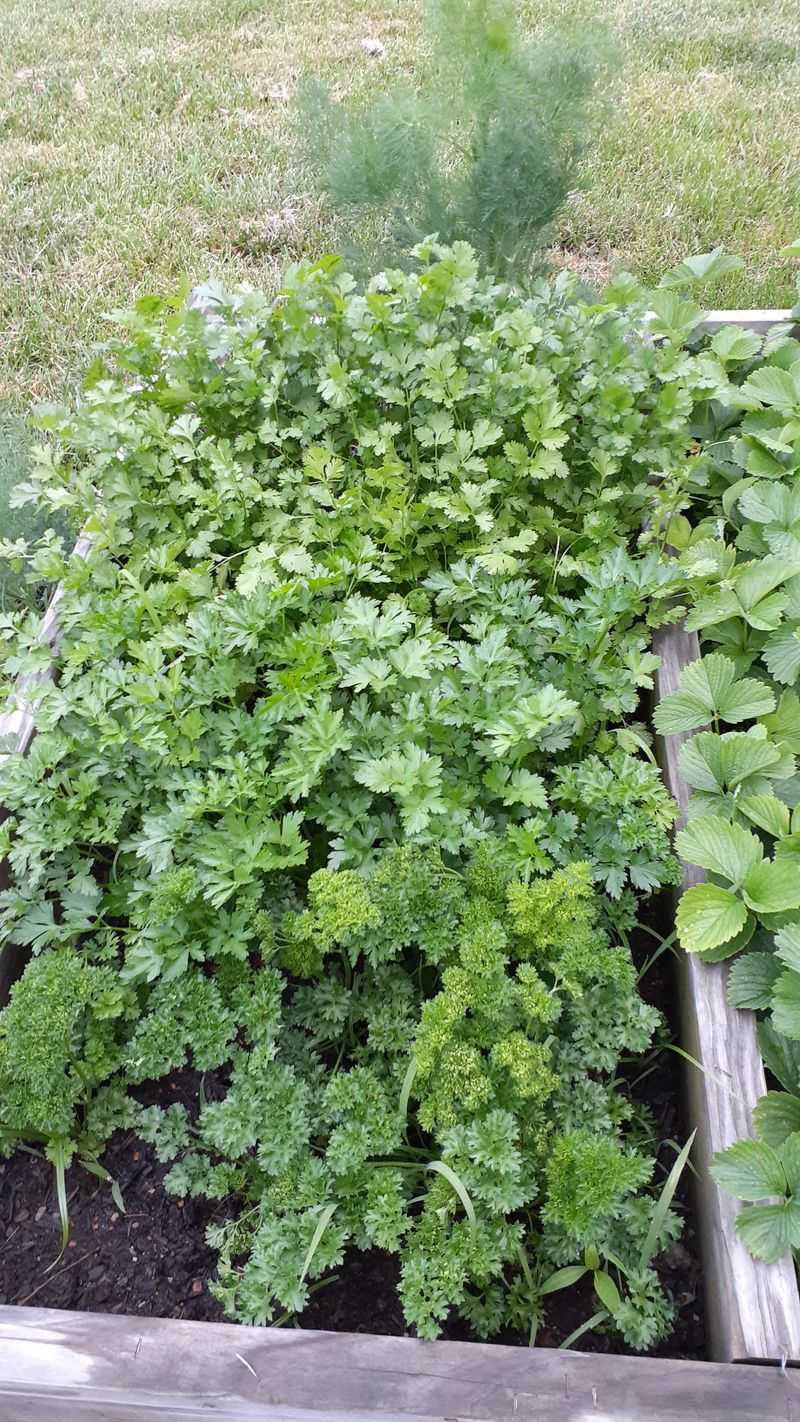
Spring arrives in Ohio before most warm-season herbs can safely go outside, and that gap is exactly where this three-herb pot shines.
Parsley, dill, and cilantro are all cool-season herbs that can be started early, giving you fresh flavors for salads, salsas, dressings, and fish dishes weeks before basil or tomatoes are ready to go.
Start seeds directly in the container in early spring, or transplant young starts after the worst cold has passed. All three prefer full sun during cool weather and consistent moisture, though the pot should never sit in standing water.
Sow dill and cilantro in small batches every couple of weeks to stagger the harvest and reduce the chance of the entire pot bolting at once.
This is a seasonal container by design, not a summer-long setup. Dill and cilantro will bolt quickly once Ohio summer heat settles in, typically by late June or early July.
Parsley is the most heat-tolerant of the three and can often last longer into the season. Once the pot starts to bolt, harvest everything you can, then transition to a warm-season herb container.
Starting another round of this same pot in late August gives you a second cool-season harvest before fall frost arrives.