7 Native Plants That Thrive With Little Water In Georgia Heat
Georgia summers do not play around. One week of blazing sun can have garden beds looking tired, and dragging a hose across the yard starts to feel like a full-time job.
It is no surprise that many Georgia homeowners start looking for plants that can hold their own when the heat settles in. Here is the fun part, some of the best options are already built for it.
Native plants have been dealing with Georgia’s long, hot summers for a very long time, so they come with a bit of natural resilience. They can still bring color, texture, and movement to your yard without asking for constant attention.
If you like the idea of a landscape that looks good and feels easier to manage, these plants are definitely worth a closer look.
1. Downy Goldenrod Brings Late Season Color In Heat
Most garden plants start winding down by late summer in Georgia, but downy goldenrod seems to hit its stride right when the heat is at its most relentless.
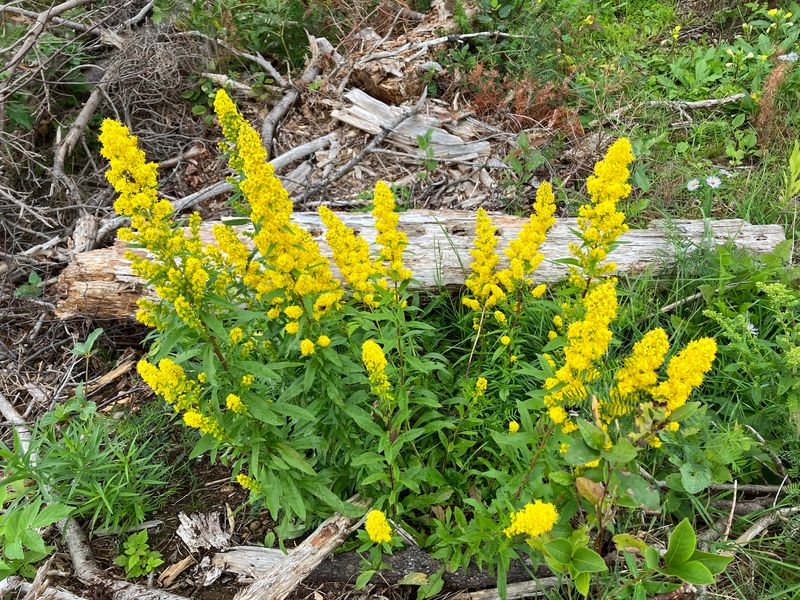
This native perennial produces bright yellow flower plumes that bloom from late summer into fall, filling the garden with color when many other plants are fading.
For Georgia gardeners who want seasonal interest that lasts well into autumn, downy goldenrod can be a reliable option.
Unlike some goldenrod species that spread aggressively, downy goldenrod tends to behave in a more manageable way in home landscapes. It forms upright clumps and generally grows between two and four feet tall.
The soft, slightly fuzzy leaves give the plant a textured look even before the flowers open, adding visual interest throughout the growing season.
Downy goldenrod tends to perform well in average to dry soils with good drainage. It handles full sun to light shade and does not require supplemental fertilizer in most Georgia garden situations.
Once established, it can go extended periods without additional water, which makes it a natural fit for low-maintenance yards.
Pollinators absolutely love goldenrod, and downy goldenrod is no exception. Bees, butterflies, and other beneficial insects visit the flowers regularly during bloom time.
Planting it near other native perennials like butterfly weed or little bluestem can create a layered, habitat-friendly planting bed that looks attractive through multiple seasons in a Georgia yard.
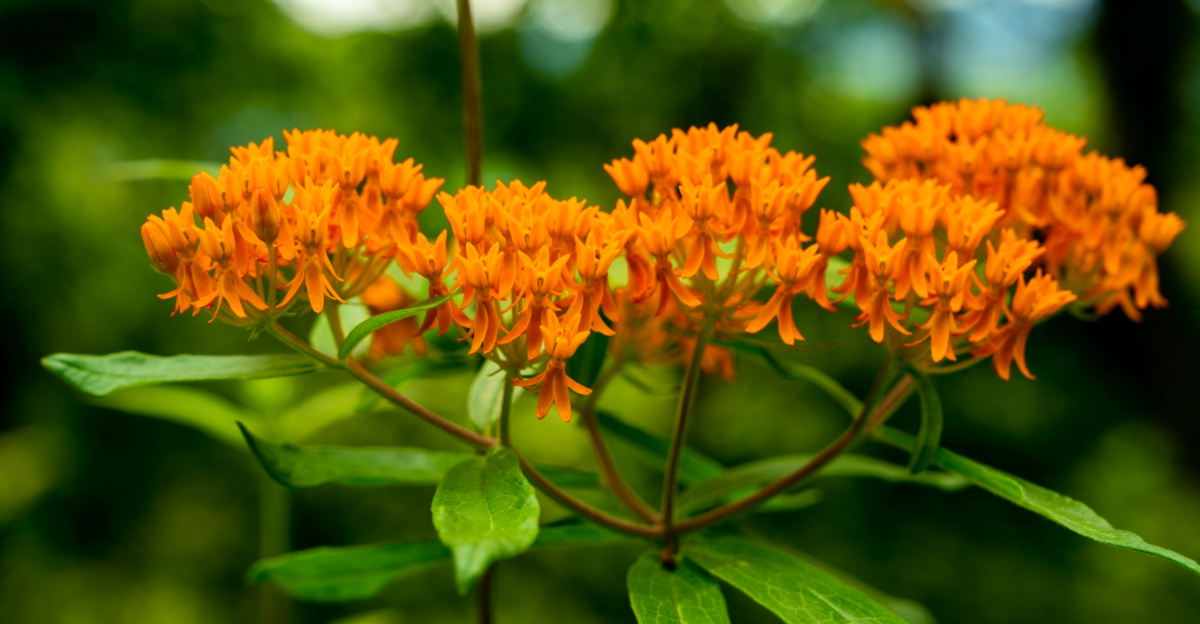
2. Butterfly Weed Adds Bright Color In Dry Sunny Beds
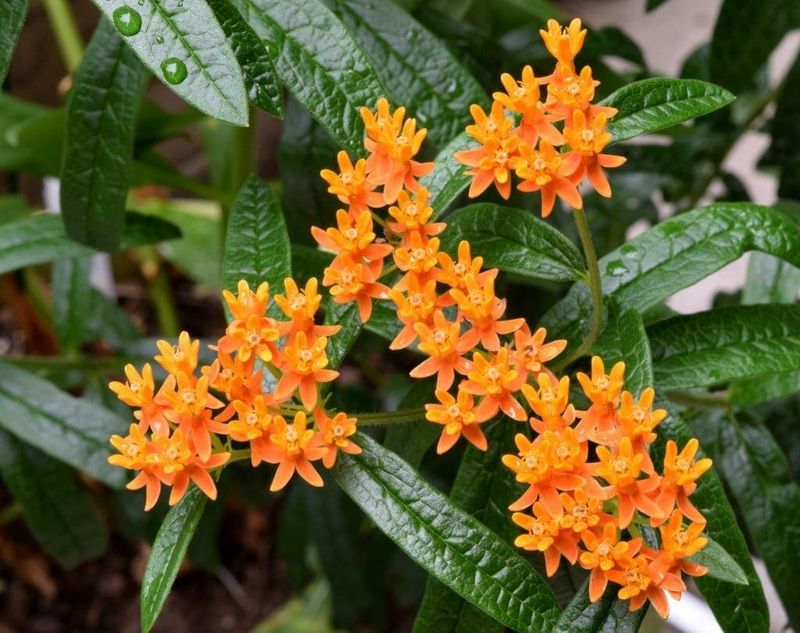
On a scorching Georgia afternoon when most flowers are struggling just to stay upright, butterfly weed tends to look like it belongs right where it is.
This native perennial produces clusters of bold orange flowers that stand out in full sun, making it one of the most eye-catching options for dry garden beds.
Gardeners who want reliable color without frequent watering often find butterfly weed to be a sensible choice for Georgia landscapes.
Butterfly weed belongs to the milkweed family, which means it also plays an important role for monarch butterflies and other pollinators. The plant tends to thrive in well-drained or sandy soils, which are common across many parts of Georgia.
Your Georgia Garden Changes Every Week. Your Plan Should Too.
Gardening in Georgia changes quickly throughout the season. Every Friday you’ll receive a simple weekly plan showing exactly what to plant, prune, fertilize, harvest, and protect so you never miss the right timing.
It generally handles drought conditions well once established, making it a natural fit for low-water planting areas.
One thing to keep in mind is that butterfly weed has a deep taproot, so it prefers not to be moved once it settles in. Choosing a permanent sunny spot before planting will save effort later.
It tends to grow between one and three feet tall and works well along borders, in pollinator gardens, or mixed into naturalistic planting beds.
In Georgia yards, grouping several plants together tends to create a stronger visual impact than planting them individually. The foliage stays tidy through the growing season, and the plant often attracts a steady stream of butterflies and bees.
For homeowners looking to add low-maintenance color to a hot, sunny spot, butterfly weed is worth considering.
3. Little Bluestem Adds Texture In Hot Dry Landscapes
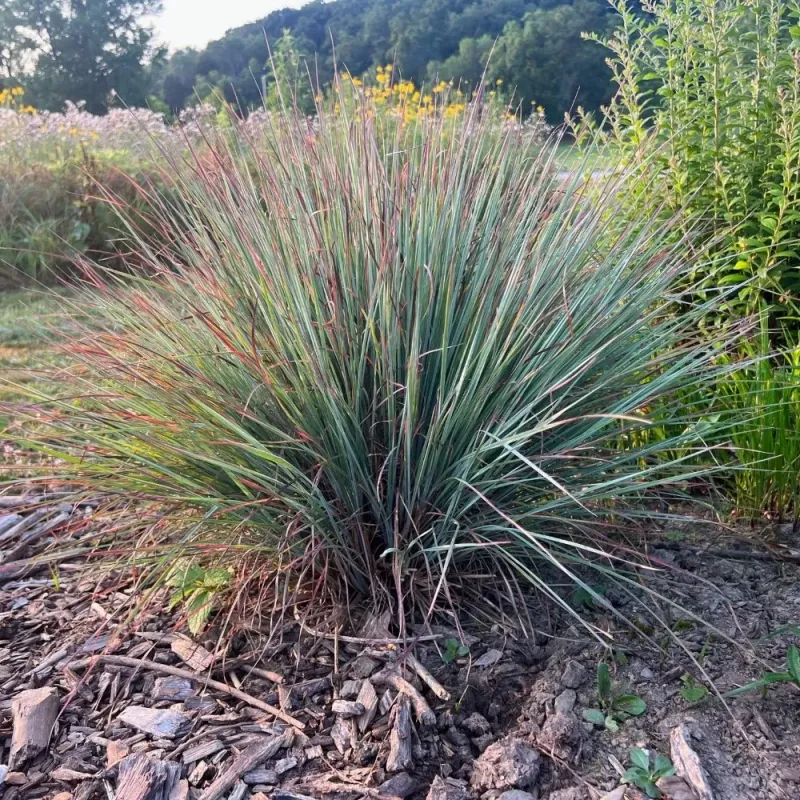
Few plants shift as dramatically through the seasons as little bluestem, a native grass that starts the year with blue-green blades and transforms into warm shades of copper, orange, and red as Georgia temperatures cool in the fall.
That seasonal color change makes it one of the more visually interesting grasses available to Georgia home gardeners.
Even through the driest stretches of summer, little bluestem tends to hold its shape and color without much fuss.
Little bluestem is well adapted to the sandy, clay, and rocky soils found across different parts of Georgia. It typically grows between two and four feet tall, forming upright clumps that add vertical texture to flat or open planting areas.
After flowering in late summer, fluffy white seed heads develop and persist into winter, giving the plant a soft, airy appearance that many gardeners find appealing.
Because little bluestem evolved in dry grassland and open woodland settings, it tends to handle low-water conditions better than many ornamental grasses. It prefers full sun and good drainage, and it generally does not need supplemental fertilizer.
Overwatering or planting in poorly drained spots can reduce its performance over time.
In Georgia landscapes, little bluestem works well along sunny borders, in naturalistic meadow plantings, or as a backdrop for shorter native wildflowers.
Grouping several clumps together creates a flowing, textured look that holds visual interest from summer through winter.
It also provides cover and seeds for birds during the cooler months, adding ecological value beyond its appearance.
4. Moss Phlox Forms Low Colorful Mats In Sun
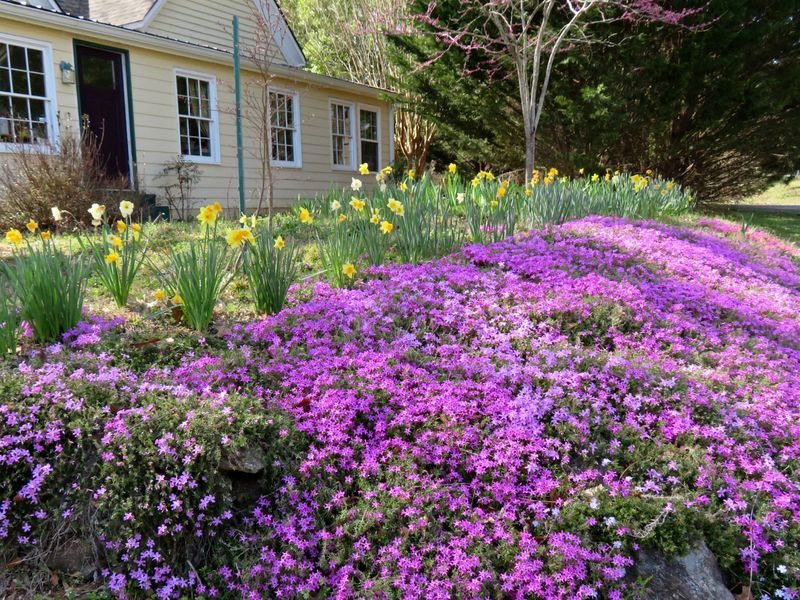
Spreading slowly across rocky slopes and sunny garden edges, moss phlox earns its place in Georgia landscapes by offering a carpet of cheerful spring color in spots where other plants might struggle.
This low-growing native perennial hugs the ground and produces masses of small flowers in shades of pink, purple, lavender, and white.
The blooms typically appear in early spring, making moss phlox one of the first bright splashes of color in the Georgia garden year.
The plant forms dense, evergreen mats that stay green through much of the year, even during dry stretches. Moss phlox tends to prefer well-drained or sandy soils and full sun, conditions that are easy to find in many Georgia yards.
Once established, it handles dry periods with minimal stress and rarely needs supplemental watering during cooler months.
Moss phlox works especially well on slopes, along retaining walls, in rock gardens, or along the edges of sunny pathways.
Its low, spreading habit makes it a practical ground cover option for areas where mowing is difficult or where erosion control is a concern.
The mat of foliage also helps reduce weed pressure in the areas it covers.
Bees and early spring butterflies are drawn to the flowers, which makes moss phlox a nice addition to pollinator-friendly Georgia landscapes. After blooming, a light trim can help the plant maintain a tidy appearance through the rest of the growing season.
For low-maintenance, low-water garden edges, moss phlox is a practical and colorful option.
5. Pink Muhly Grass Adds Airy Color In Fall
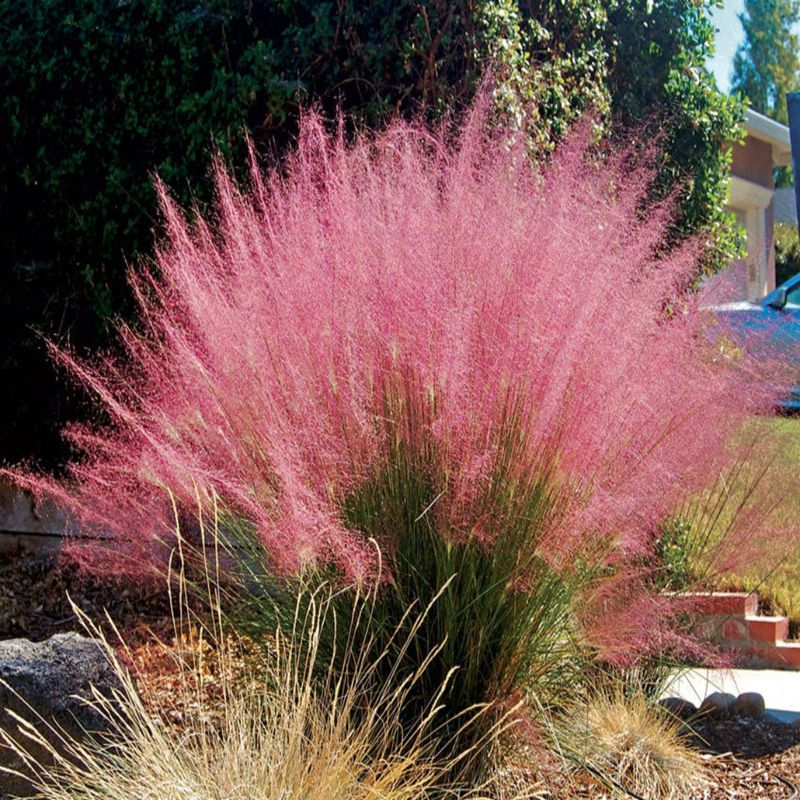
Walk past a stand of pink muhly grass in October and it looks almost like a rosy cloud settled just above the ground.
This native grass produces a spectacular show of feathery pink to magenta flower plumes in fall, right when many other plants in Georgia have stopped blooming.
The display typically lasts for several weeks, making it one of the most talked-about fall plants among Georgia home gardeners.
Pink muhly grass grows in clumps that reach roughly two to three feet tall and spread to a similar width. The fine-textured green foliage stays attractive through the growing season before the flower plumes emerge.
In winter, the plumes fade to a soft tan color that still adds some visual interest to the landscape, especially when backlit by low winter sun.
This grass is well suited to the heat and dry conditions that Georgia gardeners deal with every summer. It tends to perform best in full sun with well-drained soil and generally does not need frequent watering once it has settled in.
Planting in poorly drained or heavily shaded areas can reduce its vigor over time.
Pink muhly grass pairs well with other native fall bloomers like goldenrod and asters, creating a layered planting bed that carries color from late summer through autumn.
It also works as a standalone accent near walkways, driveways, or mailboxes where its fall display can be enjoyed up close.
For Georgia gardeners wanting a low-water plant with real visual drama, pink muhly grass delivers reliably.
6. Spotted Horsemint Attracts Pollinators In Dry Areas
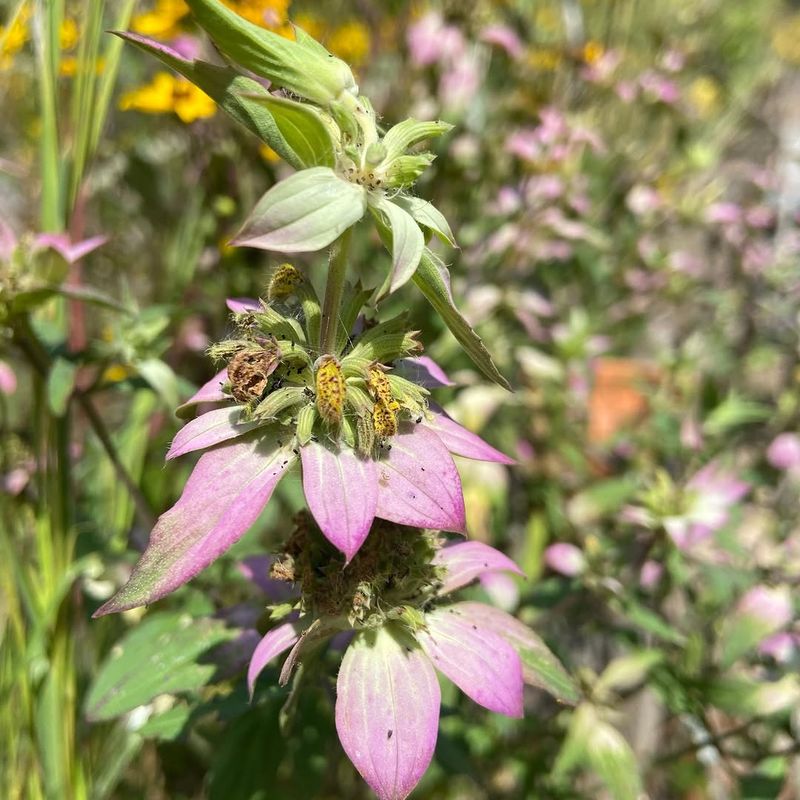
Spotted horsemint has a quirky, layered look that makes it stand out from most other native wildflowers growing in Georgia’s dry sunny spots.
The plant produces tiers of small, spotted tubular flowers surrounded by showy pinkish to lavender bracts that catch the eye from a distance.
Blooming from early to midsummer, spotted horsemint tends to attract a remarkable number of native bees, bumblebees, and other pollinators during its bloom period.
This native annual or short-lived perennial thrives in sandy, dry soils with excellent drainage. It handles full sun with ease and tends to reseed itself in suitable spots, which means a small planting can gradually fill in an area over several seasons.
Georgia gardeners working with dry, open beds or meadow-style plantings often find that spotted horsemint establishes with minimal effort.
The plant typically reaches one to two feet in height and has a somewhat open, branching habit. The foliage releases a pleasant minty scent when brushed, which adds a sensory element to the garden that many visitors notice and enjoy.
The aromatic foliage also tends to deter deer, which can be a practical benefit in Georgia neighborhoods near wooded areas.
Spotted horsemint works well in naturalistic plantings, dry pollinator gardens, or along sunny slopes where water tends to drain away quickly.
Mixing it with other low-water natives like butterfly weed or little bluestem can create a planting area that hums with pollinator activity through the summer months.
For gardeners who want ecological value alongside visual interest, spotted horsemint is a solid choice.
7. Chickasaw Plum Forms A Tough Native Hedge
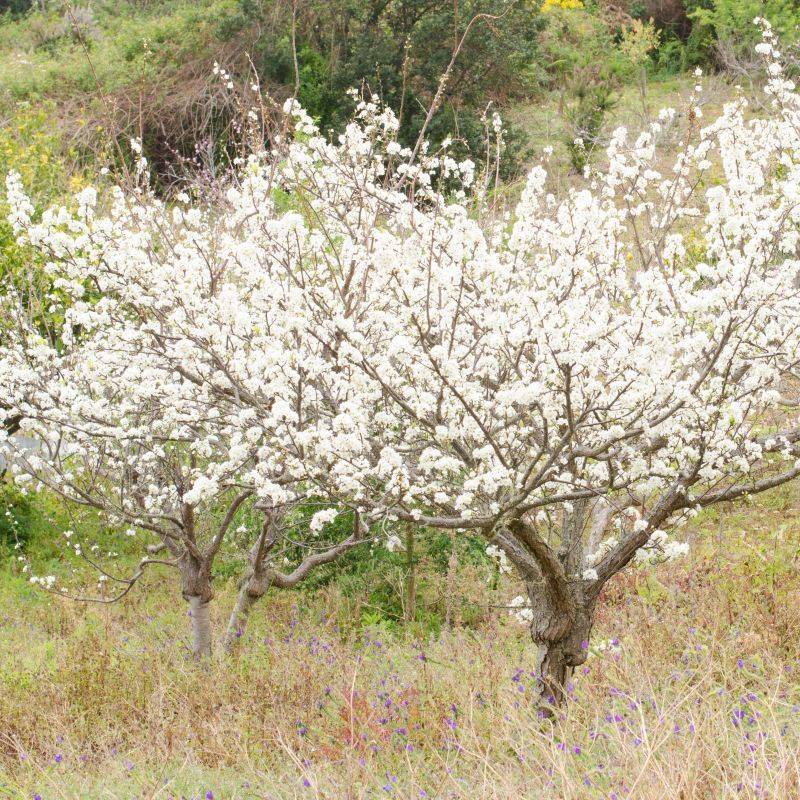
Tough enough to handle Georgia’s heat, poor soils, and dry stretches, Chickasaw plum is a native shrub that earns its keep in the landscape while asking very little in return.
It forms dense, thicket-like growth that works well as a natural screen, hedge, or wildlife border along the edges of Georgia properties.
In late winter to early spring, the plant bursts into clouds of small white flowers before the leaves emerge, offering one of the earliest floral displays of the year.
Chickasaw plum typically grows between six and twelve feet tall and tends to spread through root suckers over time, gradually forming a dense thicket.
This spreading habit makes it an excellent choice for naturalizing larger open areas or for creating wildlife corridors in Georgia yards.
Homeowners who want a more contained size can prune it back periodically to keep it manageable.
Small red and yellow fruits appear in early summer, and they are edible with a tart flavor that wildlife finds appealing.
Birds, small mammals, and pollinators all benefit from Chickasaw plum, making it a highly functional native plant for Georgia landscapes focused on supporting local wildlife.
The dense branching structure also provides nesting cover for birds.
Chickasaw plum handles full sun to partial shade and adapts to a wide range of soil types, including the sandy and clay soils common across Georgia. Once established, it rarely needs supplemental water during normal rainfall patterns.
For Georgia gardeners looking for a tough, low-water native shrub with multi-season interest, Chickasaw plum is well worth considering.