A Praying Mantis In Your Michigan Garden Could Mean More Than You Think
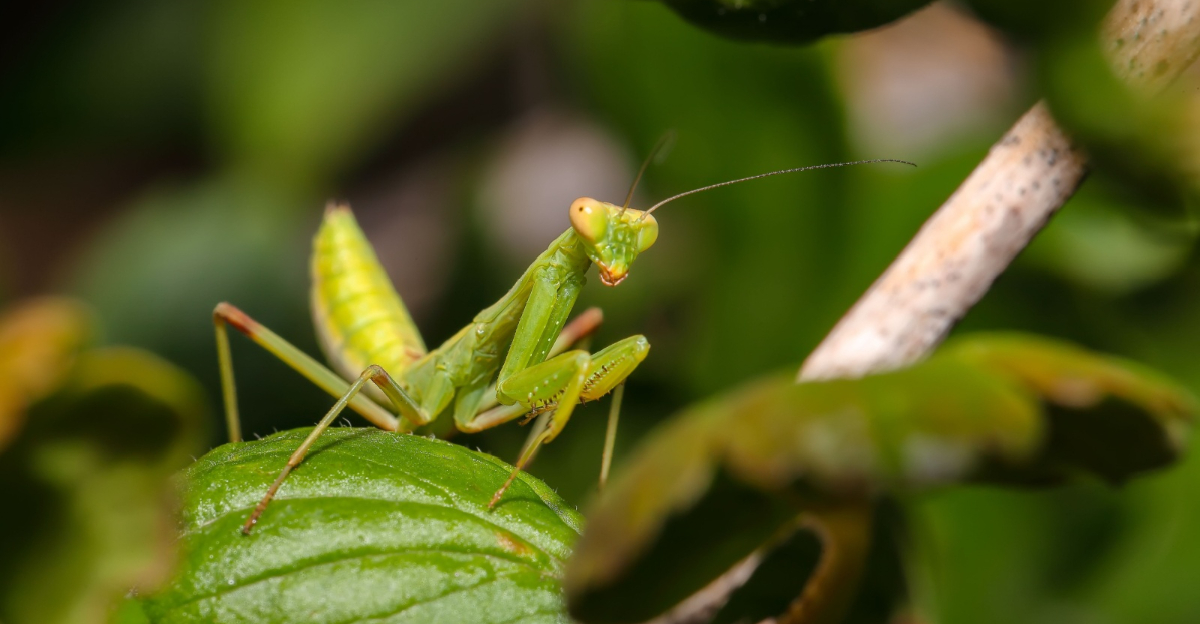
Spotting a praying mantis in a Michigan garden has a way of turning an ordinary morning into a tiny backyard mystery.
One minute you are checking tomatoes, pulling a weed, or admiring the coneflowers, and the next there it is, perched like it owns the place.
Honestly, it kind of looks like the wisest little hunter in the yard. Because praying mantises blend so easily into stems, leaves, and flower heads, seeing one can feel oddly special, almost like your garden decided to reveal a secret.
For Michigan gardeners, that surprise visitor can hint at active insect life, leafy cover, and a space that offers more than pretty blooms.
At the same time, plenty of people attach a deeper meaning to the sighting, seeing it as a symbol of patience, calm, or quiet observation.
A praying mantis may be a fascinating insect, but it can also make your whole garden feel a little more magical.
1. Your Garden Has Plenty Of Insect Activity
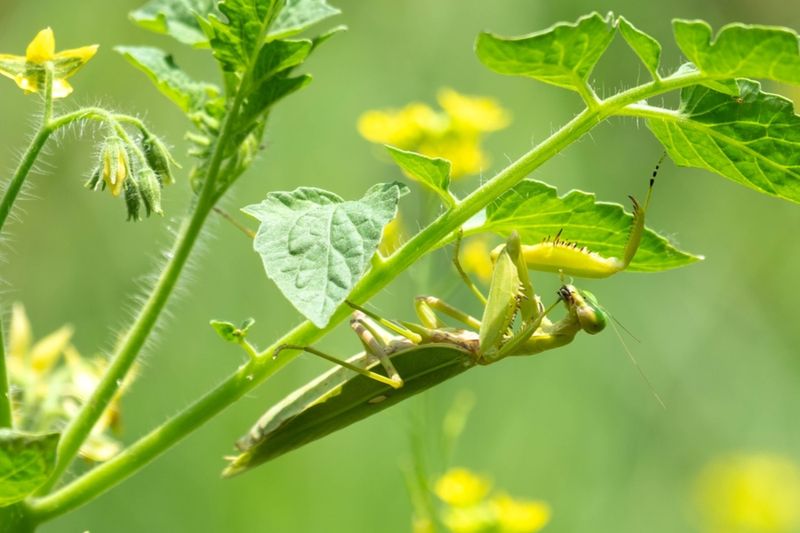
Walking through a Michigan vegetable bed on a warm July afternoon, you might notice more movement than usual among the leaves.
Bees drifting between squash blossoms, small flies hovering near herb stems, and beetles crawling along soil edges are all signs that your garden is buzzing with life.
A praying mantis tends to show up where that kind of insect traffic is already well established.
Praying mantises are ambush hunters. They do not wander far or search wide areas for food.
Instead, they find a spot with reliable insect activity and wait. So when one turns up in your Michigan garden, it is a reasonable signal that the surrounding plant beds are supporting a fairly active insect community.
Pollinators, leaf-chewing insects, and small beetles all contribute to that activity level. Dense flower plantings, vegetable rows near shrubs, and gardens with varied plant heights tend to attract a wider range of insects overall.
A mantis picking your garden as its hunting ground suggests the insect traffic there is worth sticking around for.
That kind of ecological activity is generally a good sign for a home garden, even when not every insect present is a welcome one.
2. Your Plants Provide Good Cover For Hunters
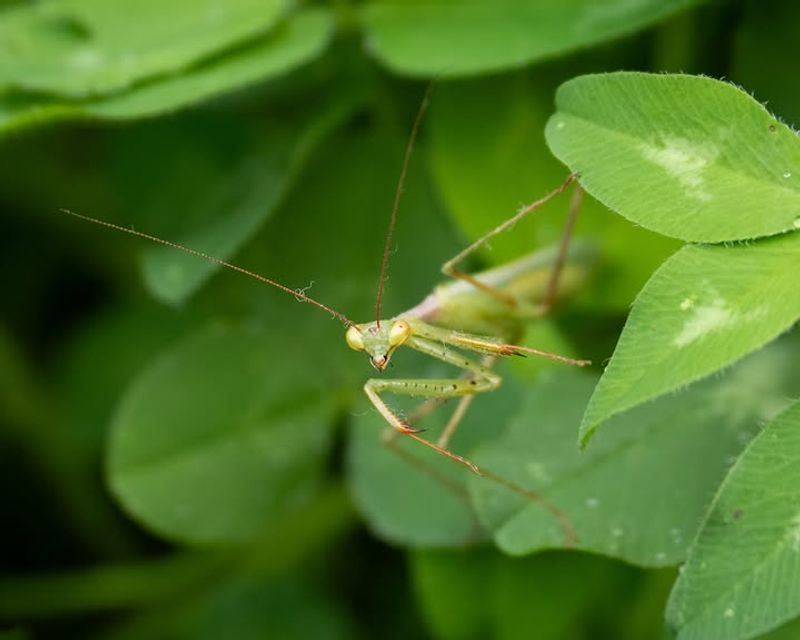
Thick plantings of basil, pepper plants, climbing beans, or tall coneflowers create exactly the kind of layered cover a praying mantis looks for.
In Michigan gardens, late summer growth often fills in quickly, giving leafy stems, flower heads, and dense foliage that an ambush hunter can use to stay hidden while waiting for smaller insects to pass by.
A mantis relies heavily on camouflage. Its flat, elongated body and green or brown coloring let it blend into stems and leaves so well that many gardeners walk past one several times before noticing it.
The fact that one settled into your garden suggests the plant structure there offered enough visual cover to feel like a workable spot.
Gardens with a mix of low ground cover, mid-height flowering plants, and taller shrubs or trellised vegetables tend to give a mantis more options for positioning.
Your Michigan Garden Changes Every Week. Your Plan Should Too.
Gardening in Michigan changes quickly throughout the season. Every Friday you’ll receive a simple weekly plan showing exactly what to plant, prune, fertilize, harvest, and protect so you never miss the right timing.
Raised beds surrounded by taller plantings, container gardens near shrubs, and flower borders along fences are common spots where Michigan gardeners report noticing them.
If your plants are thick enough to hide a mantis, they are likely providing shelter and structure for a wider range of beneficial insects too.
That layered planting style supports garden health in more ways than one, and a mantis choosing your space is one small piece of that larger picture.
3. It May Help With Some Pests, But Not Just Pests
One of the most common things Michigan gardeners assume when they spot a praying mantis is that it must be clearing out the aphids or caterpillars causing trouble in the vegetable beds.
That idea is understandable, but the reality is a bit more complicated.
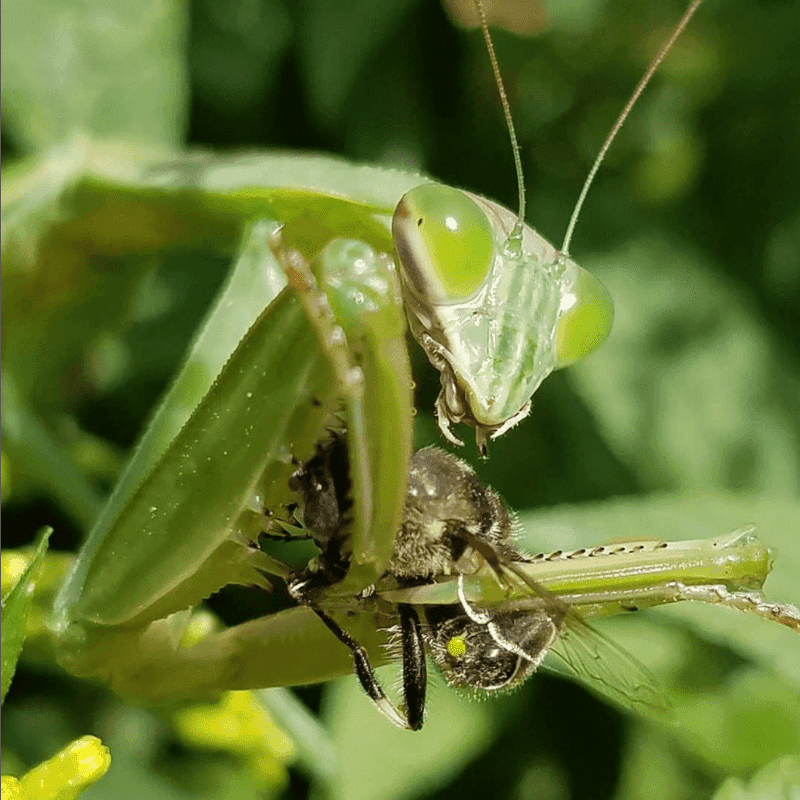
A mantis eats what it can catch, and it does not distinguish between garden pests and beneficial insects.
Grasshoppers, beetles, flies, and even the occasional bee or butterfly can end up as a meal. While a mantis may reduce the number of some unwanted insects in a small area, it is not a targeted pest-control solution.
Thinking of it as a simple garden helper oversimplifies what it actually does in the ecosystem.
That does not mean its presence is a negative thing. A mantis contributes to the natural balance of insect life in a garden setting, and its activity is part of a broader web of interactions happening among plants, soil, and creatures at every level.
Michigan gardeners who notice a mantis near their pepper plants or rose bushes can appreciate it for what it is rather than expecting it to solve a specific insect problem.
Watching how it moves and positions itself can also offer a small window into how active the insect community around your plants really is throughout the growing season.
4. An Egg Case Suggests Lasting Garden Habitat
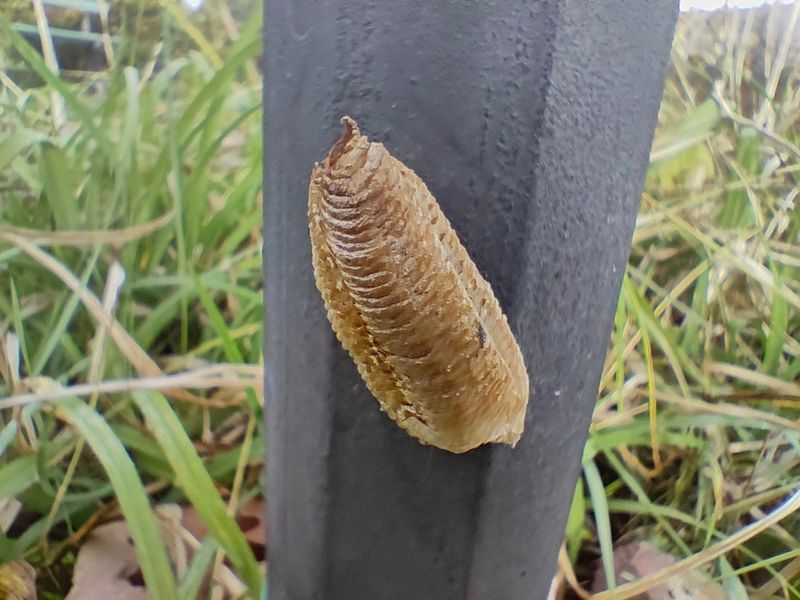
Finding a small, tan, foam-like case attached to a garden stem or shrub branch is one of the more exciting discoveries a Michigan gardener can make in late fall or early spring.
That papery structure is a praying mantis egg case, called an ootheca, and it holds dozens of eggs tucked inside a protective coating the female produces after mating.
Spotting one means a mantis spent enough time in your garden to complete a significant part of its life cycle there.
Egg cases are often attached to woody stems, dried flower stalks, shrub branches, or the lower sections of trellises. They blend in well with dry plant material, so they are easy to overlook during end-of-season garden cleanup.
Michigan gardeners who leave some dried stems standing through winter are more likely to notice them when temperatures start rising again in spring.
An egg case is a sign that your garden offered more than just a brief hunting stop. It suggests the plant structure, insect activity, and overall environment were stable enough for a mantis to settle in and stay.
If you find one, leaving it in place and avoiding heavy pruning in that immediate area through late winter can give the eggs a better chance of hatching when warmer weather arrives.
It is a small step that supports the kind of insect habitat that benefits a Michigan garden over multiple seasons.
5. Some People See A Praying Mantis As A Sign To Slow Down
Gardening in Michigan can fill up a weekend fast.
Between watering schedules, weeding raised beds, pruning shrubs, and keeping up with whatever the summer weather throws at things, it is easy to move through the garden quickly without really stopping to notice what is happening around you.
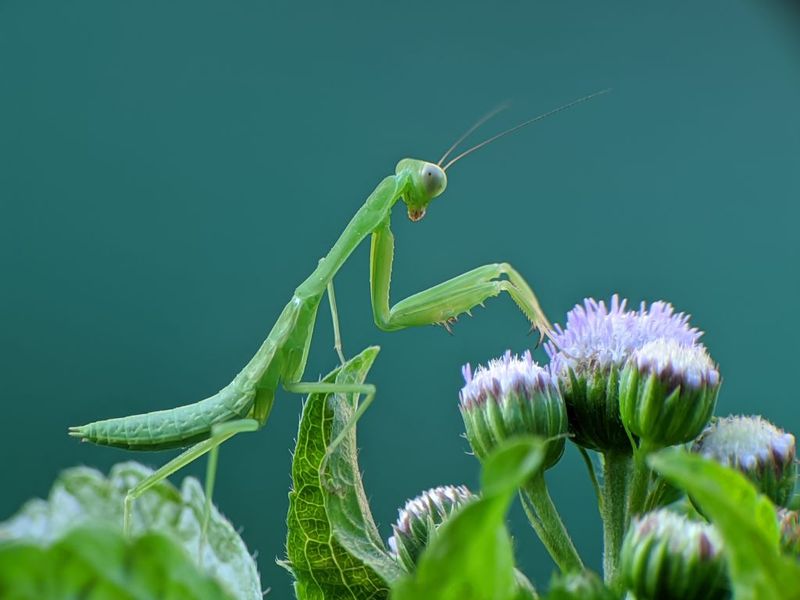
Some people find that a praying mantis, sitting completely still on a stem right in front of them, has a way of interrupting that pace.
The way a mantis holds itself, motionless and deliberate, can feel like a quiet prompt to pause.
Many gardeners describe the experience of noticing one as oddly grounding, like being gently reminded that the garden has its own rhythm running alongside the to-do list.
Whether that feeling carries any deeper meaning is a personal matter, but the experience of slowing down and observing tends to make the garden feel more connected and alive.
Some cultural and spiritual traditions associate the praying mantis with stillness and intentional living, though those interpretations vary widely and are not tied to any single belief system.
For Michigan gardeners who find meaning in those ideas, a mantis sighting can feel like a timely nudge rather than just a random insect encounter.
Even setting aside any symbolic reading, taking a few extra minutes to watch one and notice the plant life around it tends to be a worthwhile use of a summer morning in the garden.
6. A Praying Mantis Can Symbolize Patience And Careful Timing
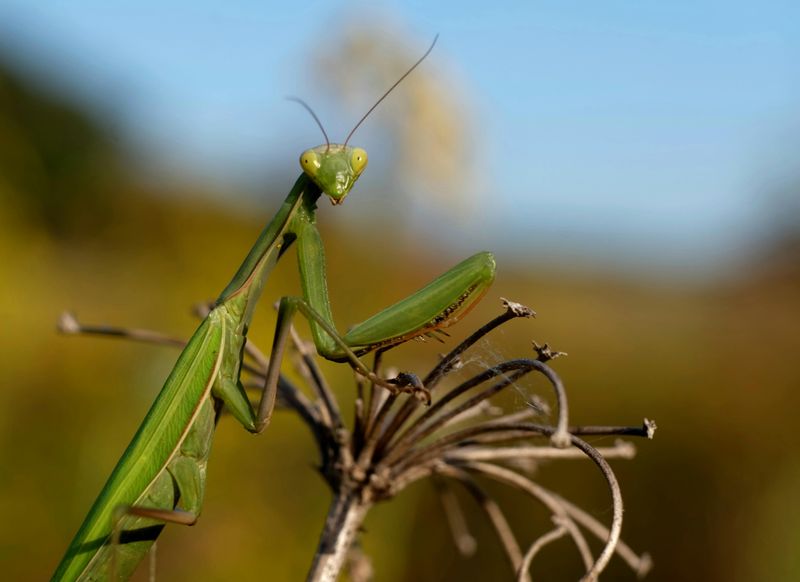
Few insects demonstrate patience quite as visibly as a praying mantis does. It can hold a single position on a stem for an extended stretch of time, waiting without any visible sign of restlessness.
For anyone who has watched one long enough, that behavior is genuinely striking, especially in a garden full of constant buzzing, fluttering, and movement from other insects.
That natural stillness has led many people across different cultures to associate the praying mantis with patience and well-timed action. The idea is that it does not rush.
It waits until the moment is right and then moves with precision. Whether or not you find that symbolically meaningful, the behavior itself is a real and observable part of how a mantis hunts in a garden setting.
Michigan gardeners who tend to rush through planting decisions, push transplants out too early in spring, or harvest before crops are fully ready sometimes find the image of a patient mantis a useful mental reminder. Gardening does reward timing.
Knowing when to plant, when to water deeply versus lightly, and when to leave something alone rather than intervening too soon can make a real difference across a growing season.
A mantis sitting quietly among your tomato cages or flower borders is not giving advice, but for some gardeners, the visual is enough to prompt a moment of thoughtful reflection about their own approach to the garden.
7. Some Gardeners View It As A Reminder To Stay Observant
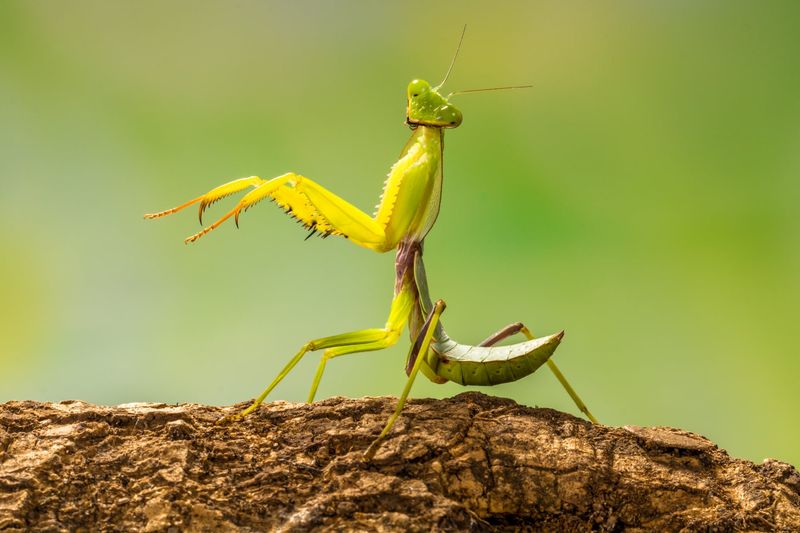
Noticing a praying mantis in the first place usually requires a certain level of attention. Its camouflage is effective enough that a distracted pass through the garden rarely turns one up.
Most of the time, it is the gardener who is already slowing down, looking closely at plant stems, checking leaf undersides for pest damage, or pausing to watch a pollinator that ends up spotting one.
That connection between careful observation and discovery is something many experienced Michigan gardeners recognize.
The more time you spend looking closely at your plants, the more you notice, whether that is early signs of fungal issues on squash leaves, new beneficial insects moving through flower borders, or a mantis positioned perfectly still near a pepper bloom.
Some gardeners interpret a mantis sighting as a small personal signal to keep that kind of attention going.
The idea is not that the insect is sending a message, but that its presence is a natural result of the kind of watchful garden relationship that tends to produce better outcomes over a season.
Staying observant in a Michigan garden means catching problems early, appreciating what is working well, and building a clearer picture of how the whole backyard ecosystem fits together.
A mantis appearing in your line of sight during a routine garden walk can be a pleasant reminder that slowing down and looking carefully at what surrounds you is almost always worth the time.
8. In A Garden Setting, It Can Feel Like A Sign Of Reflection And Renewal
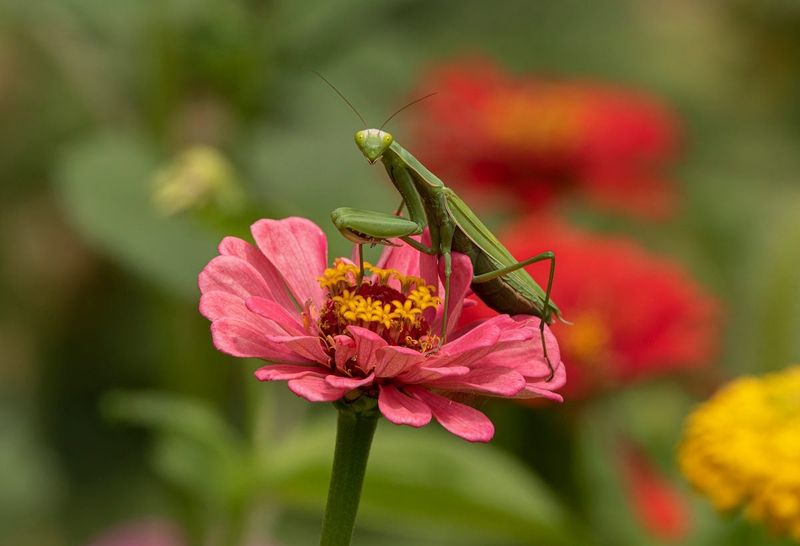
Late summer in a Michigan garden carries a particular kind of feeling. The heavy growth of July starts to settle, flower beds reach their fullest point before the shift toward fall, and the garden takes on a quieter, more reflective quality in the early morning light.
Spotting a praying mantis during that stretch of the season fits the mood in a way that is hard to fully explain but easy to recognize.
For some gardeners, the sighting lands as something more than an interesting insect encounter.
Certain spiritual and cultural traditions frame the praying mantis as a symbol connected to reflection, inner stillness, and the kind of renewal that comes from pausing long enough to reassess.
Those interpretations are personal and vary across traditions, so they are worth holding lightly rather than treating as universal truths.
What most Michigan gardeners can agree on, regardless of any symbolic reading, is that a praying mantis appearing in a well-tended garden space tends to arrive at moments when the garden itself feels most alive and balanced.
The plants are established, the insect community is active, and the space has developed a rhythm of its own.
Noticing a mantis in that context can feel like a small confirmation that the effort put into building a healthy garden environment has added up to something real, something worth pausing to appreciate before the season begins its gradual shift toward fall.