8 Plants To Add In May To Bring More Hummingbirds To Ohio Yards
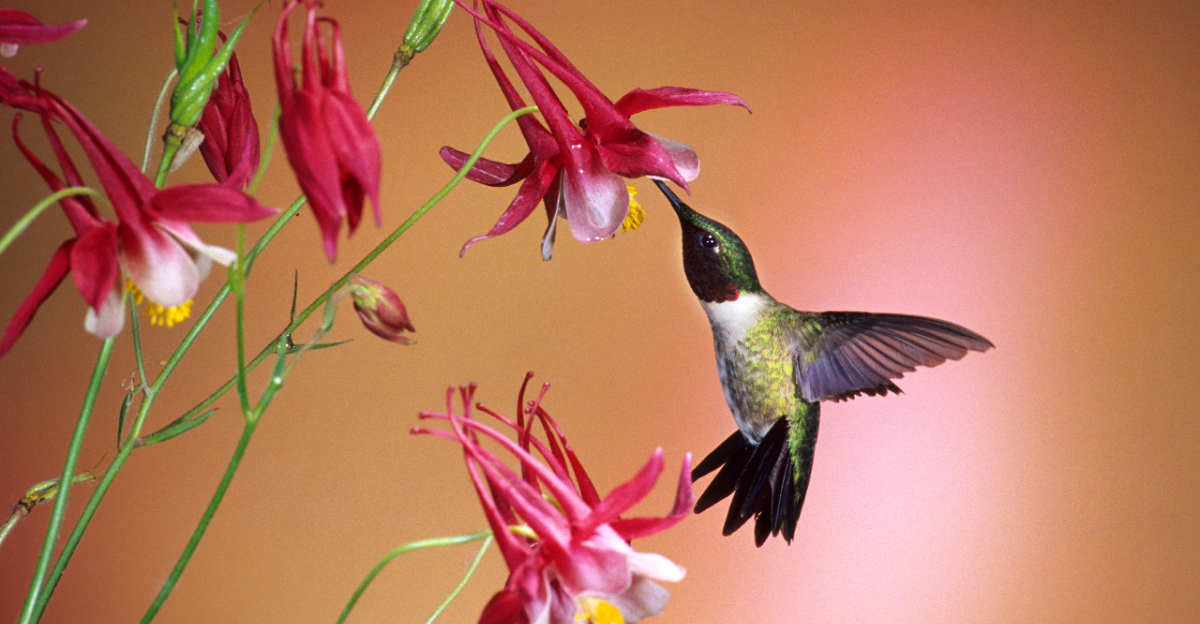
A hummingbird can cross your yard in a blink and decide just as fast that there is nothing worth stopping for.
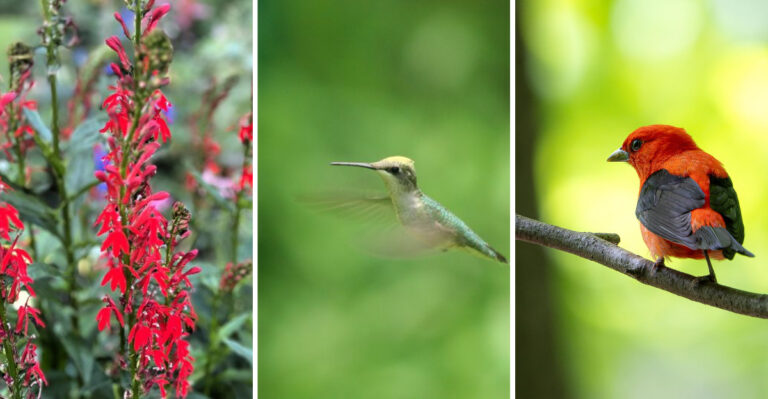
That tiny flash of green and red you see in May is usually a ruby-throated hummingbird, the only hummingbird that regularly nests in Ohio.
After the long trip back north, it is searching for quick fuel, and a yard full of pretty flowers does not always mean a yard full of nectar.
So what makes one porch pot or garden bed worth a second visit? Tubular blooms, bright colors, steady flowers, and plants placed where hummingbirds can find them.
May is a smart time to start. Warm-season annuals can add fast color near patios and windows, while native perennials and vines build a stronger nectar supply for future seasons.
Add the right mix now, and your Ohio yard has a much better shot at becoming a regular stop on the hummingbird route.
1. Start With Red Salvia For Fast Hummingbird Visits
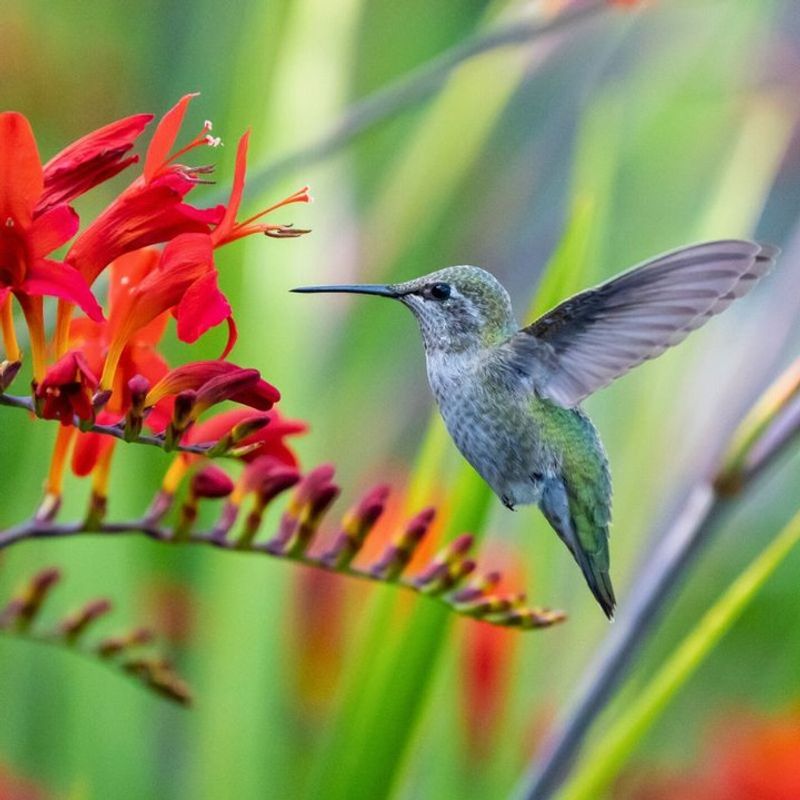
Few annuals work as quickly as red salvia when it comes to putting color in front of a passing hummingbird.
The long, tubular red flower spikes are almost impossible for hummingbirds to miss, especially when grouped together in a sunny spot near a porch or garden bed.
Ruby-throated hummingbirds are naturally drawn to red and orange tubular shapes, and salvia delivers exactly that.
In Ohio, red salvia, often sold as Salvia splendens, is a warm-season annual that should go in the ground or into containers after the last frost date has passed.
Most of Ohio sees its last frost somewhere between late April and mid-May depending on your county, so early to mid-May planting is usually safe.
Full sun is a must, and good drainage keeps the roots happy through hot, humid Ohio summers.
Container plantings tend to be especially effective because you can move the pot closer to a window or seating area for easy viewing. Regular deadheading, which means removing spent flower spikes, keeps new blooms coming all season long.
Pair red salvia with other nectar plants nearby to give visiting hummingbirds a reason to linger rather than just pass through. No plant guarantees a visit, but red salvia is about as close to a reliable hummingbird signal as Ohio gardeners can find in an annual.
2. Plant Cardinal Flower For A Native Nectar Boost
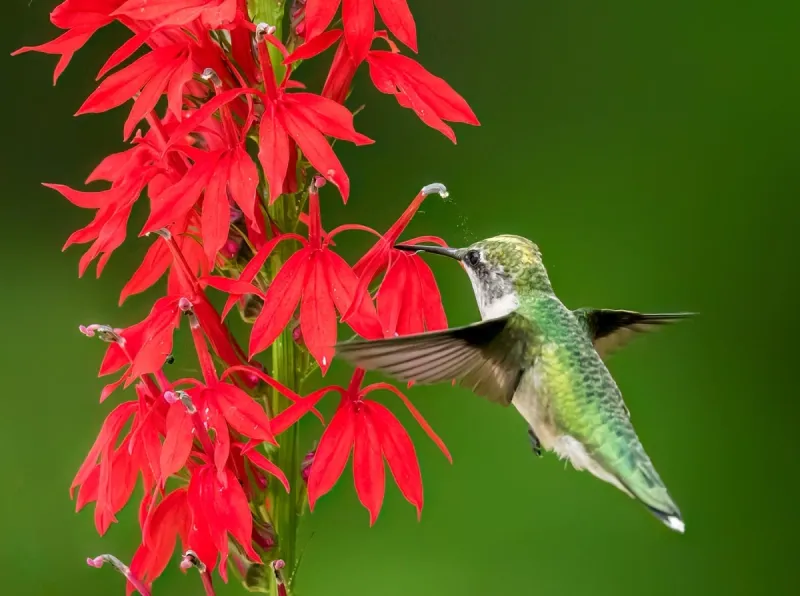
There is something special about a plant that evolved right alongside the ruby-throated hummingbird, and cardinal flower is exactly that.
Lobelia cardinalis is a true Ohio native perennial, recognized by the Ohio Department of Natural Resources as part of the state’s natural flora.
Its brilliant red tubular flowers are shaped in a way that almost perfectly matches the hummingbird’s long bill and hovering feeding style.
Cardinal flower blooms in mid to late summer, typically July through September, which fills a useful gap after some spring bloomers have finished.
It prefers consistently moist to wet soil, making it a strong choice for rain gardens, low spots, pond edges, stream banks, and damp borders.
Your Ohio Garden Changes Every Week. Your Plan Should Too.
Gardening in Ohio changes quickly throughout the season. Every Friday you’ll receive a simple weekly plan showing exactly what to plant, prune, fertilize, harvest, and protect so you never miss the right timing.
Planting it in dry, well-drained beds is a common mistake that leads to poor performance. Give it what it needs and it will reward you.
May is a good time to plant nursery-grown cardinal flower starts because the soil is warm enough for roots to settle before summer heat arrives. It may not bloom the first season if planted late, so patience matters here.
Once established, it often reseeds gently in moist spots, slowly building a small colony over time. Cardinal flower is a long-term investment in your yard’s native plant foundation, and hummingbirds genuinely respond to it when it blooms reliably each season.
3. Add Bee Balm For Summer Hummingbird Action
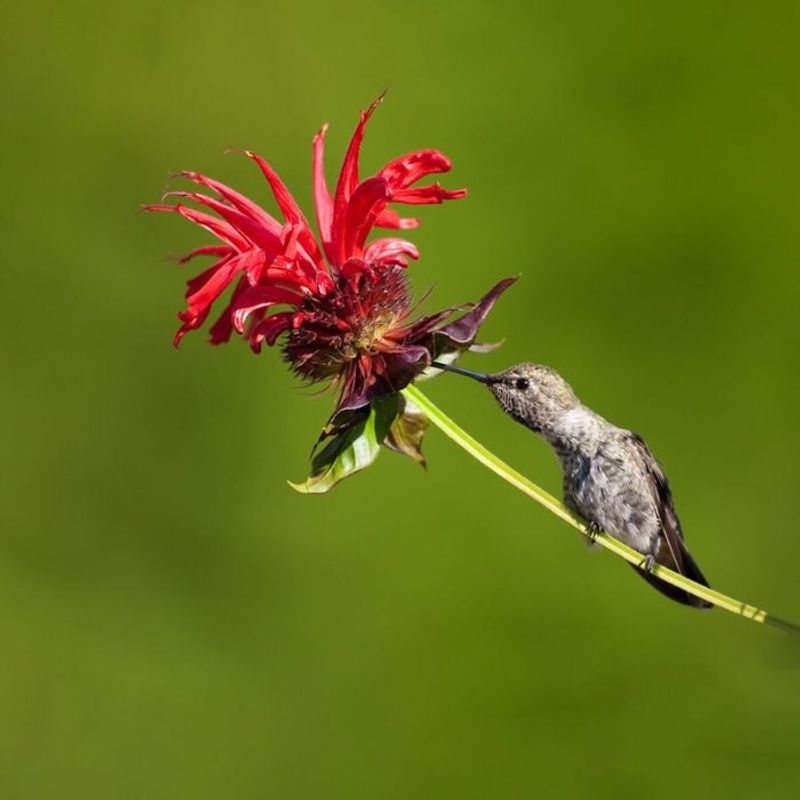
Walk past a patch of bee balm in full bloom on a July morning in Ohio and you might catch a hummingbird already working the flowers before you finish your first cup of coffee.
Monarda didyma, the red-flowered species, and Monarda fistulosa, the lavender-pink wild bergamot, are both native to Ohio and both offer tubular flowers that attract hummingbirds, native bees, and butterflies through the heart of summer.
Monarda didyma tends to be the stronger hummingbird draw because of its brighter red coloring, but both species have real value in a wildlife-friendly yard. Bee balm does best in full sun to part sun with decent spacing between plants.
Good airflow around the stems is genuinely important in Ohio because powdery mildew can become a frustrating problem during humid summer stretches. Planting too close together or in low-airflow spots invites that issue.
Spacing plants at least 18 to 24 inches apart helps reduce mildew pressure. Some nursery varieties have been bred for better mildew resistance, so checking the plant tag before buying is a smart move.
May is an ideal time to plant nursery-grown bee balm starts in Ohio. Small starts may bloom lightly the first season, while larger nursery plants may flower sooner.
By the second year, established clumps usually put on a stronger show.
4. Grow Coral Honeysuckle On A Trellis
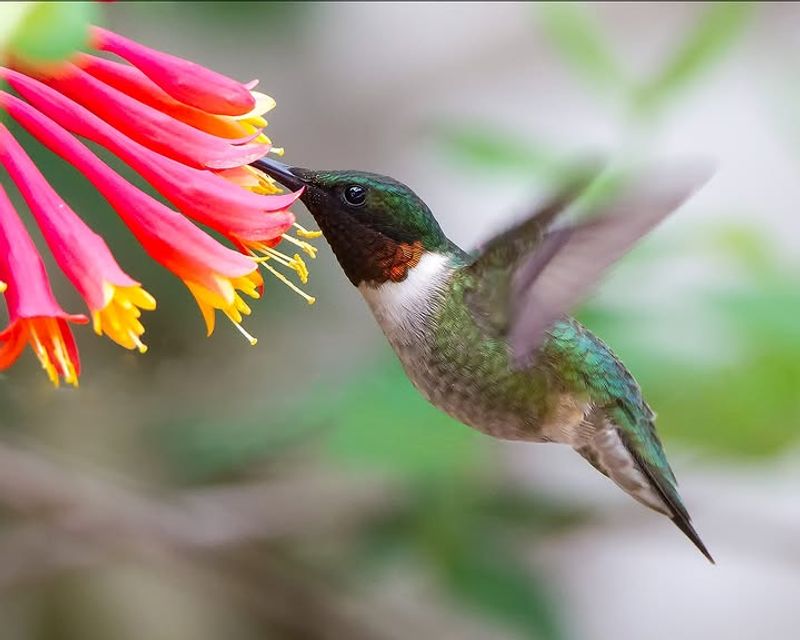
Not all honeysuckles are created equal, and that distinction really matters in Ohio. Coral honeysuckle is native to the eastern United States and is a non-invasive alternative to Japanese honeysuckle and invasive bush honeysuckles.
Coral honeysuckle is a well-behaved, non-invasive vine that climbs by twining around a support structure. A sturdy trellis, wooden arbor, split-rail fence, or pergola post all work well.
It prefers full sun to part sun and needs that vertical support to show off properly. Without something to climb, the plant just sprawls along the ground and never reaches its potential.
May planting gives the vine a full warm season to begin establishing its root system and start climbing. Bloom time typically runs from late spring through summer, and established plants can rebloom in fall in some Ohio locations.
First-year plants may be modest in their flowering while roots settle in, so do not expect a wall of blooms right away. Over time, a well-placed coral honeysuckle becomes one of the most reliable hummingbird features in an Ohio yard.
It also produces small red berries that attract birds in fall, adding extra wildlife value beyond the nectar season.
5. Tuck In Columbine For Early Season Nectar
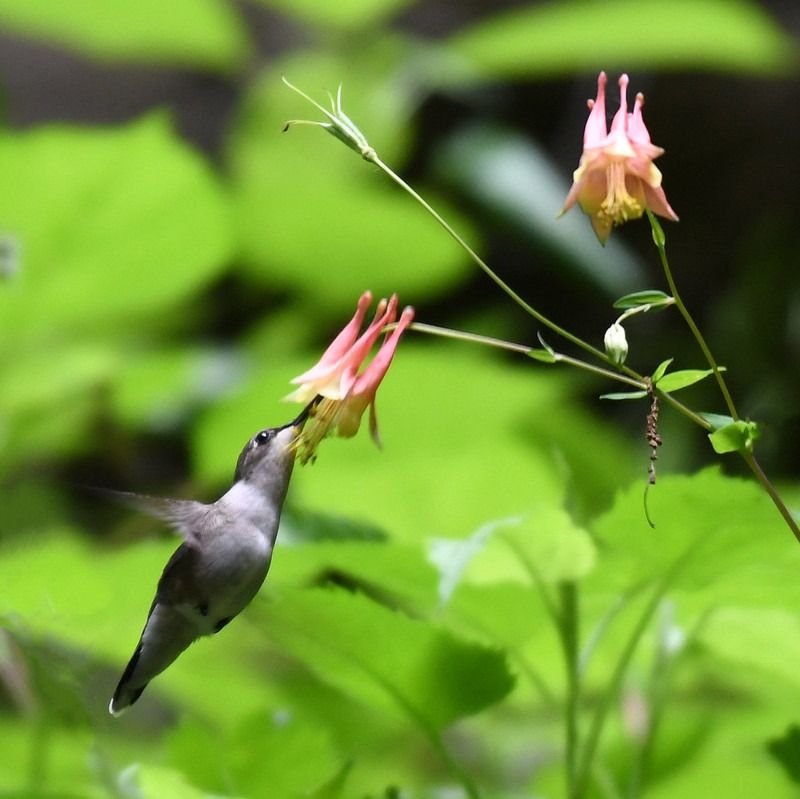
By the time May arrives in Ohio, native columbine may already be nodding its red and yellow blooms in shaded borders and woodland edges across the state.
Aquilegia canadensis is a true Ohio native wildflower, and its spurred tubular flowers are perfectly shaped for the long bill of a ruby-throated hummingbird that has just returned from its winter range and is actively searching for early nectar sources.
If you find columbine already blooming at a local nursery in May, planting it now still makes sense because the roots will have the rest of the season to establish before winter.
It thrives in part shade to dappled shade and fits naturally into woodland edge plantings, native shade gardens, and naturalized borders with loose, well-drained soil.
It does not do well in heavy clay that stays wet.
One of the most appealing qualities of native columbine is that it reseeds gently in suitable conditions, slowly filling in a naturalized area over a few seasons without becoming aggressive.
The blooms are relatively short-lived in spring, so pairing columbine with later-blooming nectar plants ensures hummingbirds have something to return to after the columbine finishes.
Think of it as the welcoming committee for early-season hummingbirds, a quiet signal that your yard is worth a second look throughout the warmer months ahead.
6. Add Nasturtiums For Fast Container Nectar
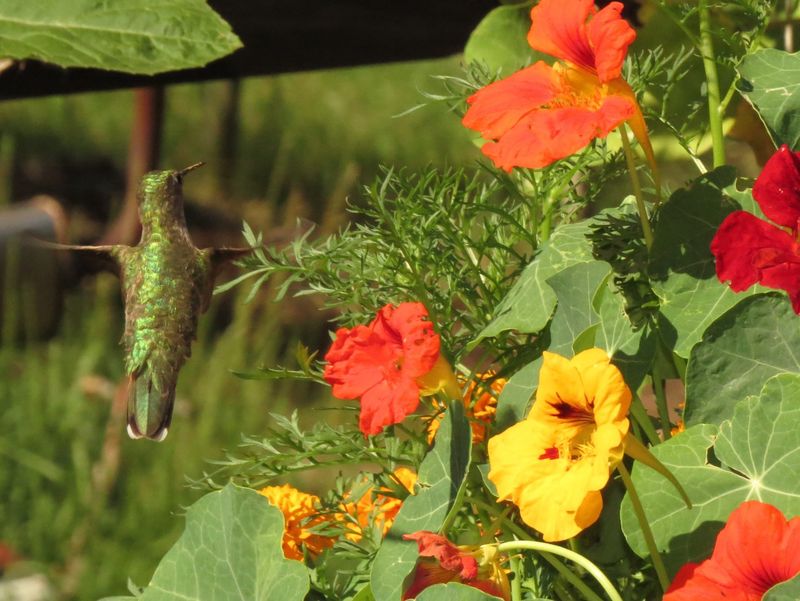
Nasturtiums are a smart choice for Ohio gardeners who want quick color without committing to a permanent vine.
They grow as annuals in Ohio, which makes them useful for May containers, railing planters, window boxes, and sunny bed edges where you want flowers fast.
The rounded leaves give the plant a soft, spilling look, while the bright blooms in orange, red, yellow, and peach add the warm colors hummingbirds often notice.
Nasturtiums are not the strongest hummingbird plant on this list, but they can still add nectar and movement to a yard already planted with salvia, bee balm, cardinal flower, and other better hummingbird draws.
Plant them after frost danger has passed in a pot with drainage holes and average, well-drained soil. Skip heavy fertilizer, since rich soil can push lots of leaves at the expense of flowers.
Give them sun to part sun and steady moisture, but avoid soggy soil.
7. Fill Sunny Pots With Cuphea
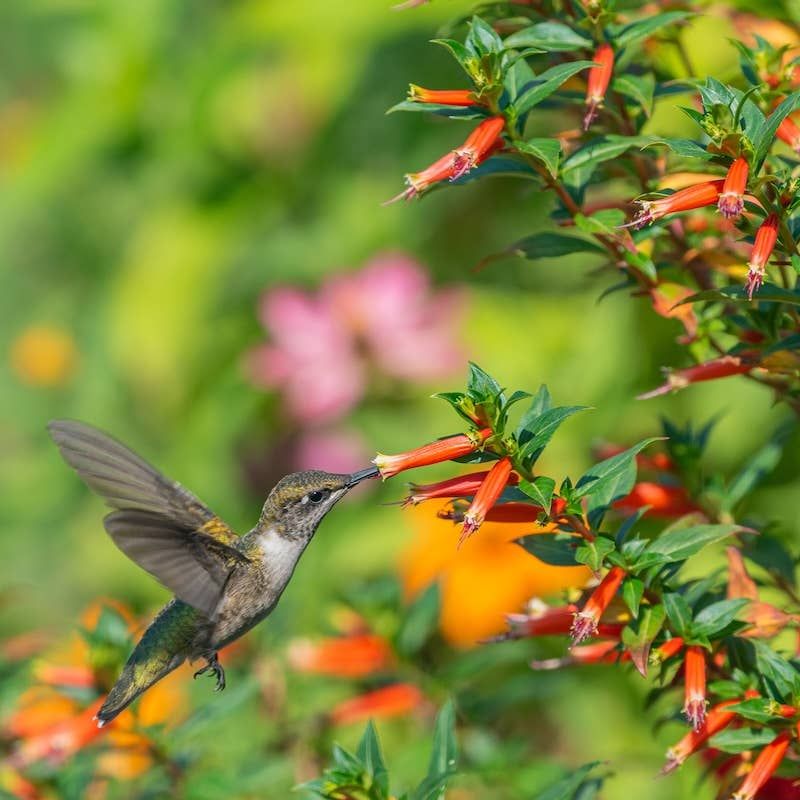
If you want a container plant that puts tubular flowers right at eye level near your patio chair, cuphea is worth serious attention.
Often sold under names like cigar plant or firecracker plant, cuphea produces a steady stream of small tubular flowers in shades of red, orange, and purple through the warm months.
The flower shape and color are well-suited to hummingbird feeding, and the plant tends to bloom continuously without much fuss.
Cuphea is a tender tropical or subtropical plant that is not winter-hardy outdoors in Ohio. Treat it as a warm-season annual, picking it up from a local nursery or garden center after frost danger has passed in May.
It thrives in full sun and needs consistent watering in containers because pots dry out much faster than garden beds during hot Ohio summers. Letting the soil dry out completely between waterings will stress the plant and reduce flowering.
Placing a cuphea pot near a seating area, window, or bird feeder zone gives you a front-row seat to any hummingbird activity. Grouping two or three pots together creates a more visible nectar target than a single plant alone.
Cuphea pairs nicely with red salvia in mixed container plantings, giving hummingbirds multiple flower types in one spot. For Ohio patio gardeners without much garden bed space, cuphea is one of the most practical warm-season choices available.
8. Add Fuchsia To Shady Hanging Baskets
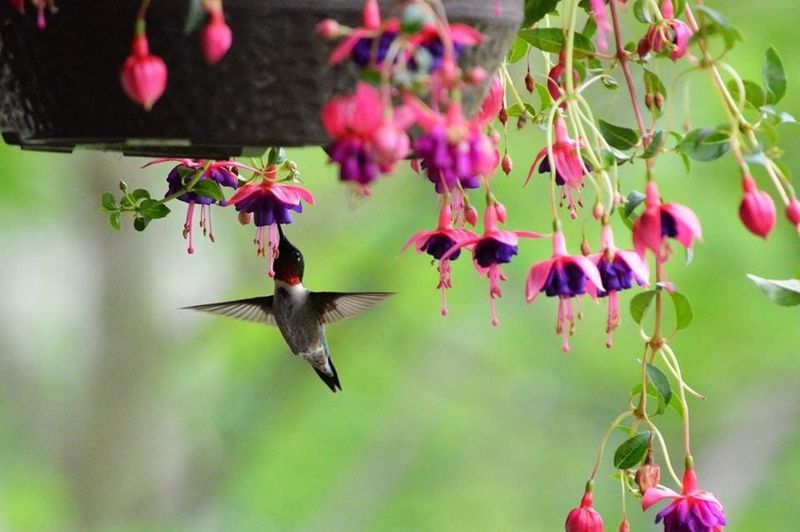
Not every Ohio yard is flooded with full sun, and fuchsia is the answer for gardeners working with a shaded porch, a north-facing patio, or a covered pergola that gets bright indirect light.
The dangling, two-toned tubular flowers in shades of pink, red, purple, and white are visually striking, and hummingbirds do visit them, hovering below the basket to reach the nectar from the pendulous blooms.
Fuchsia is usually sold as a tender annual or tropical plant in Ohio, meaning it will not survive an outdoor winter in most parts of the state.
Pick it up from a garden center in May once temperatures have stabilized, and hang it somewhere that gets morning light or bright shade without harsh afternoon sun.
Hot, dry, direct afternoon sun is one of the fastest ways to stress a fuchsia in an Ohio summer, causing wilting and reduced blooming.
Consistent moisture is non-negotiable for fuchsia in containers. Hanging baskets dry out quickly, especially in warm weather, so checking the soil moisture daily during July and August is a realistic expectation.
A slow-release fertilizer added at planting time, plus occasional liquid feeding through the season, helps keep the blooms coming.
For gardeners who love hummingbirds but lack sunny spots, a well-watered fuchsia basket on a shaded porch can be a surprisingly effective and beautiful nectar station all summer long.