Do These 9 Things For Bigger Rose Blooms In Oregon This Summer
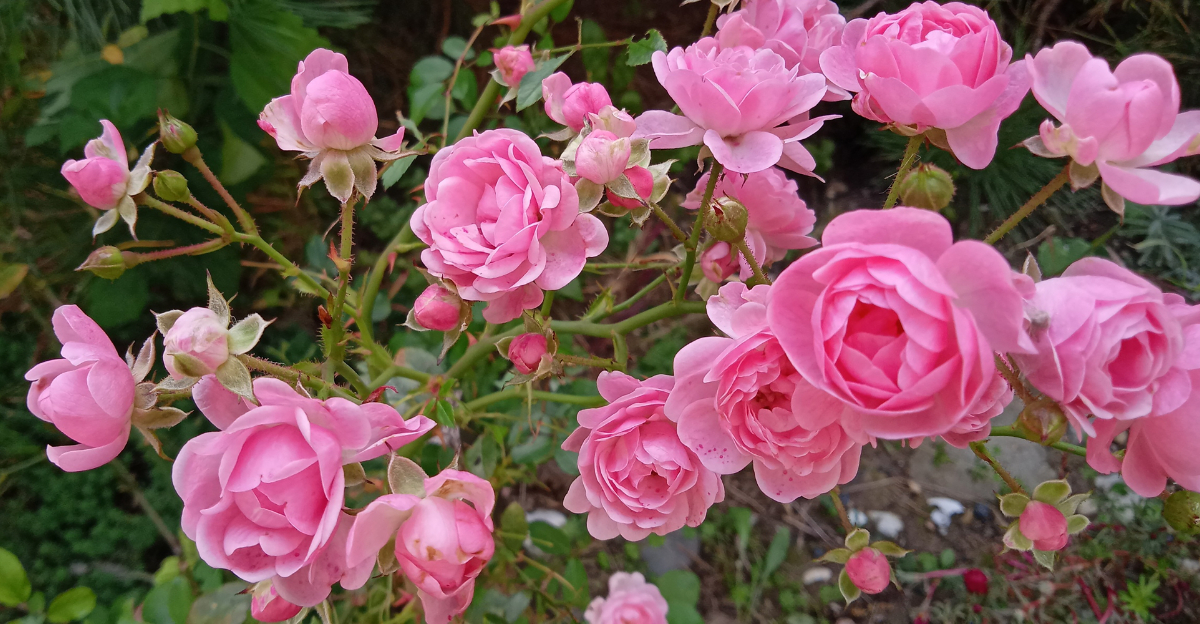
Roses love a little drama, and Oregon gives them the perfect stage. Cool spring mornings, rich soil, and that famous Pacific Northwest moisture can set them up beautifully, but summer blooms still need the right kind of attention before they go full showoff mode.
Bigger roses usually come down to smart timing, steady care, and a few habits that make each plant feel like it has its own backstage crew.
Think clean pruning, deep watering, hungry roots getting the right food, and spent flowers leaving the party before they drain energy.
Add in good airflow and a watchful eye for pests, and your rose bushes can trade “pretty nice” for “stop-and-stare.”
Oregon’s summer can be gorgeous, but it can also bring dry spells and sneaky disease pressure. Give your roses the VIP treatment now, and they just might reward you with blooms worthy of their own garden fan club.
1. Give Roses Plenty Of Sun
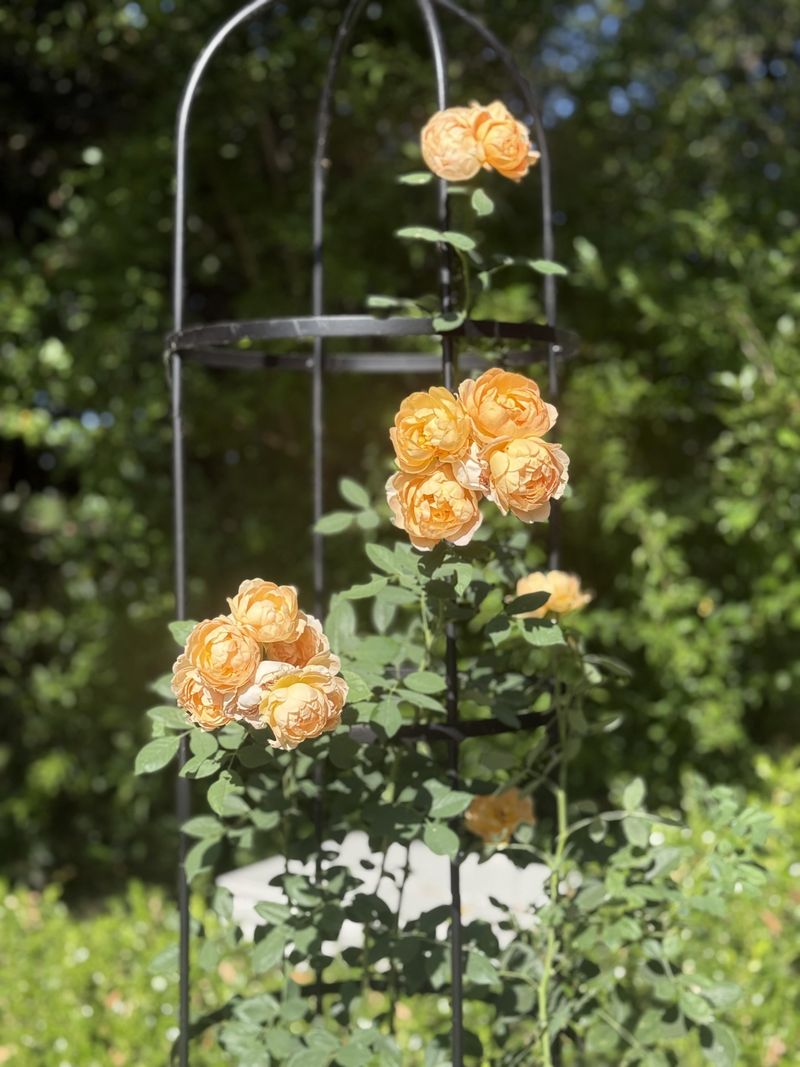
Sunlight is one of the biggest secrets behind massive rose blooms. Roses are sun-loving plants that need at least six to eight hours of direct sunlight every single day.
Without enough sun, your plants will grow weak stems and produce fewer flowers.
In Oregon, summer days are long and bright, which is great news for rose growers. However, some yards have shady spots from trees or buildings.
If your roses are planted in a shady area, they may struggle to reach their full potential.
Check your garden throughout the day to see how much direct light each rose bush receives. Move container roses to sunnier spots if needed.
For in-ground roses, consider trimming nearby trees or shrubs that may be blocking the light.
Choosing the right planting location makes a huge difference. South-facing garden beds in Oregon tend to get the most sun exposure during the summer months.
Planting your roses there gives them the energy they need to push out big, bold blooms all season long. A little planning goes a long way when it comes to sun placement.
2. Water Deeply At The Base
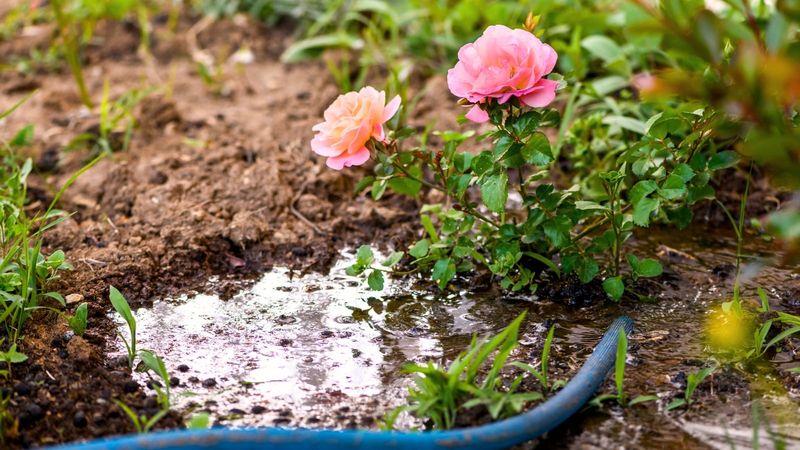
Roses are thirsty plants, especially during Oregon’s warm summer months. Watering them correctly makes a huge difference in how well they bloom.
Shallow watering only wets the top layer of soil and encourages weak, surface-level root growth.
Deep watering, on the other hand, pushes moisture down into the soil where the roots actually live. Aim to water your roses slowly and thoroughly at least once or twice a week during dry spells.
Let the water soak in rather than running off across the surface.
Always water at the base of the plant, not overhead. Wet leaves invite fungal problems like black spot and powdery mildew, which are common rose issues in Oregon’s climate.
A soaker hose or drip irrigation system works really well for keeping foliage dry while delivering water right where it is needed.
Early morning is the best time to water roses. This gives any accidental splashes on the leaves time to dry out before evening.
Your Oregon Garden Changes Every Week. Your Plan Should Too.
Gardening in Oregon changes quickly throughout the season. Every Friday you’ll receive a simple weekly plan showing exactly what to plant, prune, fertilize, harvest, and protect so you never miss the right timing.
Consistent deep watering keeps roots strong and healthy, which directly supports the development of larger, longer-lasting blooms throughout the entire summer growing season.
3. Mulch To Keep Roots Cool
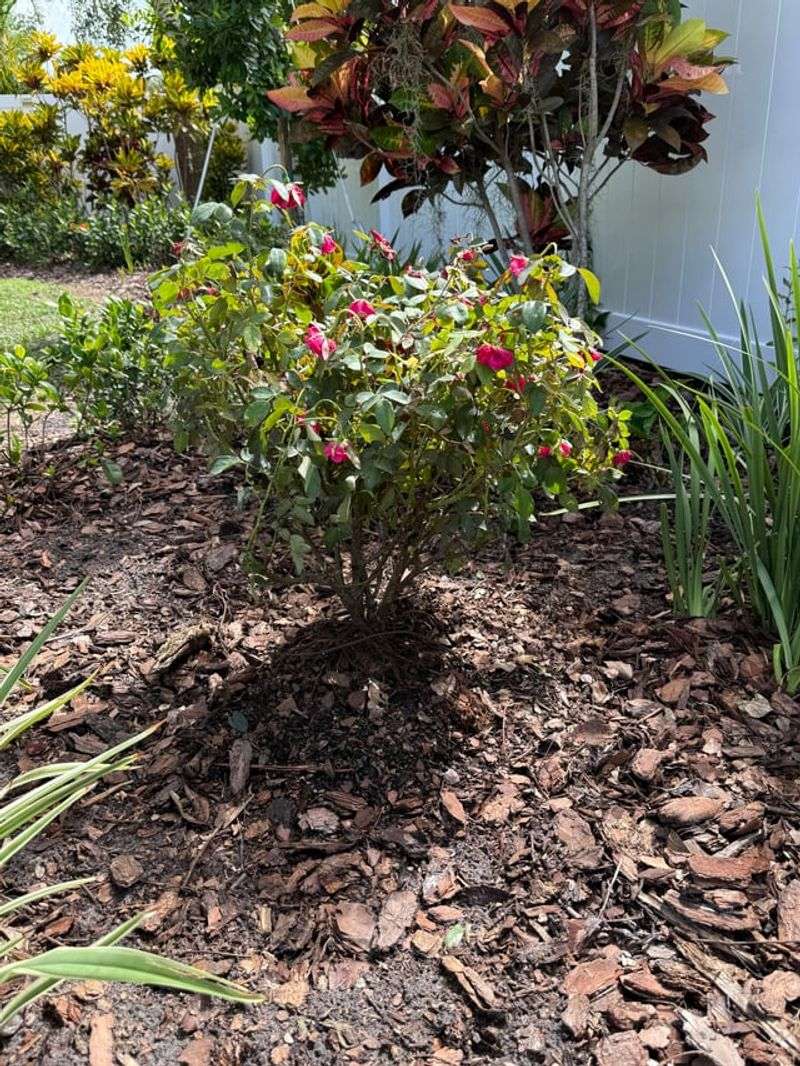
Mulching around your rose bushes is one of the smartest moves you can make in an Oregon summer garden. A good layer of mulch acts like a blanket for the soil, keeping it cool and moist even on the hottest days of the season.
Apply two to three inches of organic mulch around the base of each rose bush. Wood chips, shredded bark, or straw all work beautifully.
Keep the mulch a few inches away from the main stem to prevent moisture buildup that could lead to rot or disease.
Beyond temperature control, mulch also helps suppress weeds that compete with your roses for nutrients and water. Fewer weeds mean your roses get more of what they need to produce those jaw-dropping blooms you are aiming for this summer.
As organic mulch breaks down over time, it actually adds nutrients back into the soil. This slow-release benefit is a bonus that helps feed your roses naturally.
Refresh the mulch layer every few weeks as needed throughout the season. In Oregon’s variable summer weather, keeping roots cool and protected through mulching is a simple step that pays off in bigger, more beautiful flowers.
4. Feed After Bloom Cycles
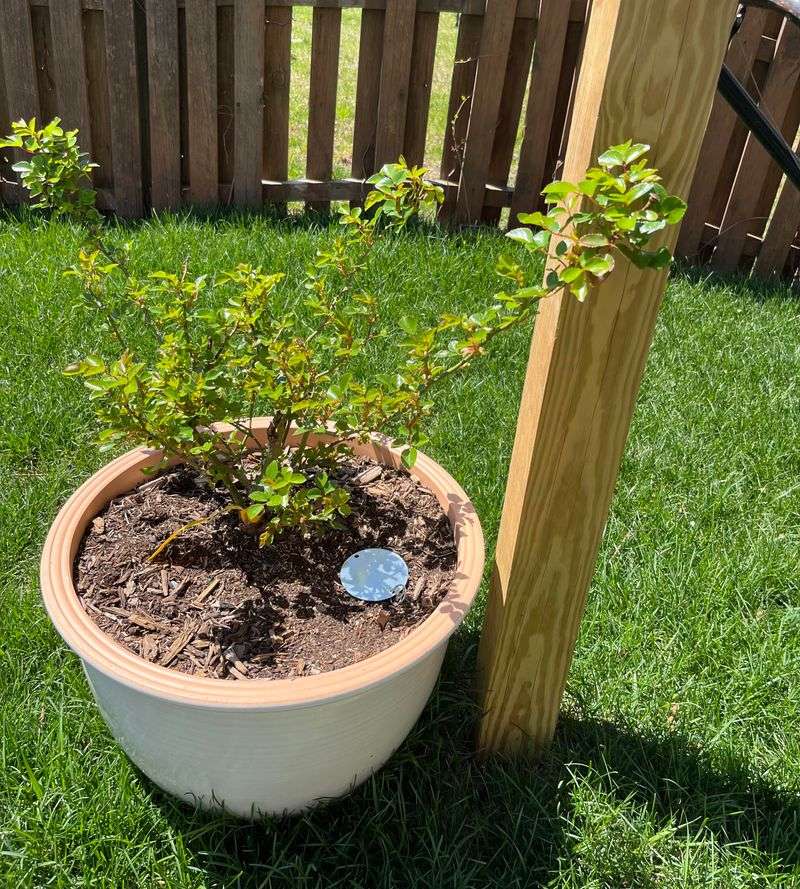
Roses are heavy feeders, and they need regular nutrition to keep performing at their best. One of the most effective times to fertilize is right after each bloom cycle ends.
This helps the plant recover quickly and gather the energy needed to push out the next round of flowers.
Use a balanced rose fertilizer that contains nitrogen, phosphorus, and potassium. Nitrogen supports leafy green growth, phosphorus encourages strong root development and flower production, and potassium helps the whole plant stay healthy and disease-resistant.
Look for fertilizers labeled specifically for roses at your local Oregon garden center.
Granular fertilizers are easy to apply and release nutrients slowly over time. Liquid fertilizers work faster and are a great option when your roses need a quick boost.
Many Oregon gardeners use a combination of both throughout the growing season for the best results.
Stop fertilizing about six weeks before the first expected frost in your area. Feeding too late in the season can push out new growth that is not ready for cooler temperatures.
Following a consistent feeding schedule tied to your rose’s bloom cycles is one of the most reliable ways to get bigger, more vibrant blooms all summer long in Oregon.
5. Deadhead Spent Flowers
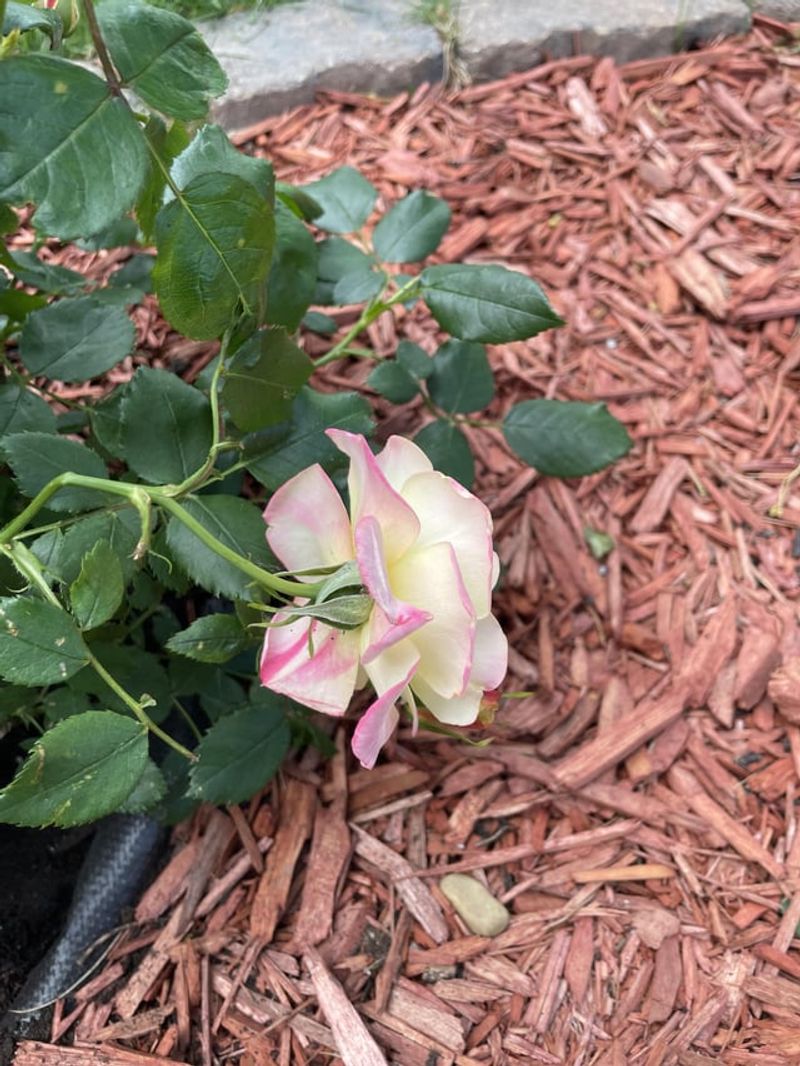
There is something almost magical about deadheading. Simply removing old, faded blooms tells your rose bush to stop putting energy into making seeds and start pushing out brand new flowers instead.
It is one of the easiest and most rewarding tasks in the summer rose garden.
Use clean, sharp pruning shears to cut spent blooms just above a set of five-leaflet leaves. Making a clean cut helps the plant heal quickly and reduces the risk of disease entering through a ragged wound.
Always sanitize your tools between plants to avoid spreading any potential infections.
In Oregon, where roses can bloom from late spring all the way through early fall, regular deadheading keeps the show going strong. Make it a weekly habit to walk through your garden and snip off any flowers that are past their prime.
It only takes a few minutes and the results are well worth it.
Deadheading also keeps your garden looking tidy and well-maintained. Nobody wants to look at drooping brown petals when beautiful new buds are waiting to open.
Staying on top of this simple task throughout the Oregon summer season encourages your roses to bloom more often and with greater intensity than they would if left on their own.
6. Prune For Better Airflow
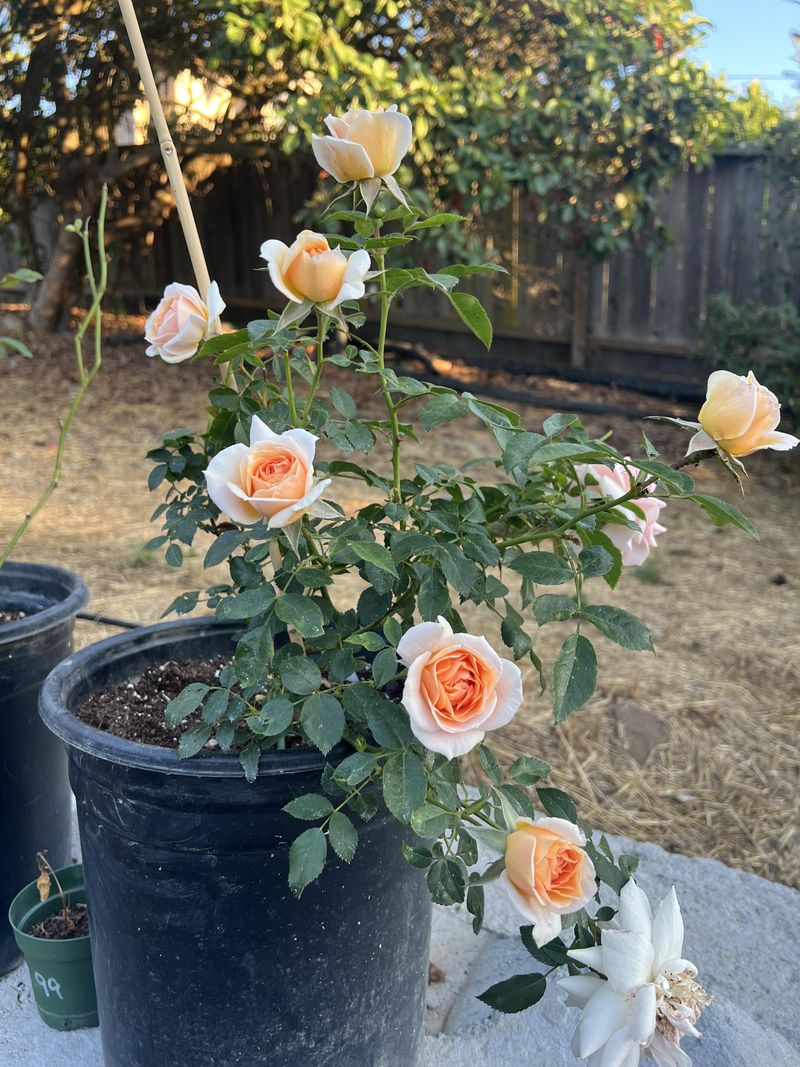
Good airflow through a rose bush is more important than most people realize. When branches grow too close together or cross over each other, air cannot move freely through the plant.
That trapped moisture and warmth creates the perfect environment for fungal diseases to spread.
Light summer pruning focuses on opening up the center of the plant. Remove any canes that are crossing, rubbing against each other, or growing inward toward the middle of the bush.
This encourages an open, vase-like shape that allows air and sunlight to reach every part of the plant.
Oregon summers can bring stretches of humid weather, especially near the coast. That moisture in the air makes good airflow even more critical for keeping your roses healthy.
A well-pruned rose bush dries out faster after rain or irrigation, which dramatically reduces the chance of common fungal issues taking hold.
Do not go overboard with summer pruning. The goal is to tidy and open up the plant, not to cut it back heavily like you would in early spring.
Remove thin, weak stems that are unlikely to support large blooms anyway. A few thoughtful cuts made at the right time can lead to noticeably bigger and healthier roses by midsummer in Oregon.
7. Clear Away Diseased Leaves
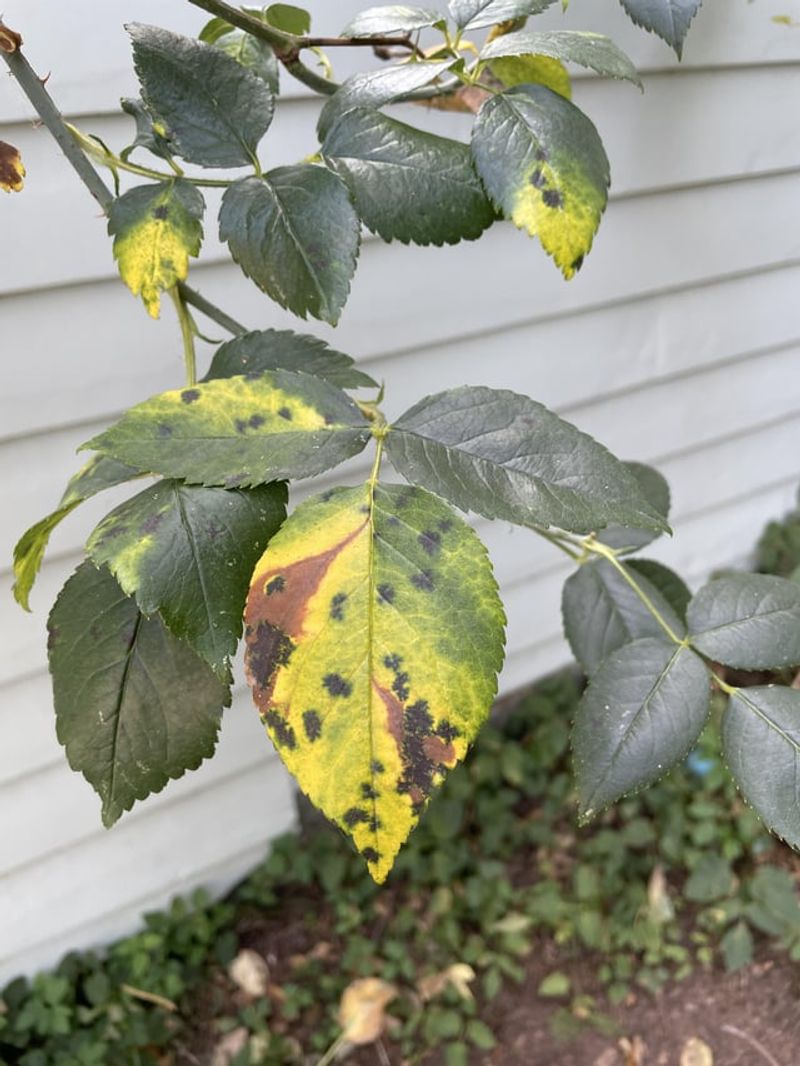
Spotting trouble early is the key to keeping your roses healthy all summer. Black spot, rust, and powdery mildew are among the most common leaf diseases that affect roses in Oregon.
These fungal problems spread quickly if infected leaves are left on the plant or on the ground beneath it.
As soon as you notice leaves with dark spots, yellowing edges, or a white powdery coating, remove them right away. Do not compost diseased leaves because fungal spores can survive and spread to healthy plants later.
Instead, seal them in a bag and put them in the trash.
After removing infected leaves, give your roses a light spray with a fungicide approved for use on roses. Neem oil is a popular organic option that works well and is widely available at Oregon garden centers.
Follow the label directions carefully for the safest and most effective results.
Keeping the area around your rose bushes clean is just as important as treating the plants themselves. Fallen leaves and petals on the ground can harbor disease and create problems for next season.
A quick weekly cleanup of the garden bed goes a long way toward keeping your Oregon roses looking their absolute best from early summer through fall.
8. Watch For Common Rose Problems
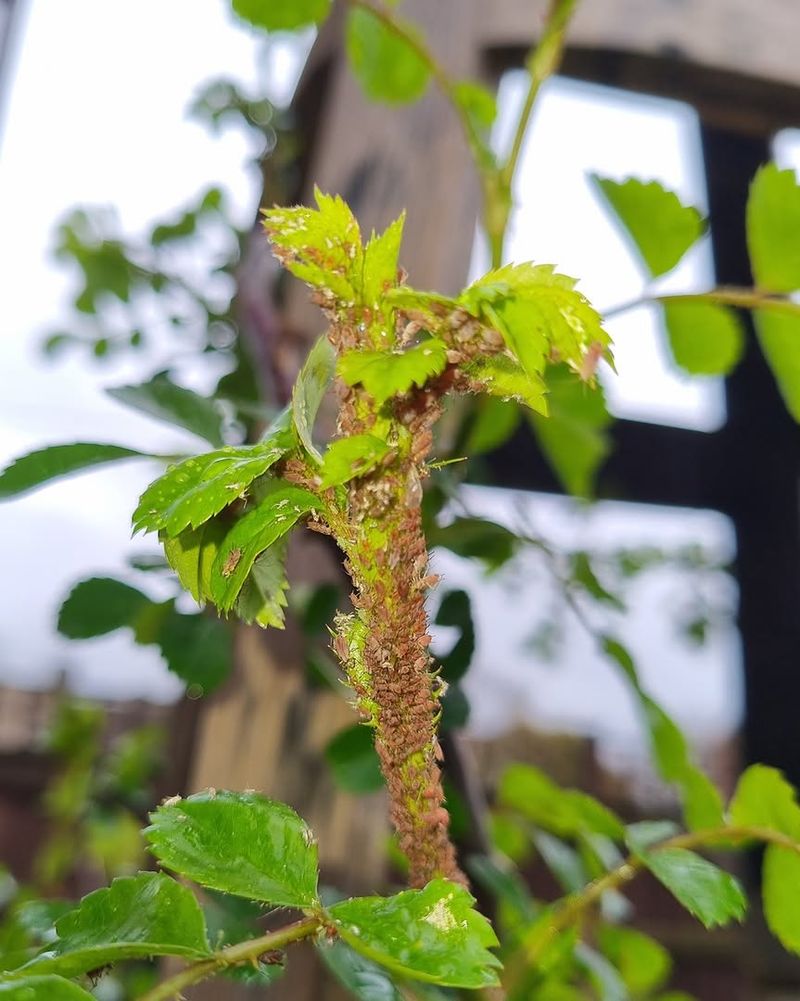
Roses may be beautiful, but they do attract their fair share of pests and problems. Knowing what to look for early makes it much easier to handle issues before they get out of hand.
In Oregon gardens, some of the most common troublemakers include aphids, spider mites, Japanese beetles, and rose sawfly larvae.
Aphids are tiny, soft-bodied insects that cluster on new growth and flower buds. They suck sap from the plant and can cause buds to look deformed or fail to open properly.
A strong blast of water from the hose can knock them off, or you can use insecticidal soap for heavier infestations.
Spider mites thrive in hot, dry conditions and leave behind a fine webbing on the undersides of leaves. Keeping your roses well-watered and misting the leaves occasionally helps deter them.
Rose sawfly larvae look like tiny caterpillars and can skeletonize leaves very quickly if not caught early.
Checking your roses at least once a week gives you the best chance of catching problems while they are still manageable. Walk through your Oregon garden with a close eye, turning over leaves and inspecting stems.
Catching issues early means less stress for your plants and more energy going toward producing those gorgeous summer blooms you are working so hard to achieve.
9. Cut Blooms The Right Way
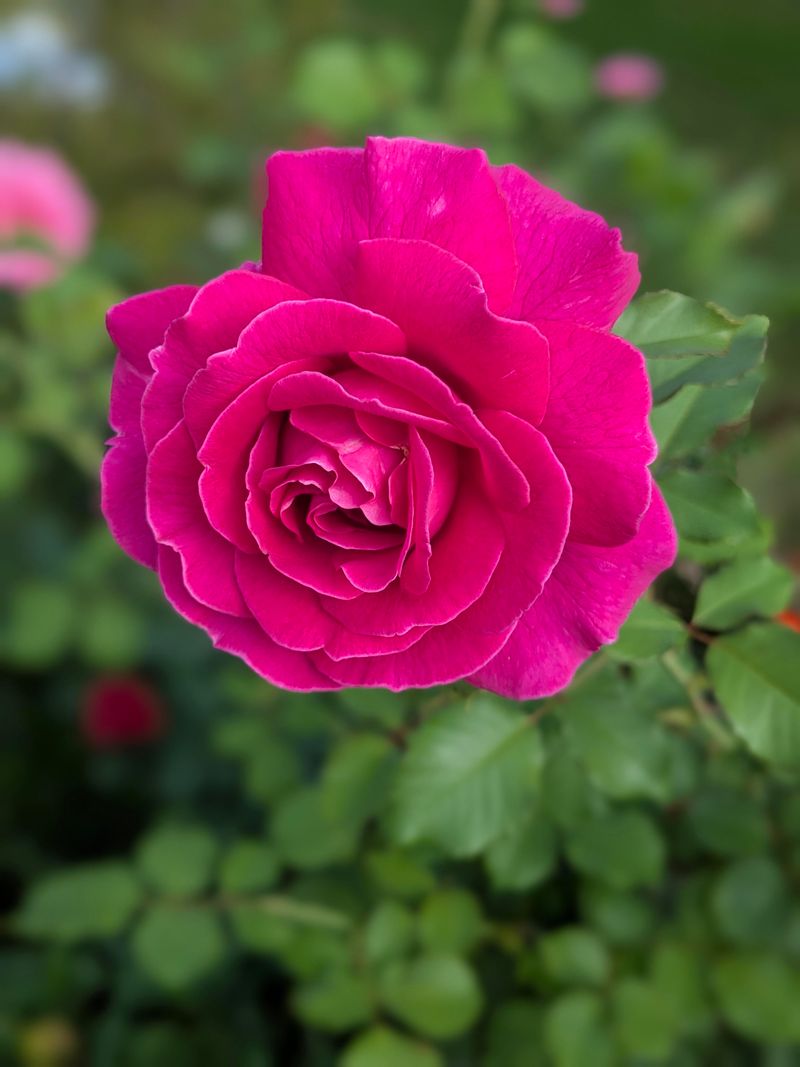
Cutting roses for a vase is one of the great joys of summer gardening. But the way you cut them actually affects how well the plant continues to bloom for the rest of the season.
A careless cut can slow regrowth and reduce the number of flowers your bush produces going forward.
Always use clean, sharp shears when cutting blooms. Make the cut at a 45-degree angle just above a leaf node that has five leaflets.
This encourages the plant to branch out and produce more stems, which means more flowers in the coming weeks. Dull blades crush the stem tissue and make it harder for the plant to heal properly.
Cut roses in the early morning when the stems are full of moisture and the blooms are at their freshest. Immediately place cut stems into a bucket of cool water to keep them hydrated.
This simple step extends the life of your cut flowers significantly once they are brought indoors.
For Oregon gardeners who love having roses on the kitchen table all summer, regular cutting actually encourages more blooms rather than fewer. Think of it as a form of deadheading with a bonus.
Every time you bring fresh roses inside, you are signaling to the plant to grow new buds and keep that gorgeous summer display going strong.